
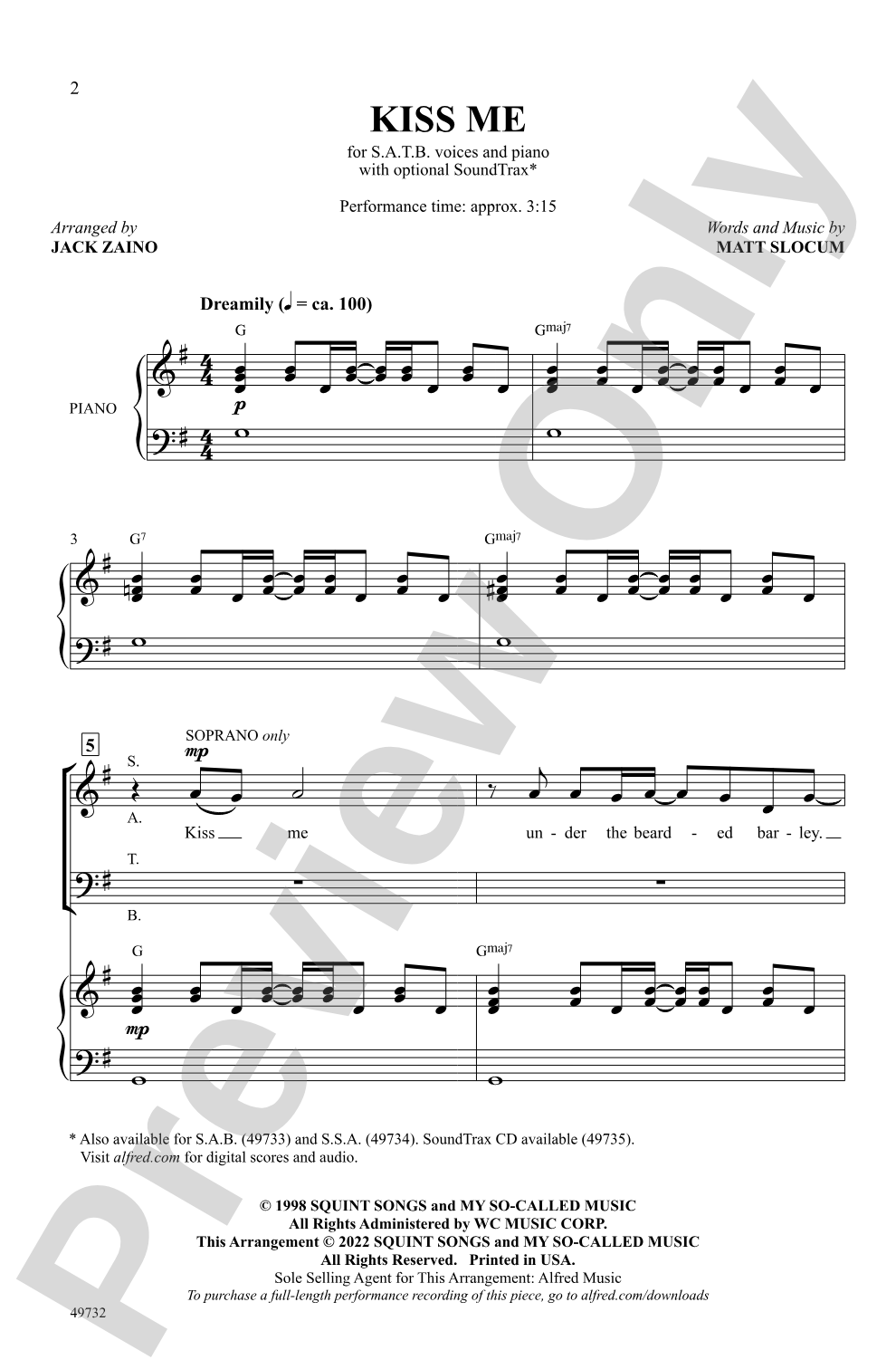

Kiss Me: SATB Choral Octavo
Words and music by Matt Slocum / arr. Jack Zaino
Item: 00-PO-0006932
$2.10
Minimum order quantity: 20 copies
One moment…
Related Items
Kiss Me: SoundTrax Digital Audio Download |
$29.99
|
View | |
Kiss Me: SAB Choral Octavo |
$2.10
|
View | |
Kiss Me: SSA Choral Octavo |
$2.10
|
View | |
Kiss Me: SATB Choral Octavo |
$2.10
|
View | |
Kiss Me: SAB Choral Octavo |
$2.10
|
View | |
Kiss Me: SSA Choral Octavo |
$2.10
|
View | |
Kiss Me: Choral Octavo SoundTrax CD |
$29.99
|
View |
Description
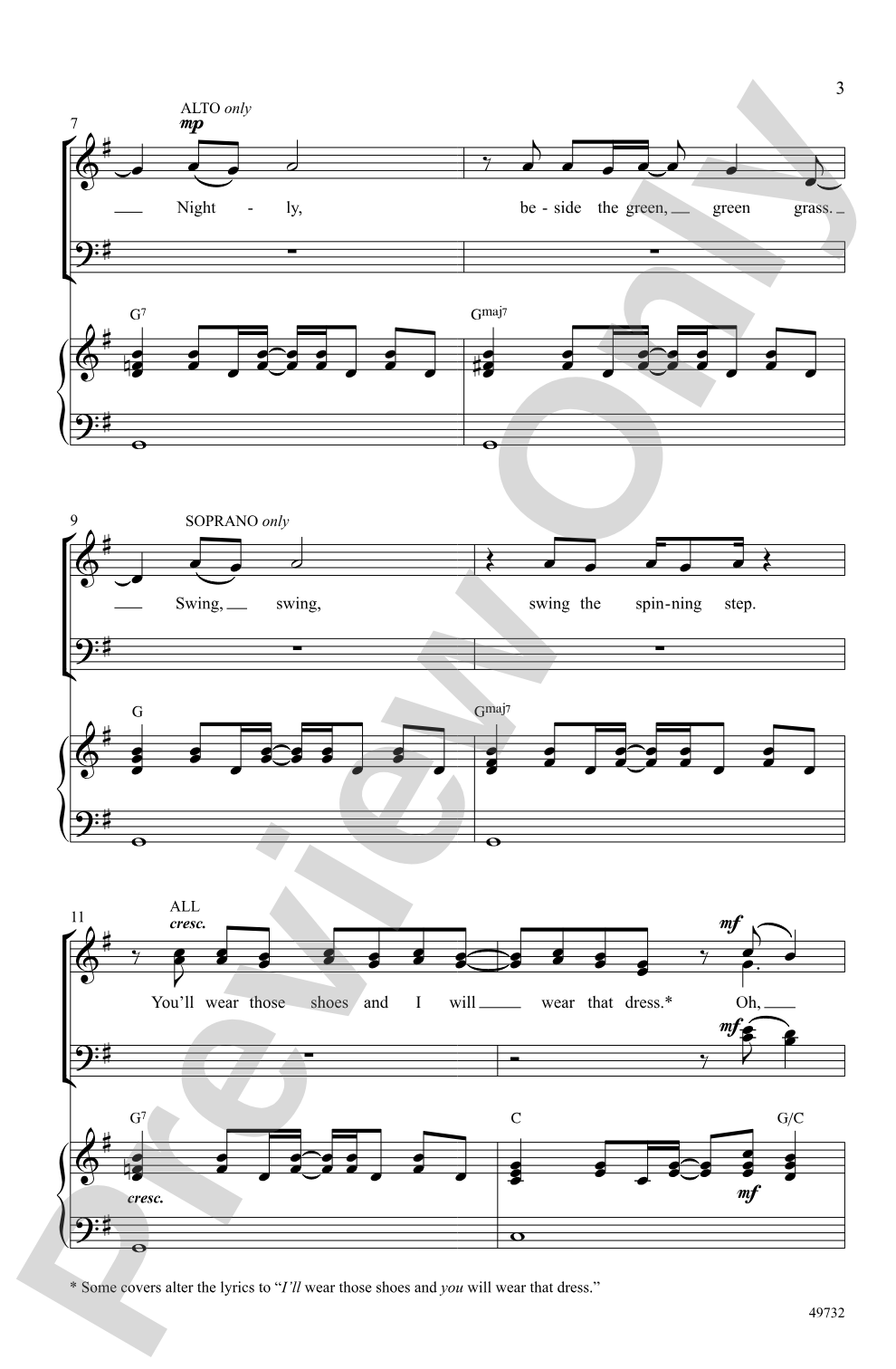
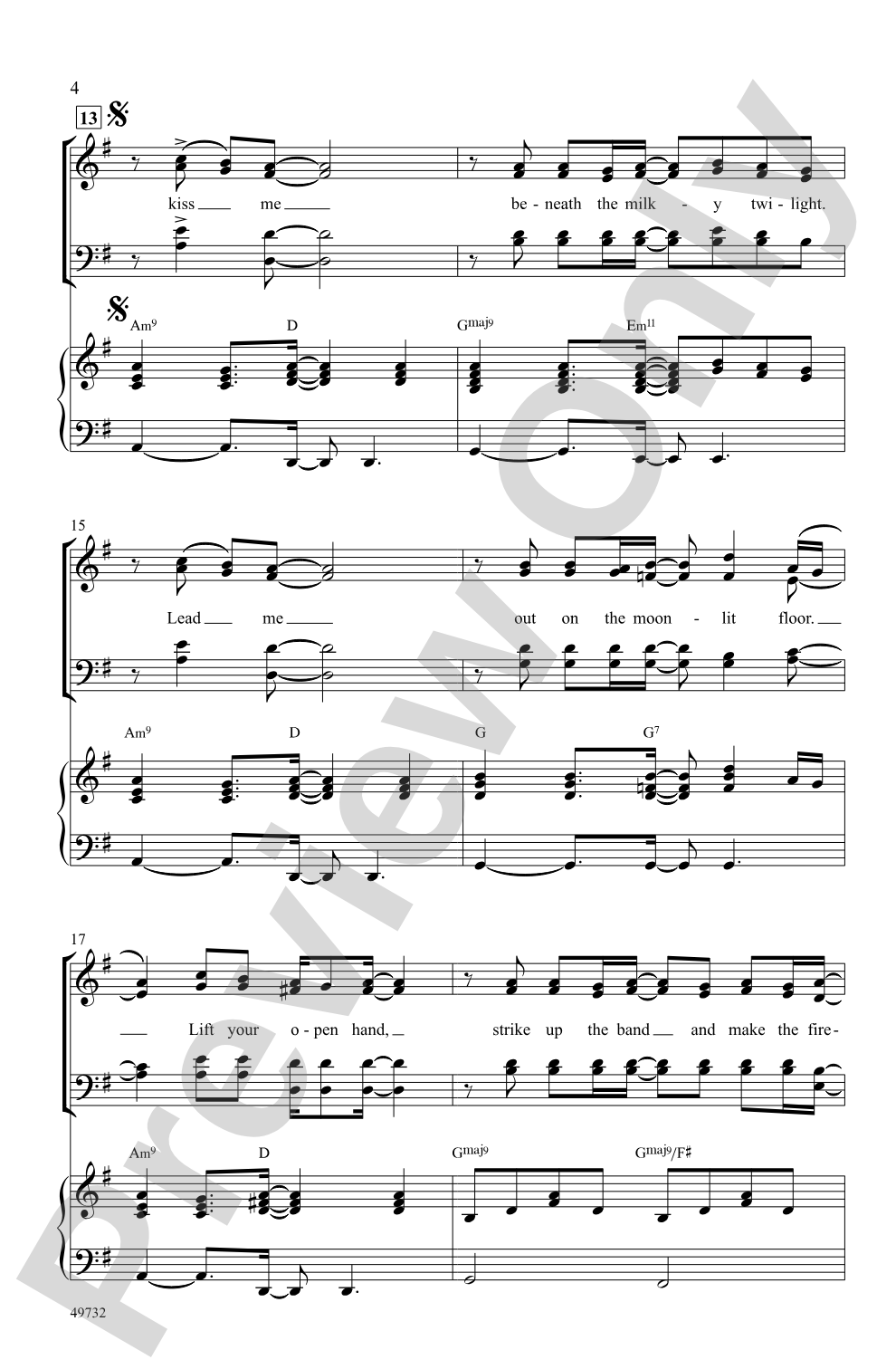
Sixpence None the Richer's most famous hit is an enduring slice of swoony guitar pop. "Strike up the band and make the fireflies dance, silver moon sparkling." Teen singers will love the sweet romantic imagery, while their teachers appreciate the innocence of refreshing lyrics. This well-crafted arrangement lends the most-memorable instrumental motive to the voices, and shares the satisfying 90s pop harmonies with the entire choir. An airy medium-tempo ballad with plenty of heart.


Discover MakeMusic Cloud: thousands of interactive titles your students can play along with today.
Sample Audio
1
Audio File
--:--
0:00
0:00
Sample Video
1 / 2
Additional Details
Series:
Alfred Pop Choral Series
Publisher:
Alfred Music
Page Count:
12
SKU:
00-PO-0006932
More about this title
About the Composer: Matt Slocum
Matt Slocum cofounded Sixpence None the Richer in the early 1990s and served as the band's primary songwriter and guitarist. His melodic sensibility and gift for crafting emotionally direct pop songs became the foundation of the band's success, particularly with "Kiss Me," which reached mainstream radio and film audiences through the 1999 movie soundtrack for "She's All That." Slocum's songwriting combines accessible hooks with genuine lyrical warmth, making his compositions natural fits for choral adaptation.
Why we love this
Jack Zaino's arrangement captures the signature guitar riff that made the original unforgettable and gives it to your singers, immediately making this feel rewarding to perform. The harmonic language stays true to the 90s pop sound without requiring advanced vocal technique, so your choir can focus on delivering genuine emotion rather than wrestling with complexity. Teen voices connect naturally to the romantic sincerity of the lyrics, and the modest key and medium tempo create a polished concert piece that lands well with any audience.
What to expect
Gentle, honest, and cinematic. The arrangement floats across an airy harmonic landscape colored by lush 90s pop voicings, with the familiar melodic hook lending immediate familiarity and comfort. There is nothing cynical about this piece; it radiates the earnest romanticism of its era, making it feel both nostalgic and timelessly sincere.
Who it's for
This octavo serves choirs with singers in grades 7 through 12 and young adult groups seeking repertoire that feels contemporary without sacrificing musical substance. Directors programming a diverse season will find this pairs well alongside both classical standards and other pop arrangements, offering teen singers material that validates their musical instincts while teaching solid choral fundamentals.
How to get the most out of it
- Let the recorded accompaniment establish the characteristic rhythmic groove, then shape your ensemble's entrances around that pocket rather than fighting against it.
- Balance the melodic material carefully between soprano and alto lines; this arrangement gives both voices engaging moments, and clarity comes from subtle dynamic shaping rather than forcing one part over another.
- Treat the lyrics as conversation rather than proclamation. The sweetness of "Strike up the band and make the fireflies dance" works best when sung with genuine affection and a warm, unforced tone.
- Maintain steady, unbrushed eighth-note subdivision throughout; the tempo should feel unhurried but never stalled, with the rhythm section's pulse supporting consistent forward motion.
How to use it
Feature this as a spring or winter concert closer, where its intimate warmth and crowd-pleasing melody create a satisfying finale. It also works as a bridge between classical and contemporary repertoire on a diverse program, signaling to singers and listeners that the choir's musical range extends beyond traditional art song.
Skills your students will build
- Singing sustained legit lines across a wide range of harmonic movement
- Balancing homophonic and quasi-polyphonic textures within four-part writing
- Interpreting pop idiom with appropriate rhythmic precision and vocal placement
- Managing chord extensions and jazz-influenced harmony
- Singing with emotional authenticity while maintaining musical focus