
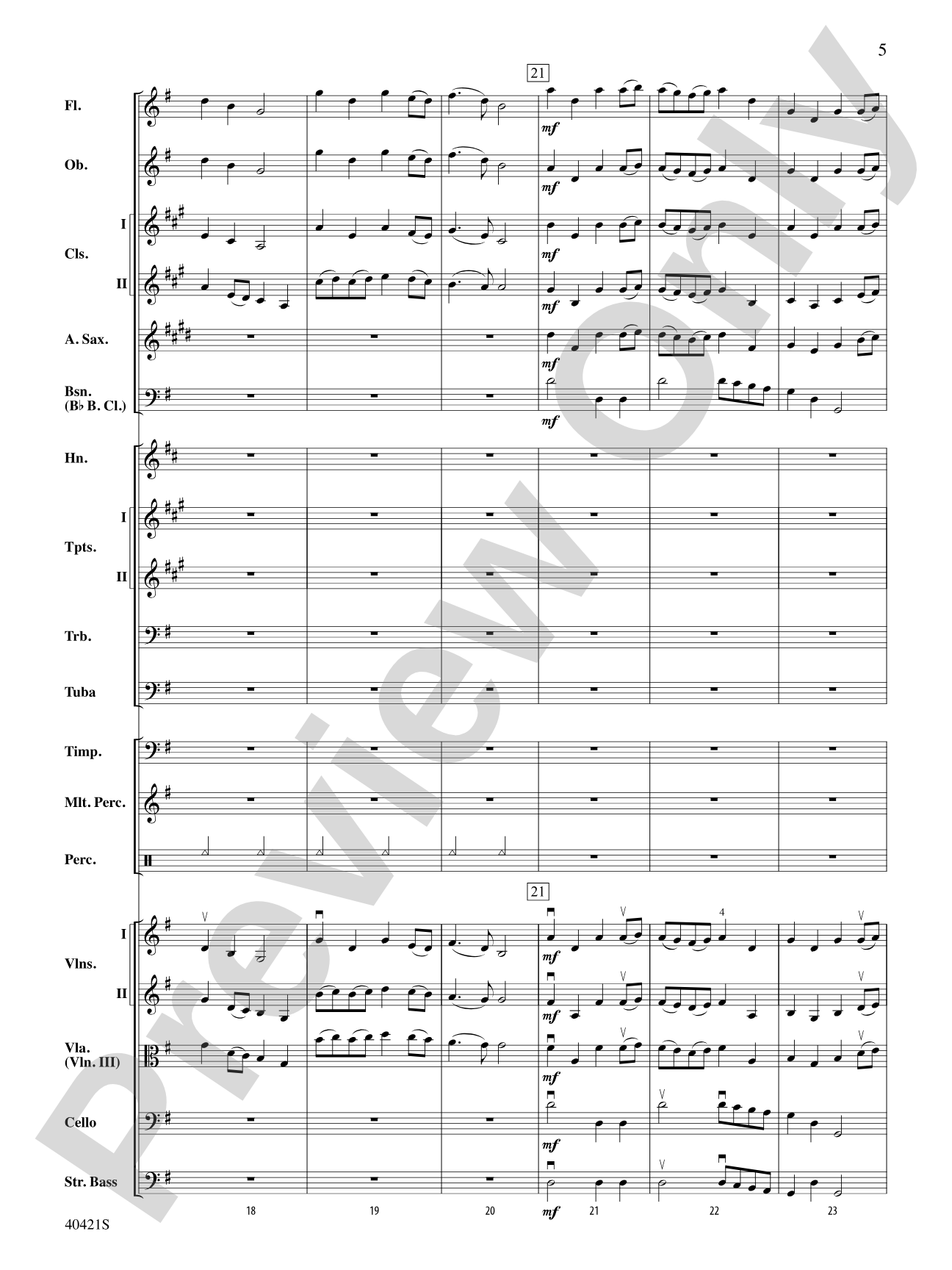
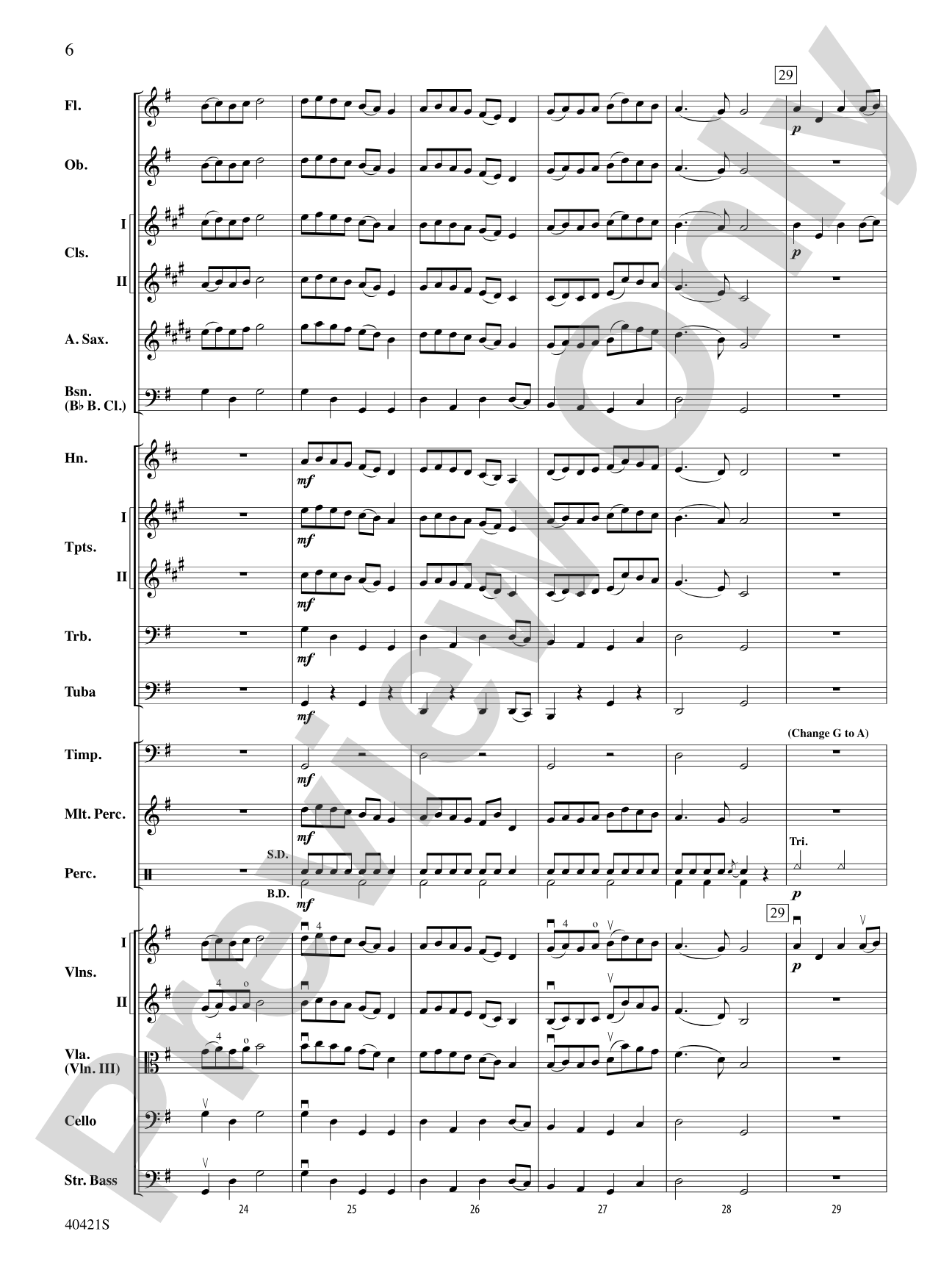
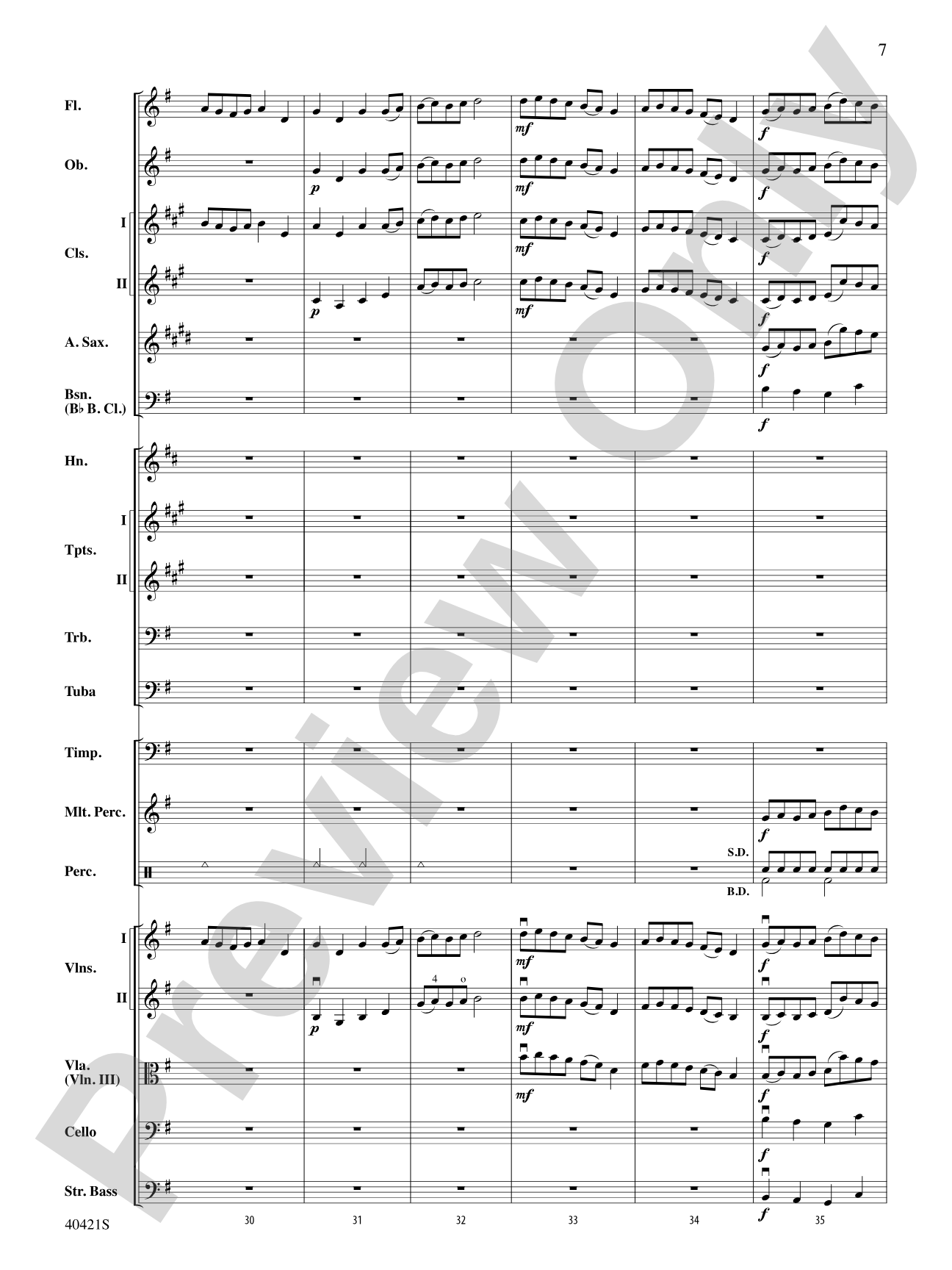
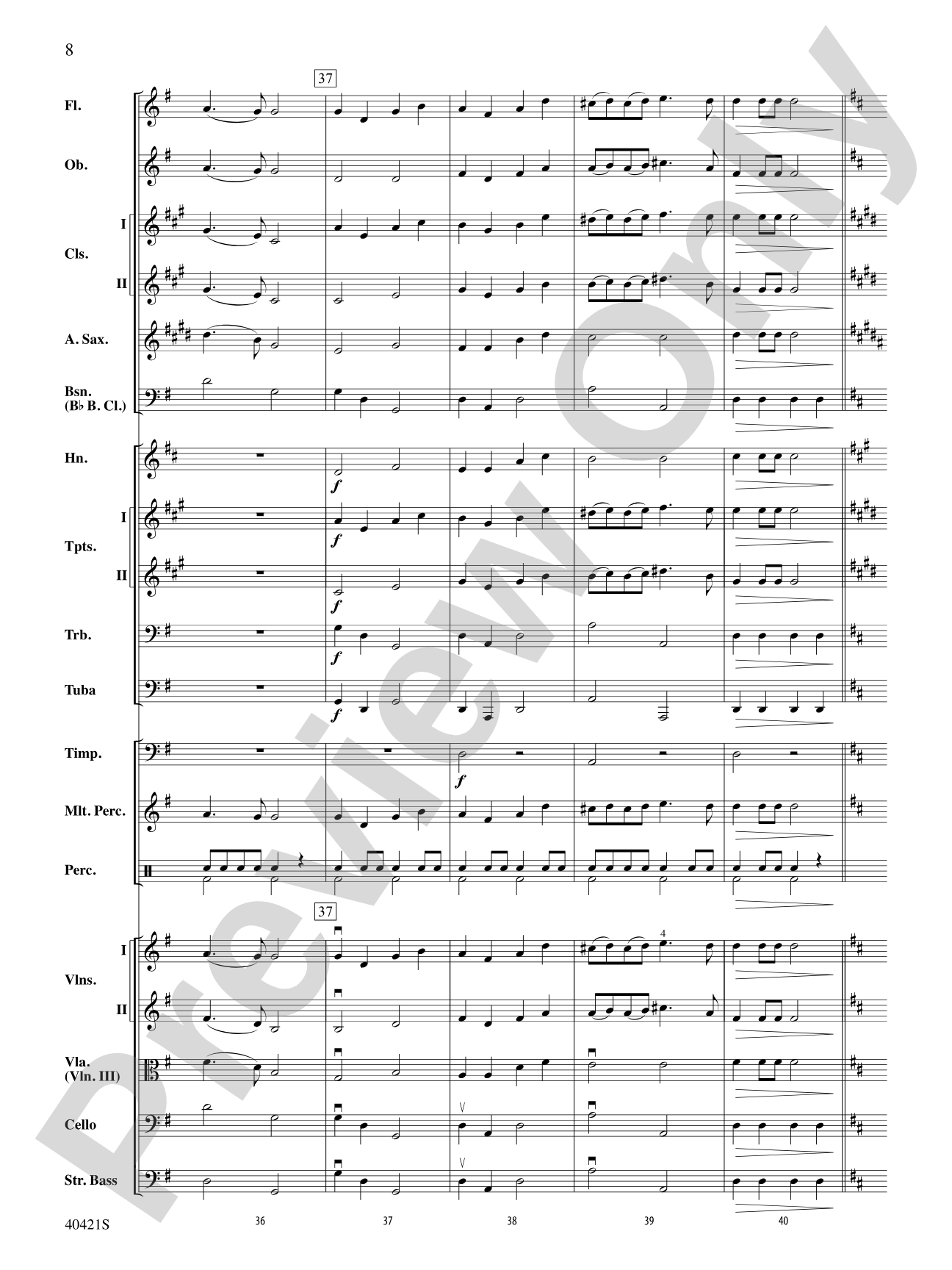
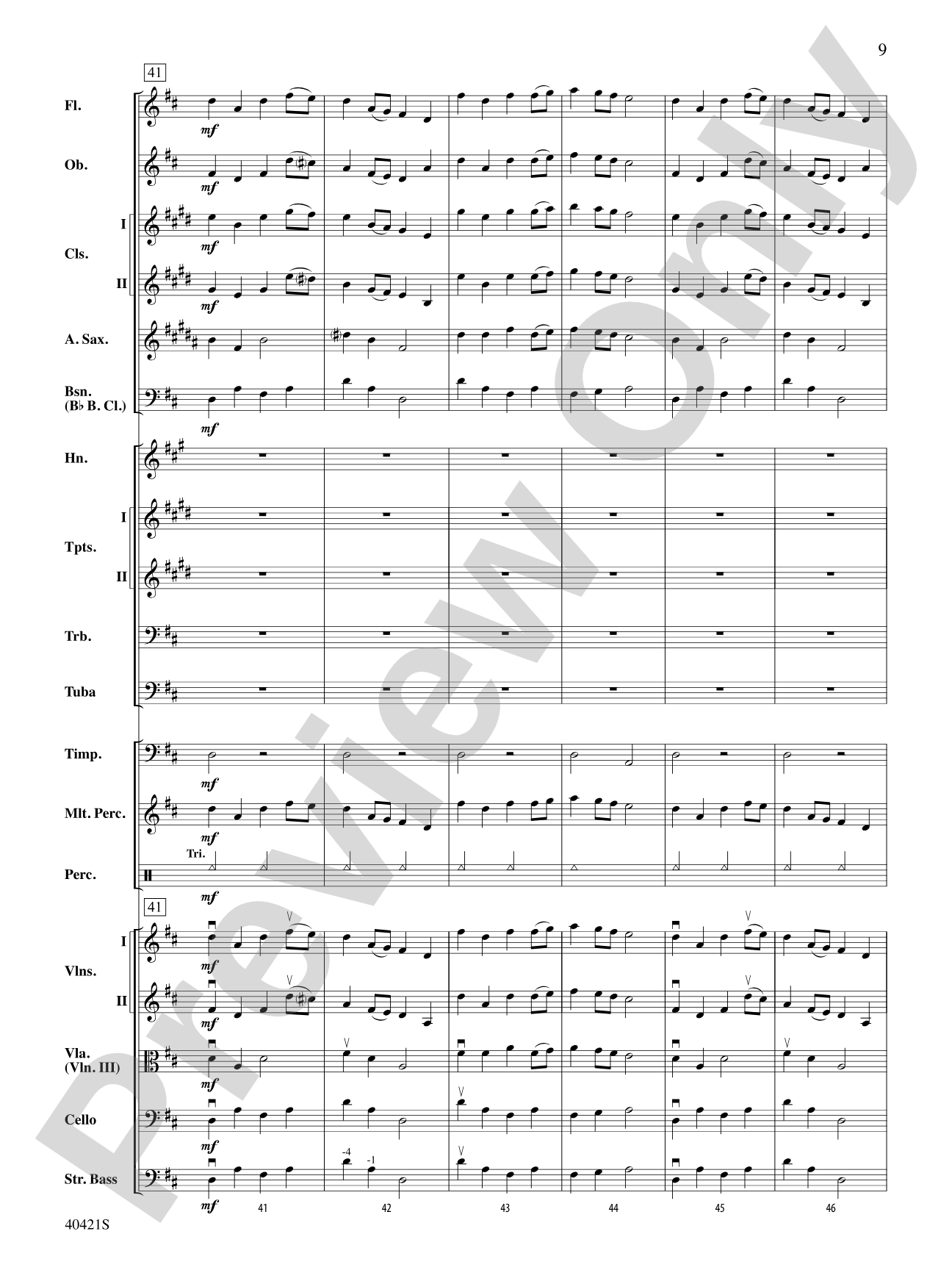
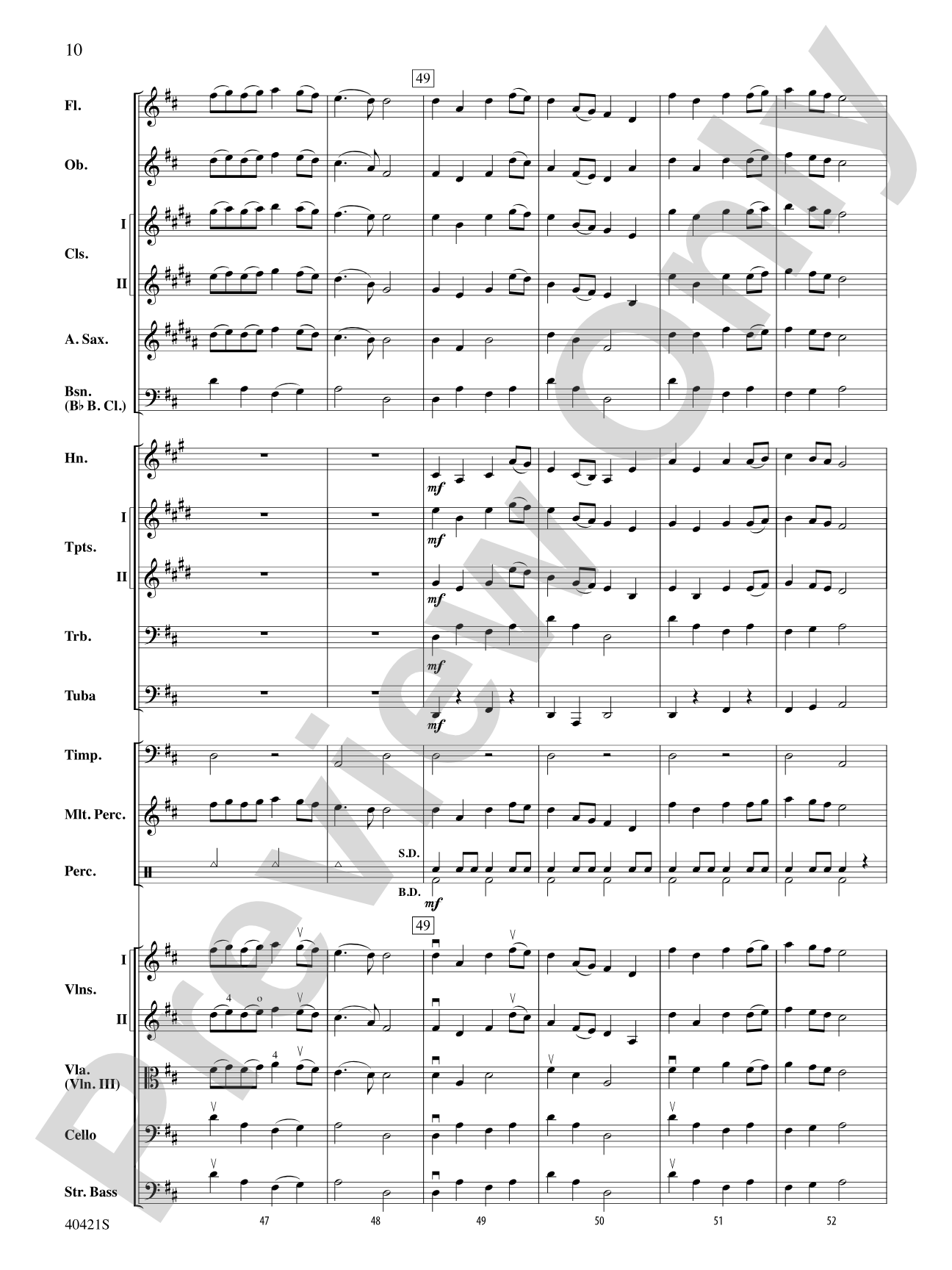
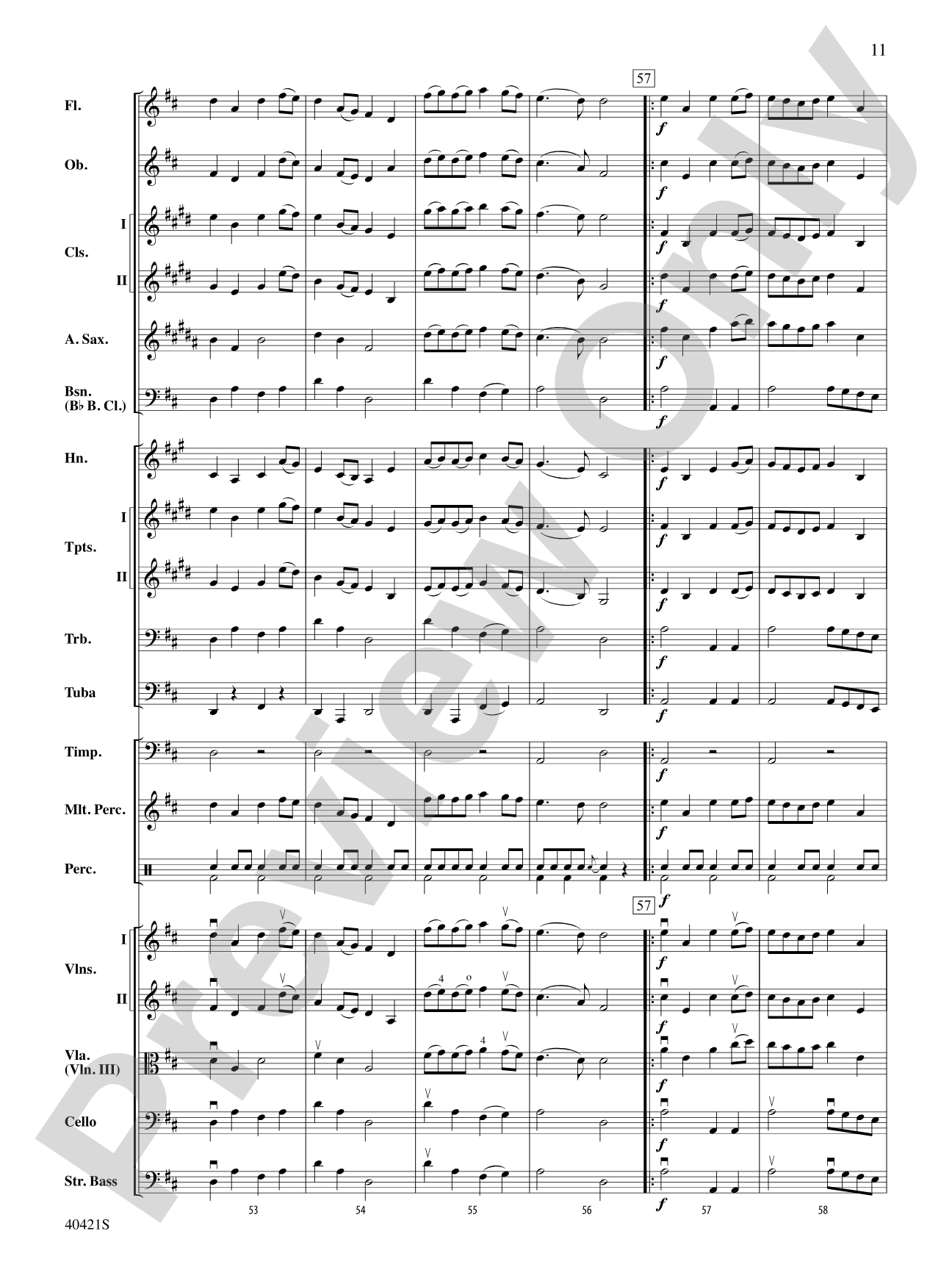
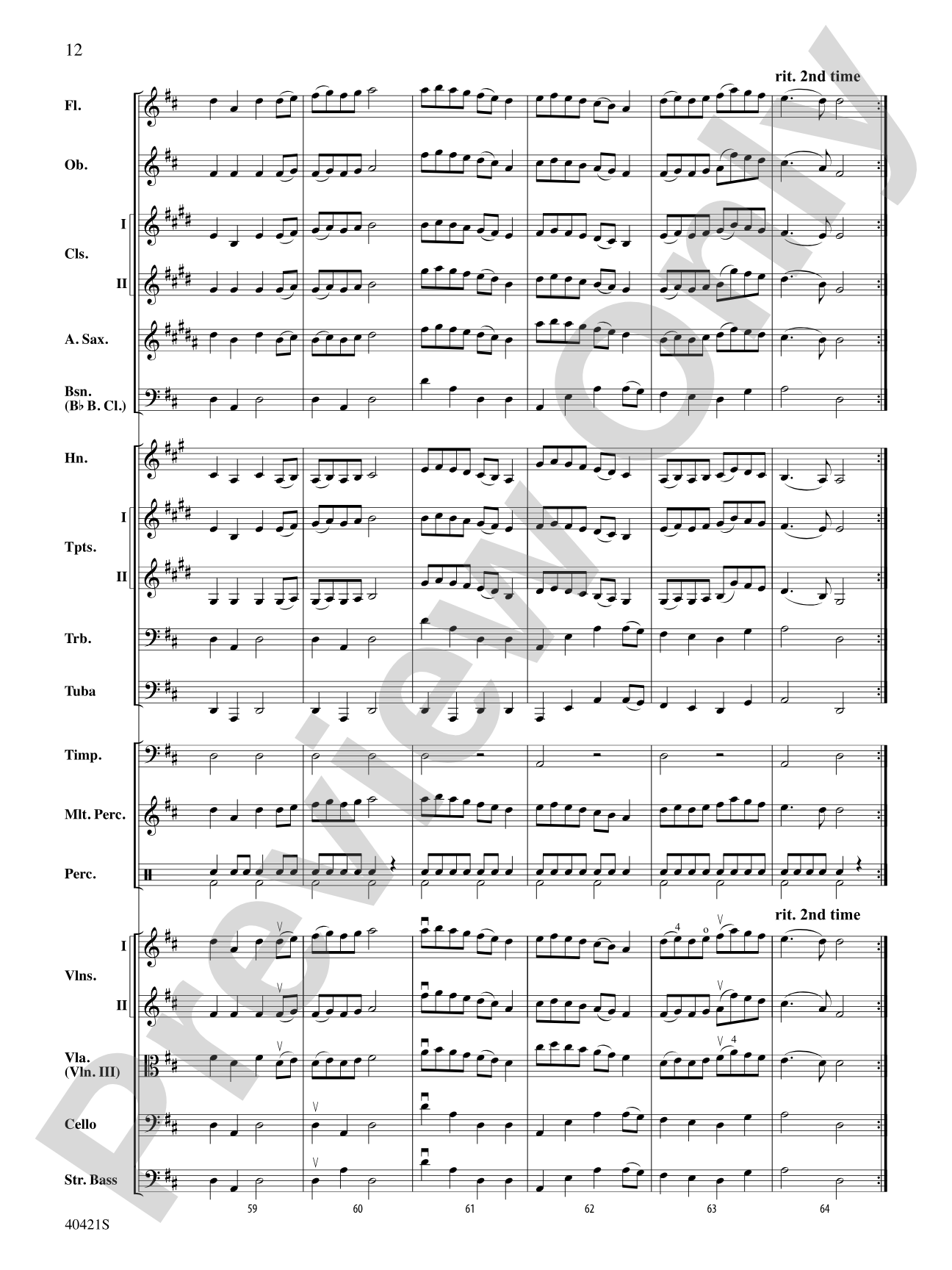

King William's March: Score
By Jeremiah Clarke / arr. Bob Phillips
Grade: 1.5
Item: 00-PR-0004265
$6.00
Pickup currently not available
Description
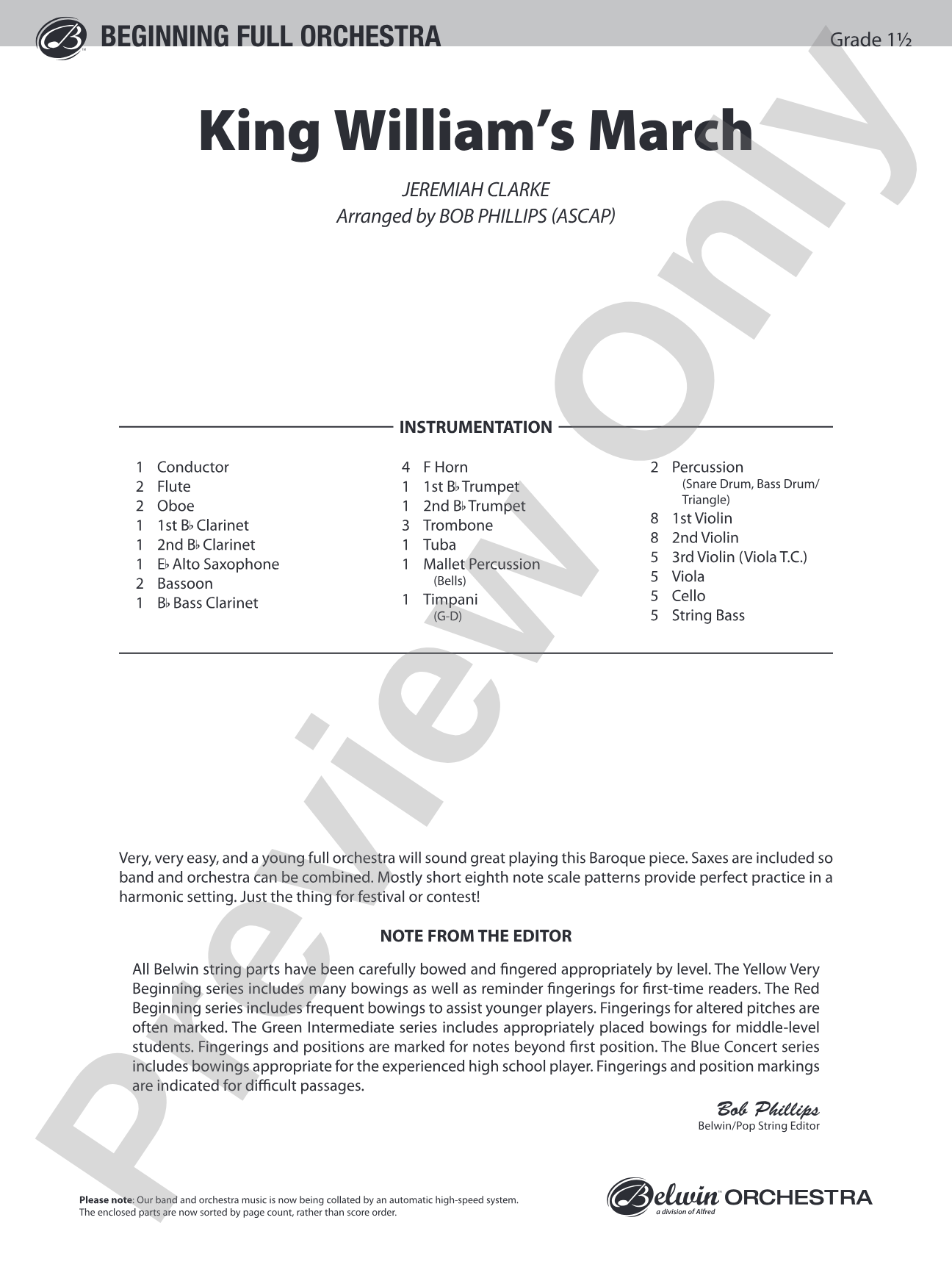
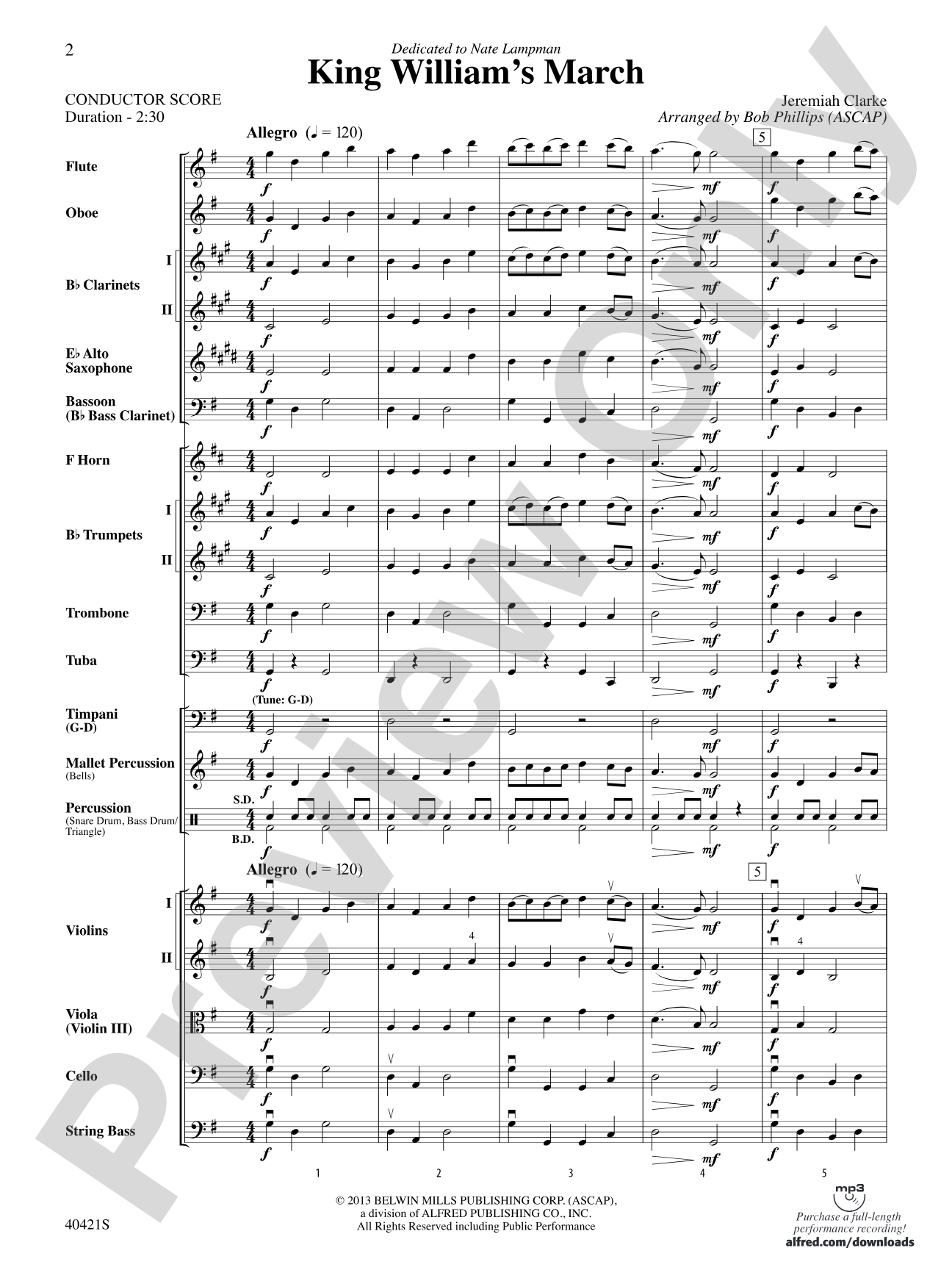
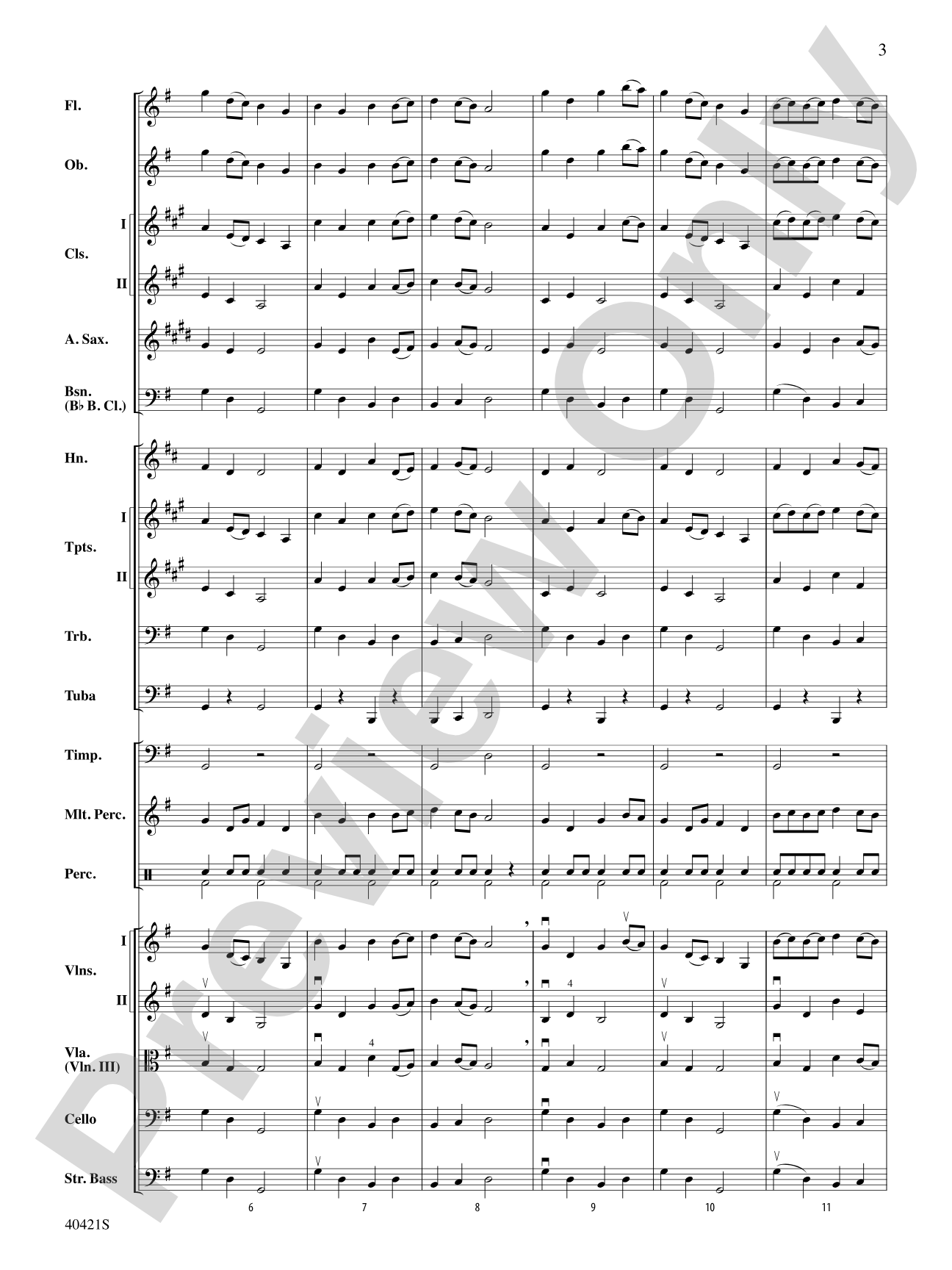
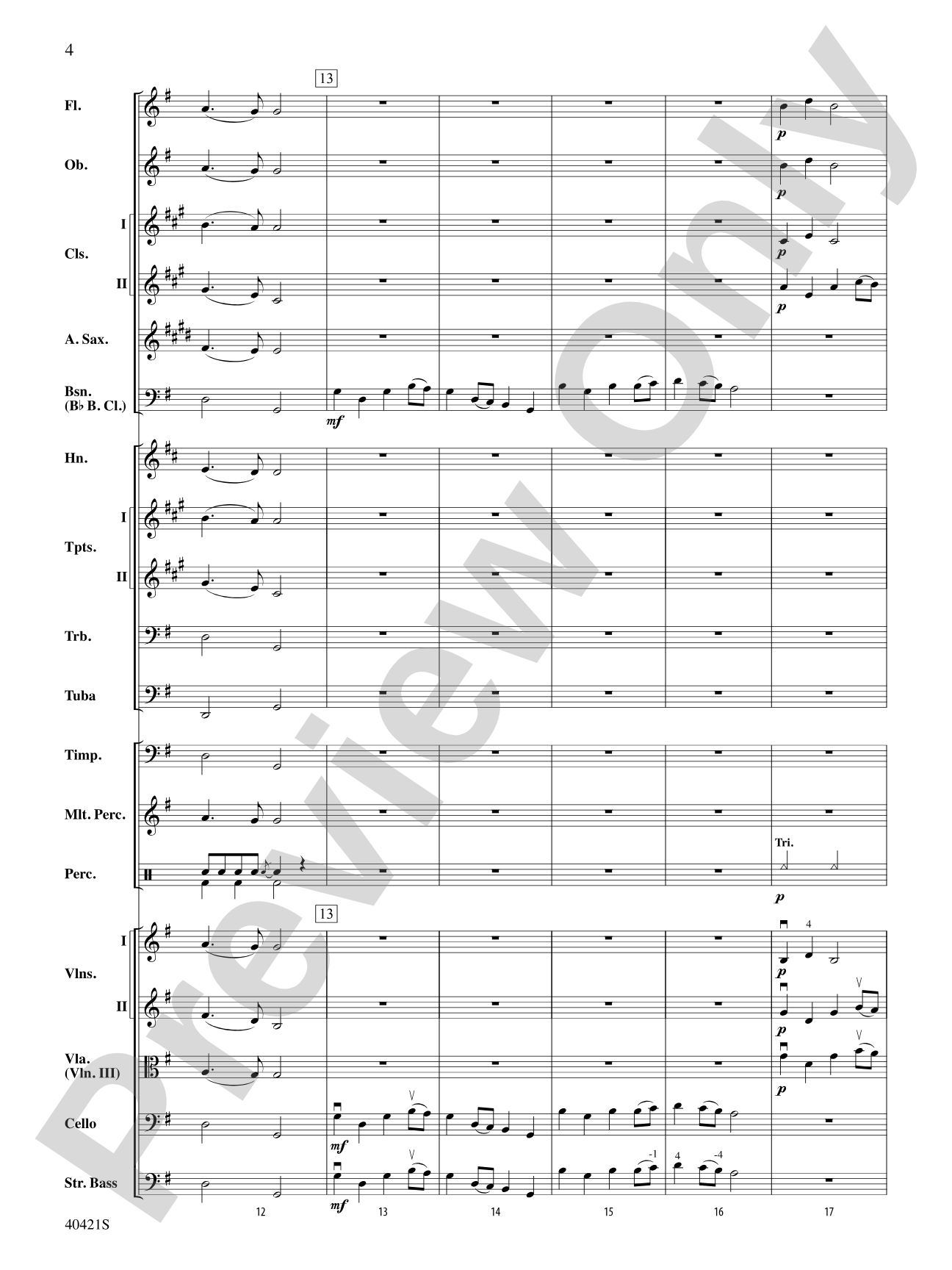
Very, very easy, and a young full orchestra will sound great playing this Baroque piece. Saxes are included so band and orchestra can be combined. Mostly short eighth note scale patterns provide perfect practice in a harmonic setting. Just the thing for festival or contest! This title is available in MakeMusic Cloud.


Don't just read it, hear it, play along with it, and watch your students grow with it. In MakeMusic Cloud, King William's March: Score comes alive with professional accompaniment, adjustable tempo, and built-in practice tools that turn solo practice into real progress.
Open in the Player
Jump straight in and assign it today.
Start Your Free Trial
Open this title and explore the full library in minutes.
Sample Audio
1
Audio File
--:--
0:00
0:00
Sample Video
No sample videos found.
Additional Details
Series:
Belwin Beginning Full Orchestra
Publisher:
Alfred Music
Page Count:
120
SKU:
00-PR-0004265
More about this title
About the Composer: Jeremiah Clarke
Jeremiah Clarke (1674-1707) was an English Baroque composer and organist whose church music and instrumental works remain central to the period's repertoire. Though his life was brief, he produced a significant body of keyboard and orchestral compositions that demonstrate sophisticated harmonic writing and clear structural sense. His "Trumpet Voluntary" and marches have secured his place in music education, where they continue to introduce students to Baroque style and form.
Why we love this
Bob Phillips's arrangement captures everything that makes early-grade orchestral music rewarding: transparent textures, a recognizable melody, and genuinely musical harmonic support rather than mere accompaniment. The inclusion of saxophones removes a major barrier for programs blending band and orchestra players, letting you field a complete ensemble without doubling or substituting. Young musicians get immediate success here, and that builds genuine musical confidence.
What to expect
Crisp and stately, with the bright ceremonial character of a Baroque march. The harmonic movement is clear and purposeful, the melody memorable, and the overall effect is one of modest dignity rather than theatrical grandeur, making it feel accessible rather than intimidating.
Who it's for
Grade 1.5 orchestras with mixed readiness levels will thrive on this arrangement. Programs combining beginning band and orchestra musicians will find it an ideal collaboration piece, since saxophones sit alongside traditional orchestral voices without awkwardness.
How to get the most out of it
- Emphasize clear articulation on the eighth-note scale passages; they move quickly but should feel precise rather than rushed, so maintain steady tempo even as younger players find their rhythm.
- Balance the melody voices evenly across your sections; this piece succeeds when the tune feels continuous and supported, not when one part dominates.
- Use the simplicity of the writing to focus on tone production and intonation. With minimal technical demands, your rehearsal energy can go toward musical fundamentals.
How to use it
Open a concert with it to establish confidence and set a professional tone, or place it mid-program as a palate-cleansing interlude between weightier works. It suits festival and contest contexts perfectly, since judges recognize it as legitimate repertoire and young musicians can perform it with real musicianship despite the low technical bar.
Skills your students will build
- Reading and executing eighth-note passage work in ensemble
- Maintaining steady tempo across simple harmonic progressions
- Balance and blend across orchestra sections
- Baroque style and articulation conventions
- Foundational intonation and tone production in a harmonic setting