
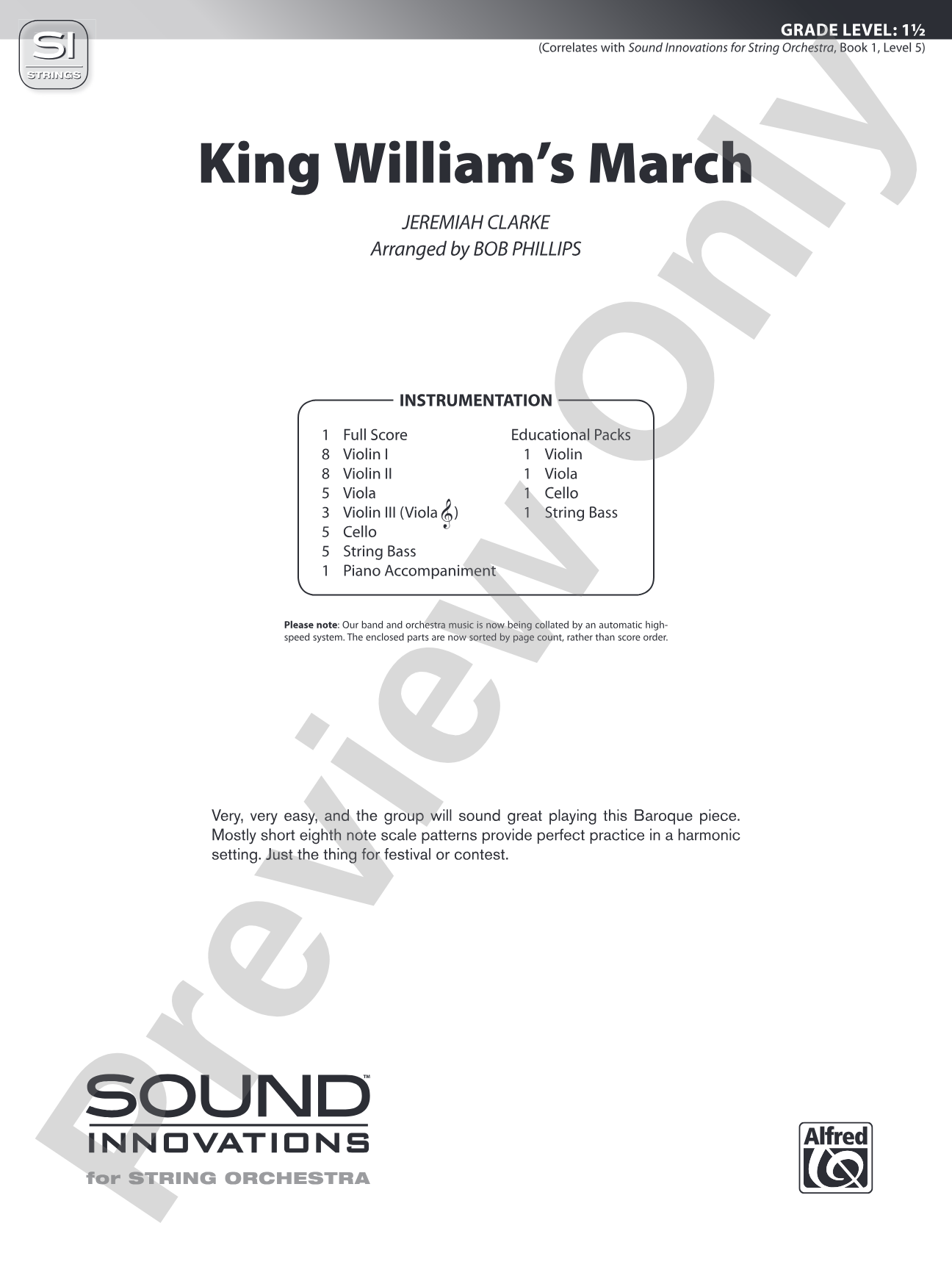
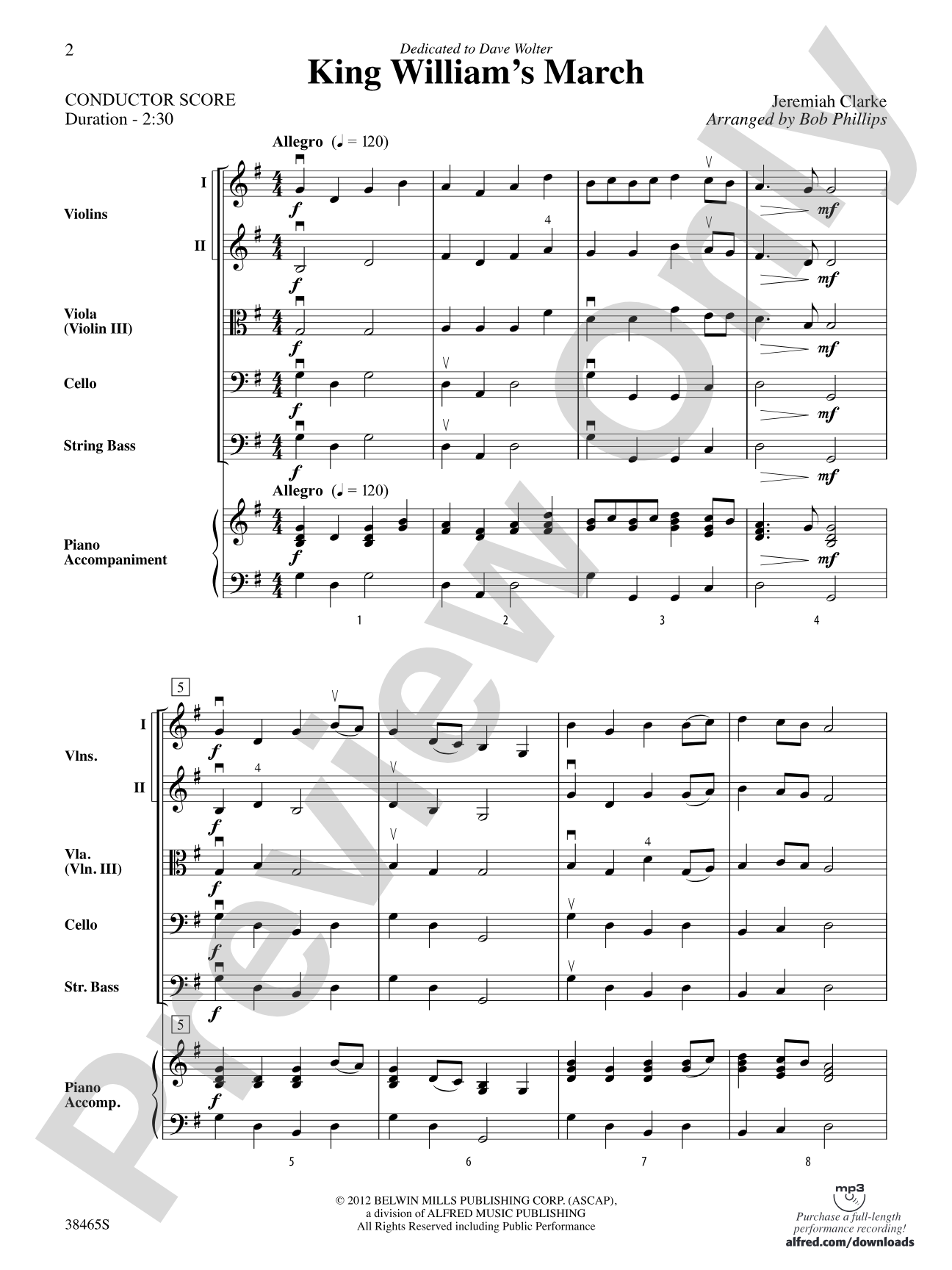
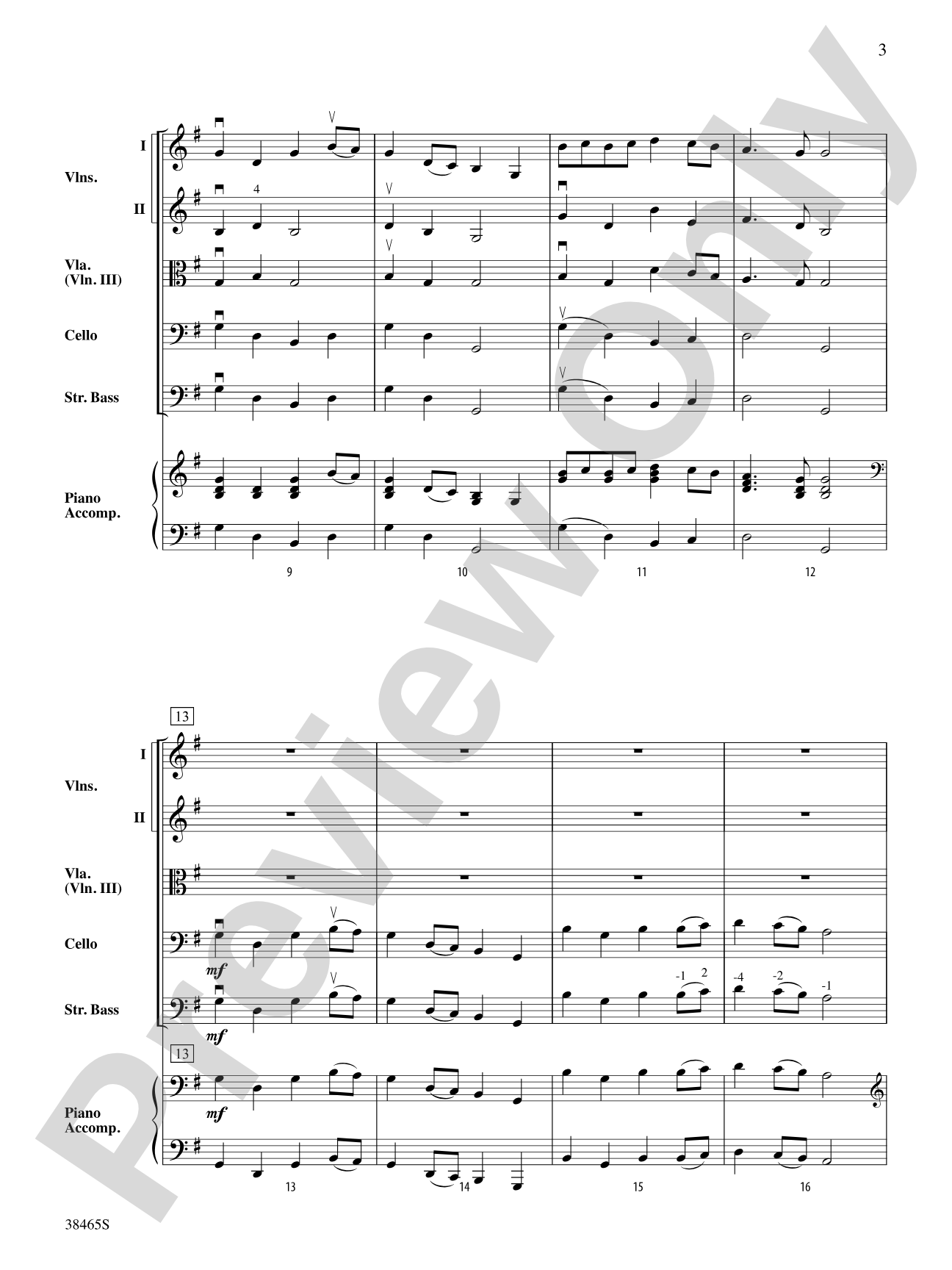
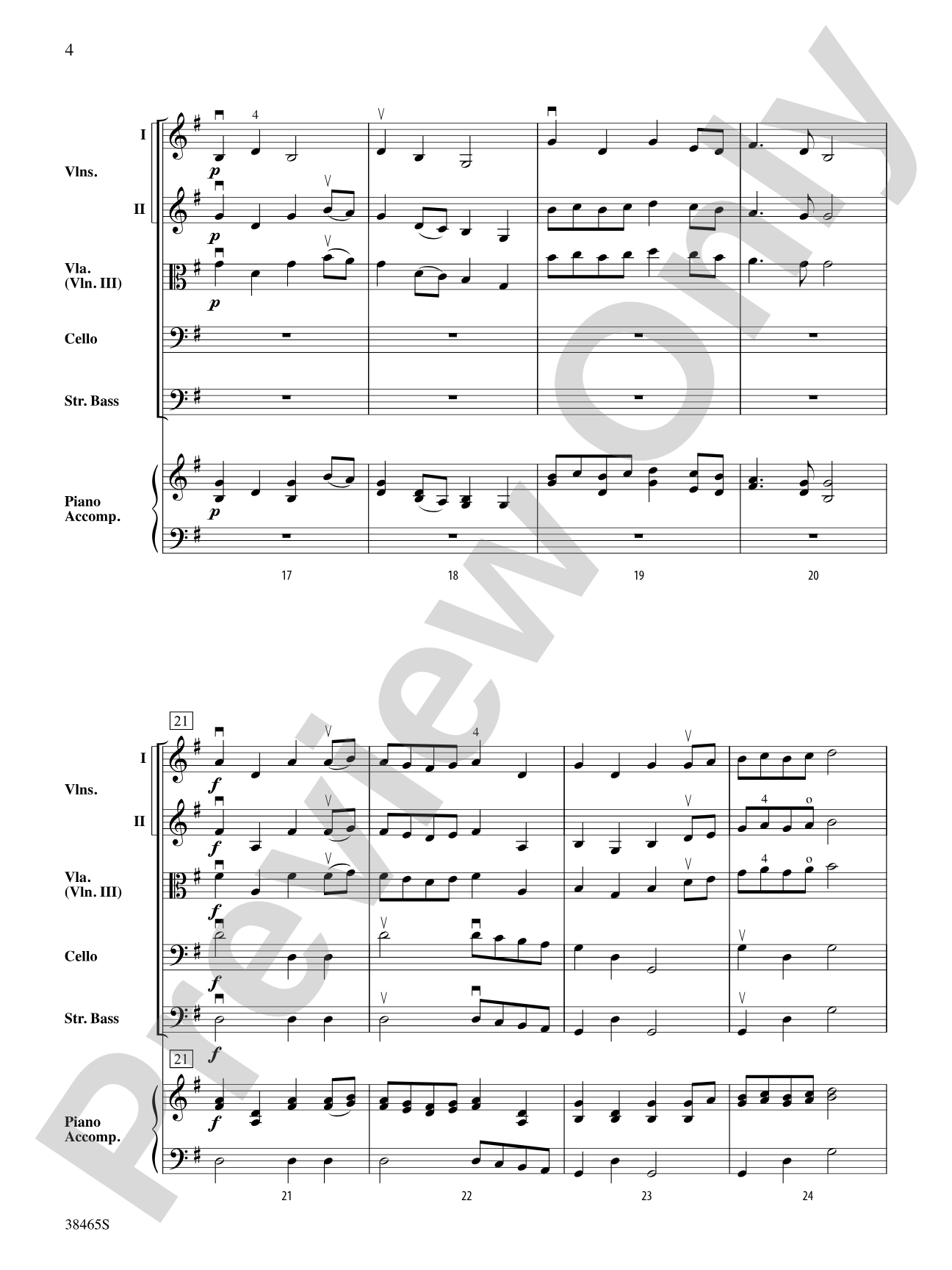

King William's March: String Orchestra Conductor Score & Parts
By Jeremiah Clarke / arr. Bob Phillips
Grade: 1.5
Item: 00-PK-0005257

$46.00
Pickup currently not available
Buy Extra Parts (Digital PDF Download)
| Product | Price | Quantity |
|---|---|---|
| King William's March: Score | $8.00 | |
| King William's March: 1st Violin | $5.99 | |
| King William's March: 2nd Violin | $5.99 | |
| King William's March: 3rd Violin (Viola [TC]) | $5.99 | |
| King William's March: Viola | $5.99 | |
| King William's March: Cello | $5.99 | |
| King William's March: String Bass | $5.99 | |
| King William's March: Piano Accompaniment | $5.99 |
Parts Added to Cart!
Related Items
King William's March: Full Orchestra Conductor Score & Parts |
$60.00
|
View | |
King William's March: String Orchestra Conductor Score & Parts |
$46.00
|
View | |
King William's March: String Orchestra Conductor Score |
$8.00
|
View | |
King William's March: Full Orchestra Conductor Score & Parts |
$60.00
|
View | |
King William's March: Full Orchestra Conductor Score |
$6.00
|
View |
Description
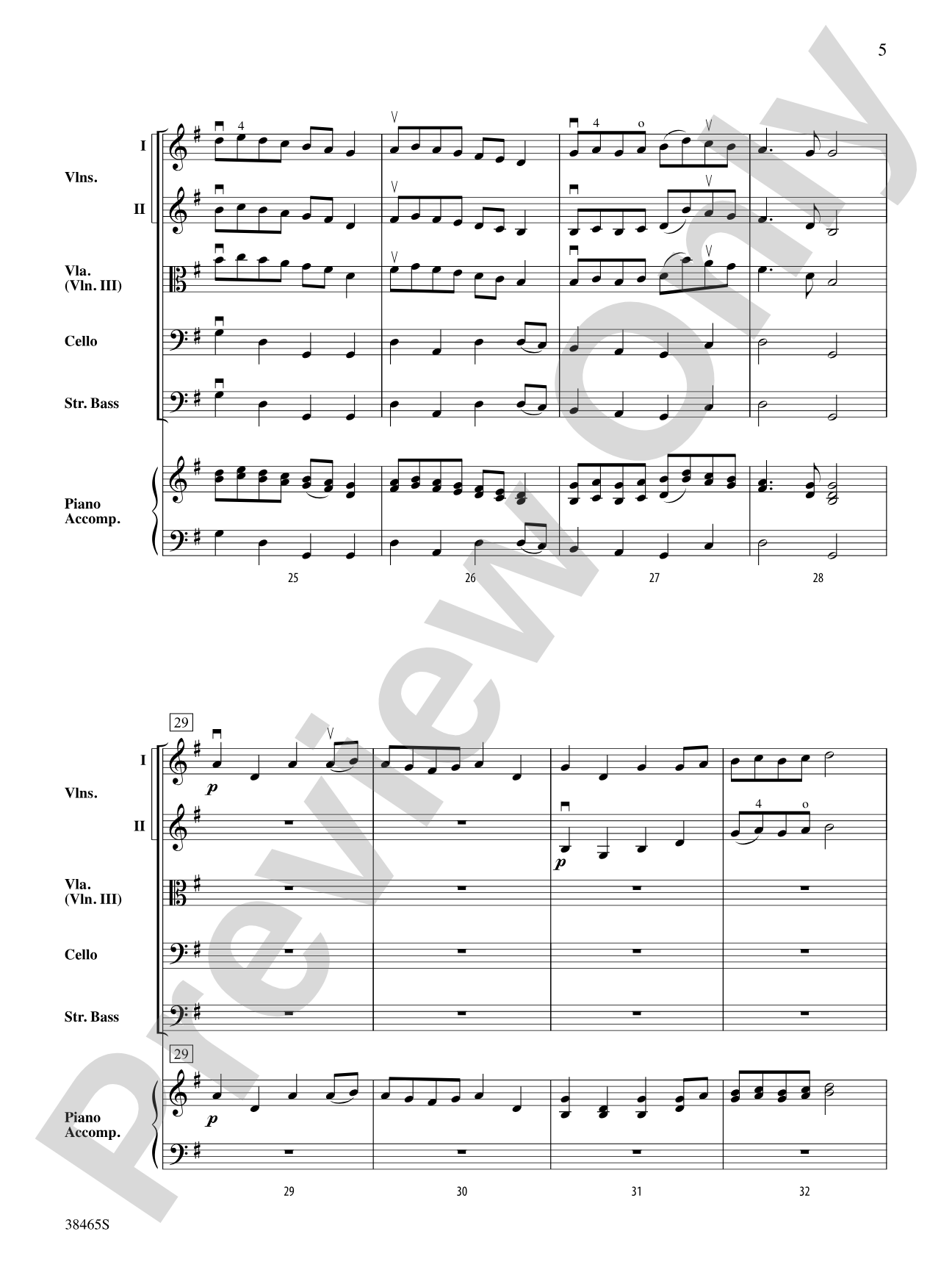
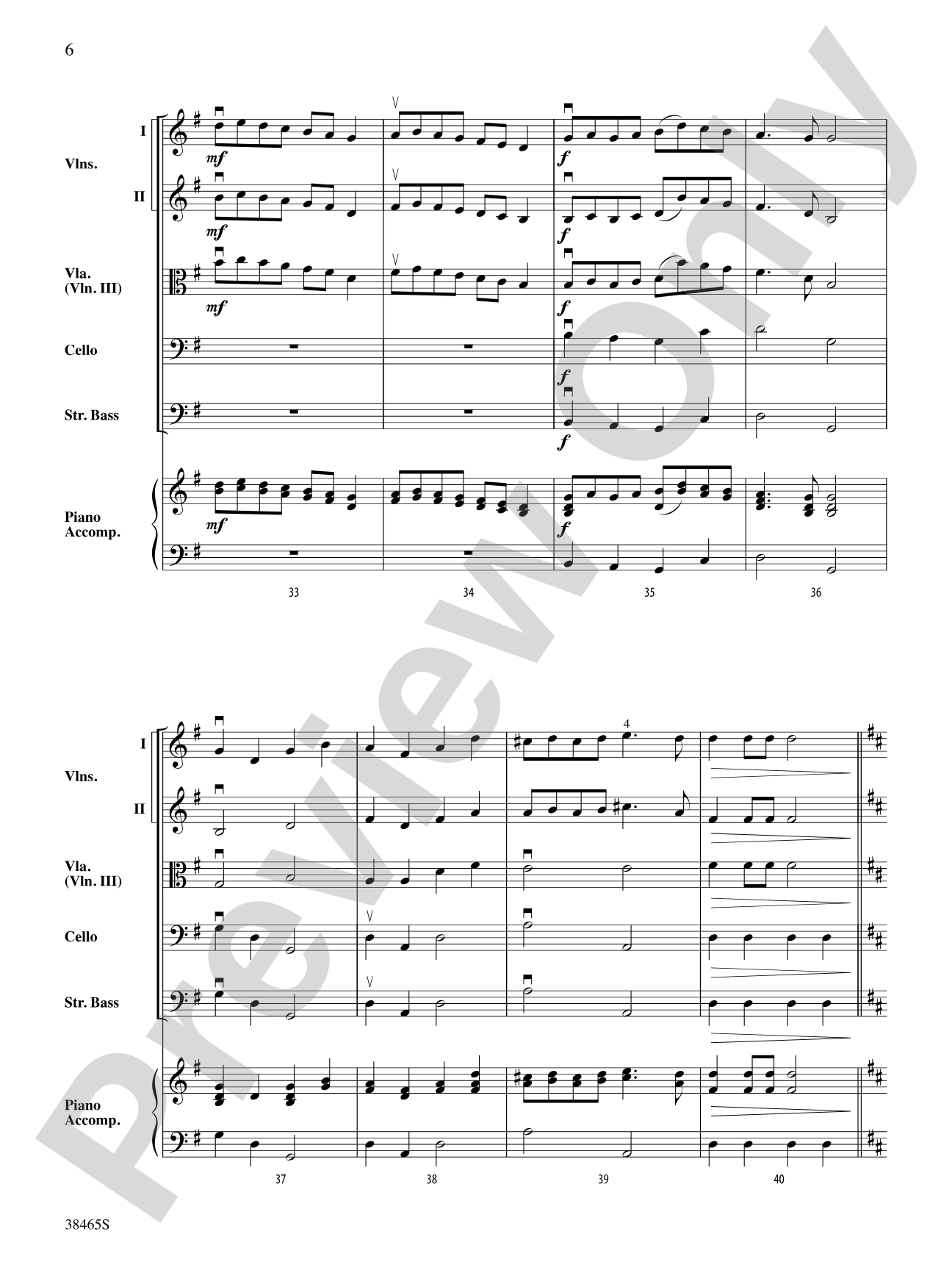
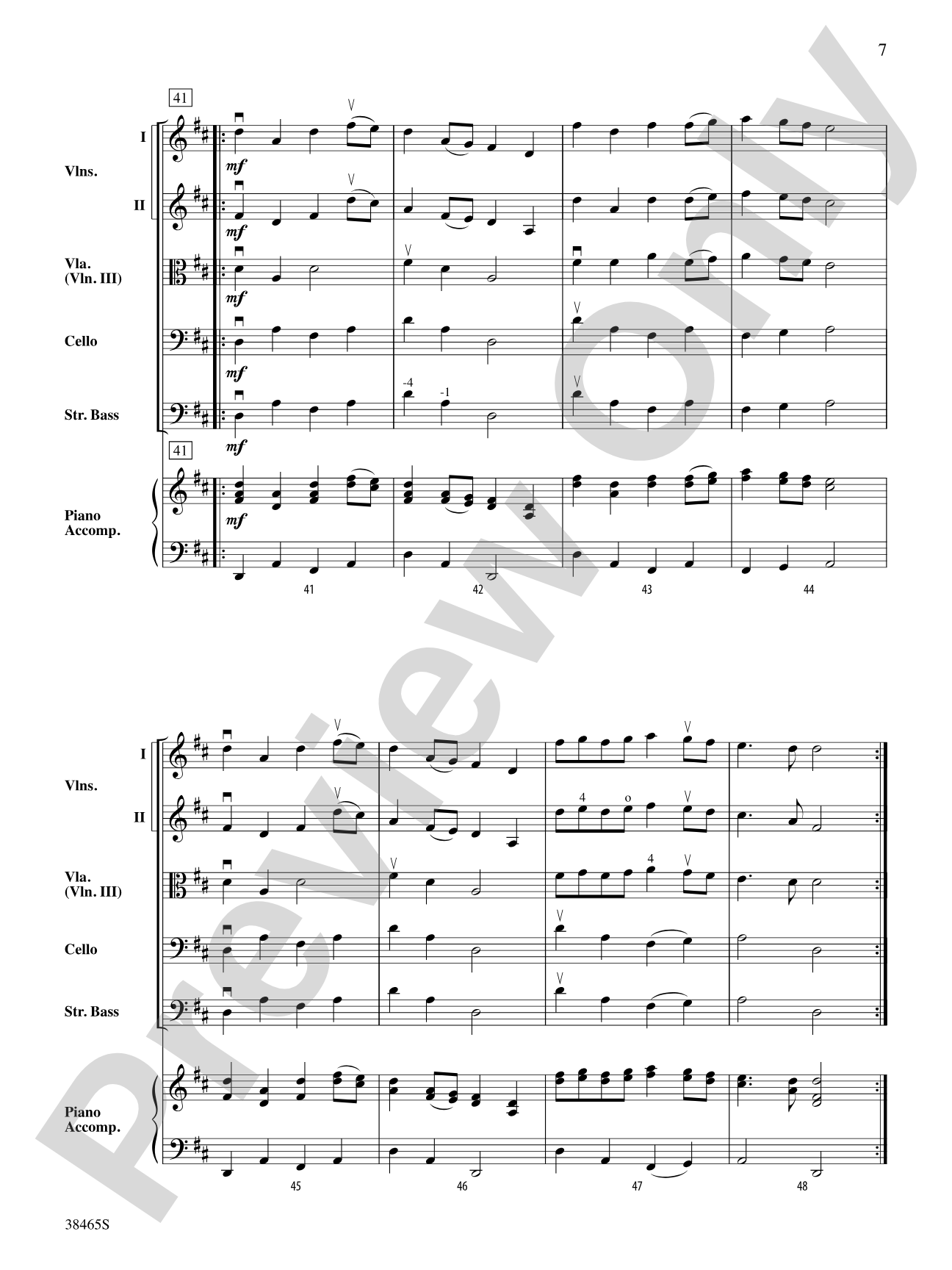
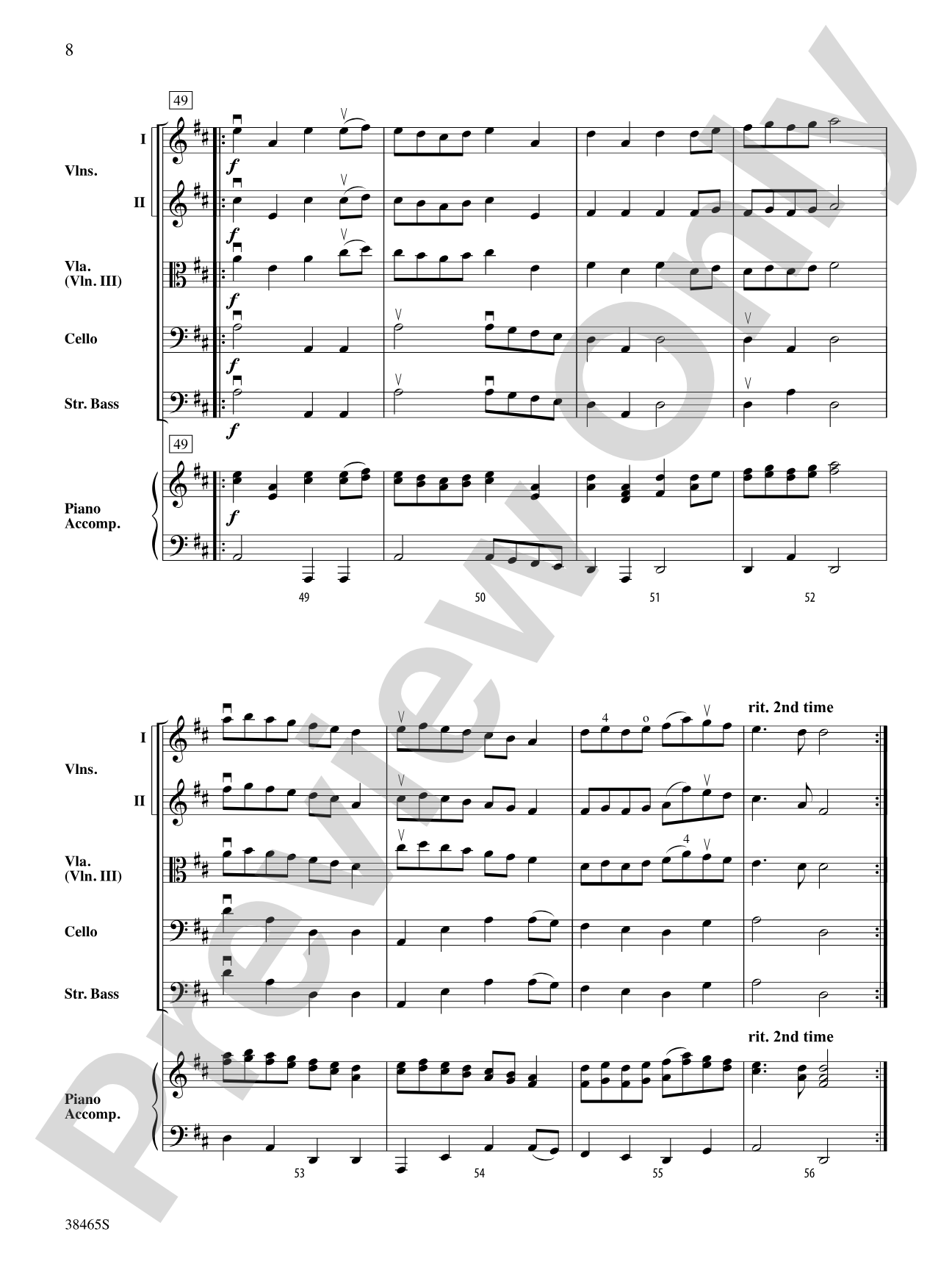
Very, very easy, and the group will sound great playing this Baroque piece. Mostly short eighth note scale patterns provide perfect practice in a harmonic setting. Just the thing for festival or contest. This title is available in MakeMusic Cloud. Correlates to Sound Innovations for String Orchestra, Book 1 Level 5.


Don't just read it, hear it, play along with it, and watch your students grow with it. In MakeMusic Cloud, King William's March: String Orchestra Conductor Score & Parts comes alive with professional accompaniment, adjustable tempo, and built-in practice tools that turn solo practice into real progress.
Open in the Player
Jump straight in and assign it today.
Start Your Free Trial
Open this title and explore the full library in minutes.
Sample Audio
1
Audio File
--:--
0:00
0:00
Sample Video
No sample videos found.
Additional Details
Series:
Sound Innovations for String Orchestra
Publisher:
Alfred Music
Page Count:
80
SKU:
00-PK-0005257
More about this title
About the Composer: Jeremiah Clarke
Jeremiah Clarke (1674-1707) was an English Baroque composer and organist whose short life produced a body of sacred and secular vocal music that remains performed and studied today. Though he died at thirty-three, Clarke left behind keyboard works, odes, and instrumental pieces that showcase the melodic clarity and harmonic sophistication of the English Baroque.
Why we love this
Bob Phillips's arrangement strips away all complexity and lets the melody breathe. Beginners get to play genuine Baroque counterpoint without the fingering struggles, and the straightforward harmonic motion means your ensemble sounds polished from the first read-through.
What to expect
Stately and bright, this Baroque march unfolds with the courtly grace of its era. The predominant eighth-note figures create a sense of forward motion while the underlying harmony remains simple enough that every voice feels secure and heard.
Who it's for
String orchestras in their first or second year of ensemble playing will thrive with this arrangement. Conductors preparing a group for festival or contest competition need reliable repertoire that builds student confidence without demanding advanced technique.
How to get the most out of it
- Keep the eighth-note scale passages even and clear; resist the urge to rush through them. These patterns establish the piece's rhythmic foundation.
- Balance the melody line across your first violins. Many young players will want to hide, so encourage them to project with confidence.
- Shape phrases by listening for the underlying chord progression rather than playing measure by measure. This builds harmonic awareness at an early level.
- Maintain a steady, unhurried tempo. Baroque elegance lives in the space between notes, not in driving forward.
How to use it
Program this as an opener at festival or contest to settle your ensemble with a success. It pairs well with later-era romantic repertoire, giving audiences a sense of musical journey across centuries.
Skills your students will build
- Sight-reading Baroque melody and harmony
- Playing even eighth-note passages in harmonic context
- Listening to and supporting a primary melodic line
- Understanding basic Baroque phrasing and articulation
- Reading orchestral parts (not just single-instrument lines)