
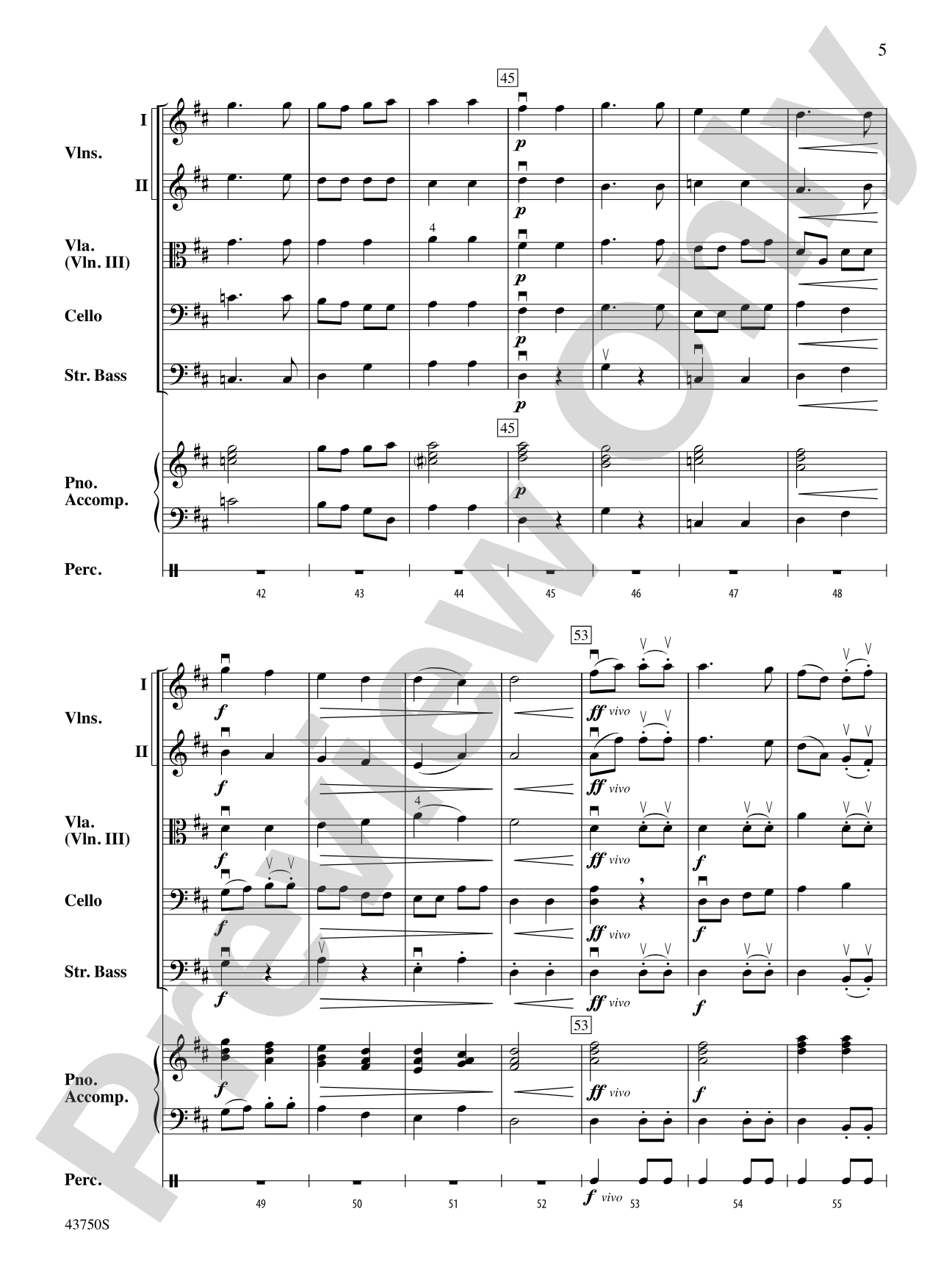
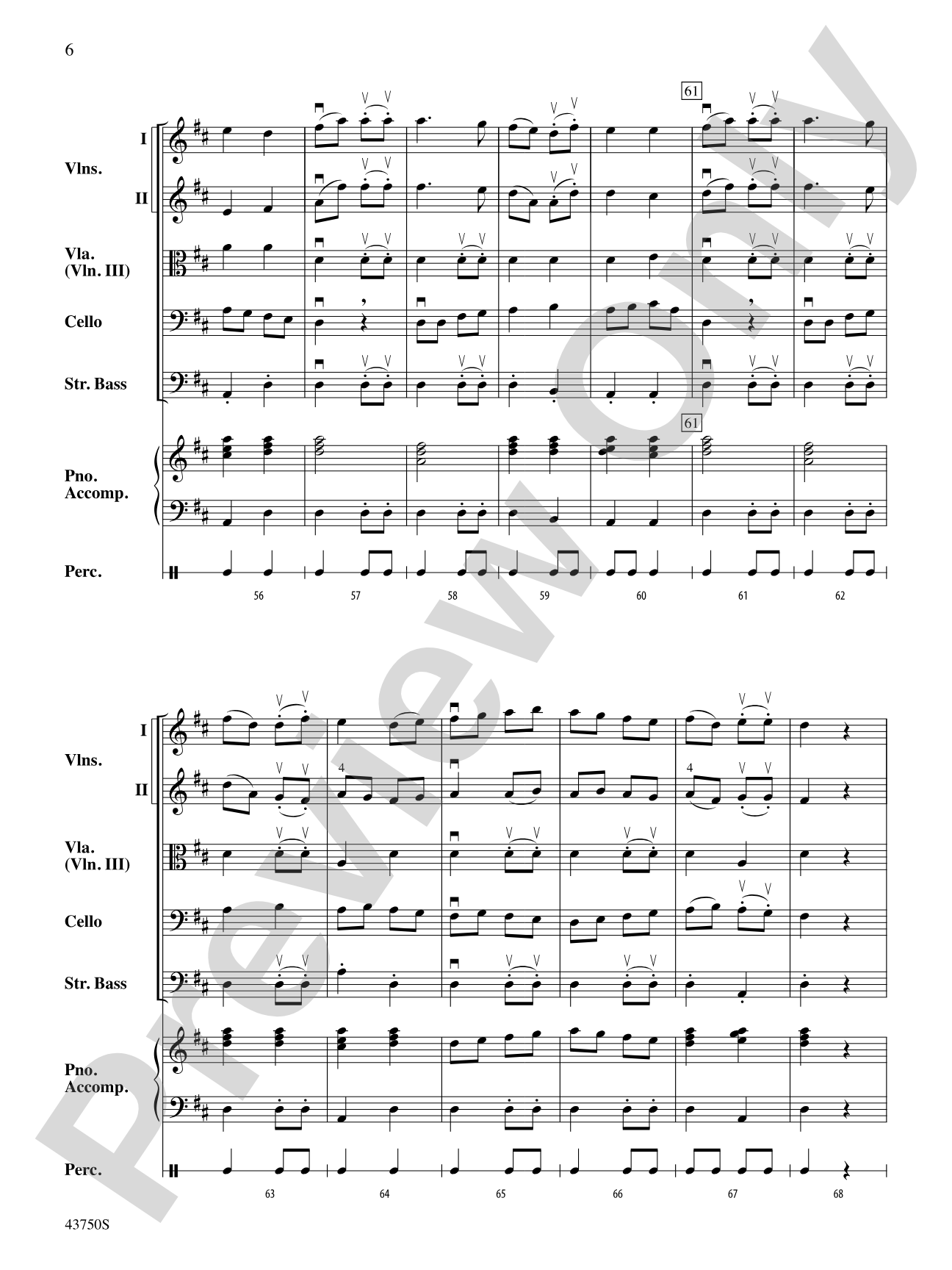
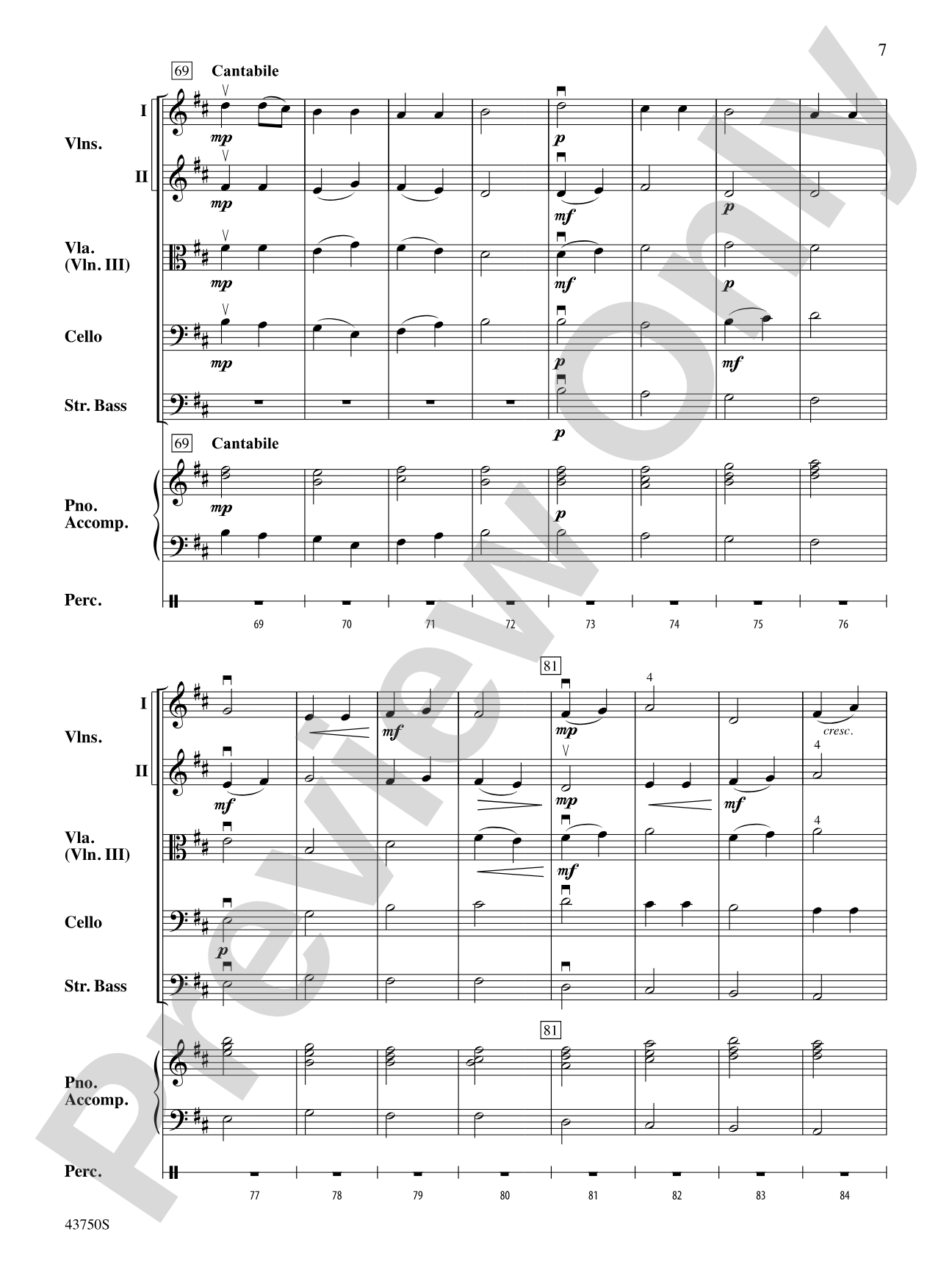
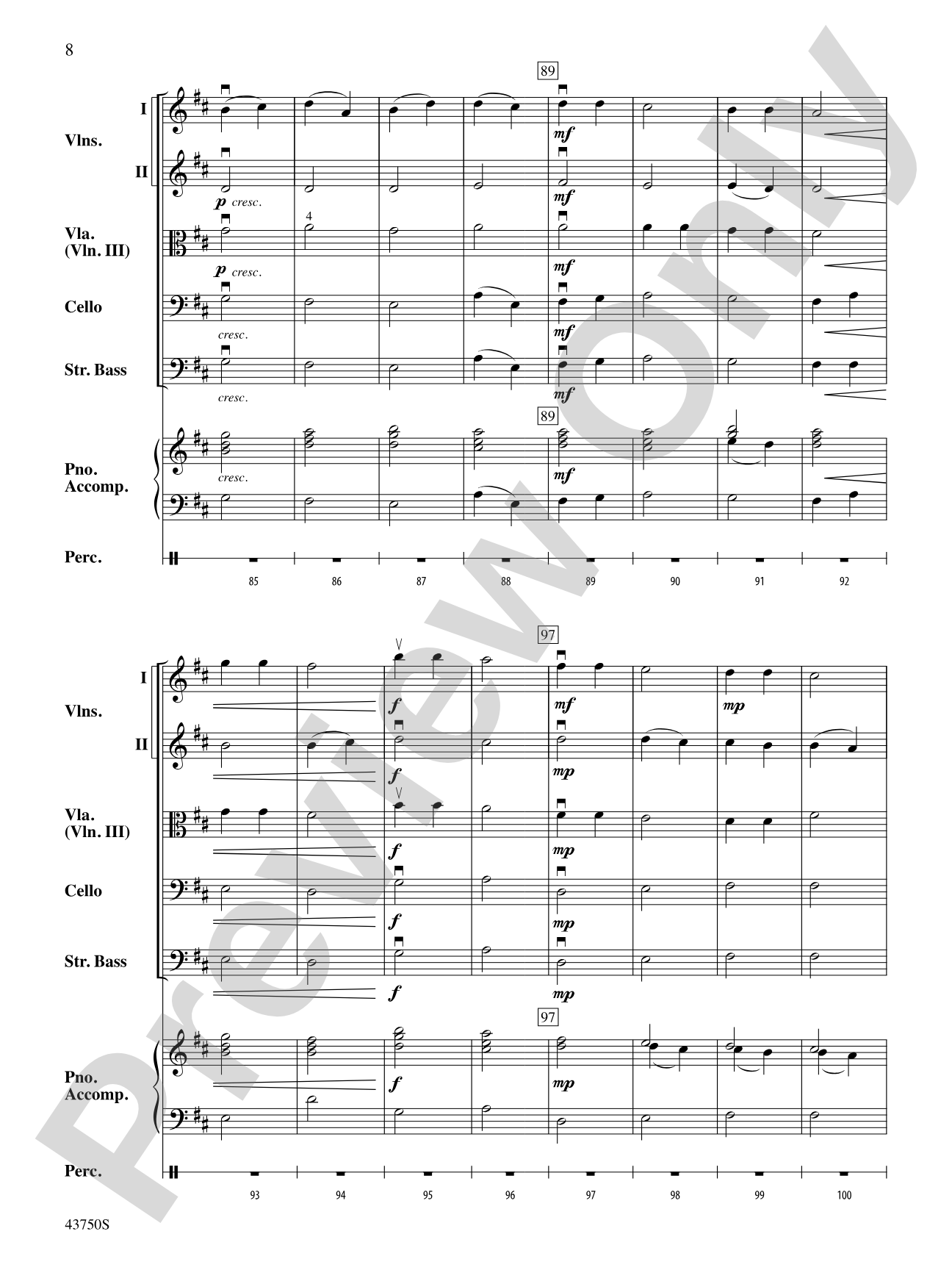
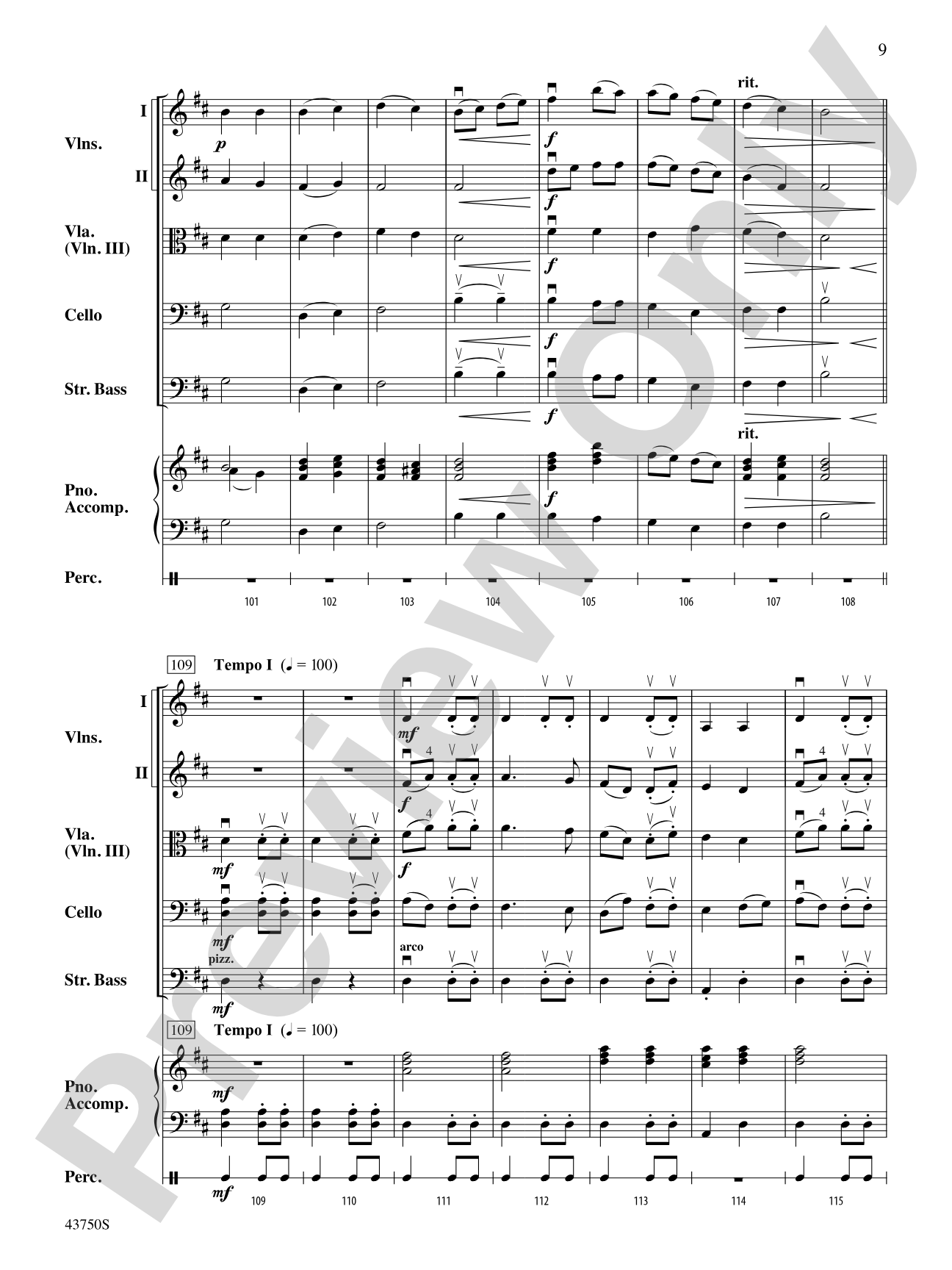
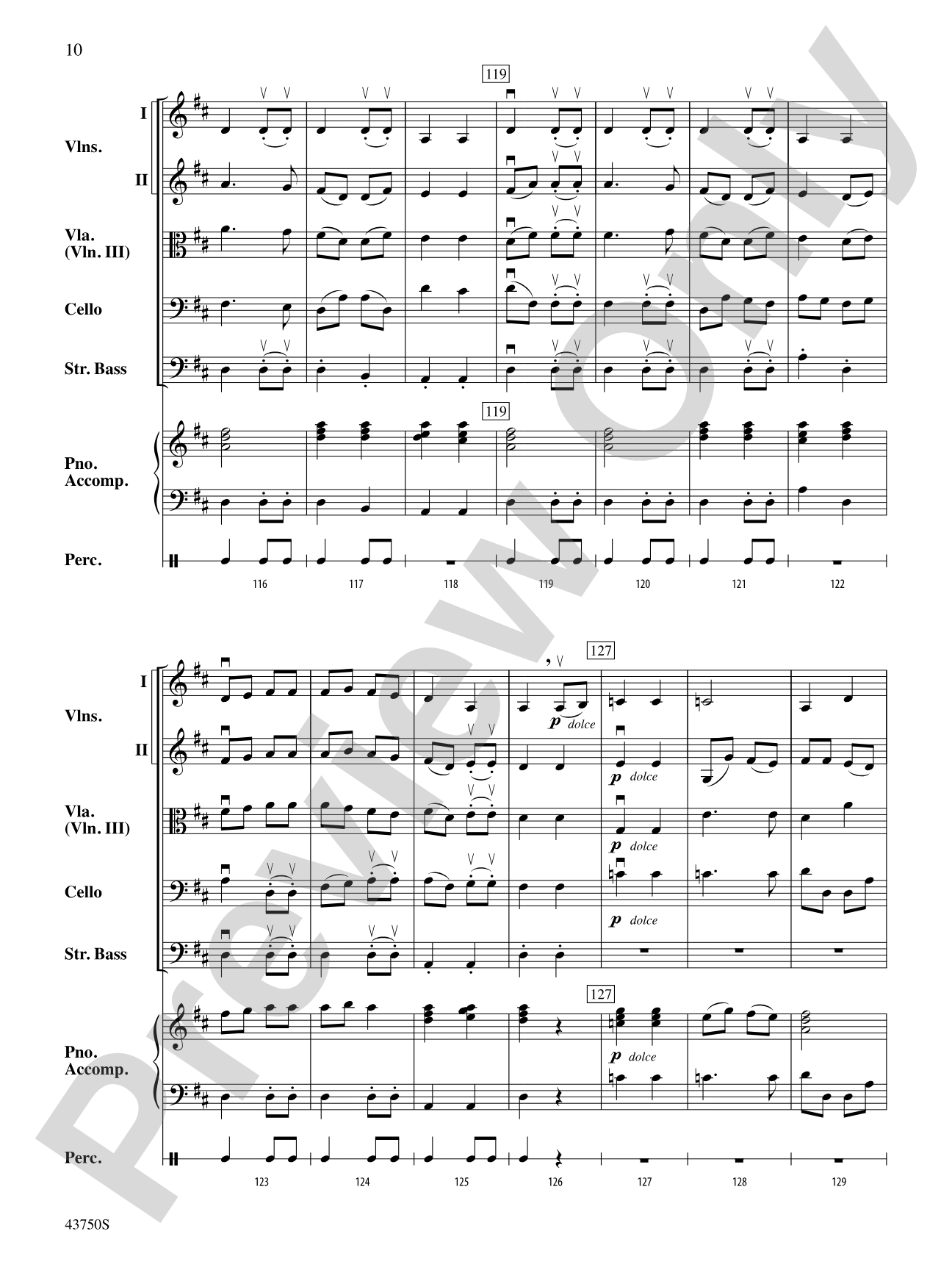
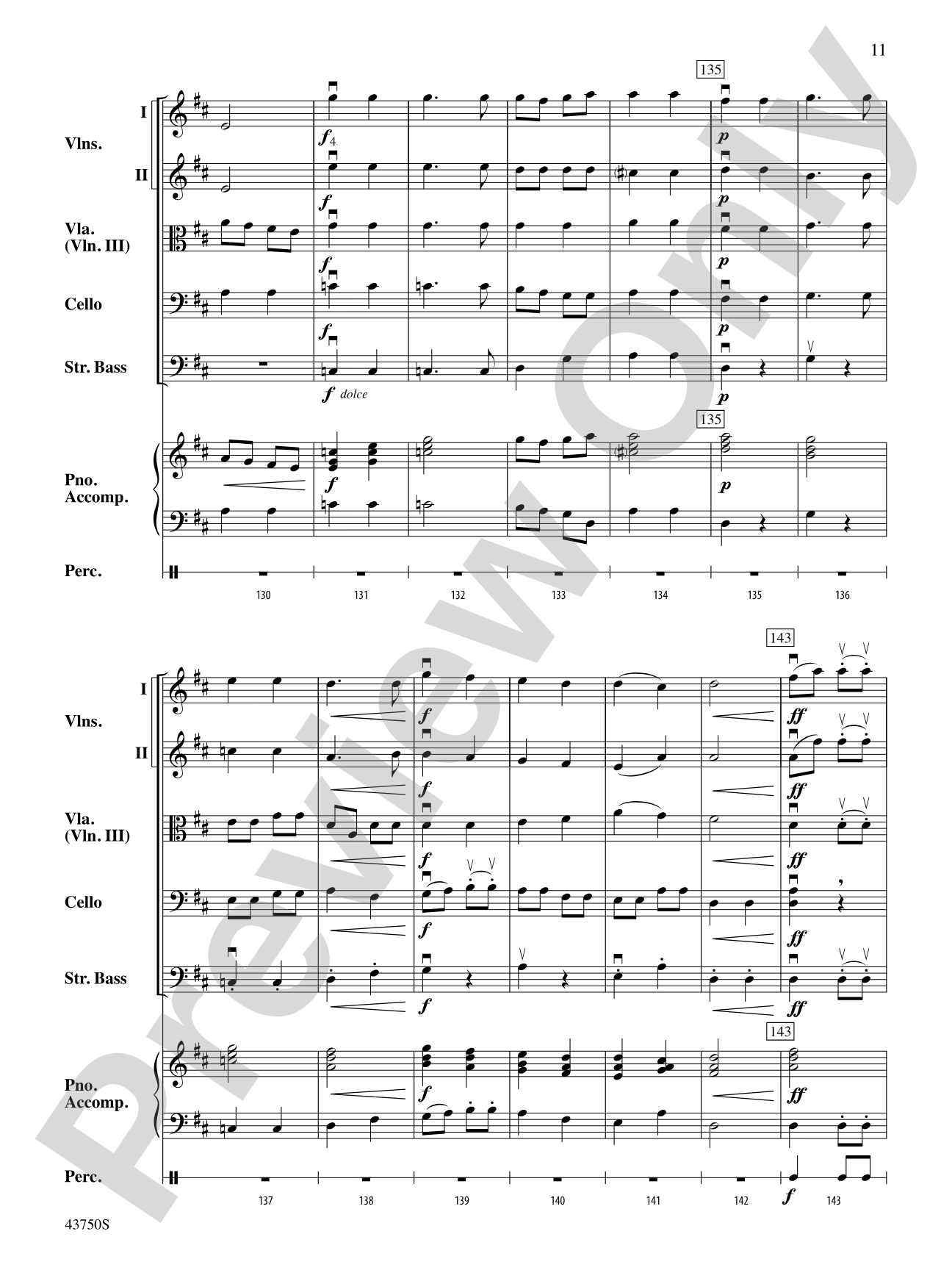
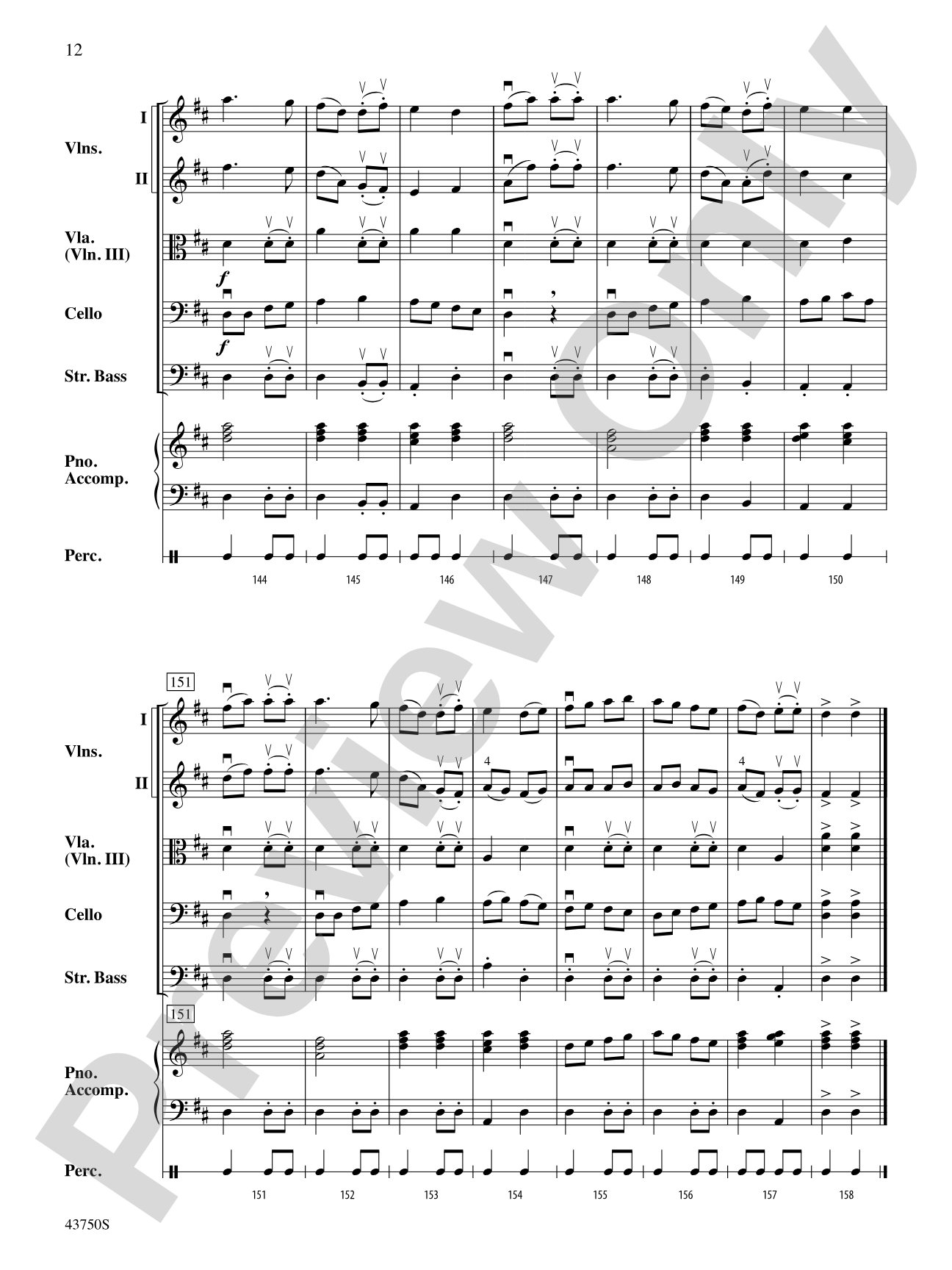

King Henry's Choice: String Orchestra Conductor Score & Parts
Music and Dance from the Tudor Court
By Keith Sharp
Grade: 1.5
Item: 00-PK-0006608

$49.00
Pickup currently not available
Buy Extra Parts (Digital PDF Download)
| Product | Price | Quantity |
|---|---|---|
| King Henry's Choice: Score | $8.00 | |
| King Henry's Choice: 1st Violin | $5.99 | |
| King Henry's Choice: 2nd Violin | $5.99 | |
| King Henry's Choice: 3rd Violin (Viola [TC]) | $5.99 | |
| King Henry's Choice: Viola | $5.99 | |
| King Henry's Choice: Cello | $5.99 | |
| King Henry's Choice: String Bass | $5.99 | |
| King Henry's Choice: 1st Percussion | $5.99 | |
| King Henry's Choice: Piano Accompaniment | $5.99 |
Parts Added to Cart!
Description
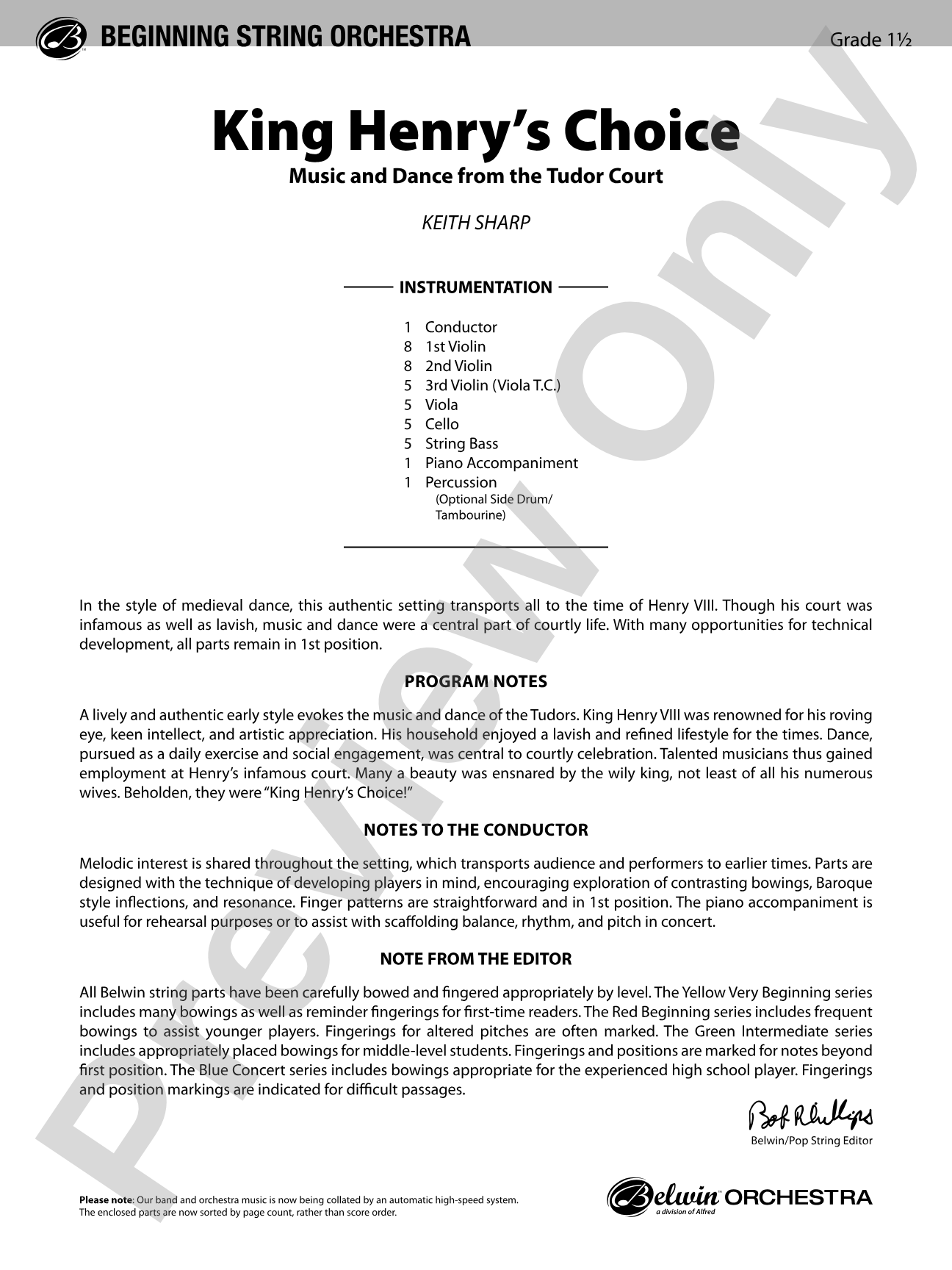
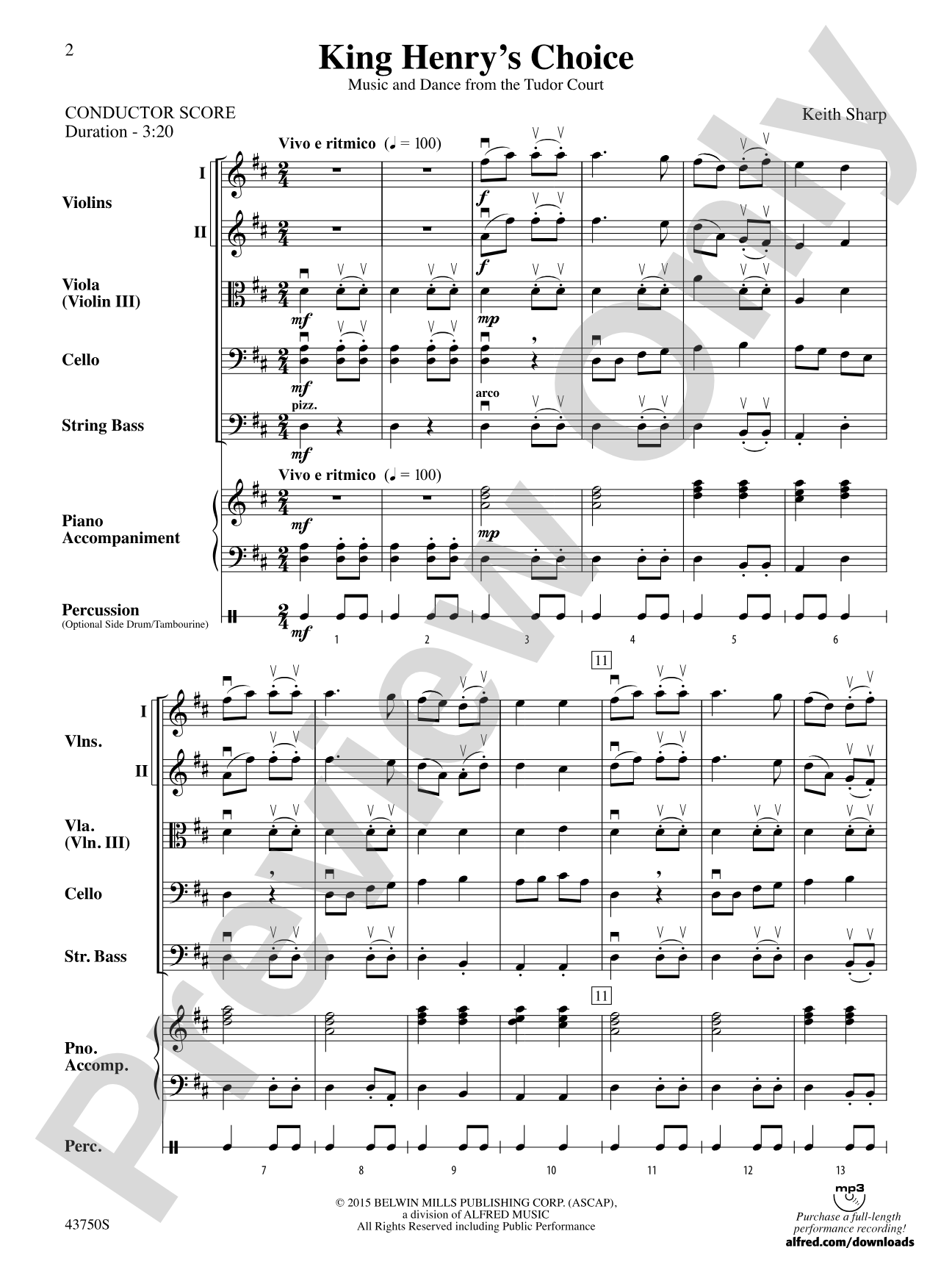
In the style of medieval dance, this authentic setting transports all to the time of Henry VIII. Though his court was infamous as well as lavish, music and dance were a central part of courtly life. With many opportunities for technical development, all parts remain in 1st position. (3:20)


Don't just read it, hear it, play along with it, and watch your students grow with it. In MakeMusic Cloud, King Henry's Choice: String Orchestra Conductor Score & Parts comes alive with professional accompaniment, adjustable tempo, and built-in practice tools that turn solo practice into real progress.
Open in the Player
Jump straight in and assign it today.
Start Your Free Trial
Open this title and explore the full library in minutes.
Sample Audio
1
Audio File
--:--
0:00
0:00
Sample Video
No sample videos found.
Additional Details
Series:
Belwin Beginning String Orchestra
Publisher:
Alfred Music
Page Count:
150
SKU:
00-PK-0006608
More about this title
About the Composer: Keith Sharp
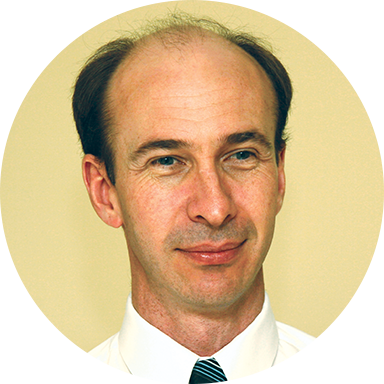
Keith Sharp has directed string programs across Brisbane's school system since 1985, building a reputation for writing engaging repertoire that speaks directly to young musicians. At Brisbane State High School, where he has taught since 2012, his emphasis on ensemble learning has shaped the development of countless string players. His compositions have earned recognition as "Editor's Choice" selections in major catalogs, and his works are now performed by student orchestras internationally through publishers including Alfred Music and The FJH Music Company.
Beyond the classroom, Sharp serves the music education community as a guest clinician, composer, and conductor at schools, camps, and workshops. His contributions to string pedagogy have been formally recognized with the AUSTA State Award for Queensland and multiple awards for educational leadership. He holds a Bachelor of Music Degree and a Graduate Diploma of Further Education, and co-authored the Encore on Strings series alongside his ongoing work as a string educator.
Why we love this
Sharp captures the pageantry of Tudor courtly life without sacrificing the pedagogical clarity that makes Grade 1.5 orchestras sound polished and unified. The piece balances historical authenticity with practical string writing: all parts stay in first position while the orchestration creates genuine textural interest, so students focus on ensemble cohesion rather than technical scrambling. At just over three minutes, it fits perfectly into a concert program as a standalone moment of historical color or as part of a thematic set.
What to expect
A ceremonial procession through a Tudor banquet hall, alive with the rhythmic precision of period dance but carried by the warmth of string voices. The piece evokes pageantry without pomposity, inviting listeners to imagine silk, candlelight, and the particular grace of a bygone court.
Who it's for
String orchestra directors working with early intermediate ensembles (Grade 1.5) who want historically flavored concert repertoire that doesn't demand advanced technique. It suits students ready to move beyond unison exercises but still building first-position confidence and ensemble listening skills.
How to get the most out of it
- Shape the melodic lines with subtle dynamic contours to reflect the dance-like quality; resist playing too stiffly, even though the piece evokes a formal setting.
- Establish a clear pulse with your bowing pattern in the opening measures so all sections lock together from the start.
- Balance the texture between melody and harmonic support by checking that accompanying parts sit underneath the primary line without forcing vibrato or tone production.
- Mark any style shifts or tempo adjustments in parts before the first rehearsal so students understand the arc of the piece.
How to use it
Program this as an opening piece to establish a thematic concert (perhaps pairing it with other historical or dance-inspired works), or use it mid-program as a tonal contrast to contemporary selections. Its modest length makes it ideal for a festival or contest context where younger orchestras benefit from early-season repertoire that builds confidence without overwhelming.
Skills your students will build
- First position intonation across all string parts
- Ensemble balance and blend in homophonic textures
- Rhythmic precision in period-style dance rhythms
- Sustained tone production and vibrato control
- Dynamic shaping within accessible ranges
- Score reading and section awareness in a multi-part arrangement