

King Dorian's Court: String Orchestra Conductor Score & Parts
By Jim Palmer
Grade: 1
Item: 00-PK-0008106

$50.00
Pickup currently not available
Buy Extra Parts (Digital PDF Download)
Parts Added to Cart!
Description
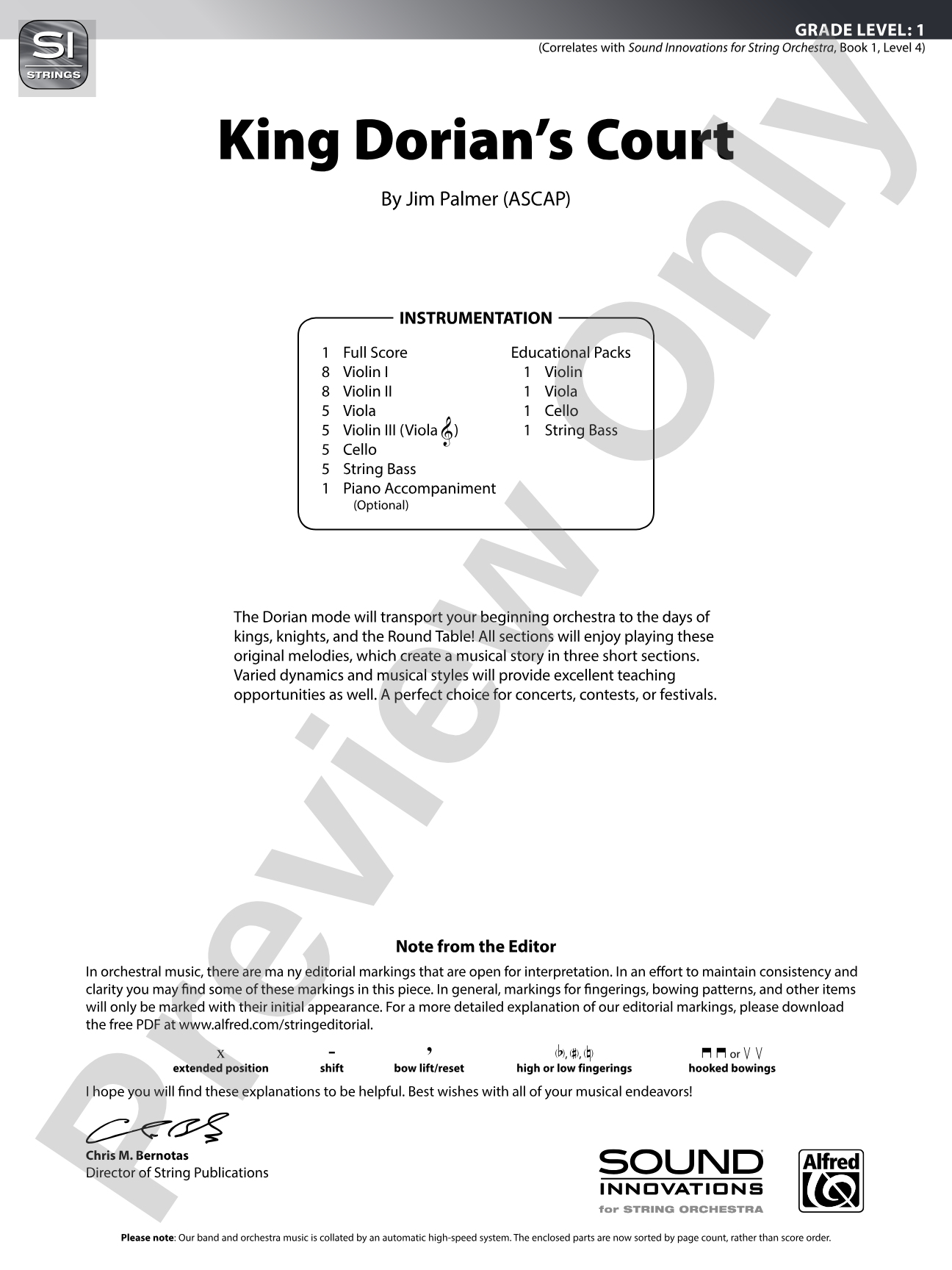
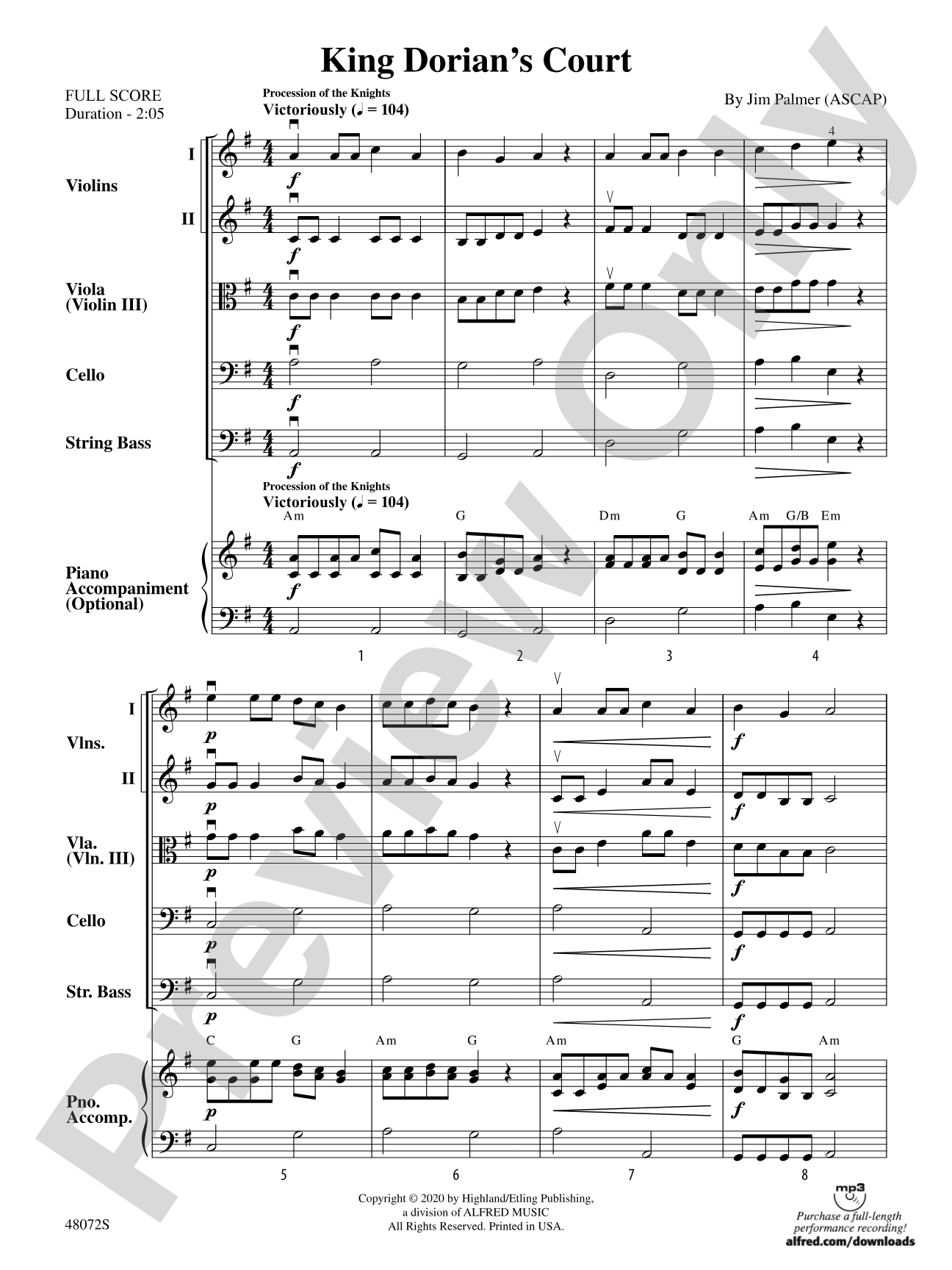
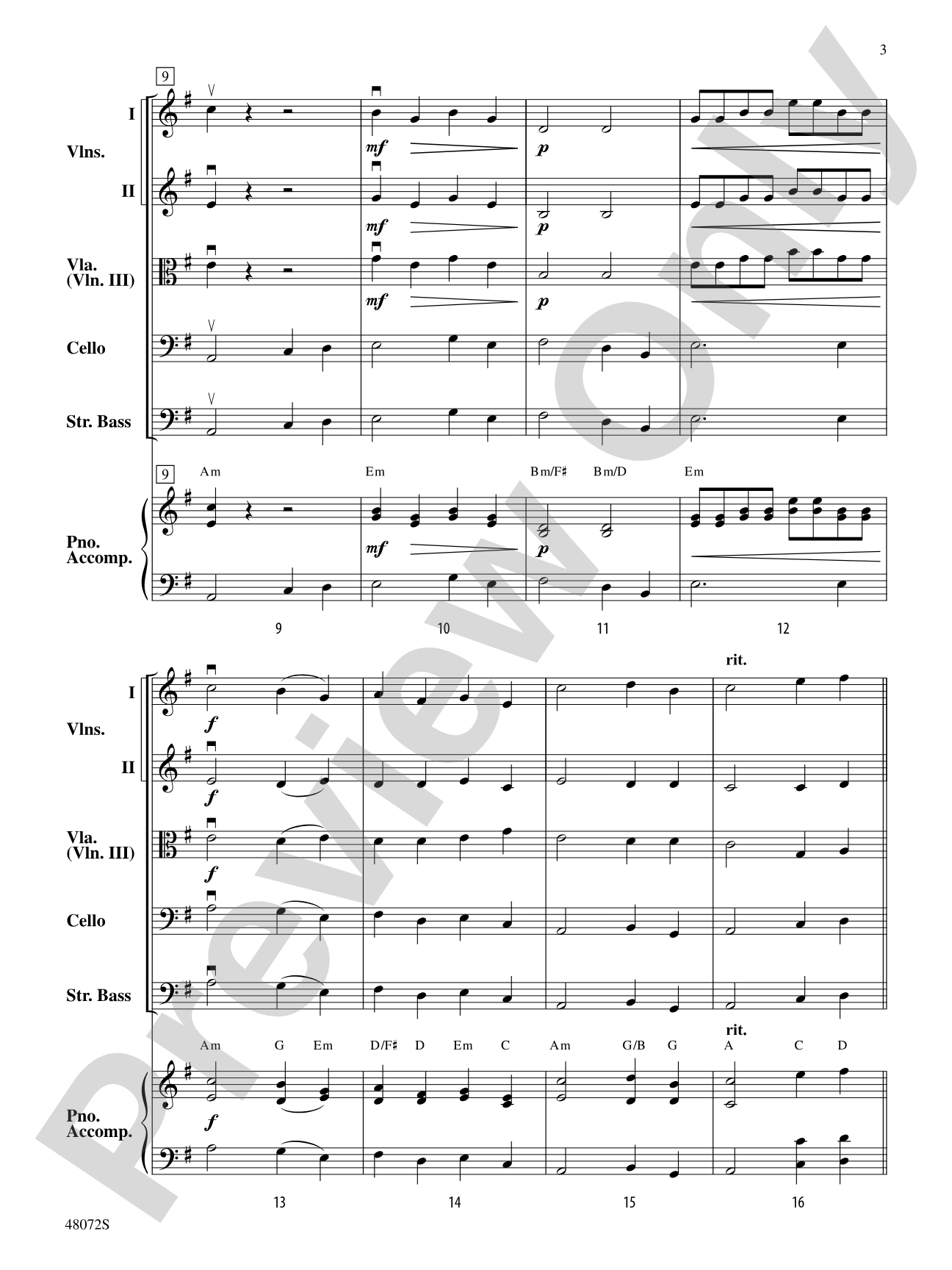
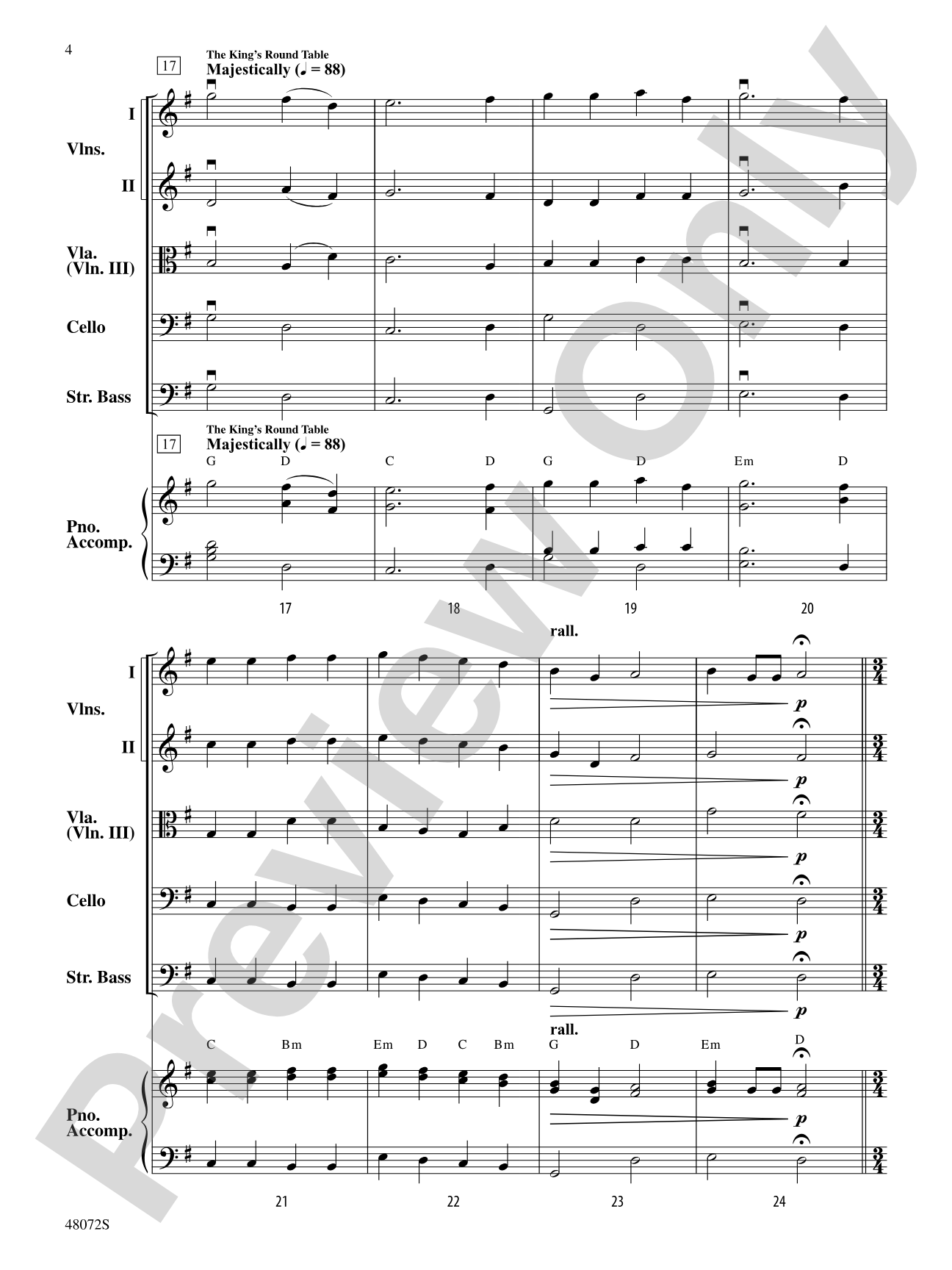
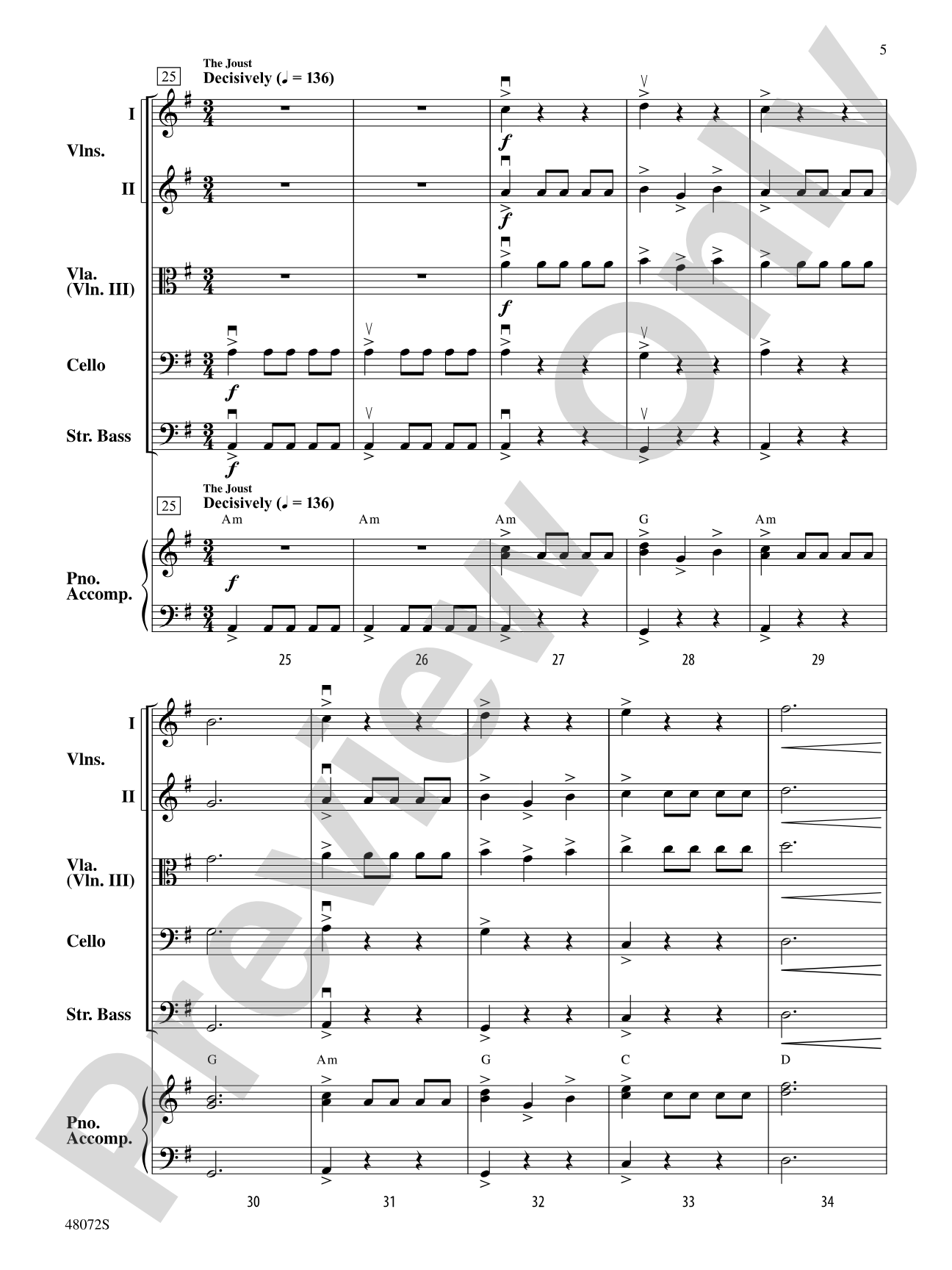
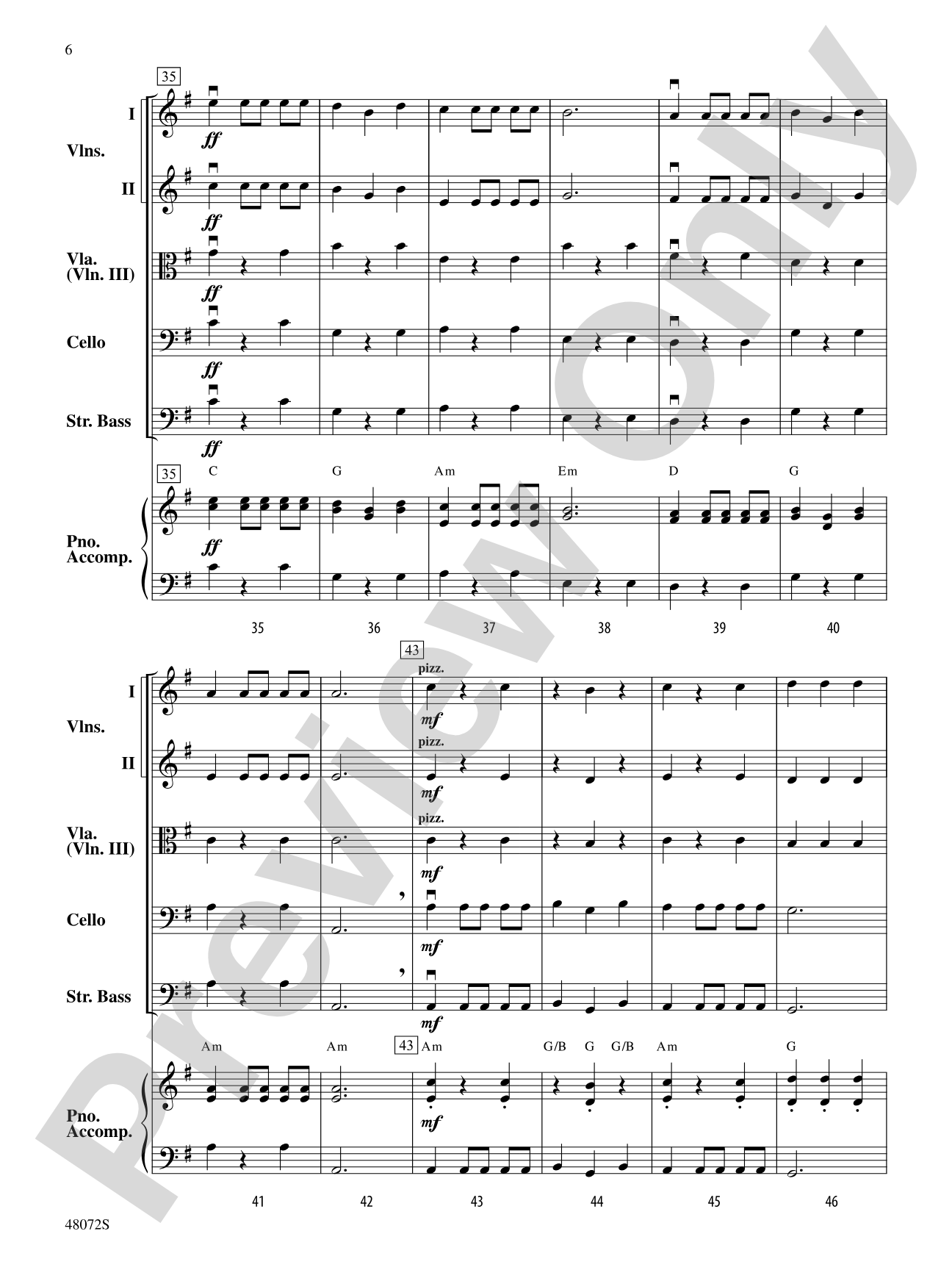
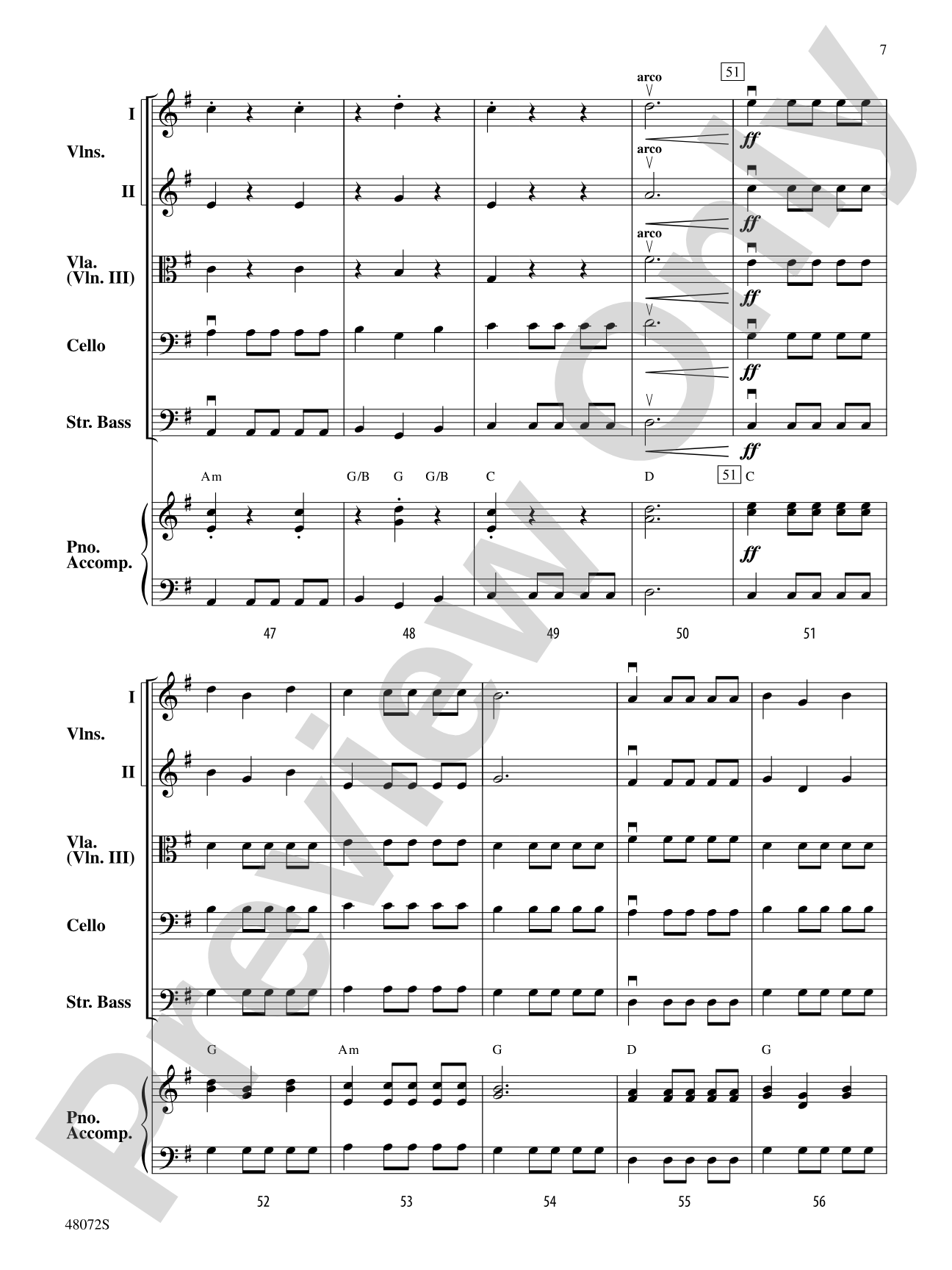
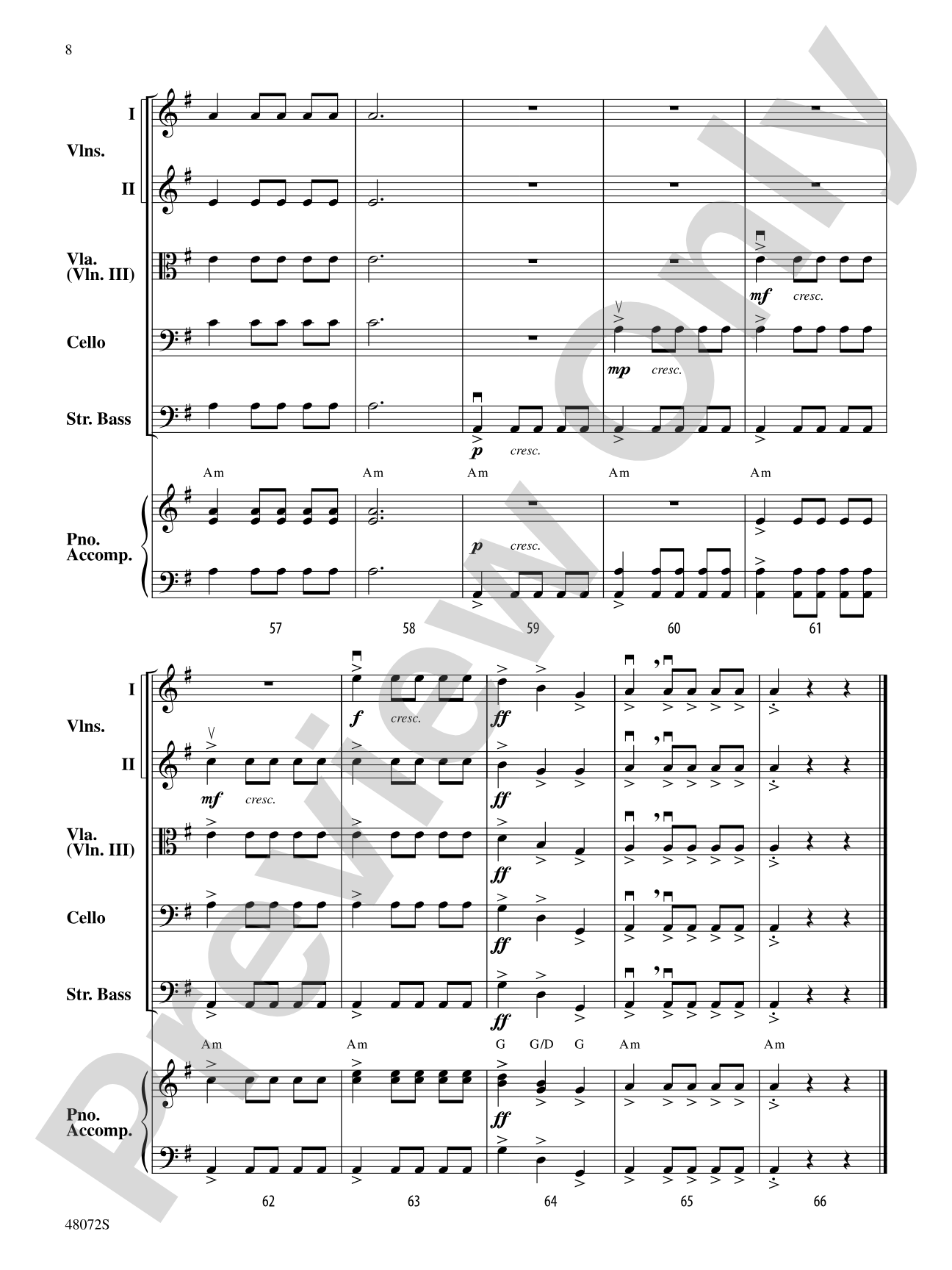
King Dorian's Court by Jim Palmer will transport your beginning orchestra to the days of kings, knights and the Round Table! All sections will enjoy playing these original melodies which create a musical story in three mini sections. Varied dynamics and musical styles will provide excellent teaching opportunities as well. A perfect choice for concerts, contests, or festivals. Correlated with Sound Innovations for String Orchestra, Book 1, Level 4. (2:05) This title is available in MakeMusic Cloud.


Don't just read it, hear it, play along with it, and watch your students grow with it. In MakeMusic Cloud, King Dorian's Court: String Orchestra Conductor Score & Parts comes alive with professional accompaniment, adjustable tempo, and built-in practice tools that turn solo practice into real progress.
Open in the Player
Jump straight in and assign it today.
Start Your Free Trial
Open this title and explore the full library in minutes.
Sample Audio
1
Audio File
--:--
0:00
0:00
Sample Video
Additional Details
Series:
Sound Innovations for String Orchestra
Publisher:
Alfred Music
Page Count:
76
SKU:
00-PK-0008106
More about this title
About the Composer: Jim Palmer
Jim Palmer has built a reputation for writing accessible, engaging repertoire that speaks directly to student musicians. His work with the Sound Innovations series demonstrates a deep understanding of how to scaffold musical growth while keeping young players motivated through strong melodies and vivid storytelling.
Why we love this
Jim Palmer writes string music that respects where beginning orchestras actually are musically, and this piece proves it. The narrative arc across three sections gives students something to *play toward* rather than just through, and the varied dynamics and styles built into the original material create natural teaching moments without feeling forced.
What to expect
The piece unfolds like chapters in a storybook, moving through the medieval world with original melodies that capture different moments at the court. The musical styles shift enough to keep the ear interested while the varied dynamics create light and shadow across the orchestral colors.
Who it's for
Beginning string orchestras at Grade 1 level who are ready for narrative music that extends beyond single-style pieces. Conductors preparing for concerts, contests, or festivals will find this accessible yet engaging for student performers and audiences alike.
How to get the most out of it
- Shape the melodies by thinking of them as character voices in the story. Each section's musical style should reflect its role in the narrative, not just be a change of tempo.
- Balance the sections carefully in full orchestra passages. The melodies are written across different instruments at different times; make sure soloists emerge clearly while accompaniment stays supportive.
- Use the dynamic contrasts as rehearsal landmarks. They're written in, so marking them in your score and parts helps the ensemble feel the form and build interpretive choices together.
How to use it
This works beautifully as a standalone concert feature for Grade 1 orchestras, or as a repertoire selection that demonstrates range and musicianship in a contest setting. The three-section structure and moderate length (2:05) make it ideal as a centerpiece in a varied program rather than an opener or closer.
Skills your students will build
- Playing sustained phrases with consistent tone and dynamic control
- Following multiple melodic lines across the orchestra and understanding sectional balance
- Responding to stylistic changes and using them as interpretive tools
- Ensemble precision in varied tempo and rhythmic textures