
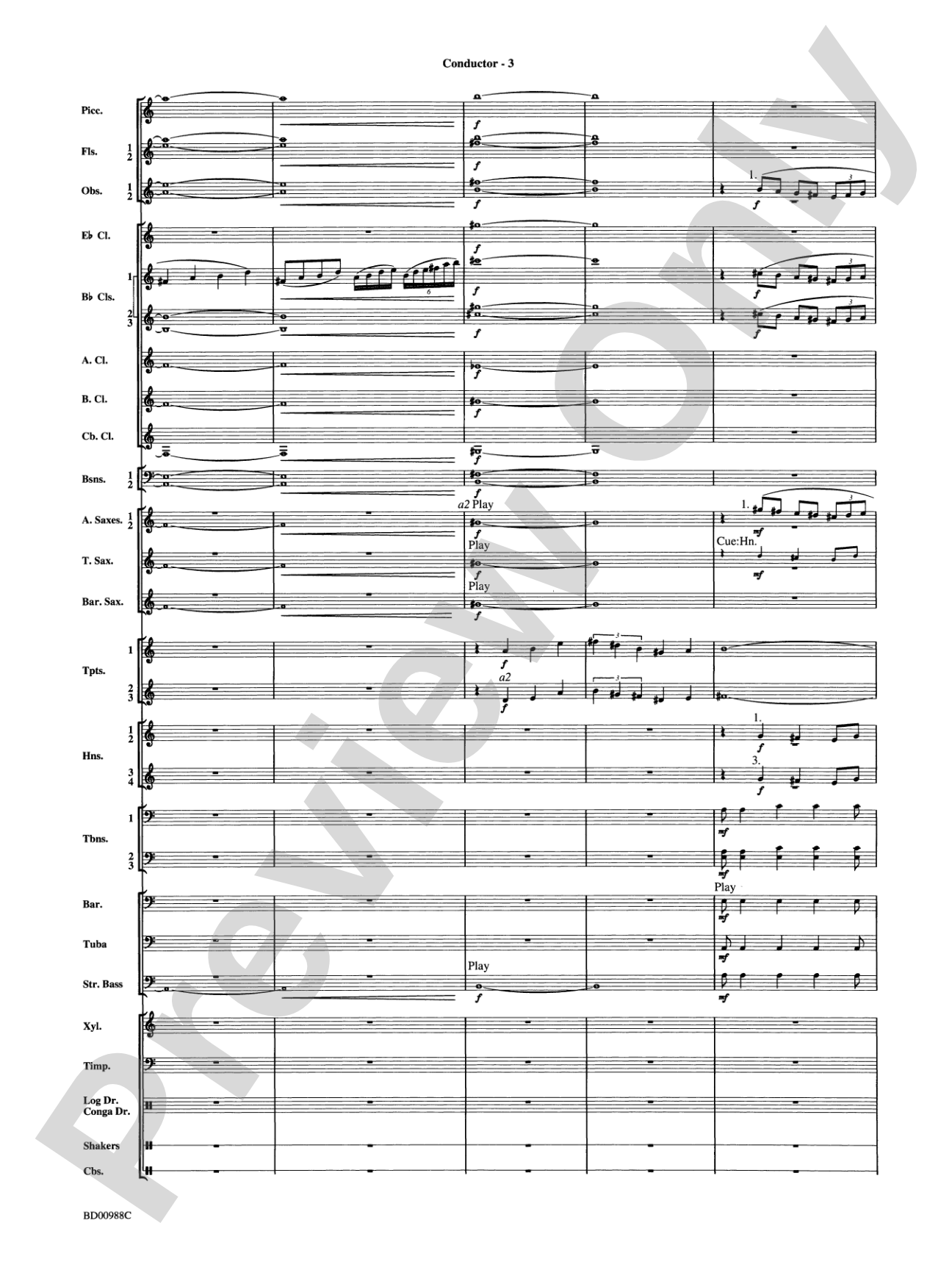
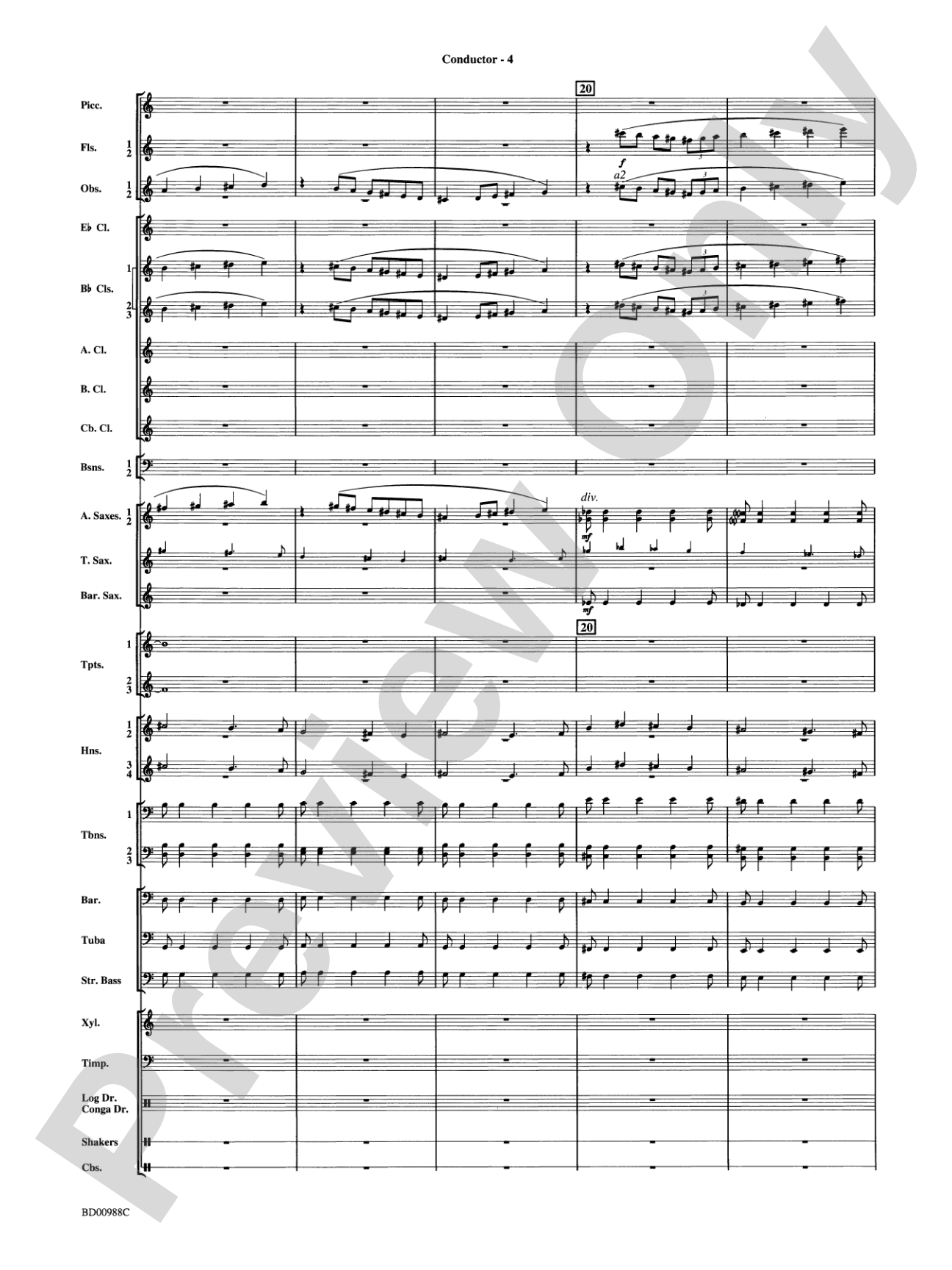
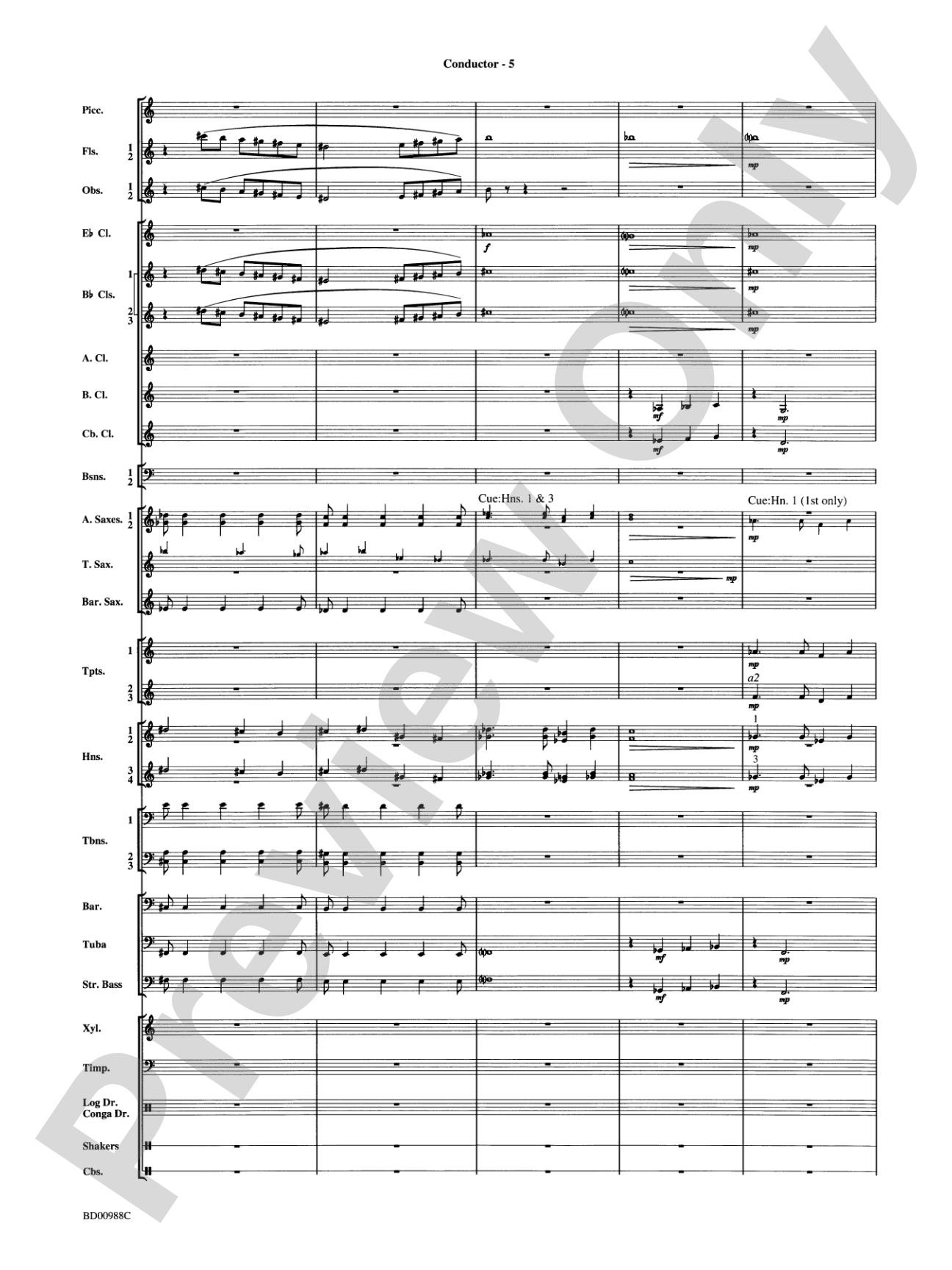
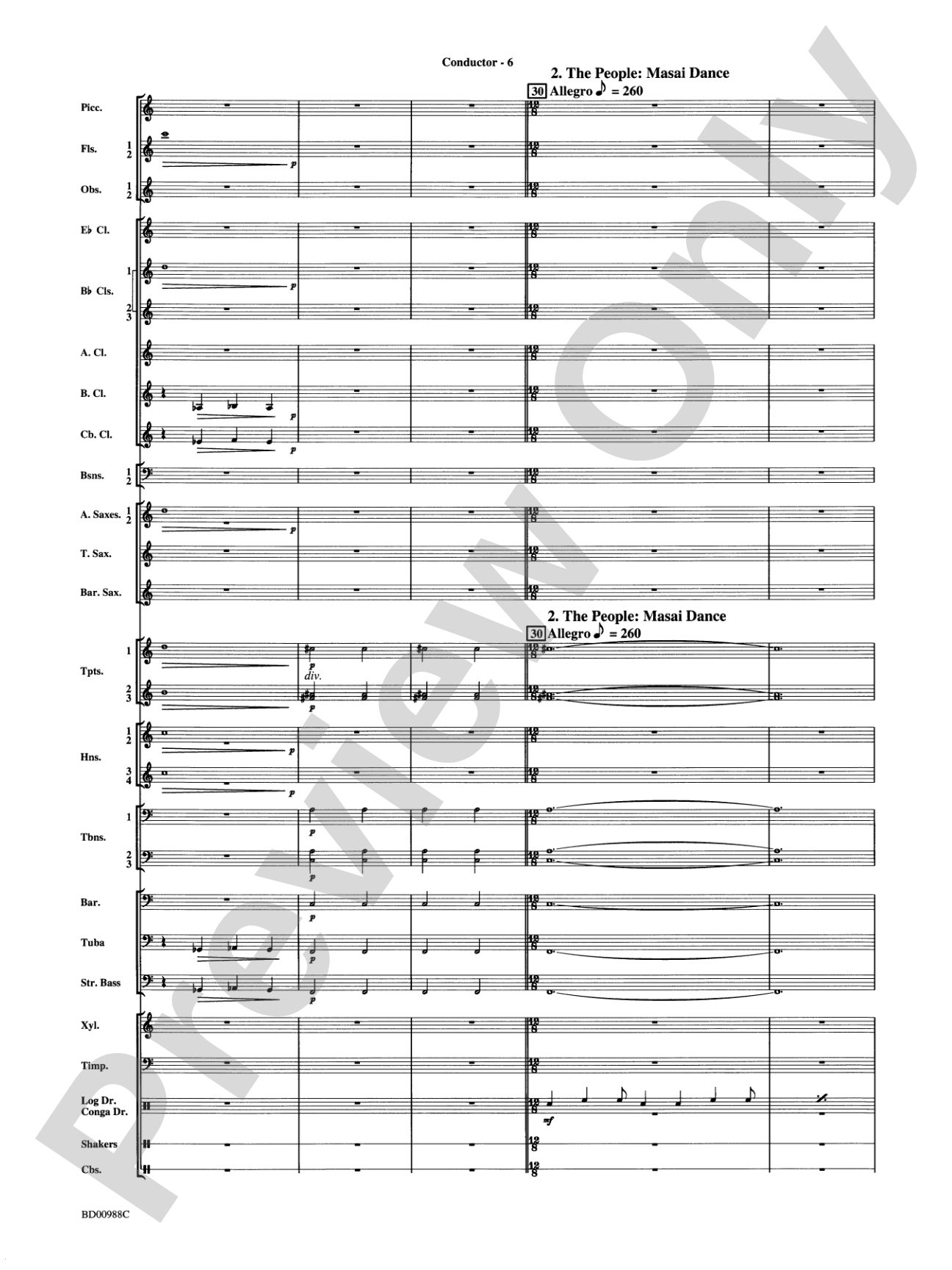
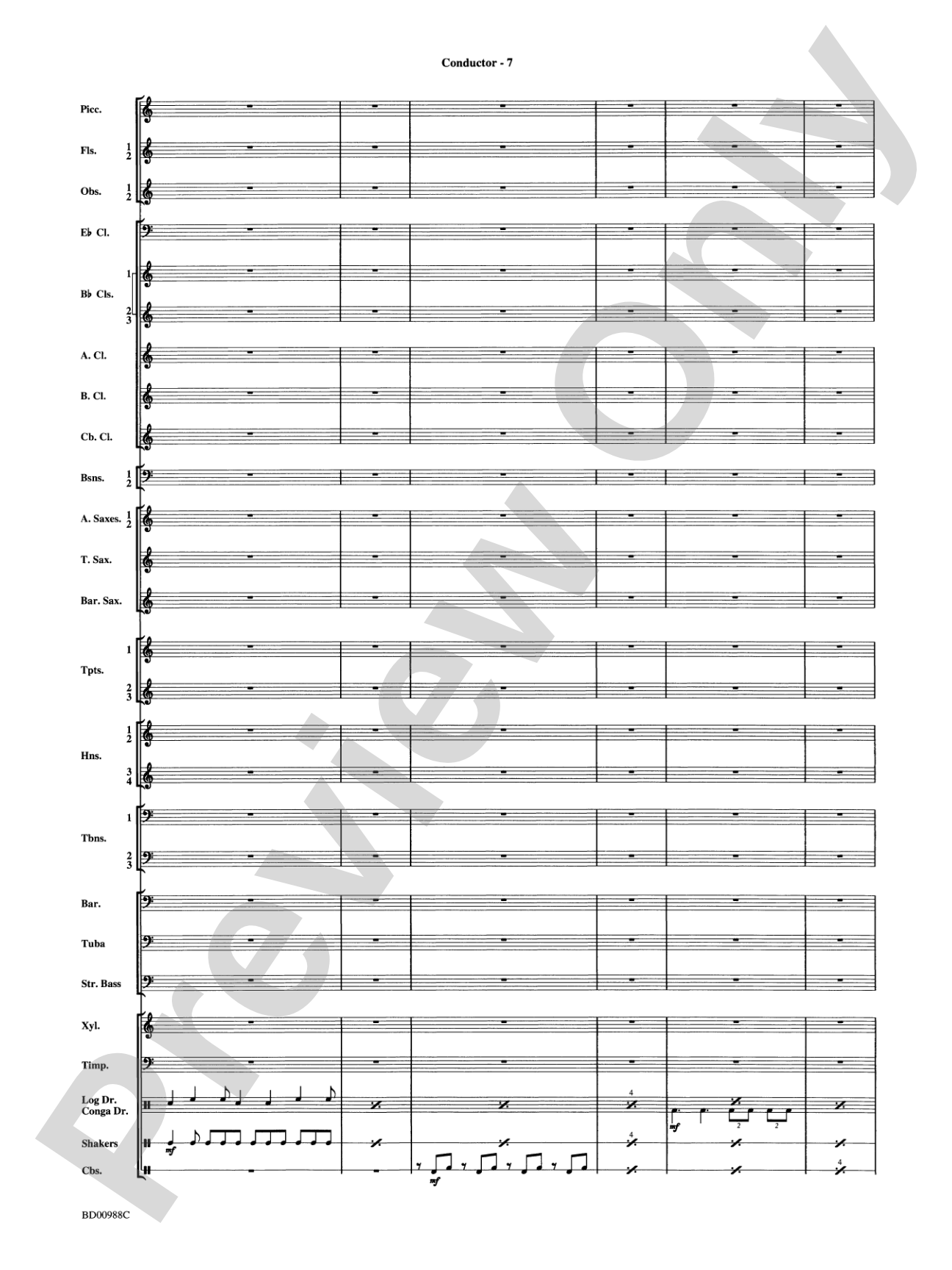
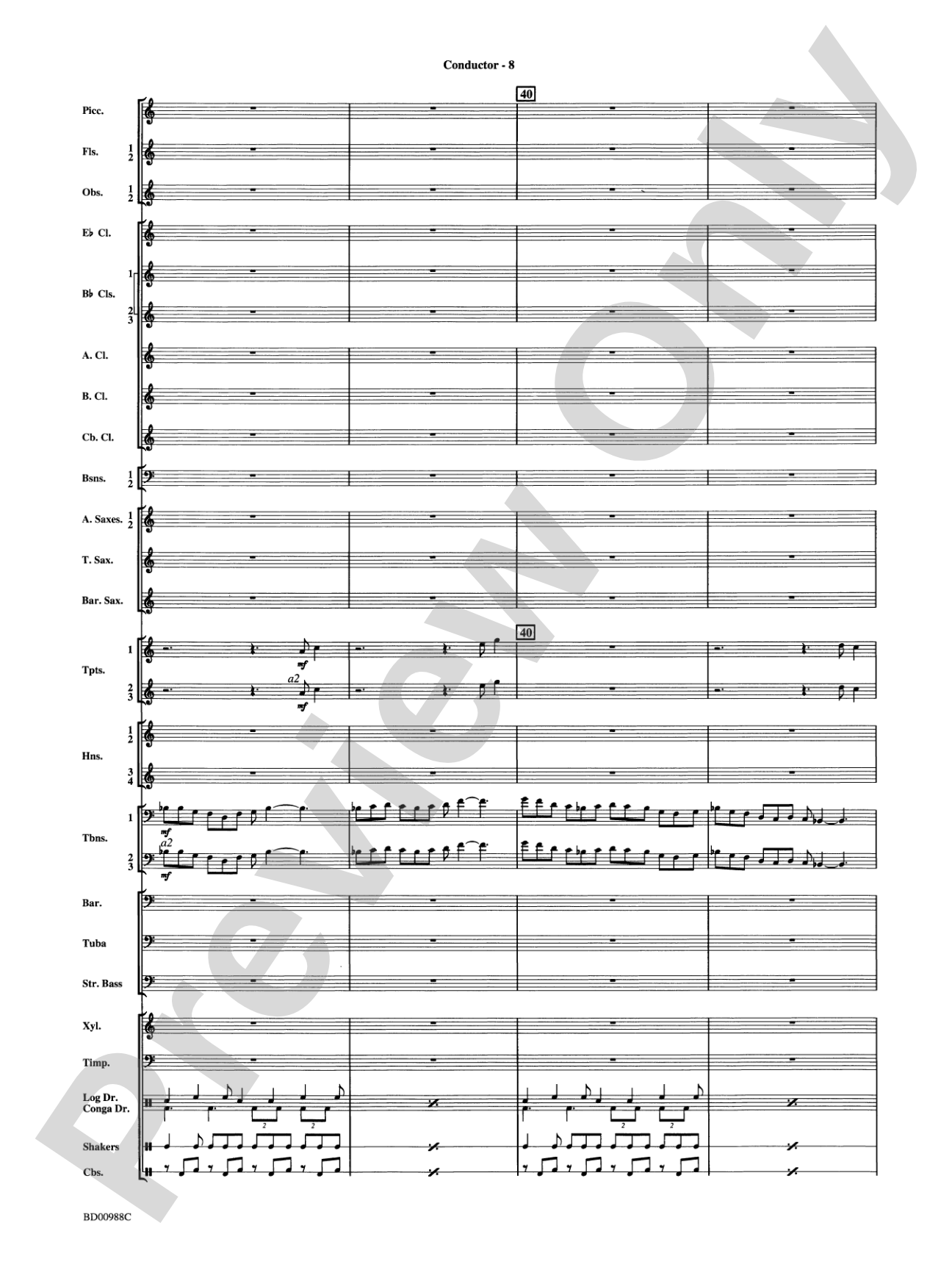
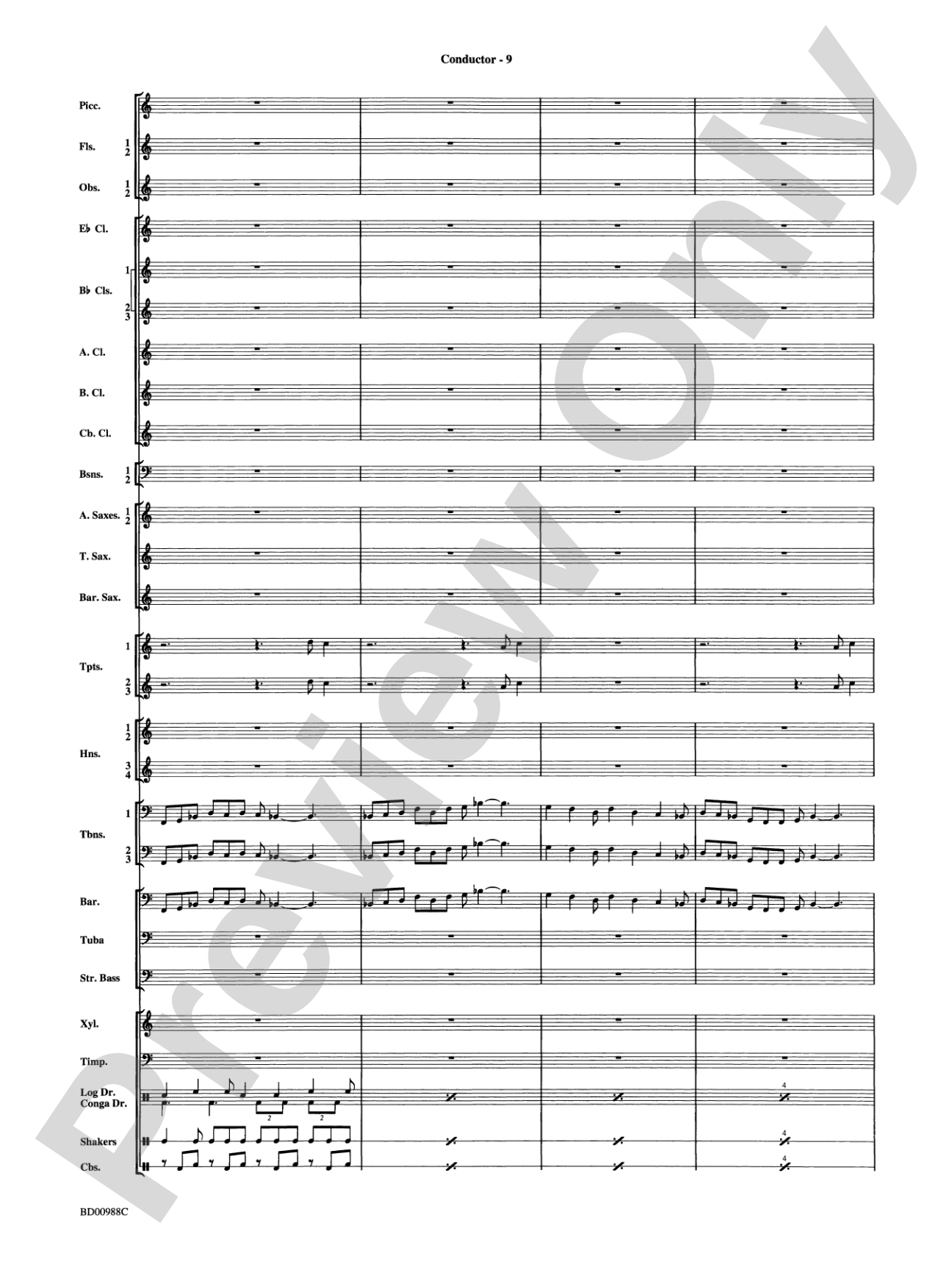
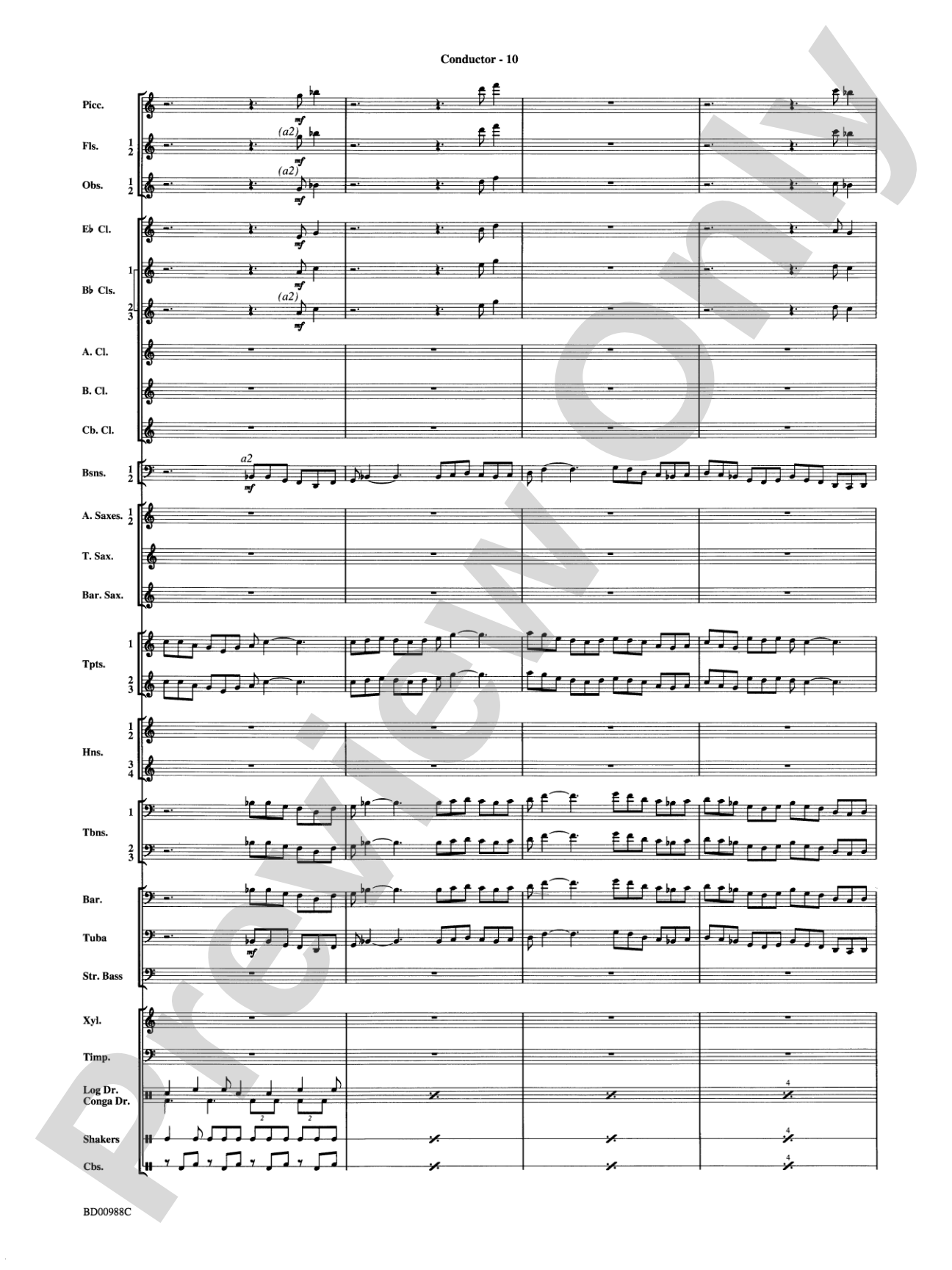
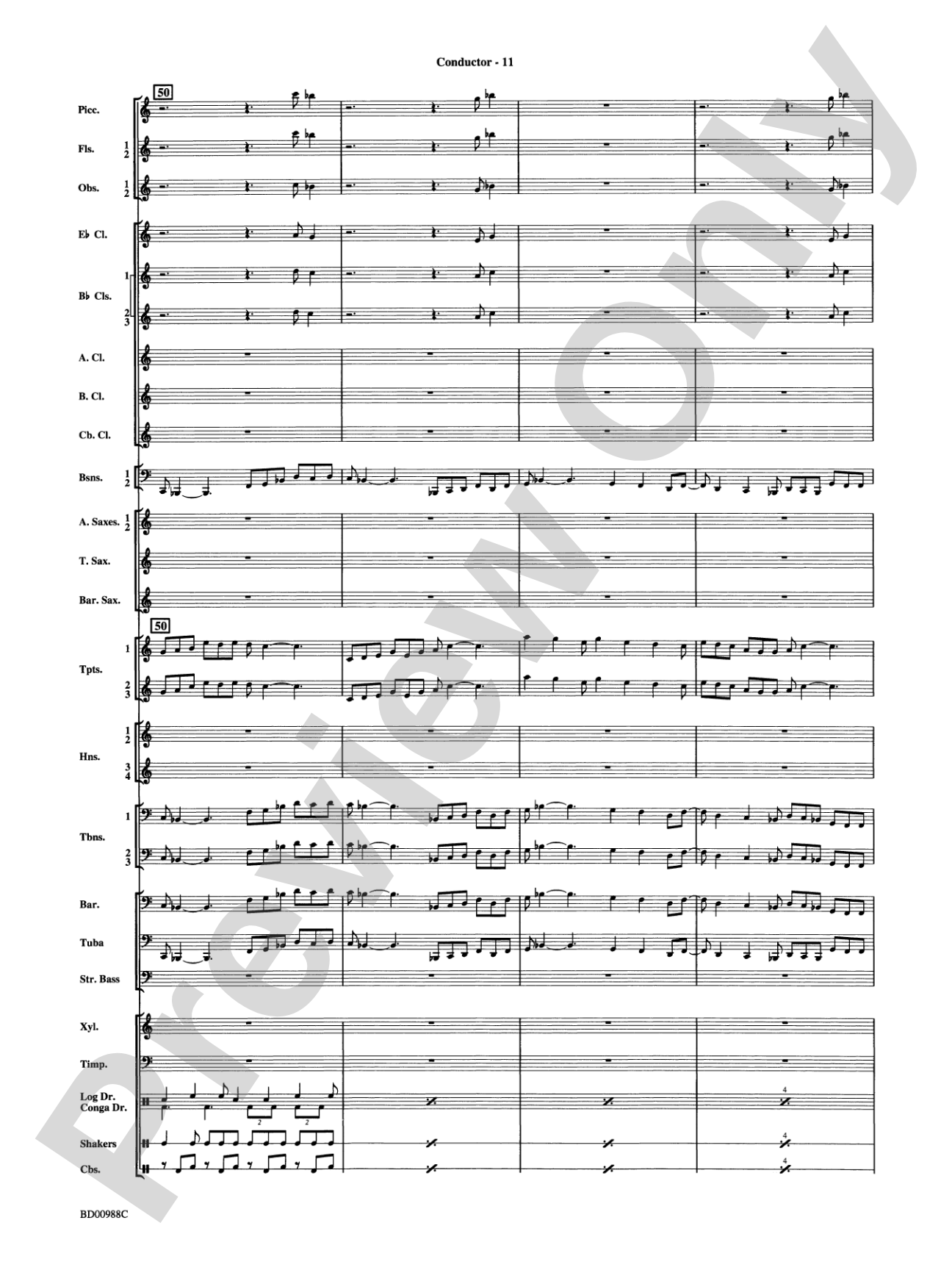
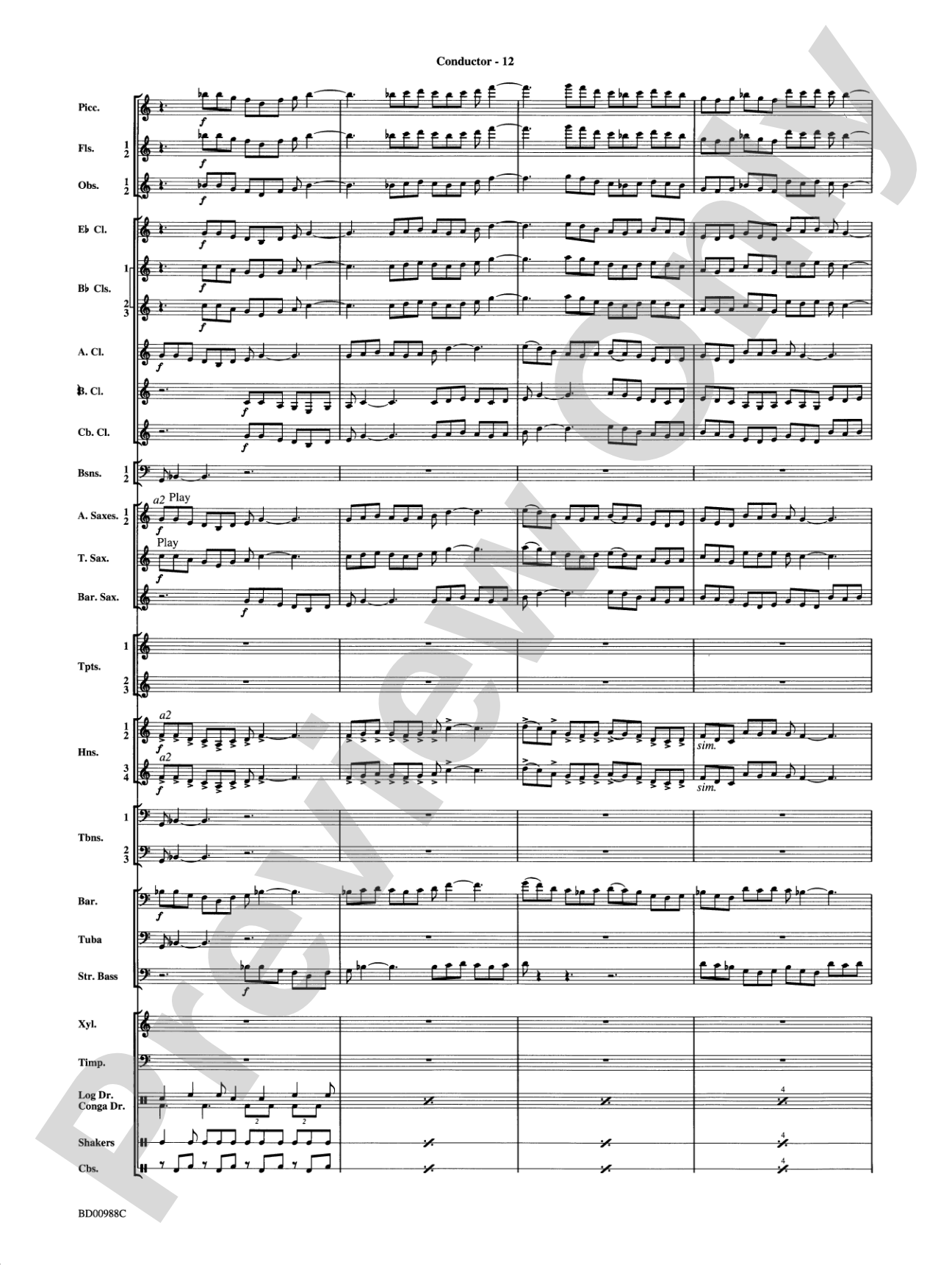
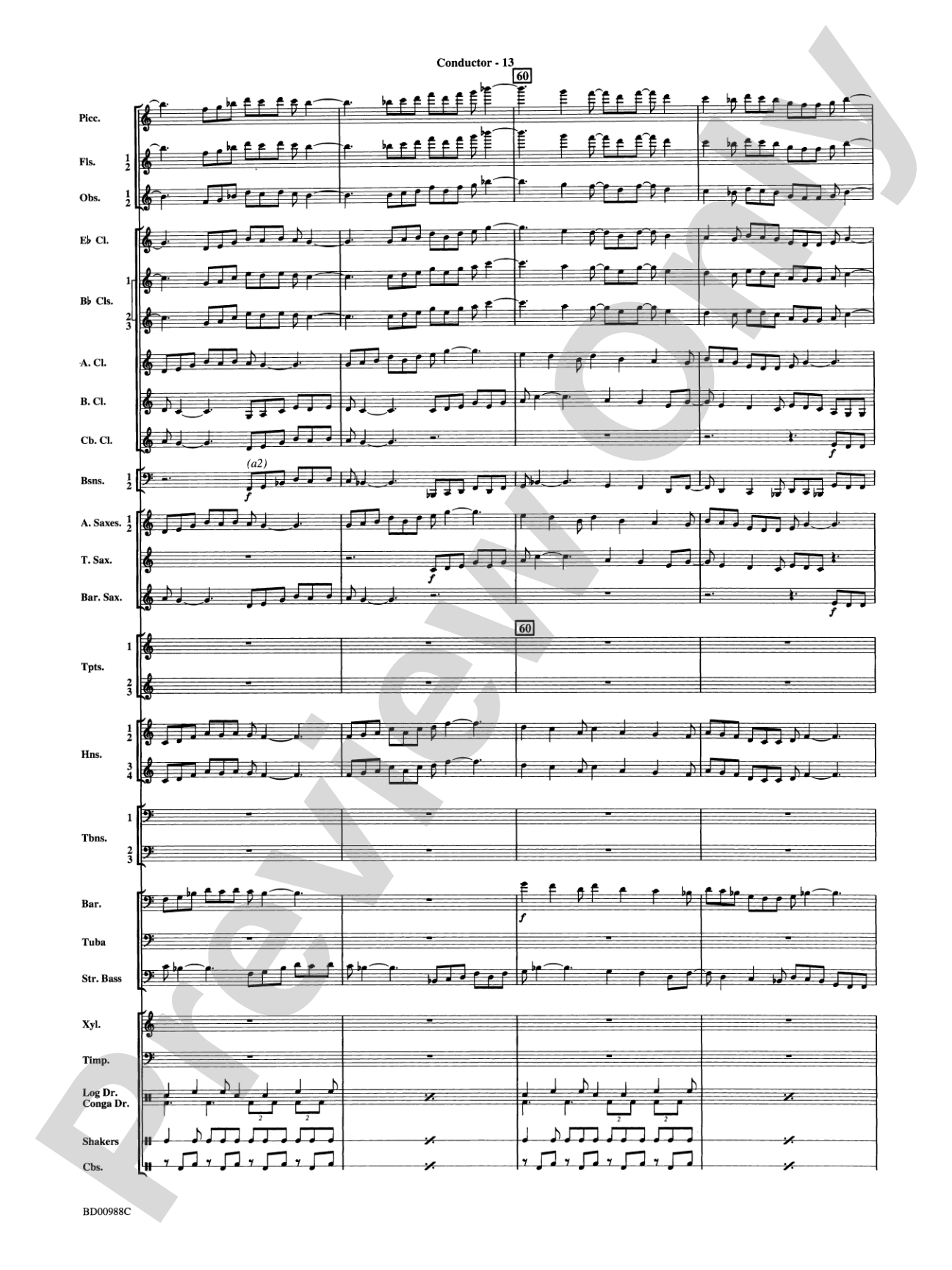
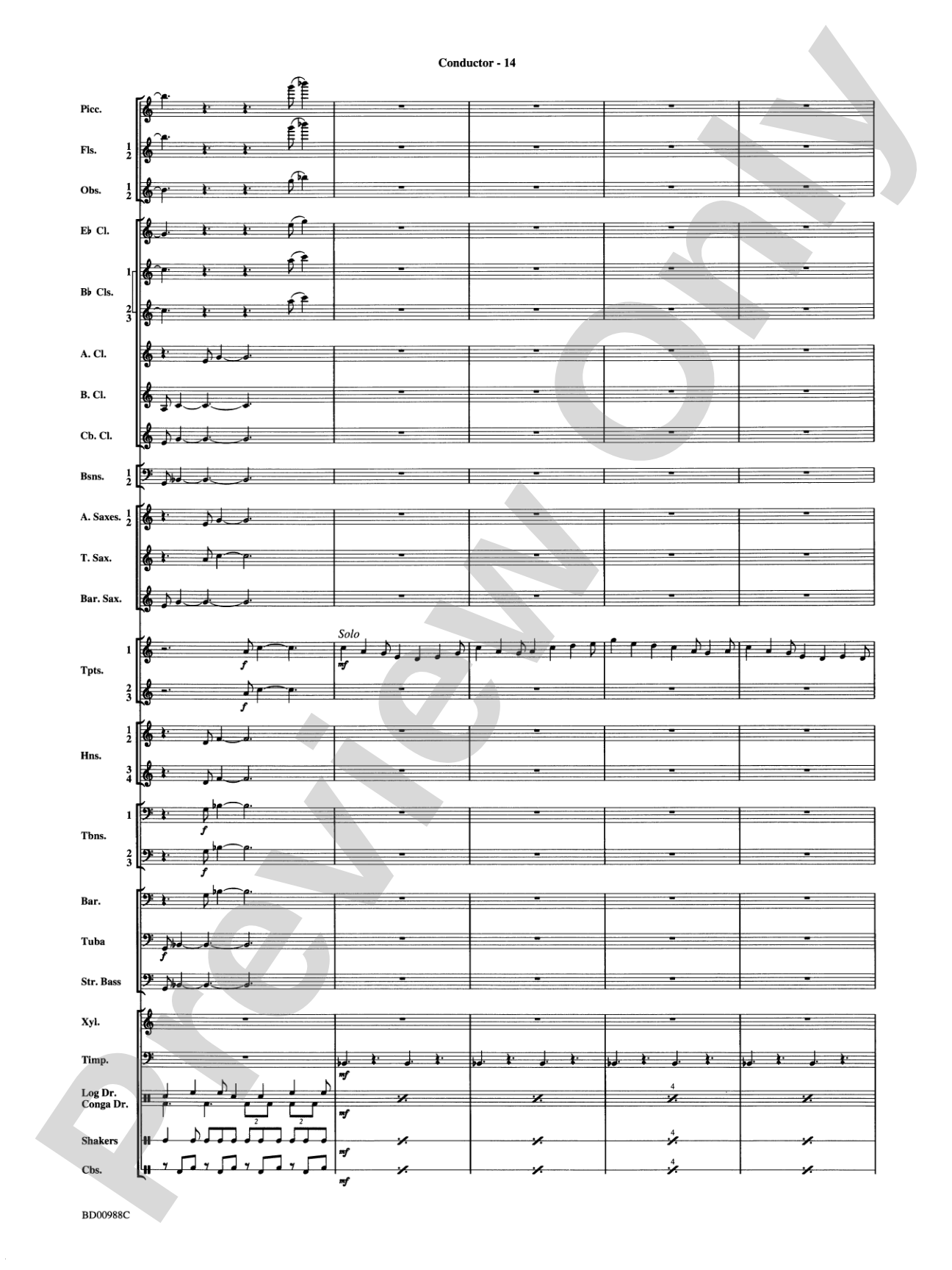
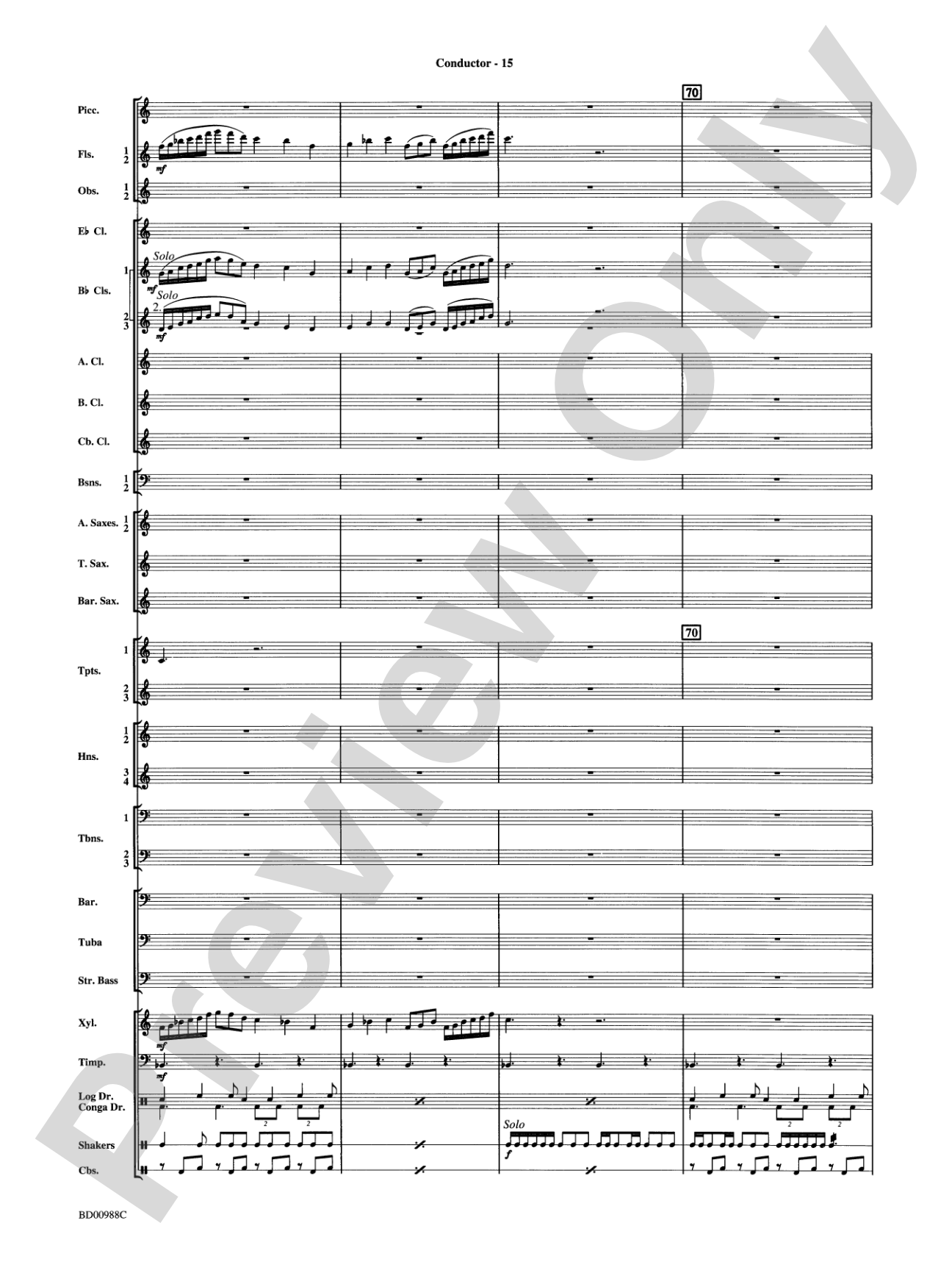
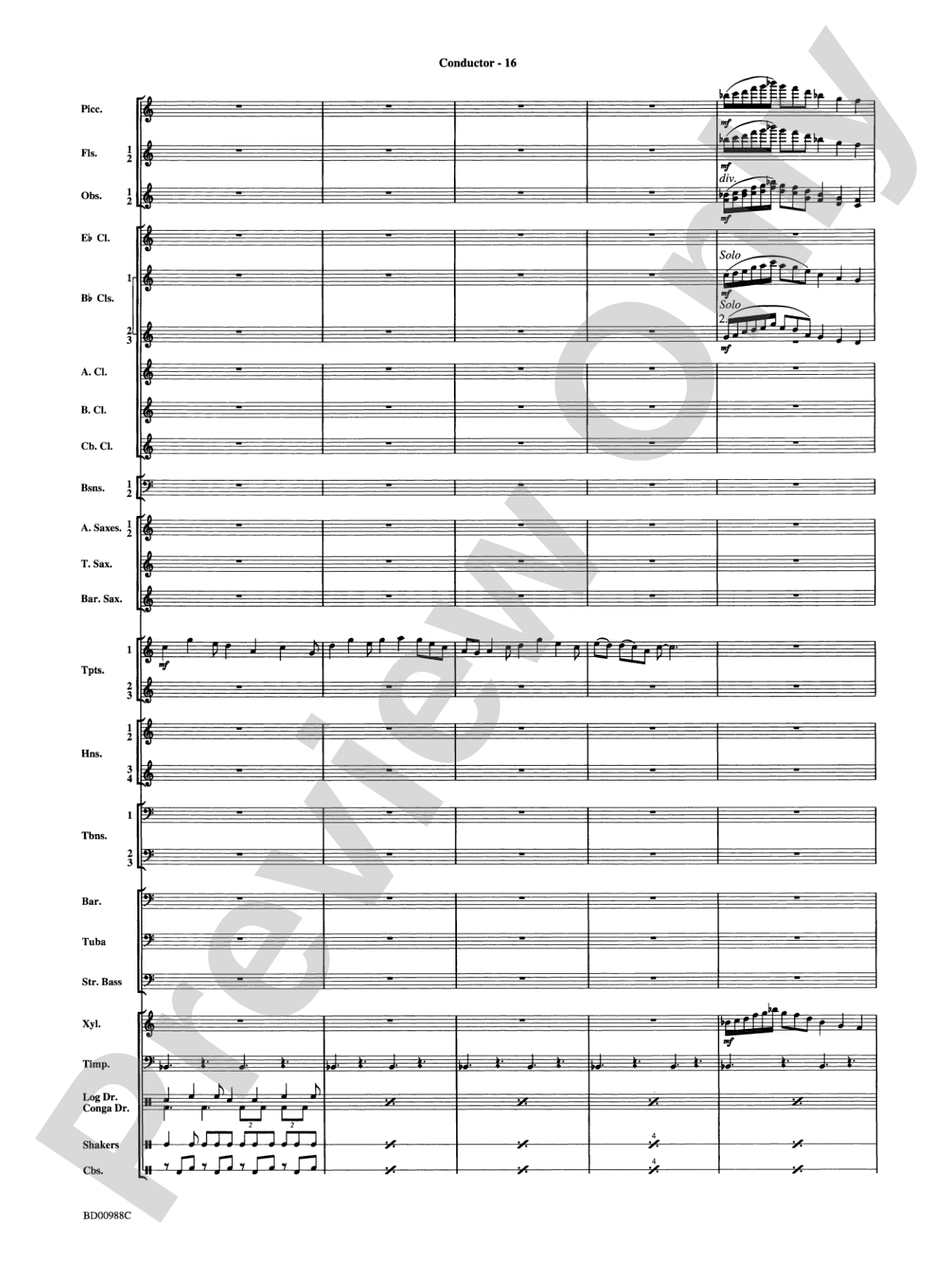
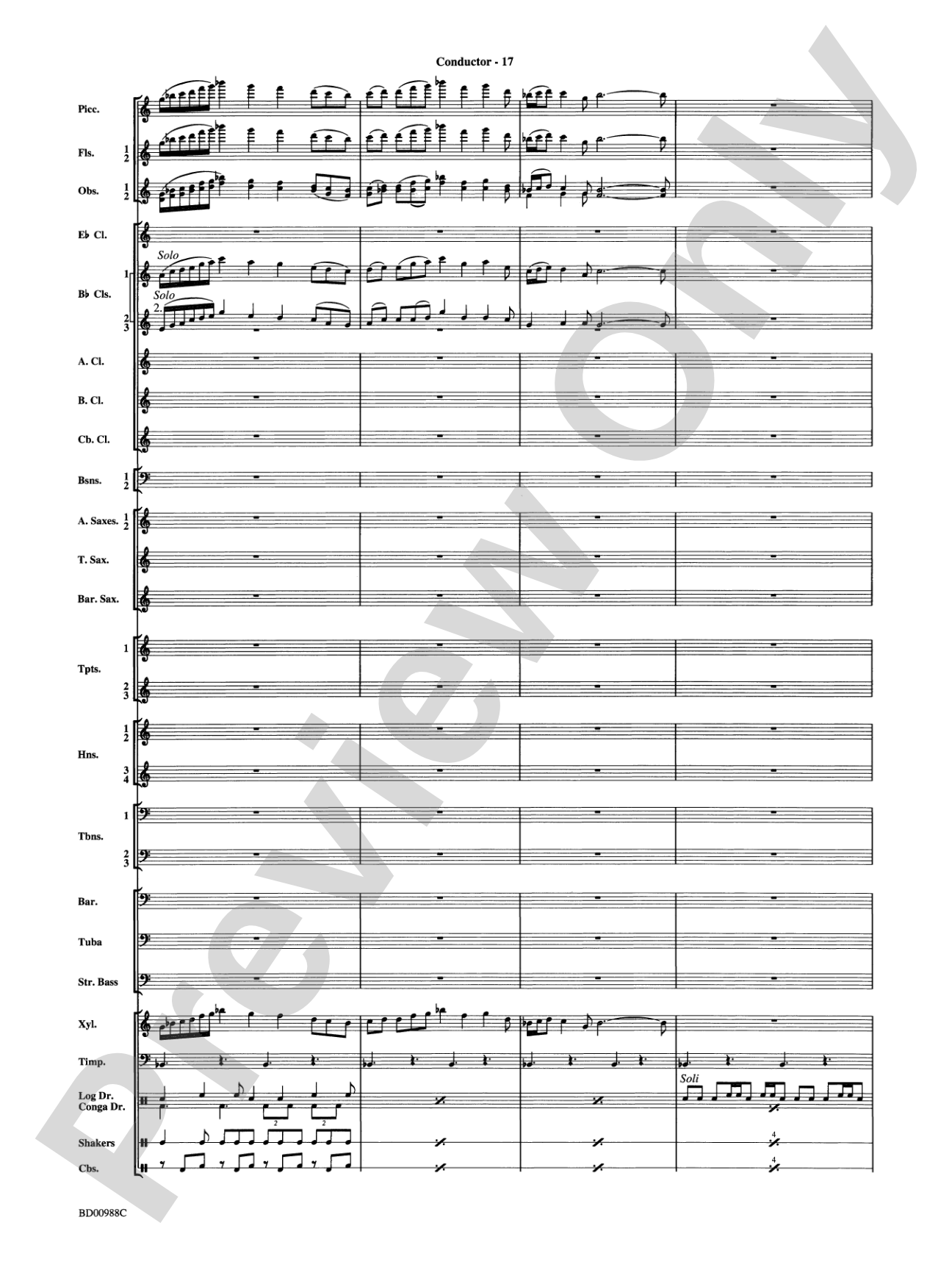
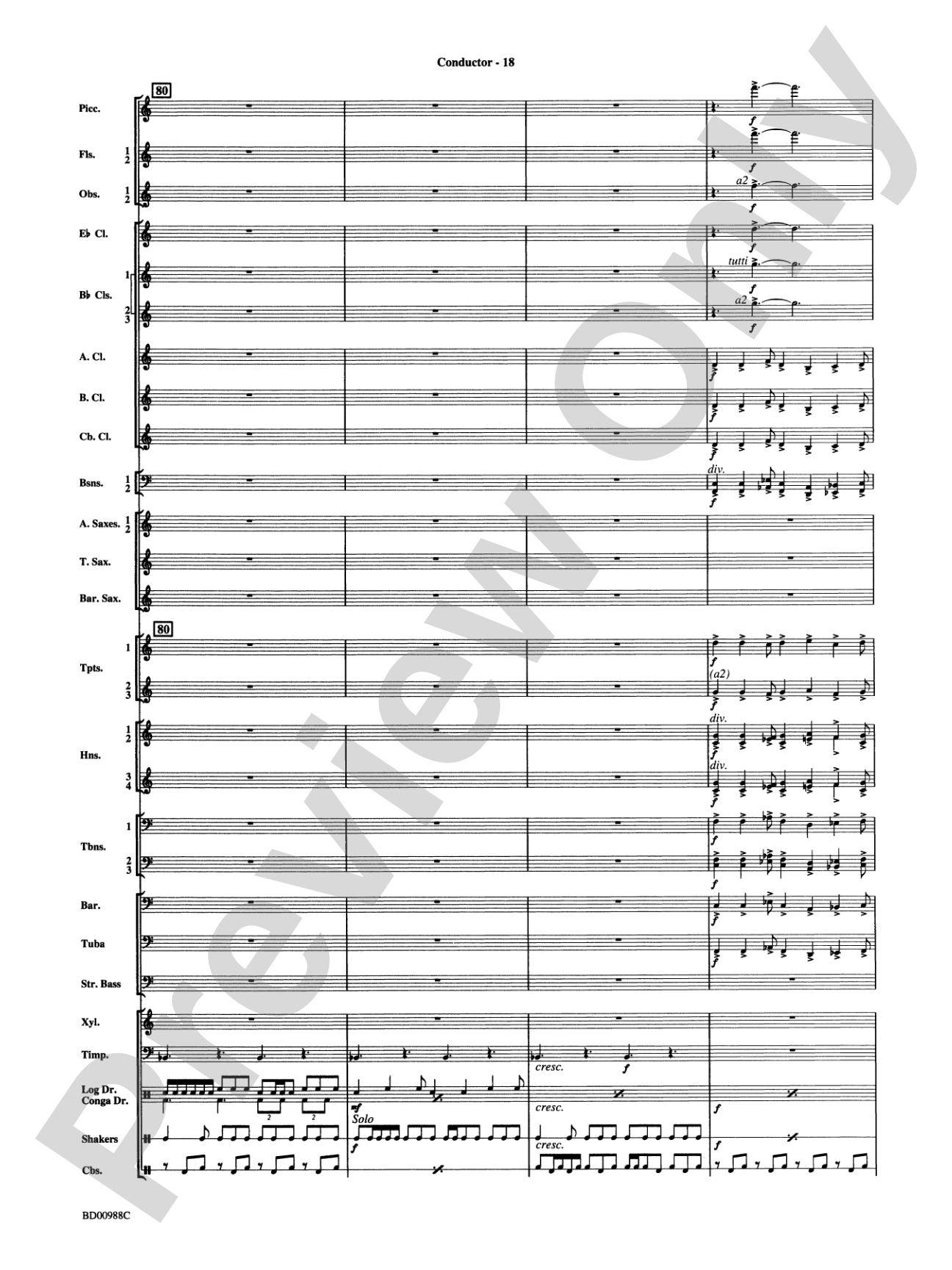
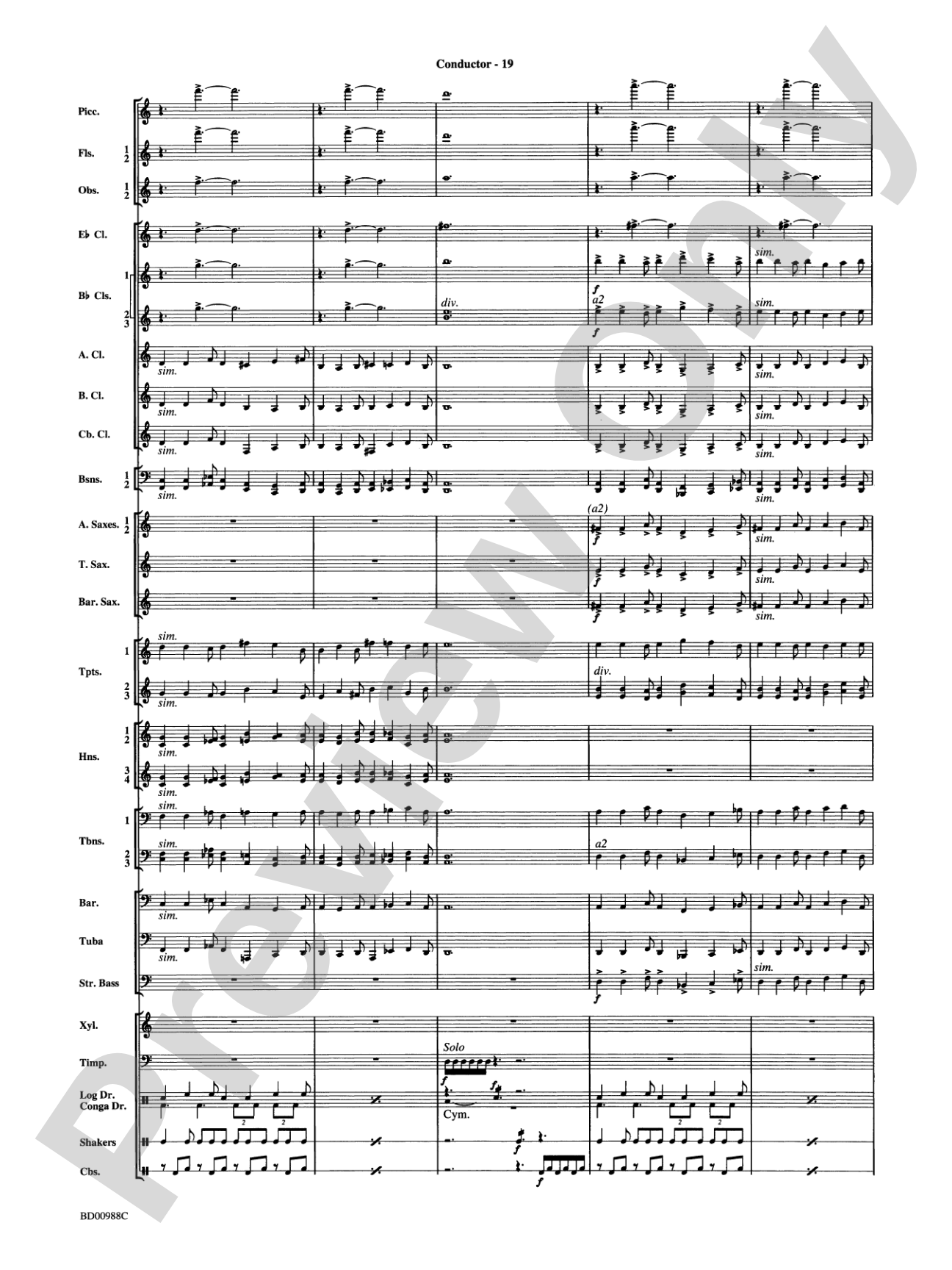
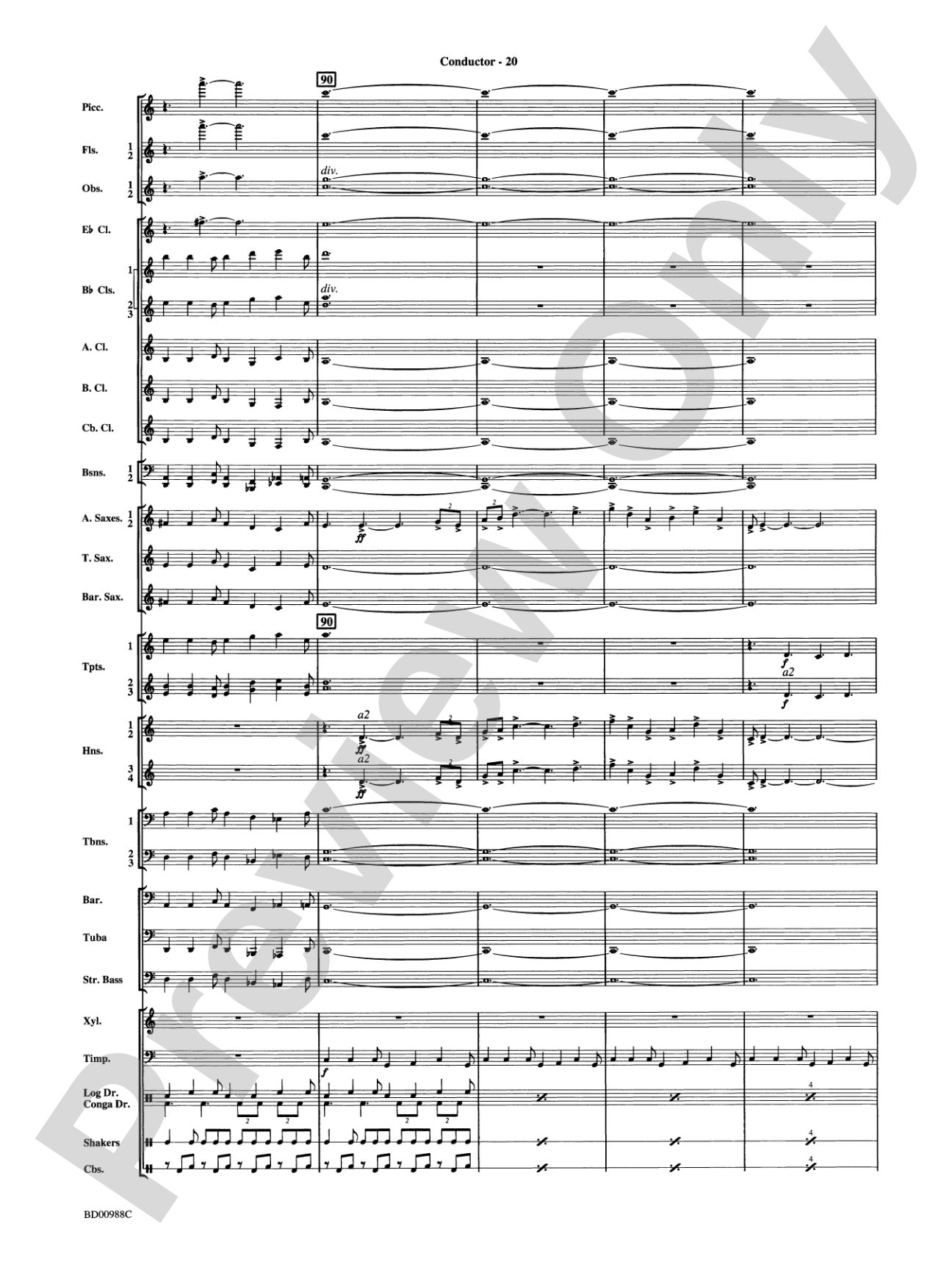
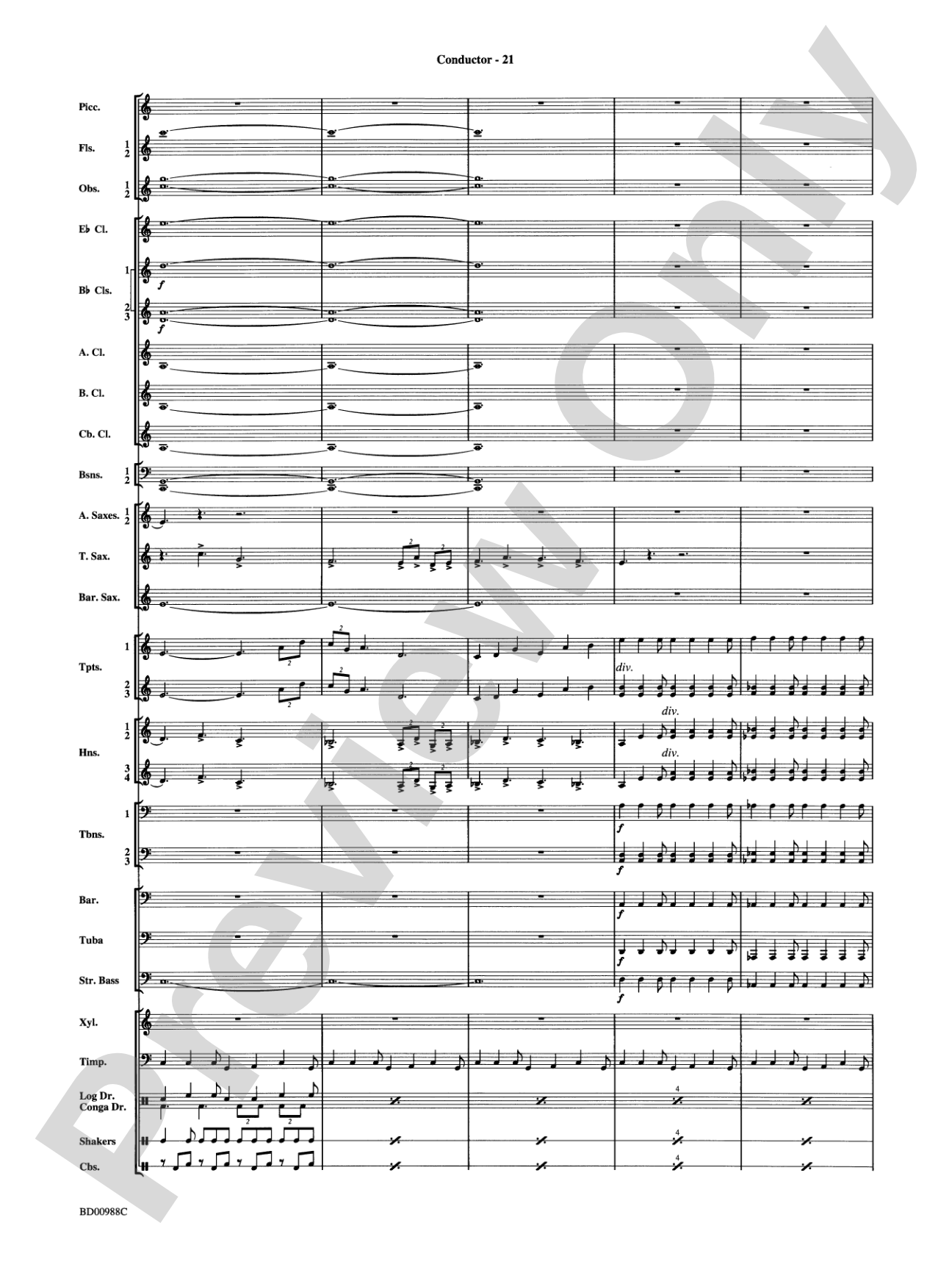
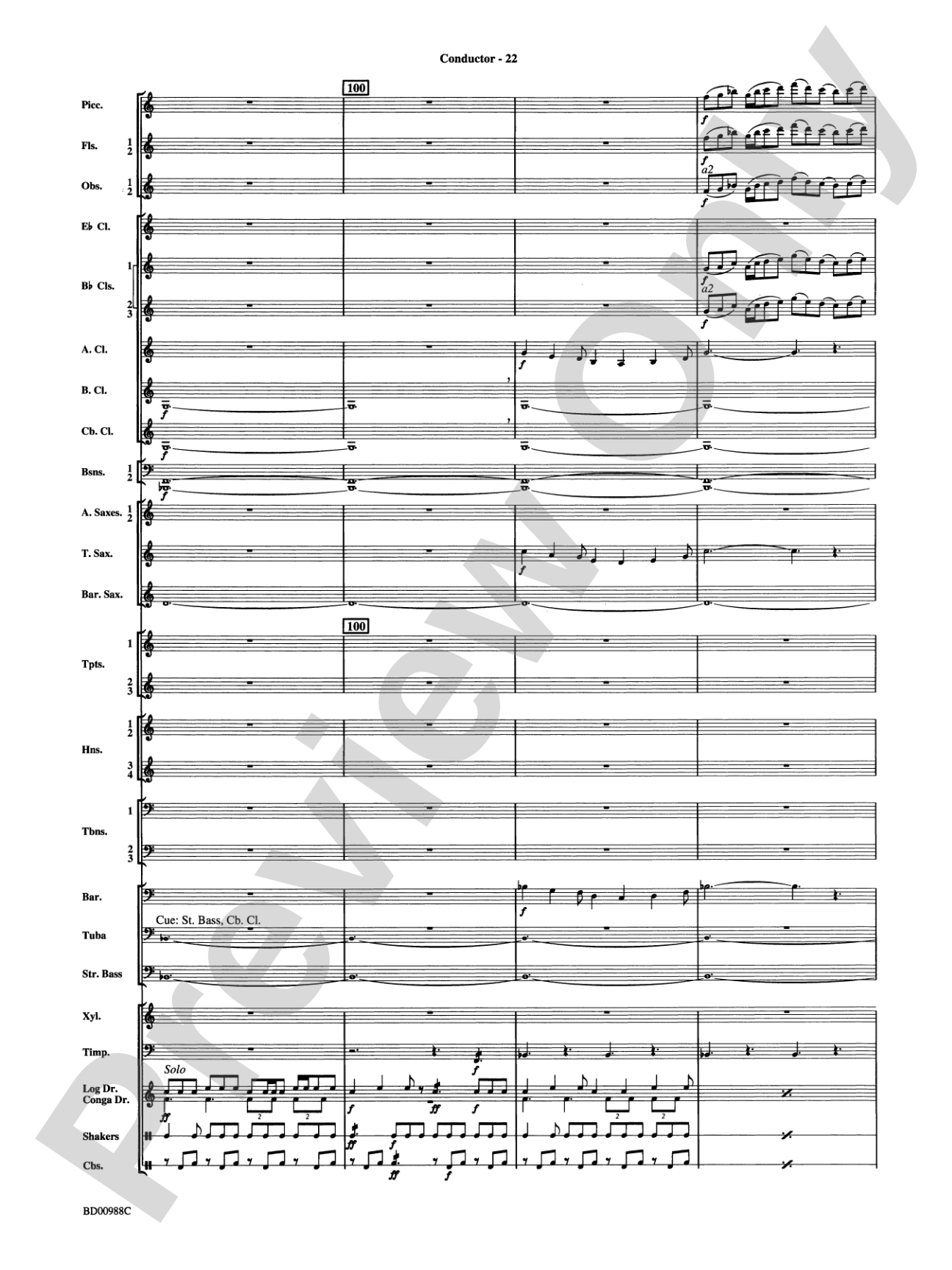
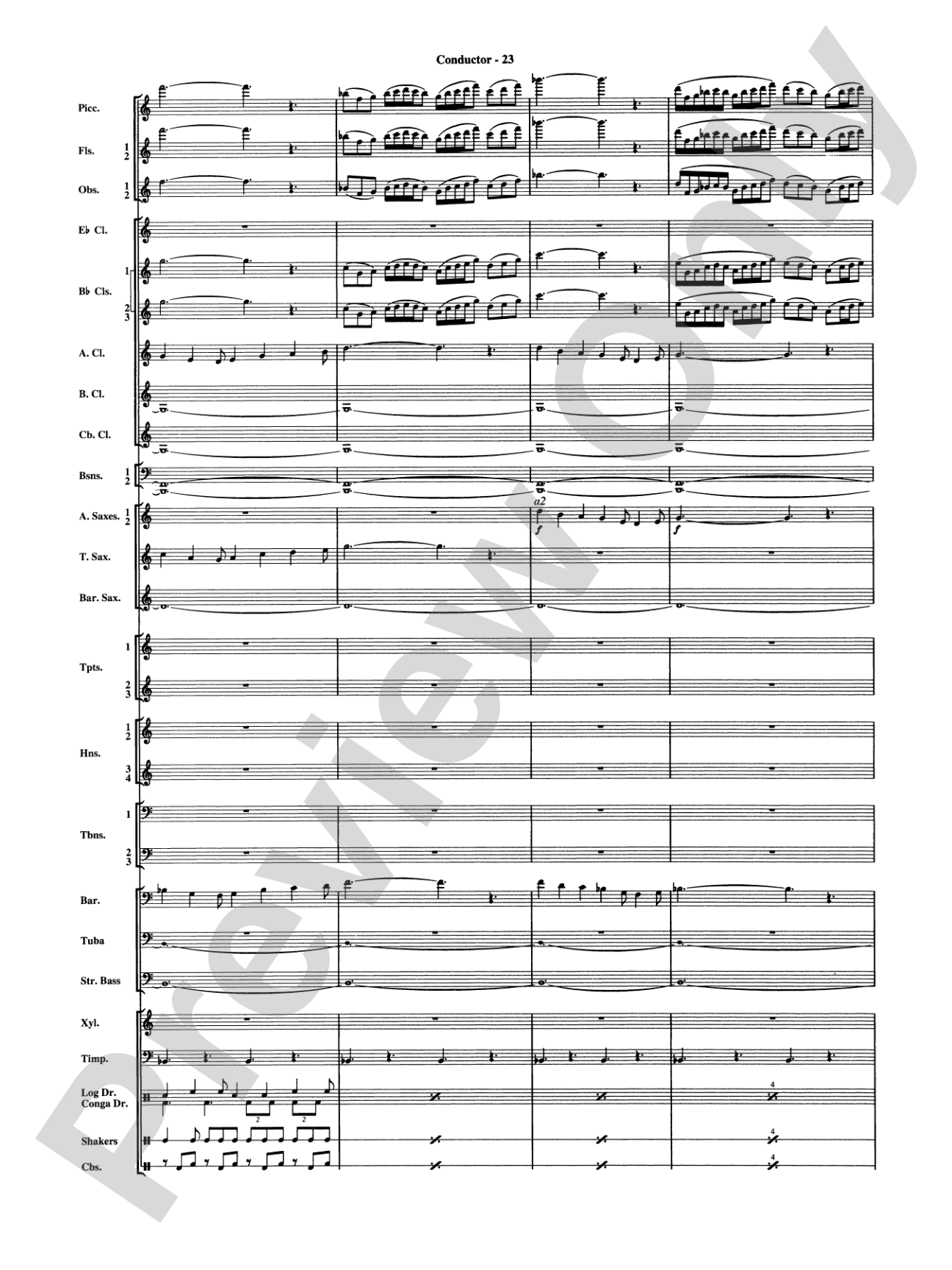
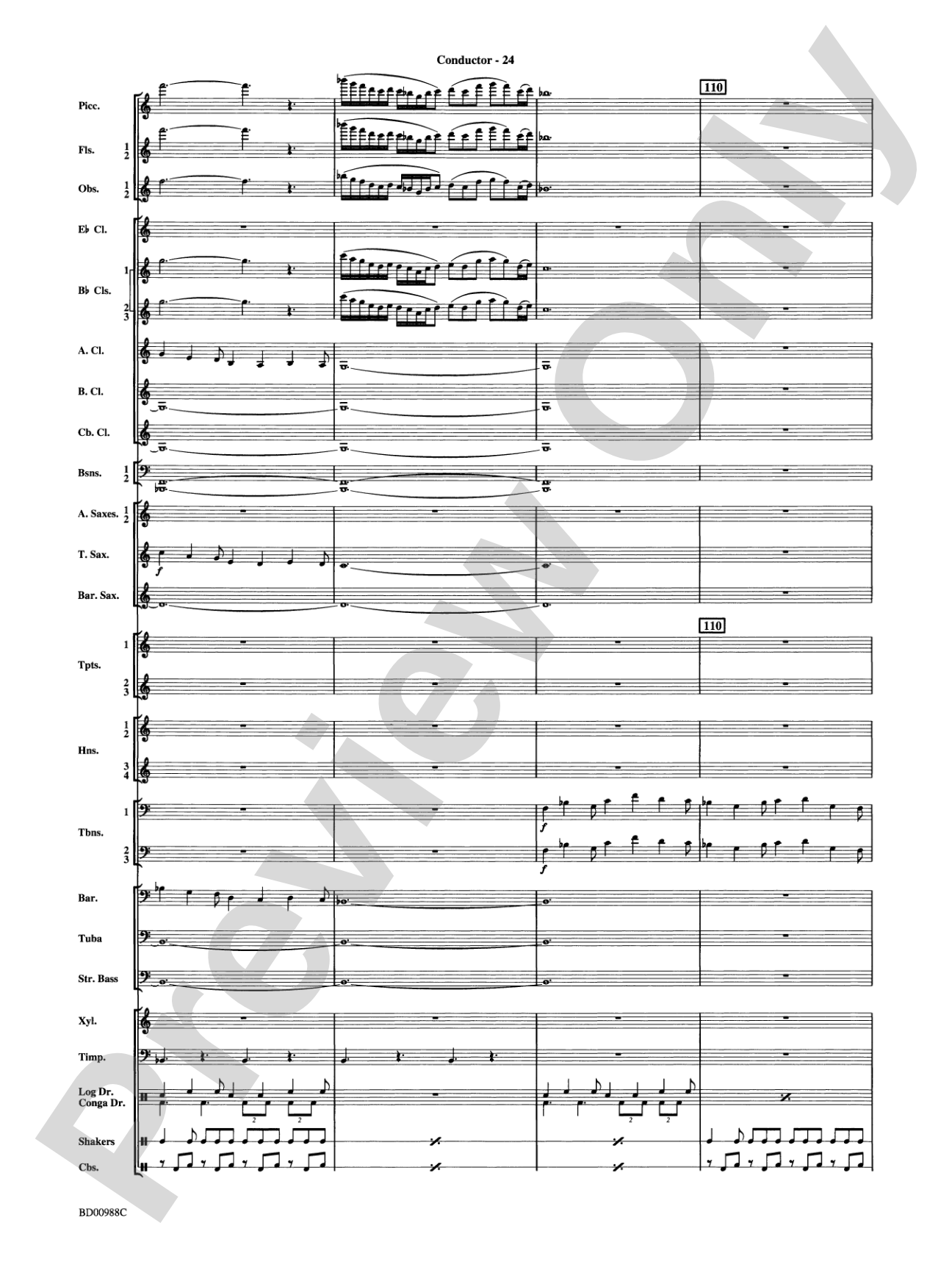
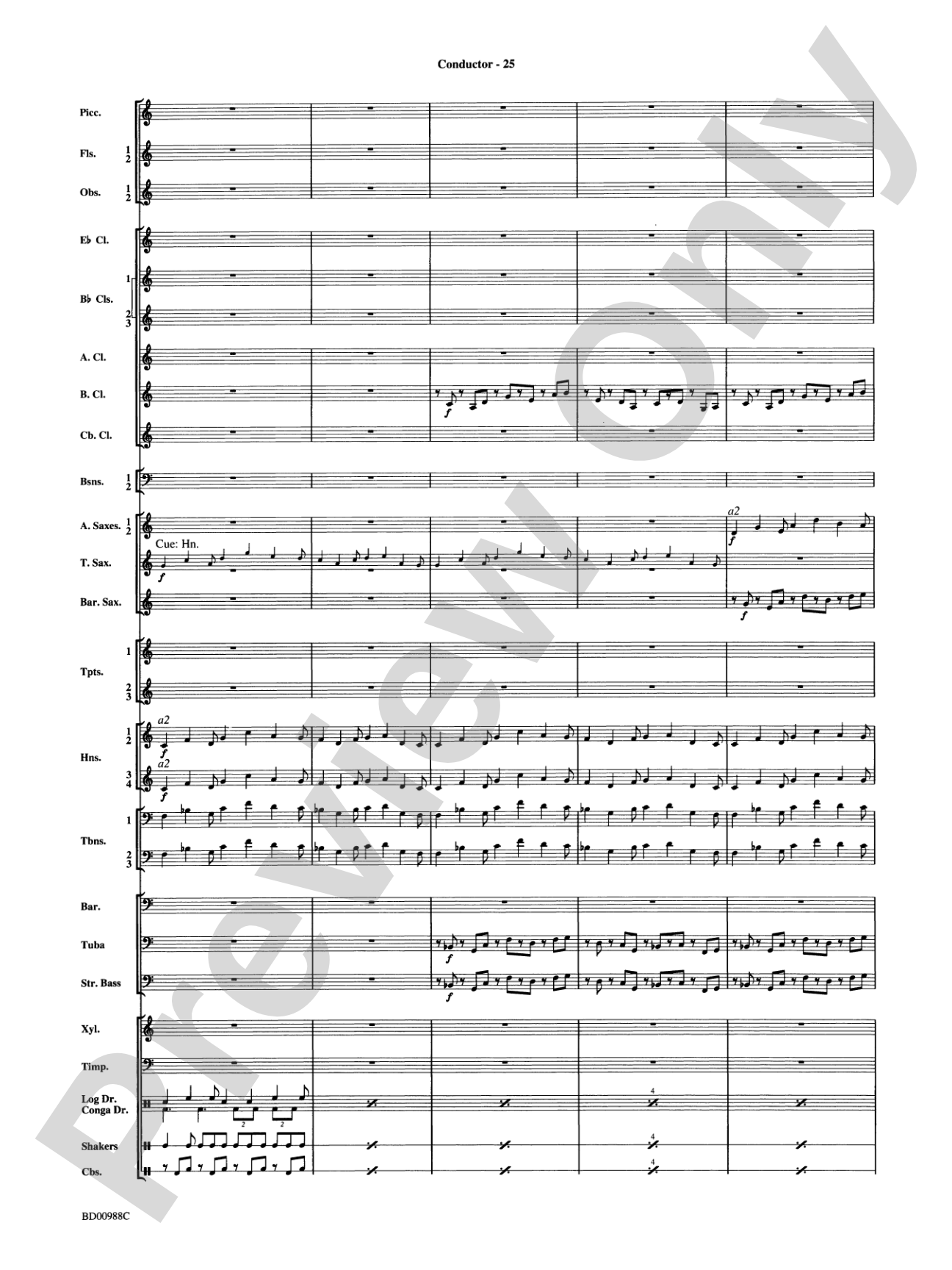
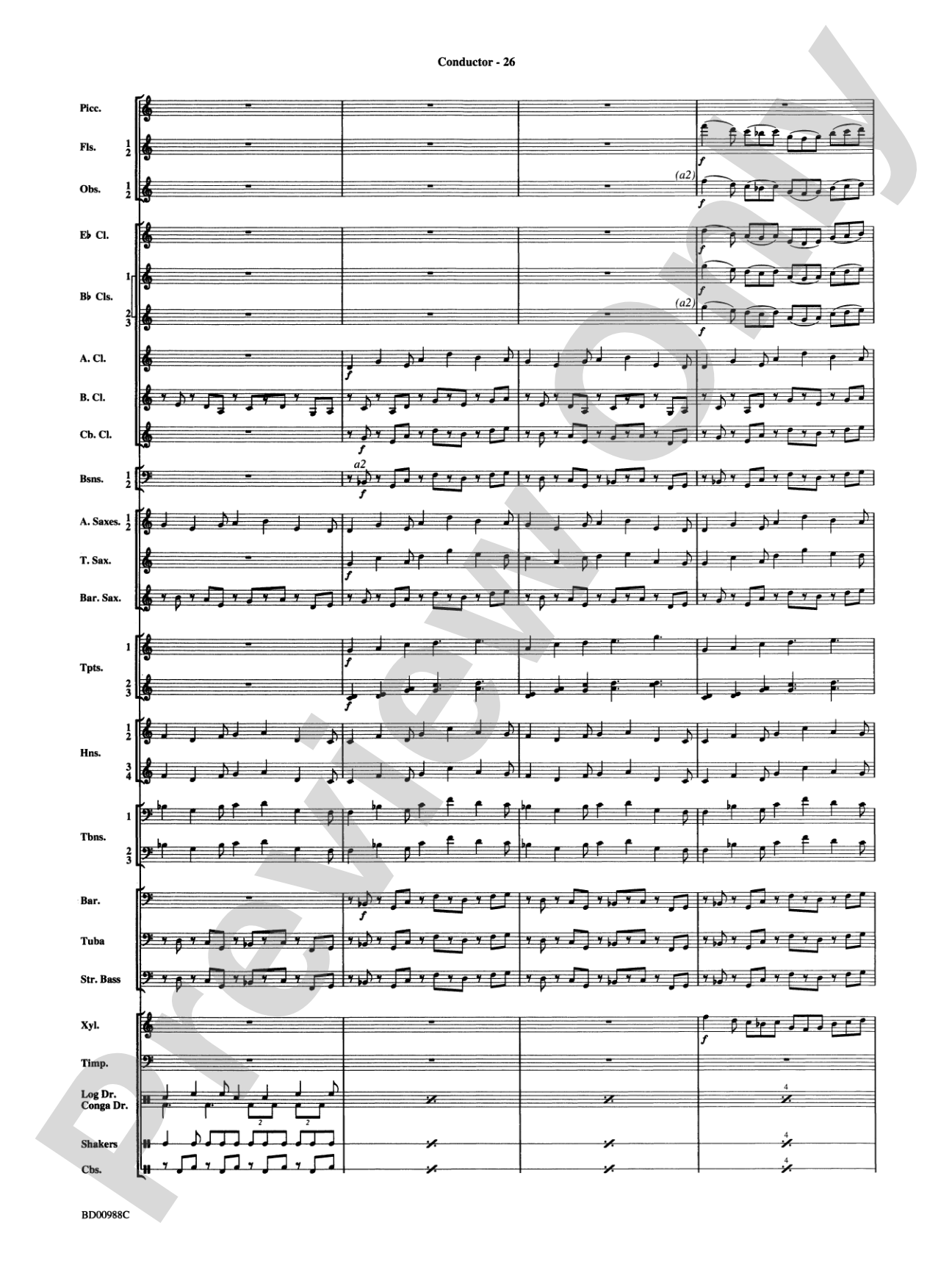
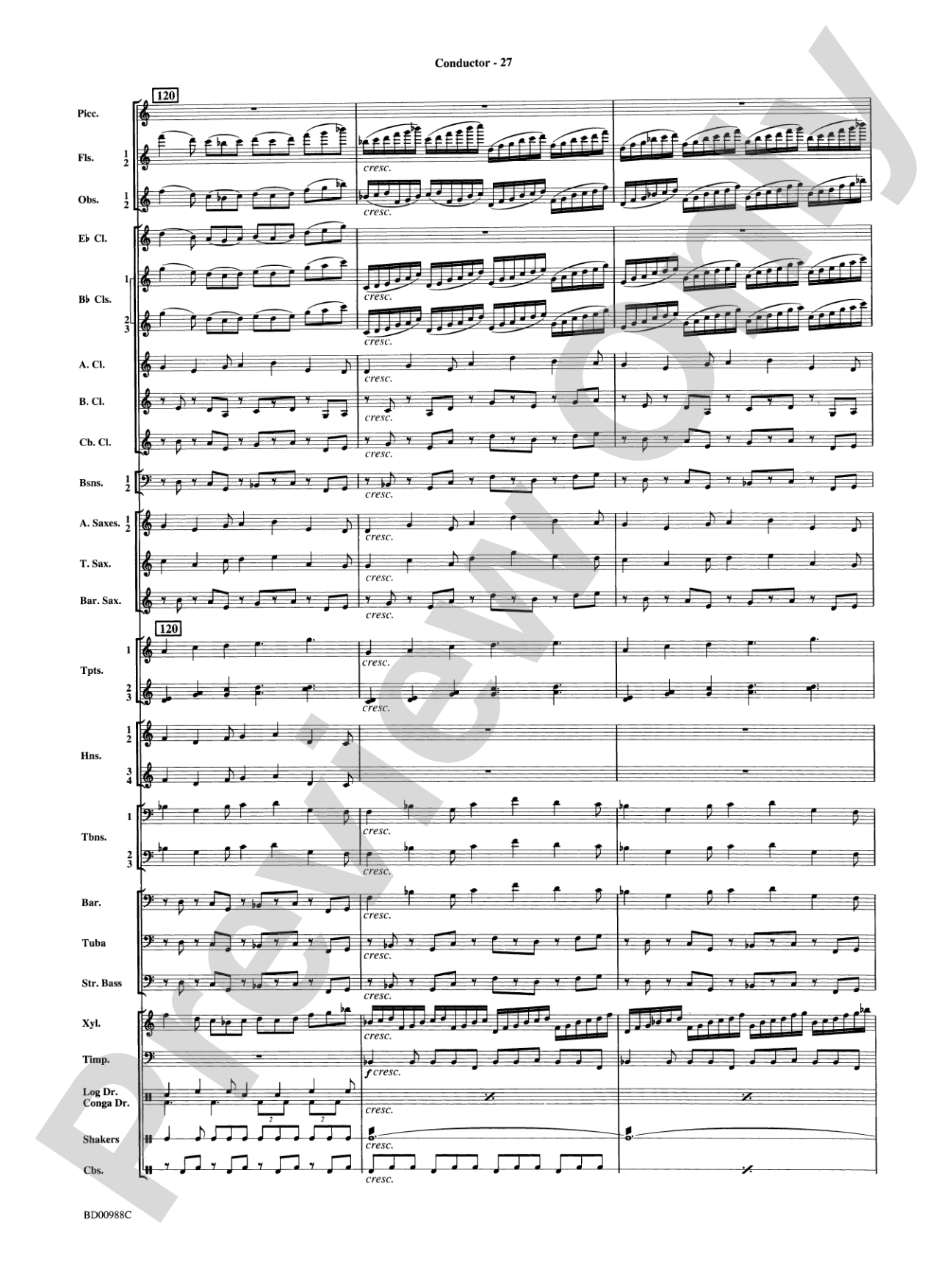
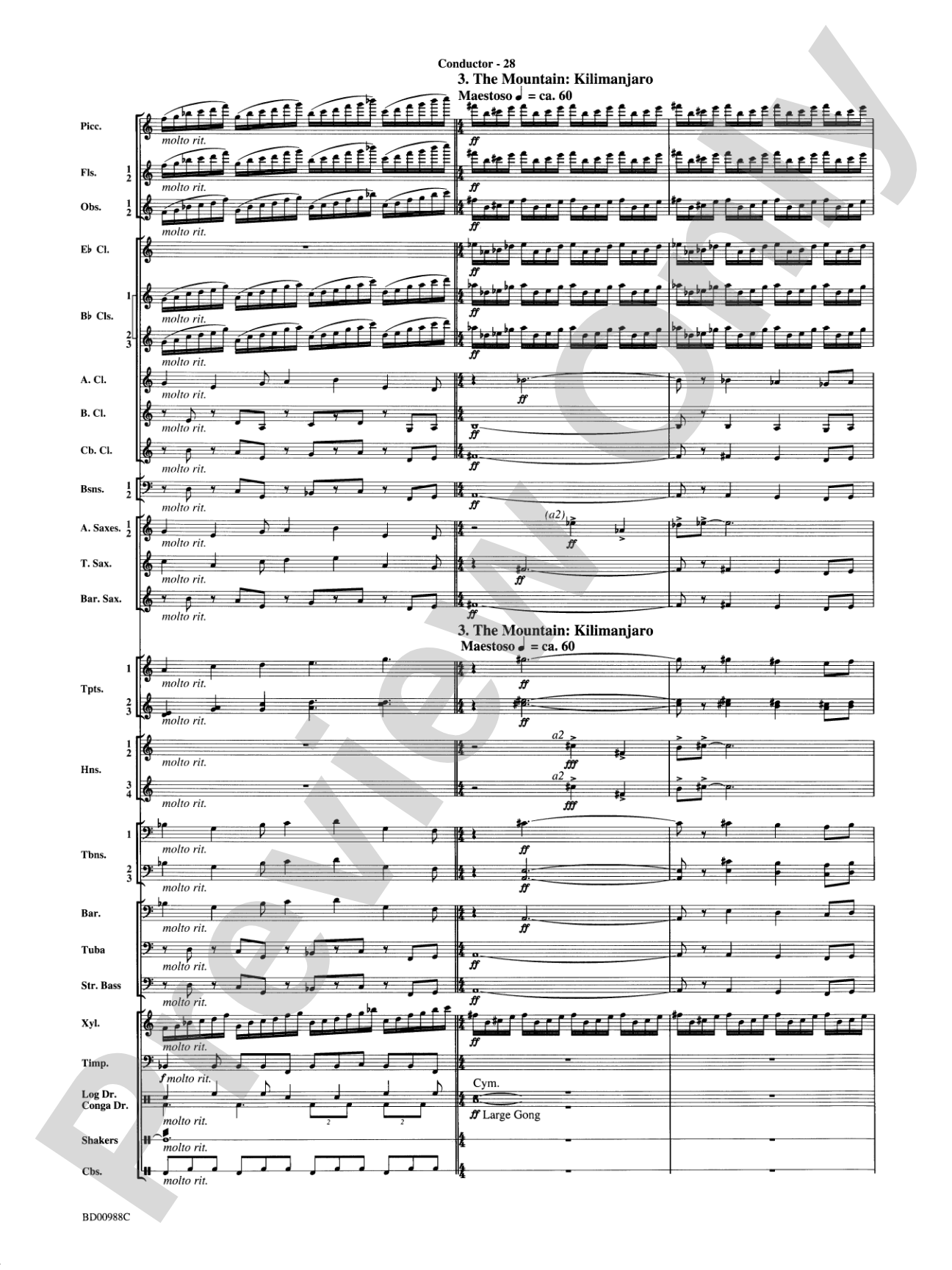
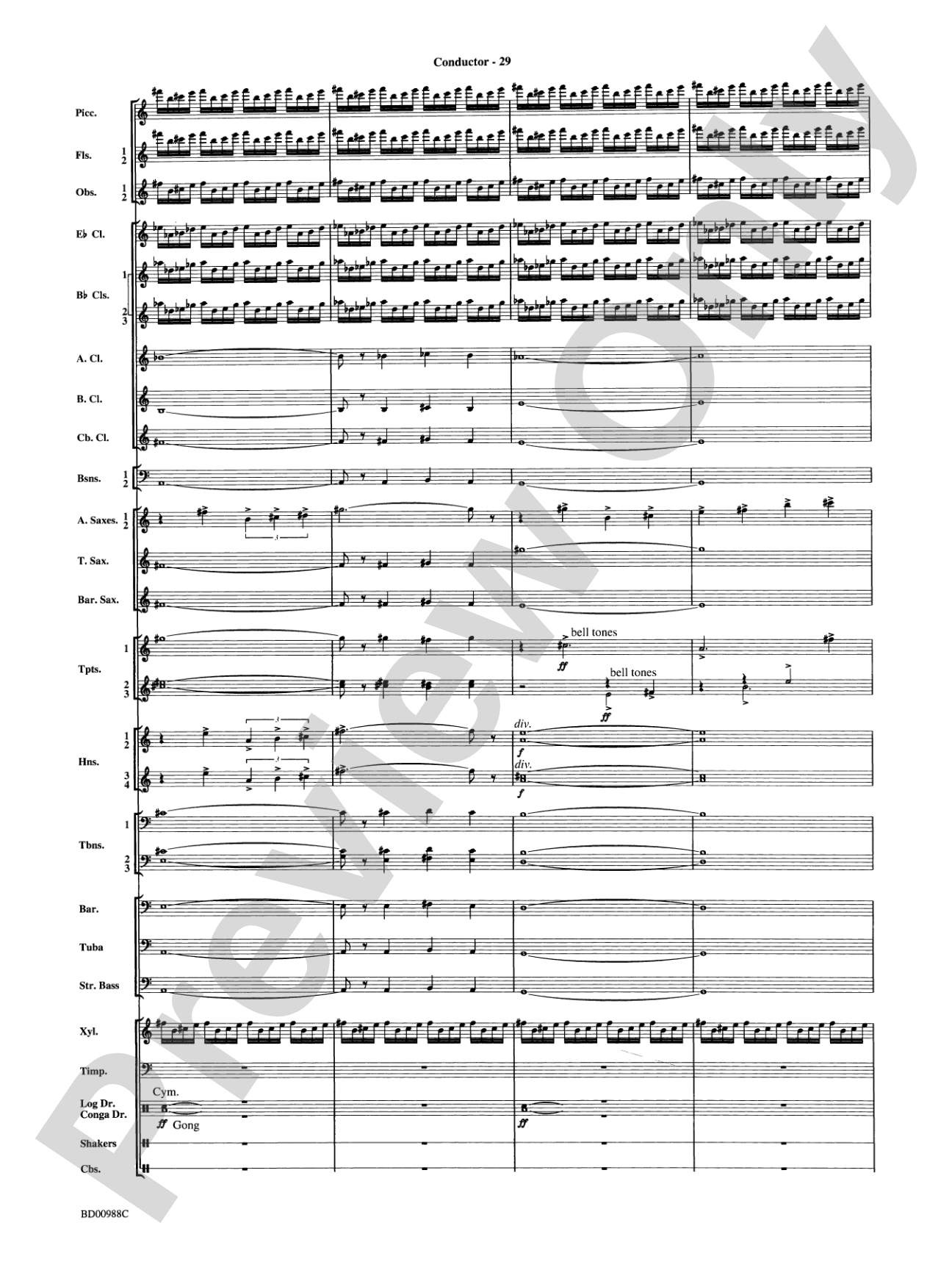
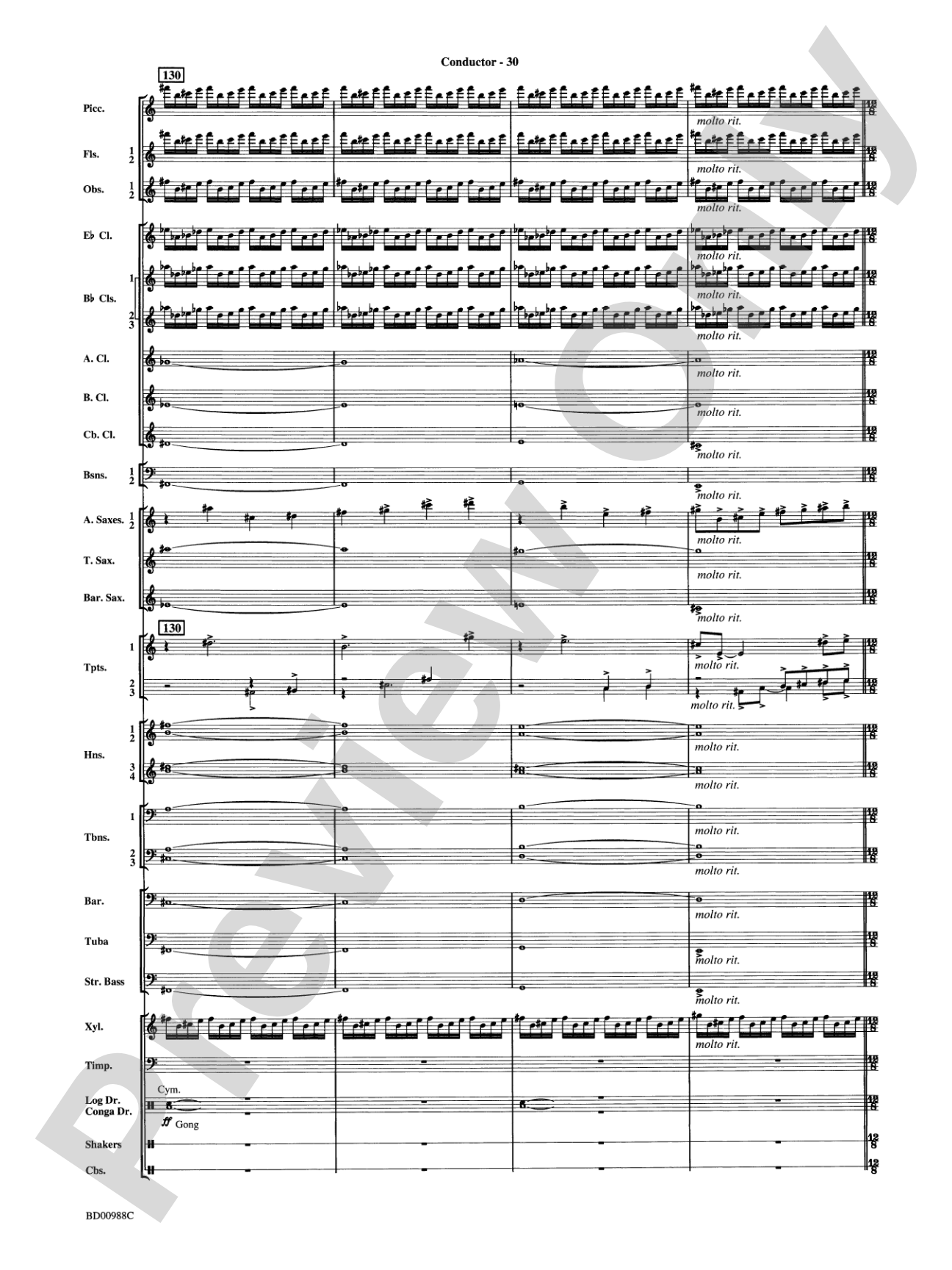




Kilimanjaro: An African Portrait: Concert Band Conductor Score & Parts
By Robert Washburn
Grade: 5 (Medium Advanced)
Item: 00-PK-0002006

$85.00
Pickup currently not available
Buy Extra Parts (Digital PDF Download)
Parts Added to Cart!
Description
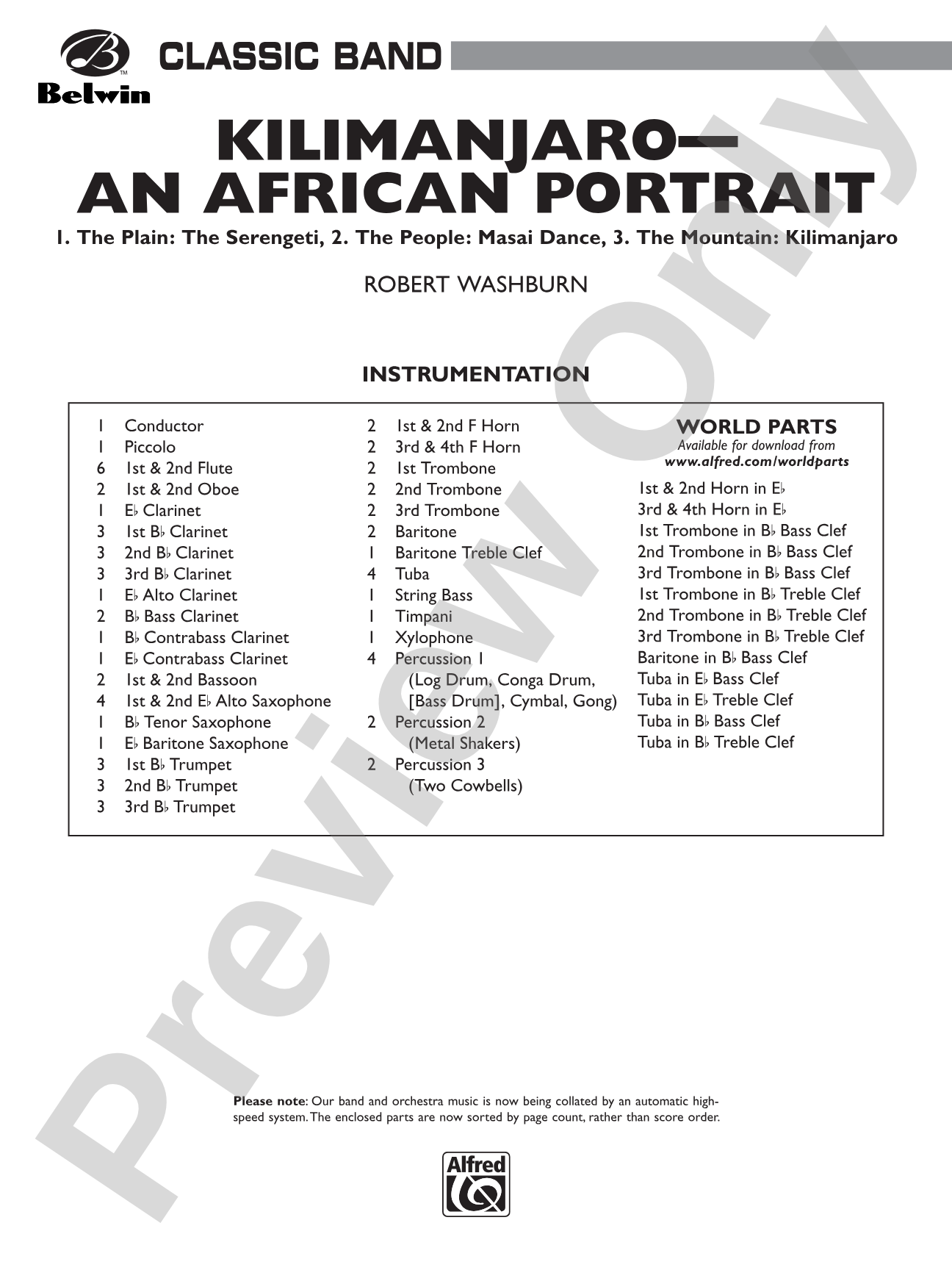
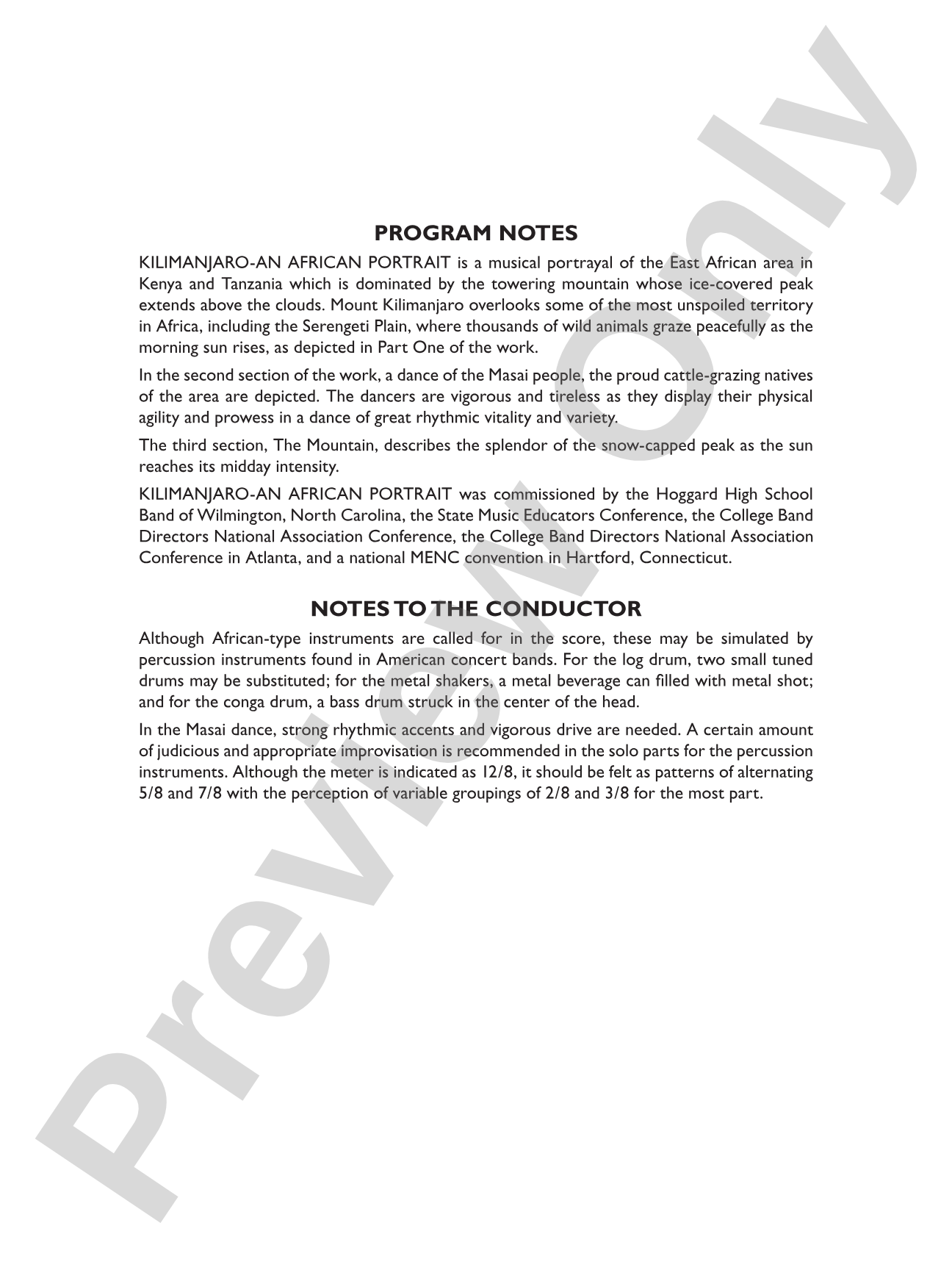
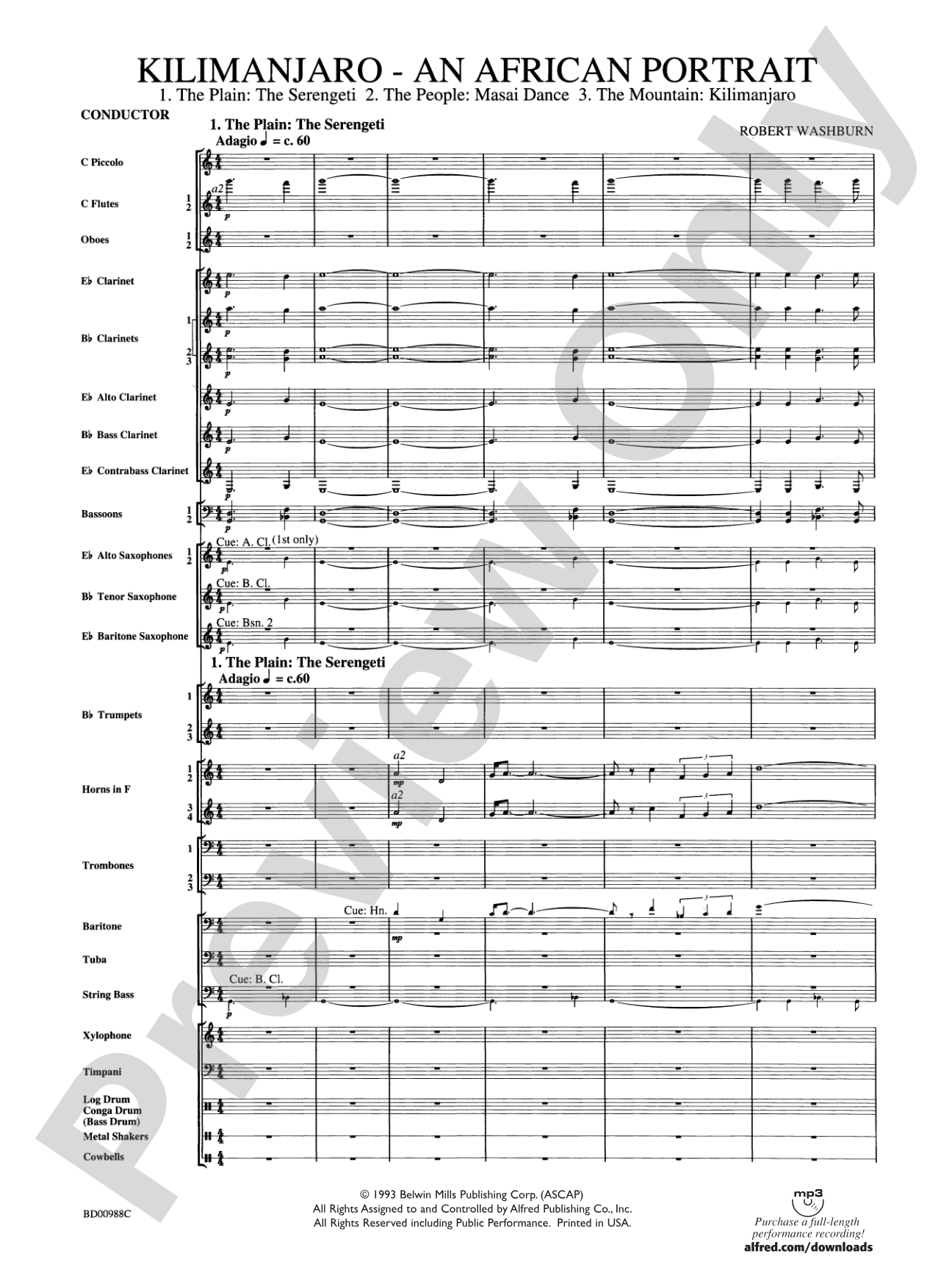
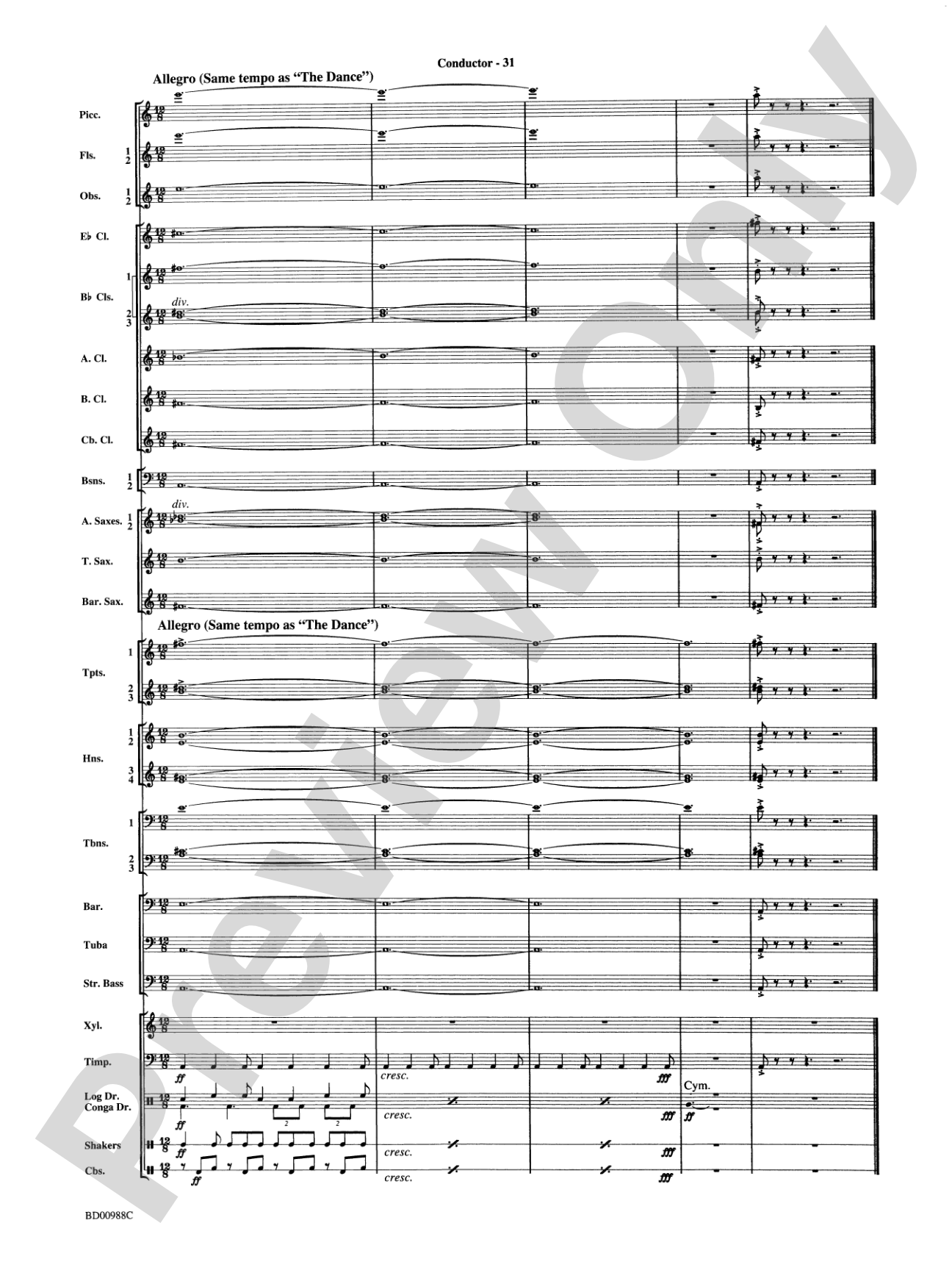
This is a sound portrait of a continent, a people and a heritage. In three movements, "The Plain: The Serengeti," "The People: Masai Dance" and "The Mountain: Kilimanjaro," Robert Washburn portrays the East African area dominated by the towering mountain. A major new contribution to wind band literature. Appropriate for Kwanzaa. (7:30) This title is available in MakeMusic Cloud.


Don't just read it, hear it, play along with it, and watch your students grow with it. In MakeMusic Cloud, Kilimanjaro: An African Portrait: Concert Band Conductor Score & Parts comes alive with professional accompaniment, adjustable tempo, and built-in practice tools that turn solo practice into real progress.
Open in the Player
Jump straight in and assign it today.
Start Your Free Trial
Open this title and explore the full library in minutes.
Sample Audio
1
Audio File
--:--
0:00
0:00
Sample Video
Additional Details
Series:
Belwin Classic Band
Publisher:
Alfred Music
Page Count:
142
SKU:
00-PK-0002006
More about this title
About the Composer: Robert Washburn
Robert Washburn is a prolific composer whose works span concert band, orchestra, and chamber music. His compositions are known for their accessibility to student ensembles while maintaining artistic depth and cultural sensitivity, making him a trusted voice in music education.
Why we love this
Washburn crafts a genuinely sophisticated portrayal of East Africa without resorting to superficial stereotypes. The three-movement arc gives bands a substantial concert work that sounds ambitious and culturally informed, and the orchestration remains manageable at Grade 5 without sacrificing musical substance.
What to expect
Washburn opens with the sweeping quietude of the Serengeti plains before moving into the rhythmic vitality of Masai dance. The final ascent to Kilimanjaro builds with majesty and conviction, leaving an impression of scale, tradition, and human resilience.
Who it's for
Grade 5 bands ready for a concert work with cultural substance and extended length. Directors looking for Kwanzaa or winter season programming that engages audiences with a coherent musical journey across three distinct landscapes.
How to get the most out of it
- Balance the melodic content across sections, particularly in 'The People: Masai Dance,' where the African-inflected themes pass between woodwinds and brass. Clean handoffs are essential to the storytelling.
- Shape the dynamic contours deliberately in 'The Plain: The Serengeti' to evoke the vastness of the landscape. Resist the urge to rush transitions between sections.
- Pay attention to the percussion parts as structural anchors. They carry rhythmic and textural elements that define each movement's character, so their clarity matters considerably.
- Listen to the overall arc across all seven and a half minutes. This is a narrative work, and phrasing at the macro level lifts it beyond episodic playing.
How to use it
Feature this as the centerpiece of a winter concert or Kwanzaa celebration, where its cultural context and extended duration justify a substantial portion of your program. It pairs well with shorter works that either precede it as lighter fare or follow it as a contrasting encore.
Skills your students will build
- Shaping long melodic phrases across multiple phrases and sections
- Balancing independent lines in complex textures
- Performing African-influenced rhythmic figures with rhythmic precision
- Interpreting dynamic and tempo changes that support narrative structure
- Listening to percussion as a foundational textural element