

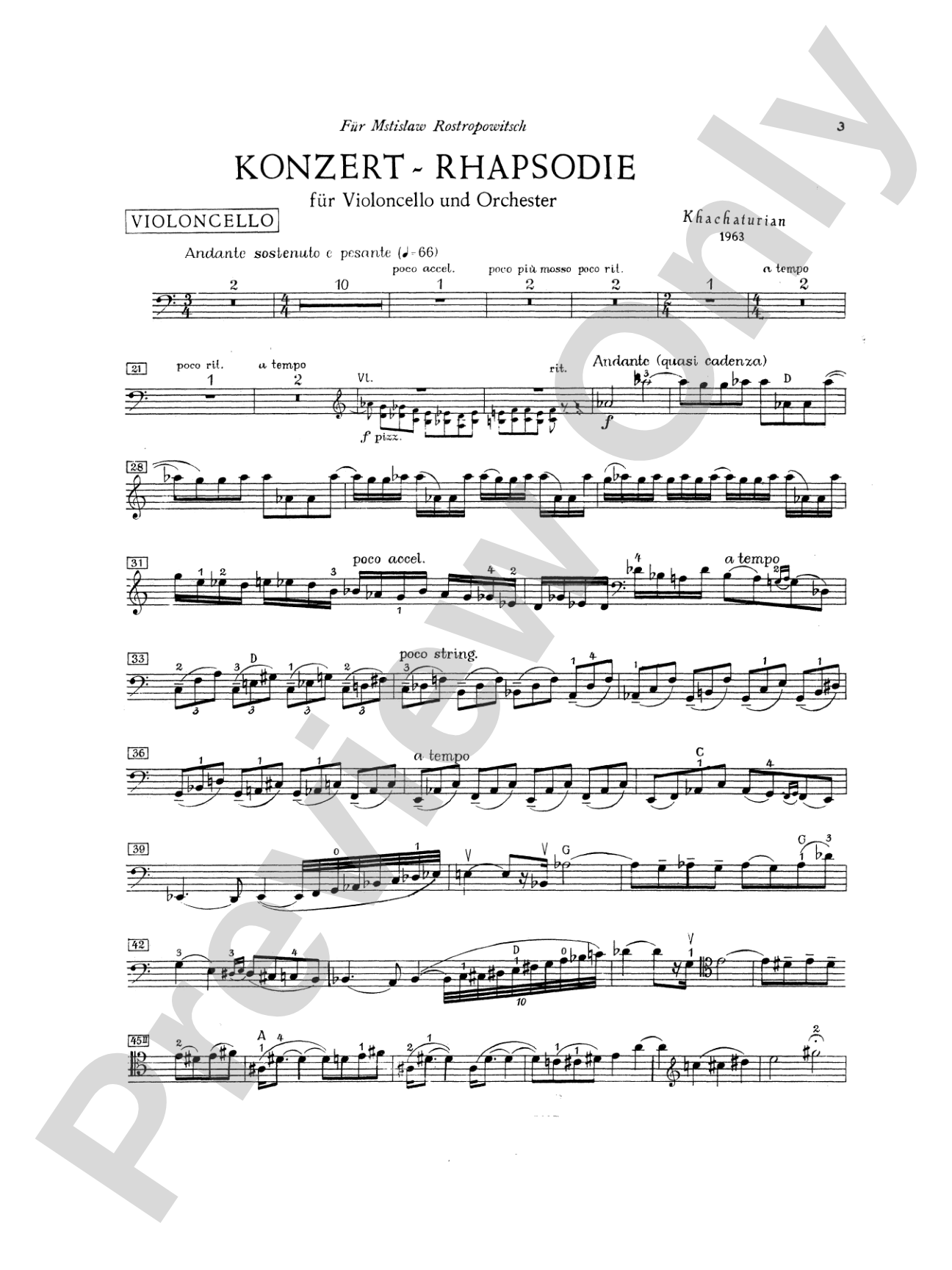
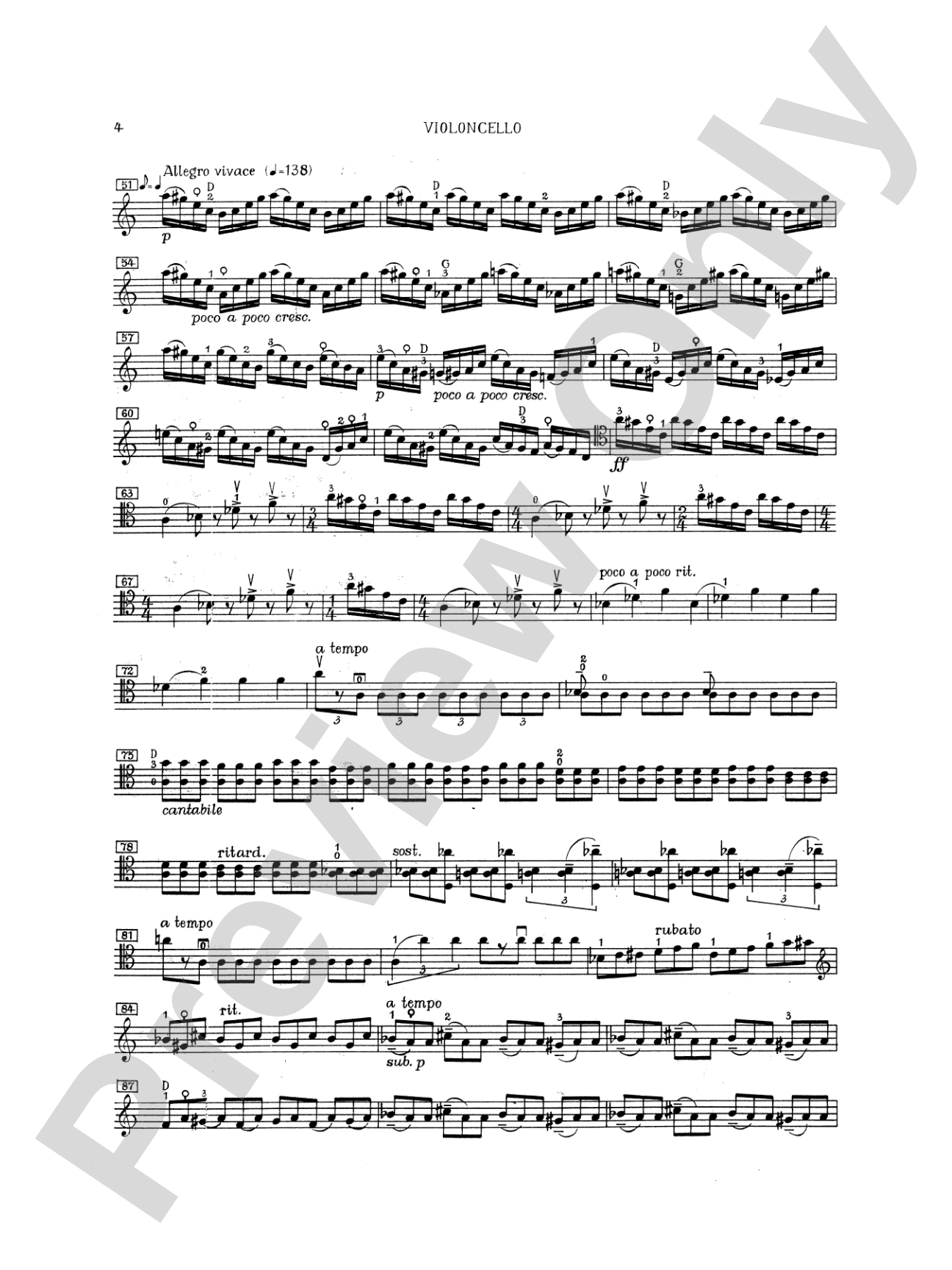
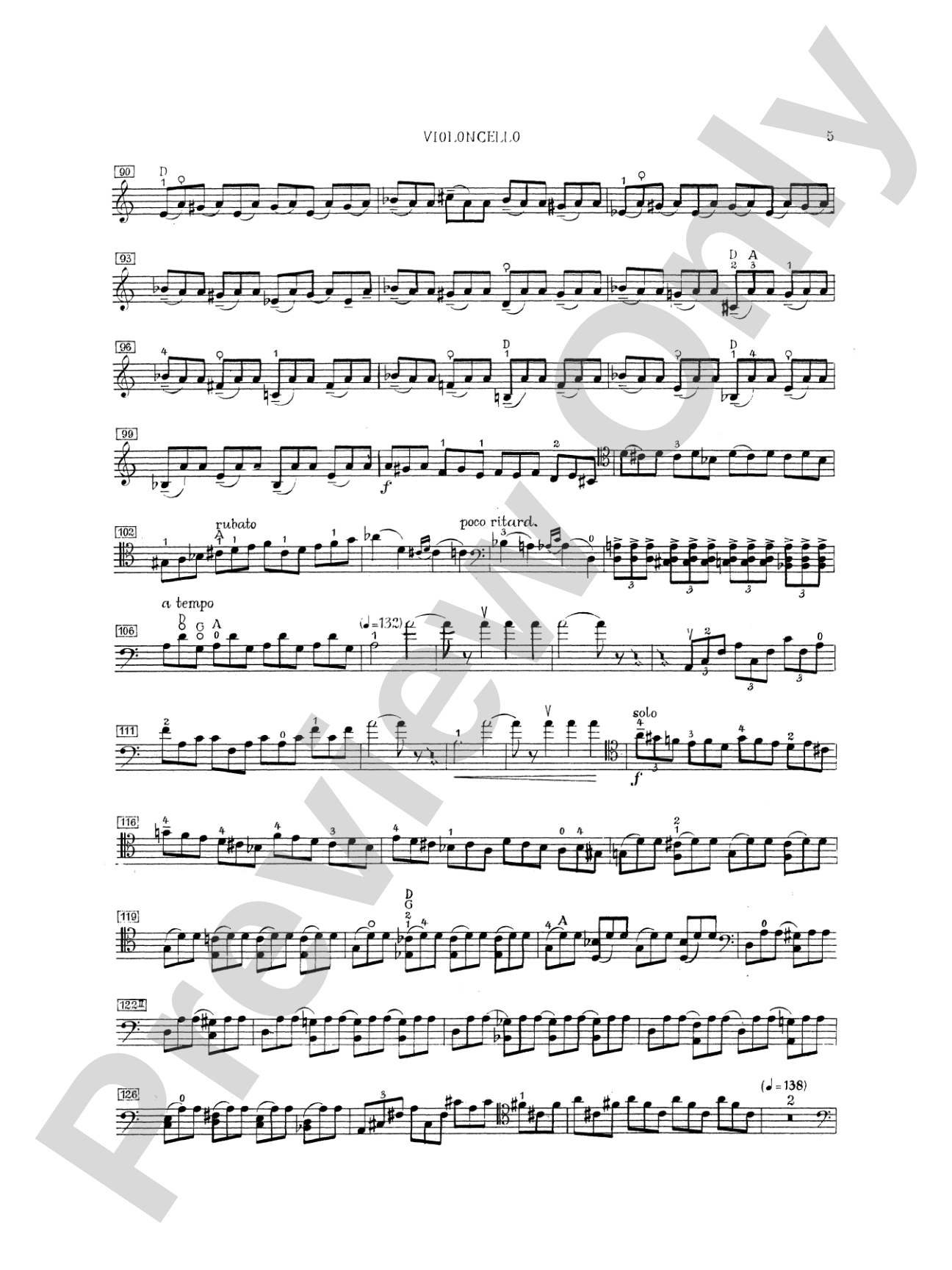
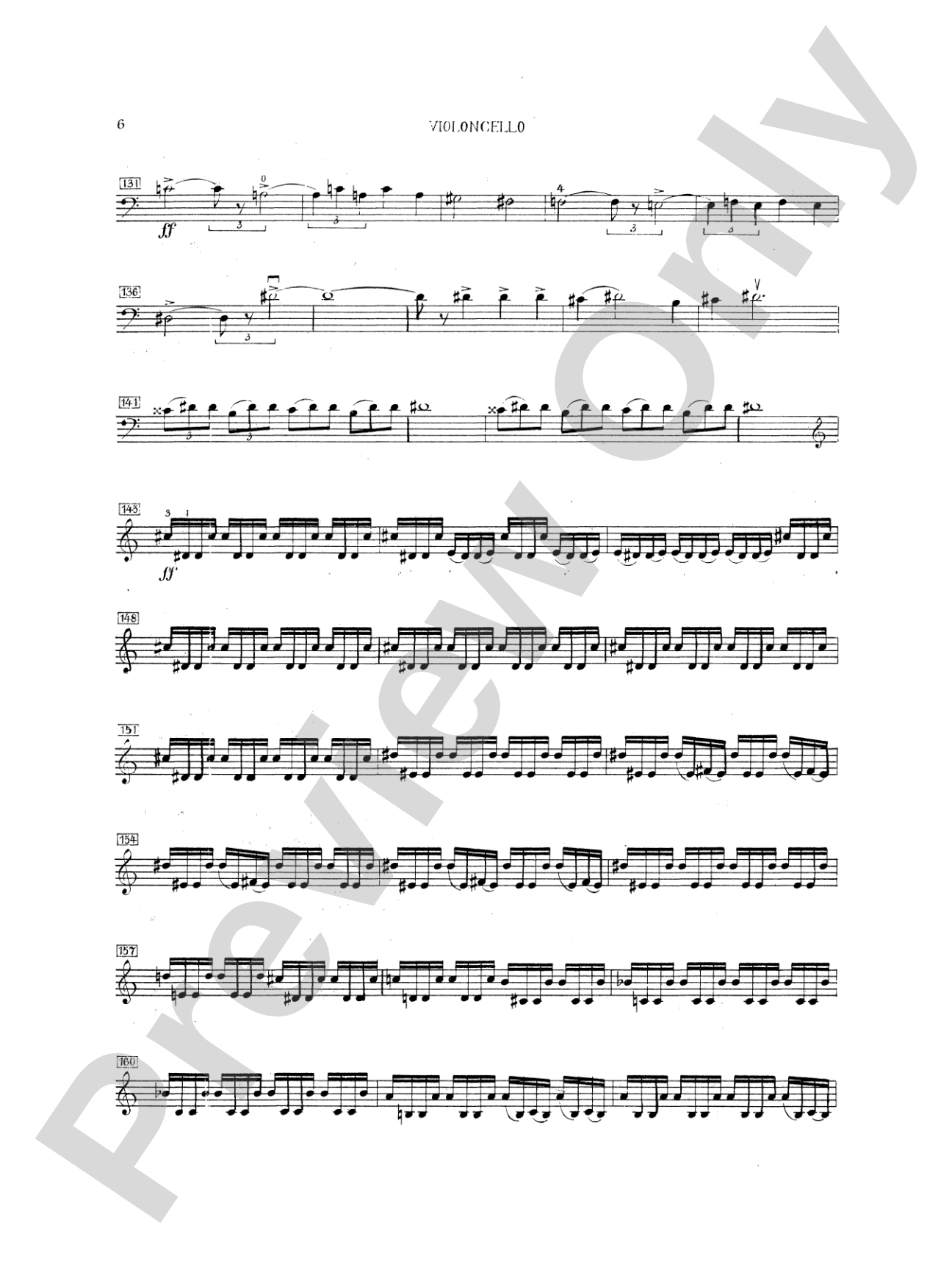
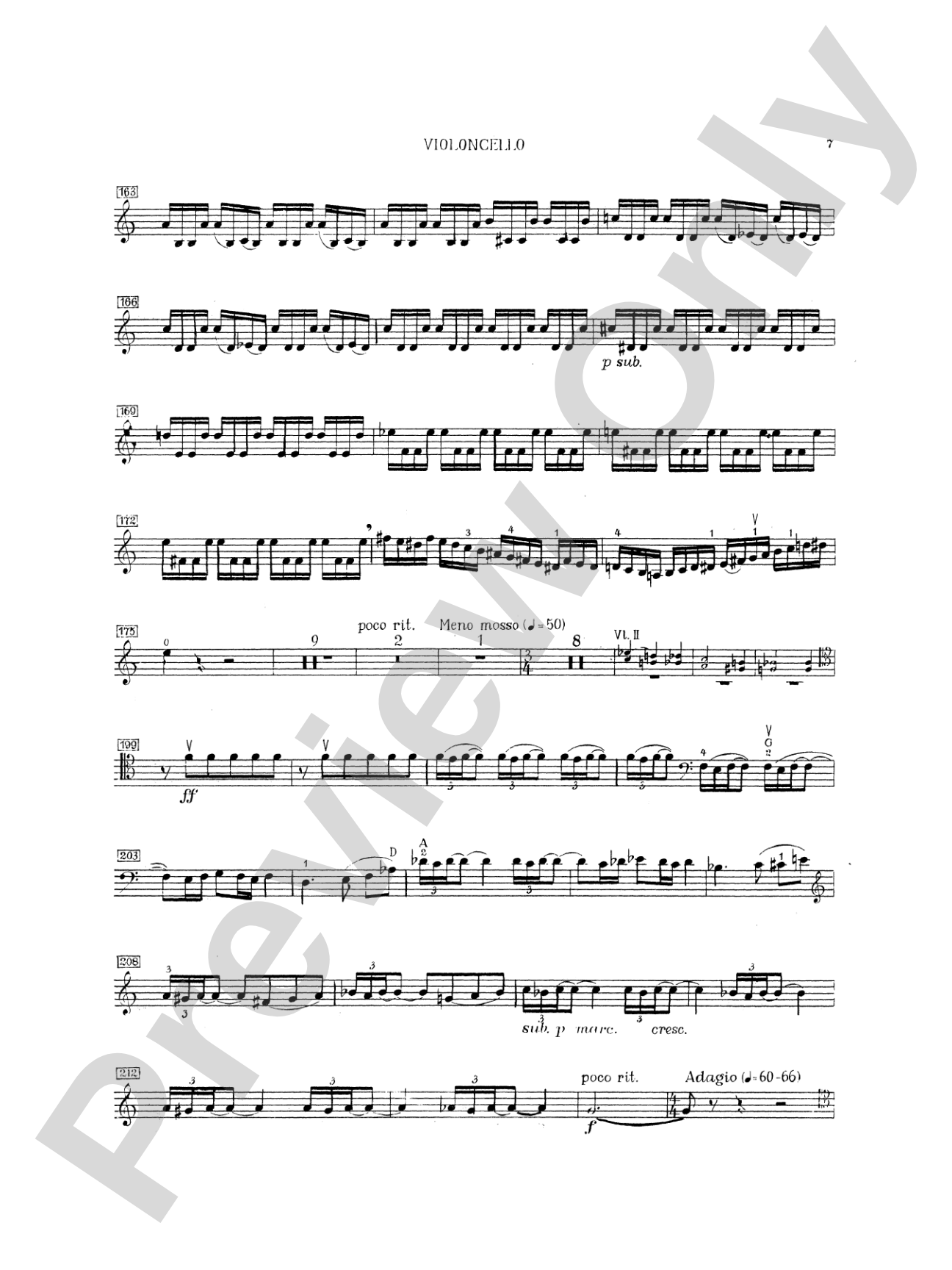
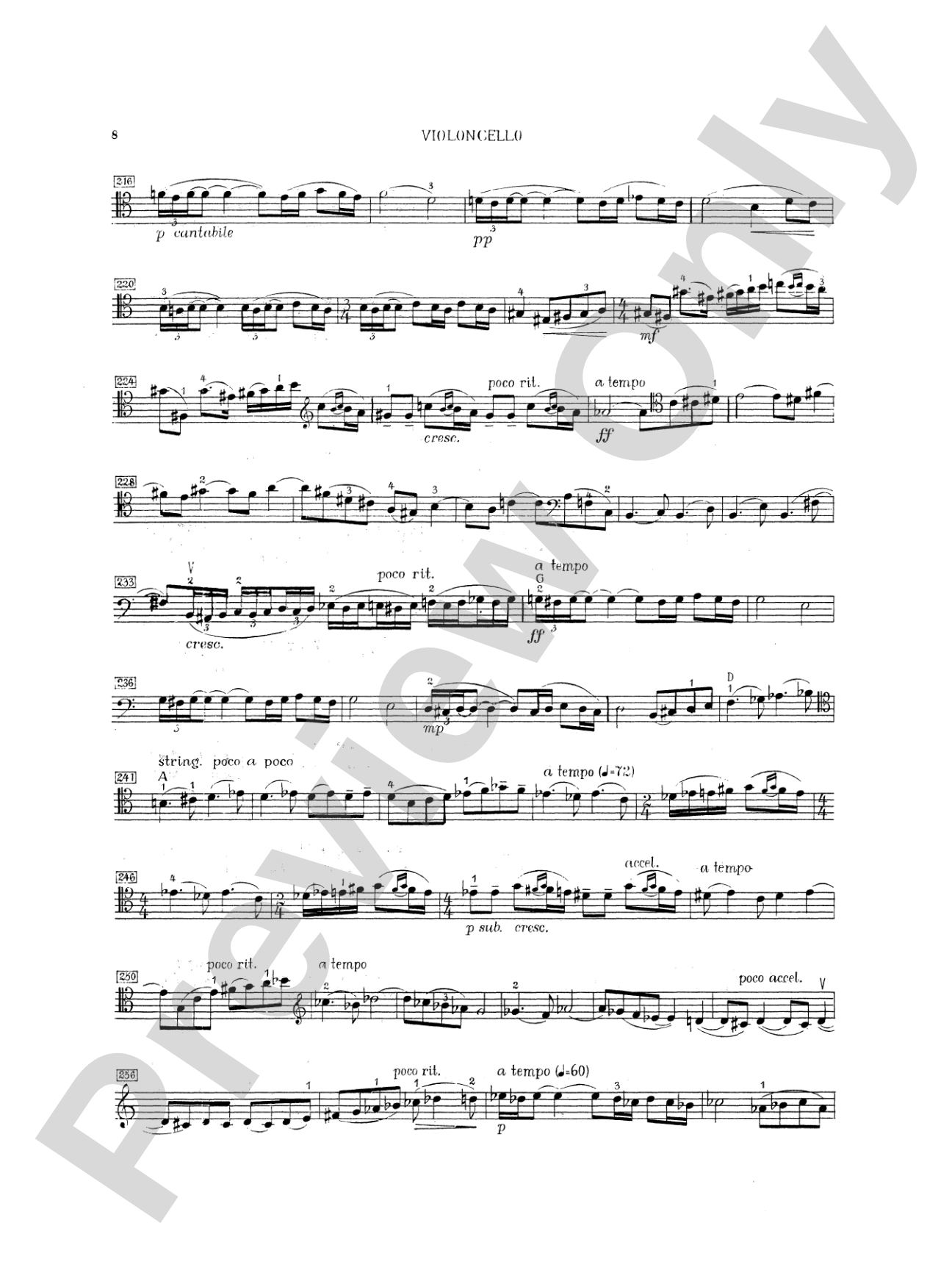
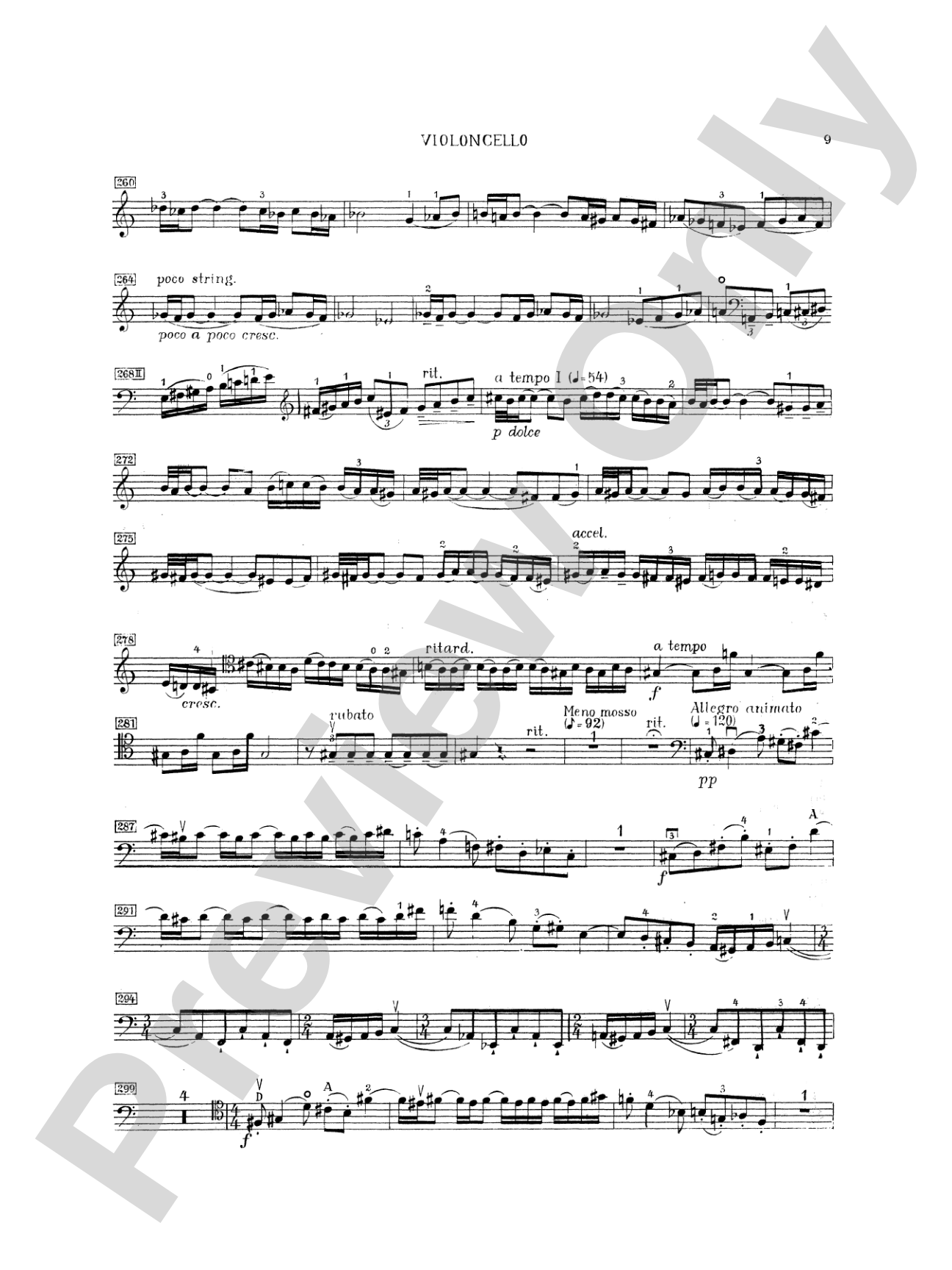
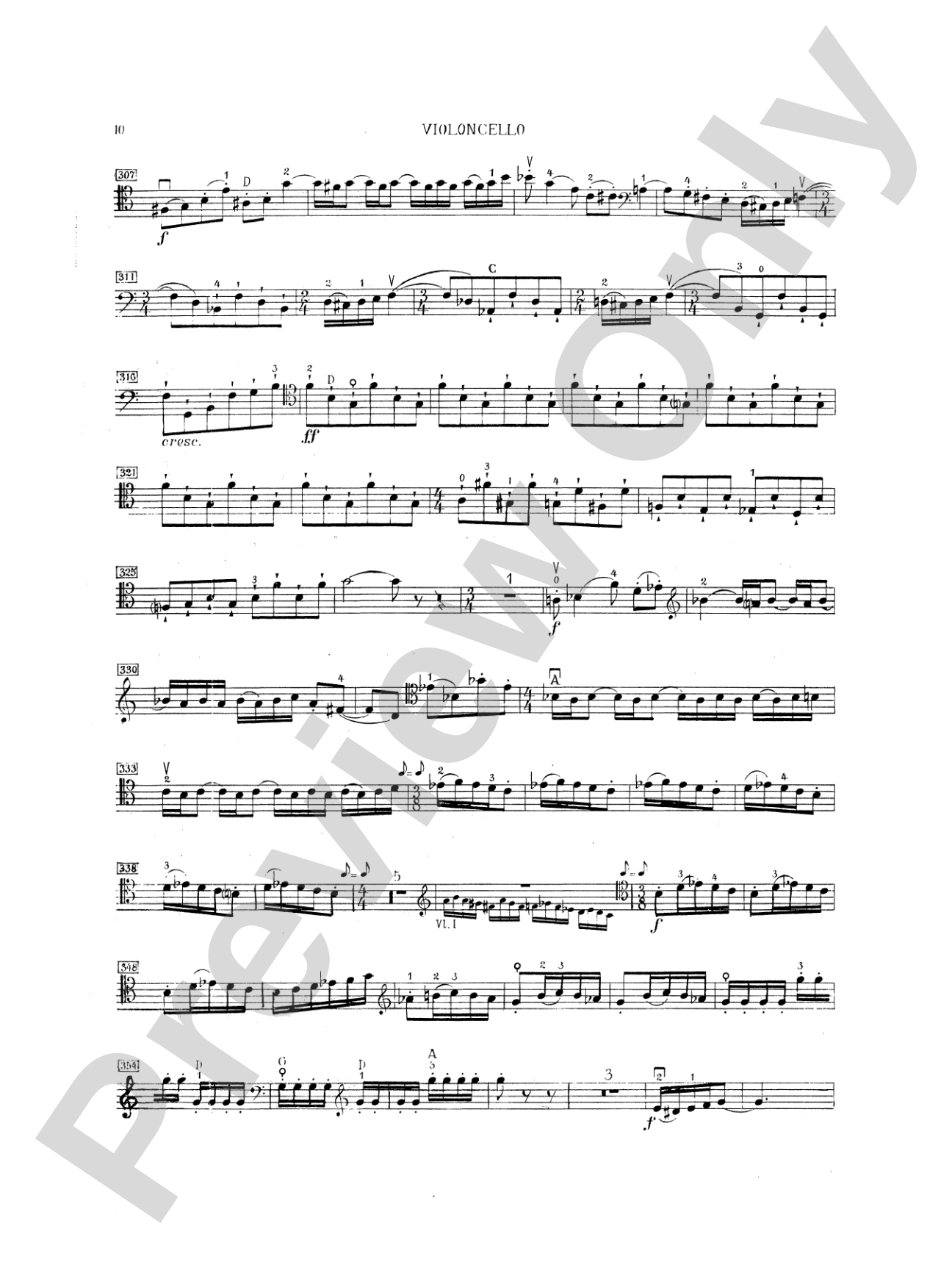
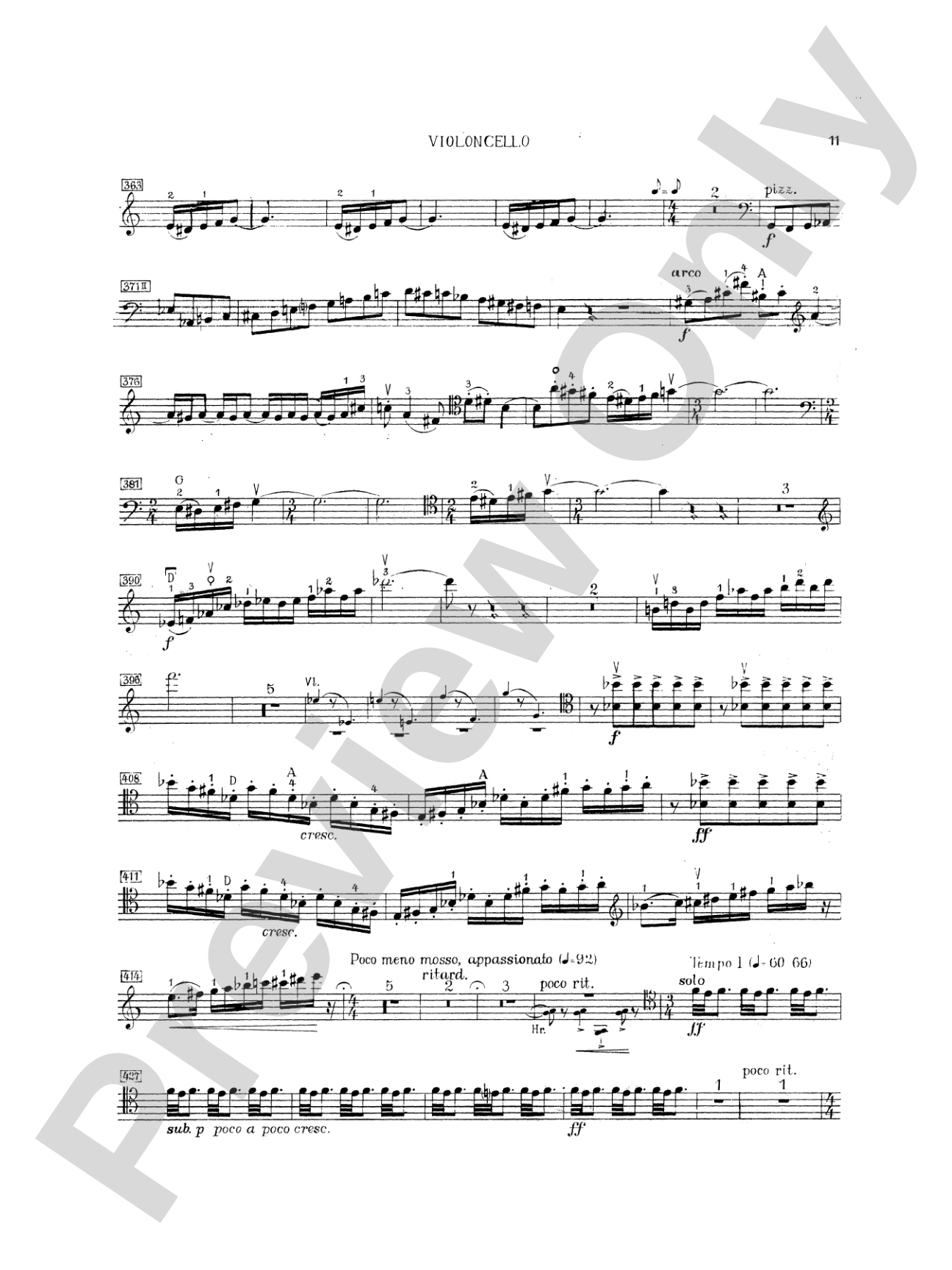
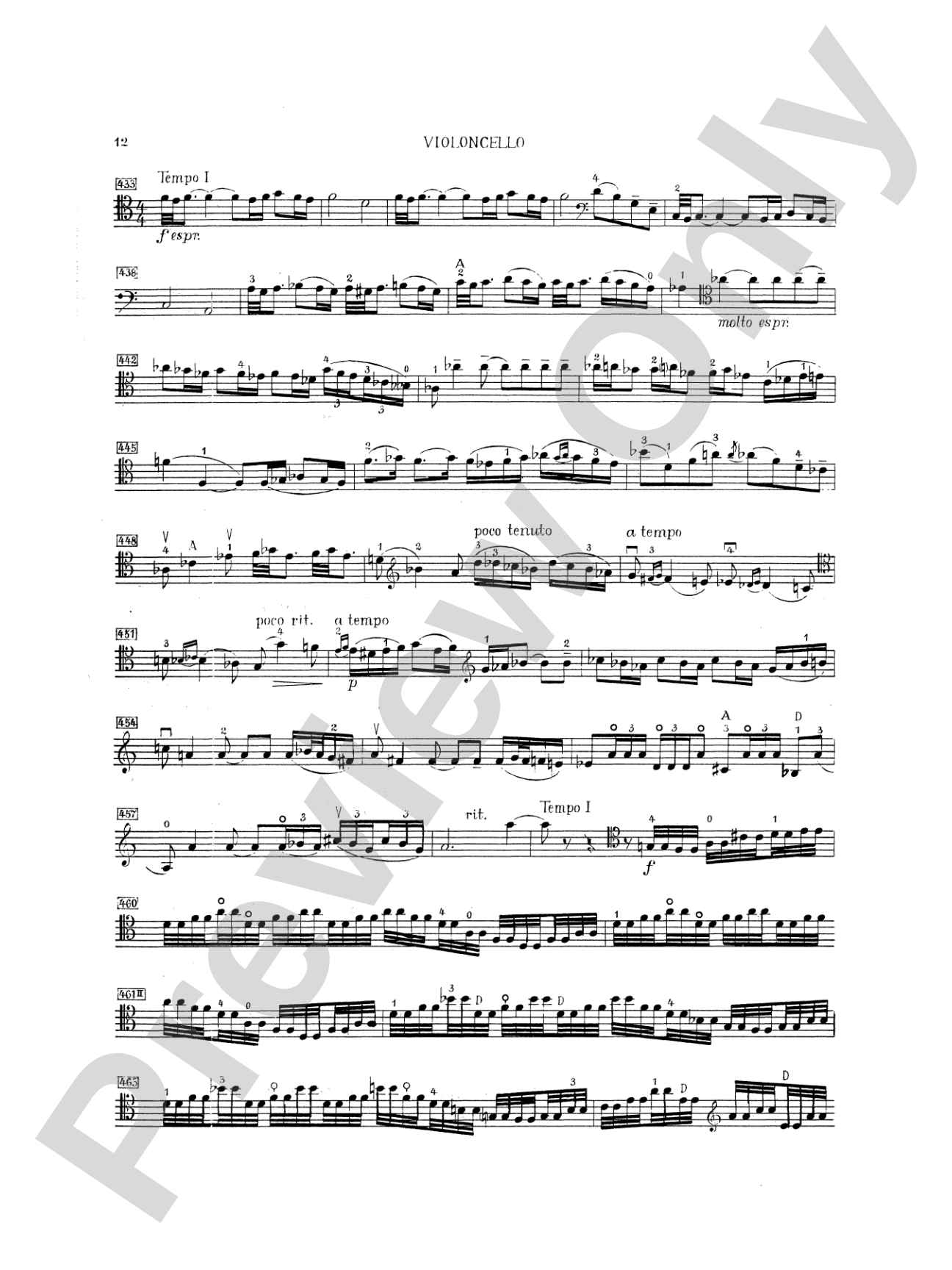
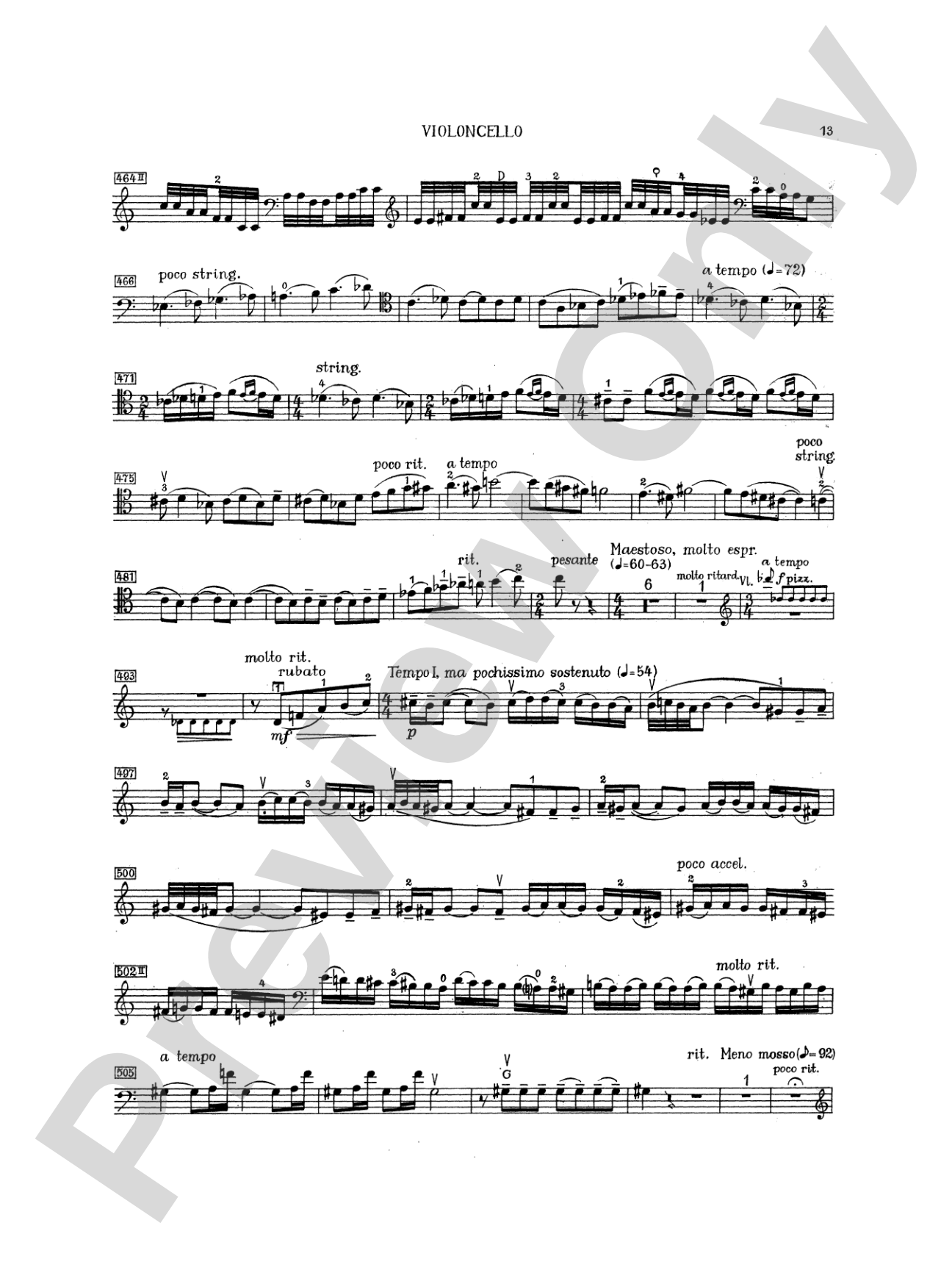
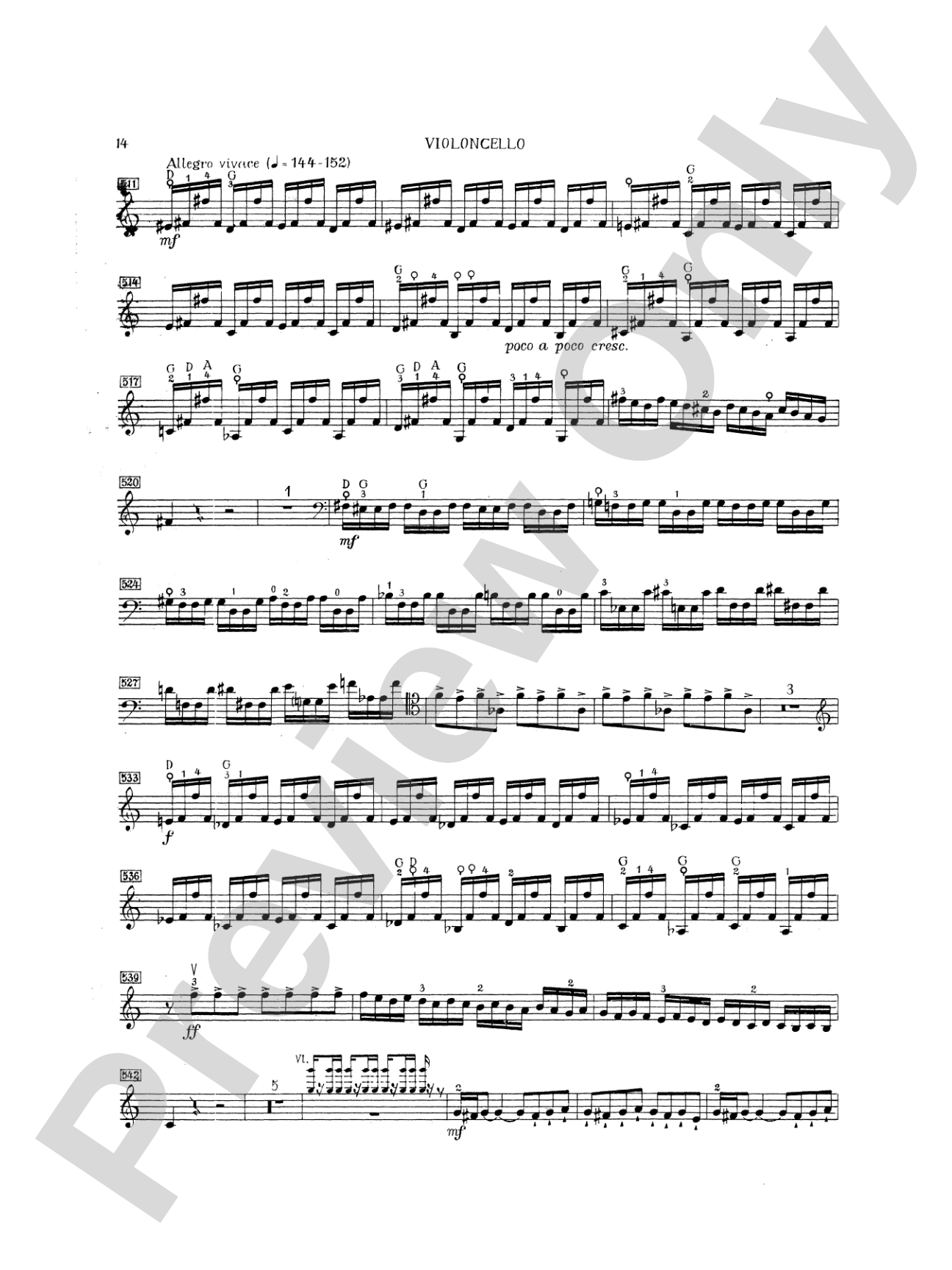
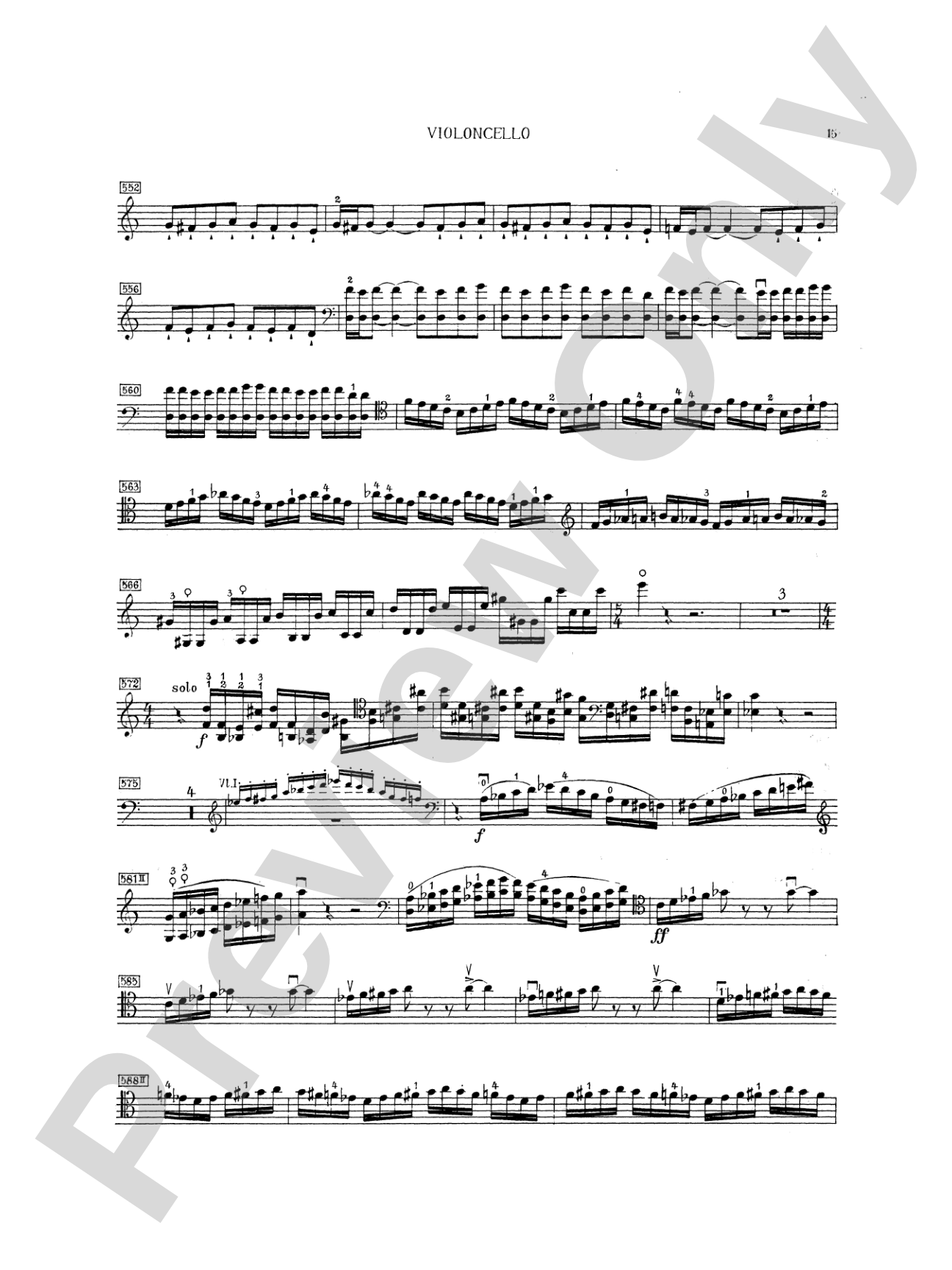
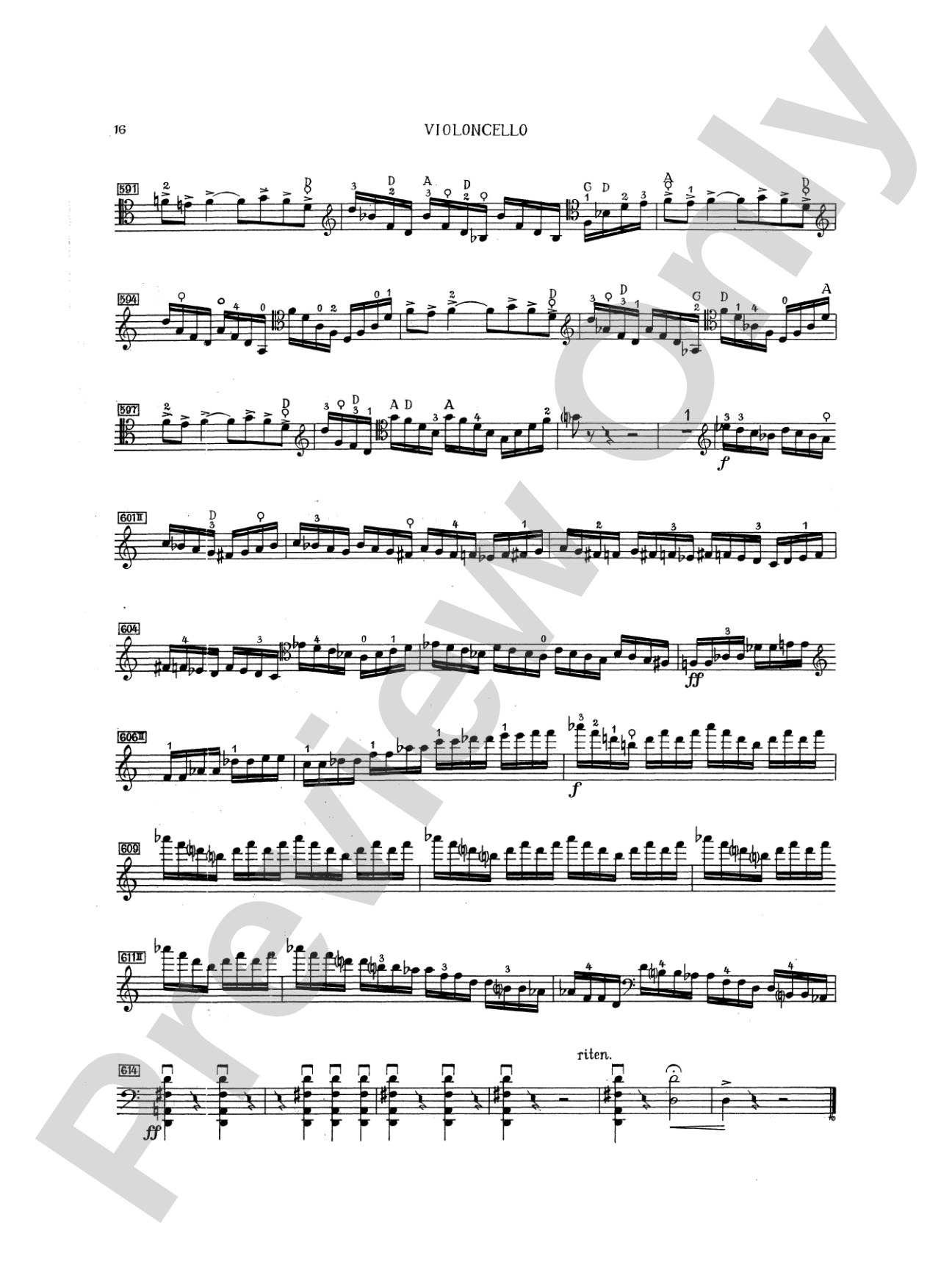

Khachaturian: Concert Rhapsody: Cello Book
By Aram Khachaturian
Item: 00-PK-0003510

$9.99
Pickup currently not available
Buy Extra Parts (Digital PDF Download)
| Product | Price | Quantity |
|---|---|---|
| Khachaturian: Concert Rhapsody | $3.99 | |
| Khachaturian: Concert Rhapsody | $3.95 |
Parts Added to Cart!
Related Items
Concert Rhapsody: Cello Book |
$9.95
|
View |
Description
A cleanly printed edition of the cello concerto written in 1963. Includes a piano reduction of the orchestra part.


Don't just read it, hear it, play along with it, and watch your students grow with it. In MakeMusic Cloud, Khachaturian: Concert Rhapsody: Cello Book comes alive with professional accompaniment, adjustable tempo, and built-in practice tools that turn solo practice into real progress.
Open in the Player
Jump straight in and assign it today.
Start Your Free Trial
Open this title and explore the full library in minutes.
Sample Audio
No sample audio found.
Sample Video
No sample videos found.
Additional Details
Series:
Kalmus Edition
Publisher:
Alfred Music
Page Count:
16
SKU:
00-PK-0003510
More about this title
About the Composer: Aram Khachaturian
Aram Khachaturian (1903-1978) stands as one of the 20th century's most distinctive voices in instrumental music, bringing the rhythmic vitality and harmonic color of Armenian folk traditions into the concert hall. His works for solo strings and orchestra rank among the most frequently performed pieces in their genres, prized for their emotional directness and orchestral brilliance. Khachaturian's output spans concertos, ballets, symphonies, and chamber works, all marked by his gift for memorable melody and dramatic expression.
The Concert Rhapsody for cello (1963) arrived late in his compositional career, representing a mature synthesis of his harmonic language and his deep understanding of the instrument's expressive range. Written for the virtuoso cellist, the work demands technical command across the full range of the instrument while rewarding performers with passages of genuine lyrical beauty alongside moments of fiery virtuosity.
Why we love this
This rhapsody gives advanced cellists a genuinely substantial work that fits the contest and festival circuit while offering musical substance beyond showmanship. The piano reduction allows cellists to explore a full-length concerto work in a manageable rehearsal format, and Khachaturian's harmonic language—rooted in folk melody but harmonically sophisticated—rewards detailed musical interpretation.
What to expect
The Concert Rhapsody unfolds as a journey through shifting emotional landscapes, opening with improvisatory passages that suggest folk storytelling before building toward episodes of crystalline lyricism and driving rhythmic energy. Khachaturian's orchestral colors (vivid even in piano reduction) create an atmosphere that feels both deeply personal and grandly theatrical, with the cello singing above a harmonically rich accompaniment that ranges from tender to propulsive.
Who it's for
Advanced cellists preparing for competitions, recitals, or festival performances will find a substantial vehicle that showcases both technical facility and musical maturity. This work suits musicians comfortable with 20th-century harmonic language and seeking a concerto-length piece that balances virtuosic display with genuine artistic depth.
How to get the most out of it
- Shape the opening cadenza-like passages with rhythmic freedom, allowing rubato within the written framework to bring out the rhapsodic character of the work.
- Balance technical passagework with the lyrical singing tone required in the sustained melodic sections; this interplay between virtuosity and lyricism defines the form.
- Work with your pianist to lock the rhythmic foundation in faster sections while remaining flexible in the more improvisatory passages that frame the piece.
- Pay close attention to dynamic contrast; Khachaturian's orchestration (reflected in the piano reduction) relies on sharp shifts between intimate and dramatic moments.
How to use it
Program this as a solo concerto work at a formal recital or competition where a substantial, single-movement piece demonstrates artistic range. It also serves as an excellent centerpiece for a contemporary music concert pairing it with other 20th-century string concertos, anchoring a program that explores how different composers reimagined the concerto form after 1900.
Skills your students will build
- Rubato and rhythmic flexibility in passages marked cadenza-like
- Sustained lyricism across extended melodic lines
- Navigation of wide intervallic leaps and extended range
- Dynamic contrast and tonal color variation
- Collaboration with piano accompaniment in a chamber music setting