

Keyboard Picture Chord Encyclopedia: Includes over 1,700 Chords: Piano
Includes over 1,700 Chords
Item: 00-PB-0001828
$24.99
Pickup currently not available
Description
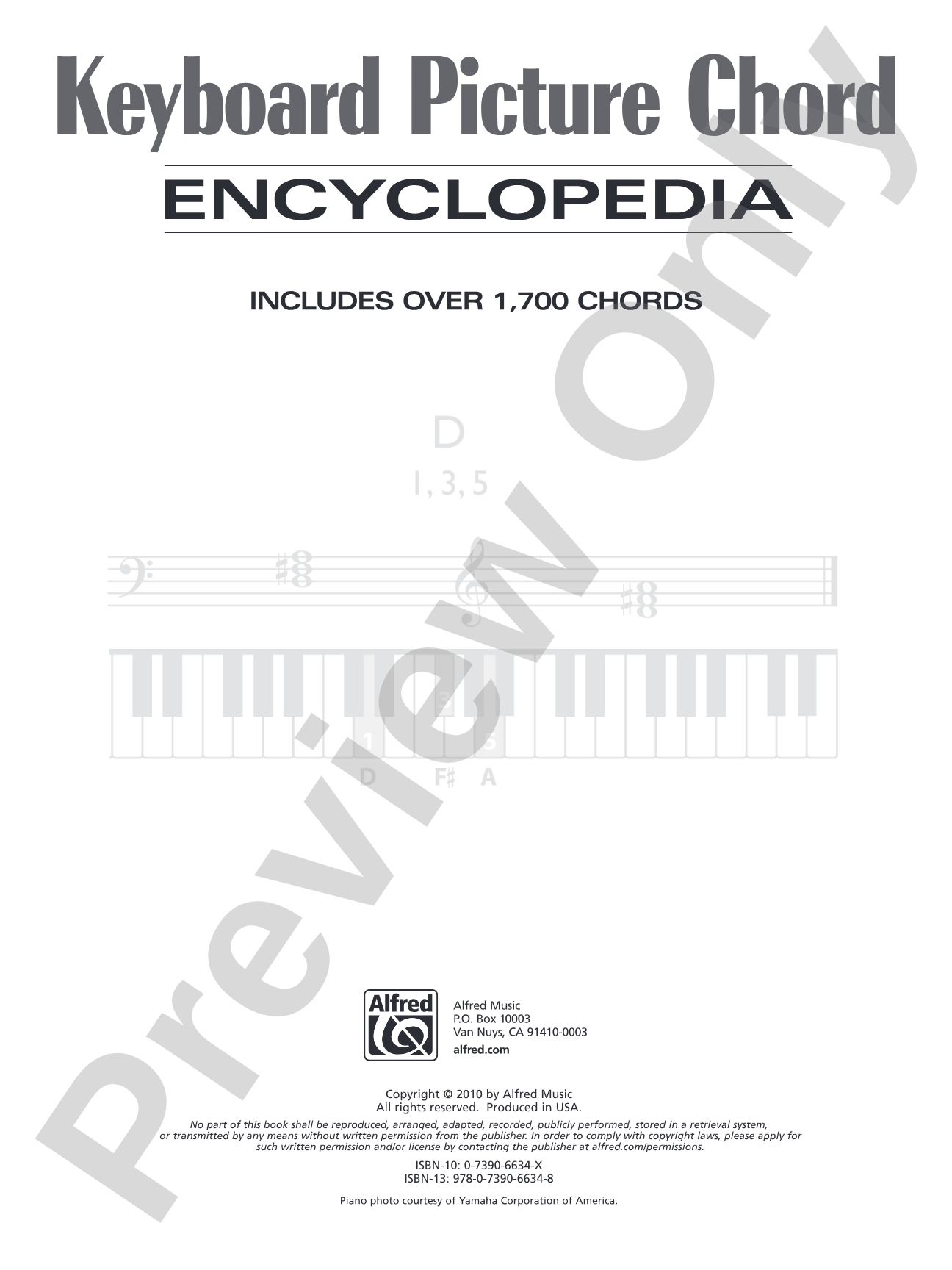
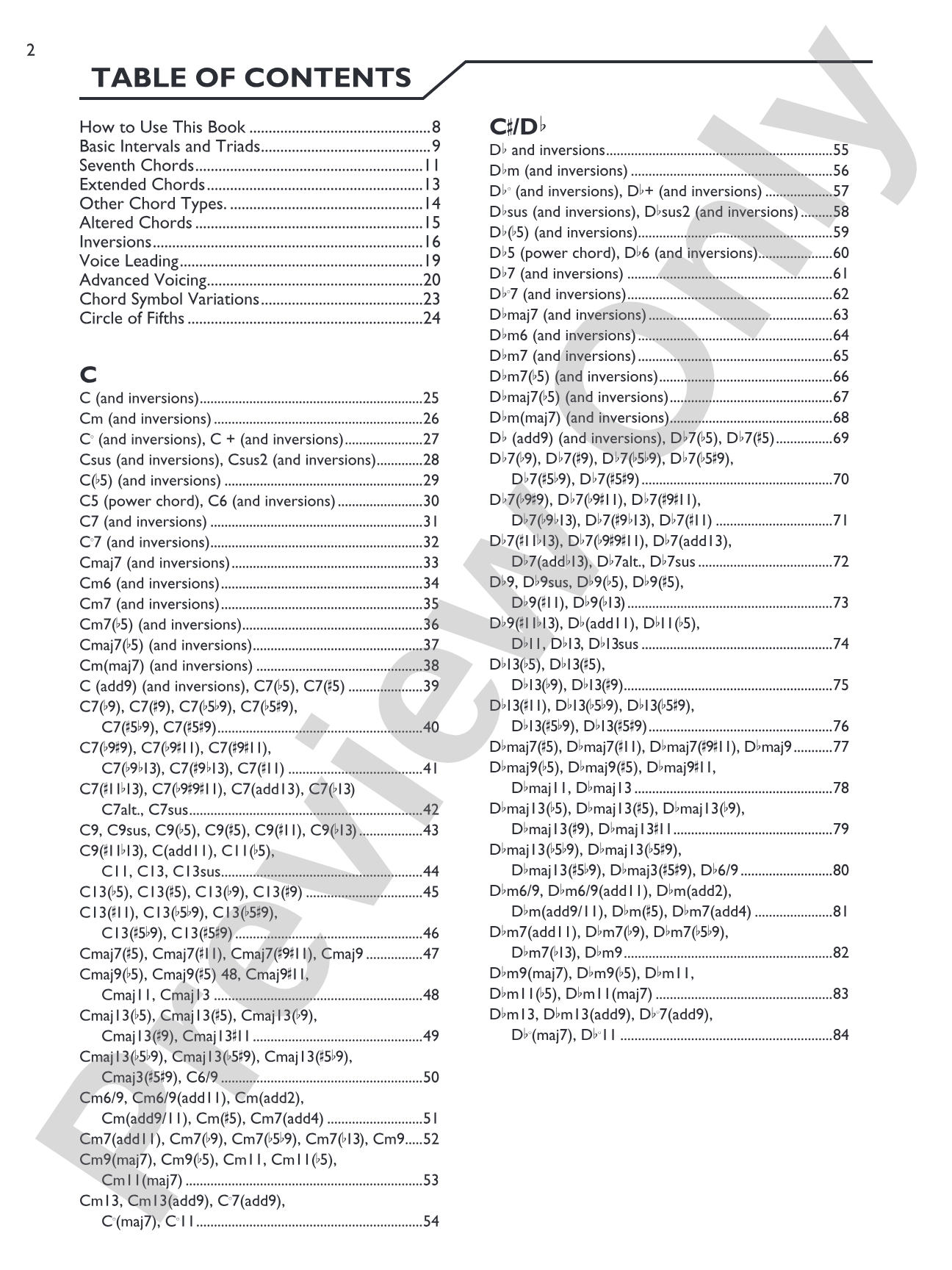
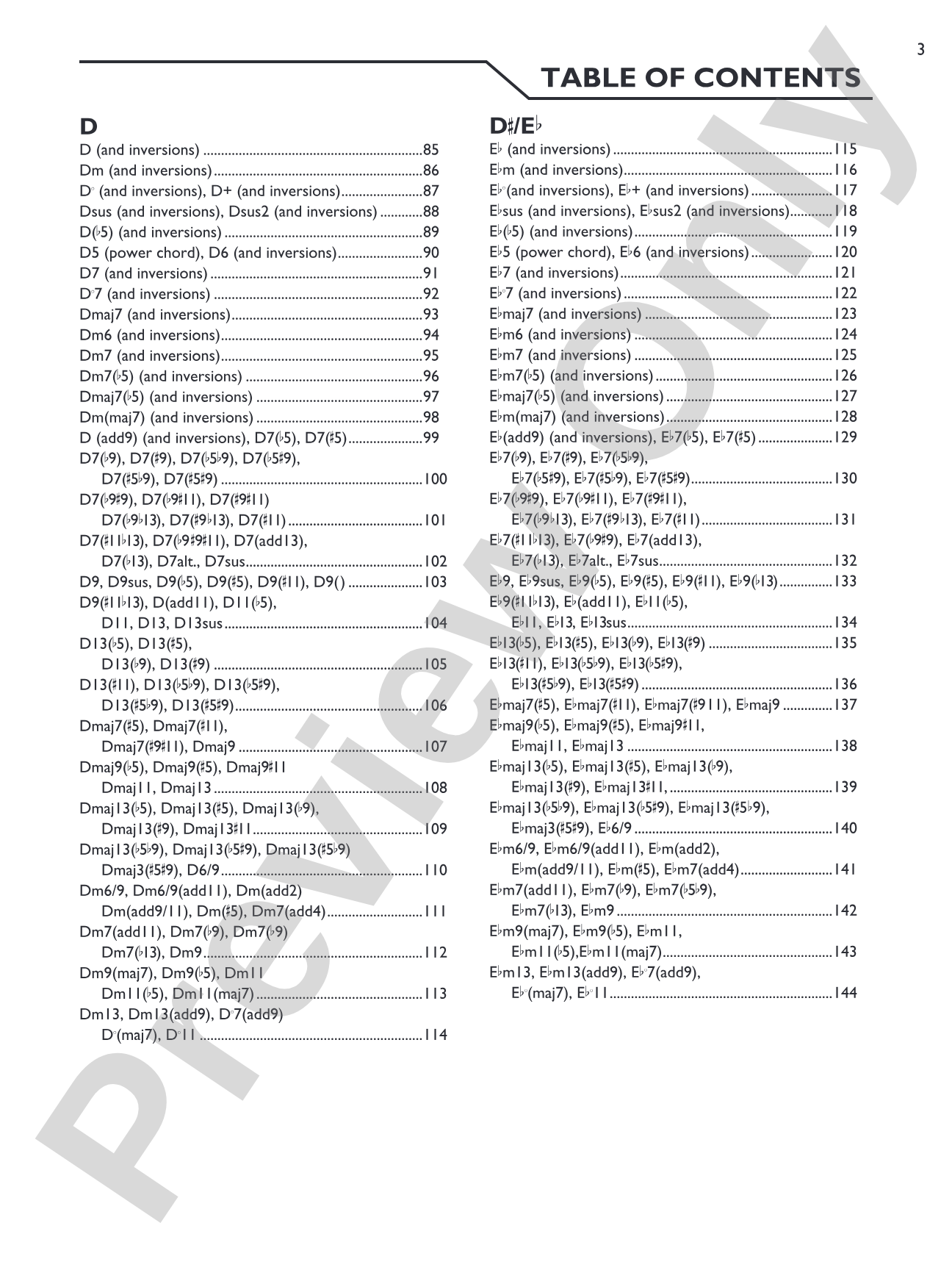
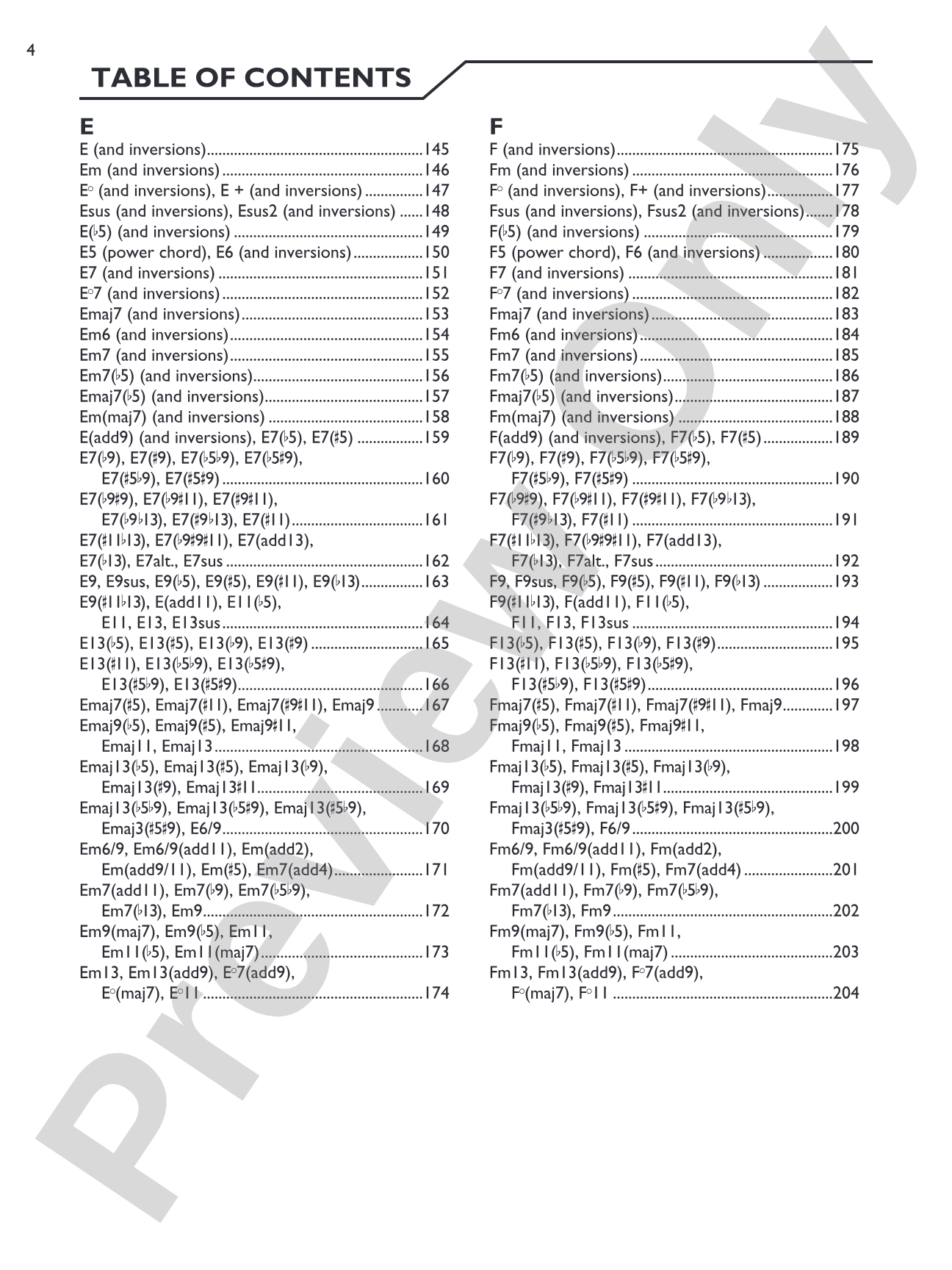
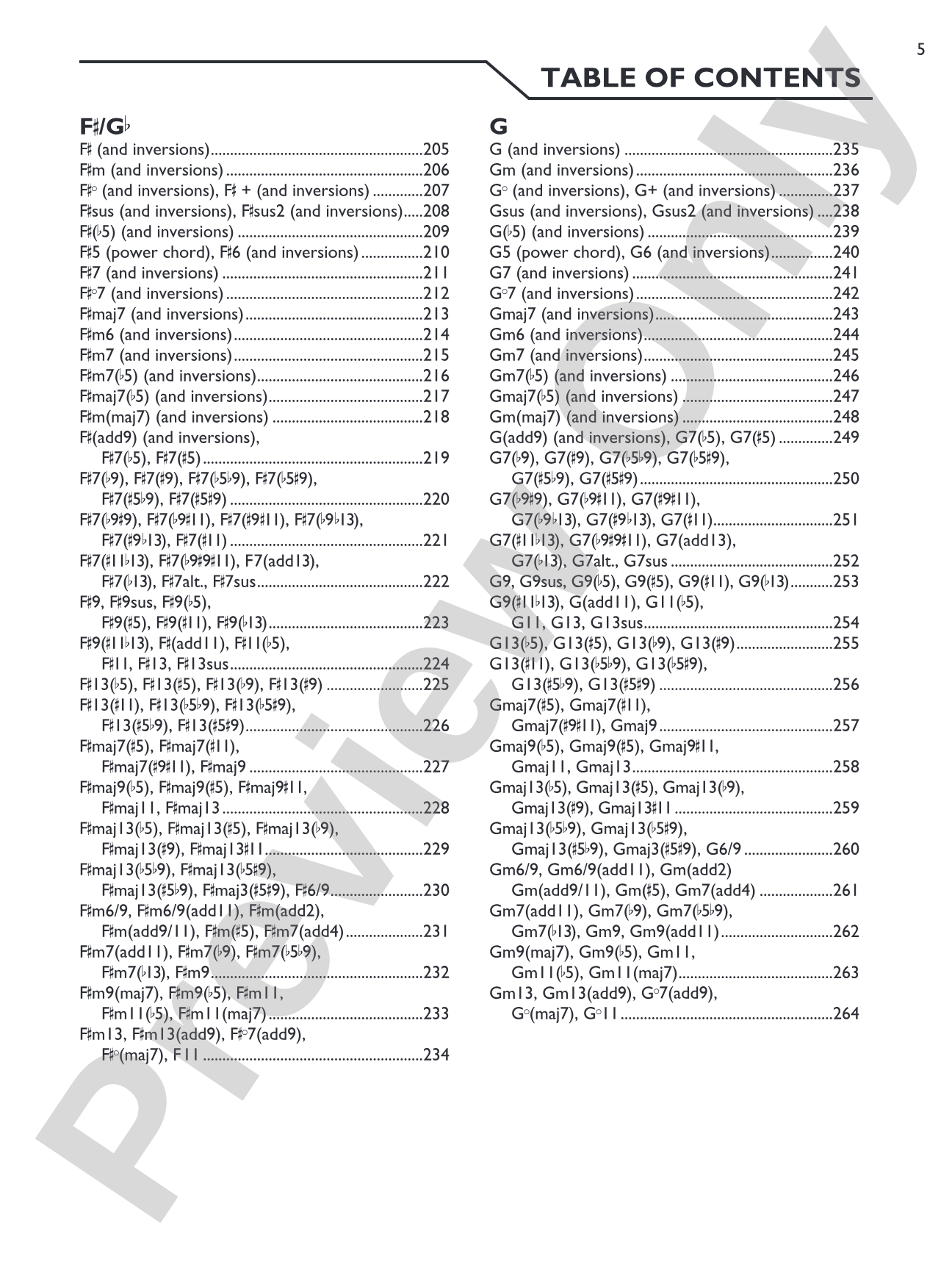
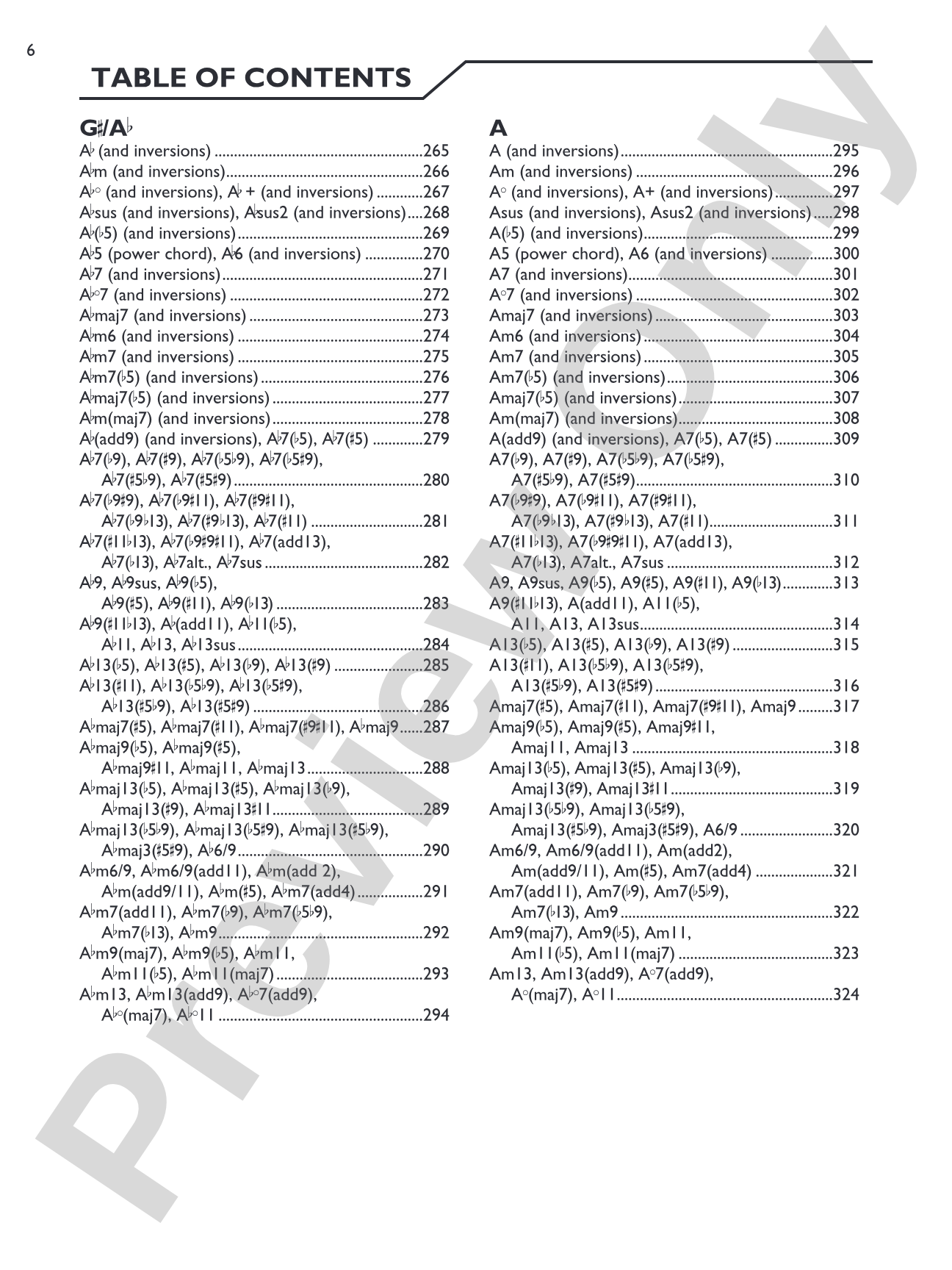
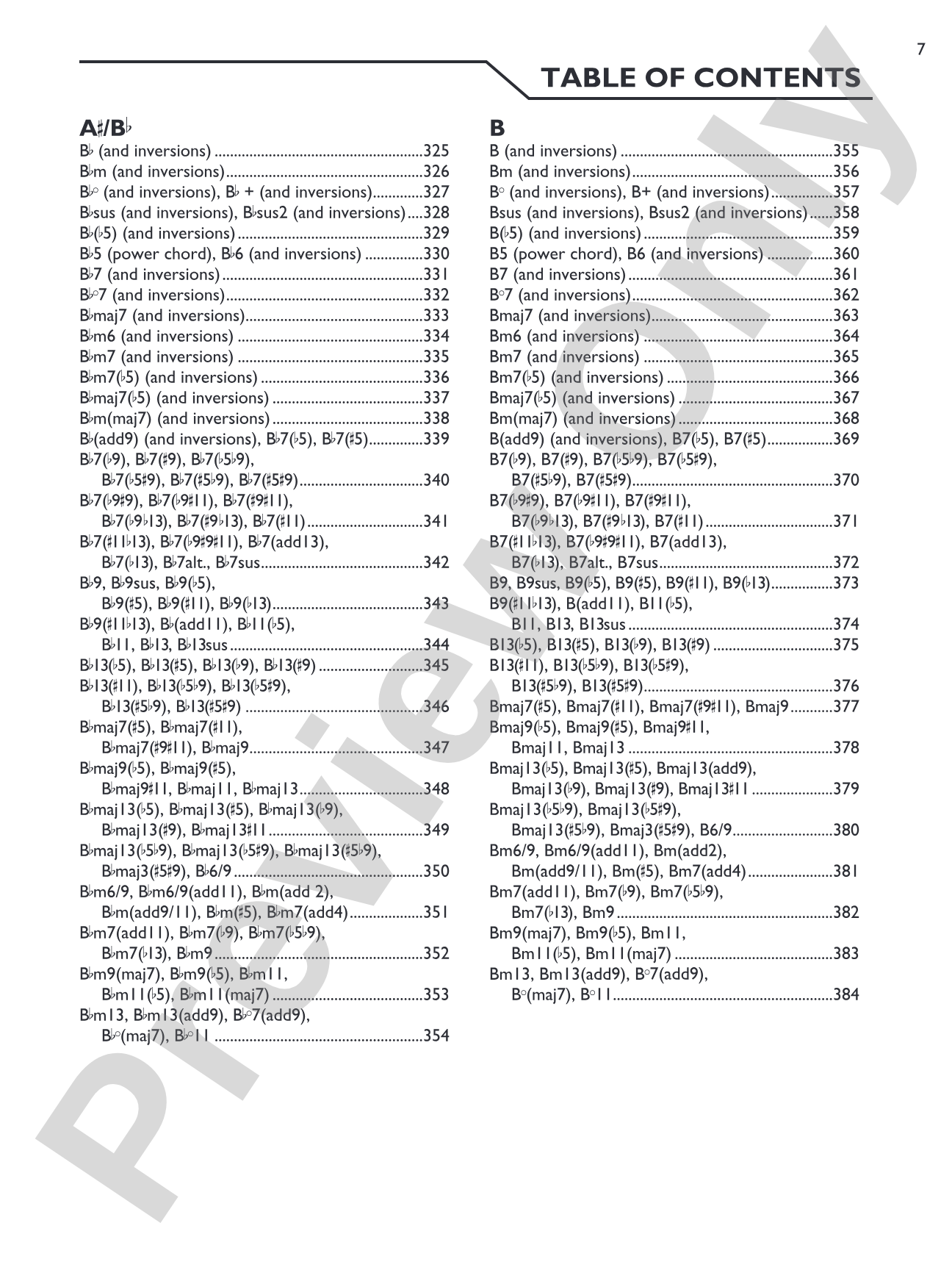
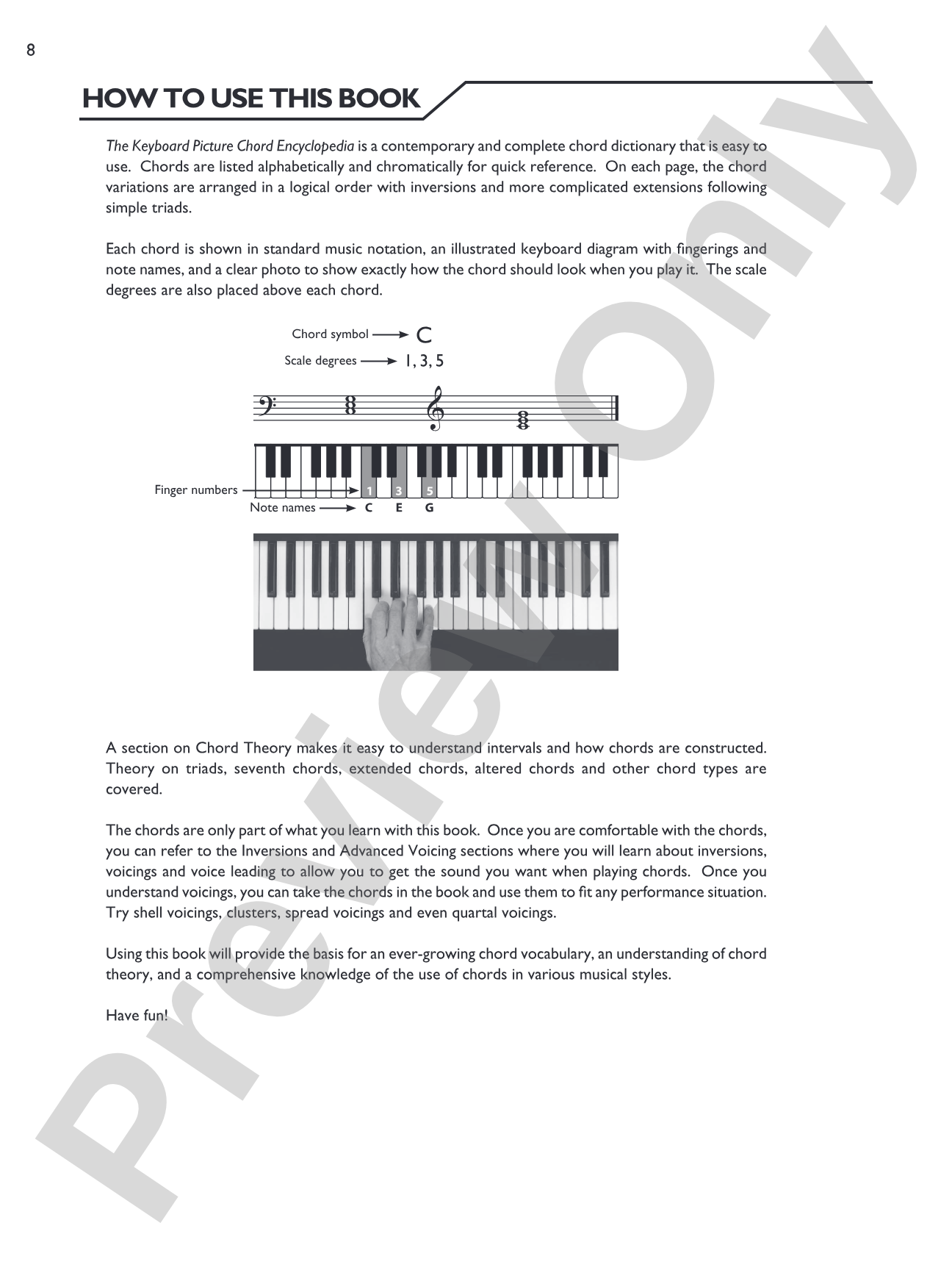
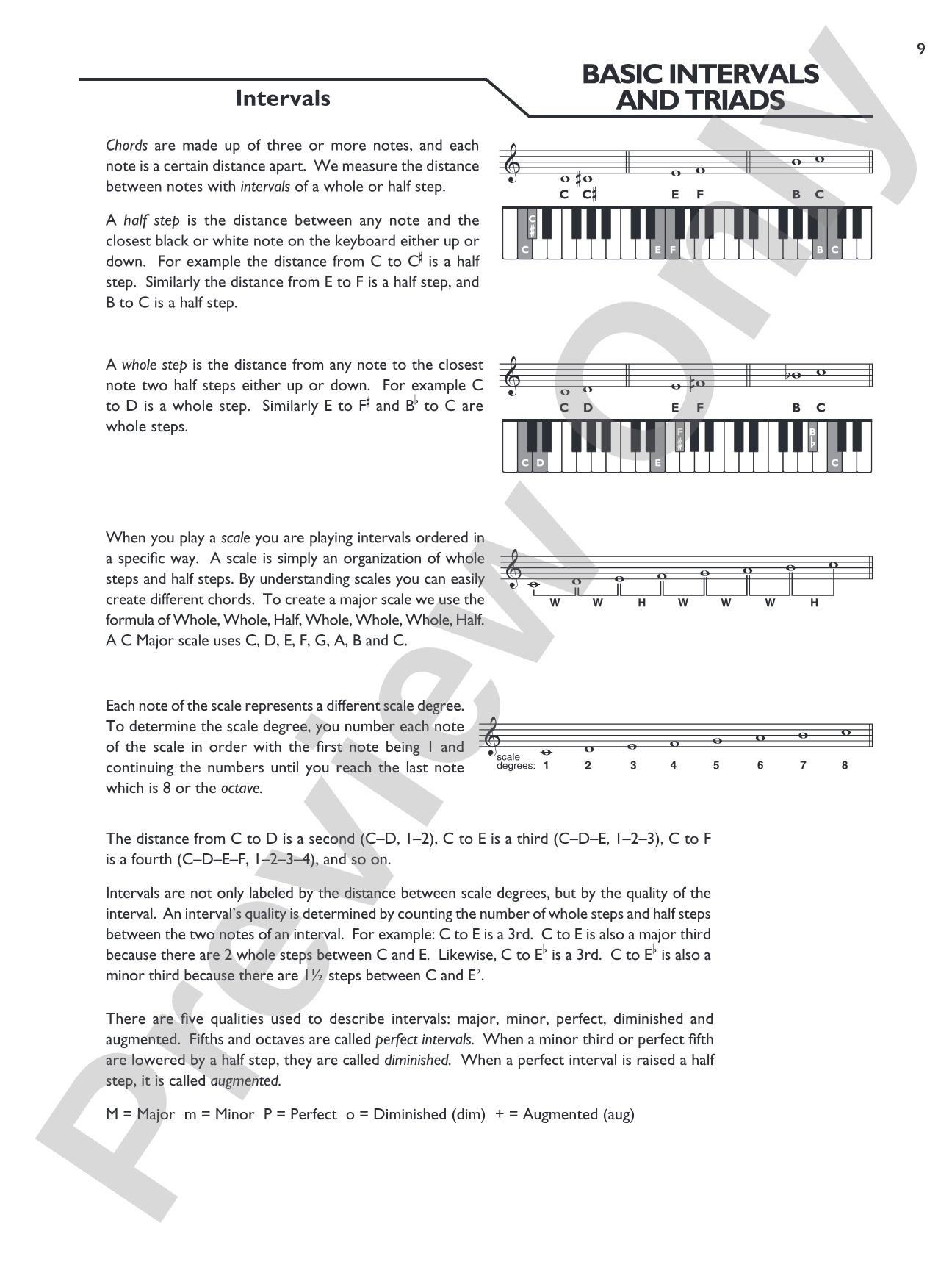
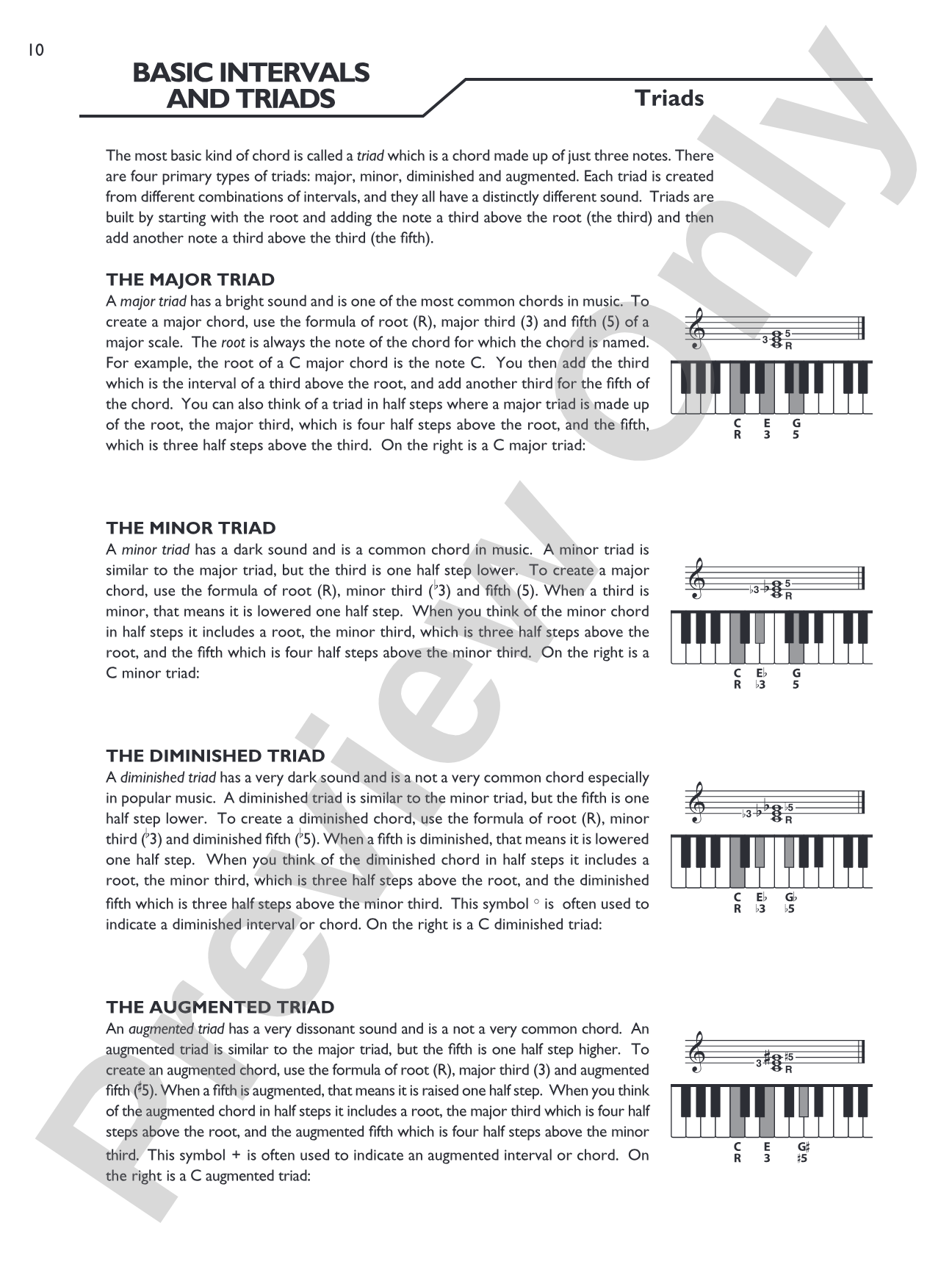
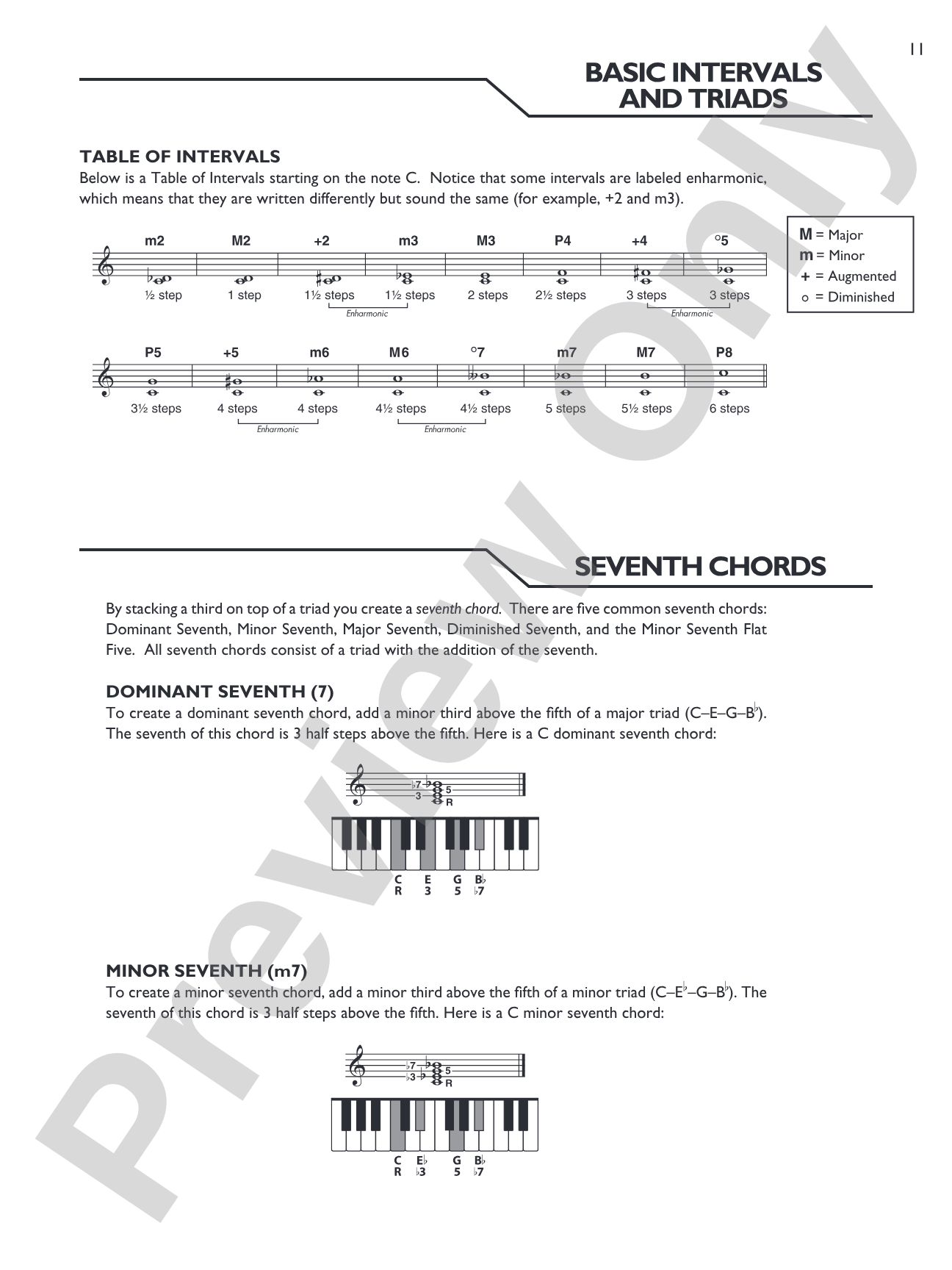
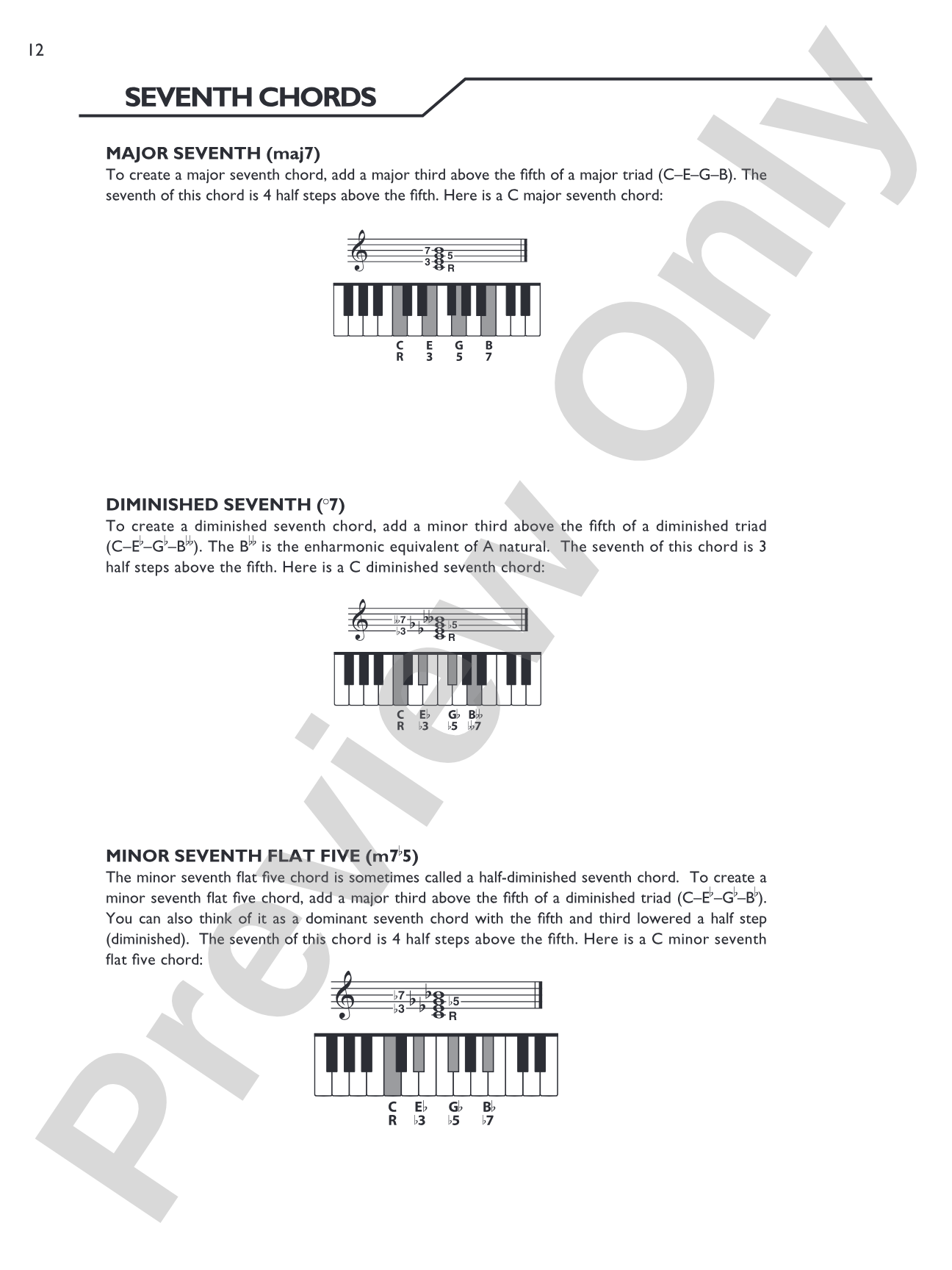
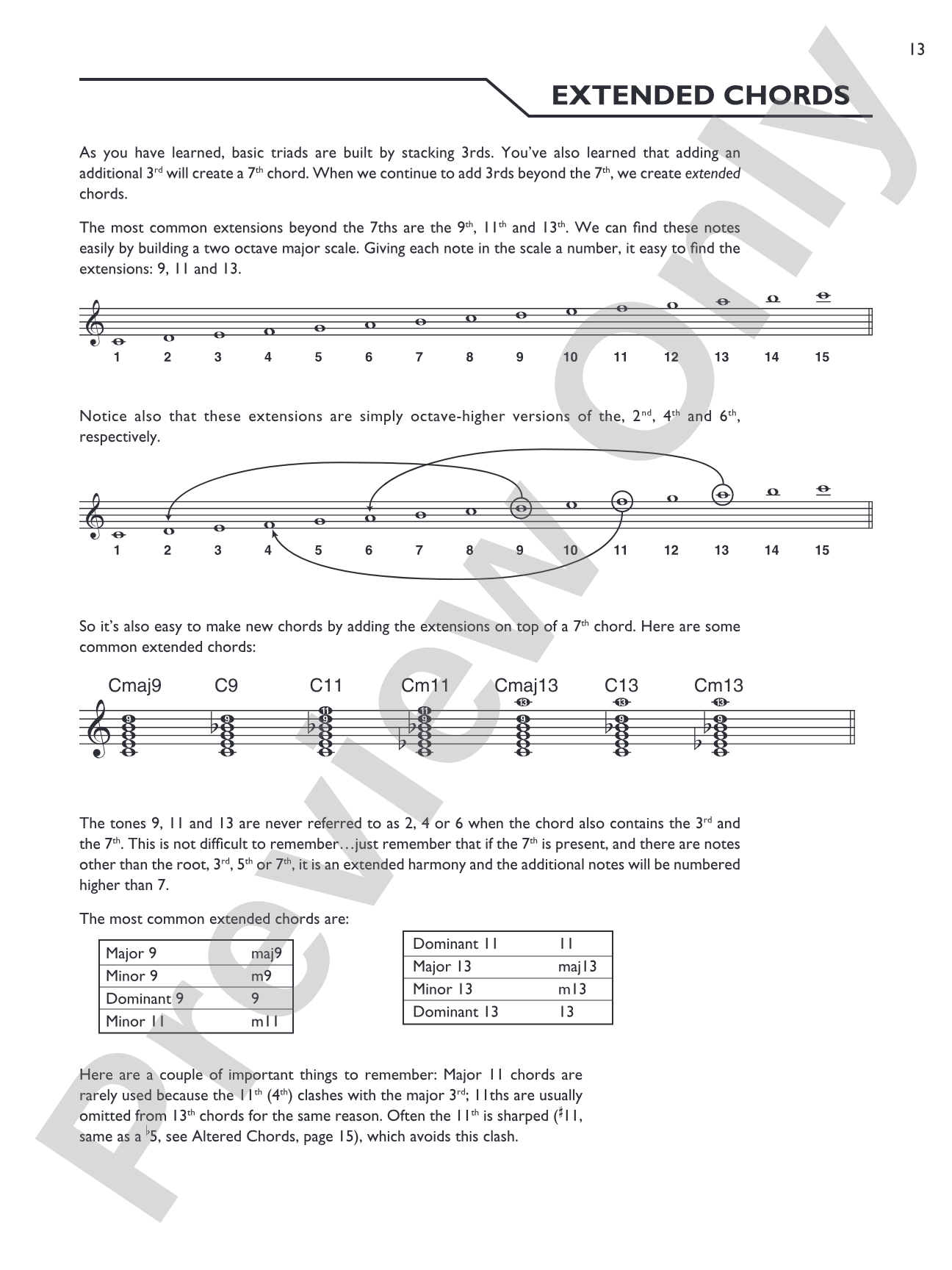
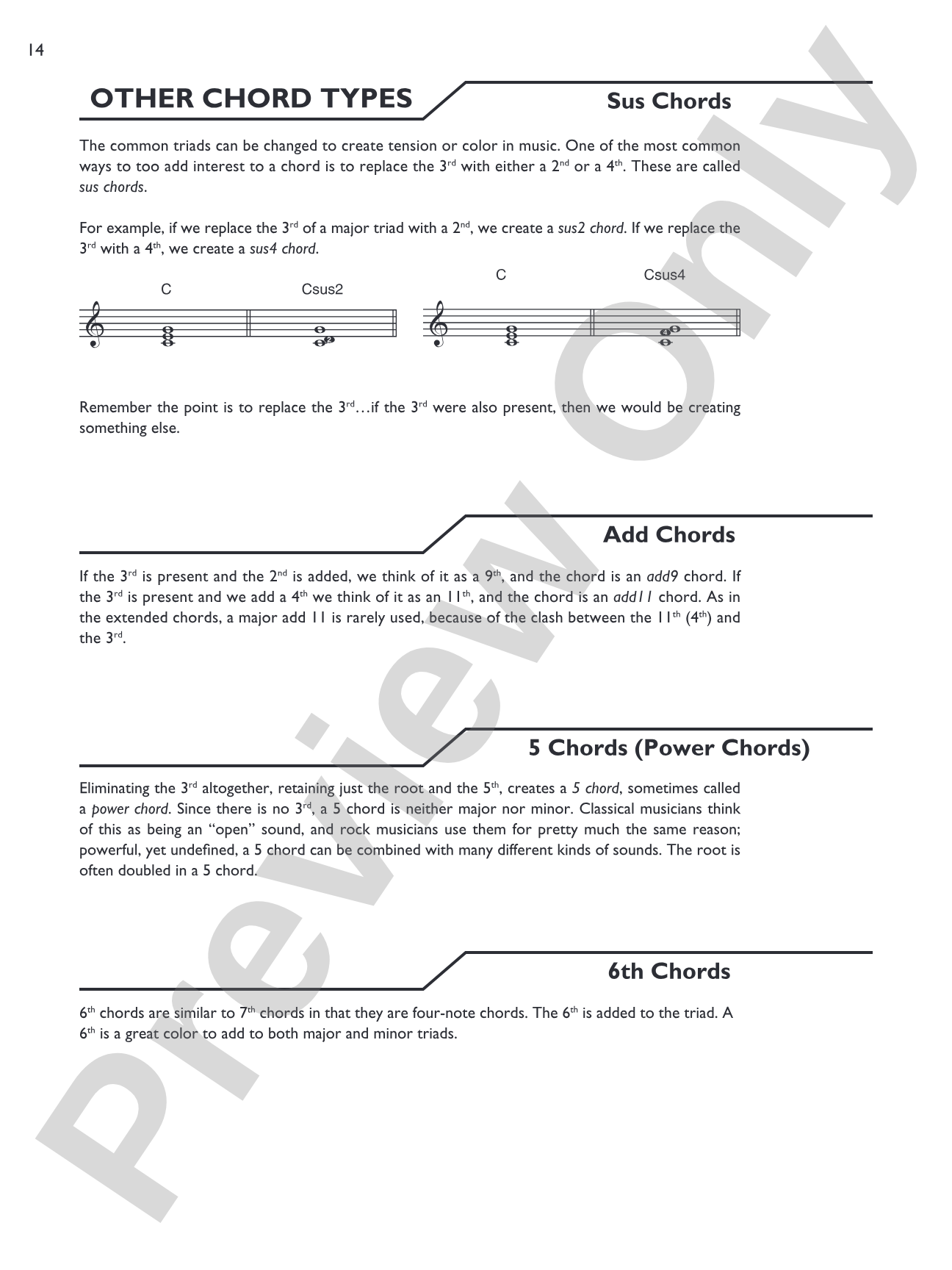
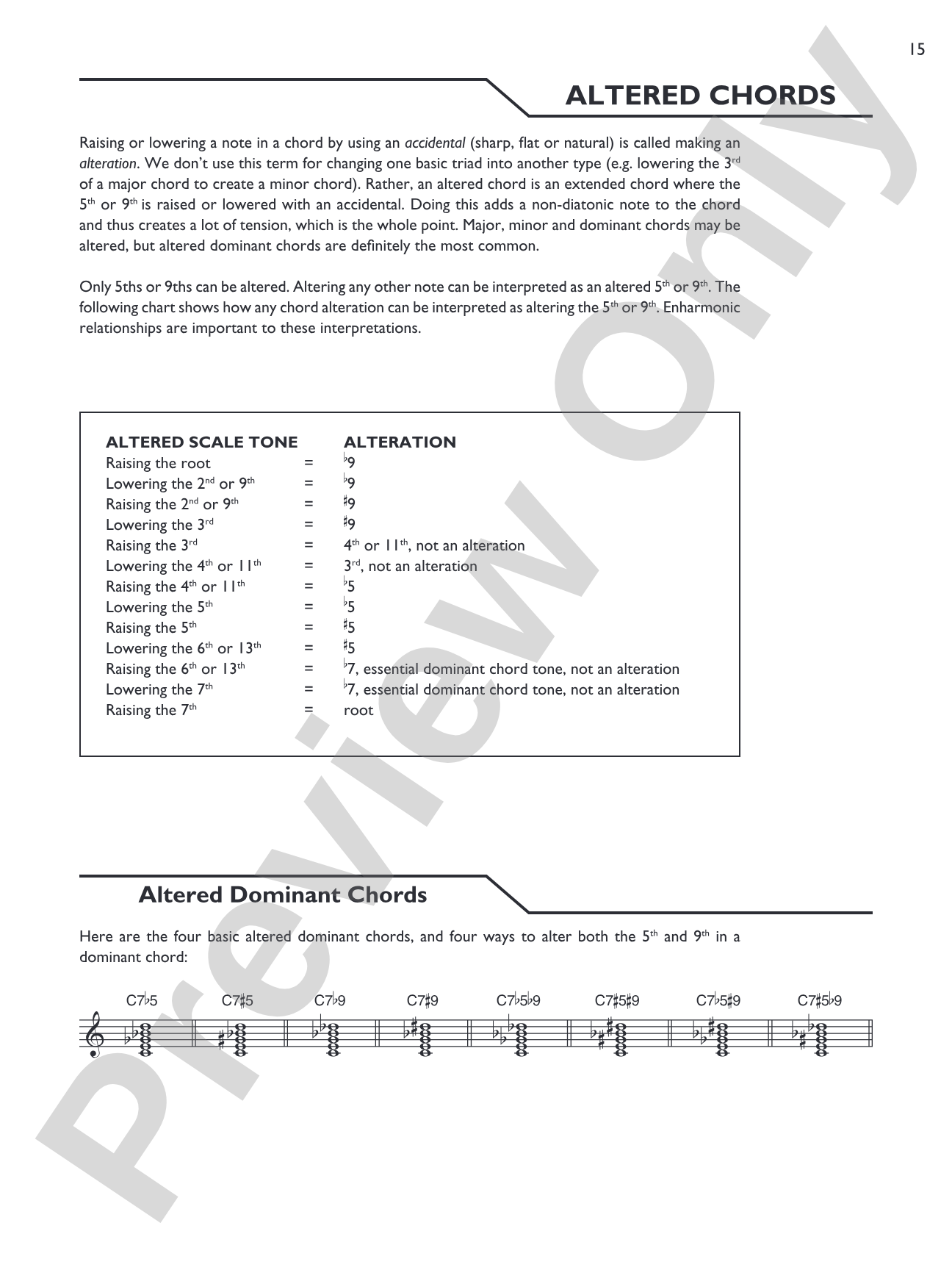
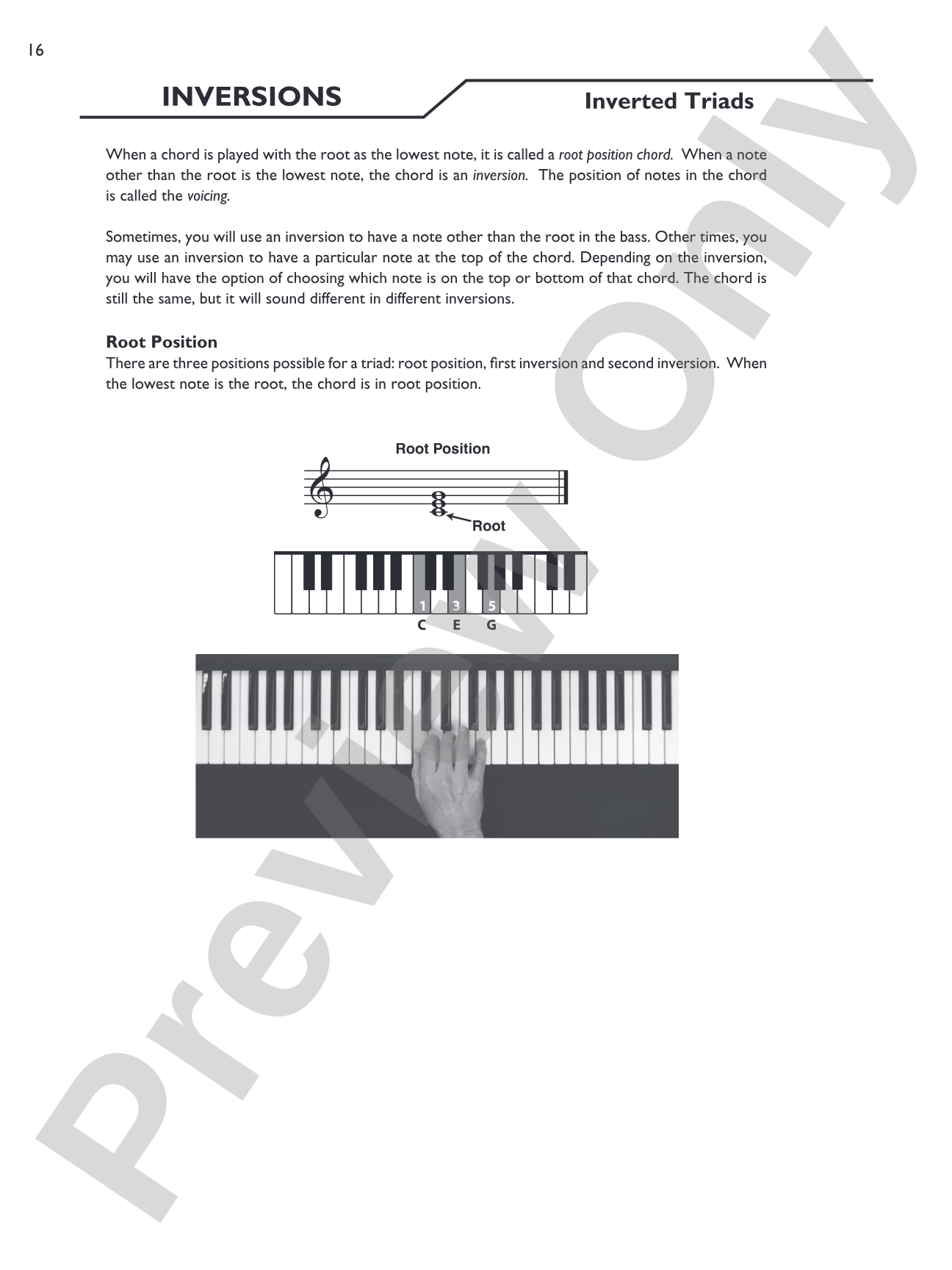
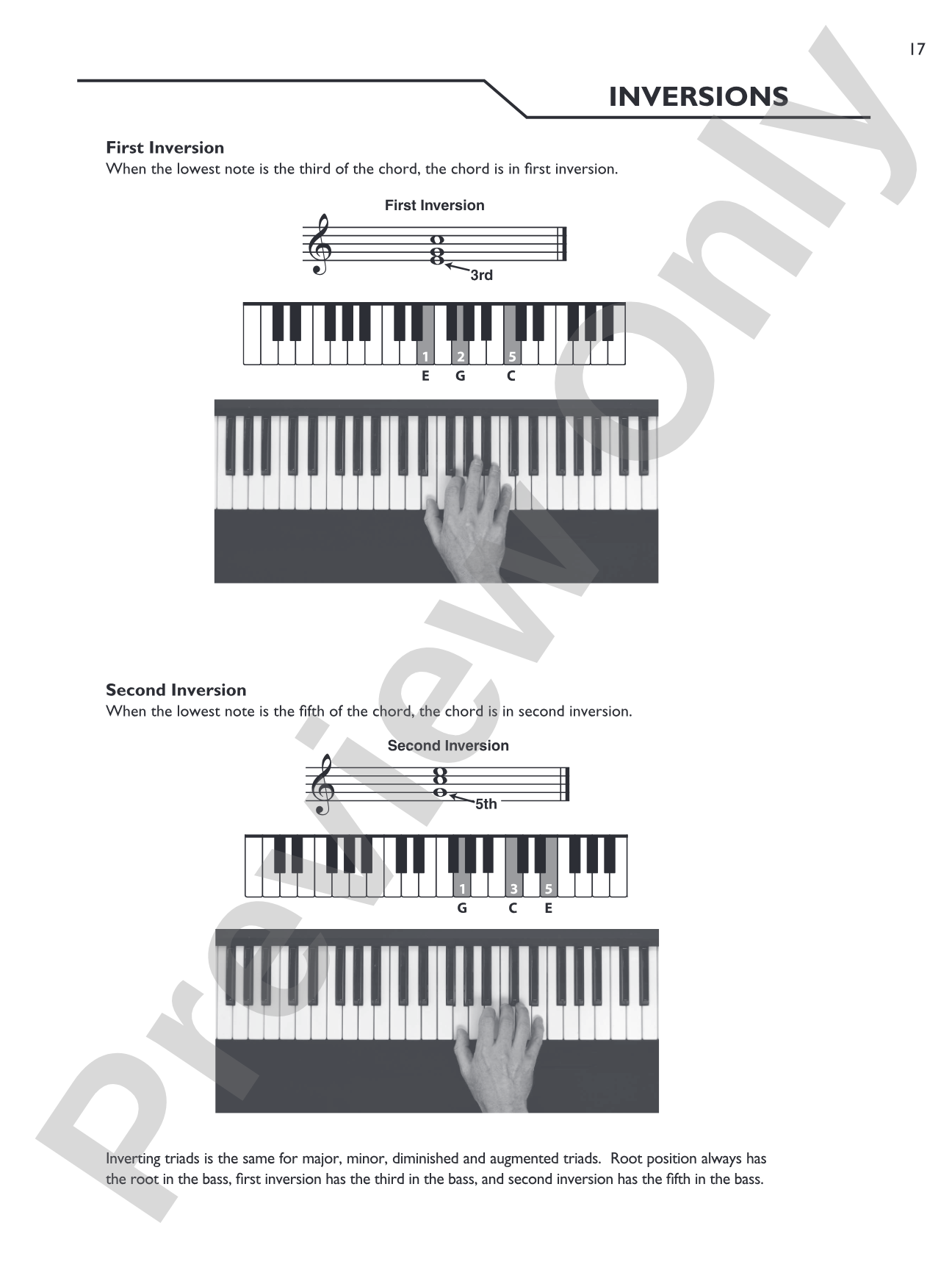
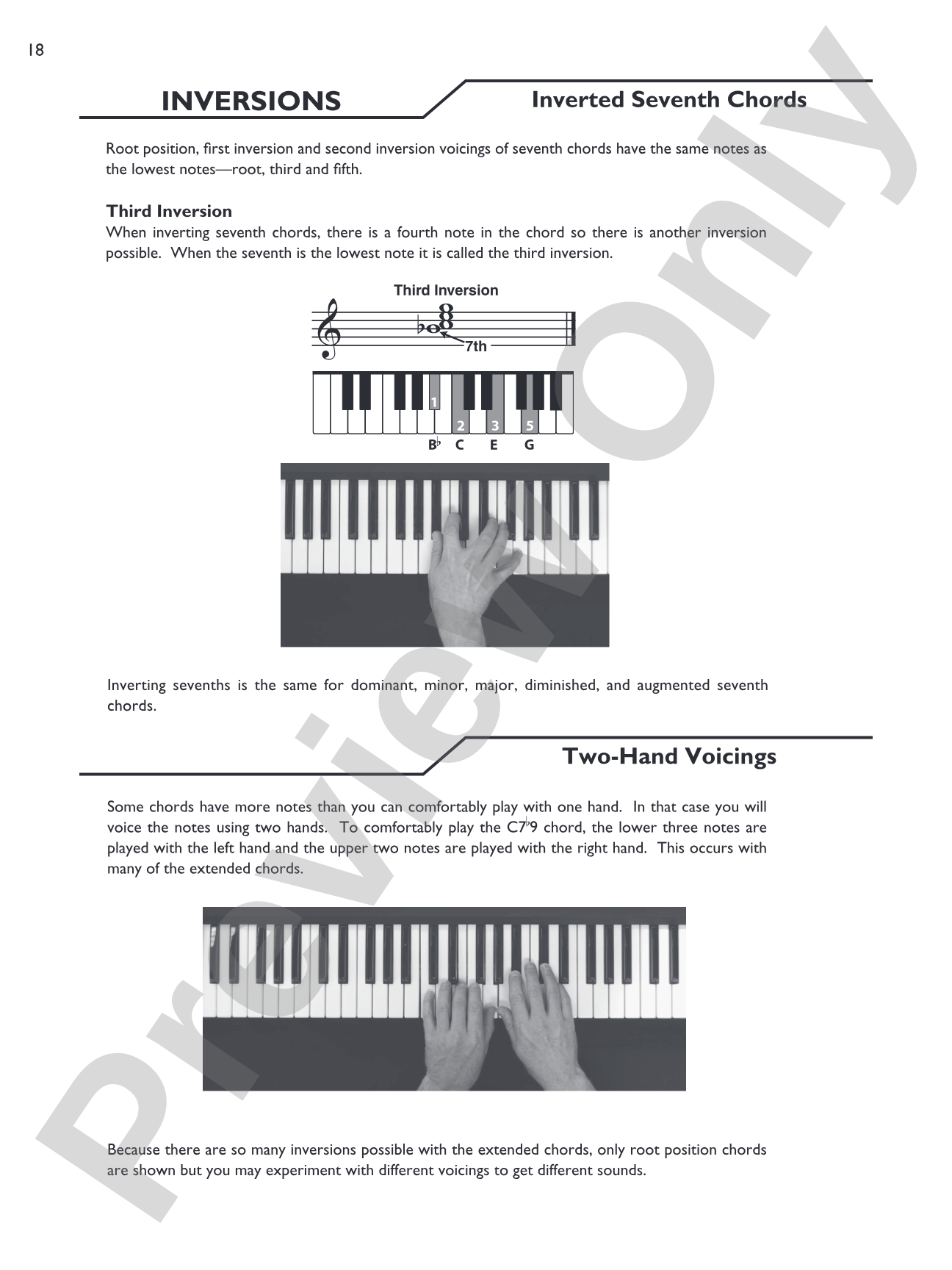
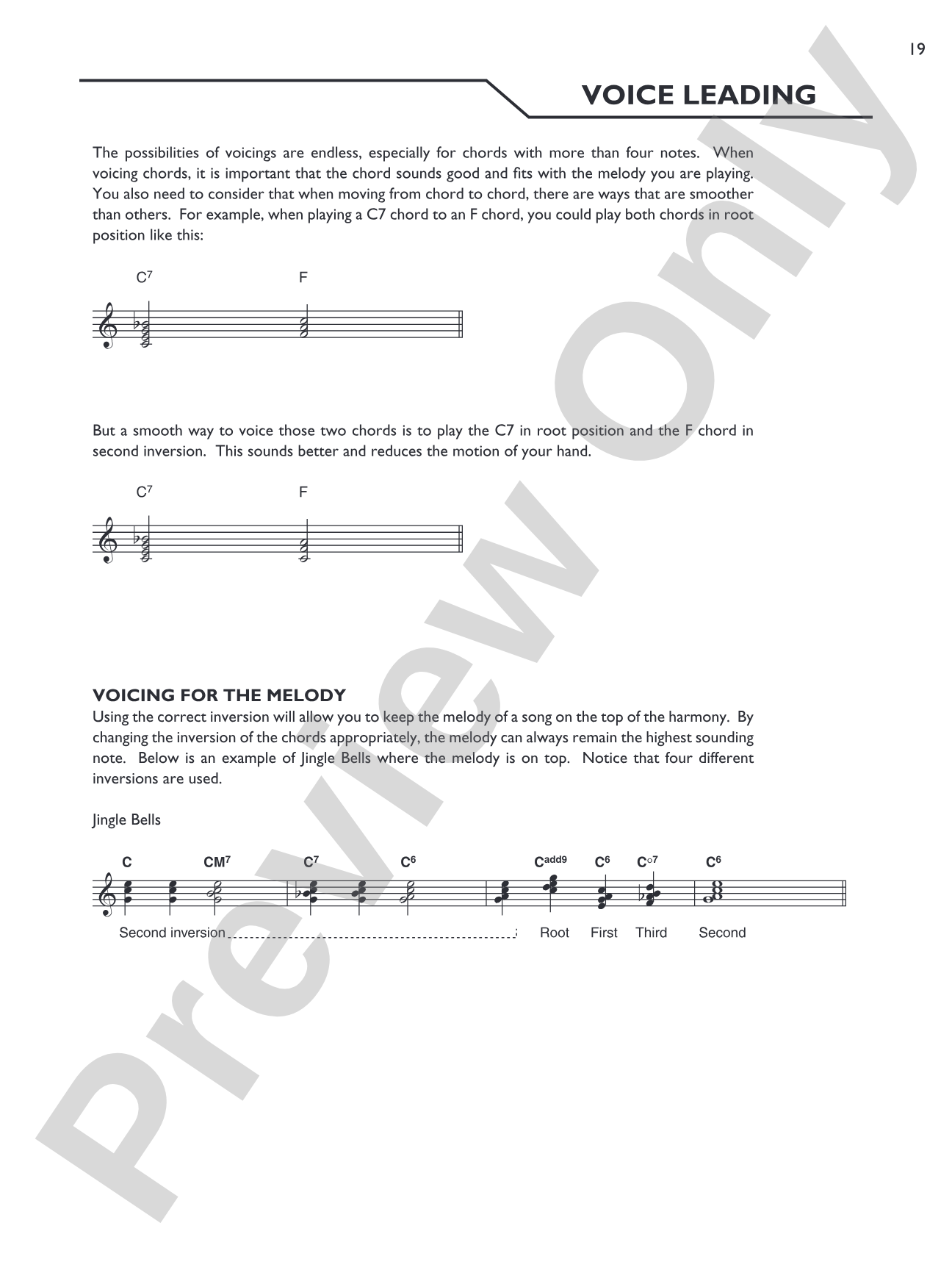
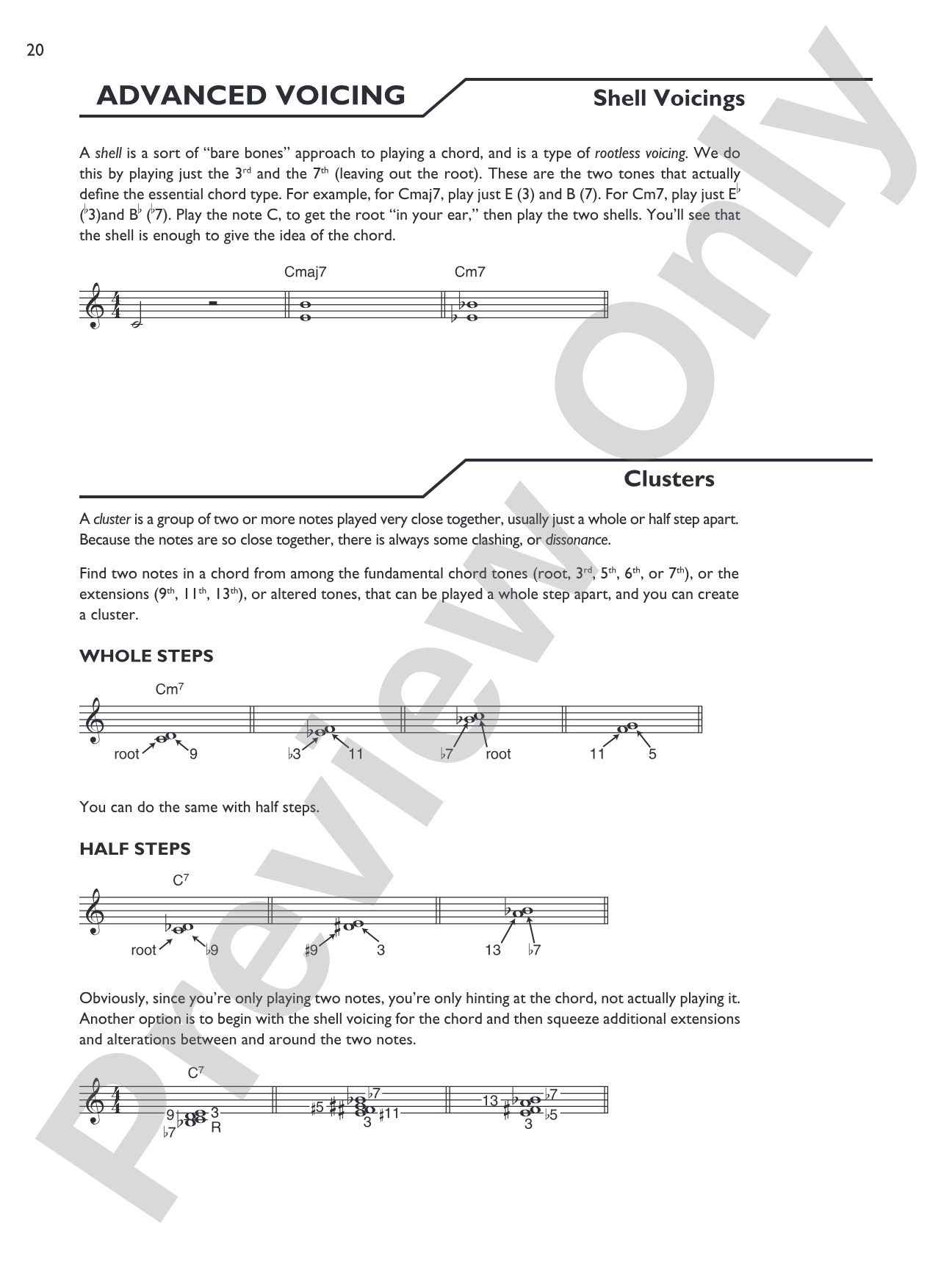
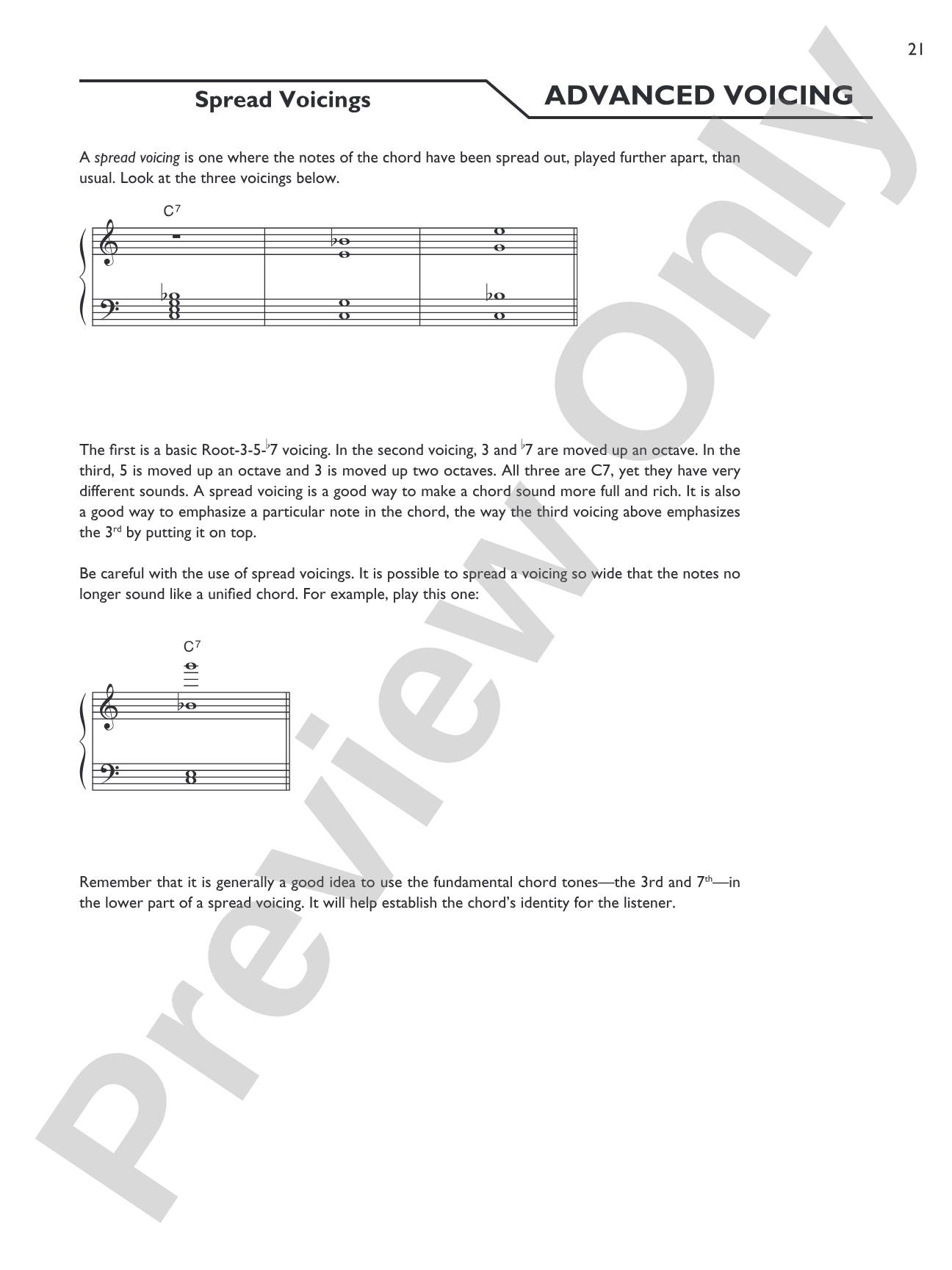
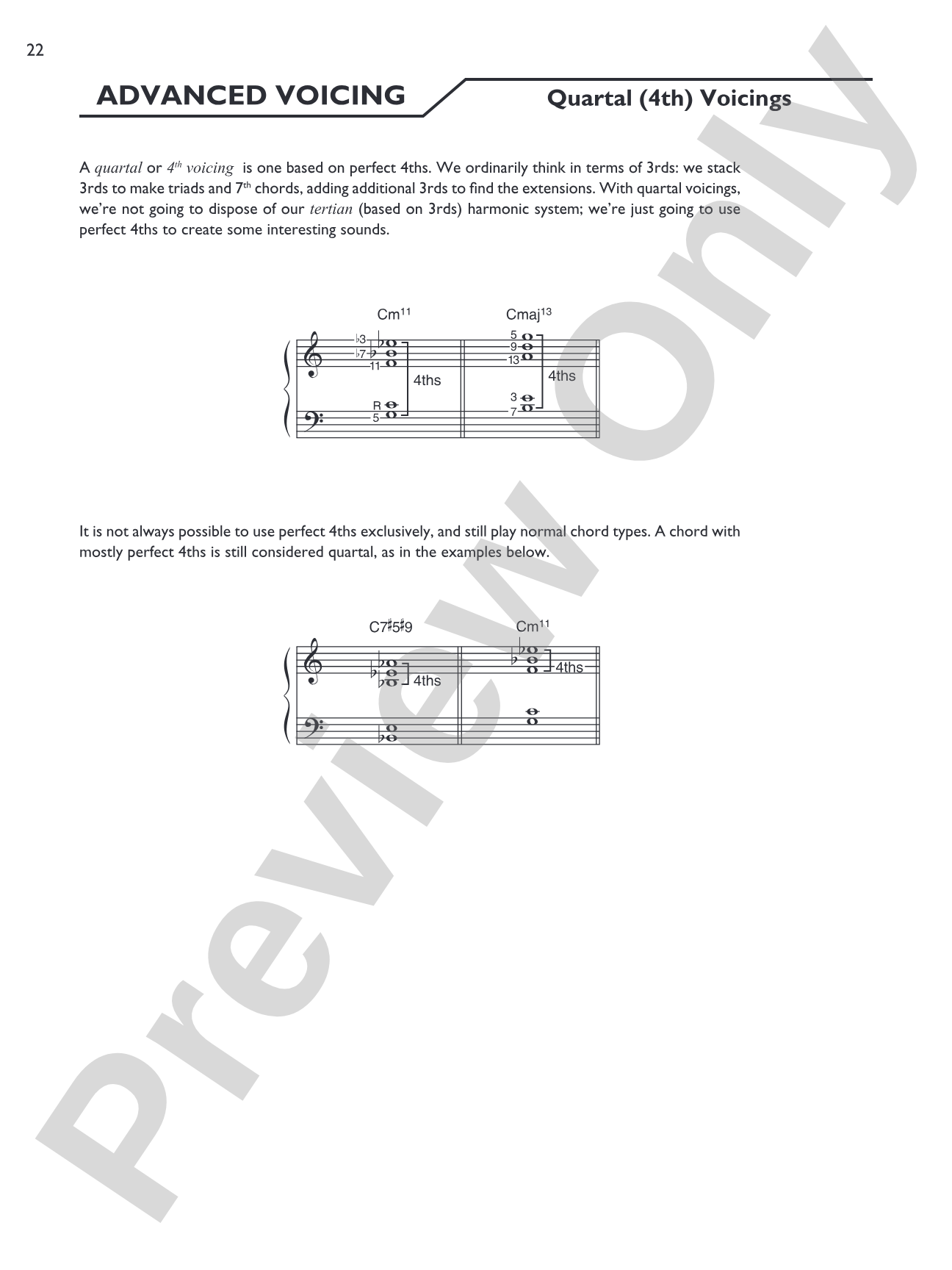
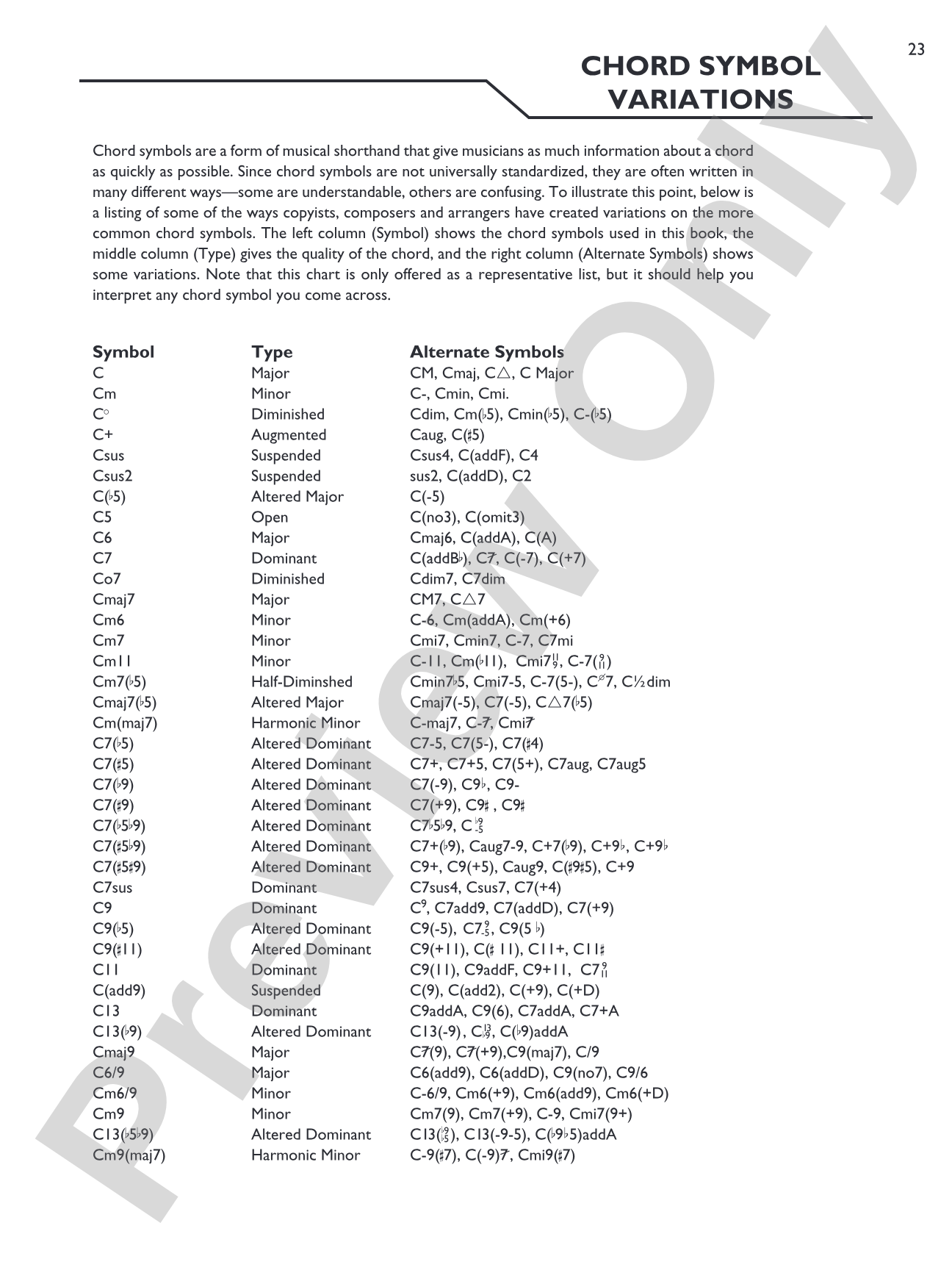
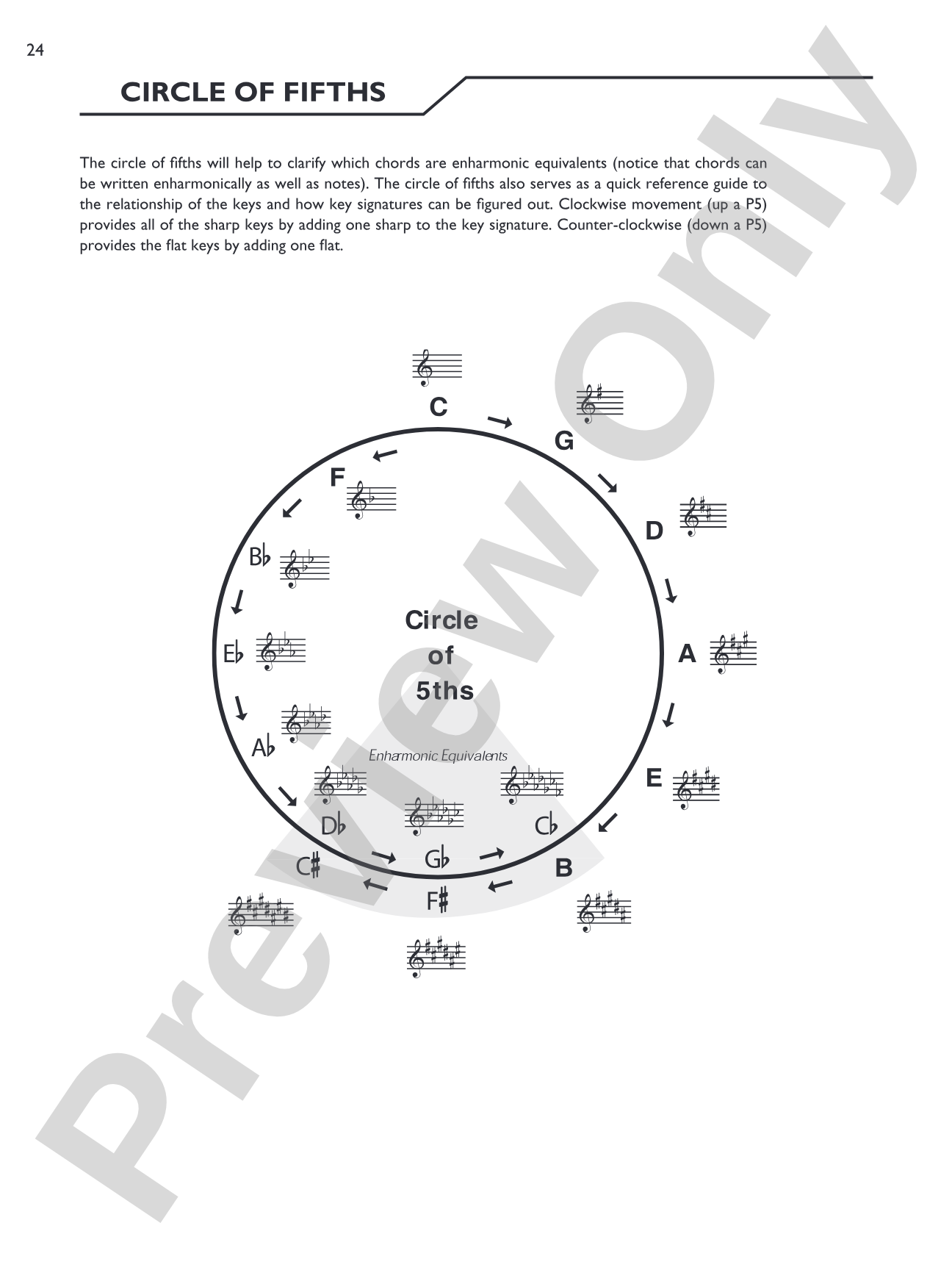
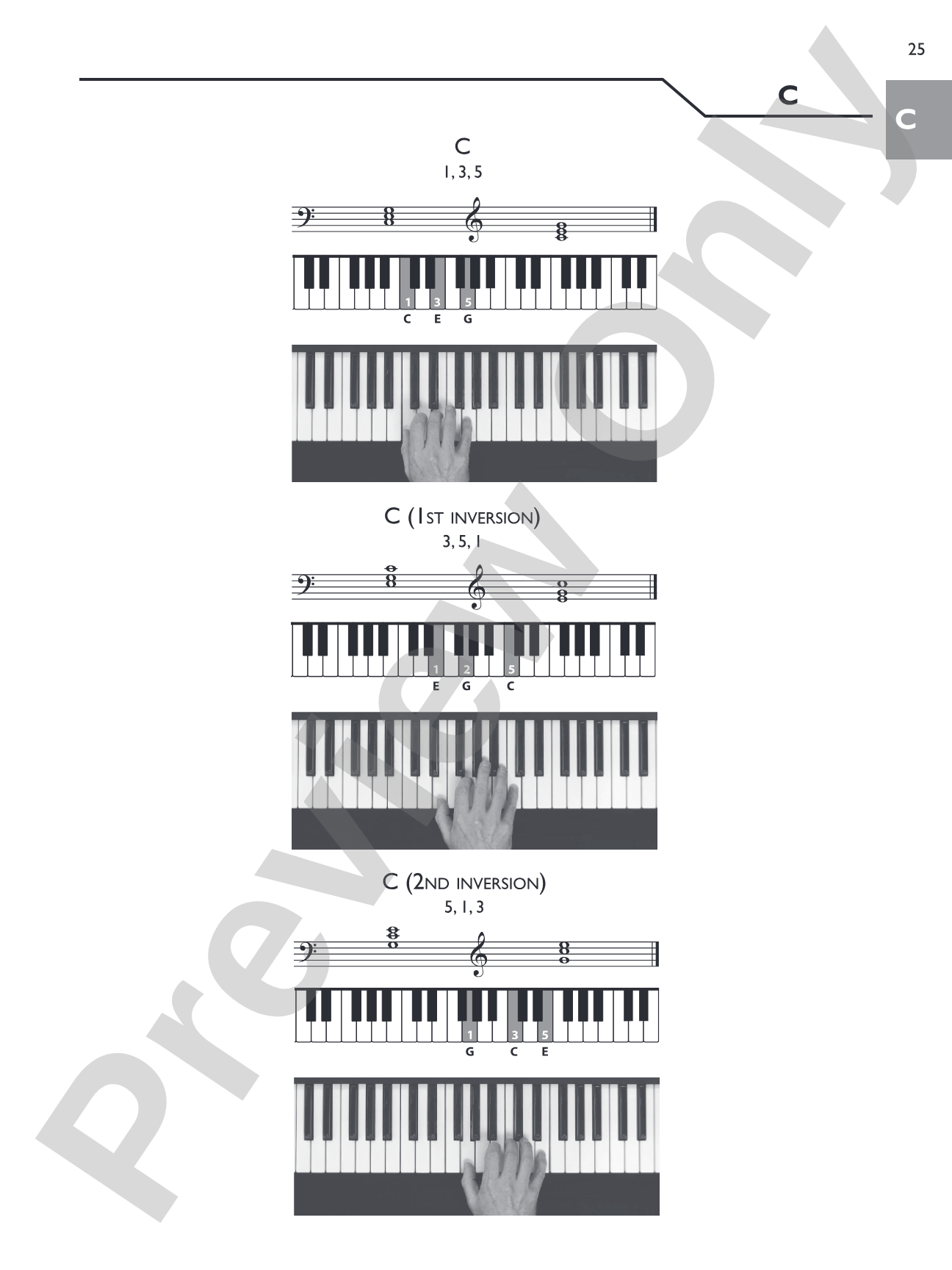
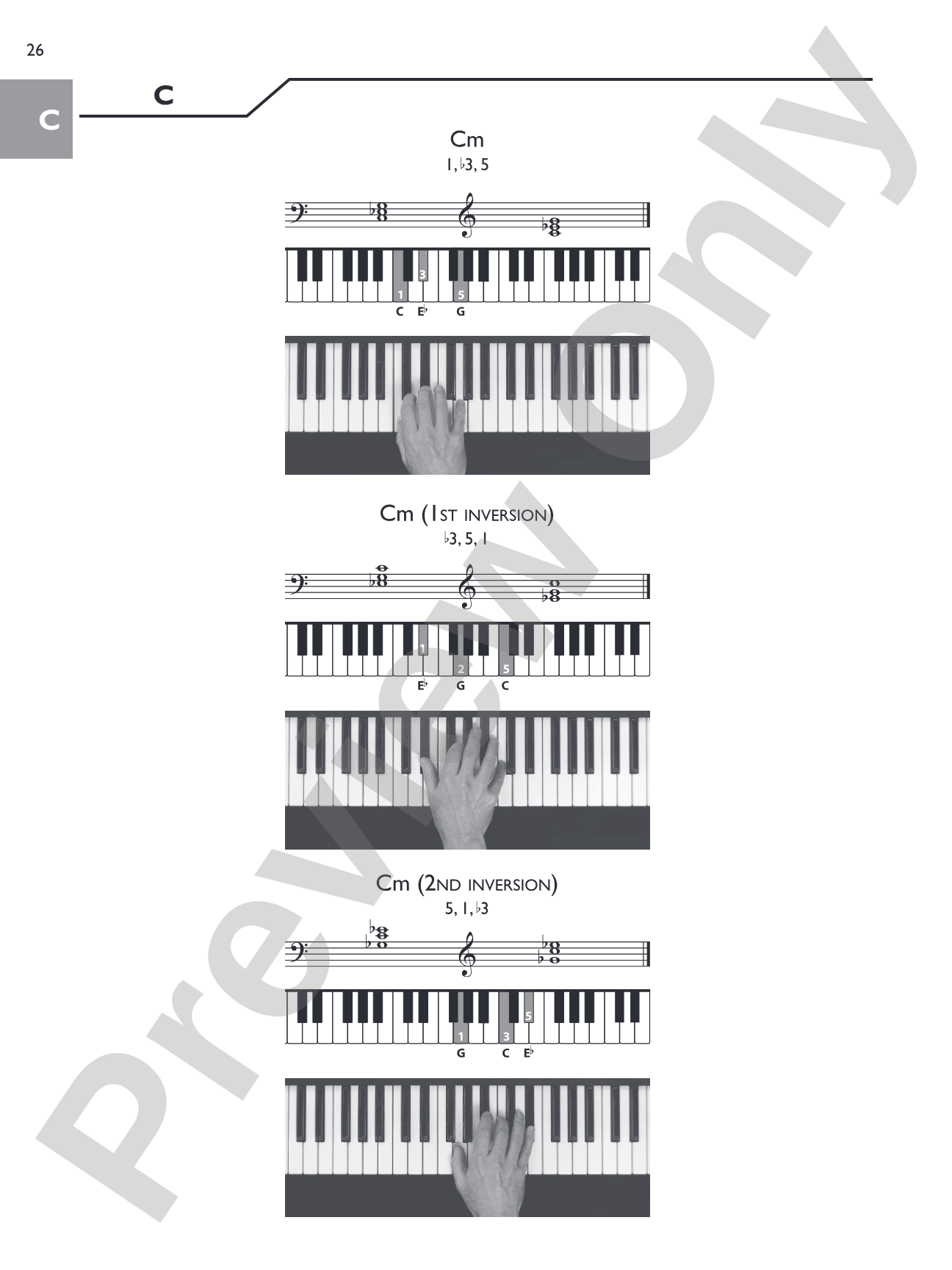
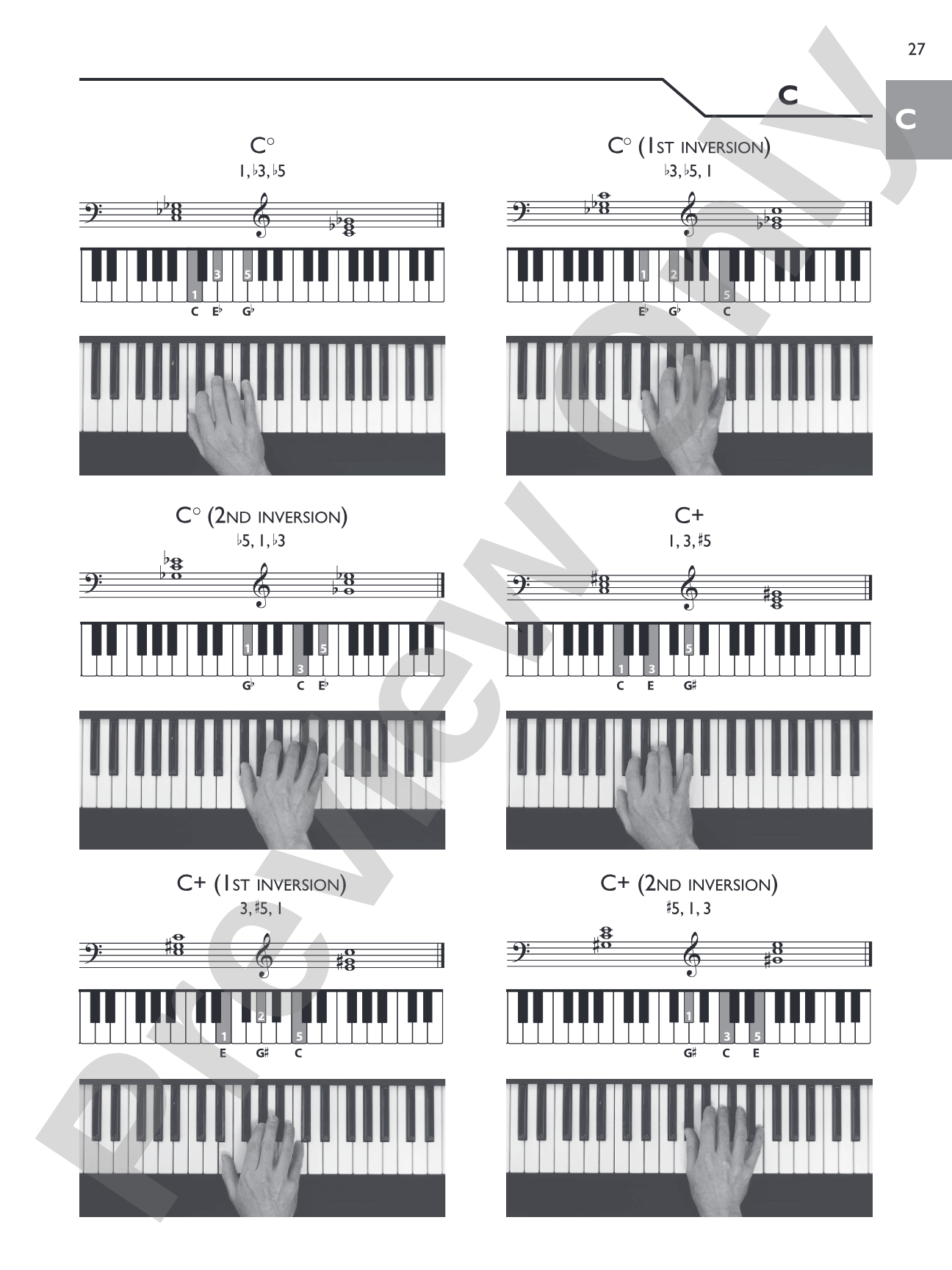
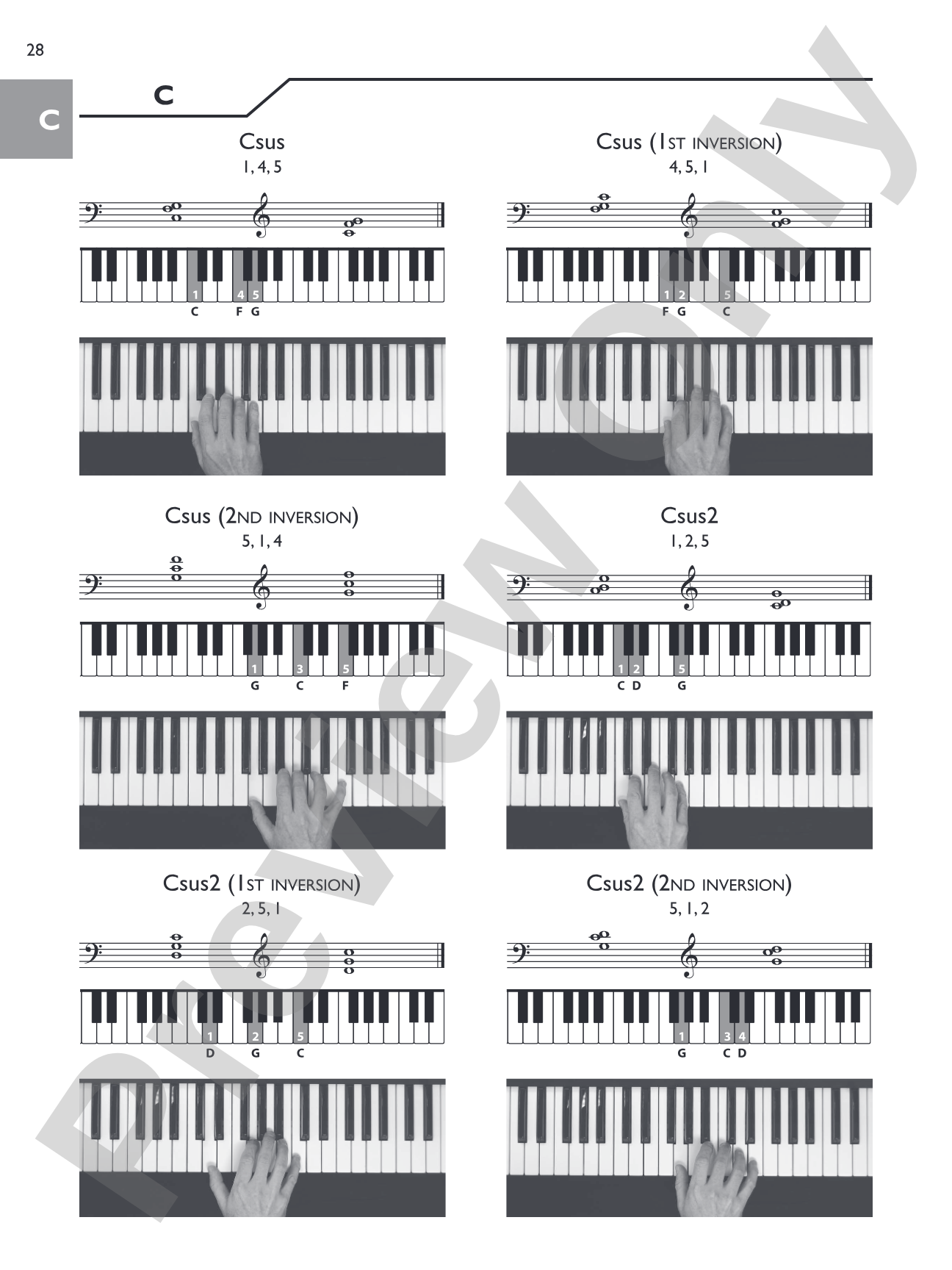
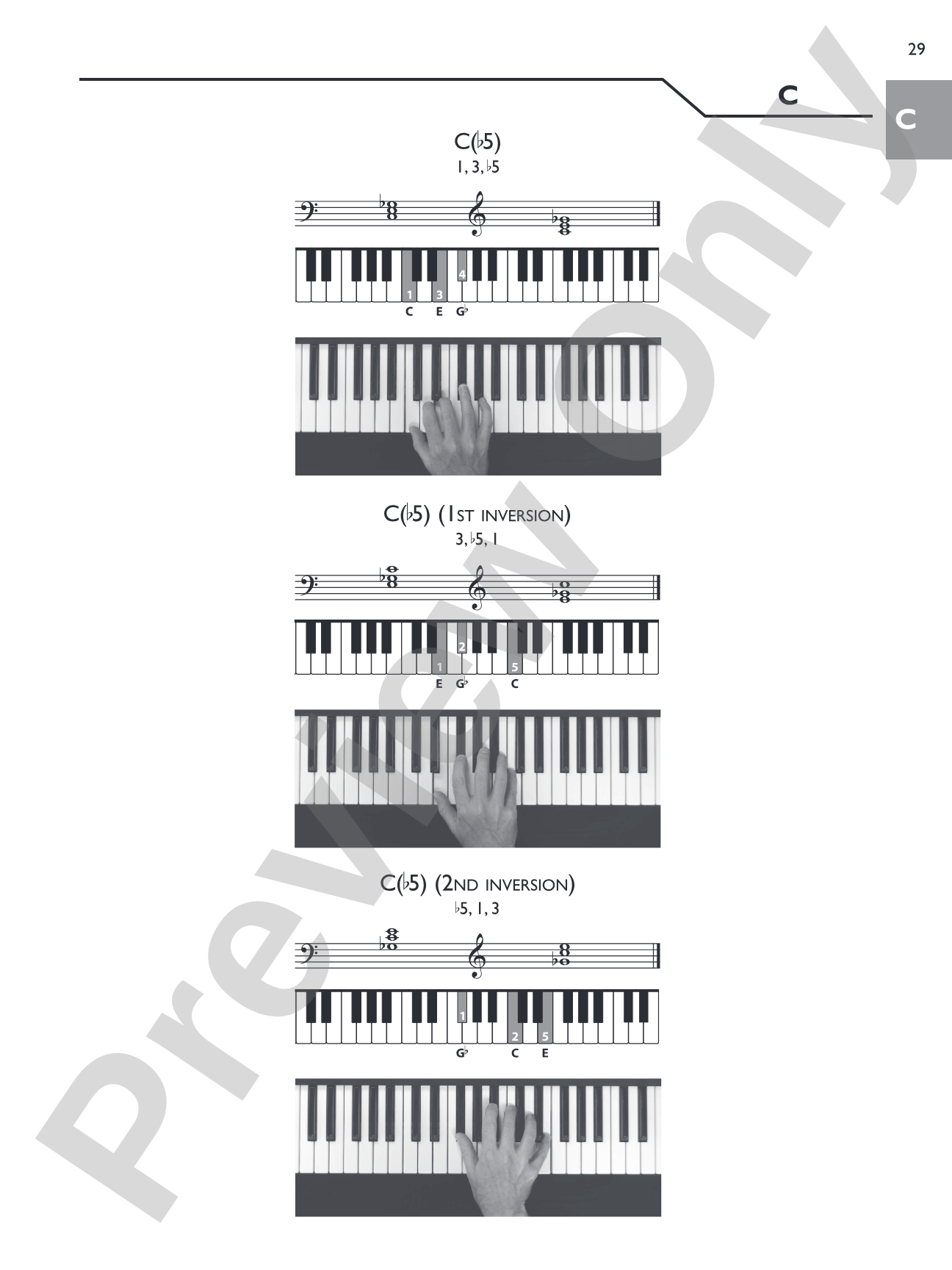
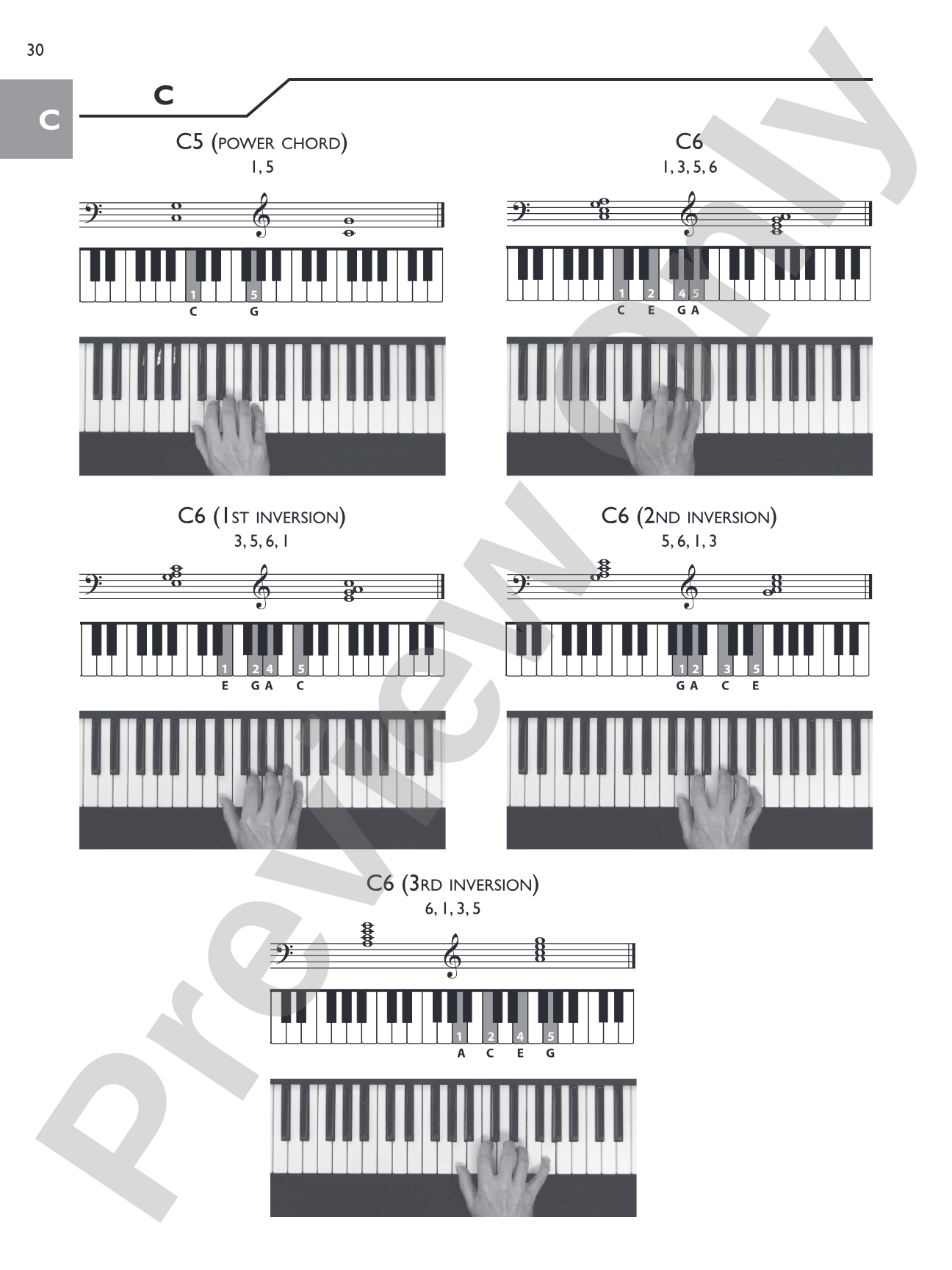
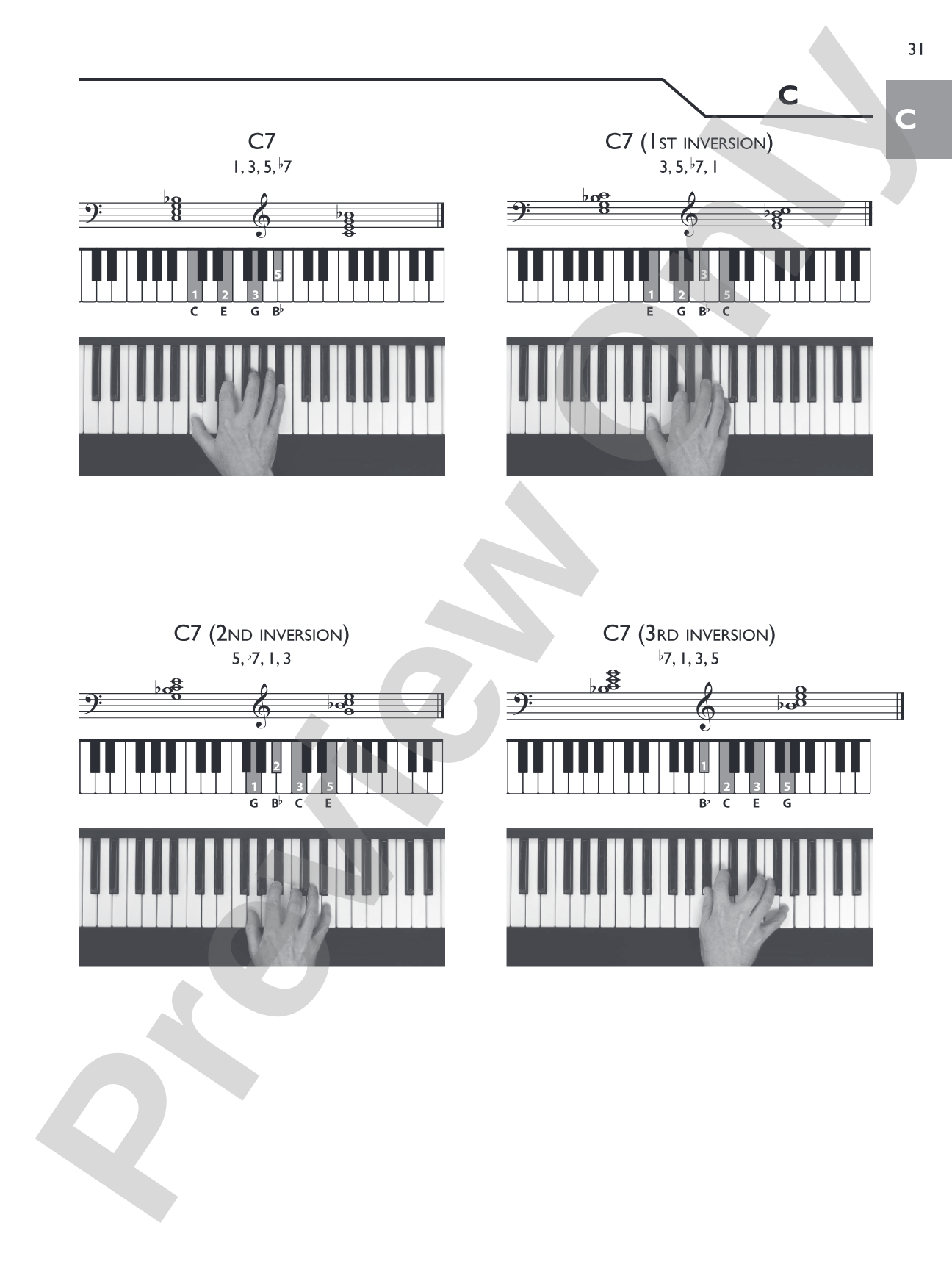
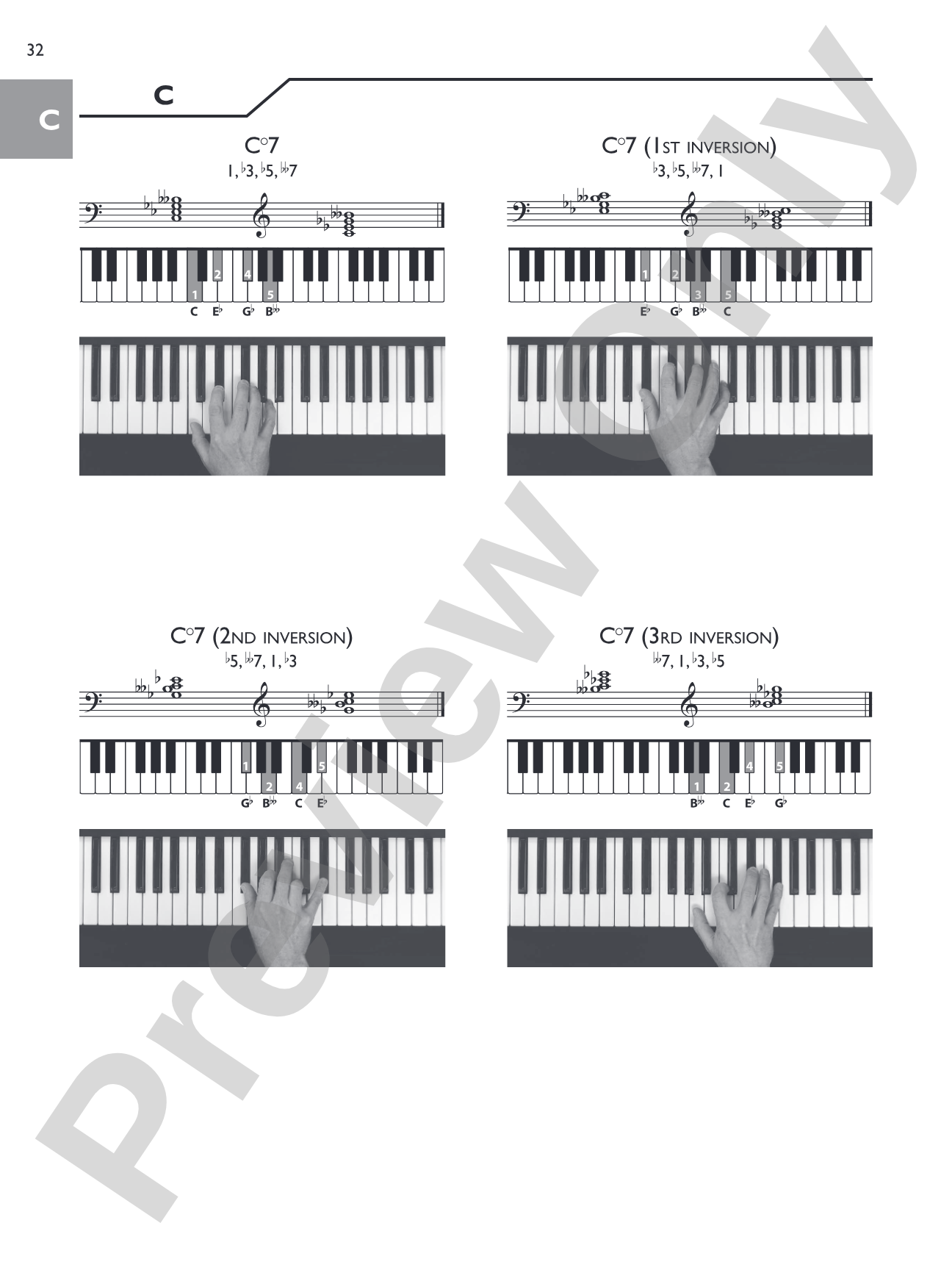
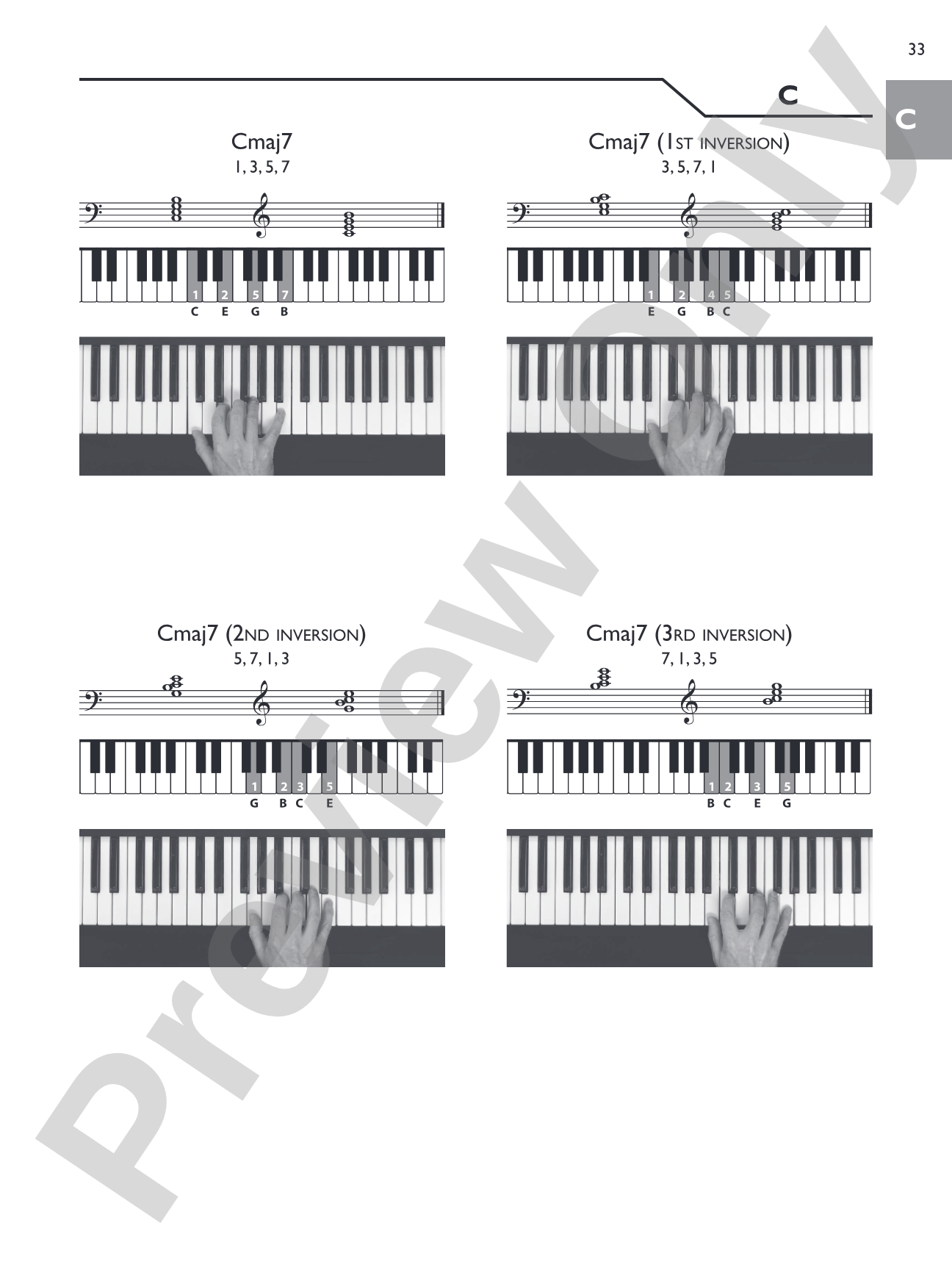
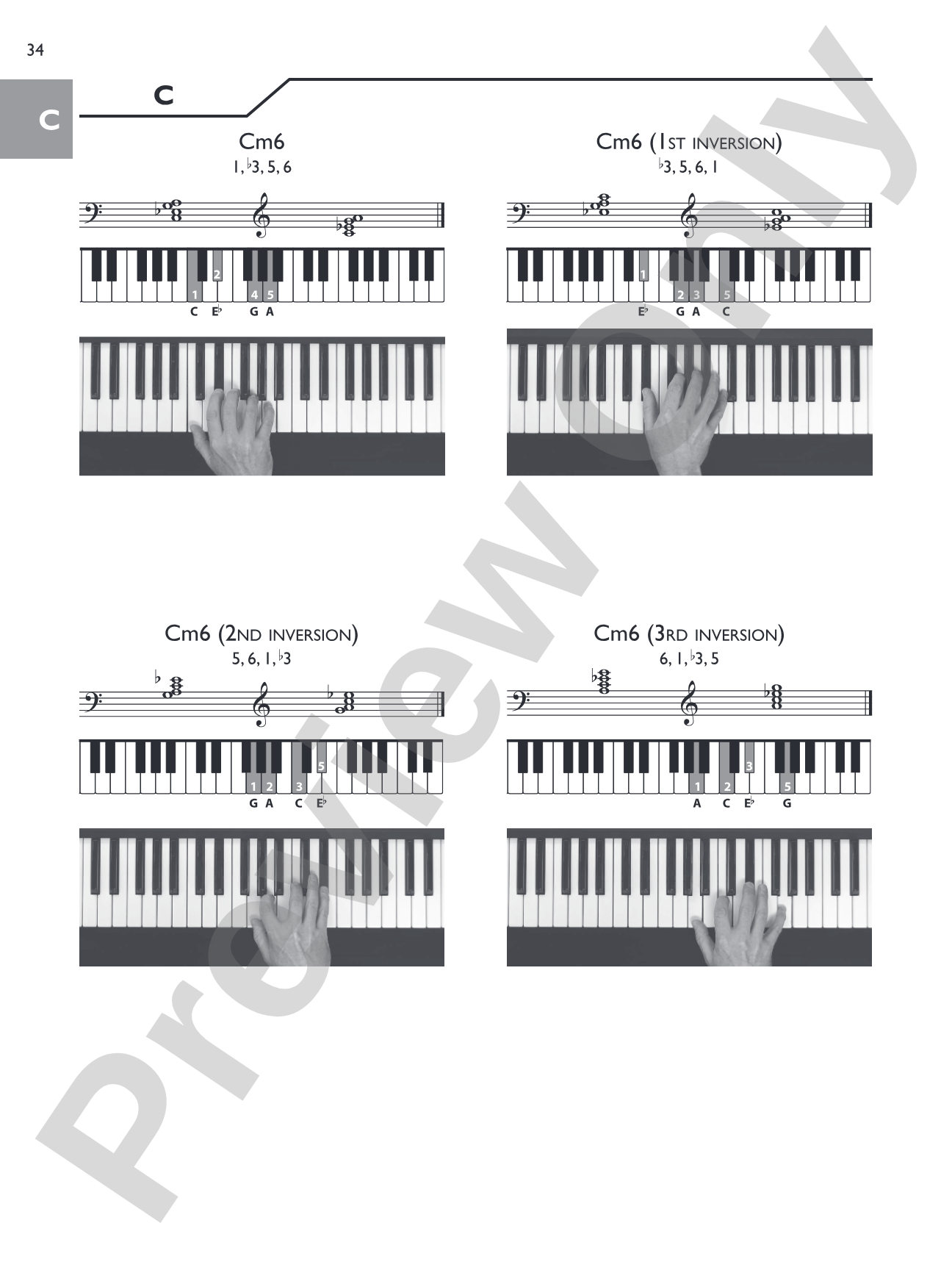
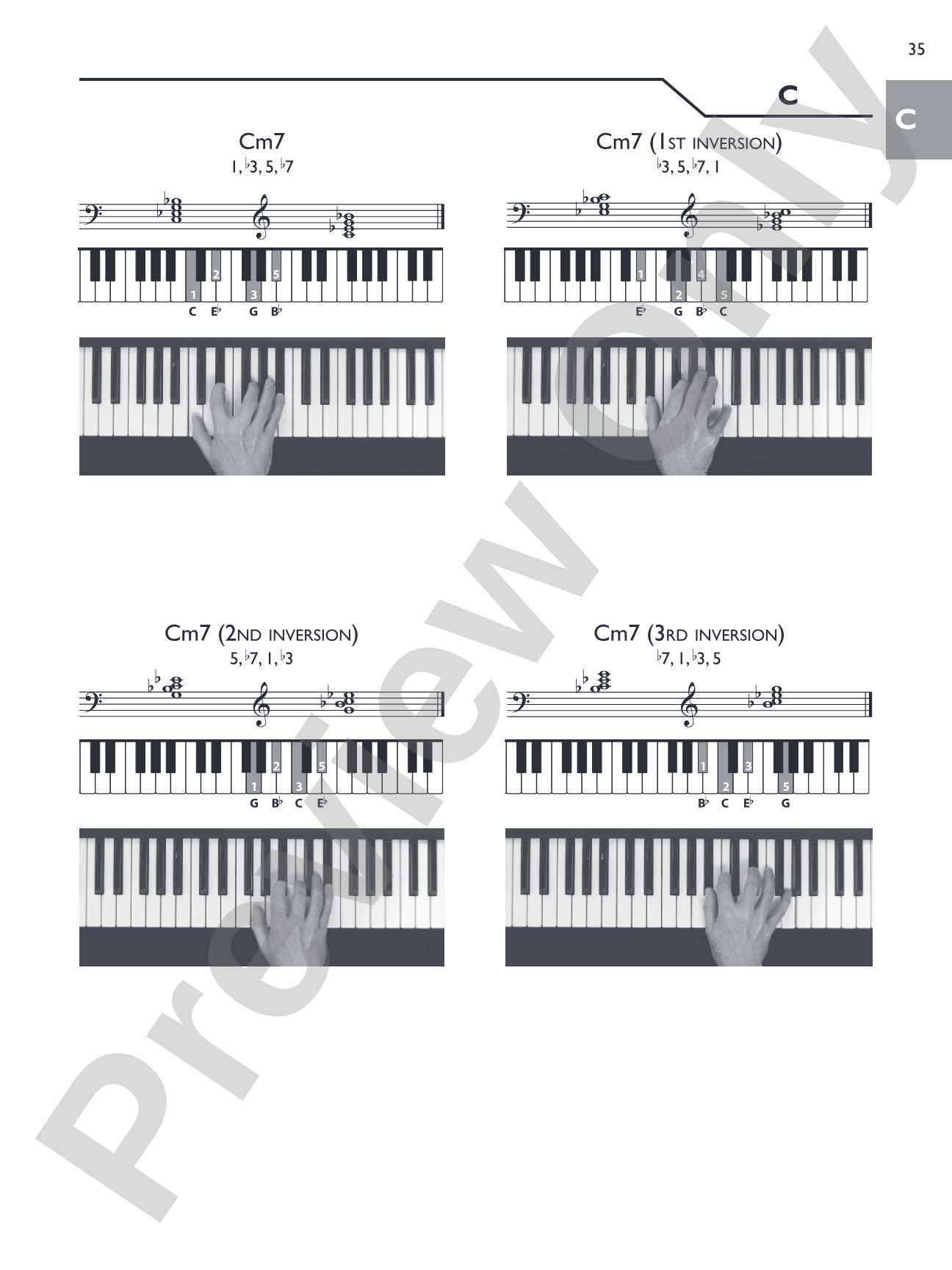
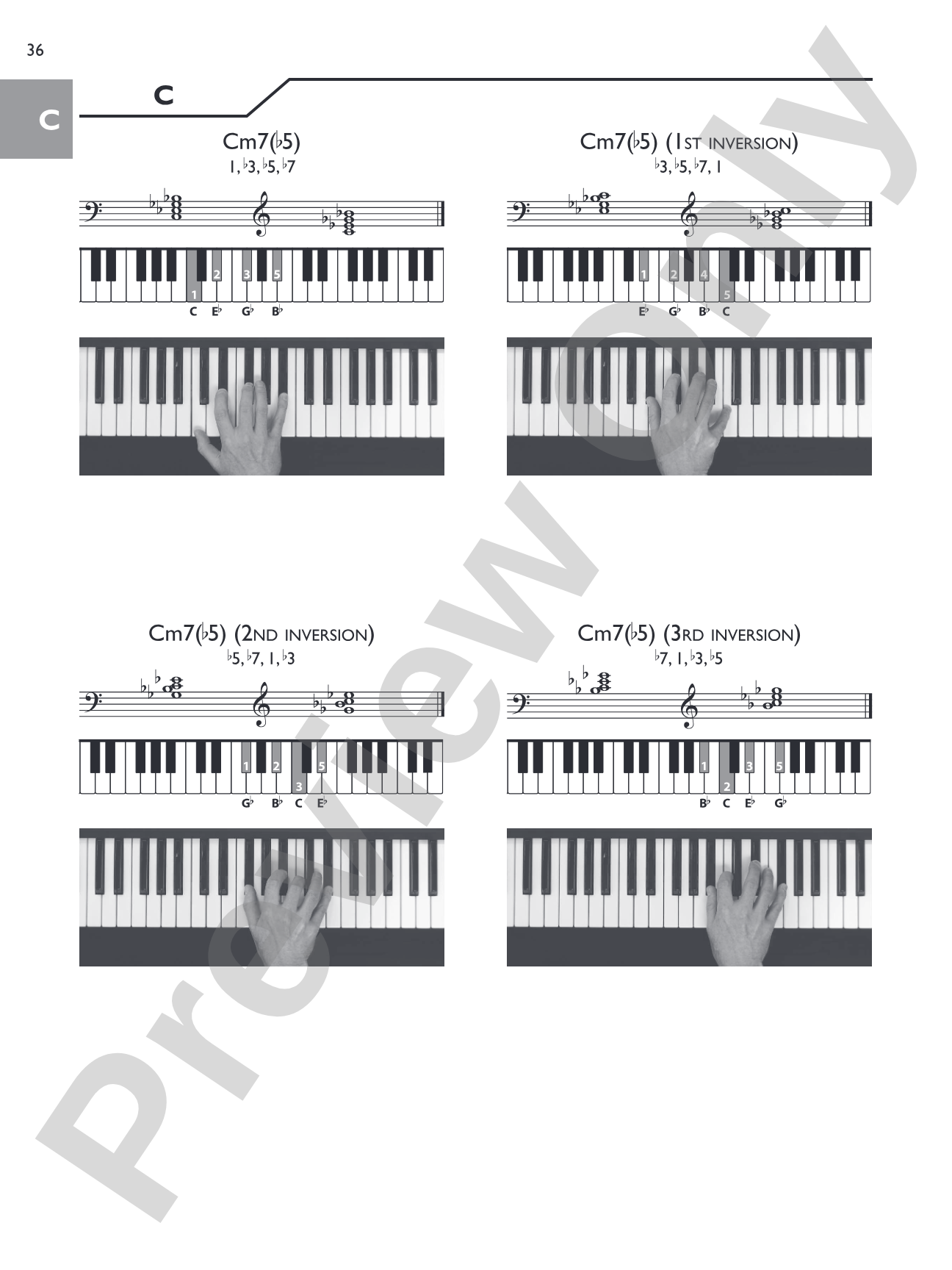
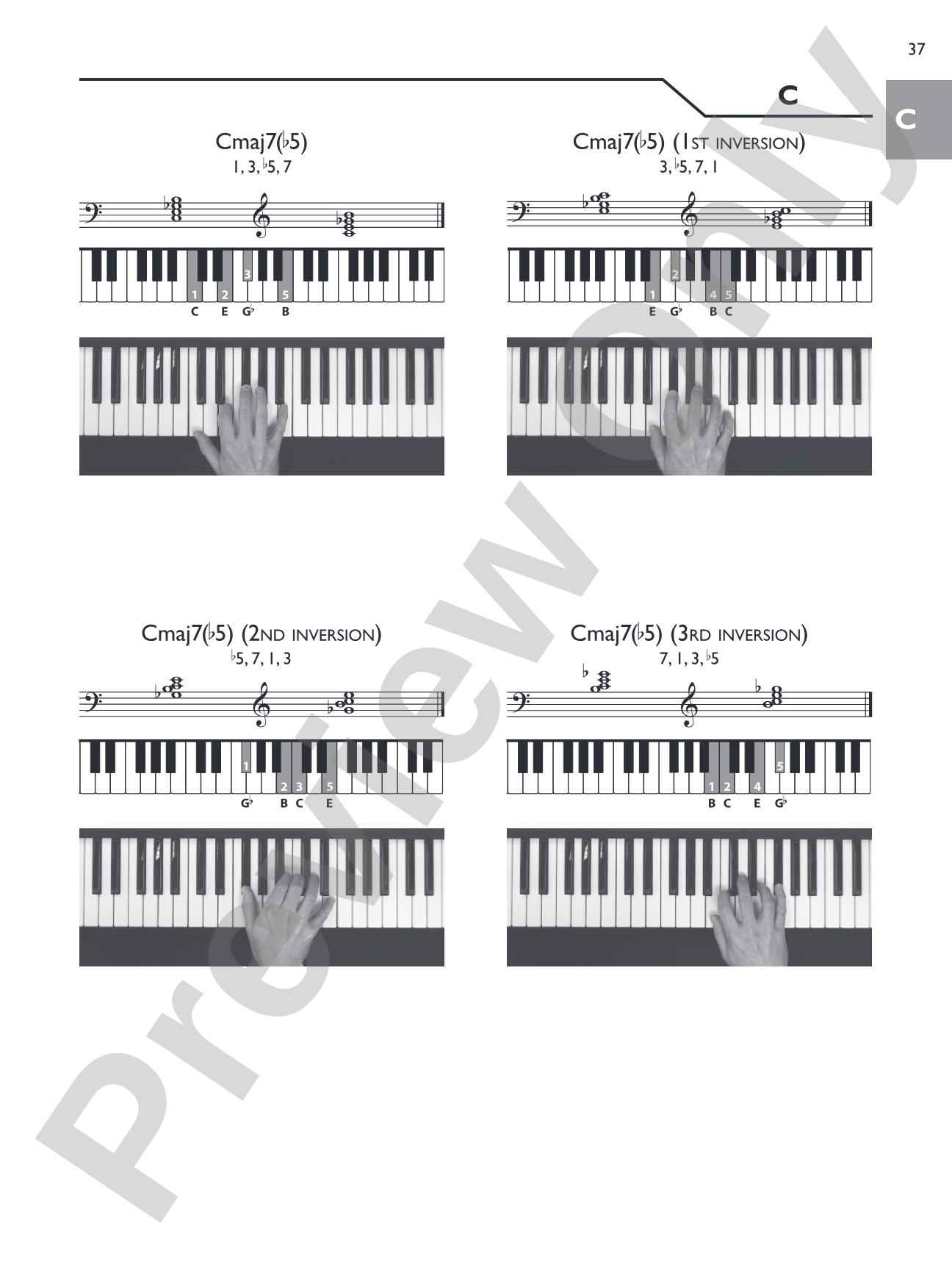
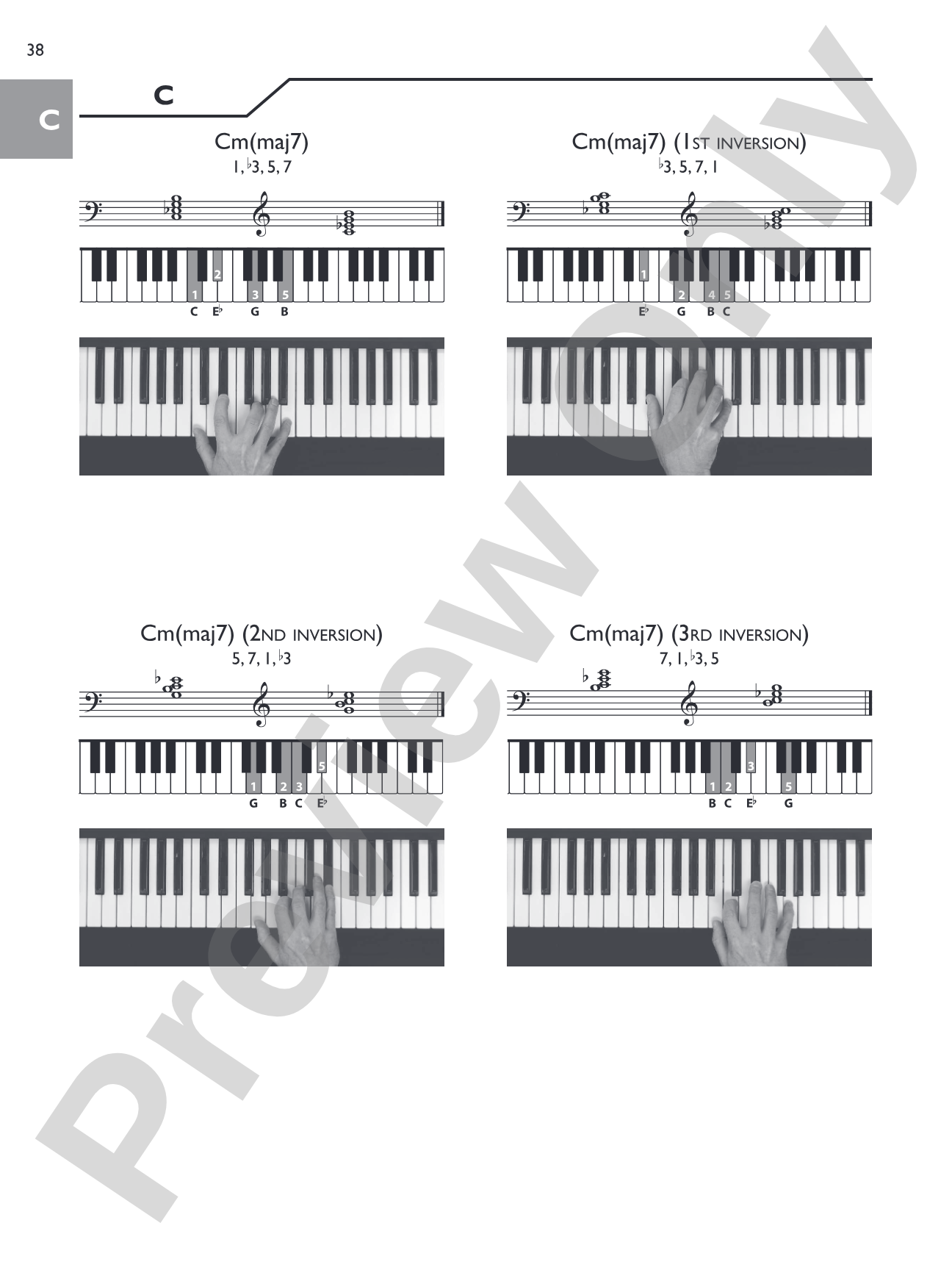
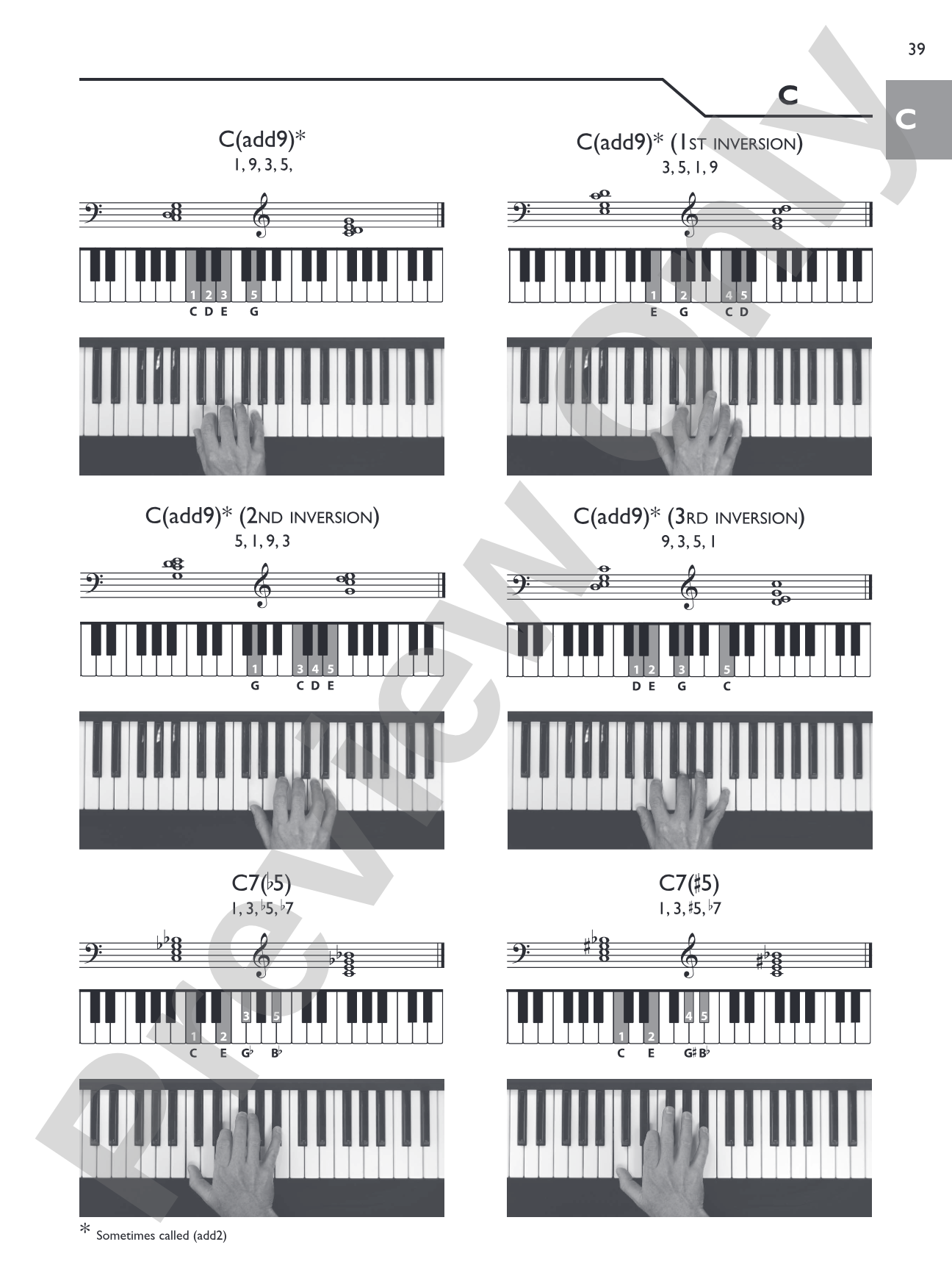
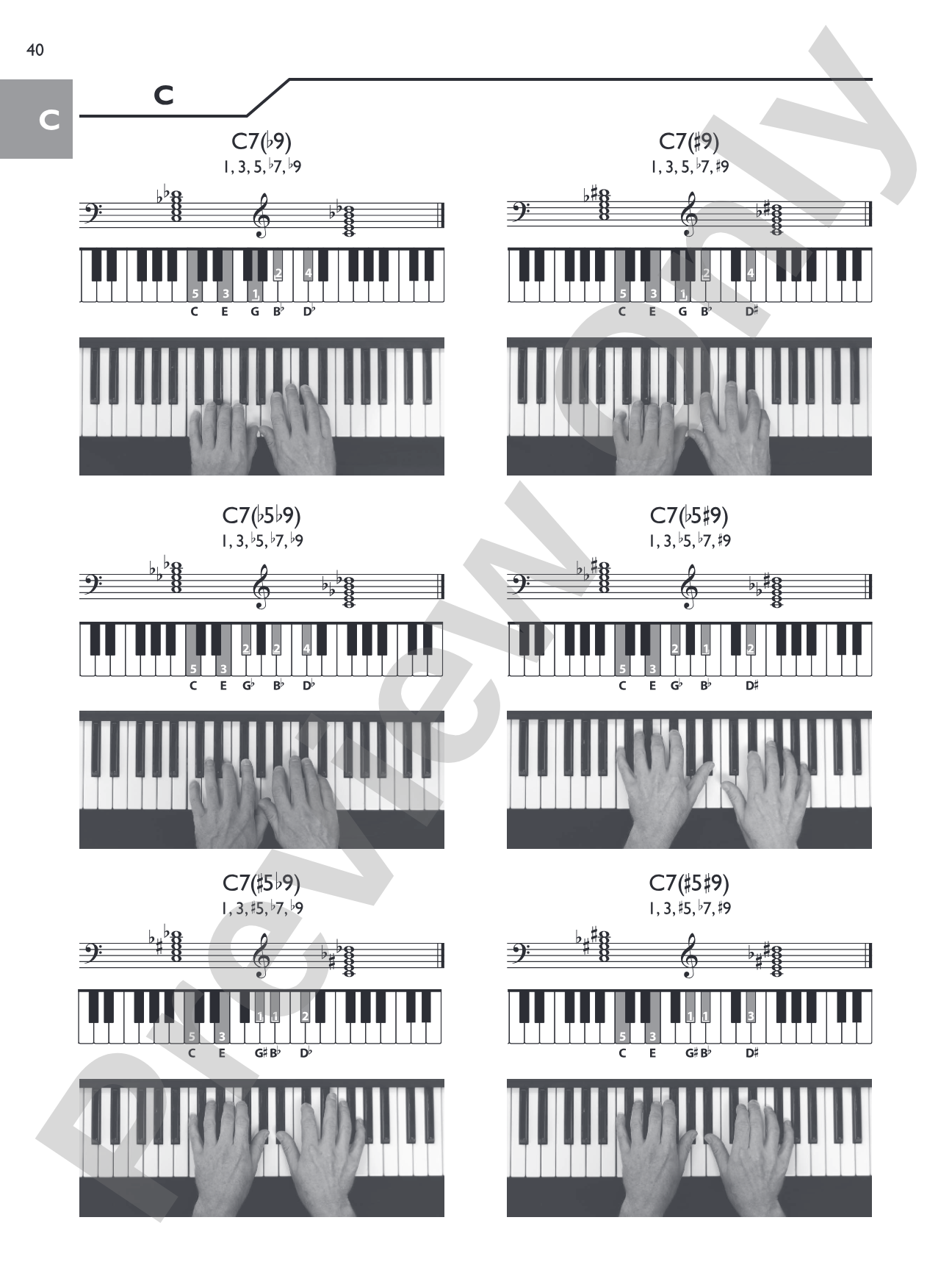
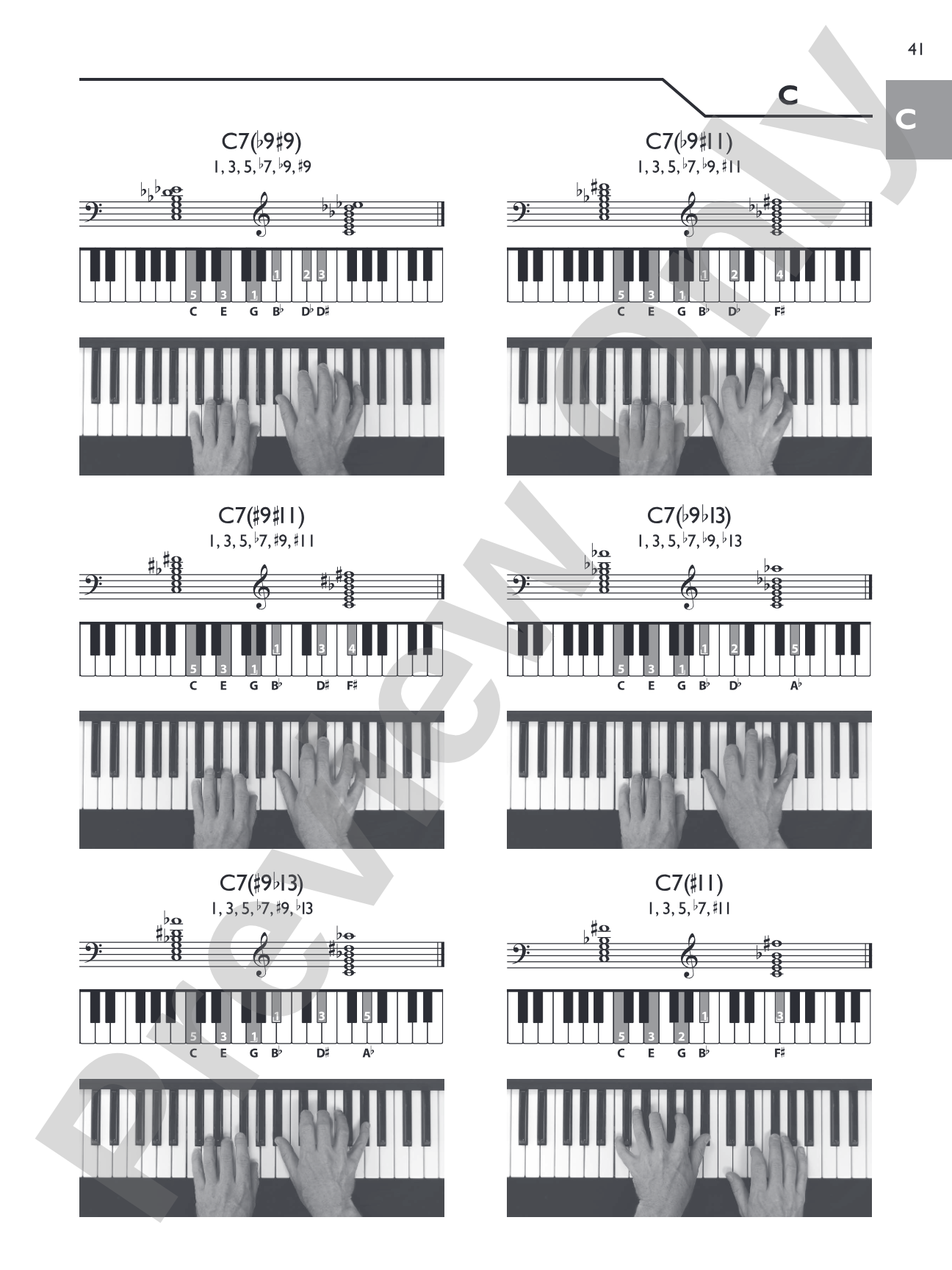
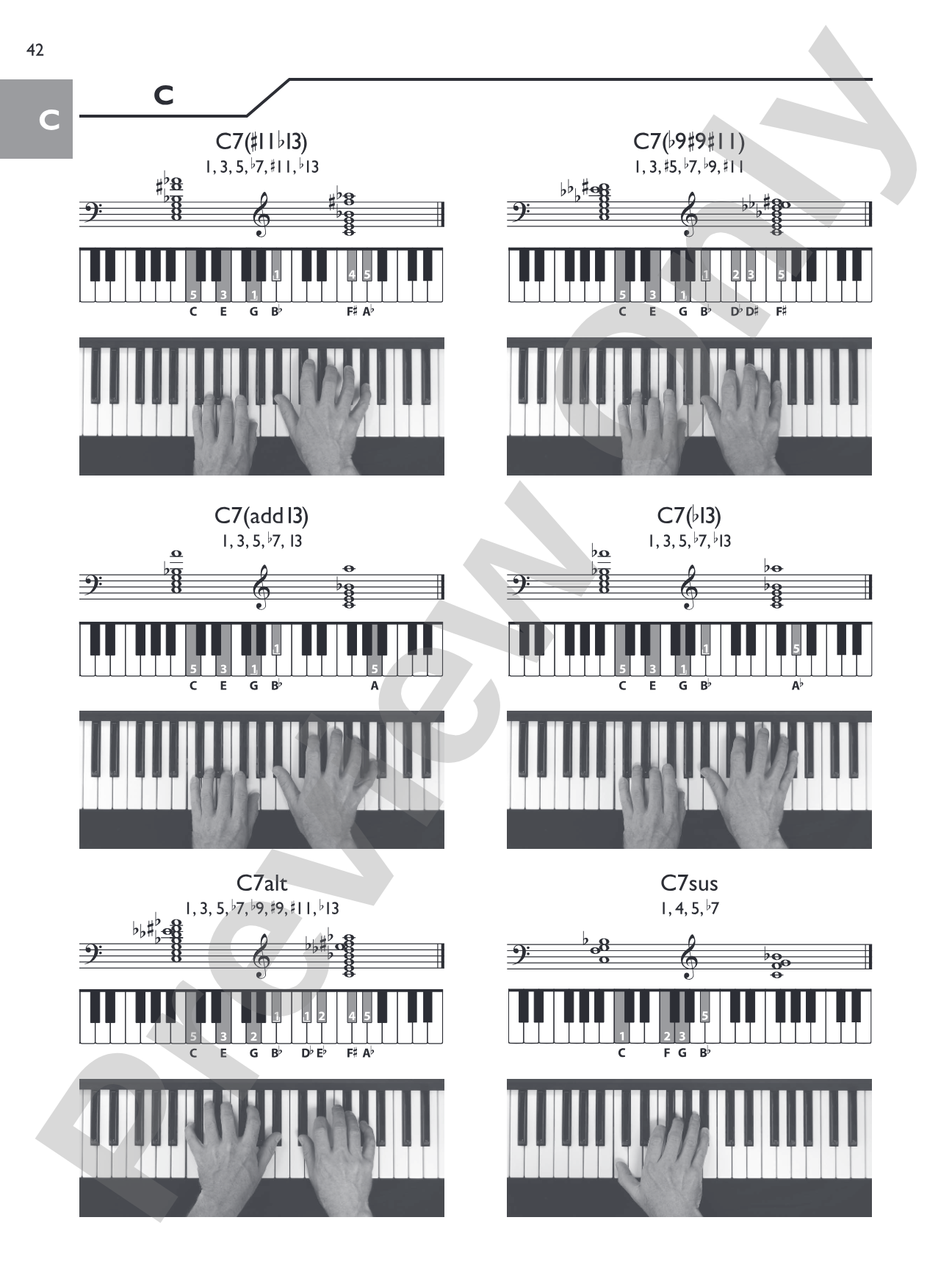
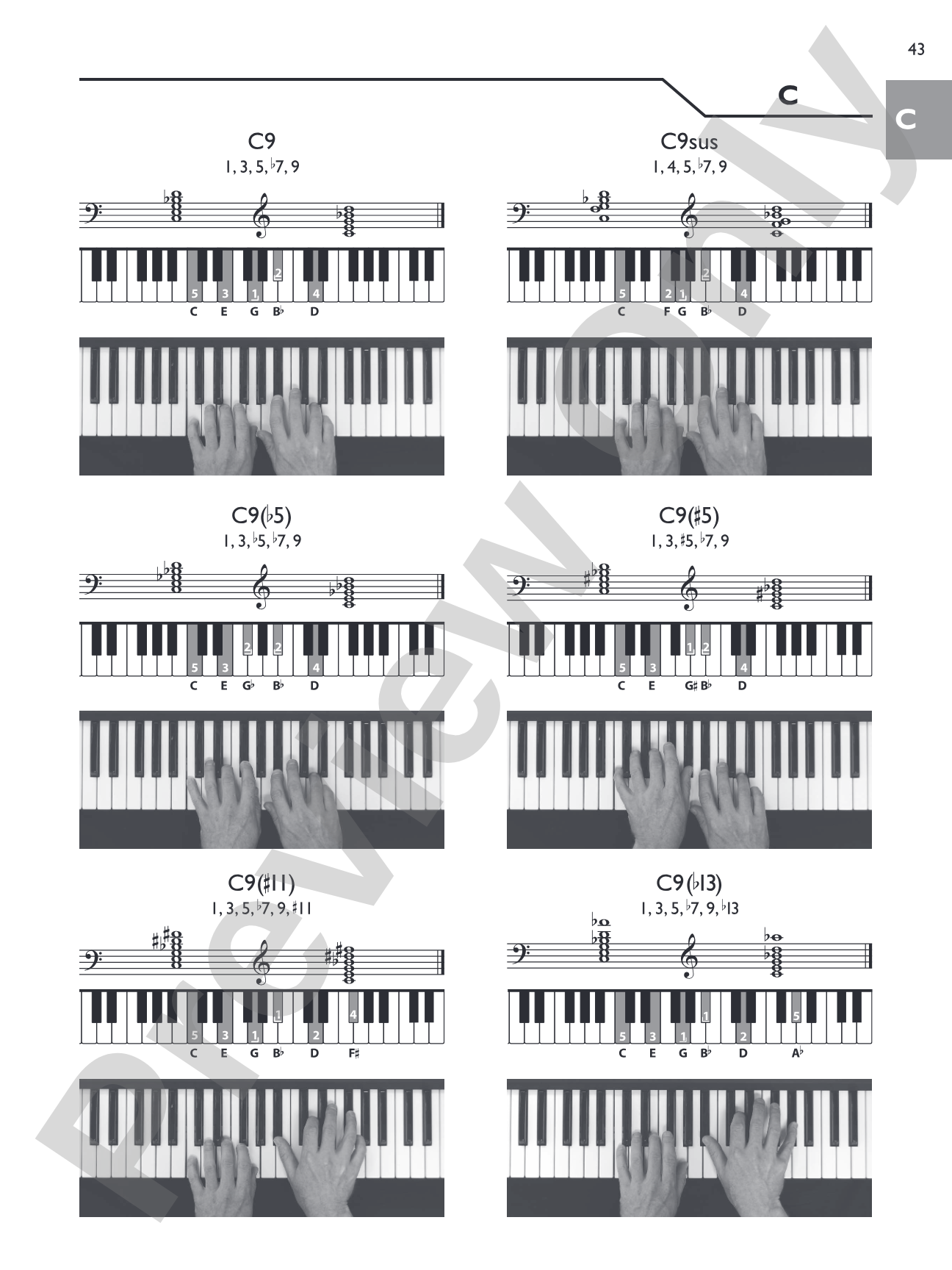
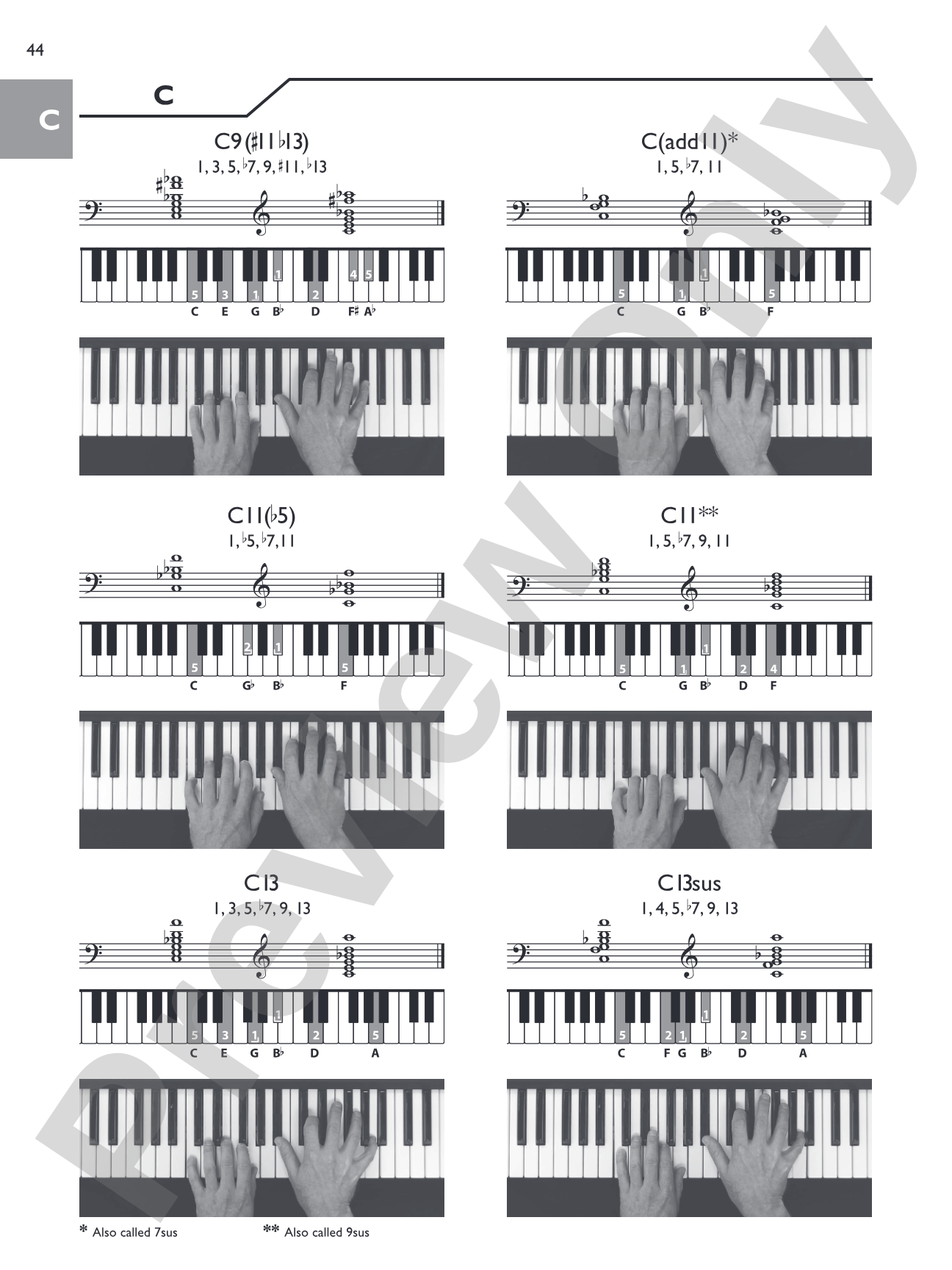
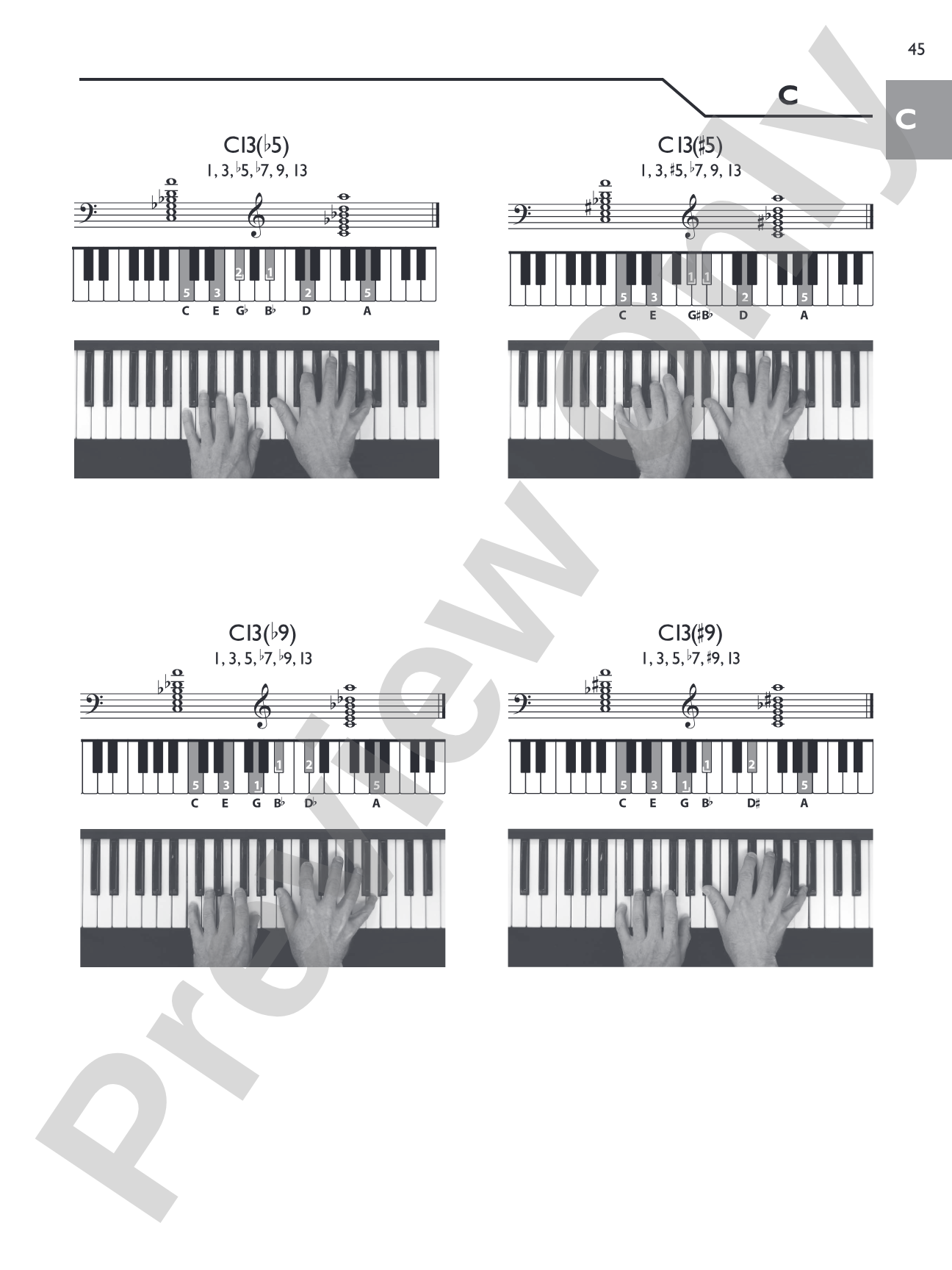
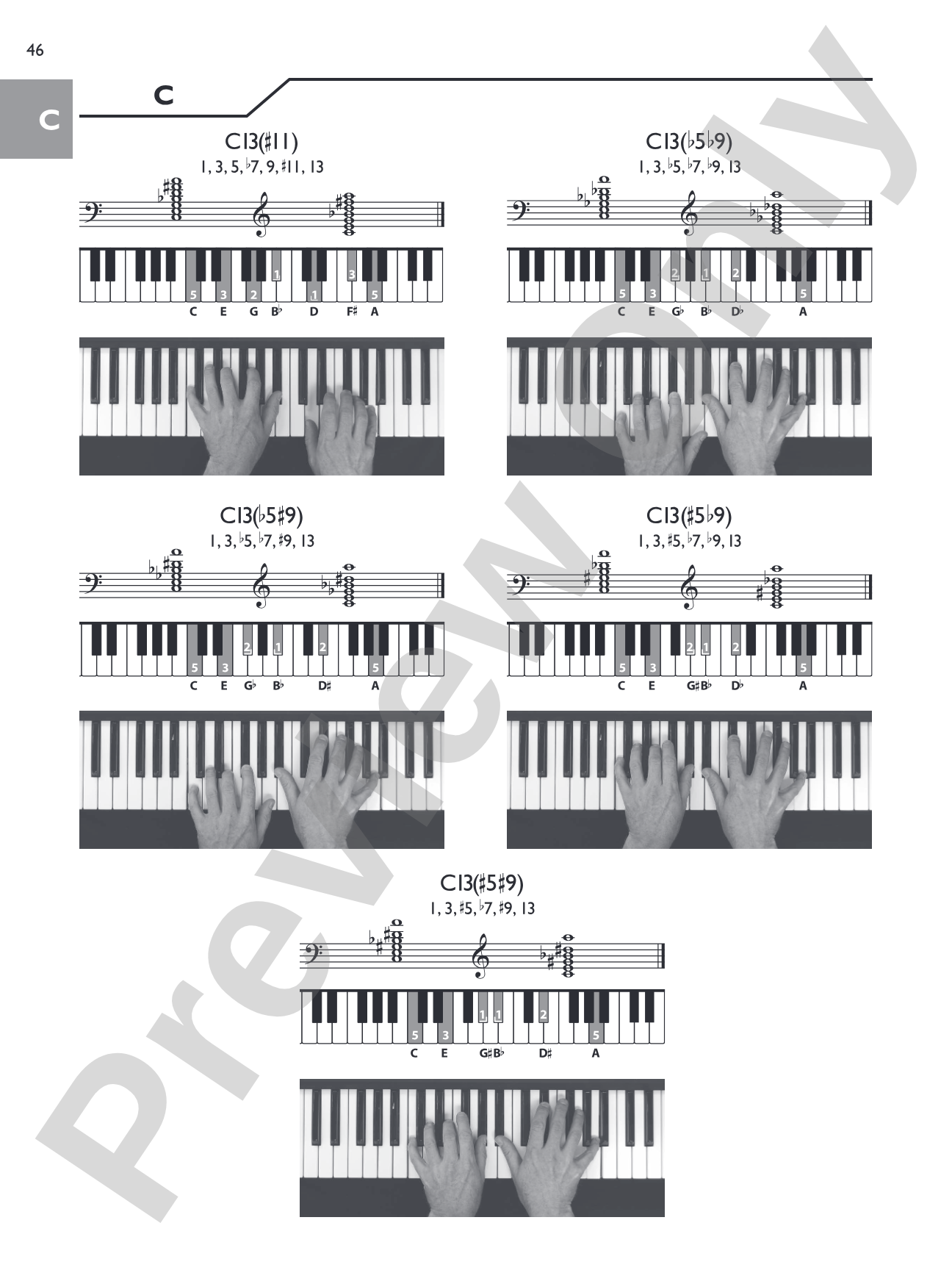
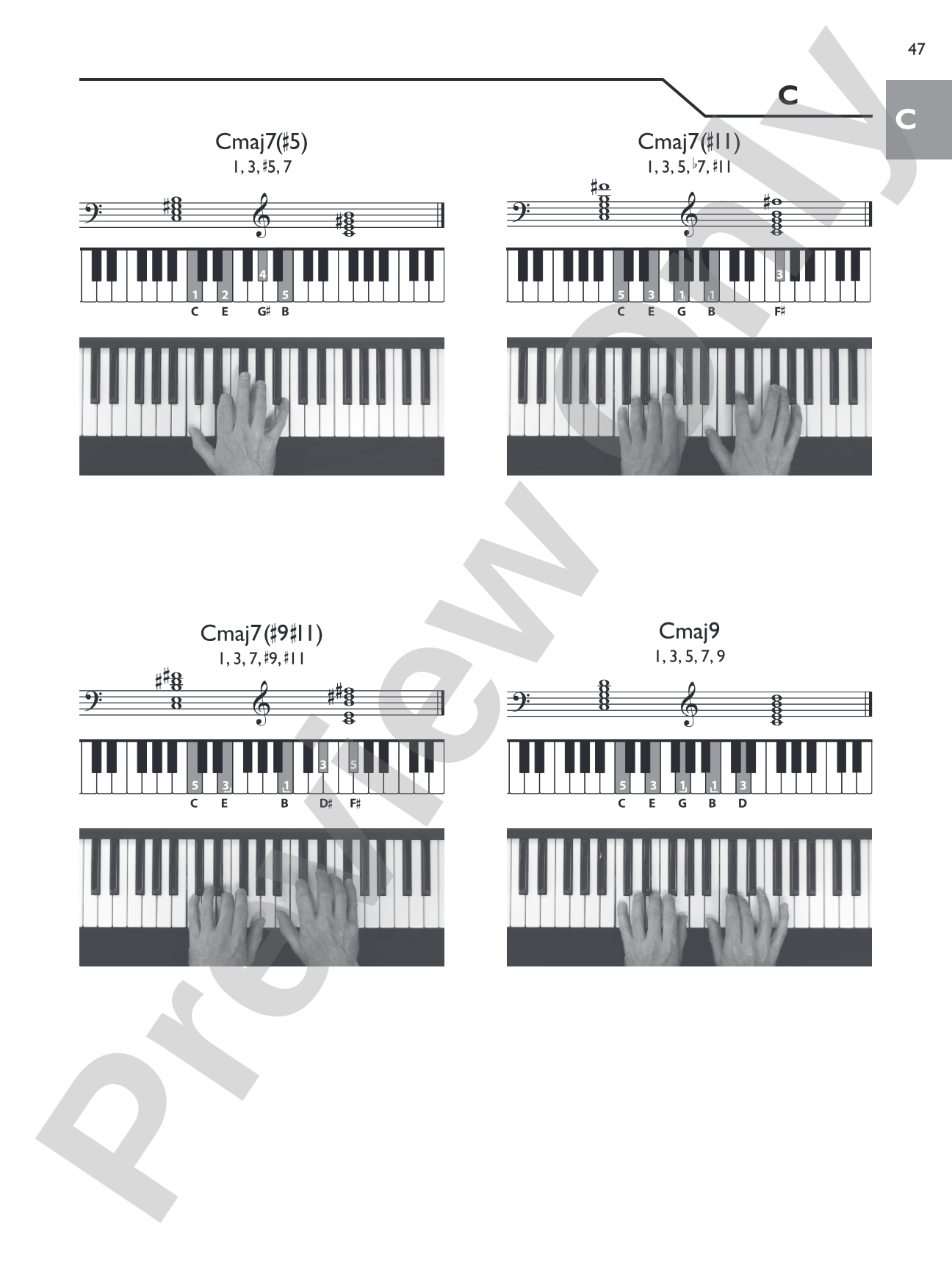
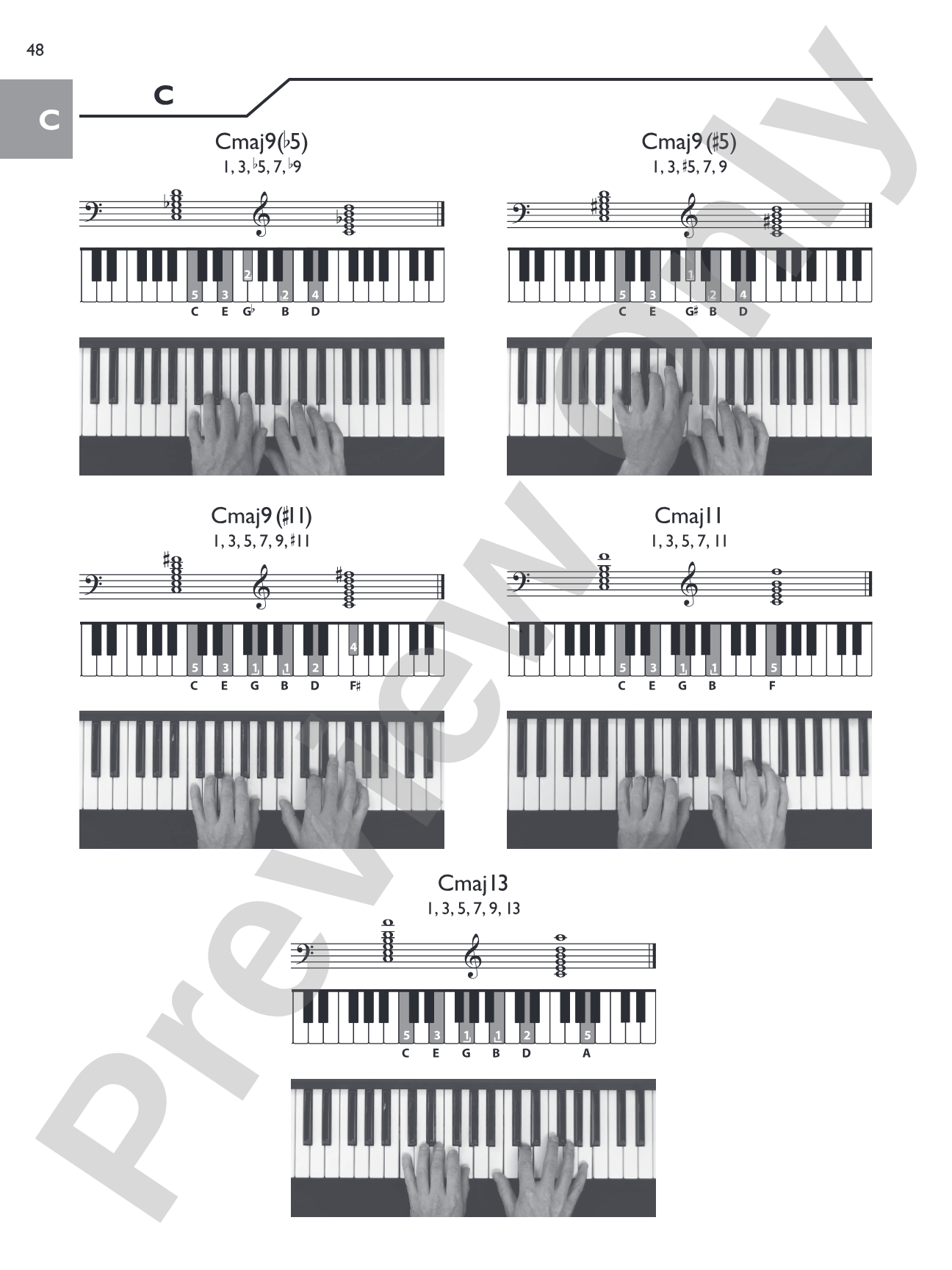
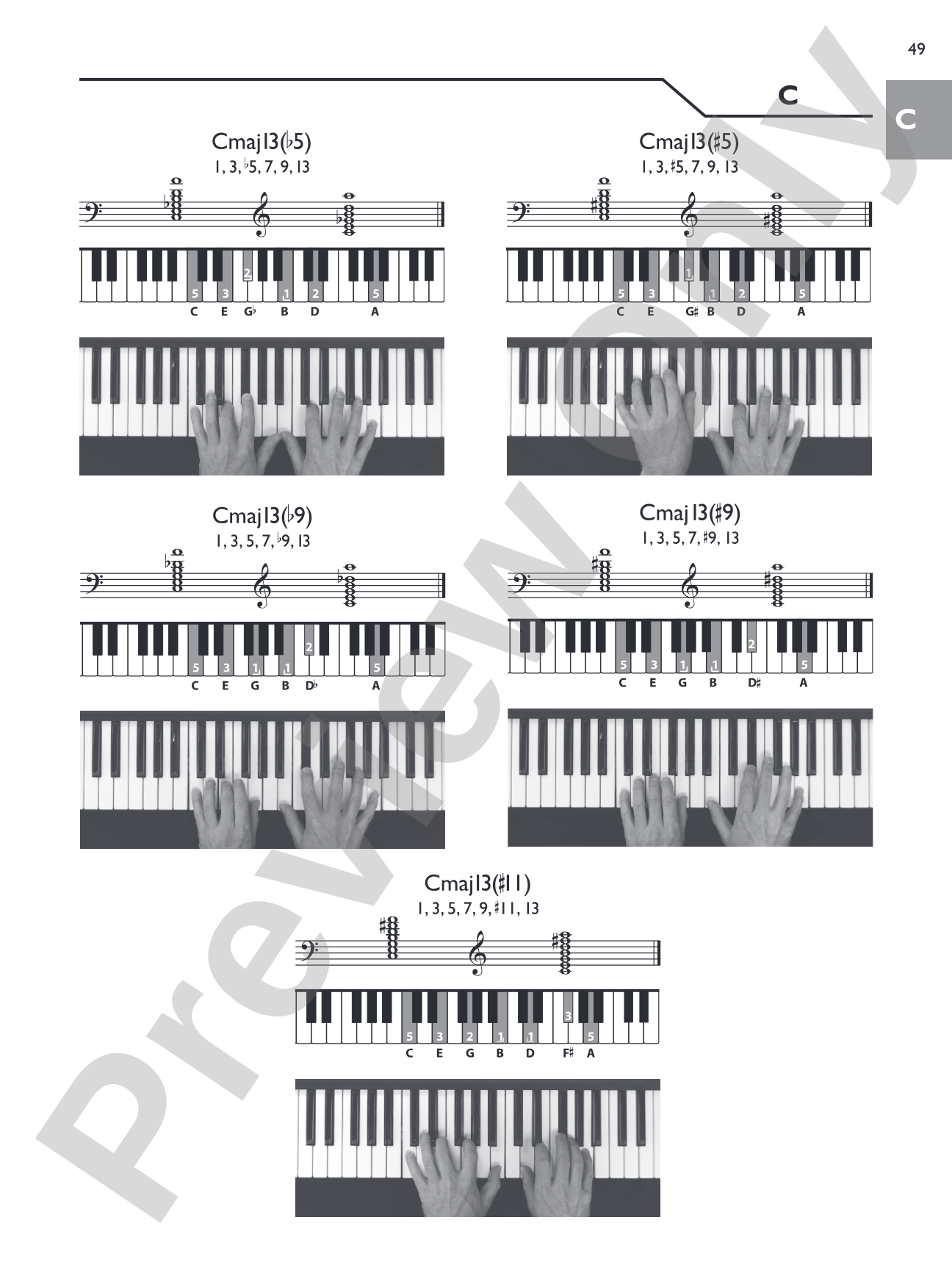
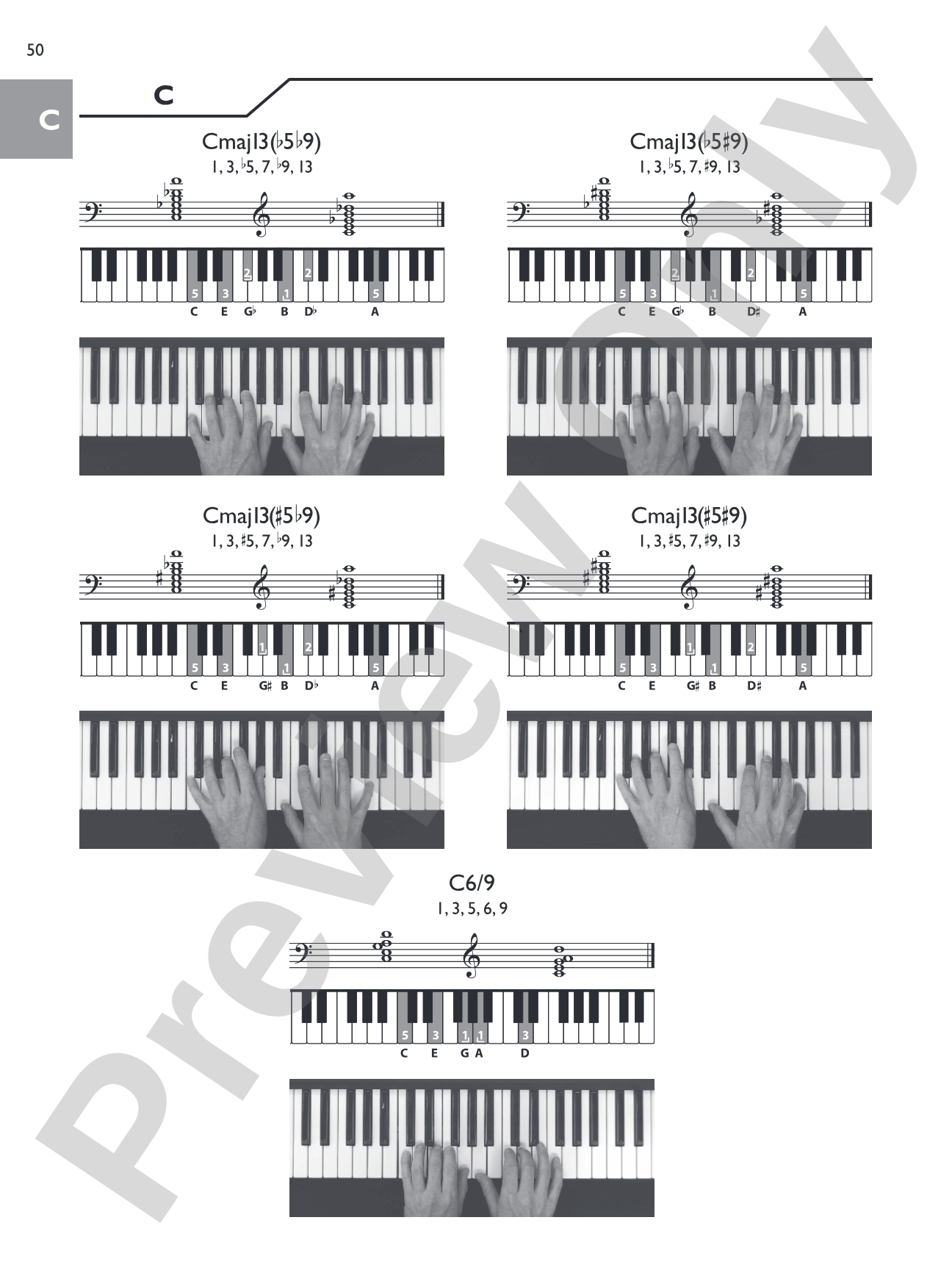
This comprehensive collection of over 1,700 chords features crystal-clear photographs, detailed keyboard illustrations, and standard music notation in bass and treble clefs. Chord fingerings are shown along with scale degrees and note names, and chords are listed alphabetically for easy reference. Concepts like chord construction, intervals, inversions, altered chords, and music theory are explained in simple language to give you a complete understanding of what you are playing. With every chord a keyboardist could ever need, you'll never have to buy another reference book again!


Keyboard Picture Chord Encyclopedia: Includes over 1,700 Chords: Piano isn't in MakeMusic Cloud just yet...but it could be. Let us know you'd like to see it, and you'll help shape what comes next. In the meantime, start a free trial and dive into thousands of interactive titles your students can play along with today.
Request This Title
Tell us you want it.
Start Your Free Trial
Explore everything that's ready to play right now.
Sample Audio
No sample audio found.
Sample Video
No sample videos found.
Additional Details
Publisher:
Alfred Music
Page Count:
384
SKU:
00-PB-0001828
More about this title
Why we love this
This is the reference book you actually keep at the piano instead of letting it gather dust on a shelf. The combination of photographs, keyboard diagrams, and notation means students can learn a chord three different ways in one place, which dramatically speeds up recognition and muscle memory.
What to expect
Comprehensive without being overwhelming. You open it looking for one thing and end up learning three others because the visual format invites browsing. It transforms chord reference from a frustrating hunt into a confident lookup.
Who it's for
Piano students, jazz musicians, and keyboardists who need to move beyond basic triads and understand the full landscape of voicing options. Teachers will appreciate having one authoritative source to hand a student when questions about chord theory arise.
How to get the most out of it
- Start with the alphabetical index to locate unfamiliar chord types quickly during rehearsals or practice sessions
- Use the scale degree labels alongside chord voicings to understand how each chord functions within a key center
- Reference the inversions section when arranging music for keyboard or deciding how to voice a chord progression smoothly
- Study the chord construction explanations before tackling altered extensions; this builds the mental framework for understanding why a chord sounds the way it does
How to use it
Keep a copy in the piano studio, rehearsal room, or jazz band folder as a standing resource. When students transpose music, voice parts for small ensemble arrangements, or improvise over changes, they have immediate access to options that fit the style and technical level of the piece at hand.
Skills your students will build
- Chord recognition across major, minor, diminished, augmented, and altered voicings
- Understanding chord inversions and how they voice smoothly in progressions
- Interval identification within chords using scale degree labels
- Reading chord voicings in both treble and bass clef notation
- Chord construction from intervals to extended and altered extensions
- Applying music theory concepts to keyboard fingering patterns