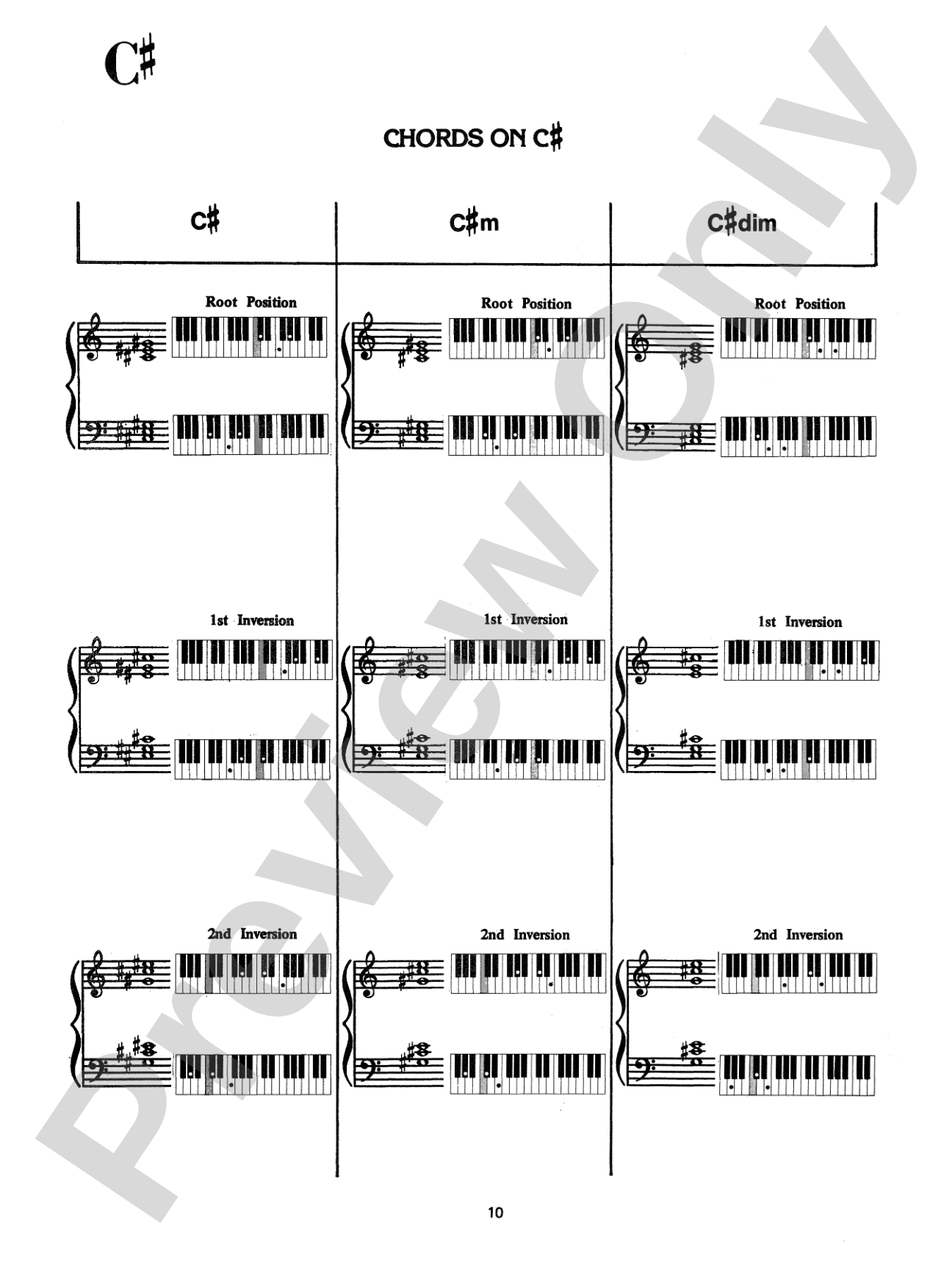
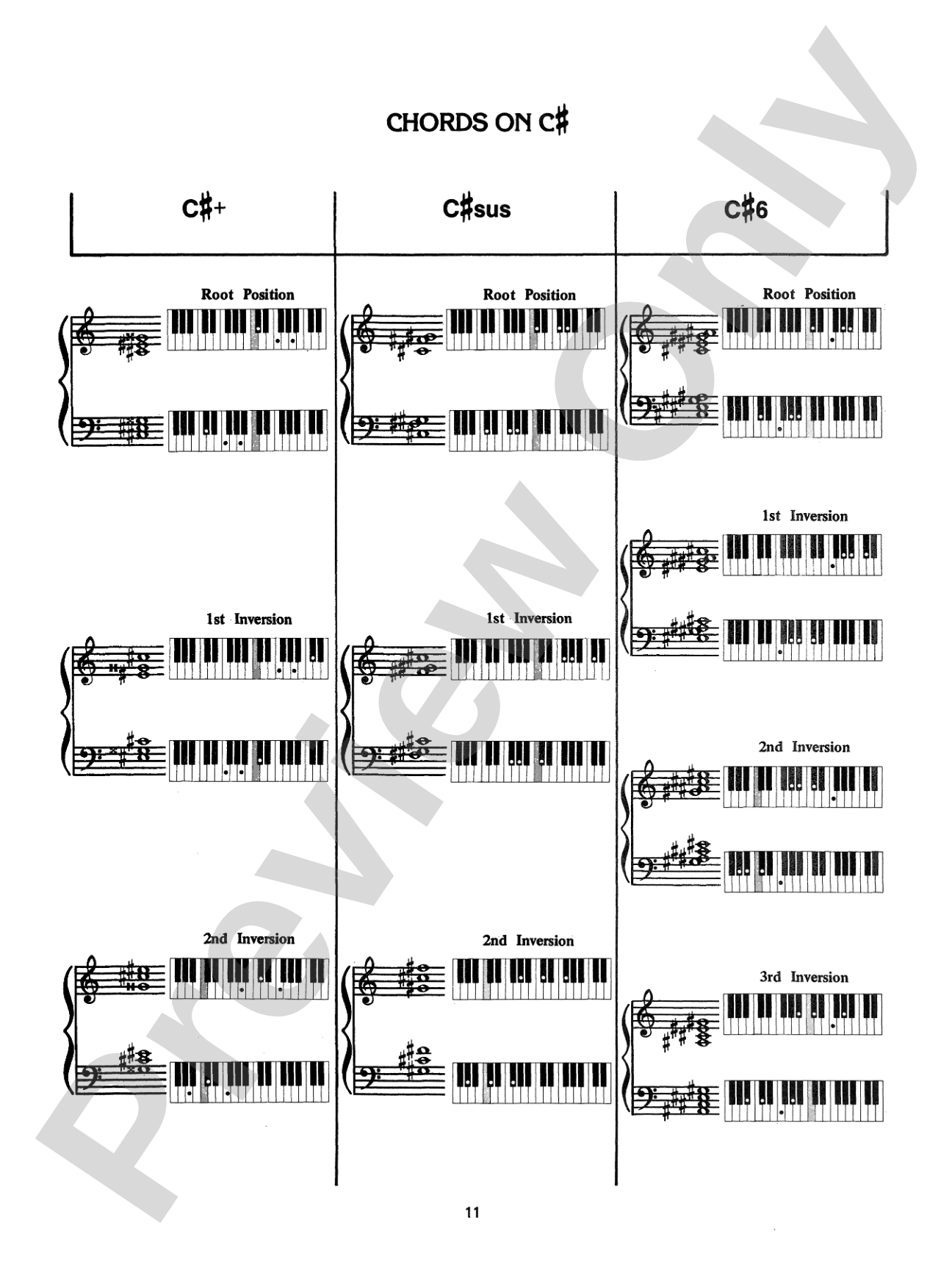
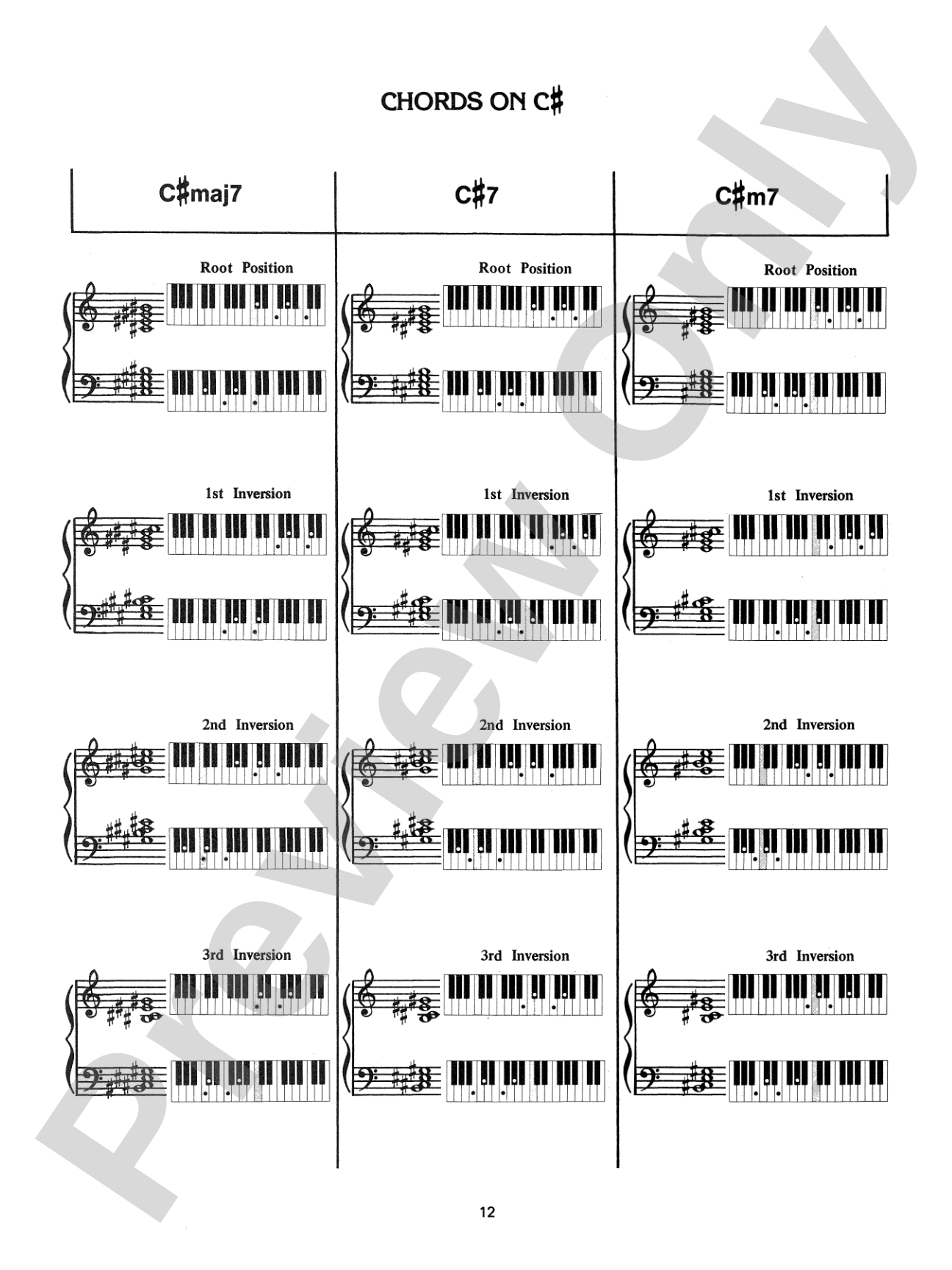
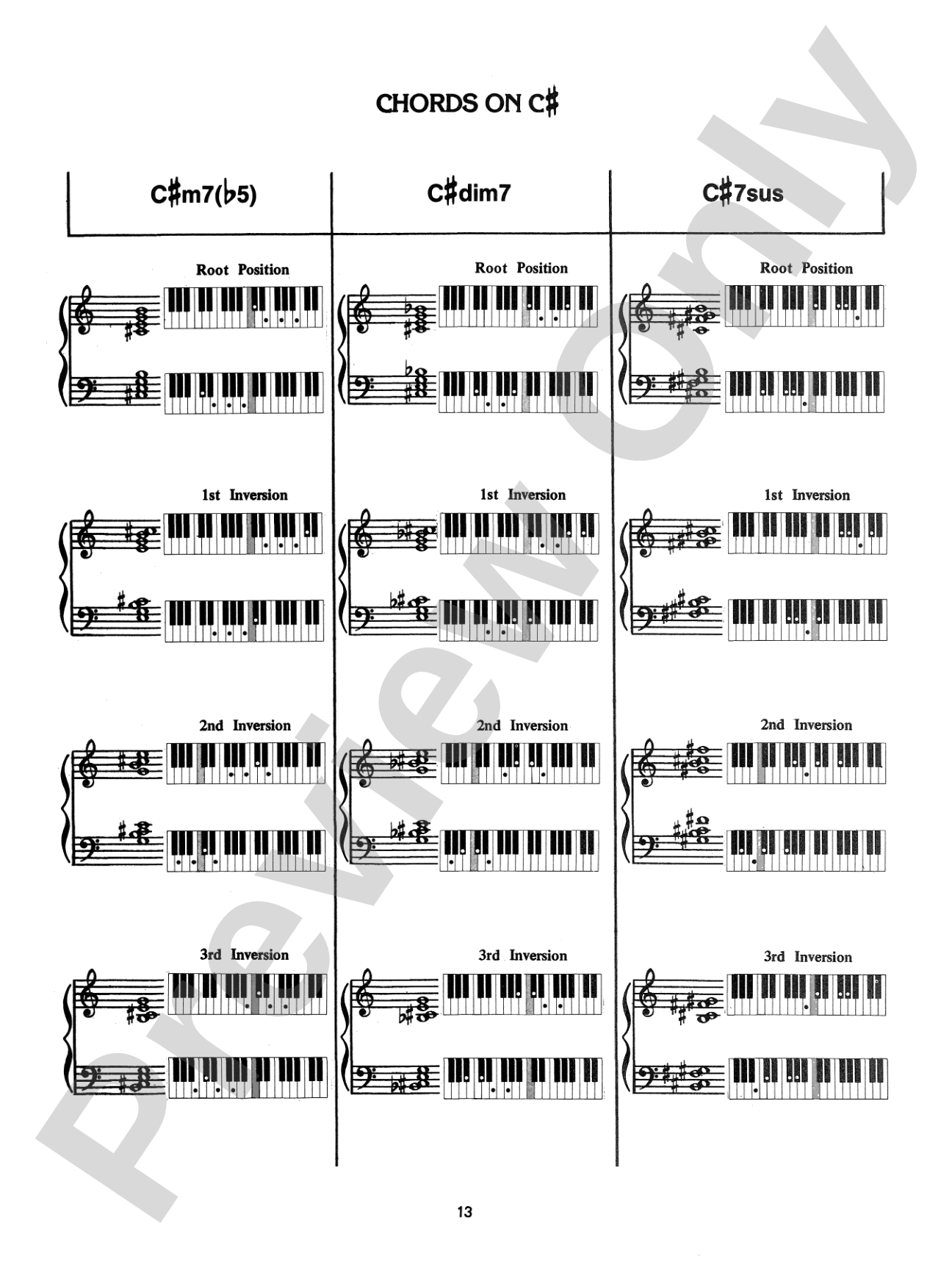
Keyboard Chord Dictionary Sheet Music Preview

Keyboard Chord Dictionary: Piano

Item: 00-PB-0002622

Digital Download
$12.95
Description
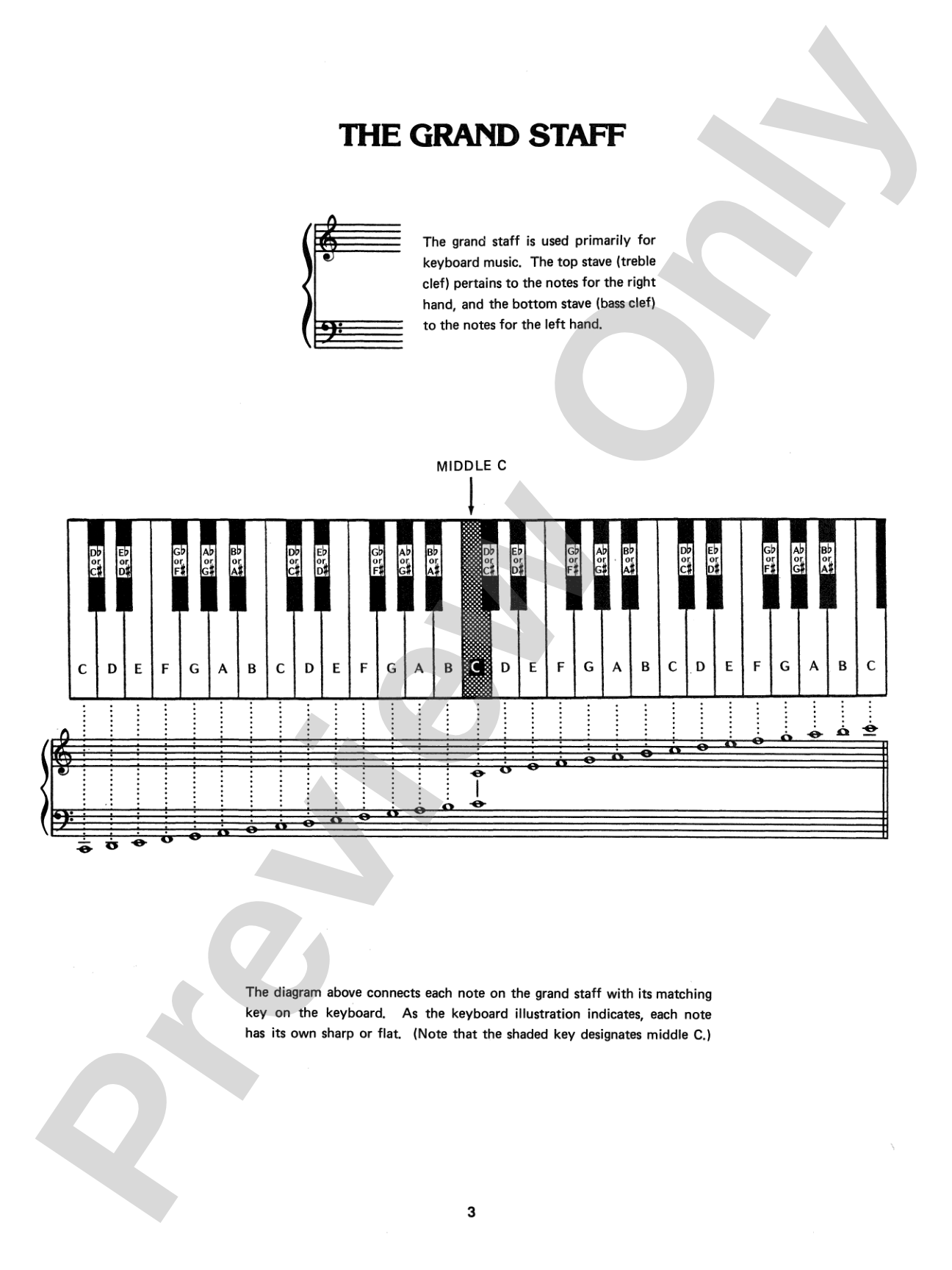
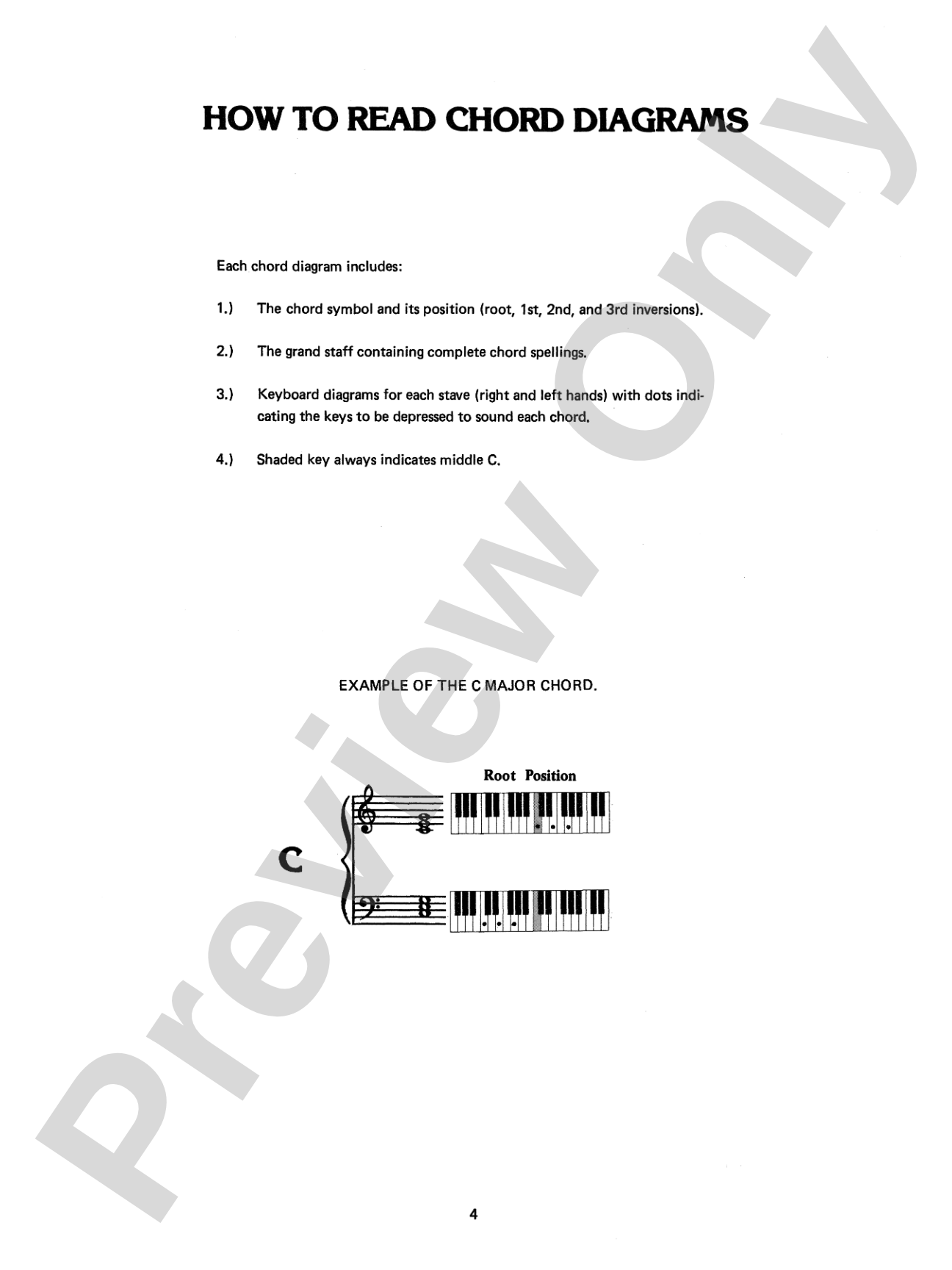
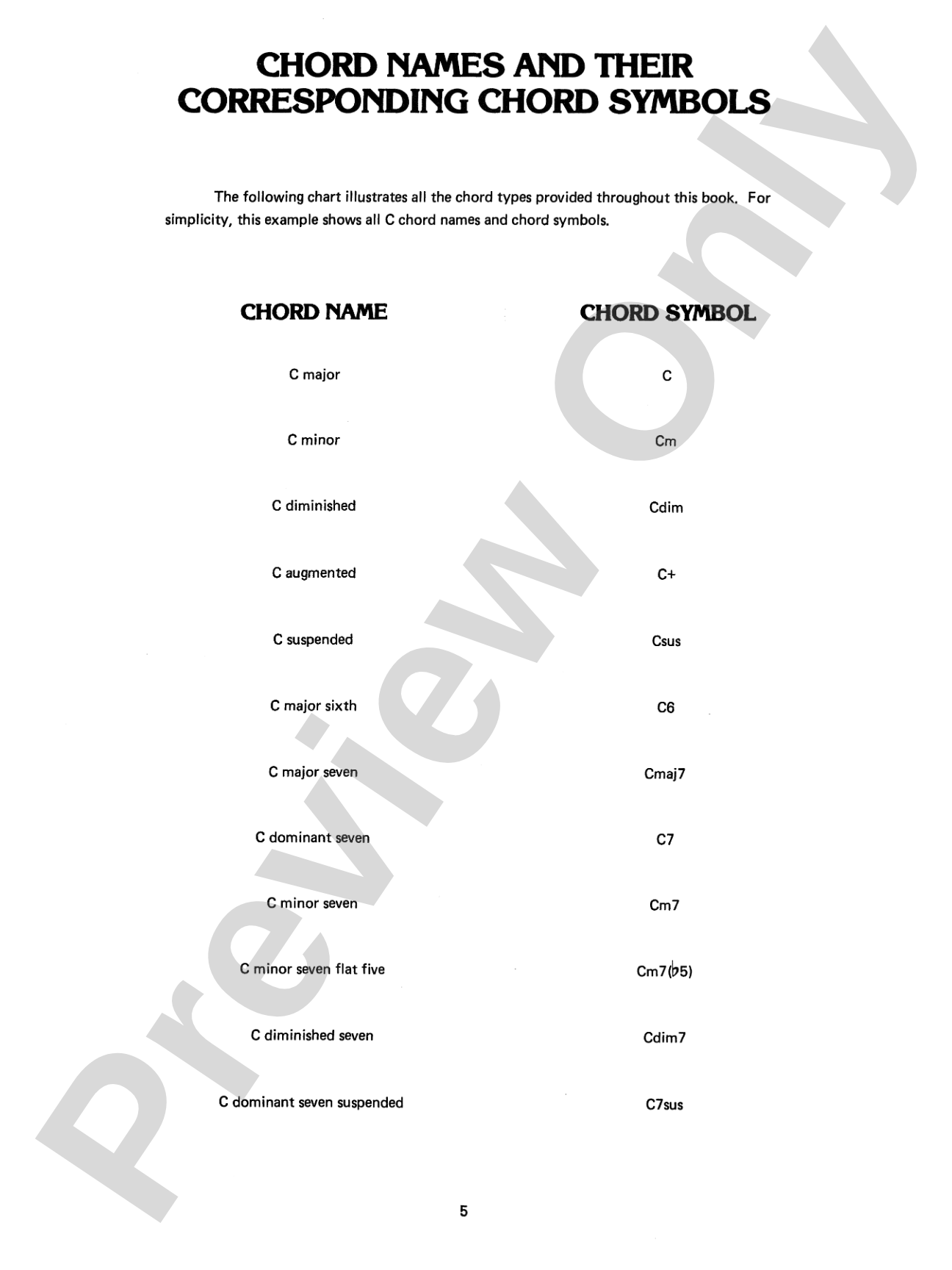
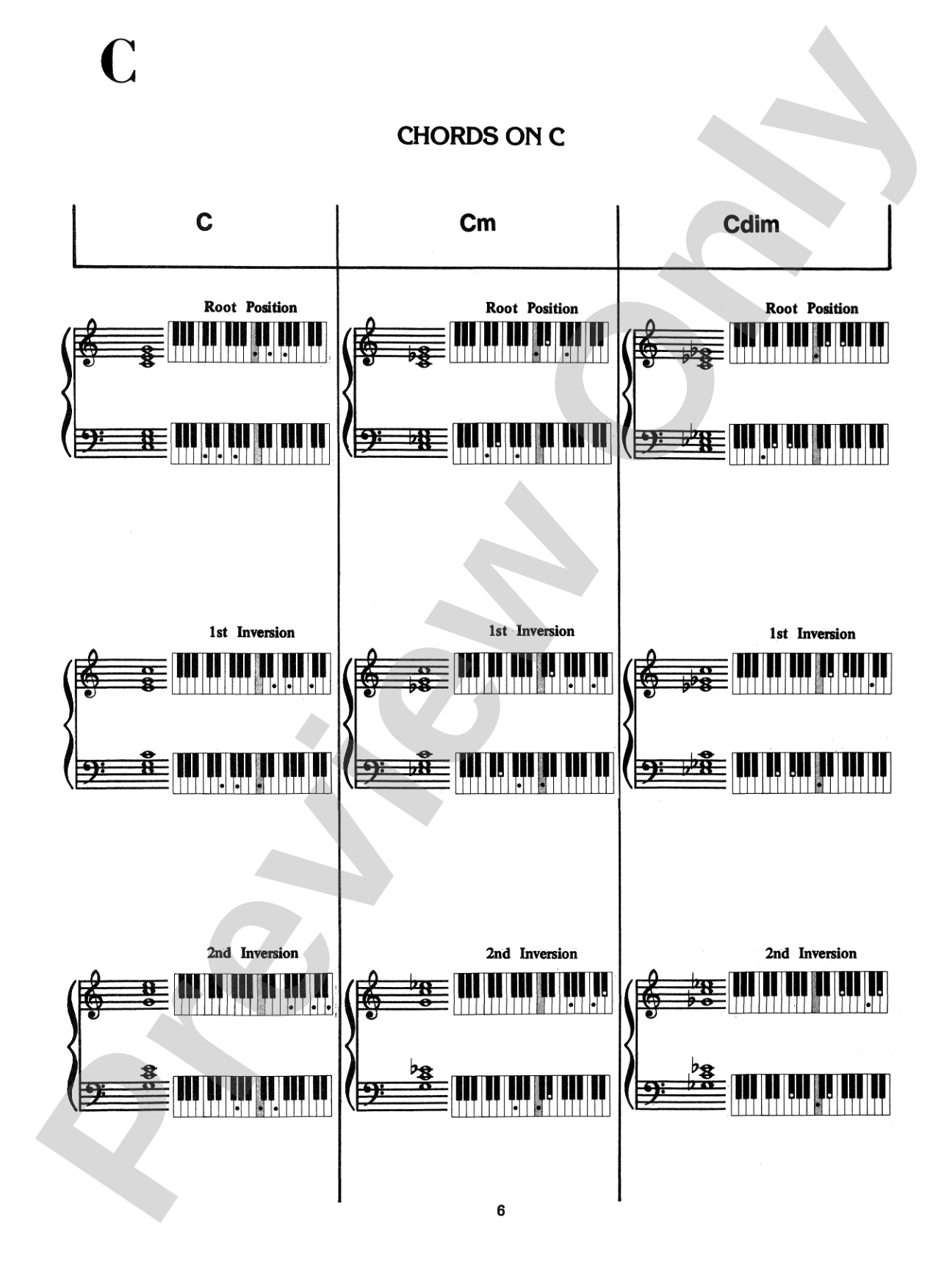
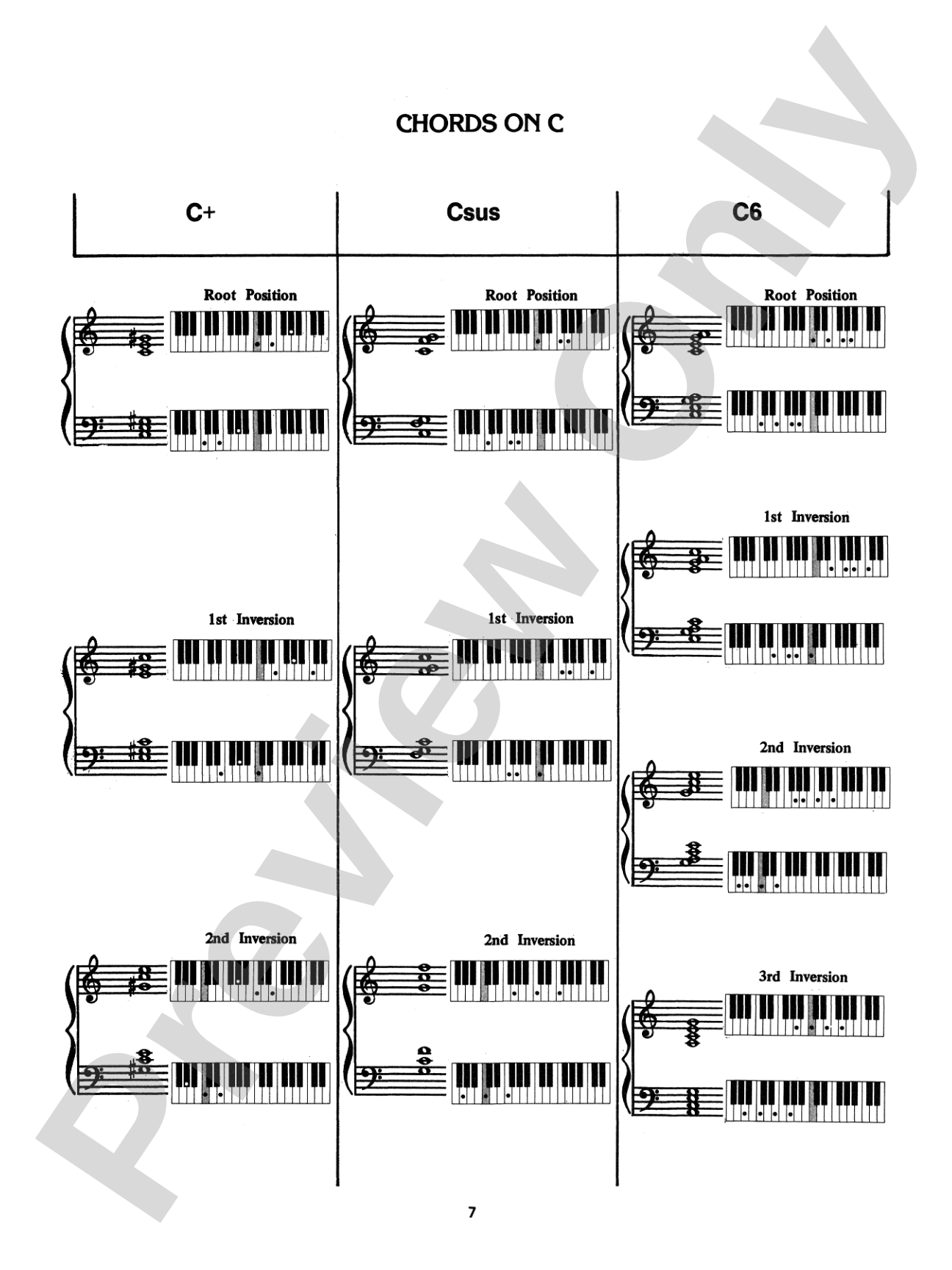
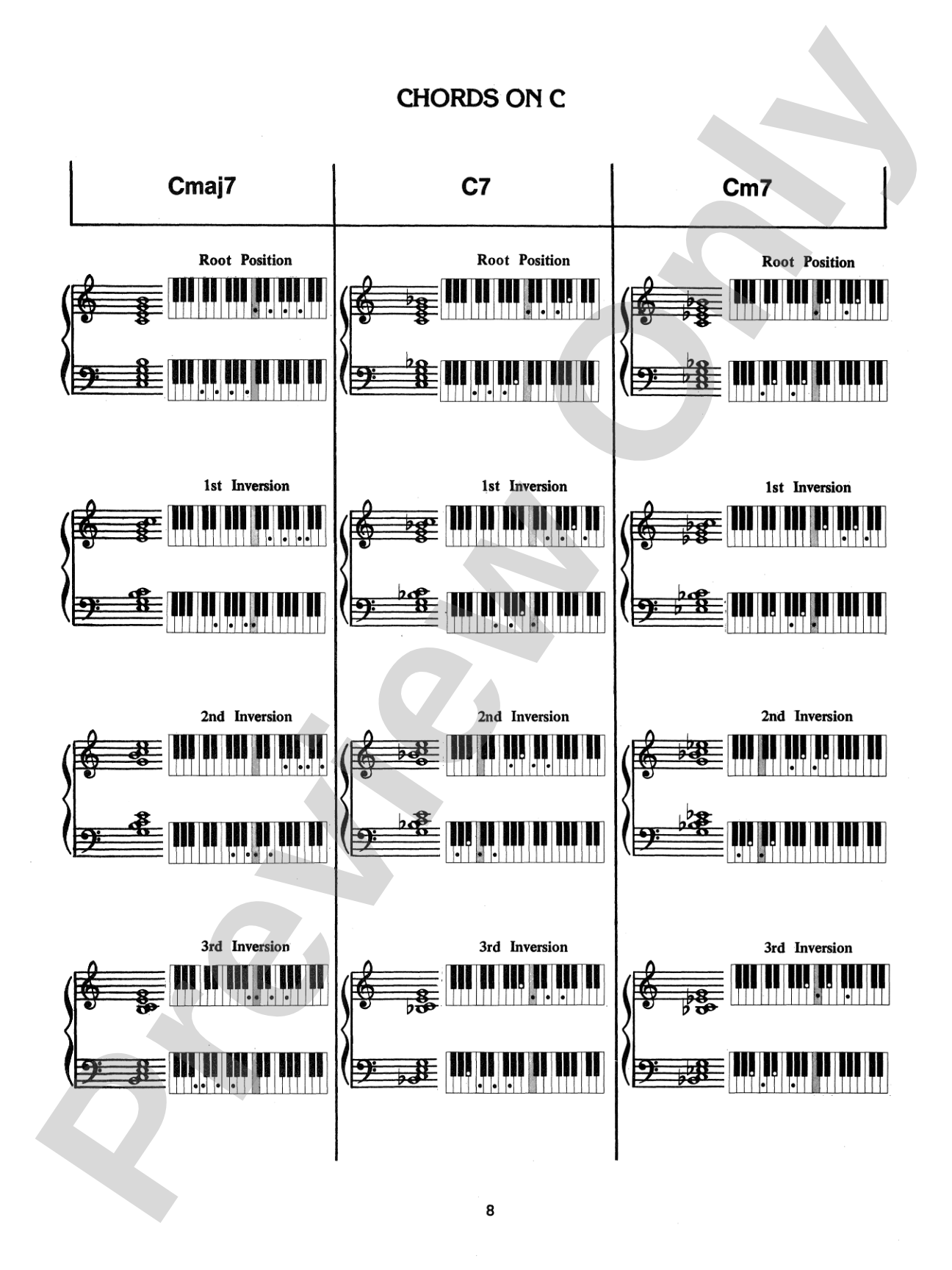
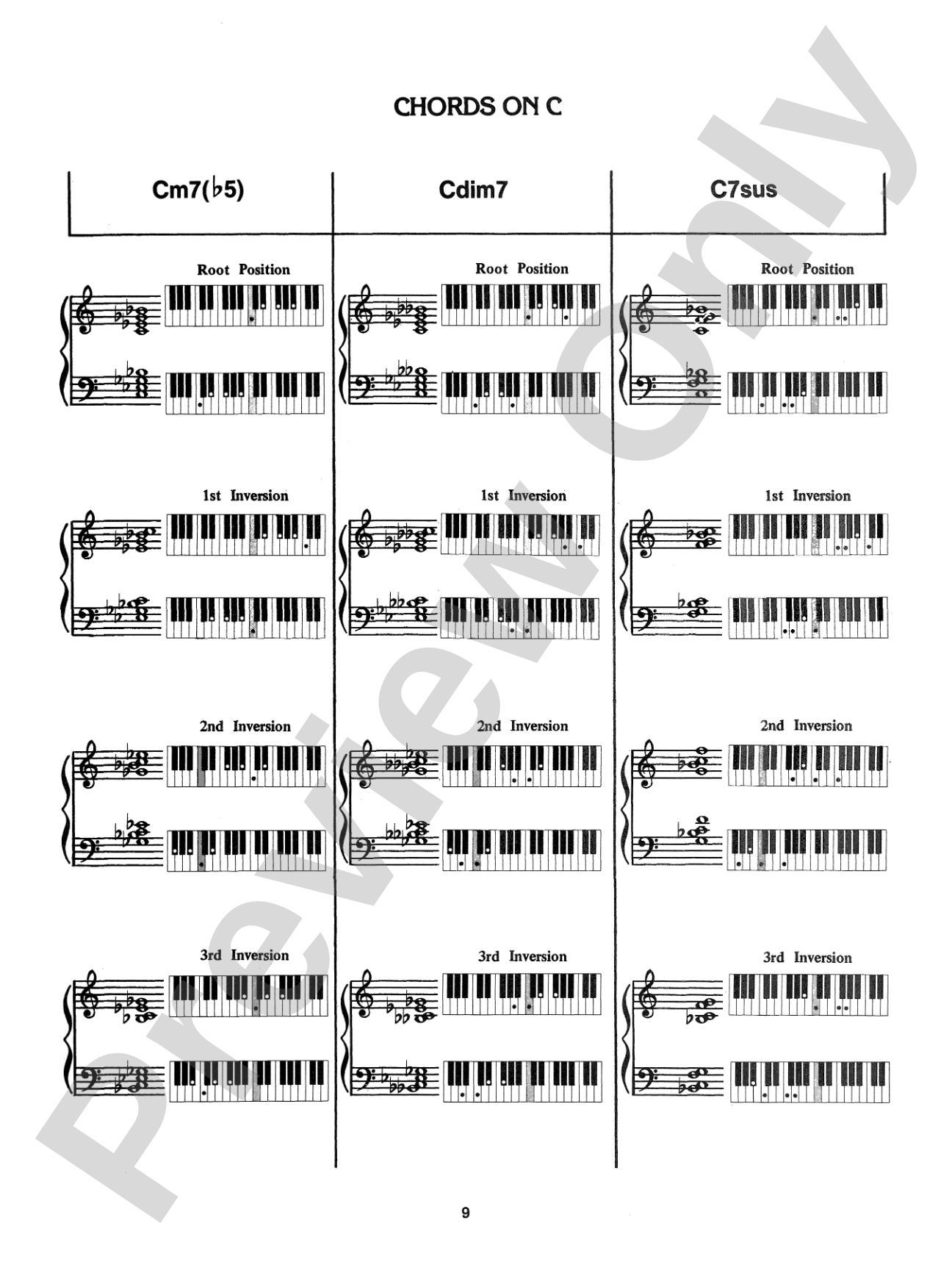
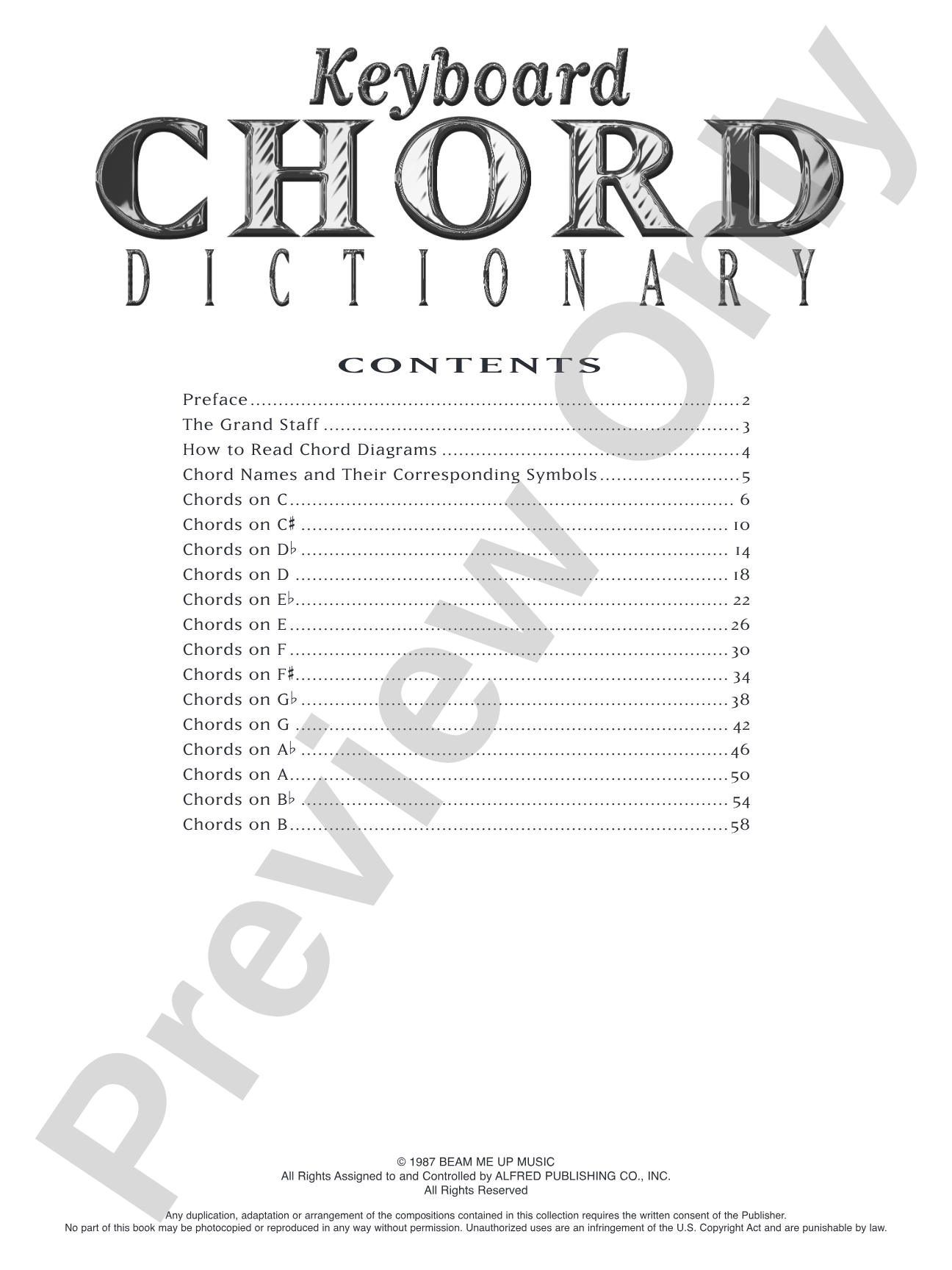
A useful, durable, illustrated reference guide for all players and teachers, this book provides quick access to the chords most commonly used in popular music. For each chord, this book offers chord spellings for both the right and left hands and matching keyboard illustrations for both right and left hands. The diagrams will enable all keyboard players to translate a chord symbol into satisfying chordal sounds. Suitable for all keyboard instruments.

Discover MakeMusic Cloud: thousands of interactive titles your students can play along with today.

Sample Audio
No sample audio found.
Sample Video
Additional Details
Publisher: Alfred Music
Page Count: 64
SKU: 00-PB-0002622

More about this title

Why we love this

Every keyboard player benefits from a reference that moves beyond theory textbooks and speaks the language of the charts they're actually playing. This dictionary translates chord symbols into immediate, playable reality for both hands, which means students spend less time hunting through books and more time making music. The dual illustrations (one for each hand) acknowledge that voicing decisions matter and that left-hand comping is its own skill.

What to expect

Clear, uncluttered, and immediately useful. You open it, find your chord, see it illustrated from both your perspective and the bass player's, and move on. No unnecessary theory; just the visual map you need to play confidently.

Who it's for

Pianists and keyboardists who work regularly with chord charts, whether in jazz, pop, musical theatre, or contemporary worship contexts. Teachers introducing students to comping, voicing, and the visual-kinesthetic connection between symbols and keyboard layout will find this an efficient classroom tool. Any keyboardist tired of decoding chord symbols in real time during rehearsals.

How to get the most out of it

  • Recognize that chord spellings vary by context; use the right-hand and left-hand diagrams to find voicings that sit comfortably under your hands rather than forcing one approach.
  • Cross-reference chord symbols you encounter in fake books or lead sheets against the keyboard illustrations to build automatic pattern recognition.
  • Layer the diagrams with listening; play each voicing and listen for how it colors the harmony differently than open or closed positions.

How to use it

Keep a copy at the keyboard during rehearsals and sectionals so players can verify voicings without interrupting the flow. Use it in jazz combos and contemporary ensembles where pianists are reading from charts and need quick confirmation of chord qualities and inversions. It also serves as a reference during theory or keyboard labs, helping students connect the abstract symbol to the concrete tactile experience.

Skills your students will build

  • Translating chord symbols into playable voicings on keyboard
  • Left-hand and right-hand voicing independence
  • Recognizing chord quality and extensions from notation
  • Building automatic chord recognition through visual pattern matching
  • Understanding chord spellings and their keyboard geography

You May Also Like