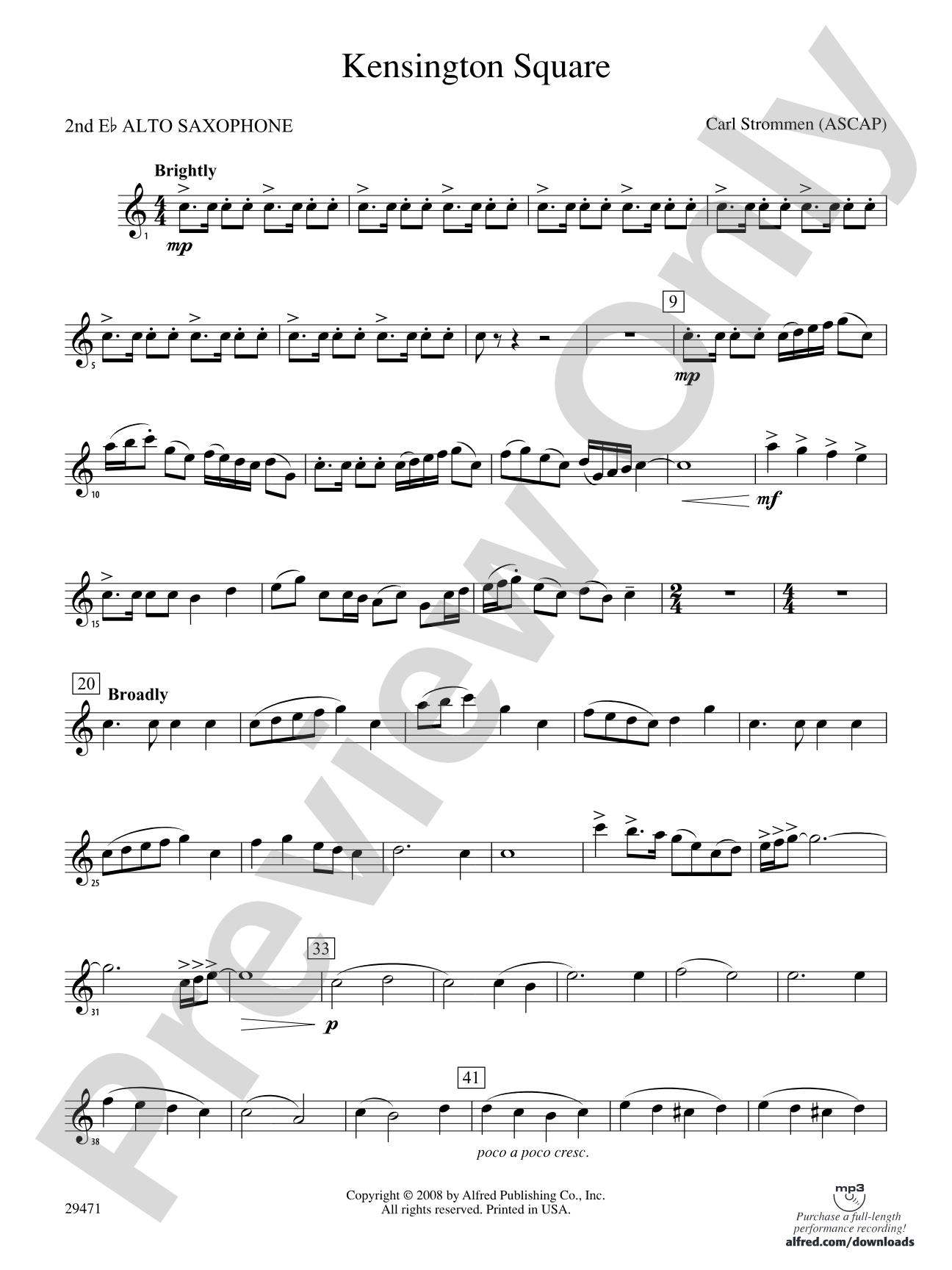
Kensington Square: 2nd E-flat Alto Saxophone Sheet Music Preview

Kensington Square: 2nd E-flat Alto Saxophone

By Carl Strommen

Grade: 2 (Medium Easy)

Item: 00-PC-0001427_AX2

Digital Download
$3.00
Description
How very British! This delightful piece is reminiscent of many wonderful moments in the wind literature of England, including charming marches, lyrical chorales and the irrepressible folk music of this historic kingdom. (3:30)

Don't just read it, hear it, play along with it, and watch your students grow with it. In MakeMusic Cloud, Kensington Square: 2nd E-flat Alto Saxophone comes alive with professional accompaniment, adjustable tempo, and built-in practice tools that turn solo practice into real progress.

Sample Audio
0:00
0:00
Sample Video
Additional Details
Series: Young Symphonic
Publisher: Alfred Music
Page Count: 224
SKU: 00-PC-0001427_AX2

More about this title

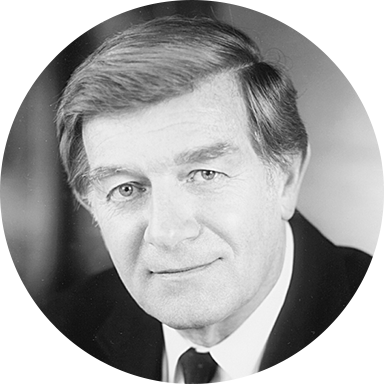
About the Composer: Carl Strommen

Carl Strommen

Carl Strommen stands among the most frequently programmed composer/arrangers working today, with music regularly appearing in concert halls, television, and film across North America and internationally. His output spans band, orchestra, jazz ensemble, and vocal literature, earning him consecutive ASCAP Standard Writers Awards throughout his career.

A graduate of City College of New York, Strommen has maintained close ties to music education as an adjunct professor of orchestration and composition at C.W. Post Campus of Long Island University. He remains active as a clinician and commission writer, balancing his prolific composing schedule with direct engagement in the academic community.

Why we love this

Strommen captures the character of English wind band tradition without relying on literal folk quotations, giving your ensemble the satisfaction of playing something genuinely British in spirit while remaining accessible at Grade 2. The piece moves effortlessly between march sections and lyrical passages, creating natural pacing that keeps both players and audiences engaged. Programming this alongside standard American repertoire enriches your concert narrative and demonstrates the international scope of quality band literature.

What to expect

Kensington Square evokes a stroll through a historic London square on a clear afternoon, blending the crisp energy of a proper march with moments of unhurried reflection. The music breathes with the confidence and warmth characteristic of British band writing, never rushed and always generously proportioned.

Who it's for

Band directors programming Grade 2 concert or festival performances will find this piece ideal for building musicianship through approachable yet stylistically rich material. Student musicians at this level gain experience with the traditions of English wind band writing while developing phrasing and expressive control in both march and chorale contexts.

How to get the most out of it

  • Shape the march sections with articulation that leans toward clarity rather than heaviness; let the characteristic British lilt emerge through gentle lift rather than exaggerated staccato.
  • Balance the lyrical chorale passages by bringing out the melody voices while maintaining warm, supporting harmonies in the inner parts.
  • Maintain consistent ensemble tone across the folk-inspired sections, where rhythmic unity matters as much as tuning for achieving an authentic character.
  • Use the three-and-a-half minute runtime to build architecture across the full arc; avoid letting individual sections feel isolated.

How to use it

This works beautifully as a concert opener that establishes sophistication and musical intention while remaining welcoming to audiences unfamiliar with modern band repertoire. Consider pairing it with American composer/arrangers on the same program to highlight how different national wind band traditions approach similar musical problems, or program it mid-concert as a palate cleanser between more dramatic works.

Skills your students will build

  • Phrasing and expression in contrasting musical moods (march character and lyrical lines)
  • Articulation control and clarity in march-style passages
  • Balancing melody and harmony in chorale-texture writing
  • Musical architecture across a multi-section form
  • Ensemble cohesion in folk-inspired rhythmic figures

You May Also Like