

Keemo Kymo: String Orchestra Conductor Score & Parts
American Folk Tune / arr. Carrie Lane Gruselle
Grade: 2
Item: 00-PK-0000951

$44.00
Pickup currently not available
Buy Extra Parts (Digital PDF Download)
| Product | Price | Quantity |
|---|---|---|
| Keemo Kymo: Score | $7.00 | |
| Keemo Kymo: 1st Violin | $5.99 | |
| Keemo Kymo: 2nd Violin | $5.99 | |
| Keemo Kymo: Viola | $5.99 | |
| Keemo Kymo: Cello | $5.99 | |
| Keemo Kymo: String Bass | $5.99 |
Parts Added to Cart!
Related Items
Keemo Kymo: String Orchestra Conductor Score & Parts |
$44.00
|
View |
Description
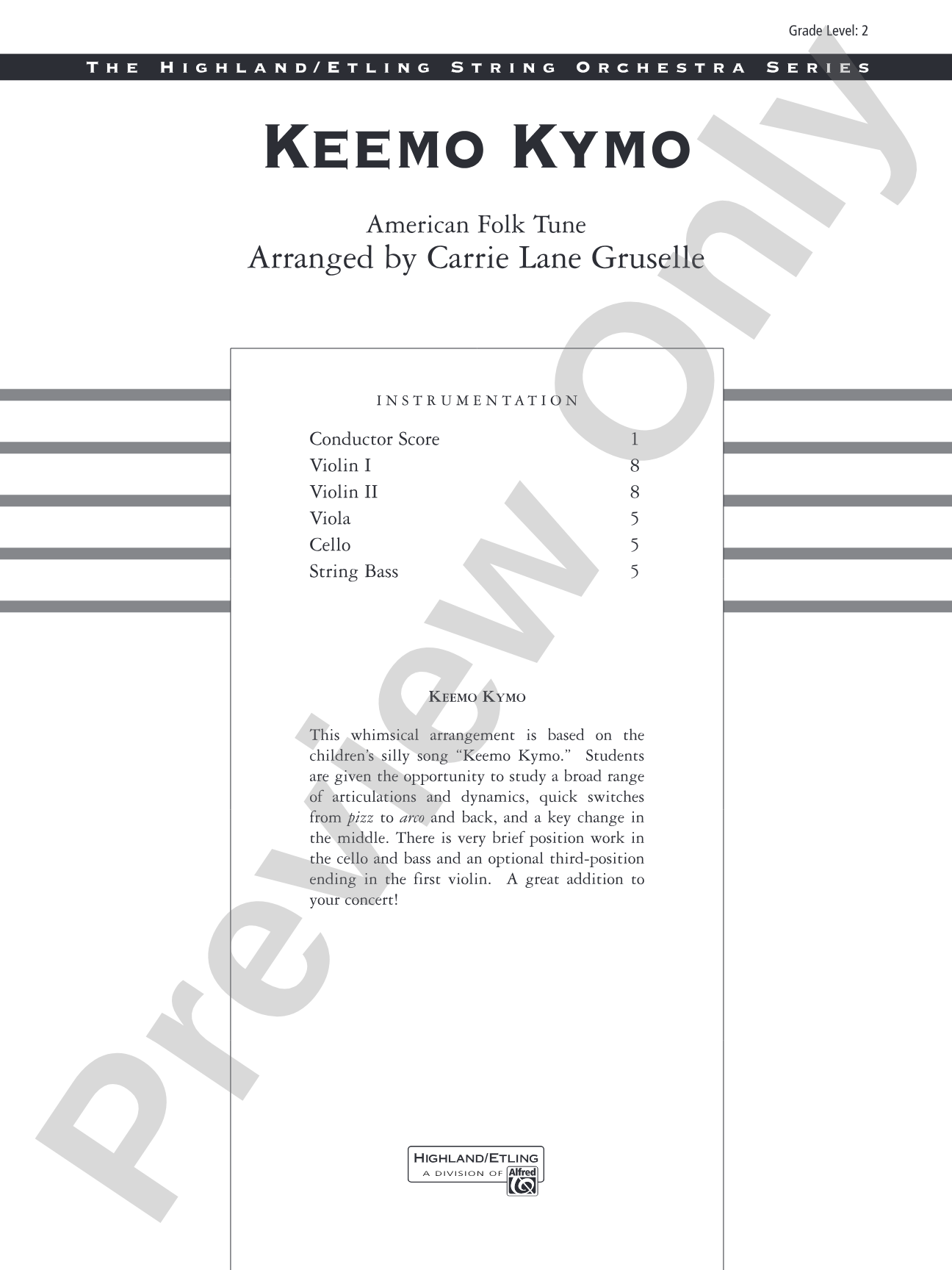
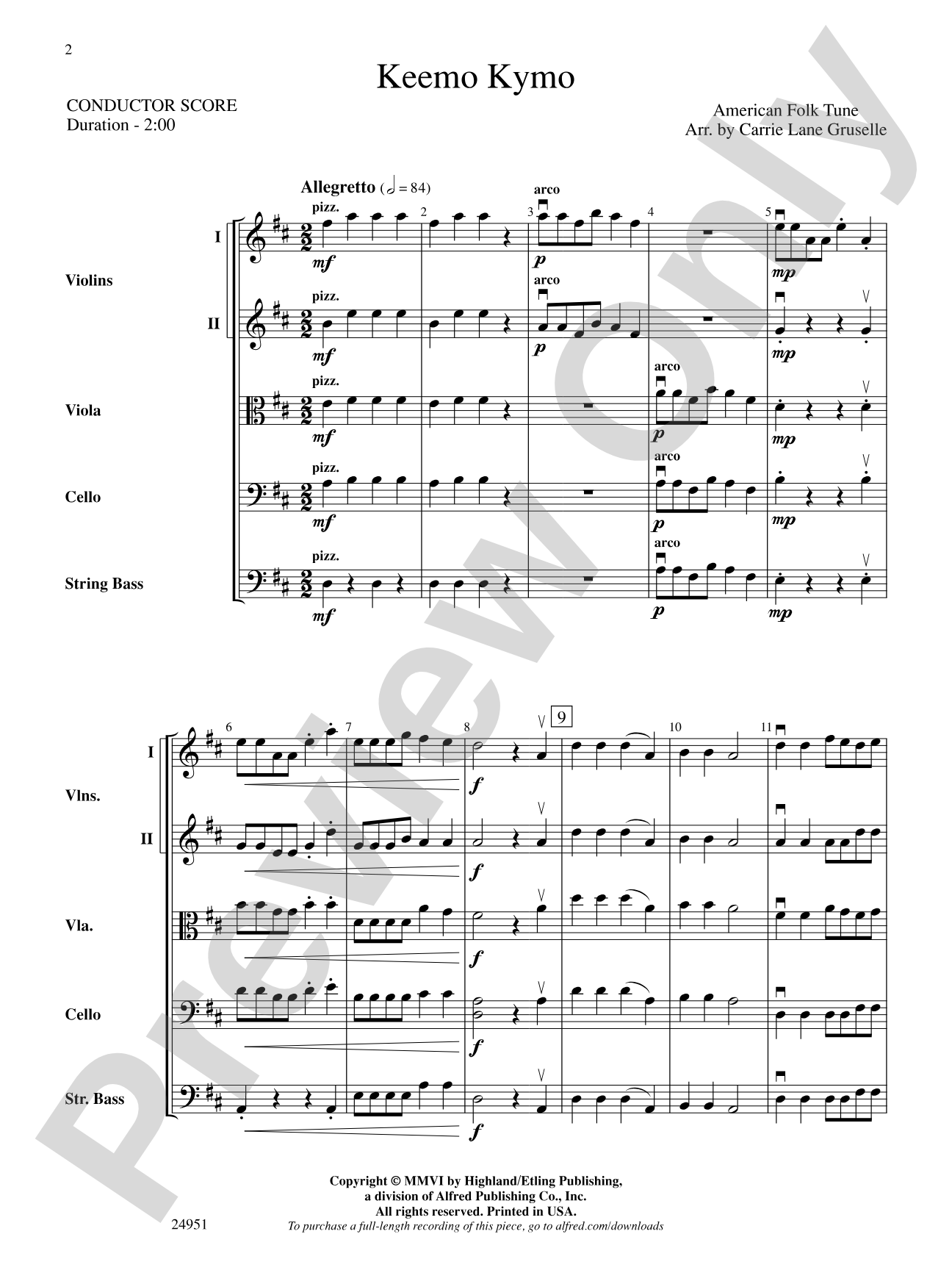
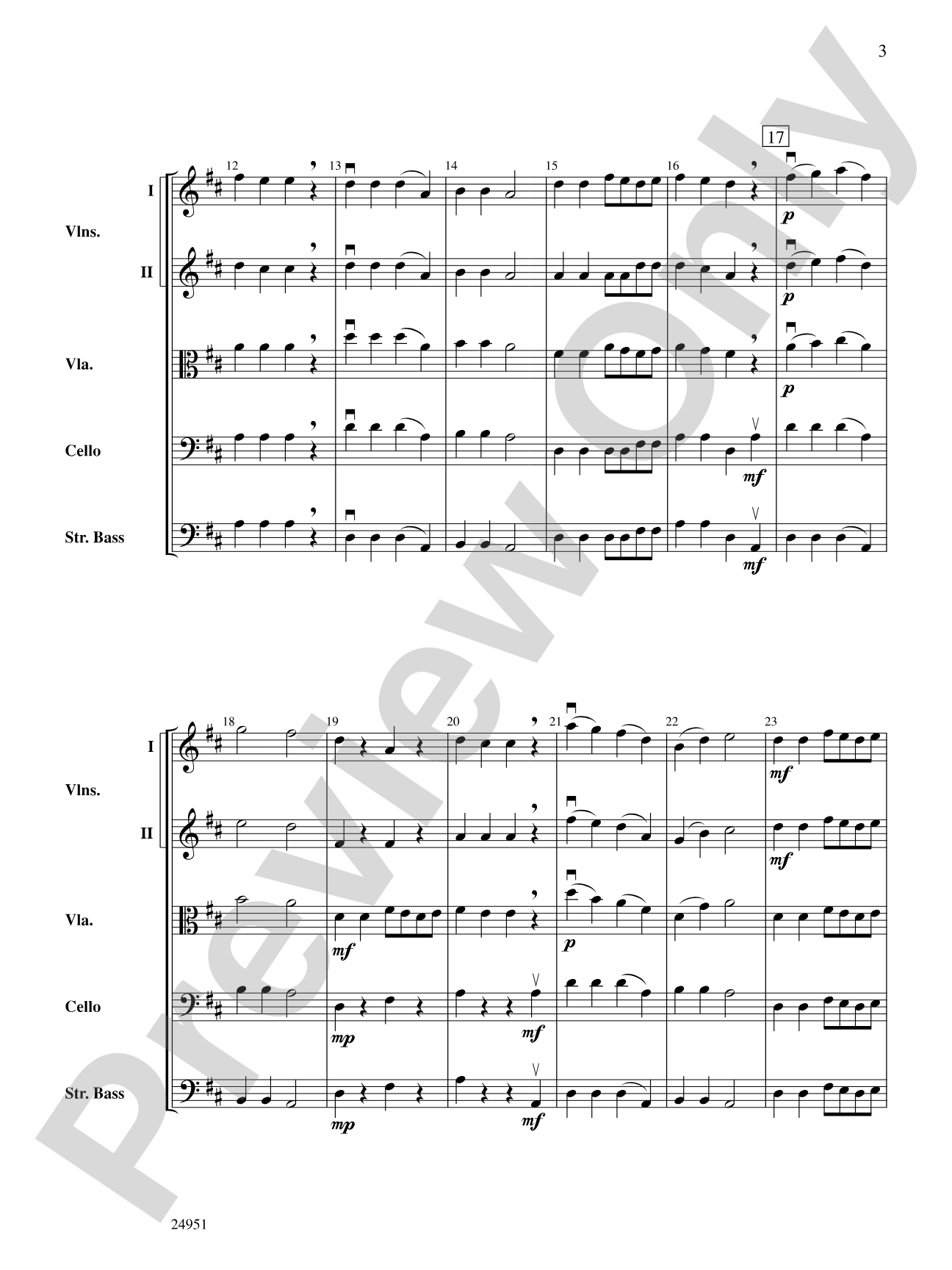
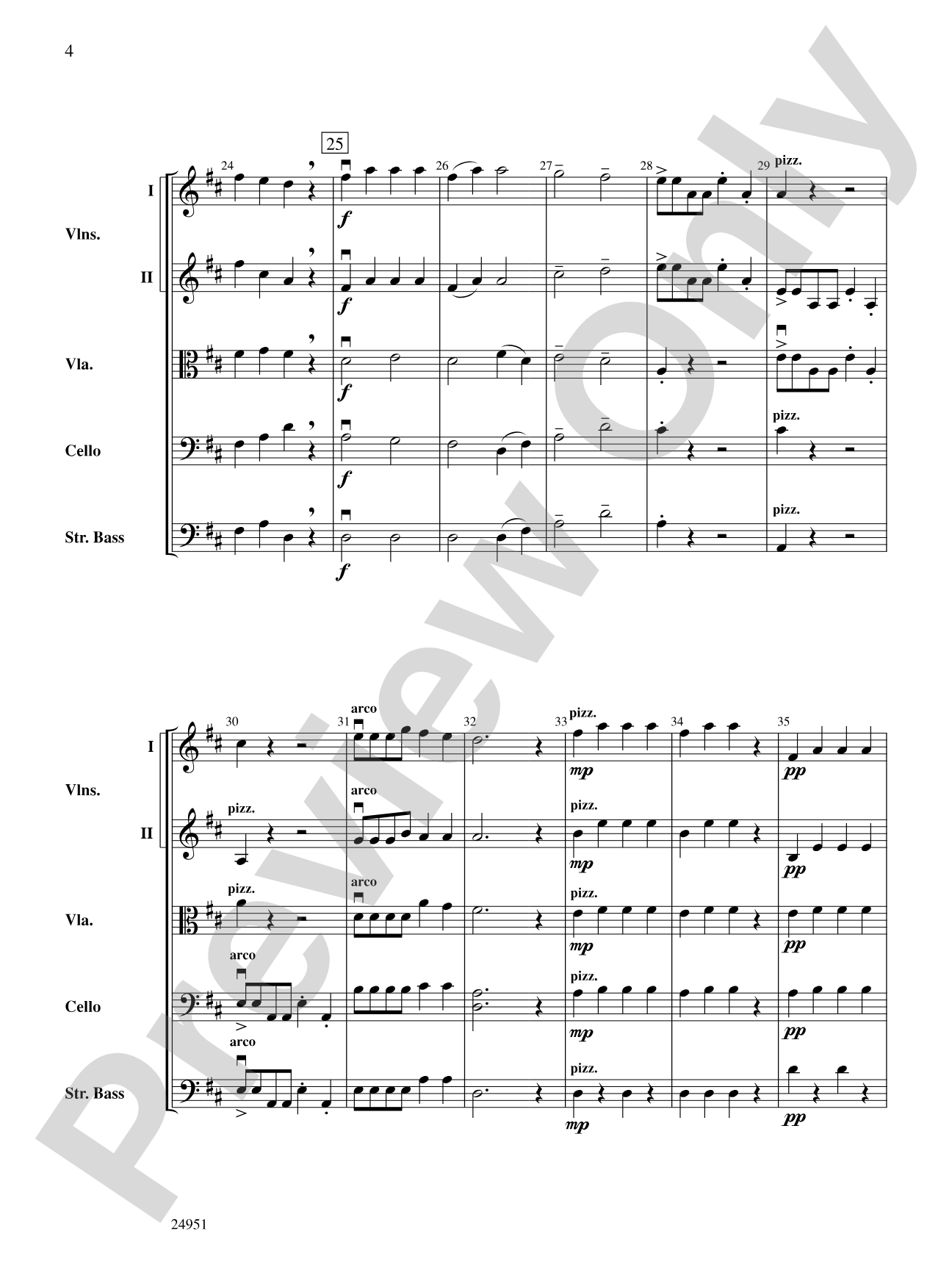
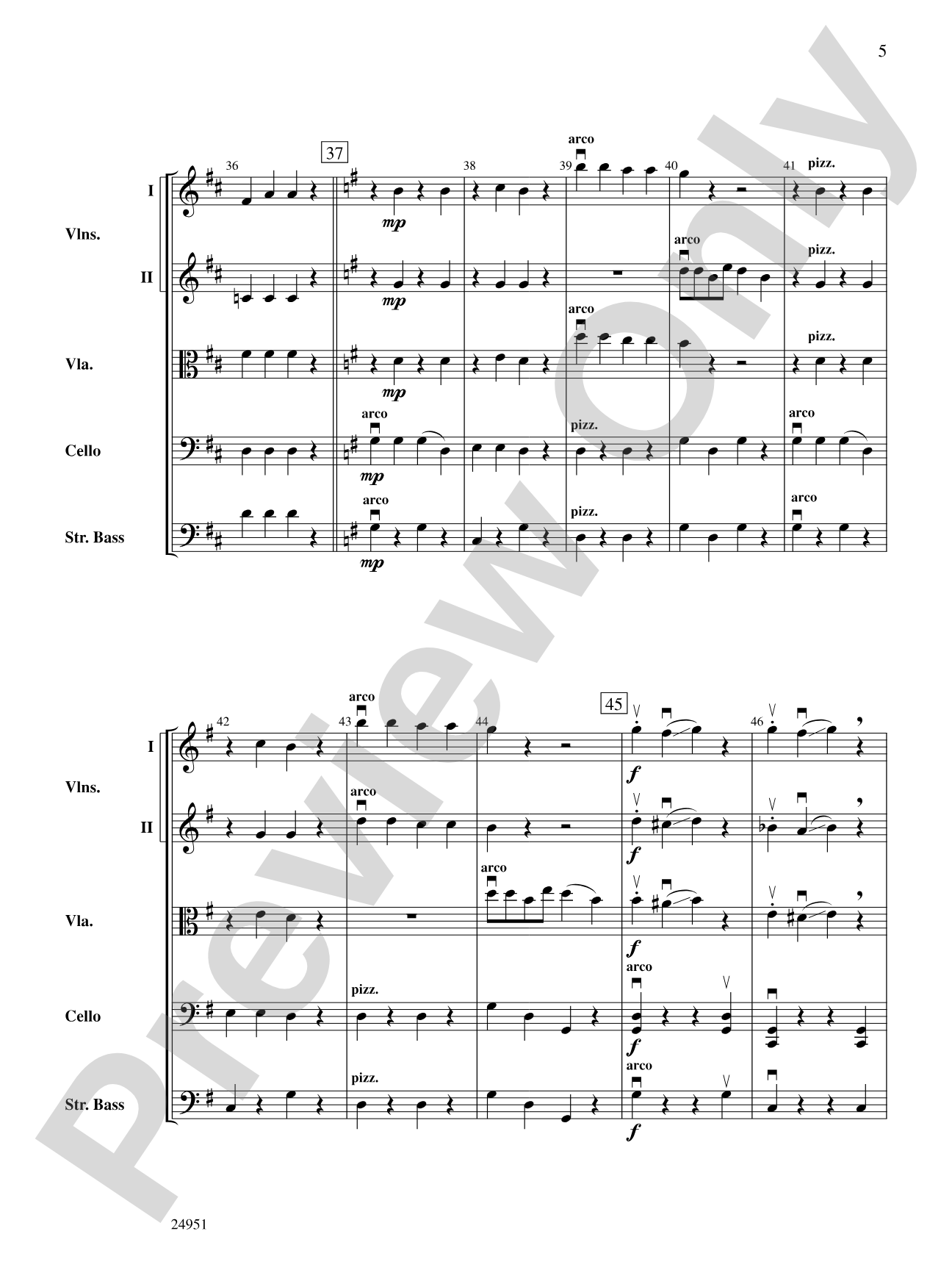
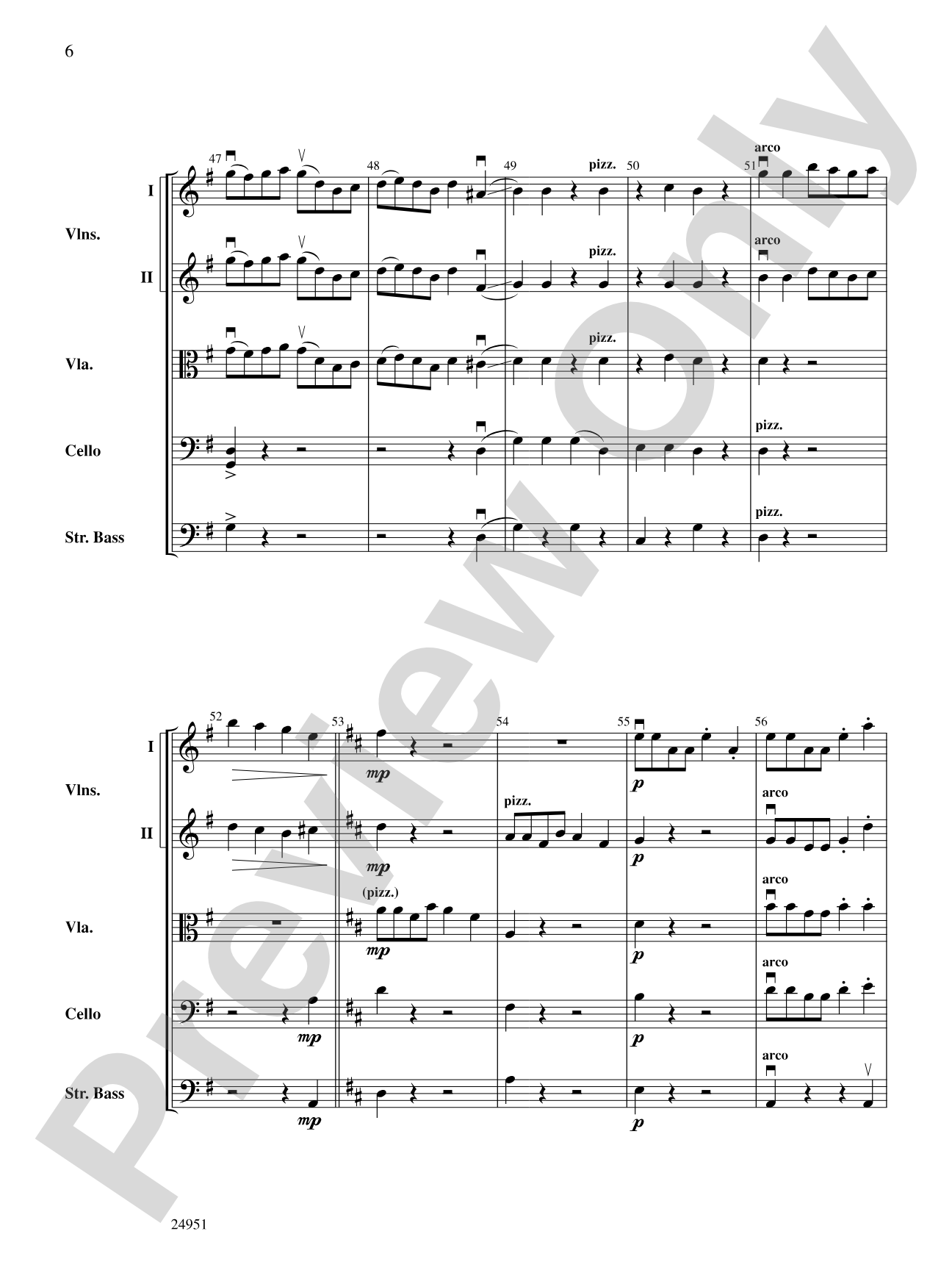
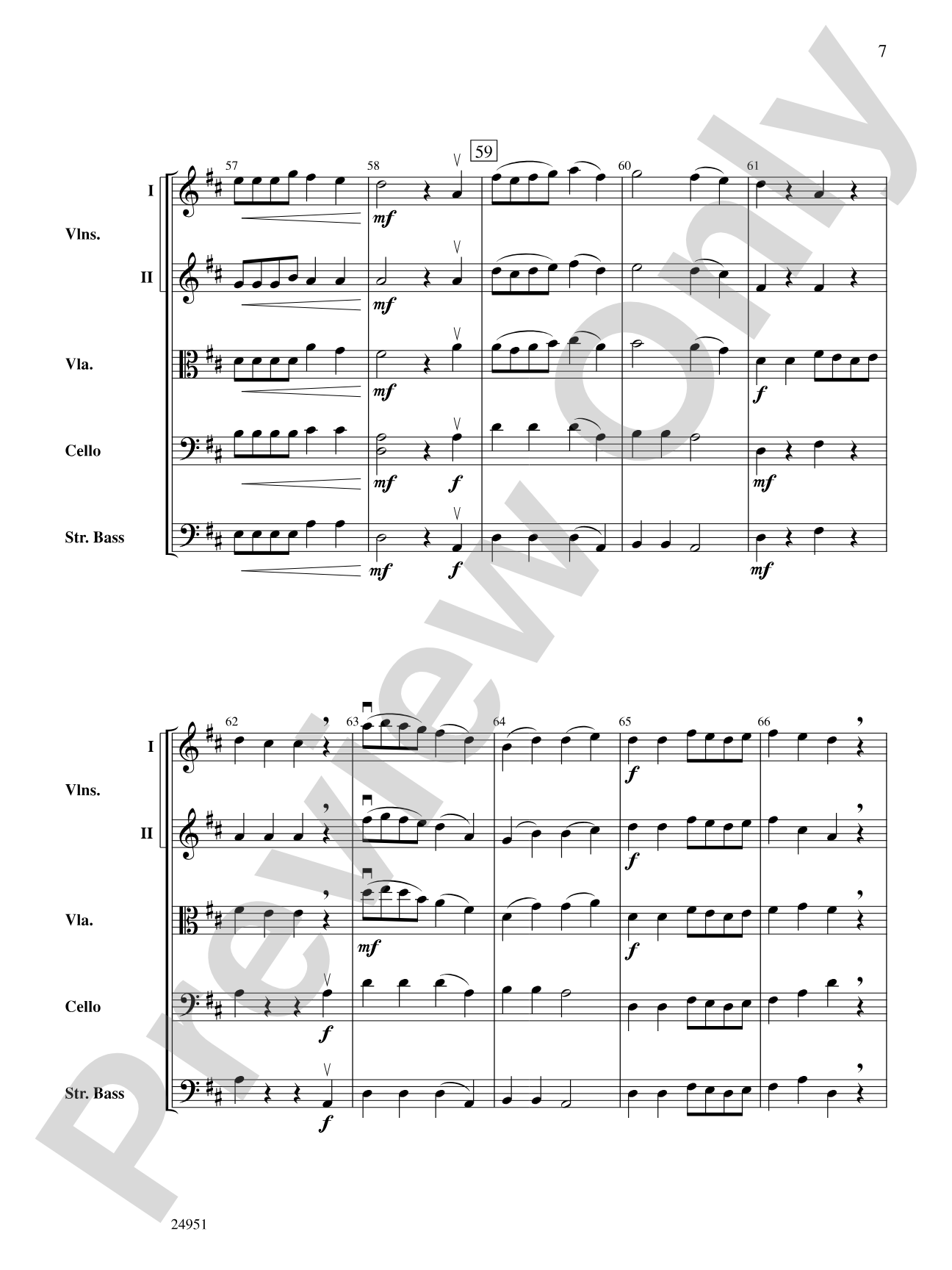
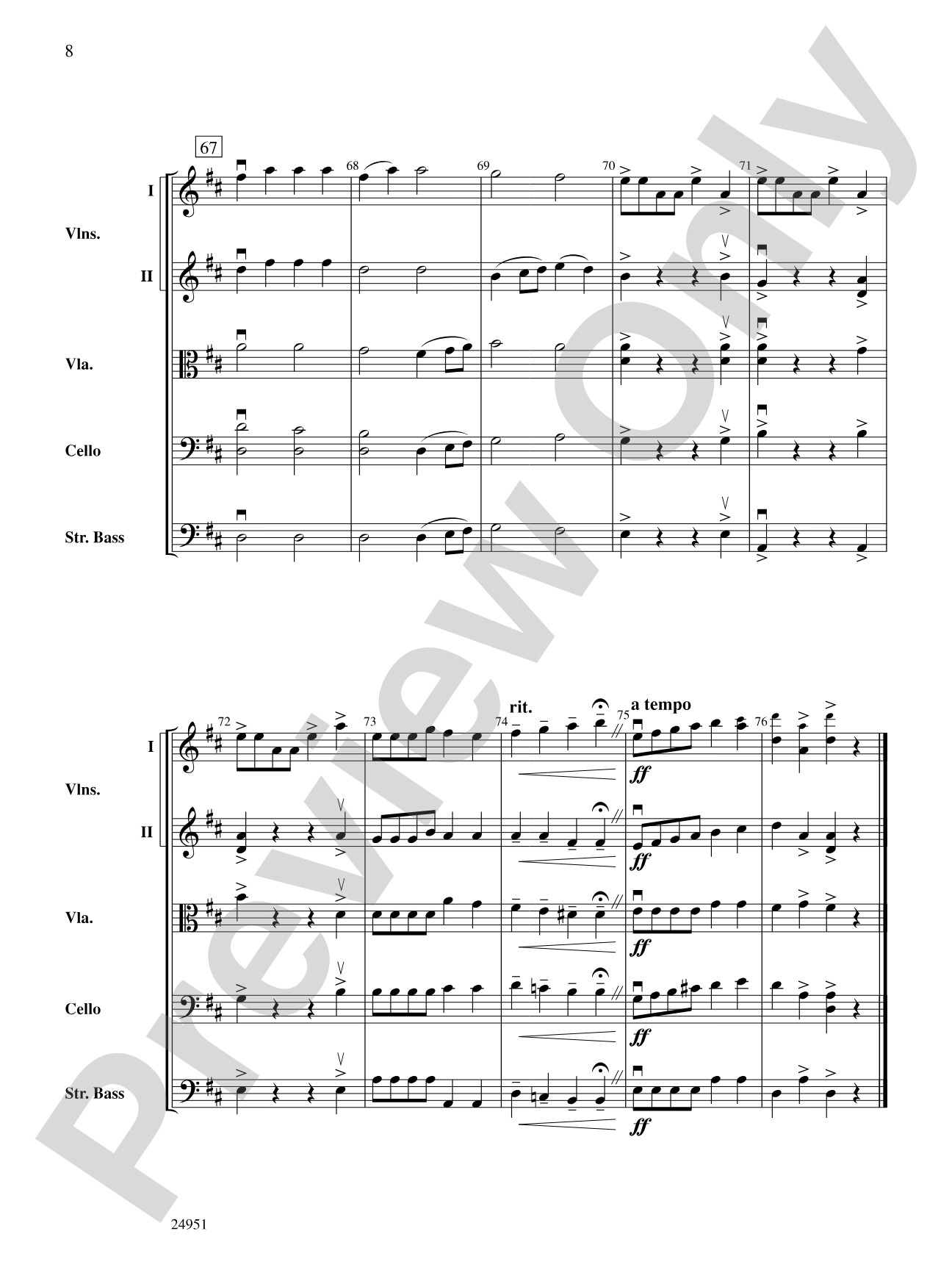
This children's nonsense song is full of fun! Sprinkled with lighthearted silliness, there is much to be explored and learned in this arrangement, including a broad range of articulations and dynamics, quick switches from pizz to arco and back, and a key change in the middle. You will also hear quotes from "Old MacDonald," "Turkey in the Straw" and the children's "taunting motif" (nanner, nanner, nanner!). Very brief position work in the cello and bass, and an optional third position ending in the first violin make this an accessible piece for your young musicians. Singsong kitty catch-a-kymee-oh!


Don't just read it, hear it, play along with it, and watch your students grow with it. In MakeMusic Cloud, Keemo Kymo: String Orchestra Conductor Score & Parts comes alive with professional accompaniment, adjustable tempo, and built-in practice tools that turn solo practice into real progress.
Open in the Player
Jump straight in and assign it today.
Start Your Free Trial
Open this title and explore the full library in minutes.
Sample Audio
1
Audio File
--:--
0:00
0:00
Sample Video
No sample videos found.
Additional Details
Series:
Highland/Etling String Orchestra
Publisher:
Alfred Music
Page Count:
62
SKU:
00-PK-0000951
More about this title
About the Arranger: Carrie Lane Gruselle

Carrie Lane Gruselle earned her Bachelor of Music Education from the University of Wisconsin–Eau Claire and her Master of Music Education from the University of Wisconsin–Stevens Point, where she specialized in Suzuki pedagogy. She teaches elementary and middle school strings in the Appleton Area School District and maintains a cello studio through the Lawrence University Arts Academy in Appleton, Wisconsin.
Why we love this
Gruselle captures the chaotic energy of a children's playground song without sacrificing musical substance. The arrangement layers in folk quotes and articulation variety that keep young players engaged while building real skills, and the optional third position ending lets you meet students at their current level.
What to expect
Playful and bouncy, with the loose energy of kids making up silly songs. The arrangement sparkles with quick dynamic shifts and the satisfying snap of pizzicato passages, then gently grounds itself in recognizable folk melodies that feel like musical inside jokes.
Who it's for
Young string orchestras at the early intermediate level, particularly those ready to explore articulation variety and key changes without heavy position demands. This works beautifully for ensembles building confidence and wanting to perform something genuinely fun alongside educational substance.
How to get the most out of it
- Work the pizzicato-to-arco transitions slowly in separate sections before combining them. Mark the exact measure numbers where the switch happens and have each section isolate those moments.
- The key change lands harder when the full ensemble locks it together. Bring the violas and second violins to rehearsal 2-3 times before the full group; their harmonic shift anchors everyone else.
- Balance the folk song quotes so they register as playful callbacks, not buried background. Ask your string sections to shape these moments with slight dynamic lift and clean articulation.
- Let the "taunting motif" breathe. Resist the urge to rush it; the silliness lands best when the rhythm is rock-solid.
How to use it
Pair this with a more serious folk arrangement or classical piece on a concert to show the full range of what your young strings can do. It works equally well as a second-half opener that energizes the audience, or as a closer that leaves listeners smiling. The lighthearted character makes it an ideal bridge between a rehearsal-intensive program and something the ensemble can enjoy performing.
Skills your students will build
- Switching between pizzicato and arco articulation cleanly and confidently
- Executing a key change (modulation) in ensemble context
- Reading and executing varied dynamics and articulation markings
- Understanding melodic quotes and how familiar tunes can be recontextualized
- Managing brief first position work in lower strings and optional third position in first violin