Kayser: Thirty-Six Etudes, Op. 20 Sheet Music Preview

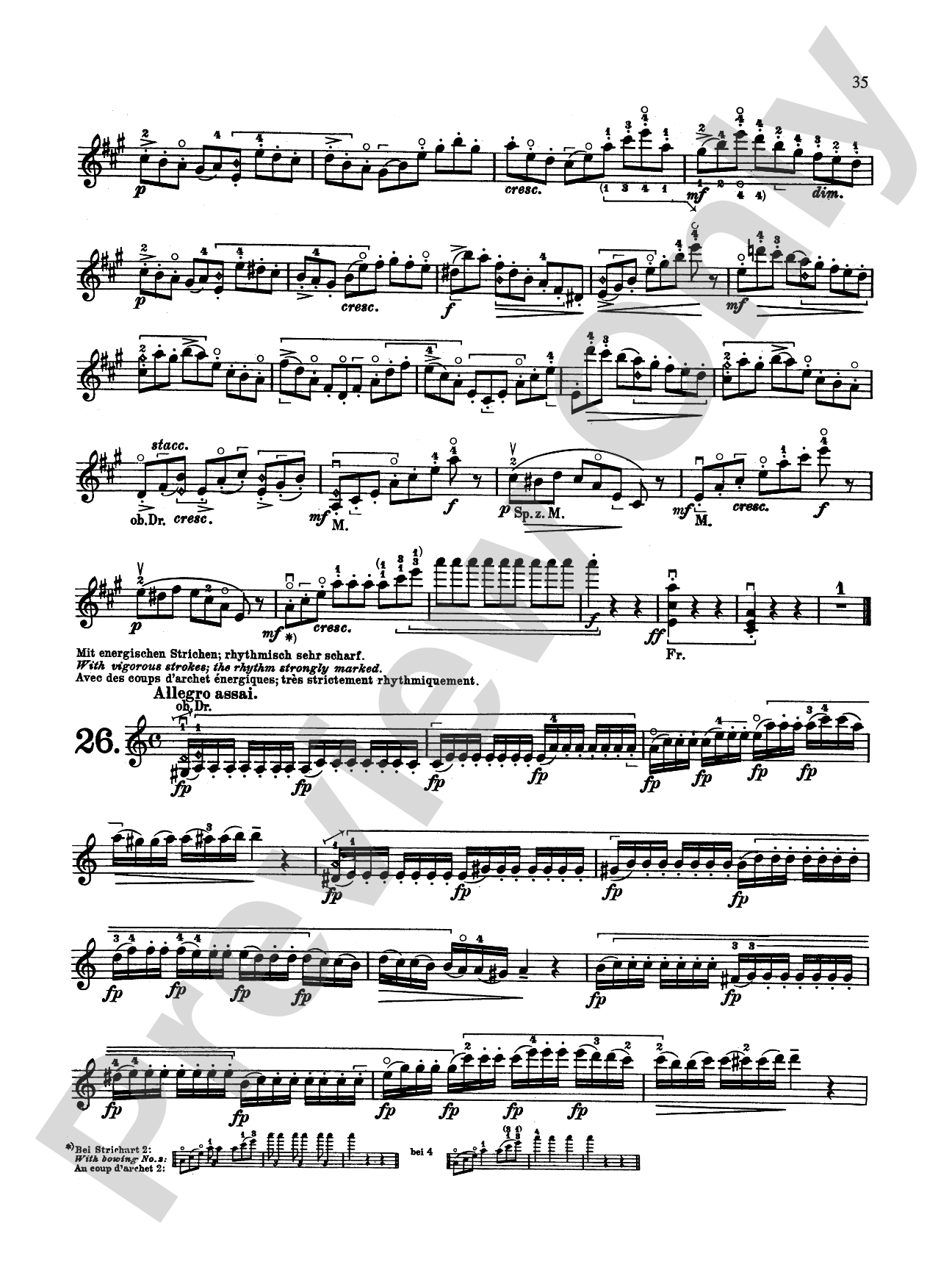
Kayser: Thirty-Six Etudes, Op. 20

By Heinrich Ernst Kayser

Item: 00-PC-0007973

Digital Download
$0.99
Description
Expertly arranged Violin Studies by Heinrich Ernst Kayser from the Kalmus Edition series. This is from the Romantic era.

Don't just read it, hear it, play along with it, and watch your students grow with it. In MakeMusic Cloud, Kayser: Thirty-Six Etudes, Op. 20 comes alive with professional accompaniment, adjustable tempo, and built-in practice tools that turn solo practice into real progress.

Sample Audio
No sample audio found.
Sample Video
Additional Details
Series: Kalmus Edition
Publisher: Alfred Music
Page Count: 52
SKU: 00-PC-0007973

More about this title

About the Composer: Heinrich Ernst Kayser

Heinrich Ernst Kayser (1815-1890) was a German violinist and pedagogue whose etude collections became foundational texts in string training. His methodical approach to technical development made him influential across conservatories throughout Europe and beyond, particularly through works designed to build facility without sacrificing musicality.

Kayser's Op. 20 etudes occupy a special place in violin pedagogy. They bridge the gap between elementary technical studies and concert repertoire, written during a period when violinists were expected to master both mechanical precision and the expressive demands of Romantic music. His legacy rests largely on these carefully graded collections, which remain standard references for teachers seeking material that develops technique through genuinely musical contexts.

Why we love this

The thirty-six etudes strike a rare balance between systematic technical progression and genuine musical substance. Unlike studies that feel like exercise drills, these pieces reward artistic attention while developing the left-hand facility, intonation security, and bow control that students genuinely need at the intermediate-to-advanced level.

What to expect

Kayser's writing balances structural clarity with Romantic sensibility. Each etude presents a discrete technical or musical challenge without excess ornamentation, yet the melodies breathe with genuine expression. There is directness here, paired with the warmth and harmonic richness typical of the Romantic era.

Who it's for

This collection serves intermediate-to-advanced violinists preparing for conservatory training or serious amateur performance. Studio teachers use these etudes to address specific technical gaps while maintaining students' engagement with genuine music, and ensemble directors assign them to section leaders working toward more demanding repertoire.

How to get the most out of it

  • Shape each etude as a complete musical statement rather than a technical assignment. Even when a single technical challenge dominates, find the underlying melodic logic and phrase it intentionally.
  • Isolate the most demanding technical passages in short segments, drilling them until they feel inevitable rather than executed. This allows the full run-through to maintain musical continuity.
  • Attend carefully to intonation in the higher positions; these studies expose shifts and left-hand precision that casual playing masks. Use a tuner judiciously in practice, then trust your ear in performance.
  • Vary your practice approach across the collection. Some etudes benefit from slow, methodical work; others need tempo to reveal their musical shape. Let the musical character guide your practice strategy.

How to use it

These etudes function best as curricular material rather than concert pieces; assign them systematically across a season to target specific technical needs in your section. Occasionally, an especially lyrical etude can open a chamber recital or student showcase, demonstrating how serious technical study produces genuine artistry.

Skills your students will build

  • Shifting between positions with secure intonation
  • Consistent bow control across varied bow distributions
  • Vibrato application across different registers
  • Left-hand agility and finger independence
  • Extended positions (third through fifth position and beyond)
  • Rhythmic precision and subdivision control
  • Phrasing and musical interpretation within technical contexts
  • Endurance across longer, unbroken lines

You May Also Like