Just Wing It Cover Image

Just Wing It: Jazz Ensemble Conductor Score & Parts

$48.00 USD
Sale price  $48.00 USD Regular price 
Skip to product information
Just Wing It Cover Image

Just Wing It: Jazz Ensemble Conductor Score & Parts

By Kris Berg

Grade: 2.5 (Medium Easy)

Item: 00-47027

makemusic Cloud badge

Need it now?

Buy Digital Version
$48.00
Shipped

One moment…

Description
Oh yeah, it's time for another "chicken" flavored chart! This one is definitely funky and more accessible than previous "chicken" charts. Lead trumpet range is only to written G on top of the staff, and written-out solos are provided for alto and trumpet. Also, with only two chords in the solo section, it is ideal for young players to work on improvising. Tempo is around 136 BPM.

Don't just read it, hear it, play along with it, and watch your students grow with it. In MakeMusic Cloud, Just Wing It: Jazz Ensemble Conductor Score & Parts comes alive with professional accompaniment, adjustable tempo, and built-in practice tools that turn solo practice into real progress.

Sample Pages

Sample Audio
0:00
0:00
Sample Video
Additional Details
Series: Young Jazz Ensemble
Publisher: Alfred Music
Page Count: 92
UPC: 038081539805
SKU: 00-47027

More about this title

About the Composer: Kris Berg
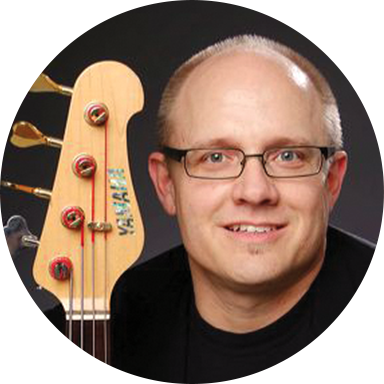
Kris Berg

Kris Berg directs the Jazz Studies program at Collin County Community College in Texas and holds advanced degrees in jazz studies from the University of North Texas. His ensembles have earned multiple invitations to perform at Montreux, and he founded both the Collin Jazz Fest and the Texas All-Star Jazz Camp. Berg's arrangements have circulated globally and appear regularly on stages and in recordings worldwide.

As a prolific composer for Belwin Jazz (Alfred Publishing), Berg has established himself among the most performed big band arrangers in education. He maintains active clinician credentials with Yamaha Corporation and has shared stages with artists including Kurt Elling, Randy Brecker, Peter Erskine, and Clark Terry. His method book Bass Lines in Minutes remains a standard text in jazz pedagogy, and his endorsement by Walter Woods Amplifiers reflects his standing in the professional jazz community.

Why we love this

Berg understands exactly what young ensembles need: energy without excess technical demand, and a solo section designed for genuine learning rather than showboating. The two-chord vamp gives students real improvisation scaffolding, while the written solos provide a roadmap they can study before attempting their own flights. You get a chart that swings hard but stays accessible.

What to expect

Funky, grounded, and immediately groovy. The chicken-inspired theme gives it personality without sacrificing musicality, and the straightforward harmonic landscape lets the ensemble relax into the pocket and actually have fun making noise together.

Who it's for

Young jazz ensembles working at the Grade 2.5 level who are ready to improvise but need clear harmonic and structural boundaries. Rhythm sections benefit hugely from this one; trumpet and alto players develop confident chops without getting trapped in high-register fatigue.

How to get the most out of it

  • Nail the funk pocket before worrying about accuracy. This groove lives or dies on rhythmic precision in the rhythm section, so isolate drums, bass, and guitar around measure one until that pocket is locked.
  • Feature the written solos as teaching moments. Have the section hear them cold first, then discuss what makes them work over those two chords before anyone puts pencil to paper.
  • Keep the lead trumpet relaxed on the upper register. Since the highest note is only written G, players often tense up out of habit. Remind them this is a comfortable range and let the groove carry the weight.
  • Loop the solo section in rehearsal. Run it multiple times so soloists gain confidence trading over the same harmonic territory. Repetition builds the ear faster than anything else at this level.

How to use it

Drop this into a concert that needs a stylistic shift or an audience closer. It works beautifully on a mixed program of jazz standards because it signals confidence and control without feeling overly serious. Consider it essential repertoire for any young ensemble building improvisation foundations.

Skills your students will build

  • Improvisation over a two-chord vamp
  • Reading and maintaining a funk groove
  • Understanding syncopation in ensemble context
  • Listening to and responding to rhythm section foundation
  • Trading solos and listening to bandmates
  • Upper register control on trumpet at a manageable range

You May Also Like
