Just One Small Voice Sheet Music Preview

Just One Small Voice: 3-Part Mixed Choral Octavo

By Don Besig / By Nancy Price

Item: 35-DS00236094

Digital Download
$2.99
Description

Just One Small Voice: 3-Part Mixed Choral Octavo isn't in MakeMusic Cloud just yet...but it could be. Let us know you'd like to see it, and you'll help shape what comes next. In the meantime, start a free trial and dive into thousands of interactive titles your students can play along with today.

Sample Audio
No sample audio found.
Sample Video
Additional Details
Publisher: Hal Leonard
Page Count: 13
SKU: 35-DS00236094

More about this title

About the Composer: Don Besig

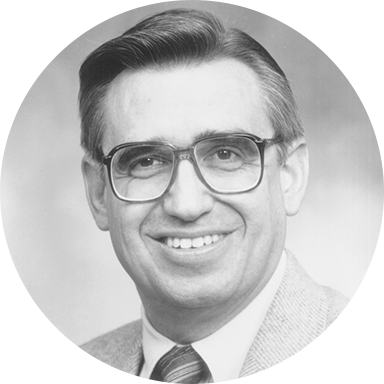
Don Besig

Don Besig spent 31 years directing music in western New York public schools, building award-winning choral and show choir programs known for their excellence at festivals, competitions, and community performances. His work across all grade levels and choir types revealed a consistent gap: the shortage of well-crafted choral music written with student singers and volunteer ensembles in mind. This insight became the foundation for his composing career.

Since beginning to write for his own choirs, Besig has published over 350 compositions and arrangements through major school and church music publishers, with more than 15 million copies sold worldwide. His work has earned multiple ASCAP Special Awards for standard music, and he remains active as a guest conductor, clinician, and adjudicator across 40 states and Canada. He holds a degree from Ithaca College and maintains memberships in Phi Mu Alpha, ACDA, MENC, NYSSMA, and ASCAP. Currently, he serves as director of music at Perinton Presbyterian Church in Fairport, New York.

Why we love this

Besig and Price have crafted an inspirational piece that sits perfectly at the intersection of accessibility and emotional substance. The 3-part mixed voicing lets developing singers feel the full impact of the arrangement without drowning in complexity, and the message of individual worth resonates just as strongly during a spring concert as it does at graduation. It's the kind of piece that lingers with students long after the final rehearsal.

What to expect

Warm and affirming. The piece unfolds with a gentle confidence, its harmonies supporting rather than overwhelming the melodic line. There's an understated strength in the arrangement that makes singers feel capable and heard, which is precisely what graduating seniors or any ensemble needs to feel.

Who it's for

Intermediate to advanced middle school and high school choirs, college non-major ensembles, and community church choirs seeking repertoire that challenges singers musically while delivering a meaningful message. Any director programming a concert that calls for something uplifting without veering into pop or contemporary idioms will find genuine value here.

How to get the most out of it

  • Balance the ensemble sound by asking singers to listen for their own voice in the texture rather than trying to hear themselves above everyone else. This simple shift encourages better blend and brings out the piece's internal harmonies.
  • Work the text with intention. The lyrics carry the emotional weight here, so establish clear diction standards early and have singers understand what they're communicating before worrying about the notes.
  • Record a rehearsal version of the piece and share it with singers a week before intensive sectional work. Familiarity breeds confidence, especially with singers who learn aurally.
  • Keep the tempo conversational and unrushed. This piece benefits from breathing room; resist the urge to push the tempo just because it feels familiar after a few run-throughs.

How to use it

This works beautifully as a closing number for any concert celebrating students, particularly spring or end-of-year performances where reflection and encouragement matter. Pair it with other moderate to advanced octavos to build a concert arc that moves from energetic to contemplative, letting this piece be the moment where the audience leans in and listens.

Skills your students will build

  • Sustained tone production across longer phrase structures
  • Balancing part independence with ensemble blend in 3-part texture
  • Expressive phrasing that serves lyrical content
  • Reading mixed voicing with optional divisi passages

You May Also Like