

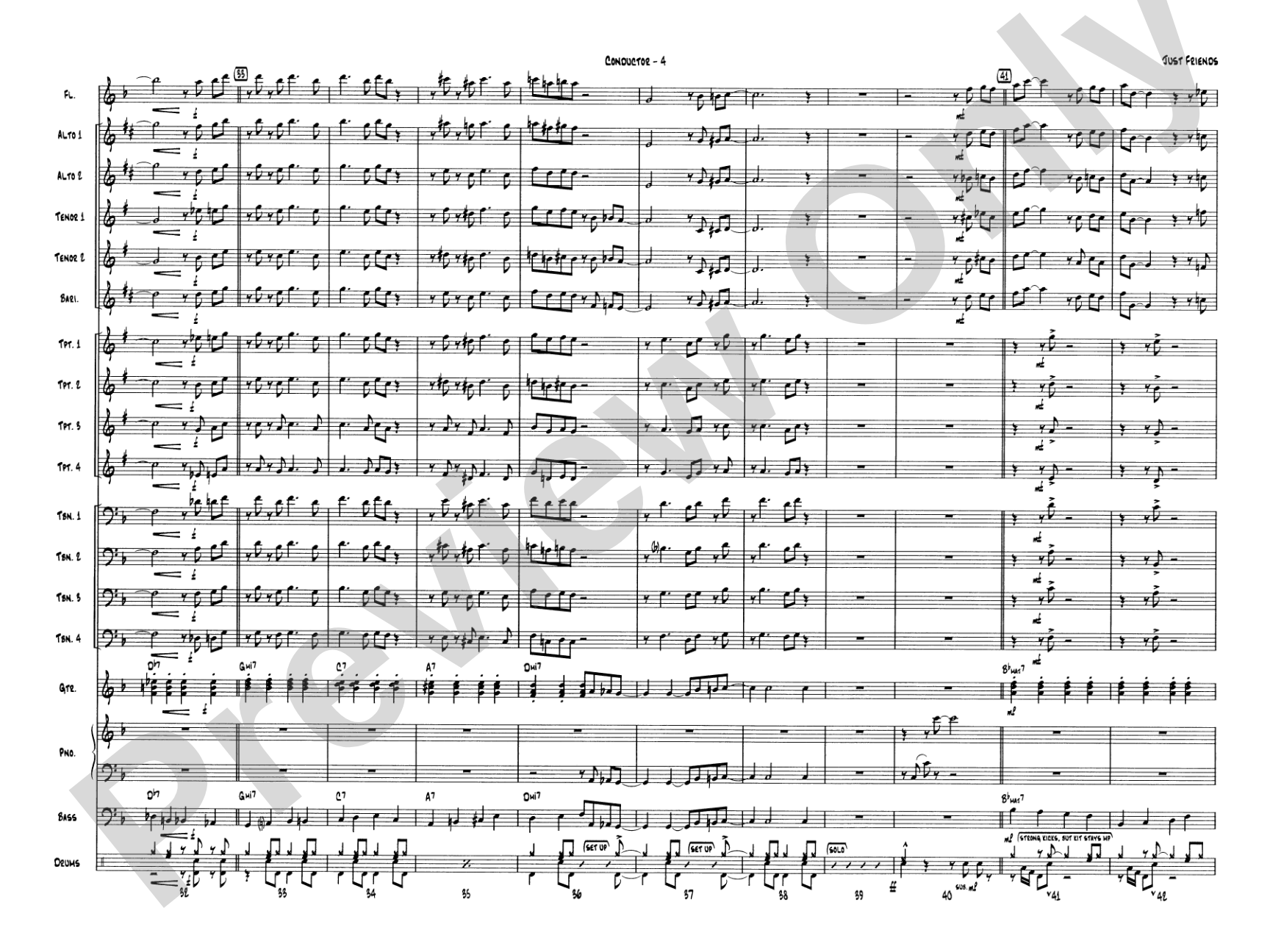
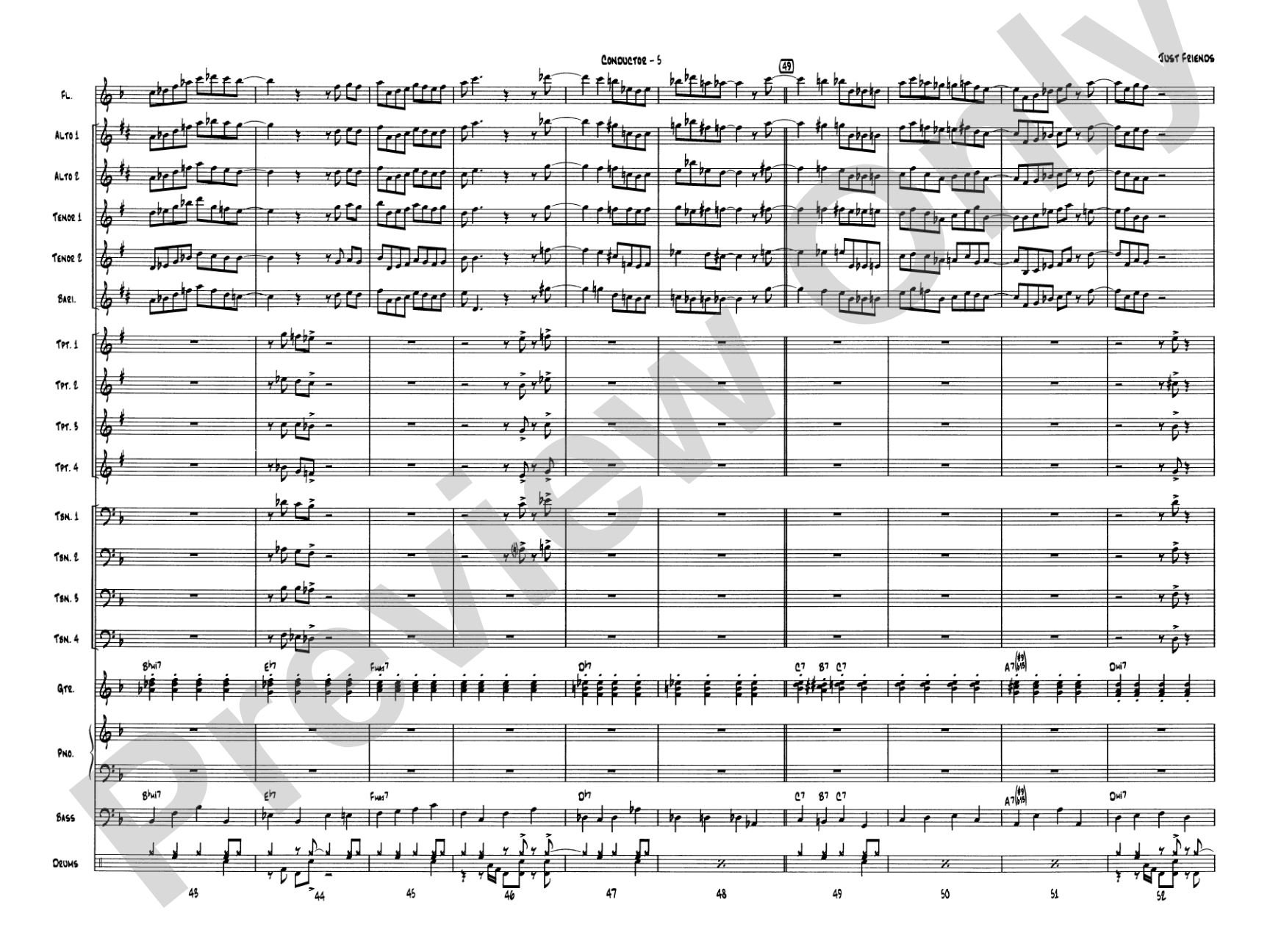
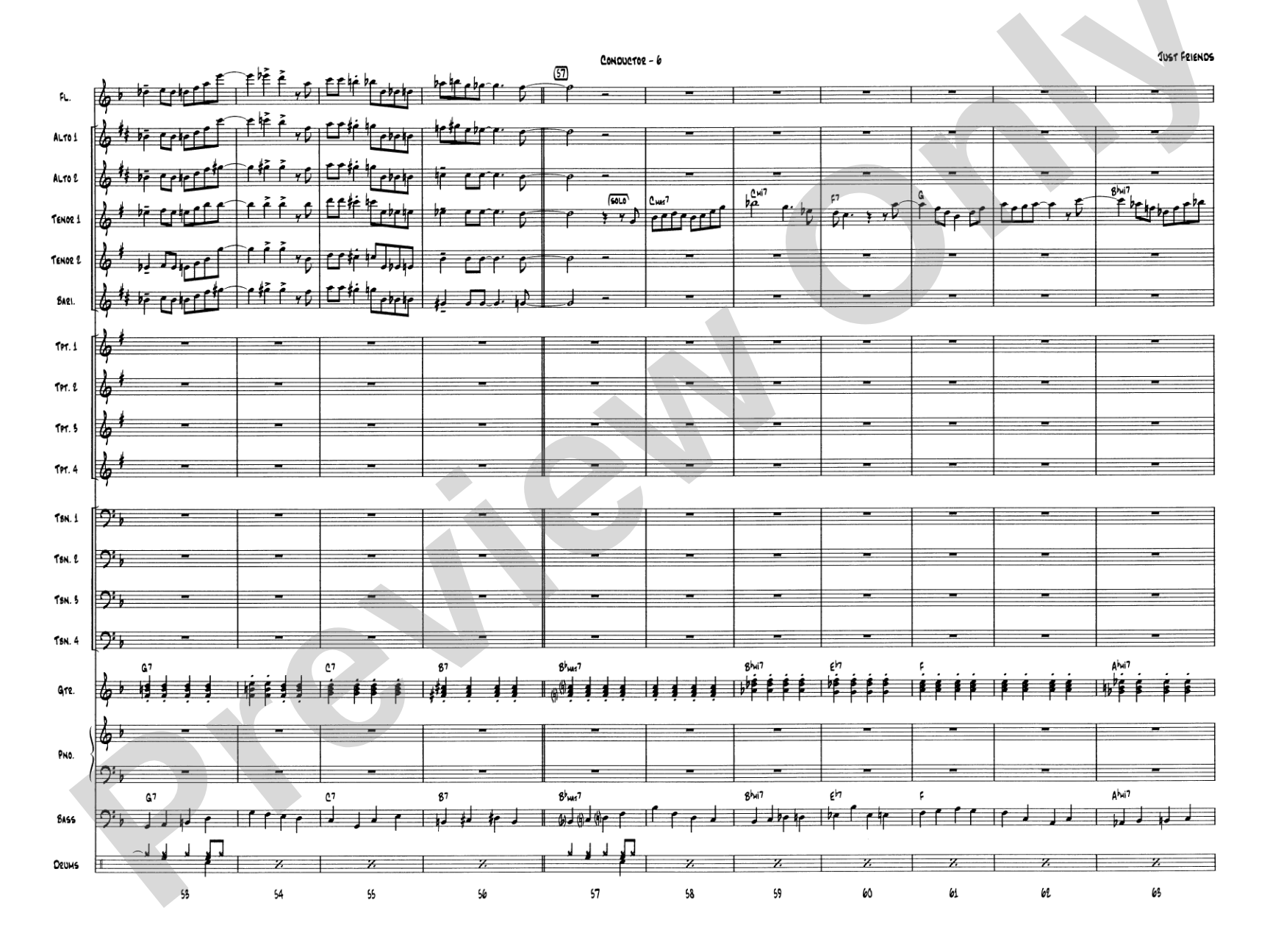
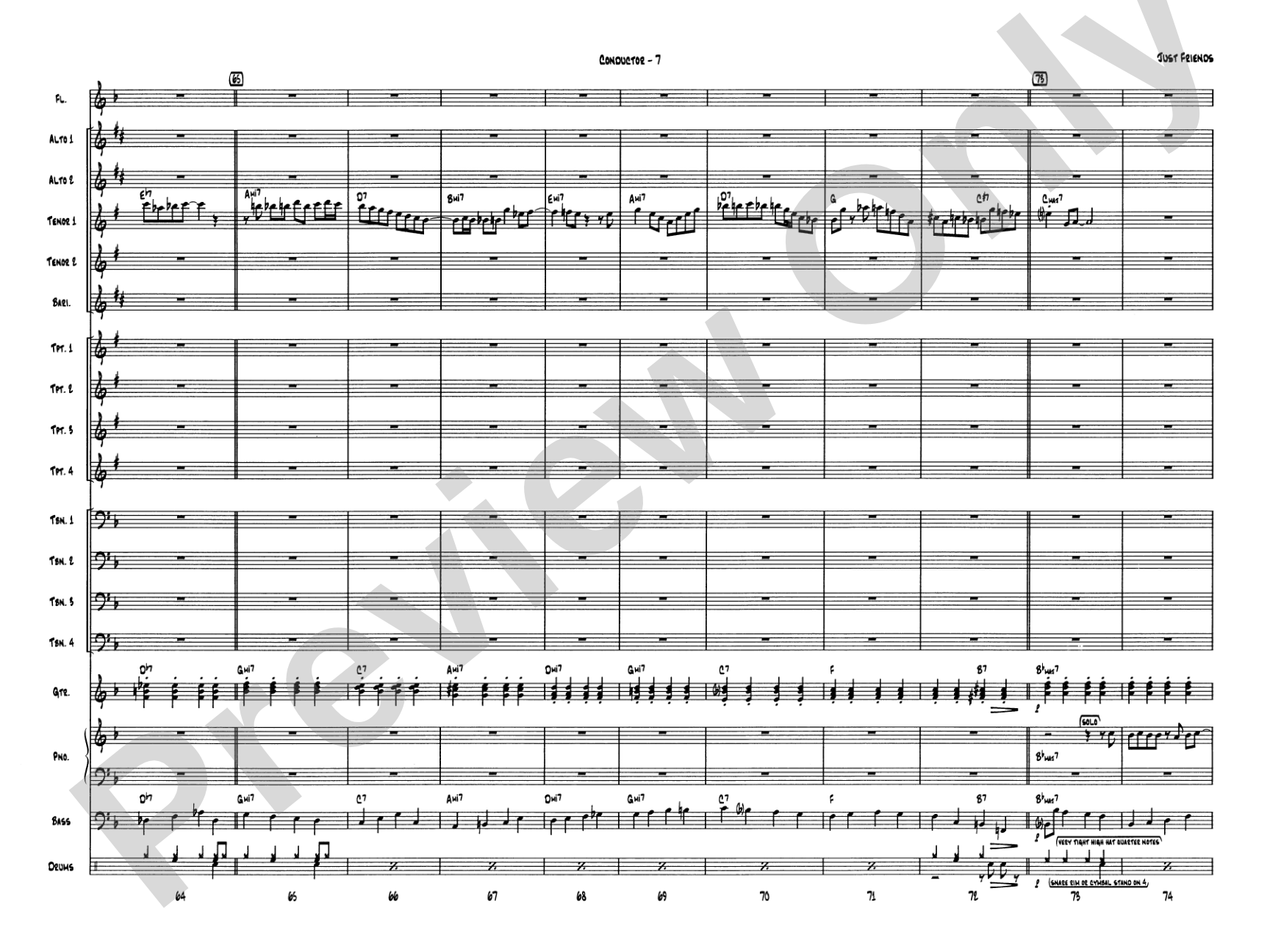
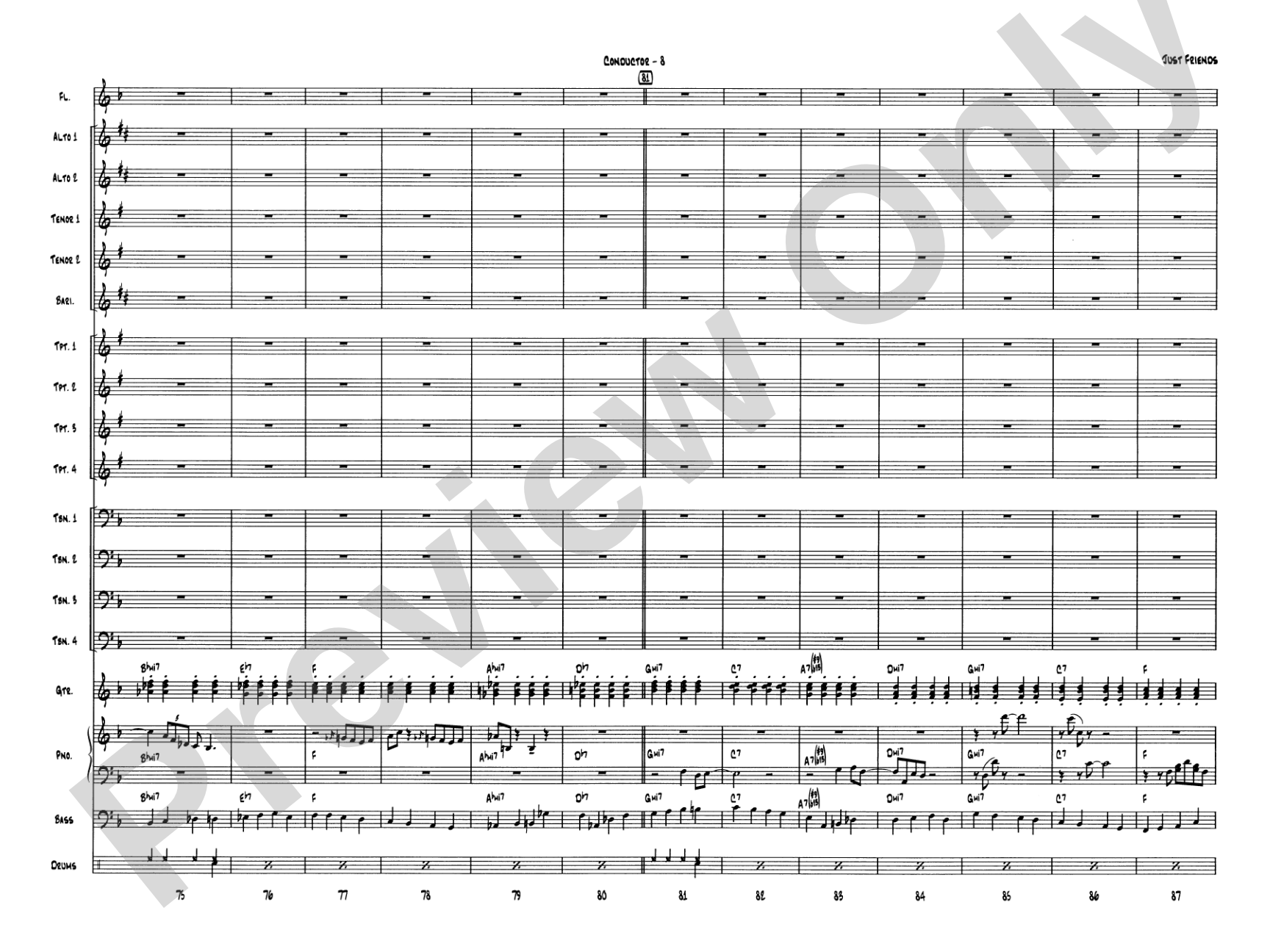
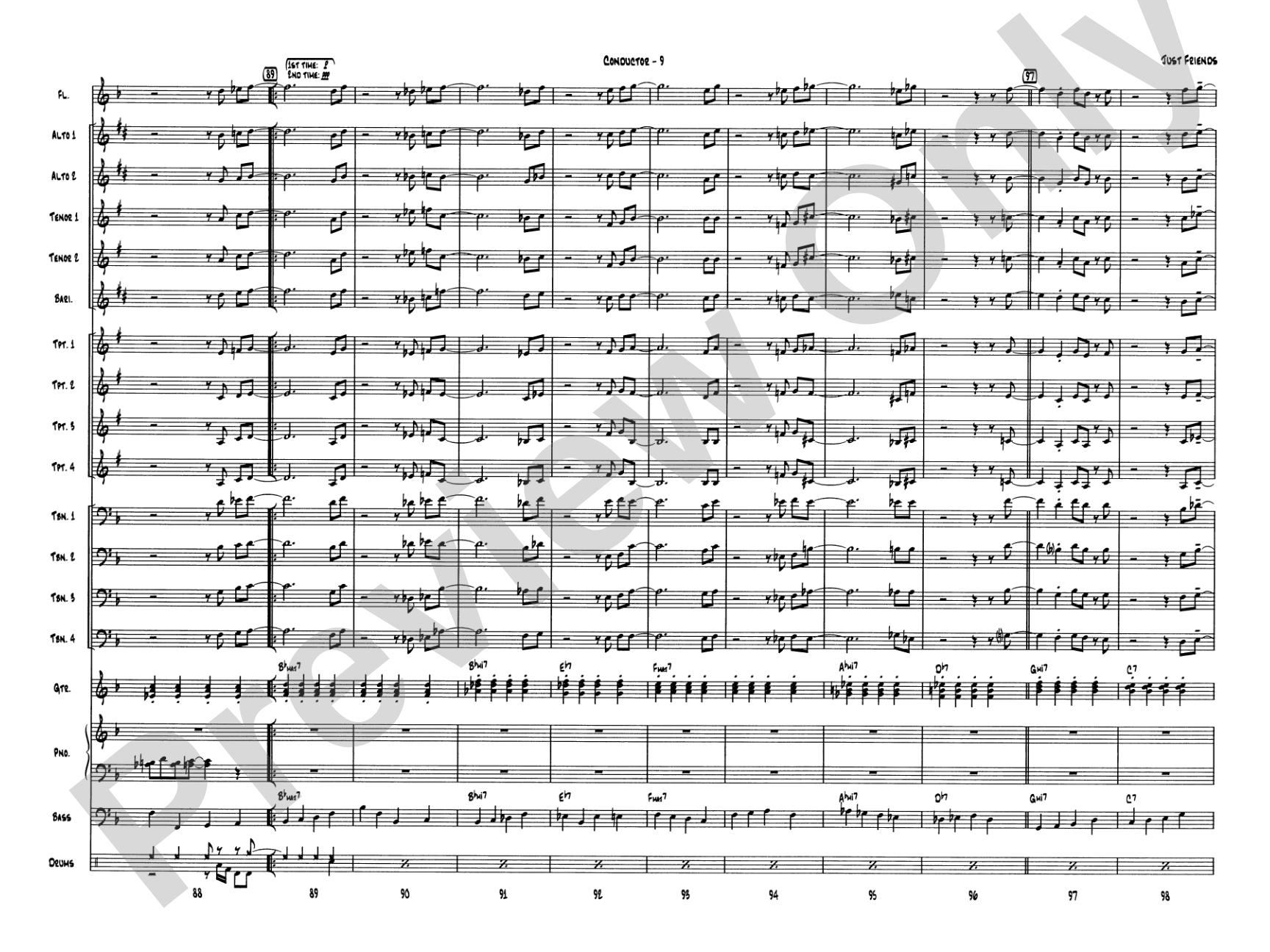
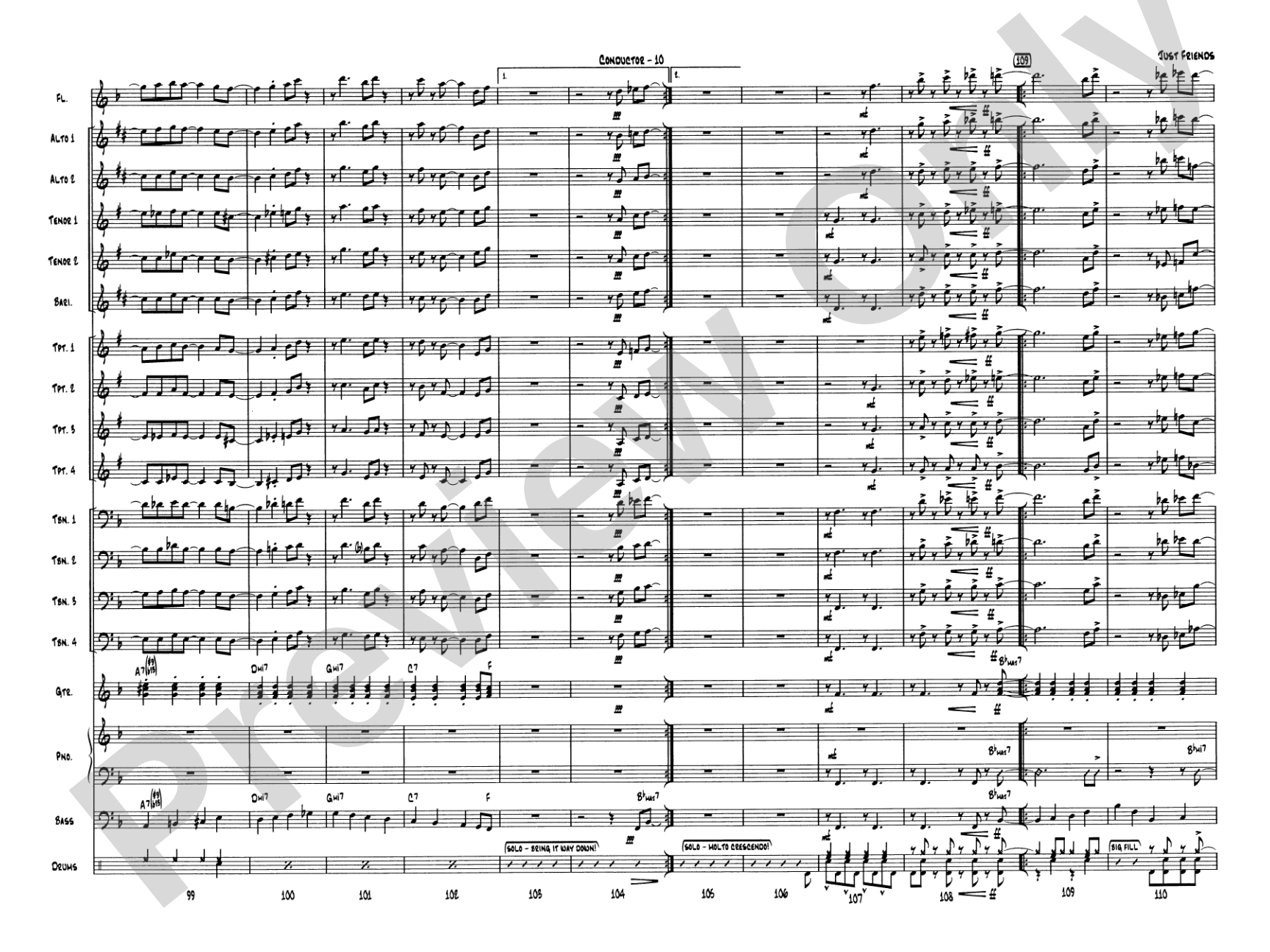
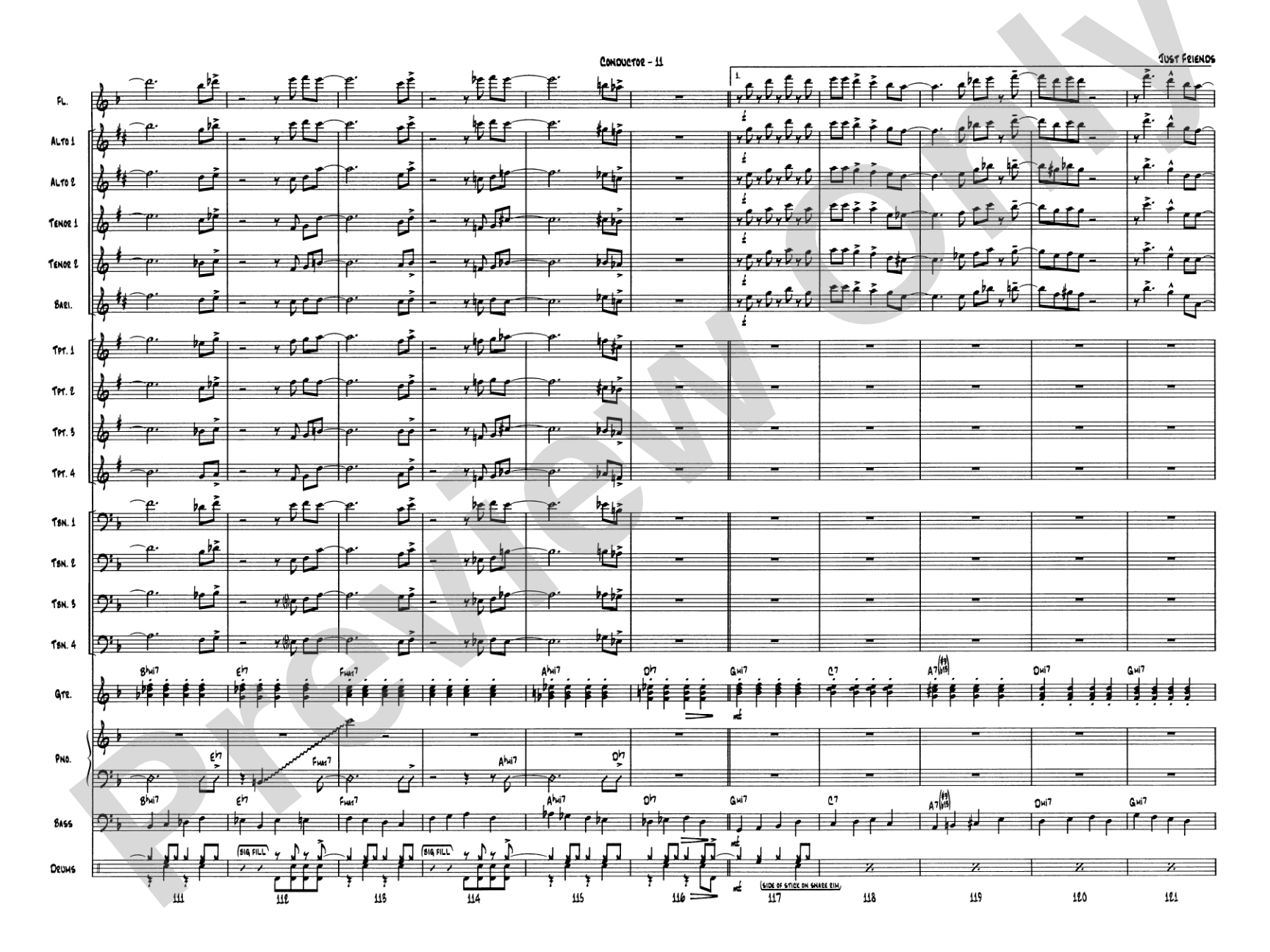
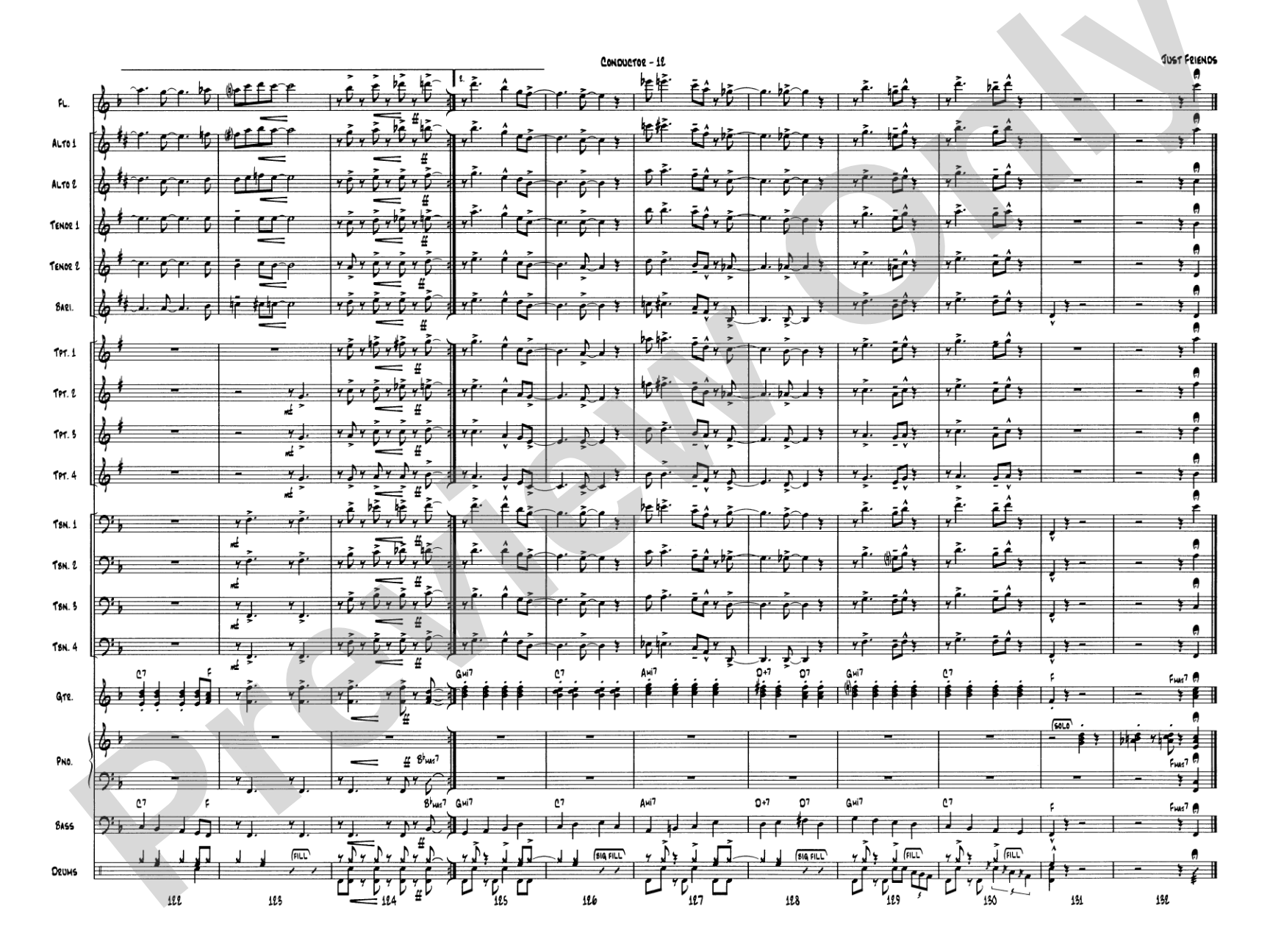



Just Friends: Jazz Ensemble Conductor Score & Parts
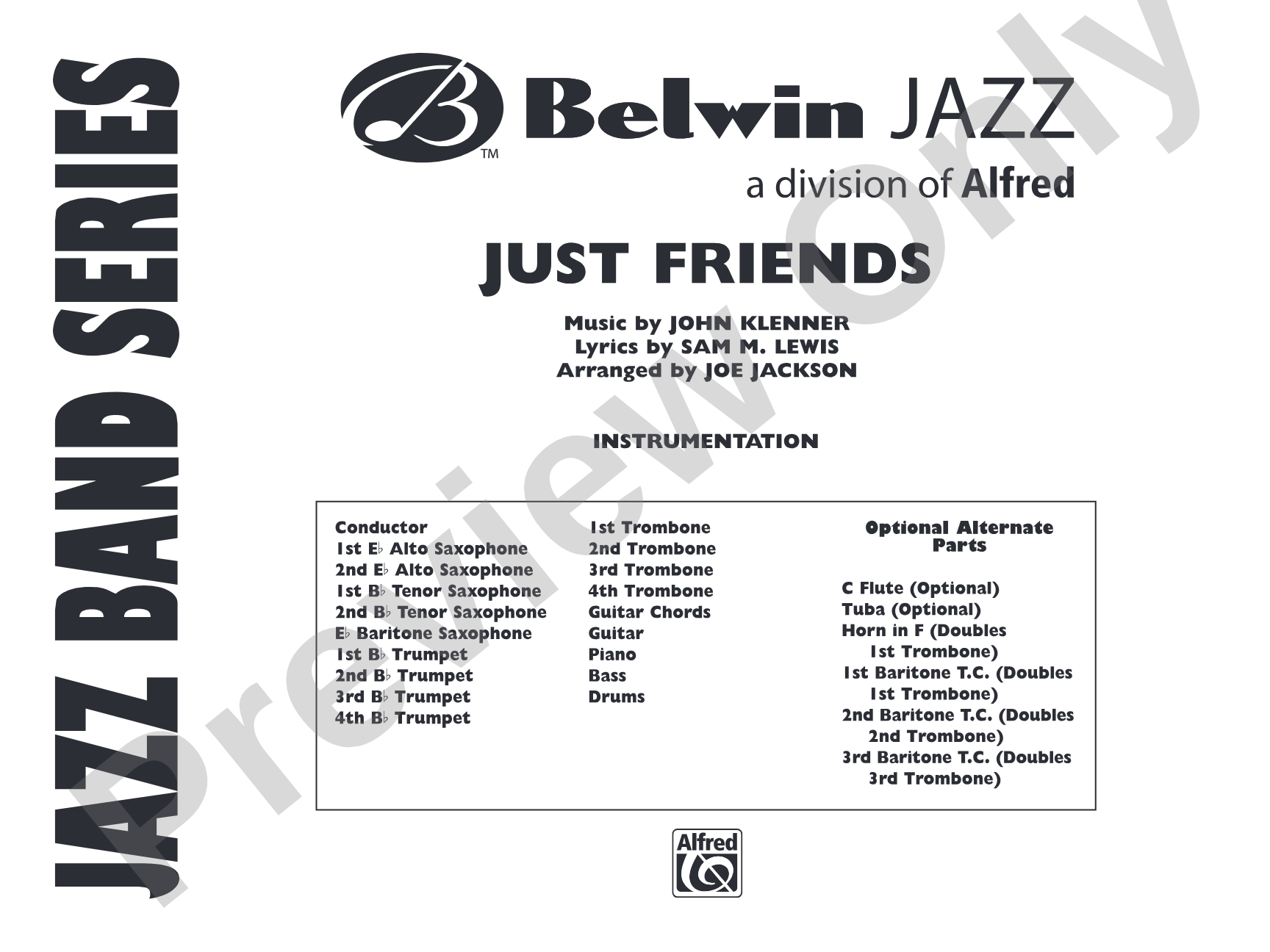
Music by John Klenner, lyrics by Sam M. Lewis / arr. Joe Jackson
Grade: 3 (Medium)
Item: 00-PK-0002491

$50.00
One moment…
Description
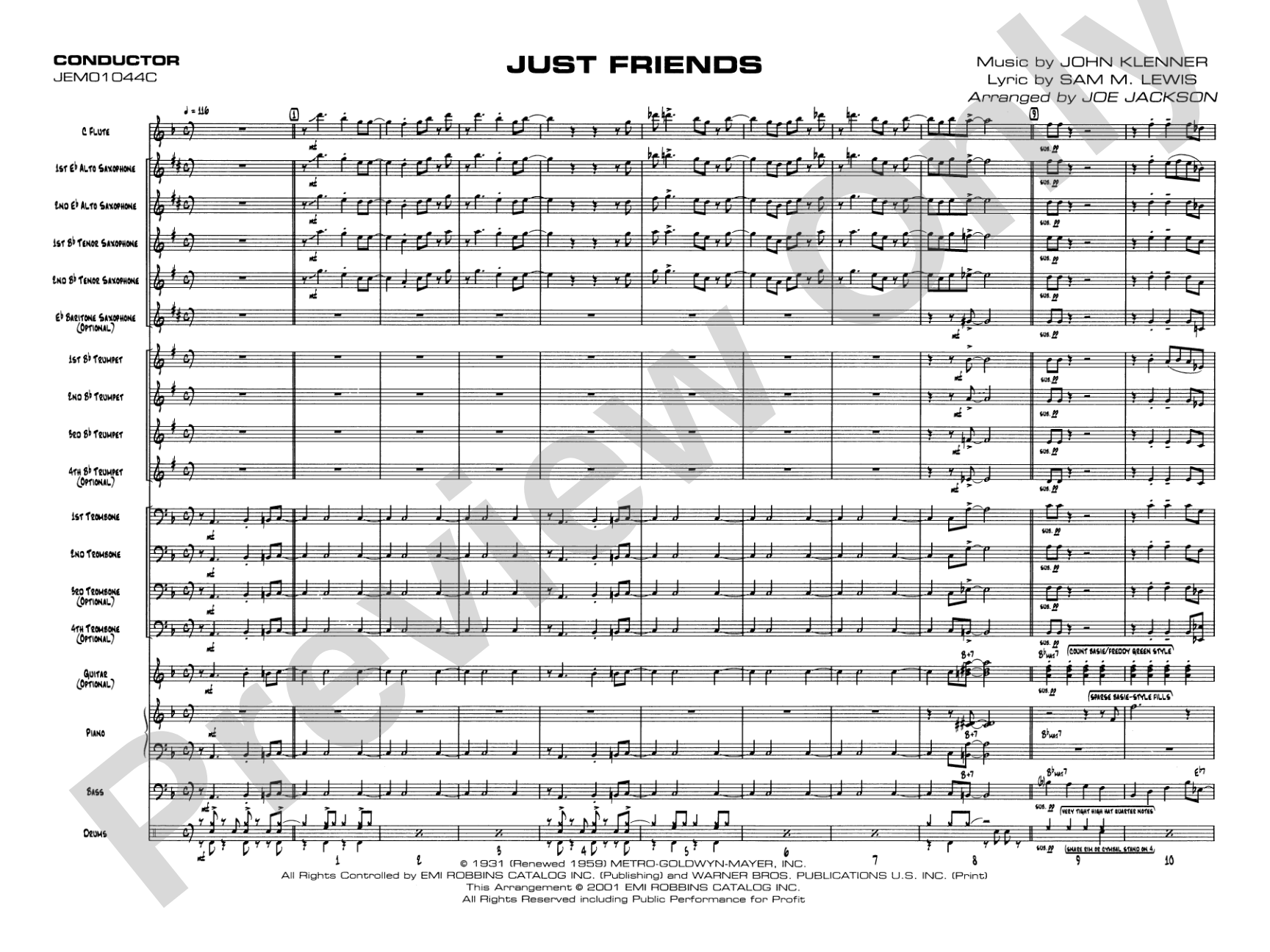
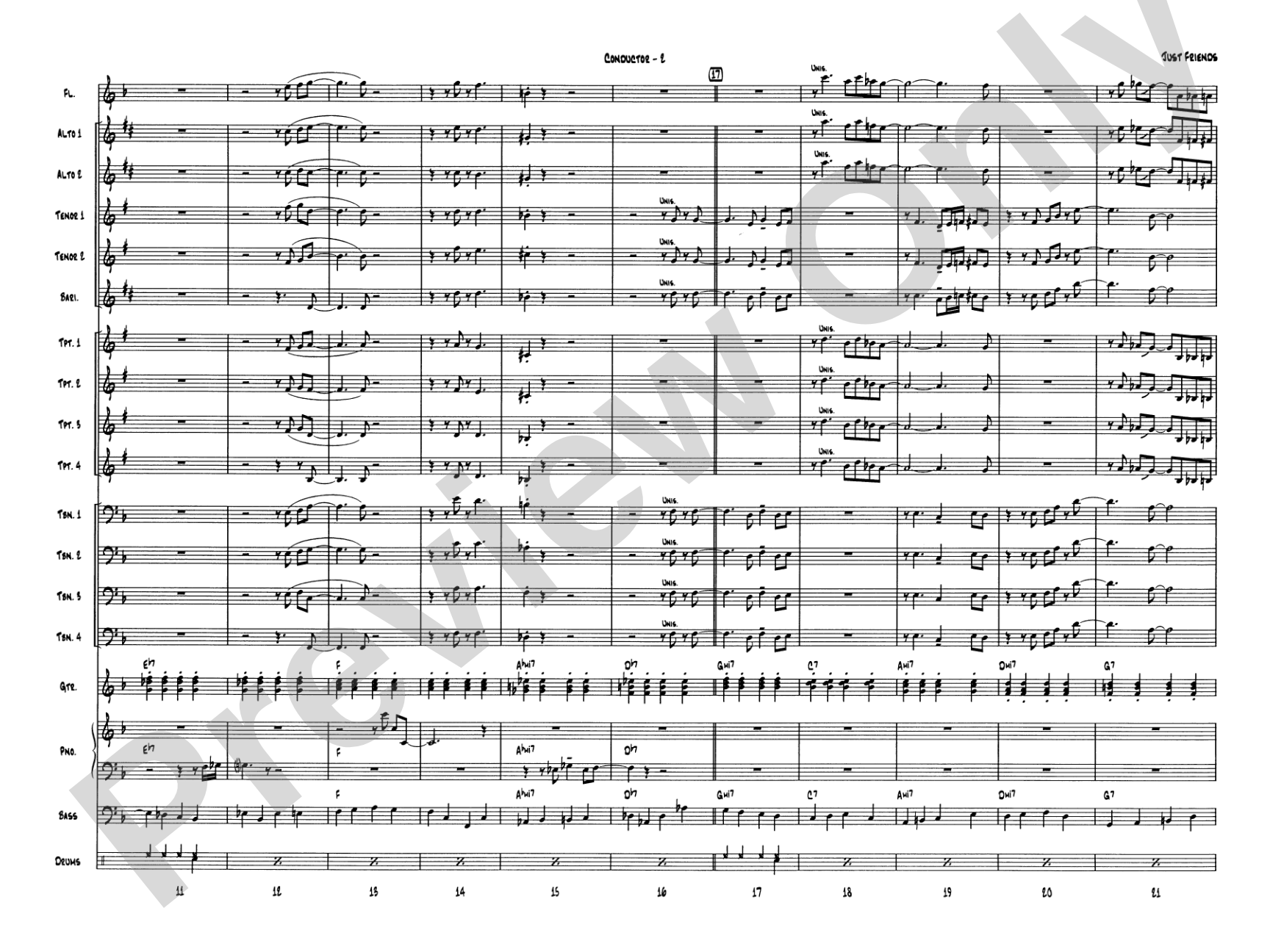
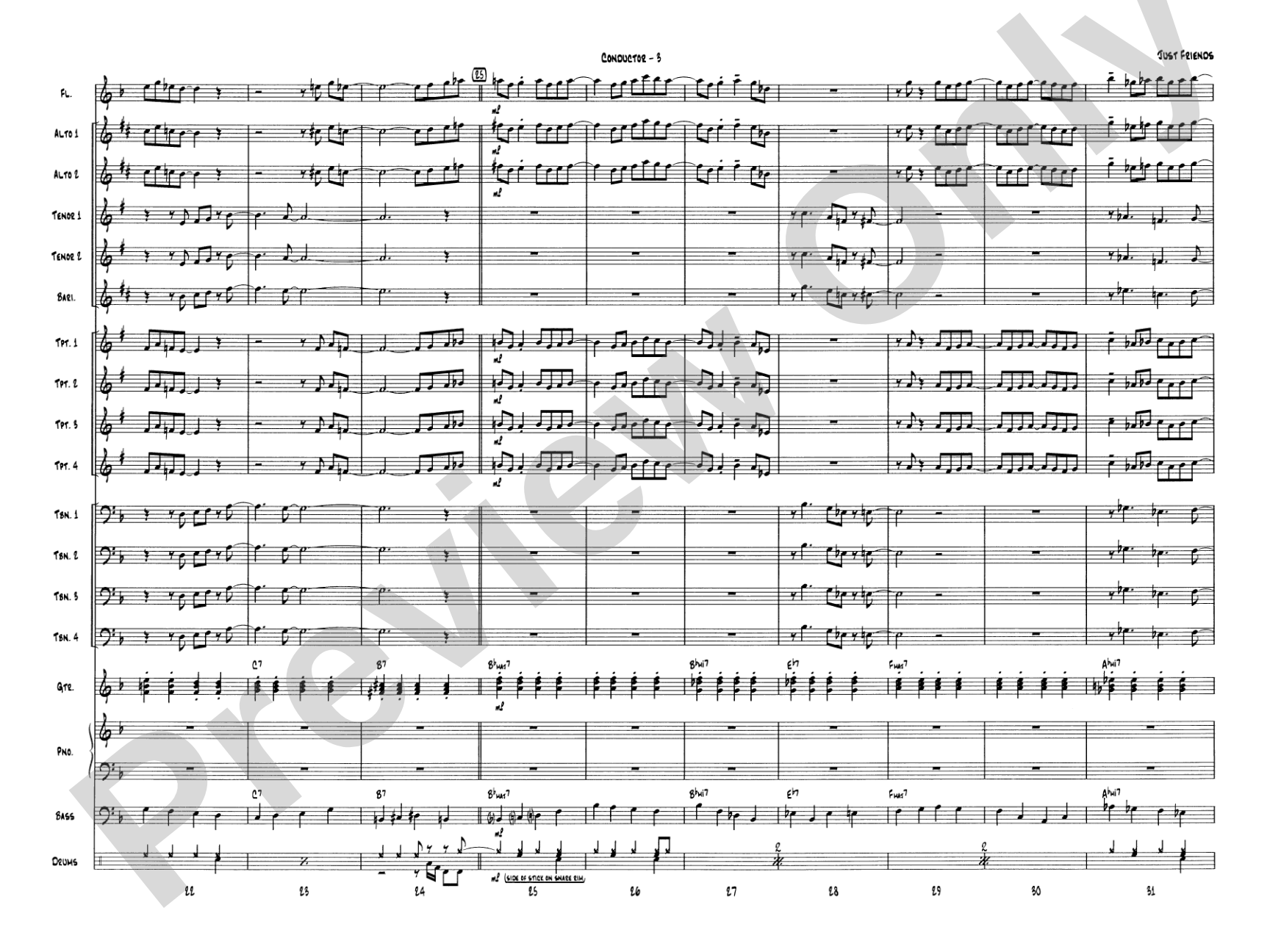
There's no way you won't swing on this jazz classic for the young player treated here in a Basie style. Arranger Joe Jackson took this standard and worked his magic to score it for the Jazz Band Series. Joe has included solos for piano and tenor sax, both with written solos provided, and an outstanding sax section soli. By the way, the suggested piano solo is just as the Count would have played it---tasty. This chart is nothing short of an education in big band. The way this chart builds intensity, the dynamics, the drum fills, and ensemble shout chorus are all textbook big band techniques. This chart will stand out in your library.


Don't just read it, hear it, play along with it, and watch your students grow with it. In MakeMusic Cloud, Just Friends: Jazz Ensemble Conductor Score & Parts comes alive with professional accompaniment, adjustable tempo, and built-in practice tools that turn solo practice into real progress.
Open in the Player
Jump straight in and assign it today.
Start Your Free Trial
Open this title and explore the full library in minutes.
Sample Audio
1
Audio File
--:--
0:00
0:00
Sample Video
No sample videos found.
Additional Details
Series:
Jazz Band Series
Publisher:
Alfred Music
Page Count:
108
SKU:
00-PK-0002491
More about this title
About the Composer: John Klenner
John Klenner composed "Just Friends" in 1931, contributing one of the Great American Songbook's most enduring standards to the jazz repertoire. The song's elegant melody and harmonic sophistication have made it a favorite among jazz musicians and arrangers for nearly a century, covered by everyone from Ella Fitzgerald to Bill Evans.
Why we love this
Joe Jackson's arrangement captures the essence of Count Basie's approach to big band writing: economical, swinging, and built on the power of the ensemble rather than complexity for its own sake. The inclusion of written solos for piano and tenor sax means your students hear exactly what's expected, then have the freedom to interpret within those models. This chart teaches real big band orchestration through doing, not description.
What to expect
Propulsive and elegant, with the swagger of classic Basie swing. The arrangement moves with an unhurried confidence, letting the groove breathe while building toward climactic moments that feel inevitable rather than forced.
Who it's for
Medium-level jazz ensembles ready to dig into authentic big band writing and soloists confident enough to use written examples as launchpads rather than ceilings. Directors seeking a chart that educates as much as it entertains will find this an ideal addition to their jazz band library.
How to get the most out of it
- Study the recorded examples of the piano and tenor sax solos before rehearsal; they're models of tasteful phrasing and space, not showmanship.
- Lock the drum fills with the ensemble shout chorus—these moments define the chart's energy, so precision in the rhythm section elevates the entire band.
- Shape the dynamics carefully as the arrangement builds; the intensity comes from restraint early and commitment later, not playing loud from the top.
- Balance the sax section soli so the voicings breathe; these moments showcase tight section work and should sit above the rhythm section without overblowing.
How to use it
This works beautifully in a jazz concert devoted to standards or as the anchor piece in a program that pairs it with other swing-era repertoire. Its accessibility and immediate impact make it an excellent choice for audiences new to jazz band literature while remaining sophisticated enough to satisfy experienced listeners.
Skills your students will build
- Recognizing and executing Basie-style big band phrasing and articulation
- Building ensemble intensity through layered dynamics and orchestration rather than volume alone
- Interpreting written solo models as frameworks for personal expression
- Tightening section blend and intonation within the sax section soli
- Reading the relationship between drum fills and ensemble rhythm to maintain groove