Just 'Cuz Cover Image

Just 'Cuz: Jazz Ensemble Conductor Score

$9.00 USD
Sale price  $9.00 USD Regular price 
Skip to product information
Just 'Cuz Cover Image

Just 'Cuz: Jazz Ensemble Conductor Score

By Rick Hirsch

Grade: 2 (Medium Easy)

Item: 00-43672S

$9.00
Shipped

One moment…

Description
"Just 'Cuz" is a catchy rock chart played around 132 BPM with the trumpet 1 range to written G on top of the staff. Solos are written out for any sax and any brass instrument. This chart is very flexible and great fun to play! (3:27)

Just 'Cuz: Jazz Ensemble Conductor Score isn't in MakeMusic Cloud just yet...but it could be. Let us know you'd like to see it, and you'll help shape what comes next. In the meantime, start a free trial and dive into thousands of interactive titles your students can play along with today.

Sample Pages

Sample Audio
No sample audio found.
Sample Video
Additional Details
Series: Young Jazz Ensemble
Publisher: Alfred Music
Page Count: 16
UPC: 038081494401
SKU: 00-43672S

More about this title

About the Composer: Rick Hirsch
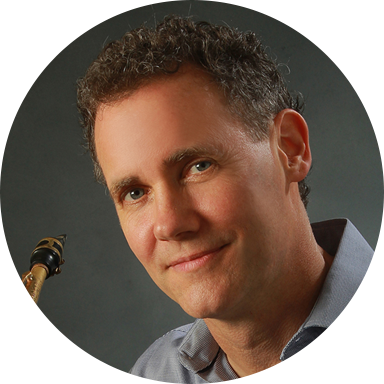
Rick Hirsch

Rick Hirsch earned degrees from UMass-Amherst and Northern Illinois University, then launched his career as a music copyist for jazz legends Bob Mintzer and Toshiko Akiyoshi. His compositional work has reached accomplished musicians across multiple generations: he has written for jazz greats Yusef Lateef and Eddie Henderson, collaborated with the Capitol Quartet, and created music for the Penn State Blue Band.

Hirsch maintains an active presence in jazz education as a guest conductor for All-State and District Jazz Bands and previously held faculty positions in music. In 2017, his ensemble BIG OL' BAND released their debut album Pocono Git-Down, which showcases the creative energy of regional jazz communities often overlooked by the industry.

Why we love this

Rick Hirsch has crafted a chart that sounds far more sophisticated than its Grade 2 designation suggests. The written-out solos across multiple instruments give every section member a moment to shine, and the groove at 132 BPM sits right in that sweet spot where the ensemble locks in without strain. Directors will appreciate the flexibility built into the arrangement: it works beautifully at full strength but adapts gracefully to different instrumentation.

What to expect

The title says it all: this chart has an unburdened, groove-centered energy that makes jazz feel like pure fun. A rock sensibility drives the harmonic movement, and at 132 BPM the ensemble can lock into a pocket that feels contemporary and alive without demanding virtuosity.

Who it's for

Medium-easy jazz ensembles that want accessible but genuinely entertaining material. Players at the Grade 2 level will find the range and rhythmic demands manageable, while the modern rock idiom and built-in solo opportunities keep the experience engaging for conductors and musicians alike.

How to get the most out of it

  • Balance the rock pocket against the written trumpet 1 line at the top of the staff. The chart thrives when the rhythm section anchors the groove while the trumpets sit cleanly on top.
  • Encourage soloists to own the written material rather than treat it as a skeleton. Hirsch's solo sections are crafted with specific harmonic and melodic intent, so precision in execution will highlight the solo voice.
  • Keep the forward energy consistent through all three minutes and twenty-seven seconds. A chart this fun can tip toward rushing if the ensemble senses the groove; lock the tempo early and trust the pocket.

How to use it

Program this near the end of a jazz concert when the ensemble is confident and the audience is warmed up. It pairs naturally with other accessible, groove-oriented charts in the Grade 2-3 range and serves as an excellent confidence builder for younger ensembles stepping into rock-influenced jazz literature.

Skills your students will build

  • Reading and executing rock rhythms in jazz context
  • Balancing section blend when melody sits in trumpet voices
  • Performing written solos with style and precision
  • Maintaining steady tempo in groove-centered music
  • Understanding trumpet range and tessitura considerations (written G as structural ceiling)

You May Also Like