
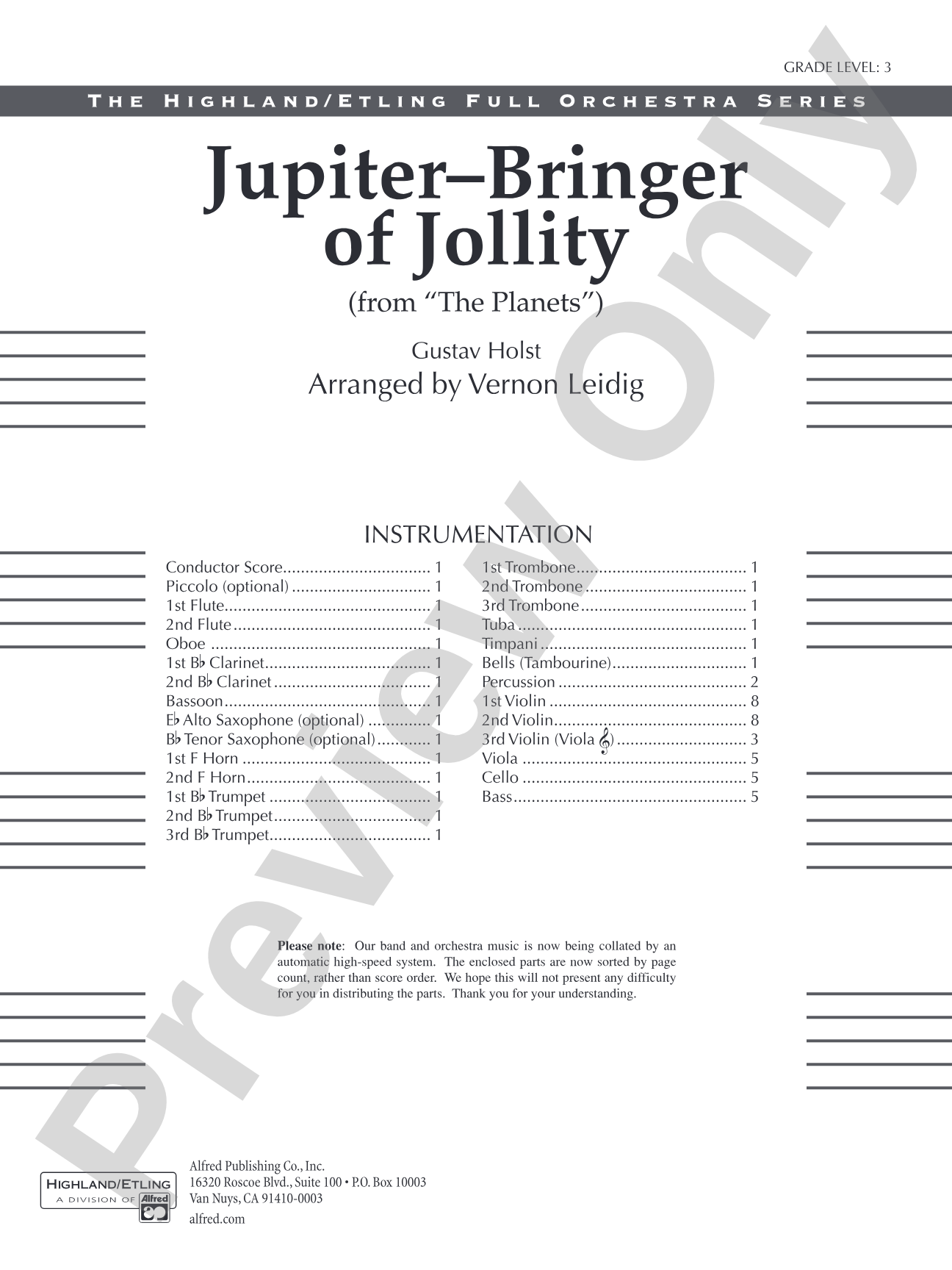

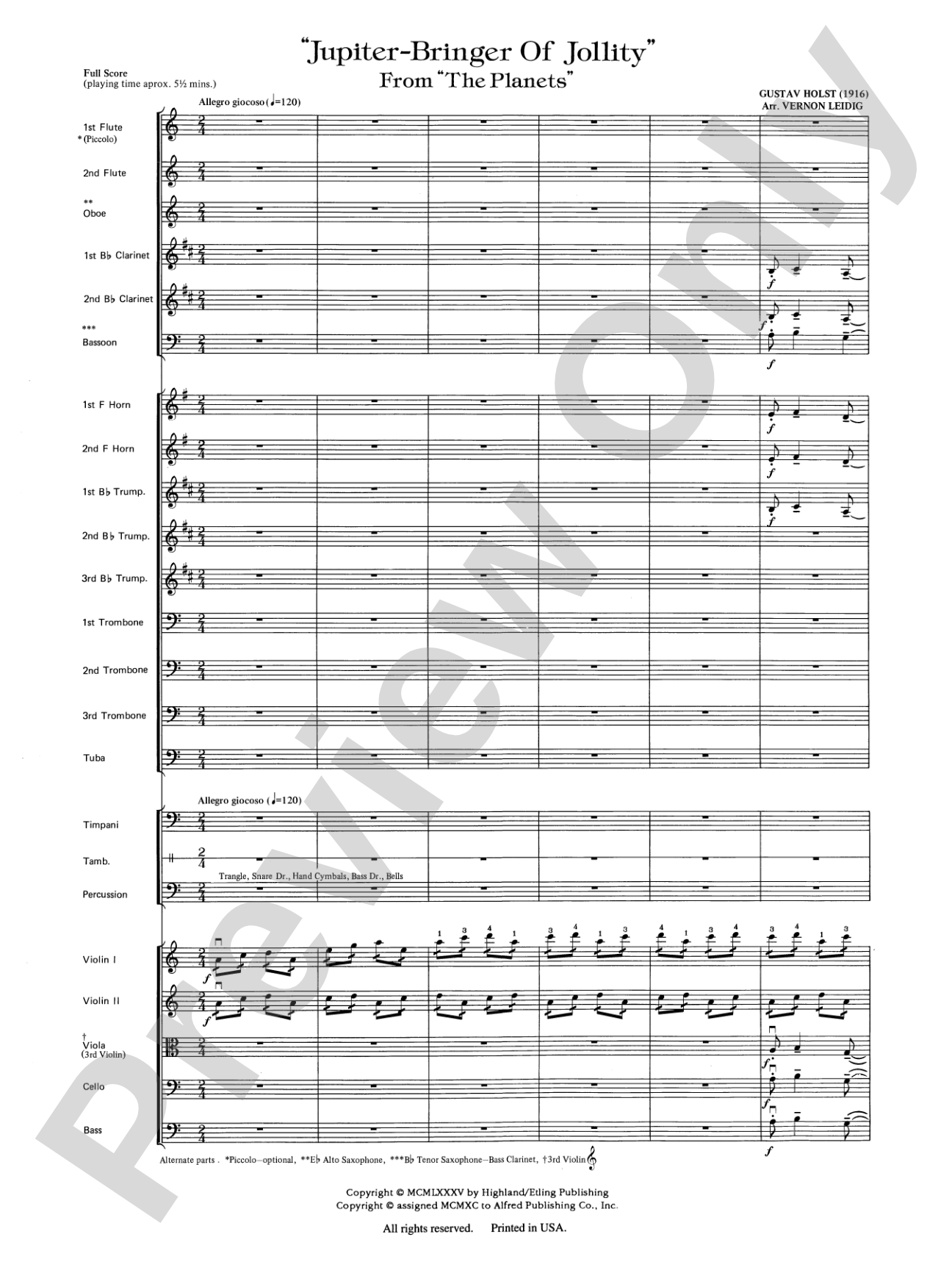
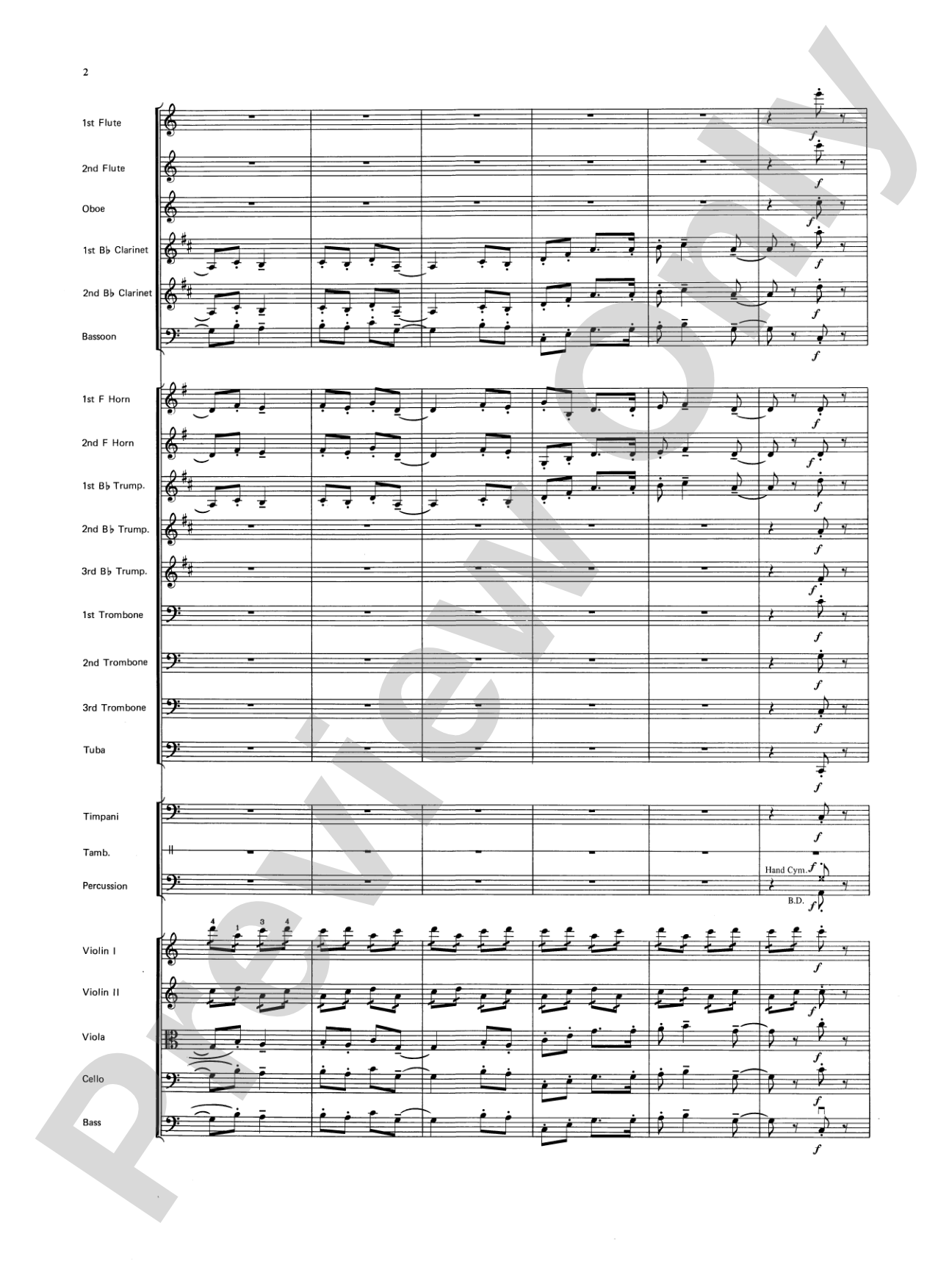
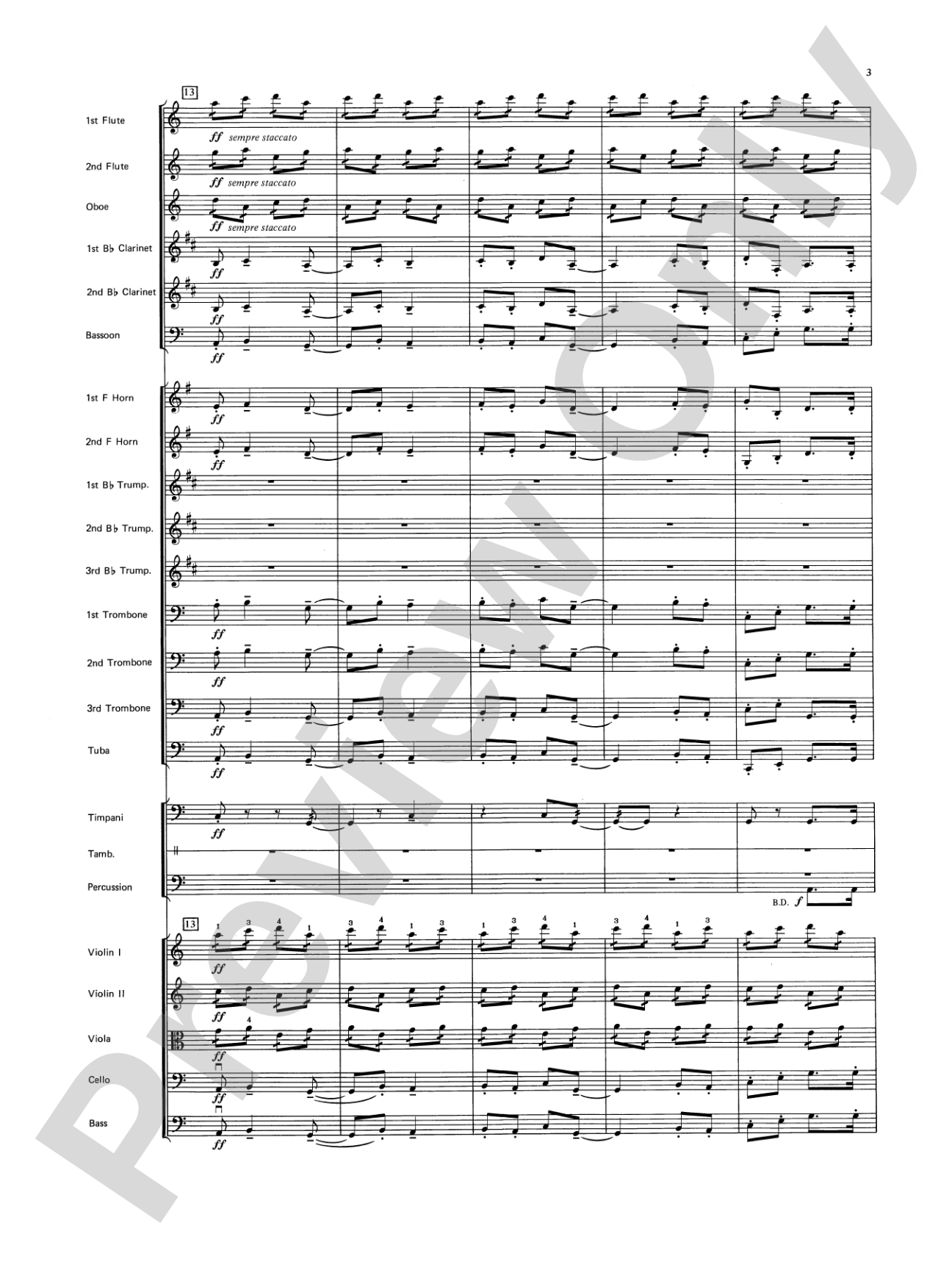
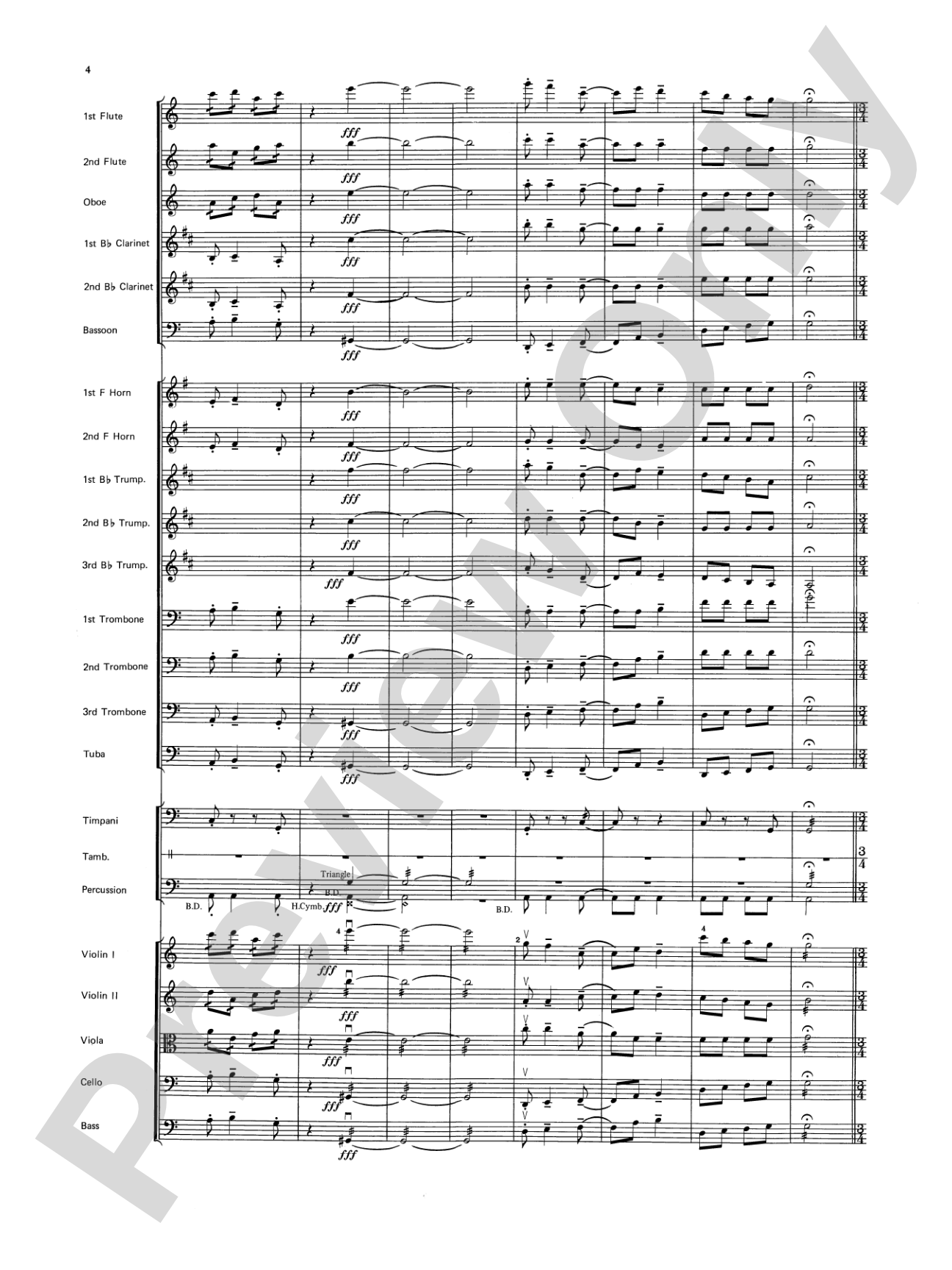
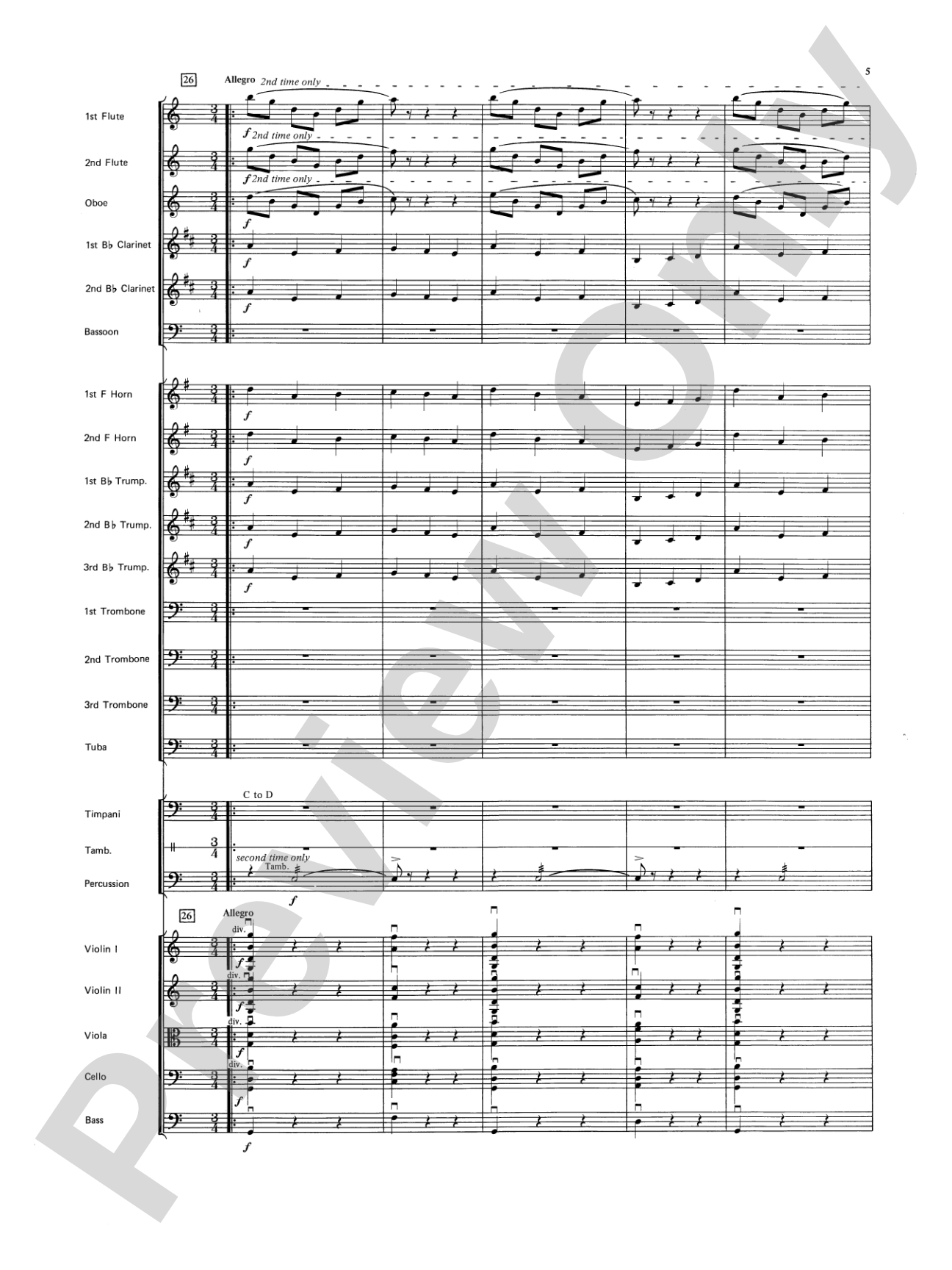
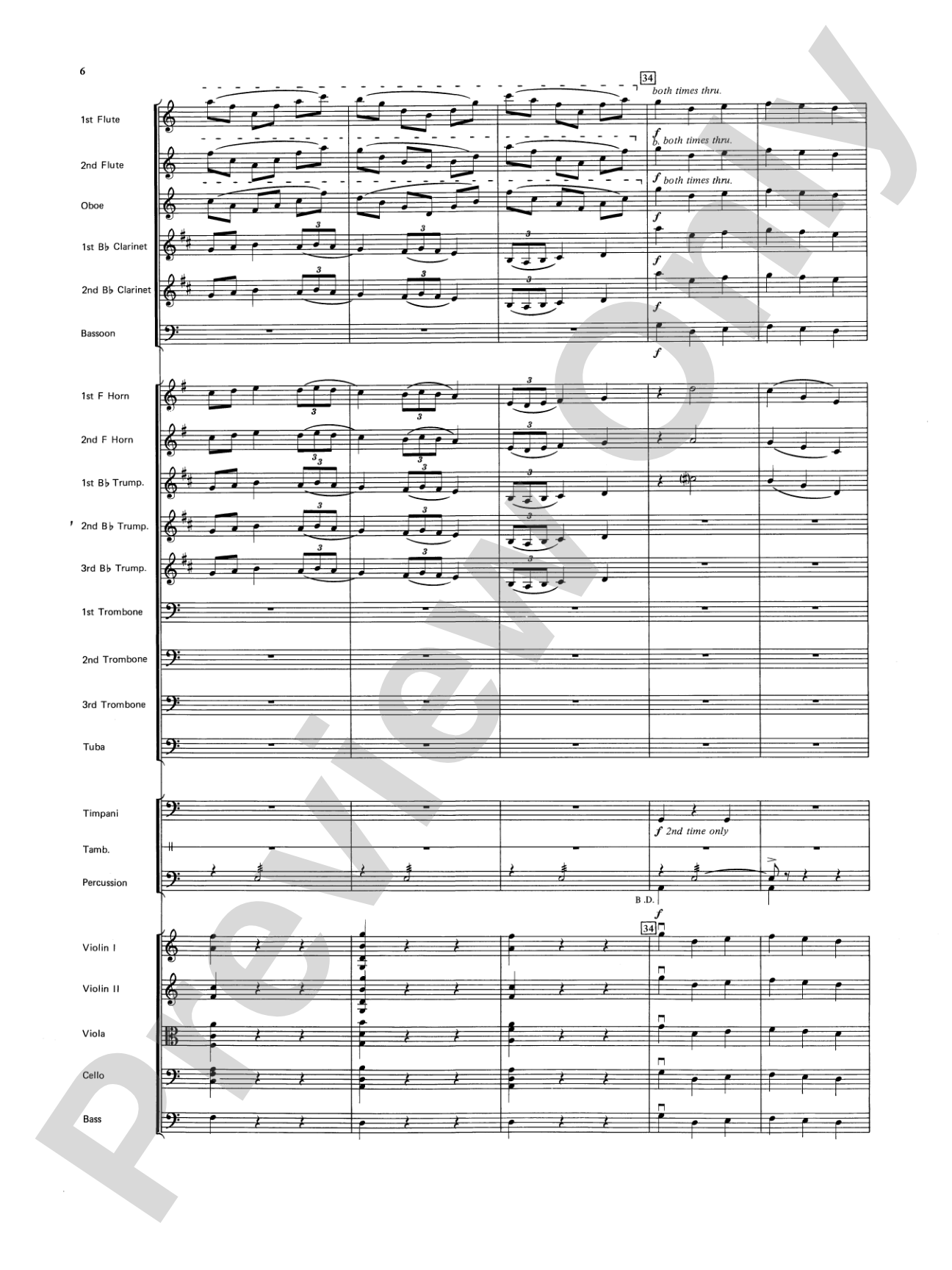
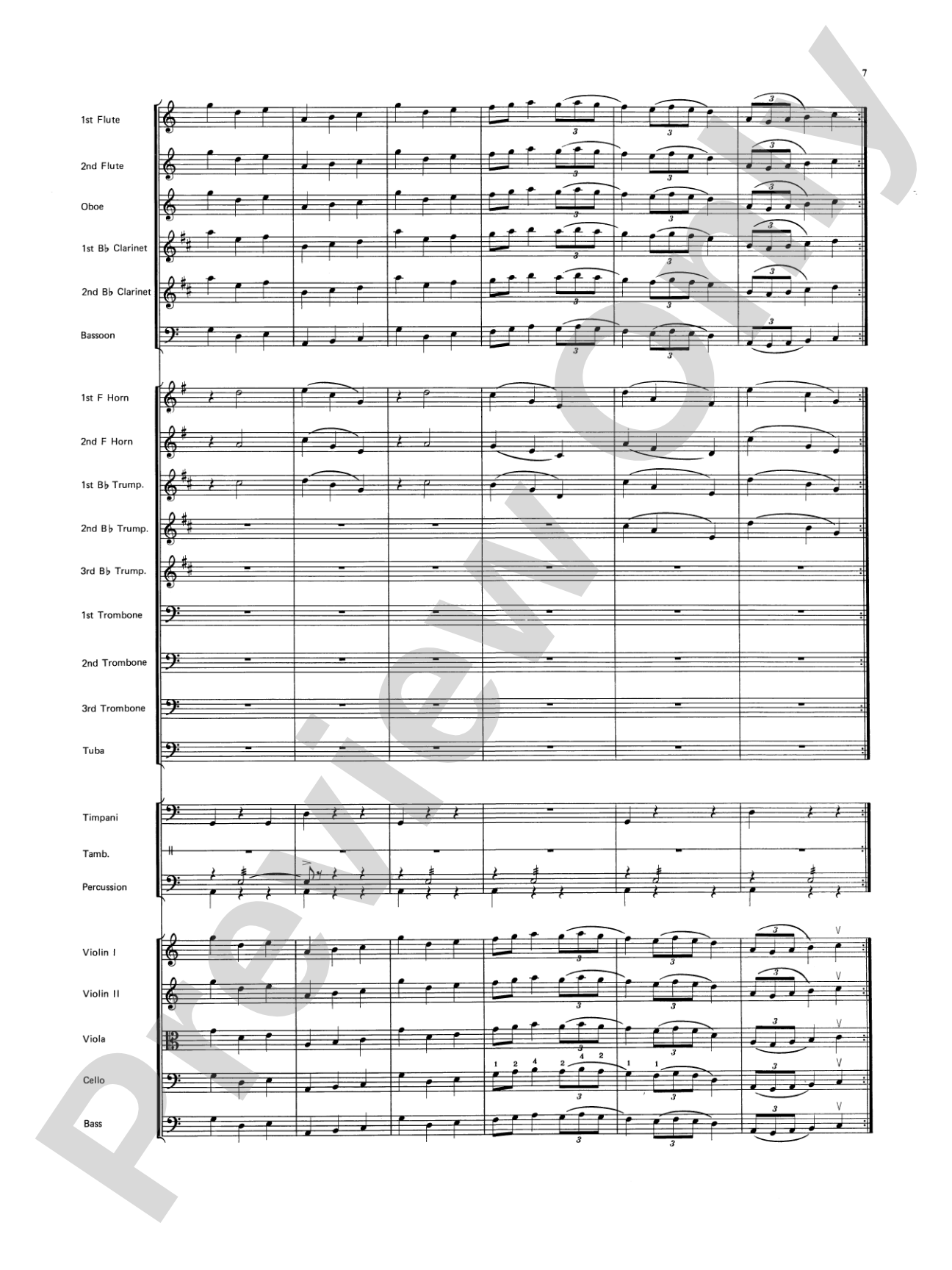
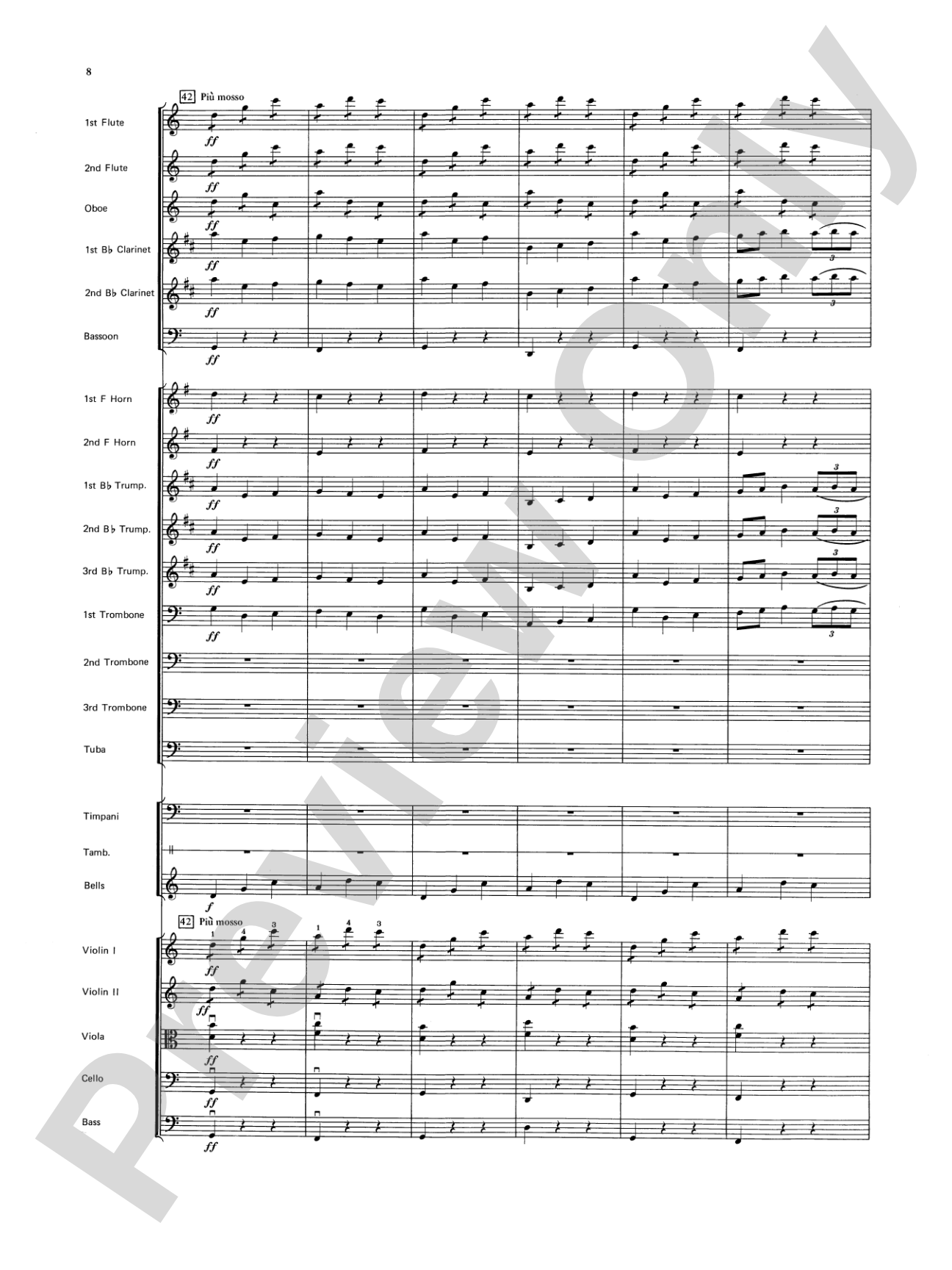
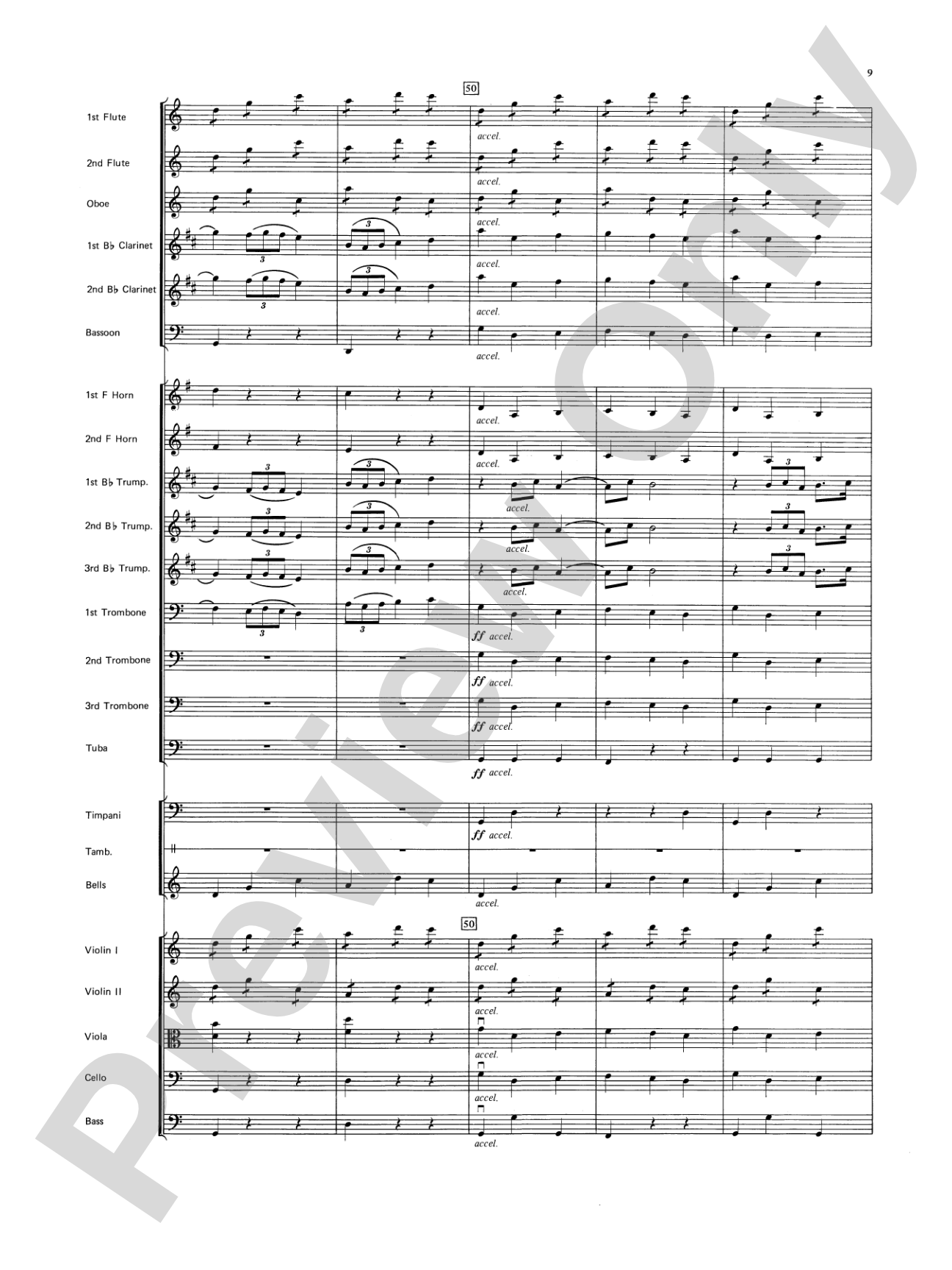
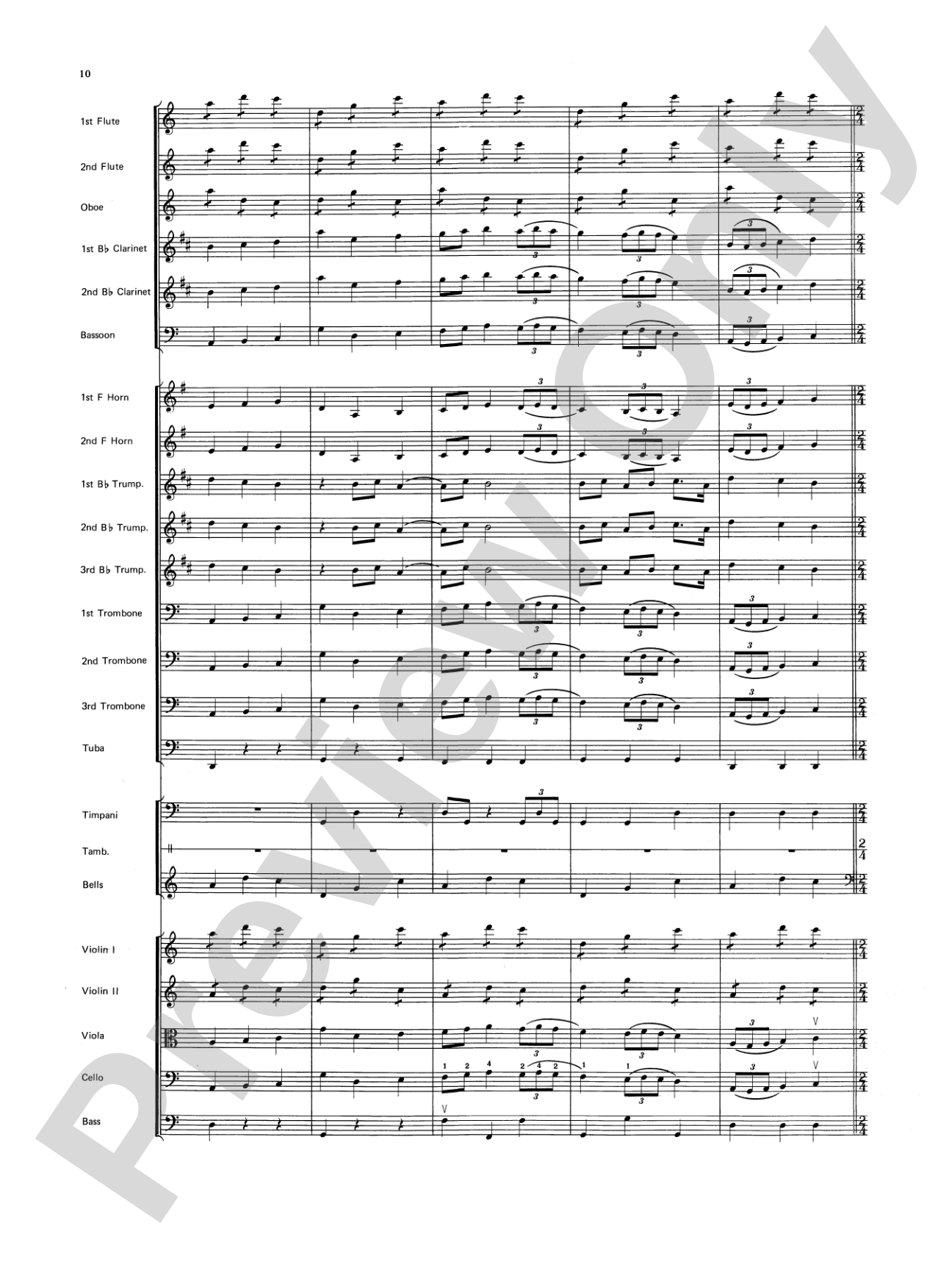
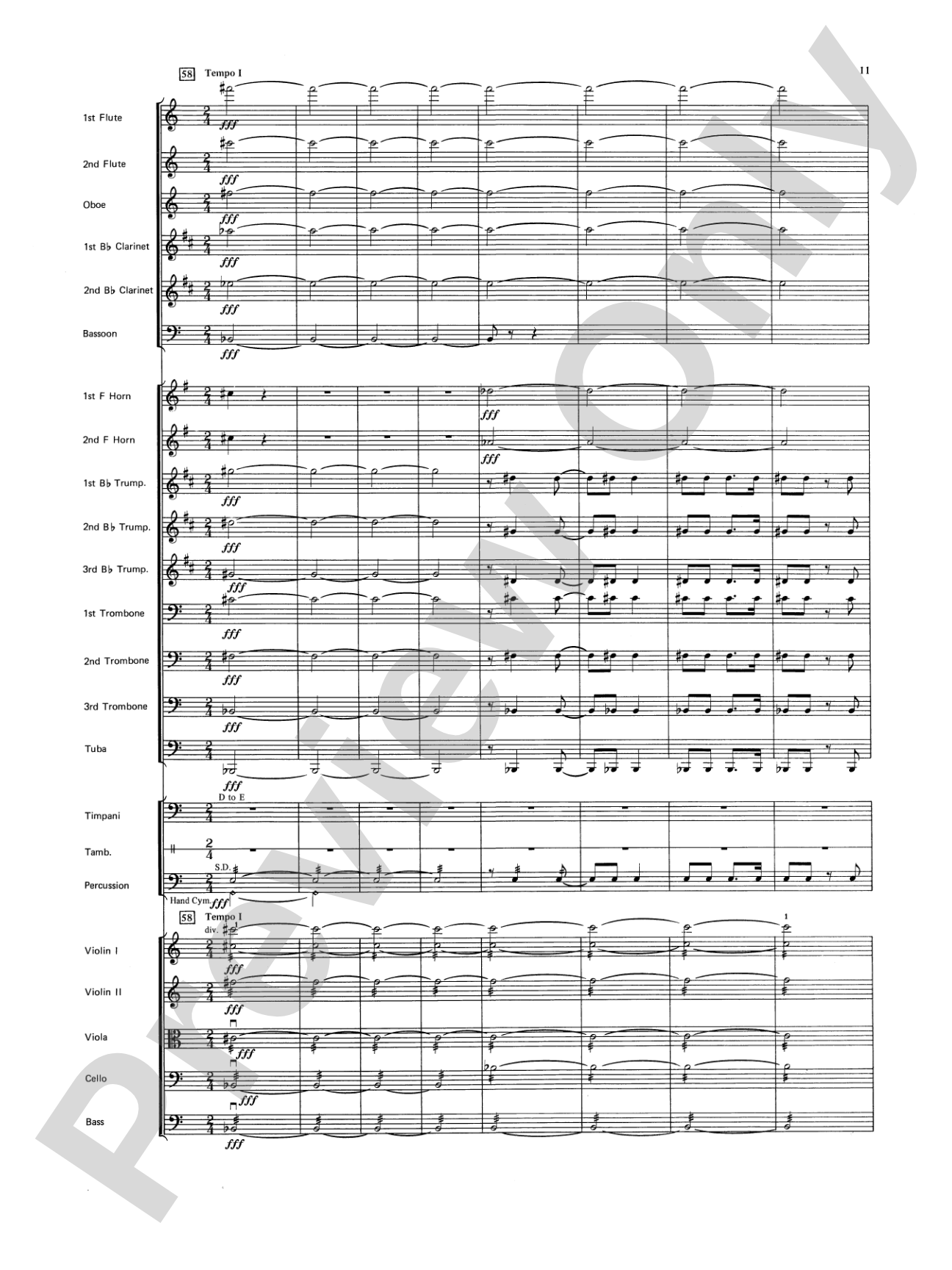
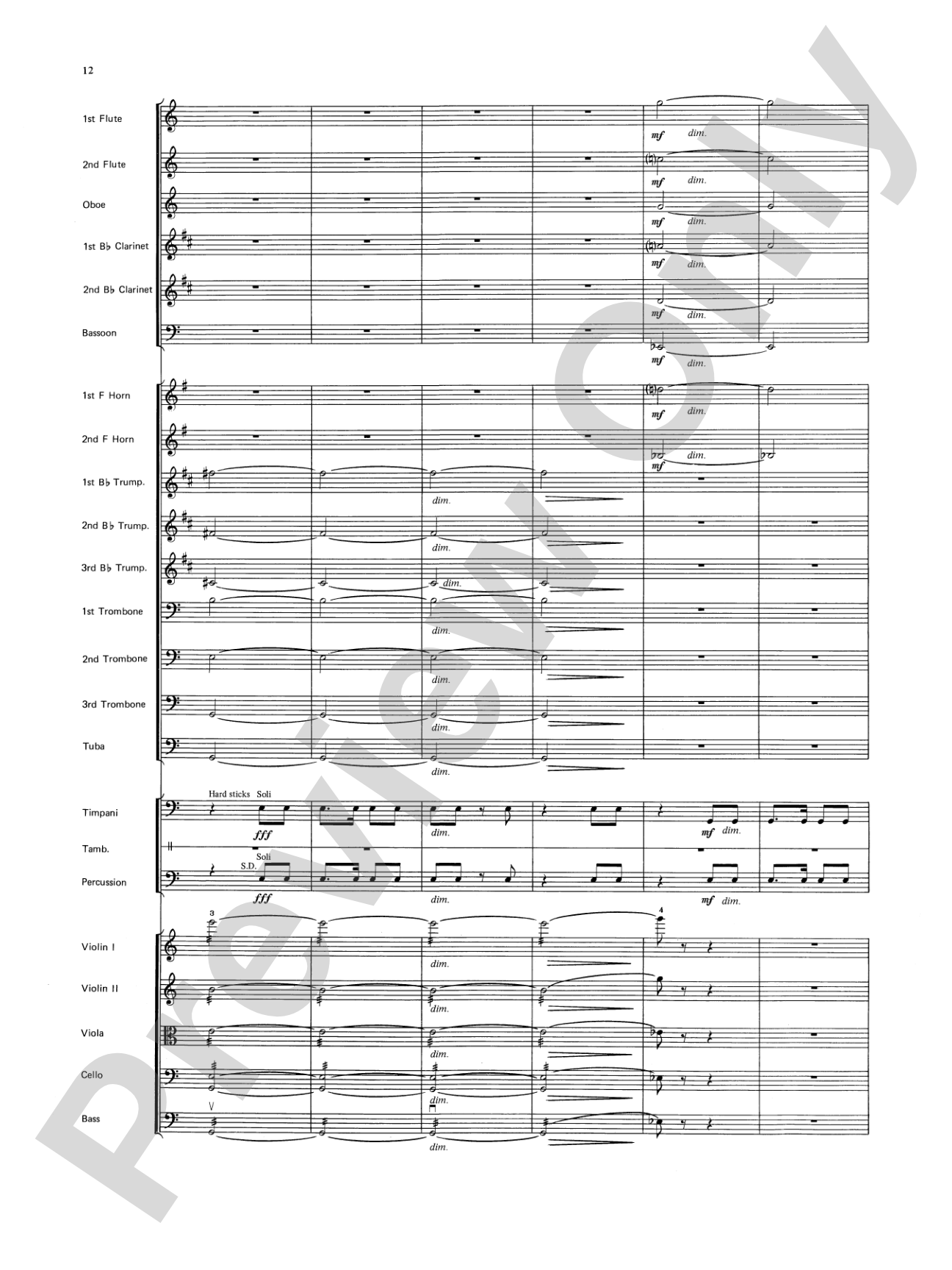
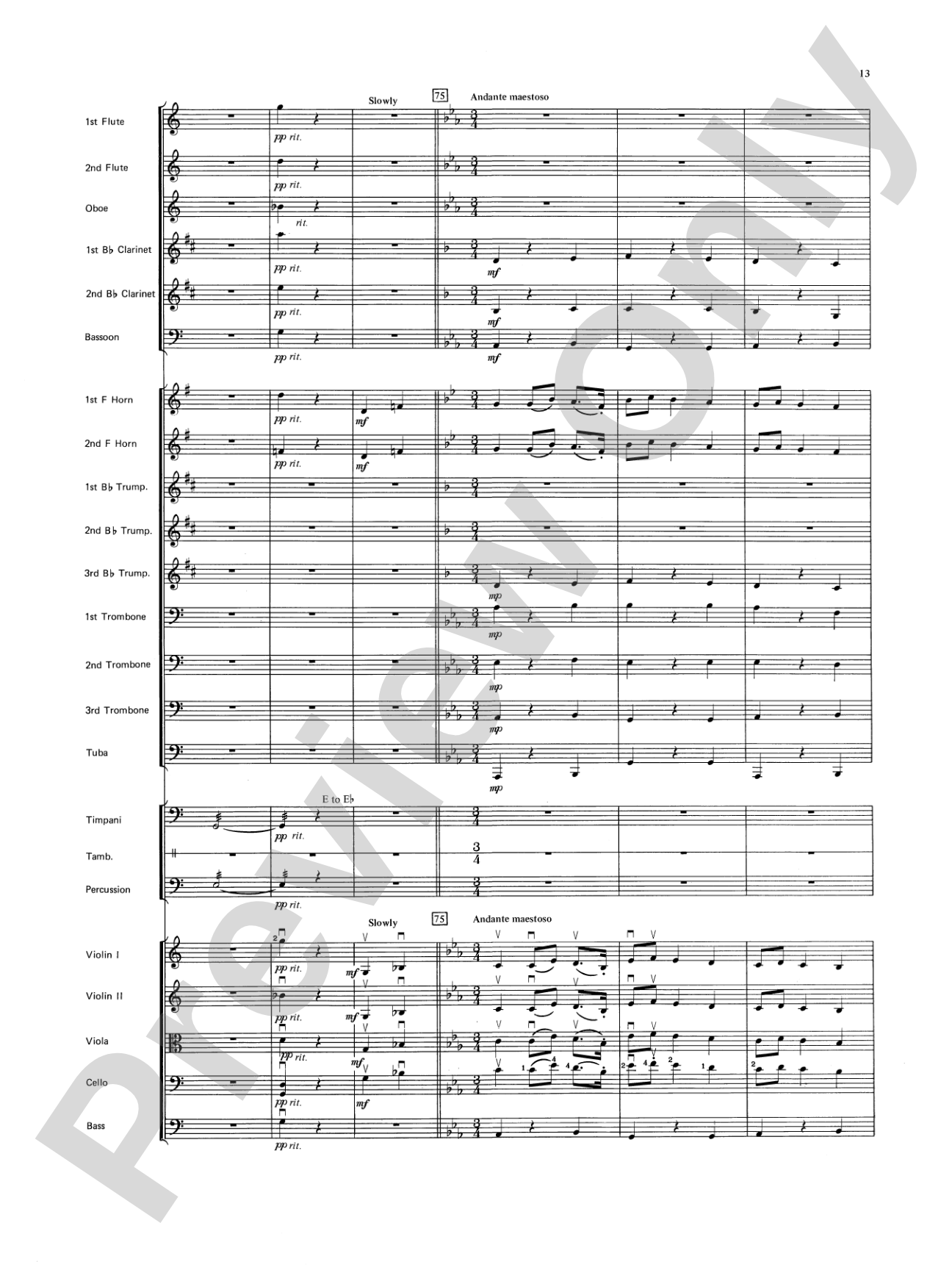
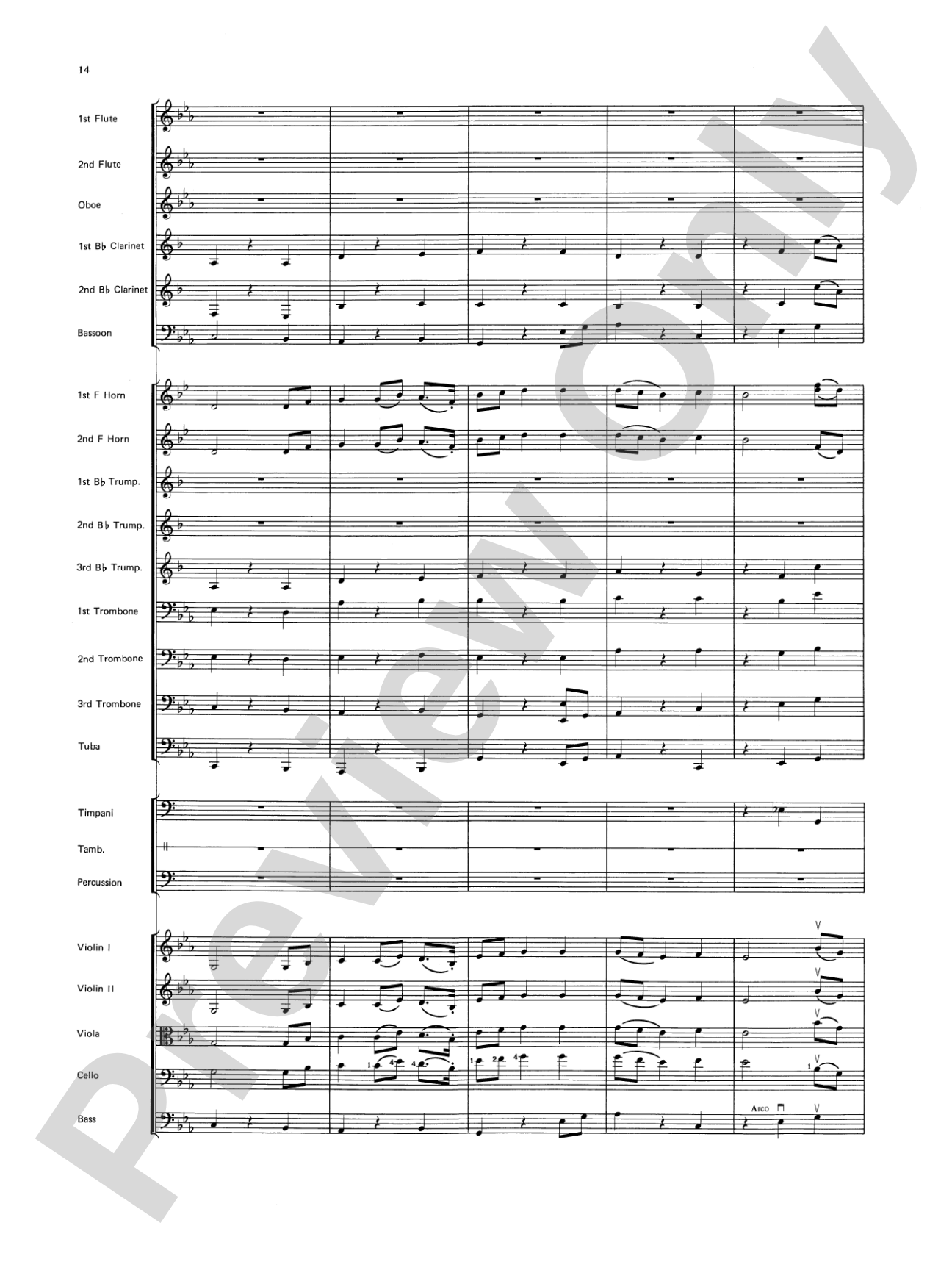
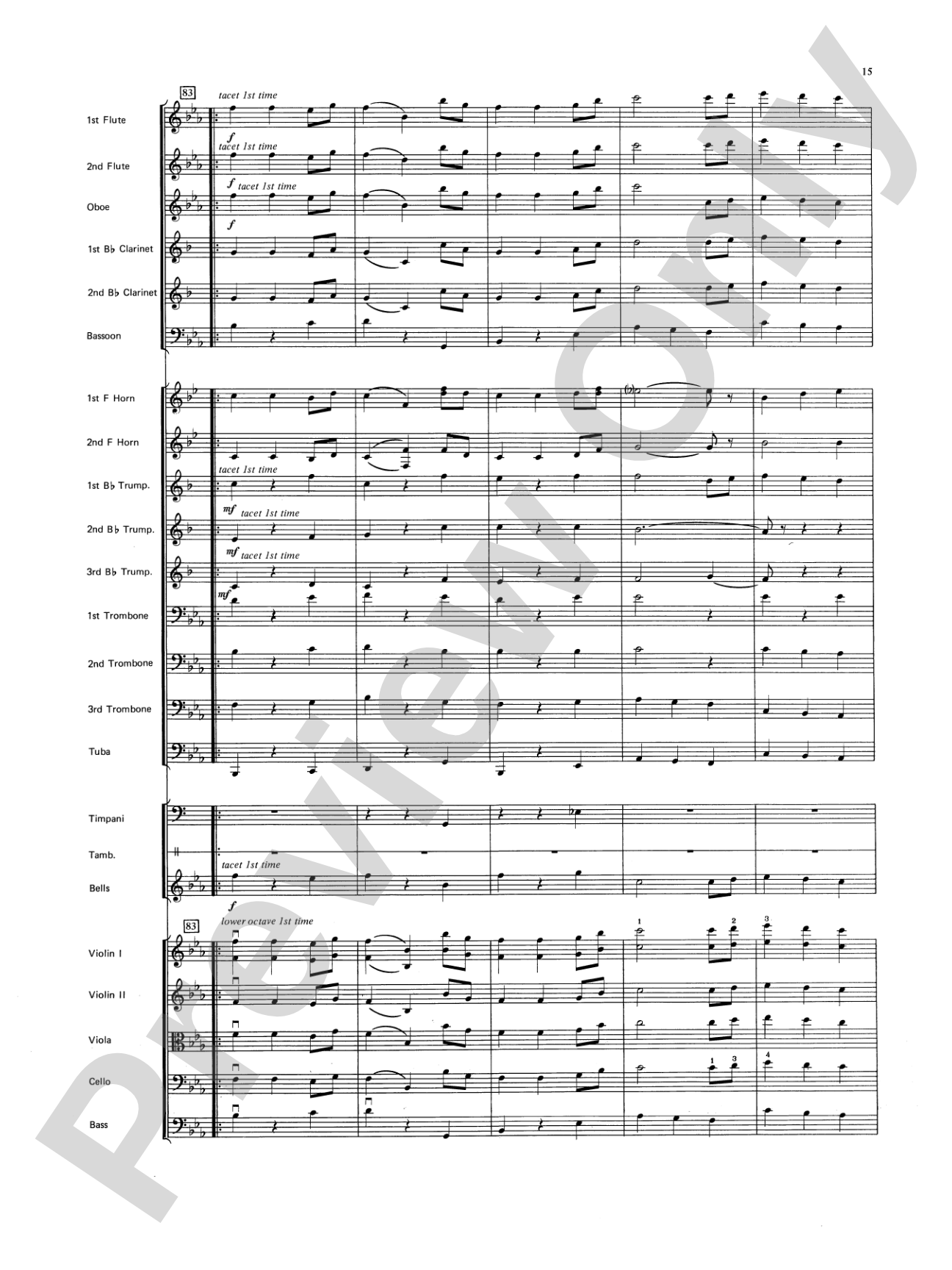
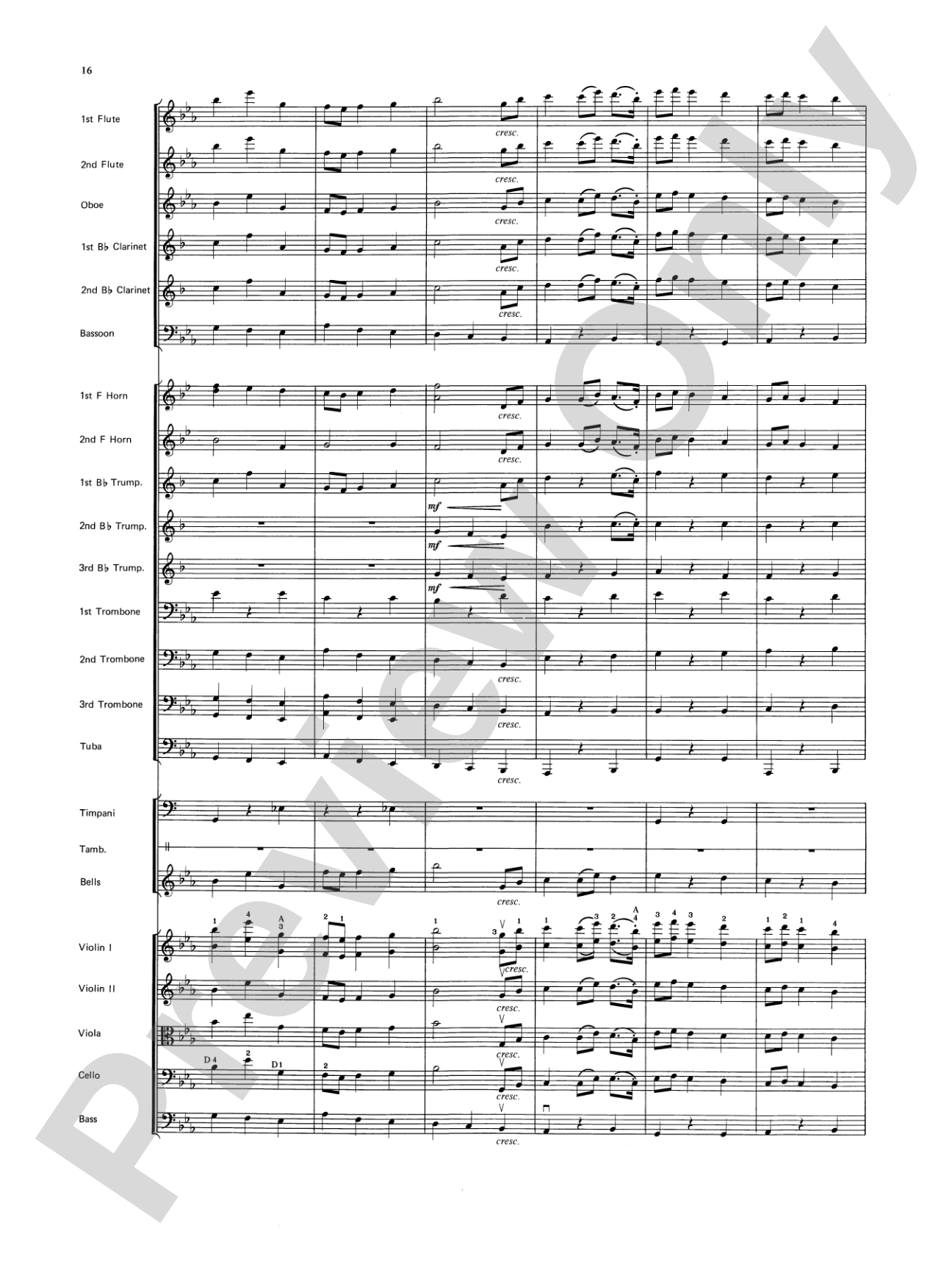
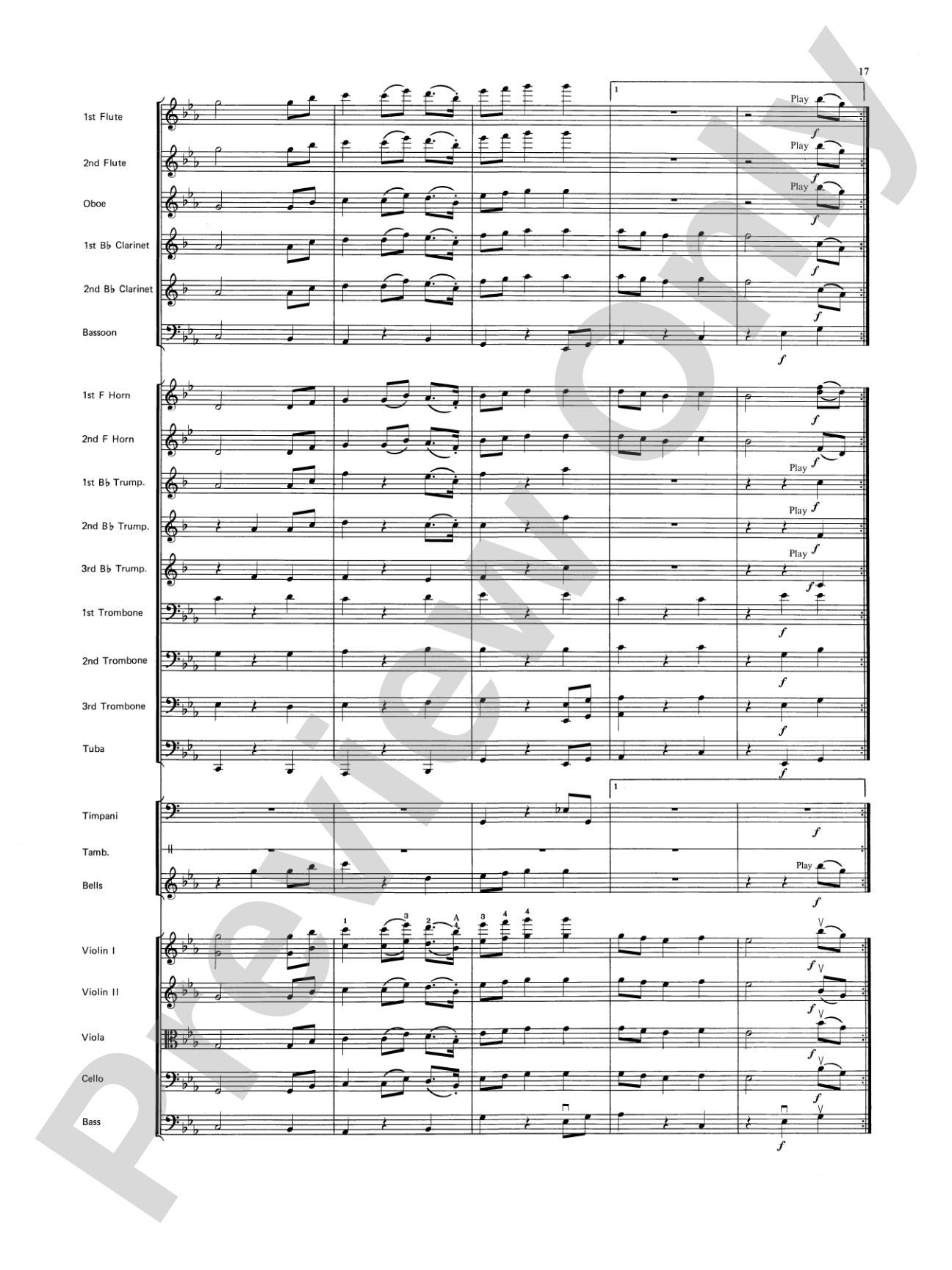
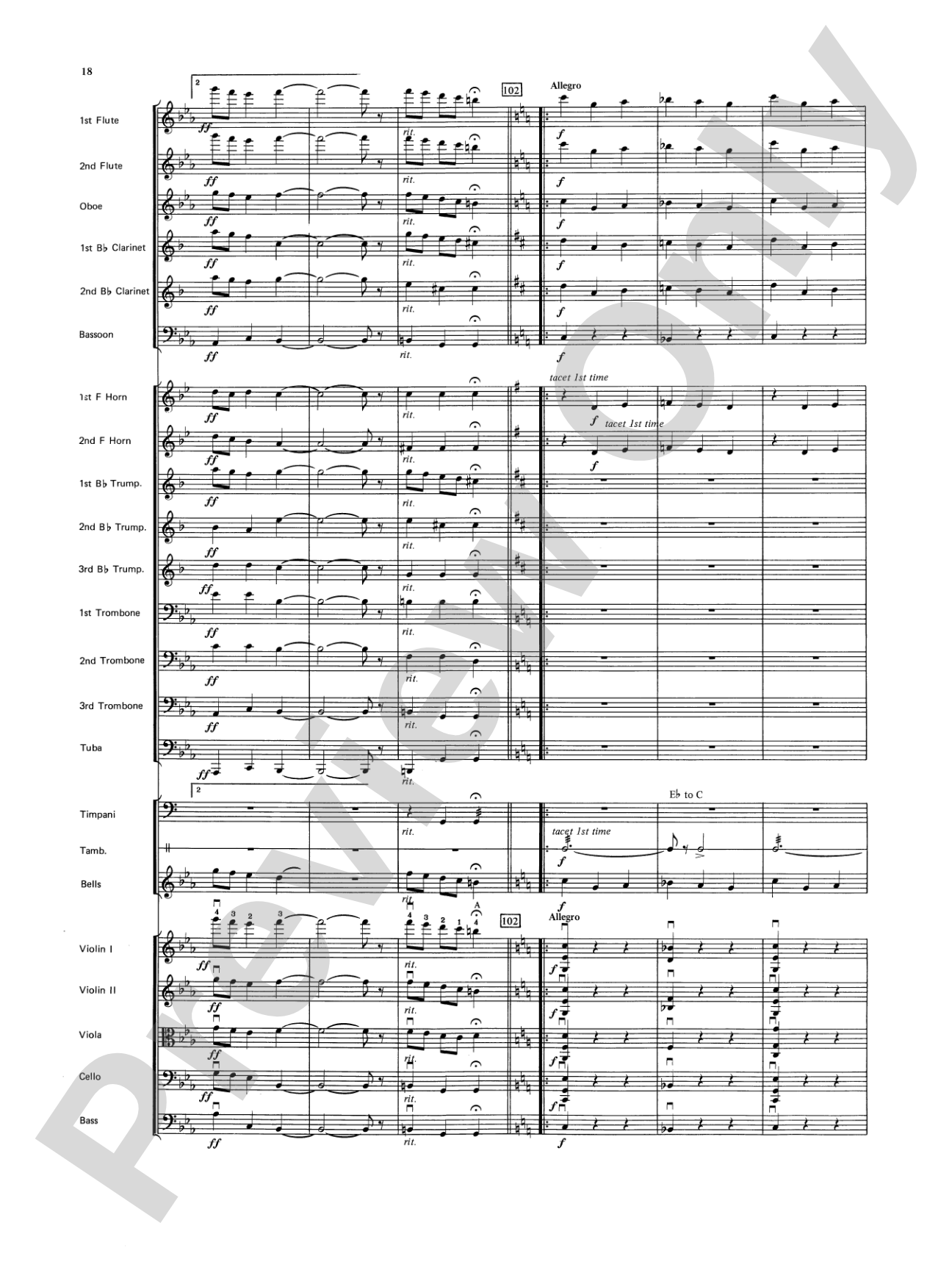
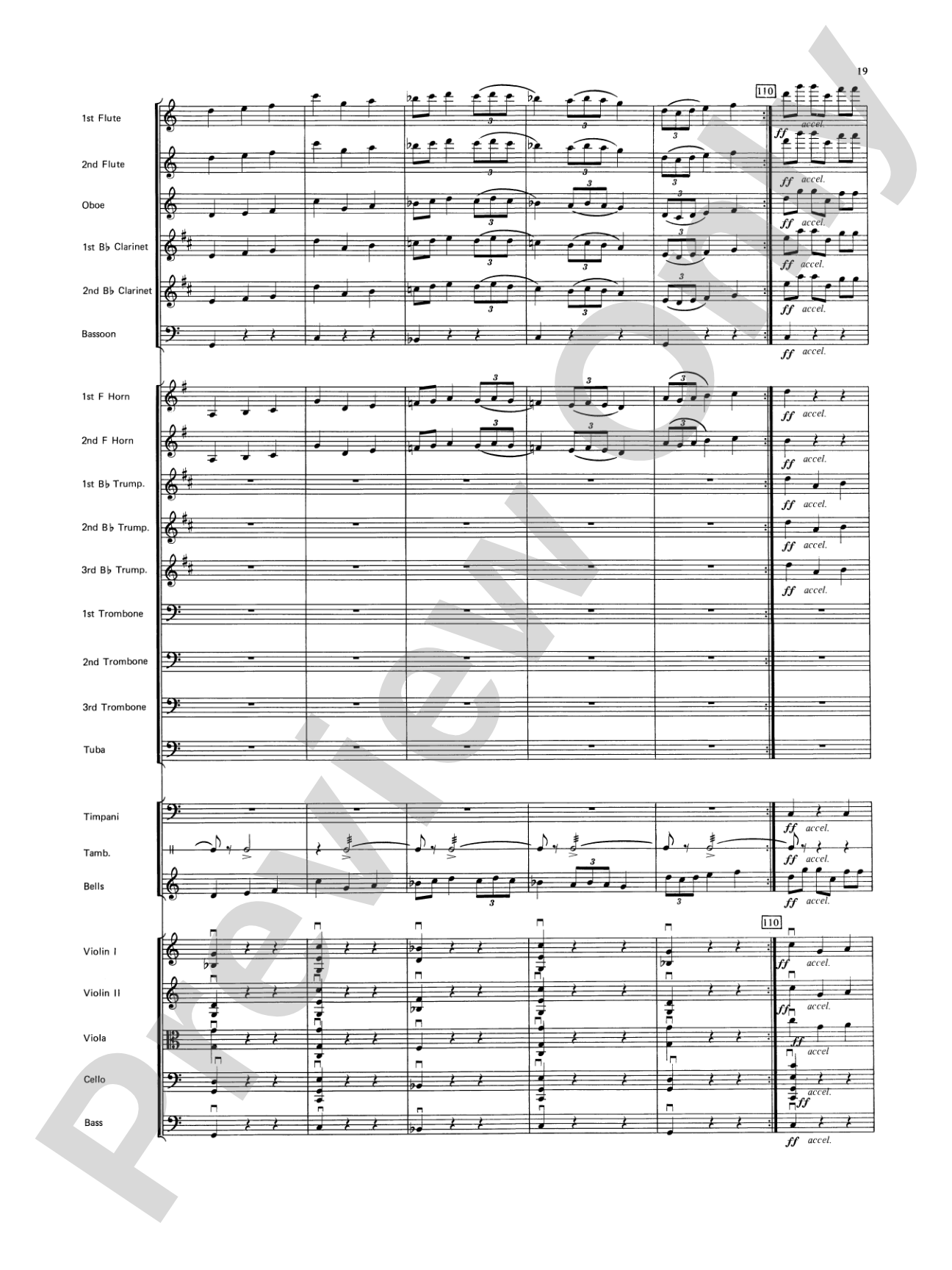
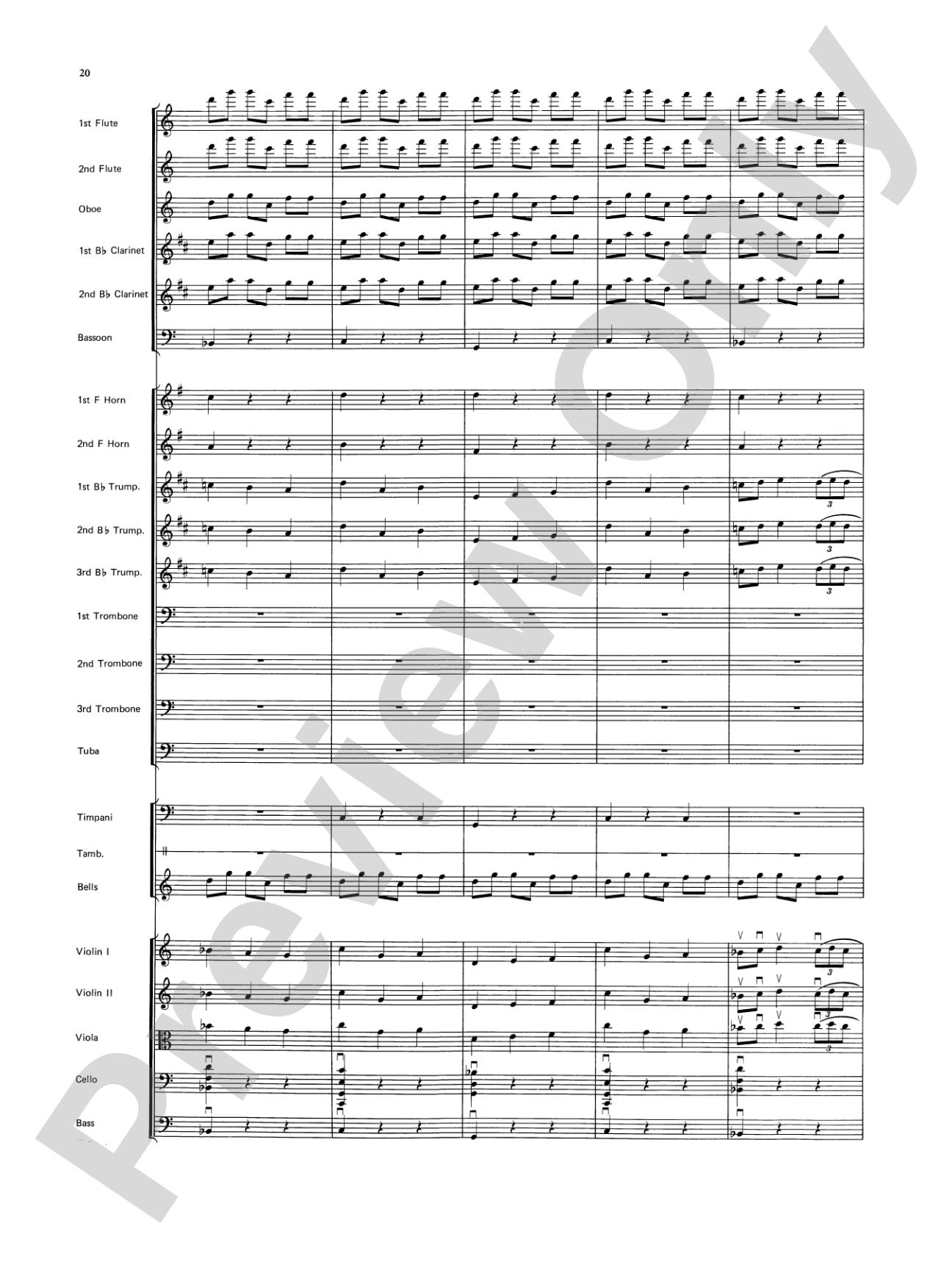
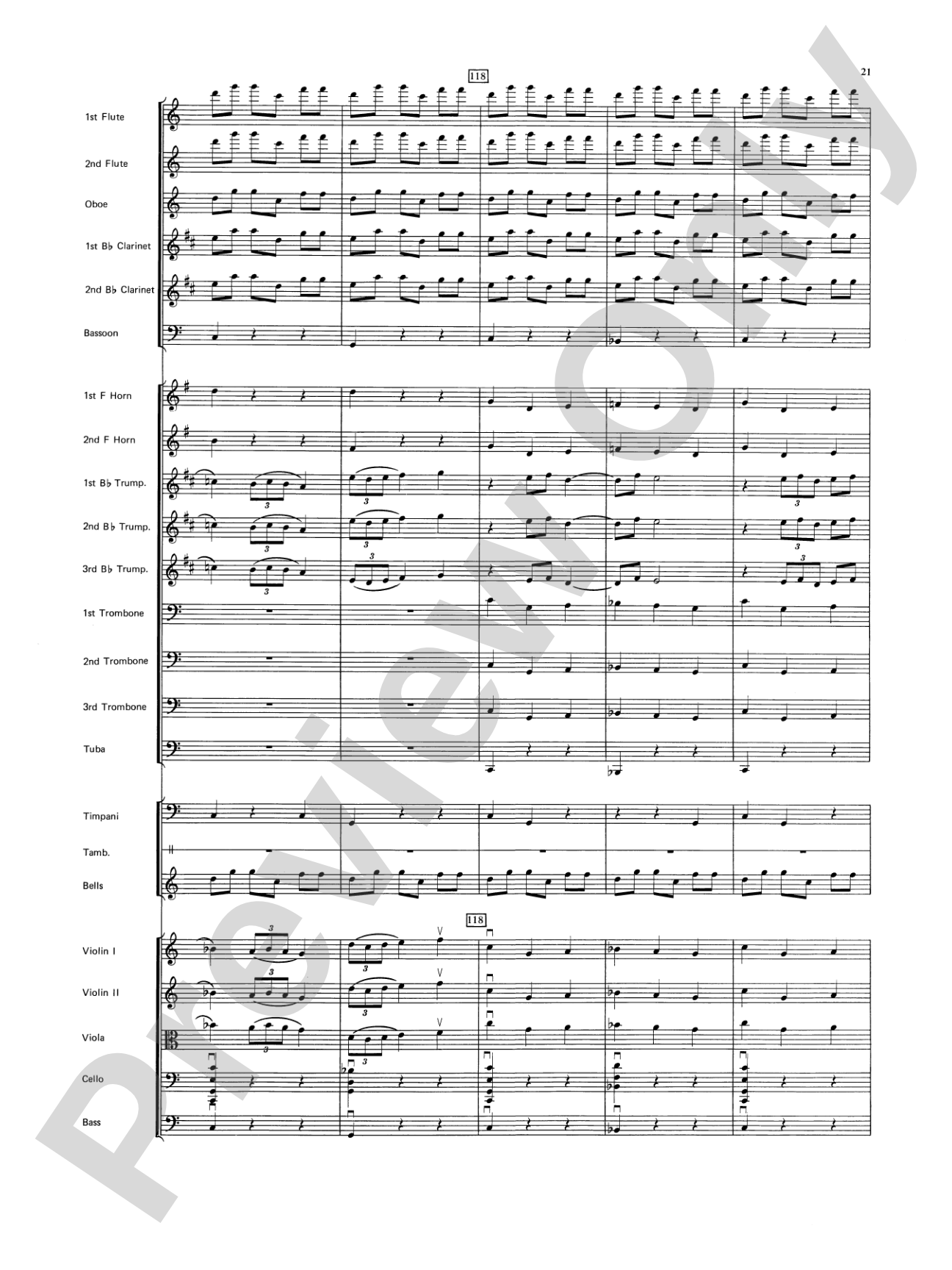
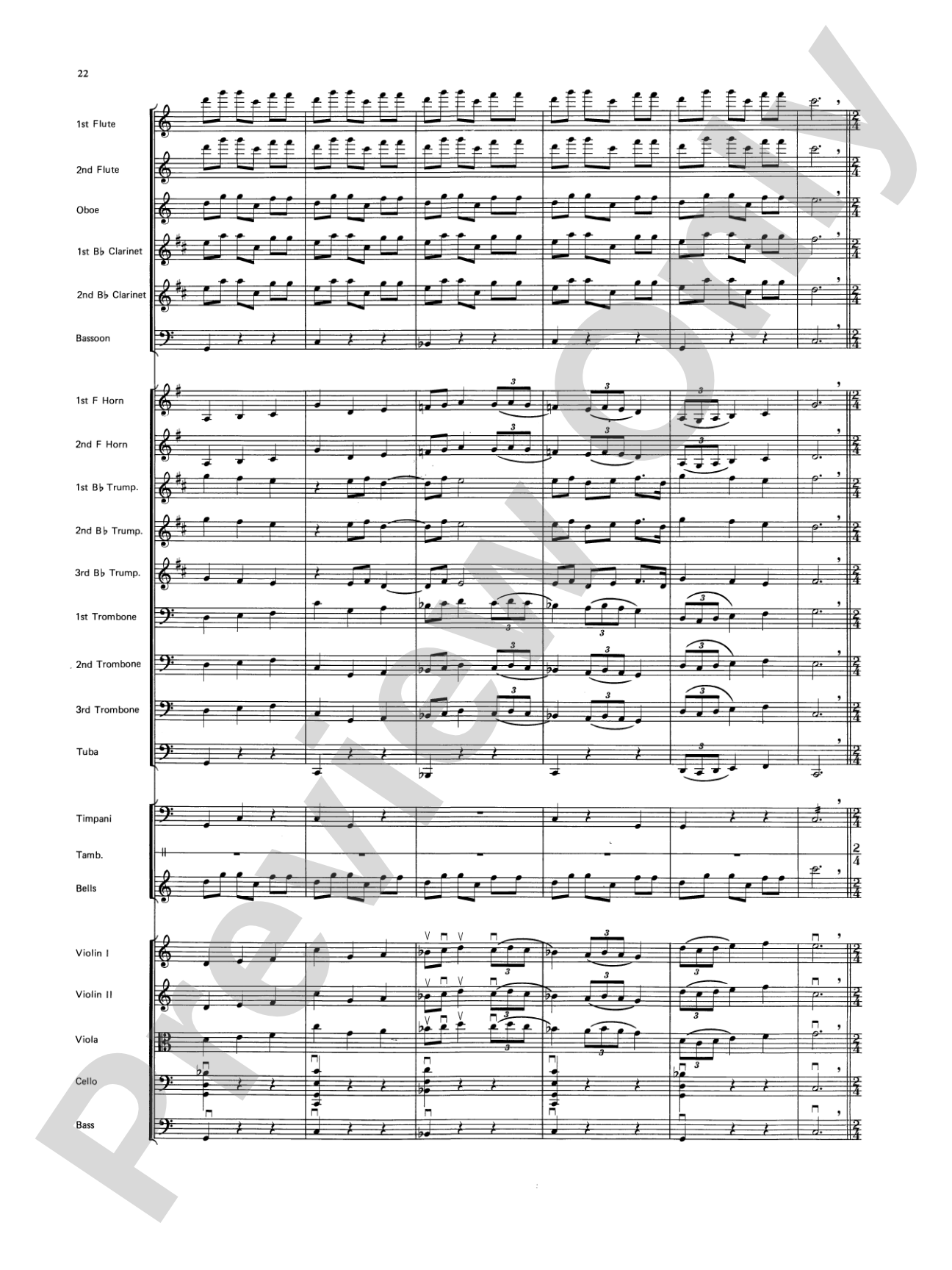
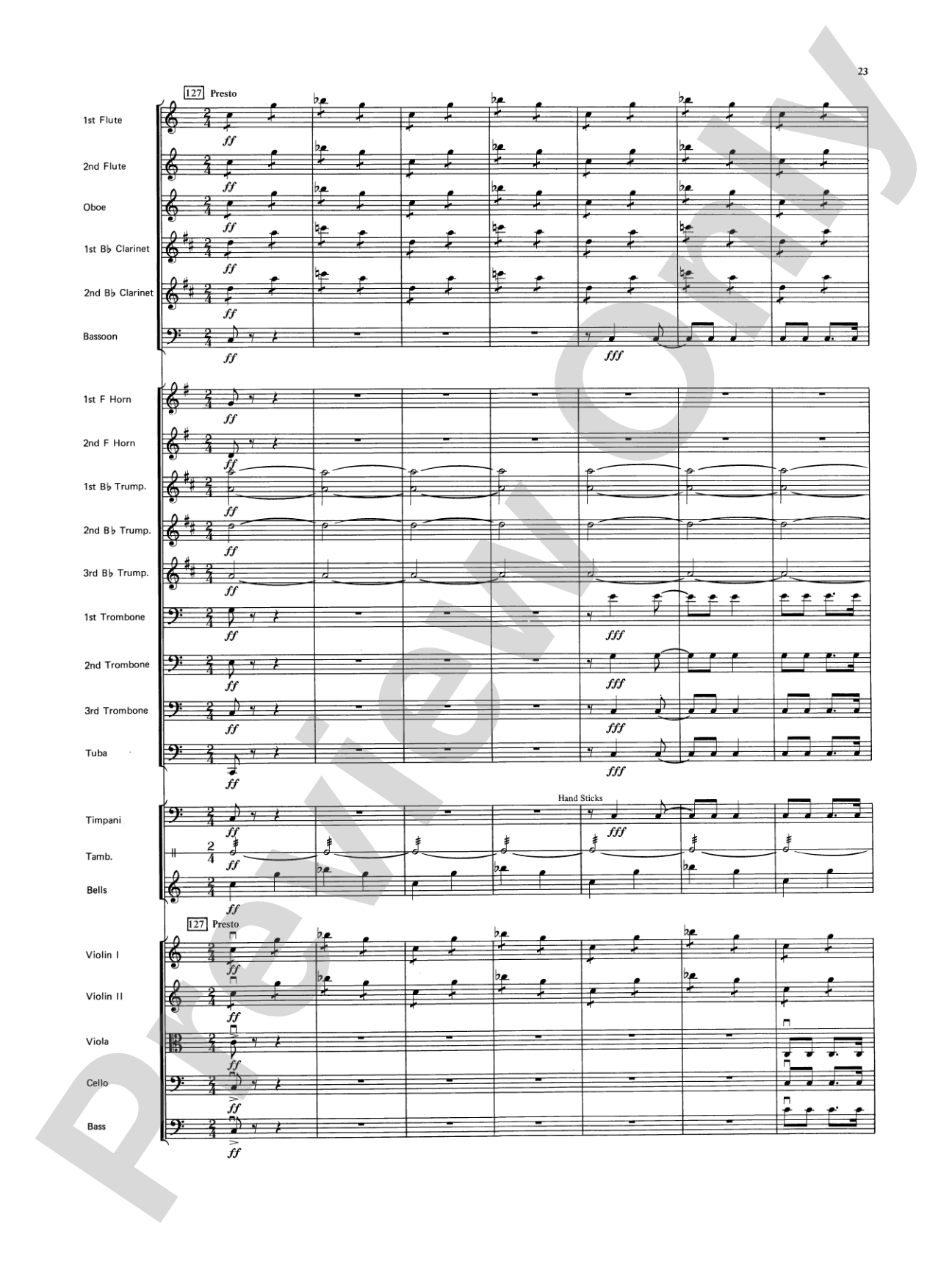
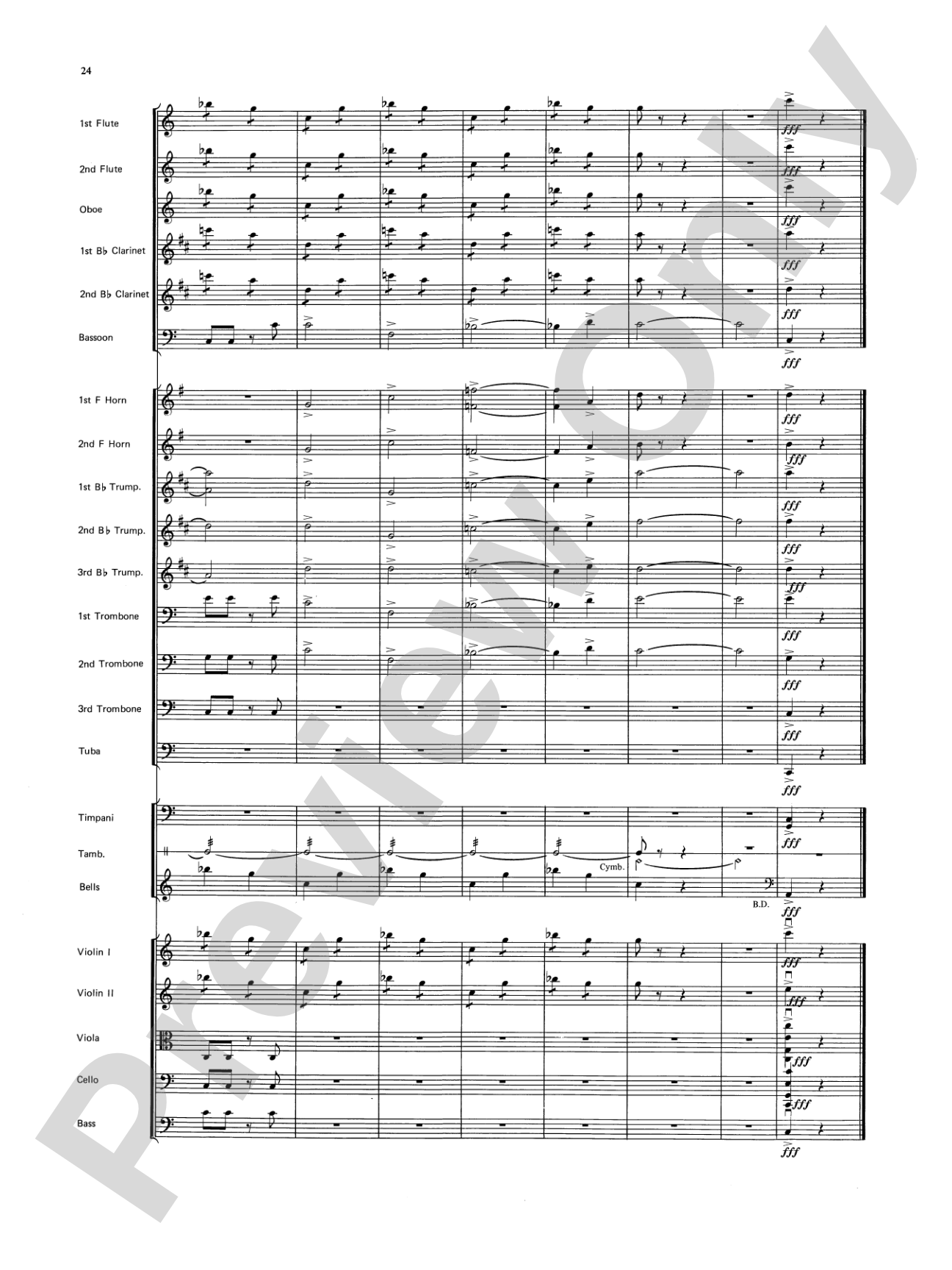



Jupiter (Bringer of Jollity): Full Orchestra Conductor Score & Parts
(from The Planets)
By Gustav Holst / arr. Vernon Leidig
Grade: 3
Item: 00-PK-0000055

$73.00
Pickup currently not available
Buy Extra Parts (Digital PDF Download)
Parts Added to Cart!
Description
A Federation Festivals 2020-2024 selection.


Don't just read it, hear it, play along with it, and watch your students grow with it. In MakeMusic Cloud, Jupiter (Bringer of Jollity): Full Orchestra Conductor Score & Parts comes alive with professional accompaniment, adjustable tempo, and built-in practice tools that turn solo practice into real progress.
Open in the Player
Jump straight in and assign it today.
Start Your Free Trial
Open this title and explore the full library in minutes.
Sample Audio
No sample audio found.
Sample Video
No sample videos found.
Additional Details
Series:
Highland/Etling Full Orchestra
Publisher:
Alfred Music
Page Count:
224
SKU:
00-PK-0000055
More about this title
About the Composer: Gustav Holst
Gustav Holst (1874, 1934) was an English composer whose orchestral works have become staples of concert programming and music education. Though trained in the Romantic tradition, Holst developed a distinctive voice that blended English folk influences, modal harmony, and innovative orchestration. His enduring legacy rests largely on *The Planets*, a suite that demonstrates his mastery of large ensemble writing and his ability to create vivid musical imagery that engages both performers and audiences.
Beyond *The Planets*, Holst was a dedicated teacher and advocate for music in schools, believing deeply in the transformative power of ensemble music-making. His arrangements and compositions for student orchestras reflect this philosophy, making his work accessible to developing musicians without sacrificing musical substance or orchestral color.
Why we love this
Vernon Leidig's arrangement opens Jupiter to full orchestras at a manageable level without sacrificing the grandeur and momentum that make this movement such a crowd-pleaser. The piece sits comfortably at Grade 3, giving your orchestra the chance to dig into real masterwork repertoire and experience the satisfaction of performing something genuinely sophisticated. Festival adjudicators and audiences recognize Jupiter instantly, and this edition gives your ensemble a direct path to a polished, rewarding performance.
What to expect
Jupiter explodes with optimism and ceremonial grandeur from the opening bars. The famous main theme glows with warmth and nobility, supported by driving rhythmic energy and colorful orchestral textures that give every section something memorable to play.
Who it's for
This edition serves orchestras that want to program major concert repertoire without overreaching technically. Grade 3 ensembles with solid fundamentals will find the orchestration manageable and the rewards significant.
How to get the most out of it
- Balance the famous main theme ("I Vow to Thee, My Country") between first violins and supporting voices; the melody should sing through without drowning out the harmonic foundation underneath.
- Maintain steady tempo through the contrasting sections; resist the urge to slow the transition passages, which risk losing the propulsive energy that defines this movement.
- Shape dynamics in broad strokes rather than constant fluctuation. The piece breathes in larger sections, so commit to each dynamic level and give your orchestra permission to play with confidence.
- Balance woodwind and brass countermelodies against the string melody line; these supporting voices often carry important harmonic and rhythmic definition that keep the ensemble locked together.
How to use it
Open or close a concert with Jupiter to create an immediate emotional impact and give your audience a moment of pure theatrical joy. This is also ideal repertoire for festival competitions, where the combination of familiarity, craftsmanship, and audience appeal works in your favor.
Skills your students will build
- Sustaining long melodic lines with consistent tone and phrasing
- Balancing principal voice against harmonic accompaniment
- Playing with precision through key and tempo changes
- Reading and executing dynamic shapes in a multi-section form
- Responding to clear conducting gestures in an ensemble context