Jukebox Boogie Sheet Music Preview

Jukebox Boogie: Piano

By Melody Bober

Item: 98-DW9267

Digital Download
$2.95
Description
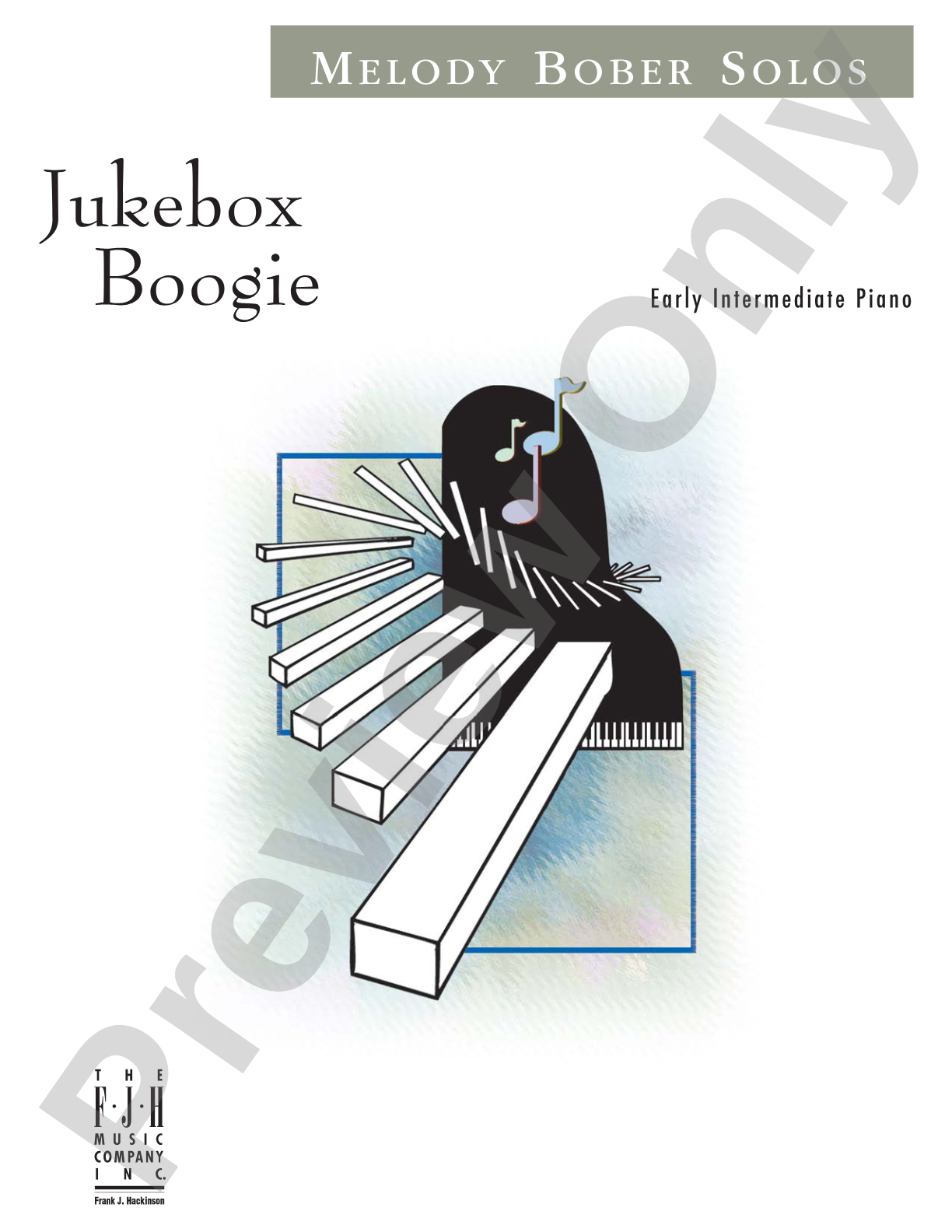
The early intermediate student will thoroughly enjoy this boogie-woogie style solo with its upbeat melodic and harmonic configurations. This fun piece has easy-to-learn patterns, and sounds great!

Jukebox Boogie: Piano isn't in MakeMusic Cloud just yet...but it could be. Let us know you'd like to see it, and you'll help shape what comes next. In the meantime, start a free trial and dive into thousands of interactive titles your students can play along with today.

Sample Audio
No sample audio found.
Sample Video
Additional Details
Series: Written For You
Publisher: The FJH Music Company, Inc.
SKU: 98-DW9267

More about this title

About the Composer: Melody Bober

Melody Bober

Melody Bober brings two decades of teaching experience into every piece she writes. After earning her bachelor's degree in music education from the University of Illinois at Champaign-Urbana and a master's degree in piano performance from Minnesota State University, Moorhead, she built a career that spans public school classrooms, university instruction, and a thriving private studio. Her teachers—Joel Shapiro and Andrew Froelich on piano, Mary Hoffman in music education, and Tony Caramia in jazz—shaped her approach to composition.

As a church pianist, accompanist, and former music director, Bober understands what students need to grow. She is known across North America for her clinician presentations and her gift for writing pieces that motivate young pianists without sacrificing musicality. Her work consistently balances technical accessibility with genuine musical satisfaction.

Why we love this

Bober nails the balance between fun and musicianship that early intermediate students need. Boogie-woogie style is inherently appealing to young players, and the repeating patterns here give them something satisfying to master without requiring fingers to stretch beyond their reach. This piece delivers the confidence boost that comes from playing something that sounds polished and genuinely grooves.

What to expect

This piece swings with infectious energy and retro charm. The boogie-woogie left hand has that classic eight-to-the-bar pulse that makes you want to move, while the melody sits bright and playful on top, creating a performance that feels both fun to play and fun to hear. The upbeat harmonic movement keeps the mood light and buoyant throughout.

Who it's for

Early intermediate pianists ready to explore a style beyond classical etudes and simple hymns will find Jukebox Boogie accessible and rewarding. The repeating patterns and straightforward harmonic movement make it approachable, while the boogie-woogie idiom connects students to American popular music tradition. It's ideal for the student who responds well to upbeat repertoire with clear structure.

How to get the most out of it

  • Establish a steady beat before adding the left-hand boogie-woogie pattern; lock the rhythm of those signature figures in your practice before layering the melody.
  • Let the harmonic movement breathe; this style relies on the swing and energy of the accompaniment, so avoid rushing even as the tempo climbs.
  • Bring out the melodic line with clarity and lightness; the magic happens when the melody sits on top of a strong, confident left-hand foundation.
  • Practice hands separately until the patterns feel automatic, then gradually blend them while keeping the left hand grounded and the right hand articulate.

How to use it

Program this for a student recital where you want variety from the traditional classical or contemporary solo repertoire on the concert. It also works well in a casual performance setting—a coffeehouse recital, community event, or informal studio gathering where its joyful character shines. Pair it with a contrasting ballad or classical piece to show range while keeping the evening lively.

Skills your students will build

  • Boogie-woogie left-hand patterns and independence between hands
  • Even eighth-note rhythmic drive and swing feel
  • Harmonic movement in blues-based progressions
  • Articulation and voice leading in a popular music style
  • Confidence in repertoire beyond the classical tradition

You May Also Like