

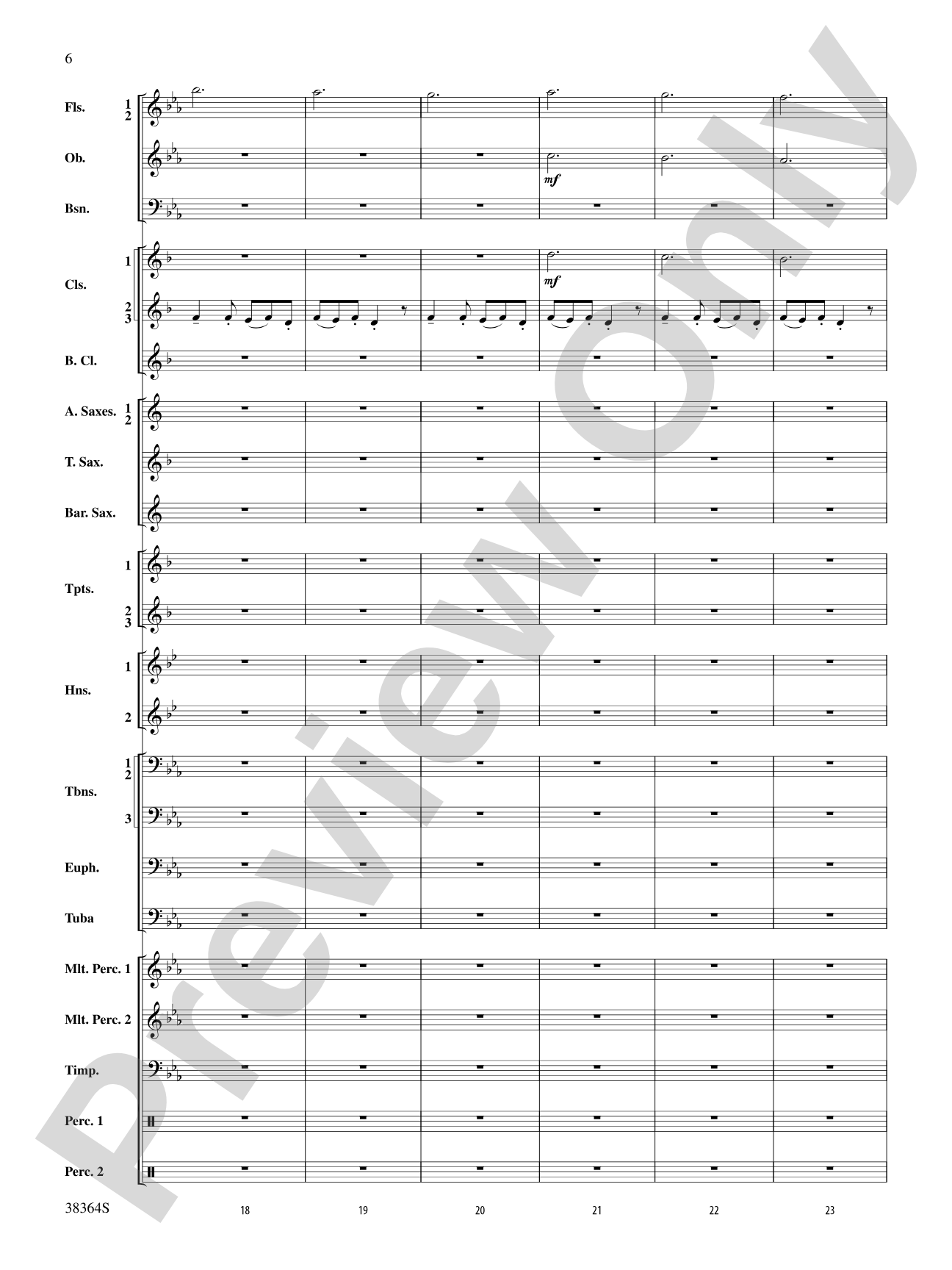
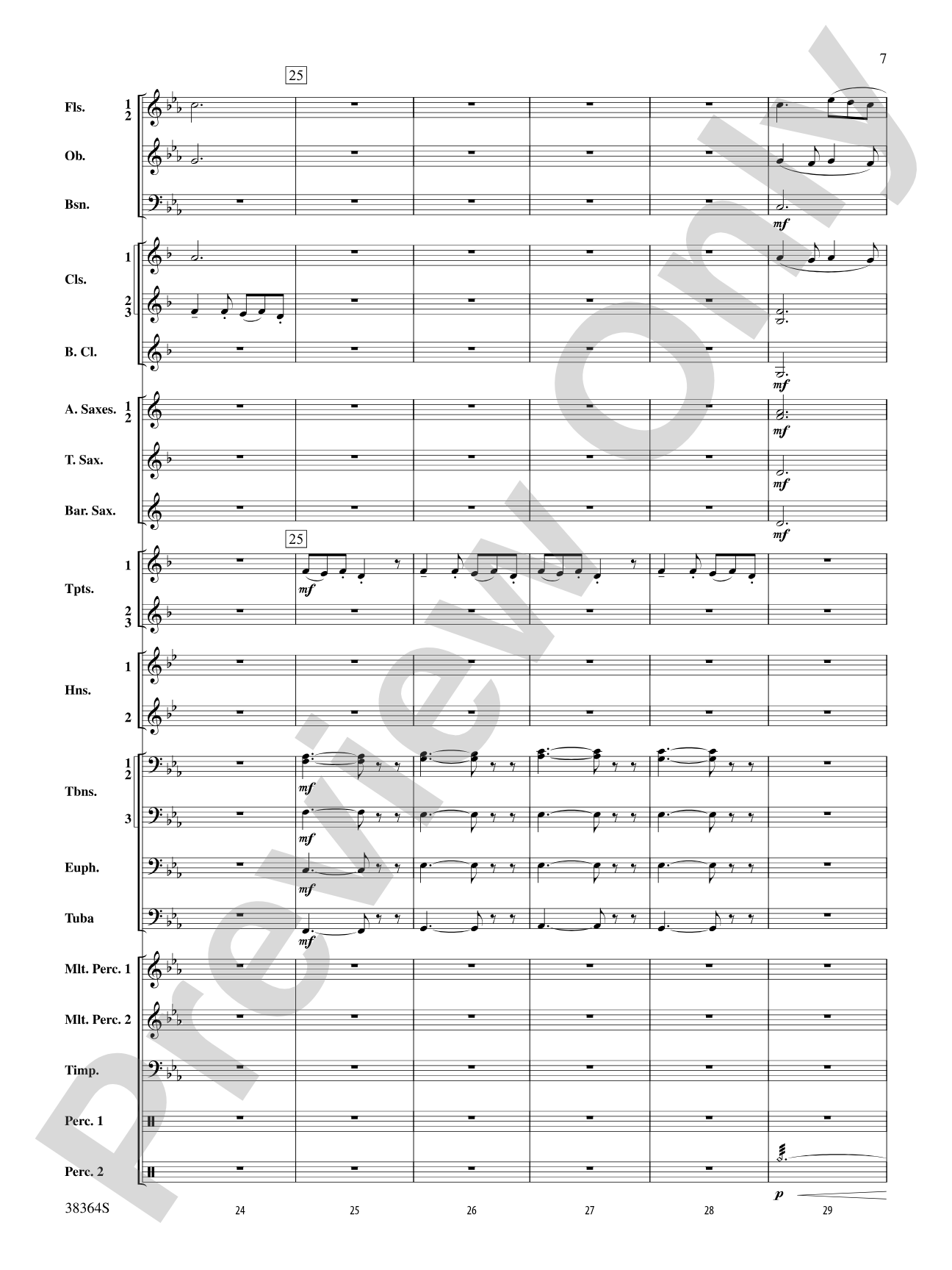
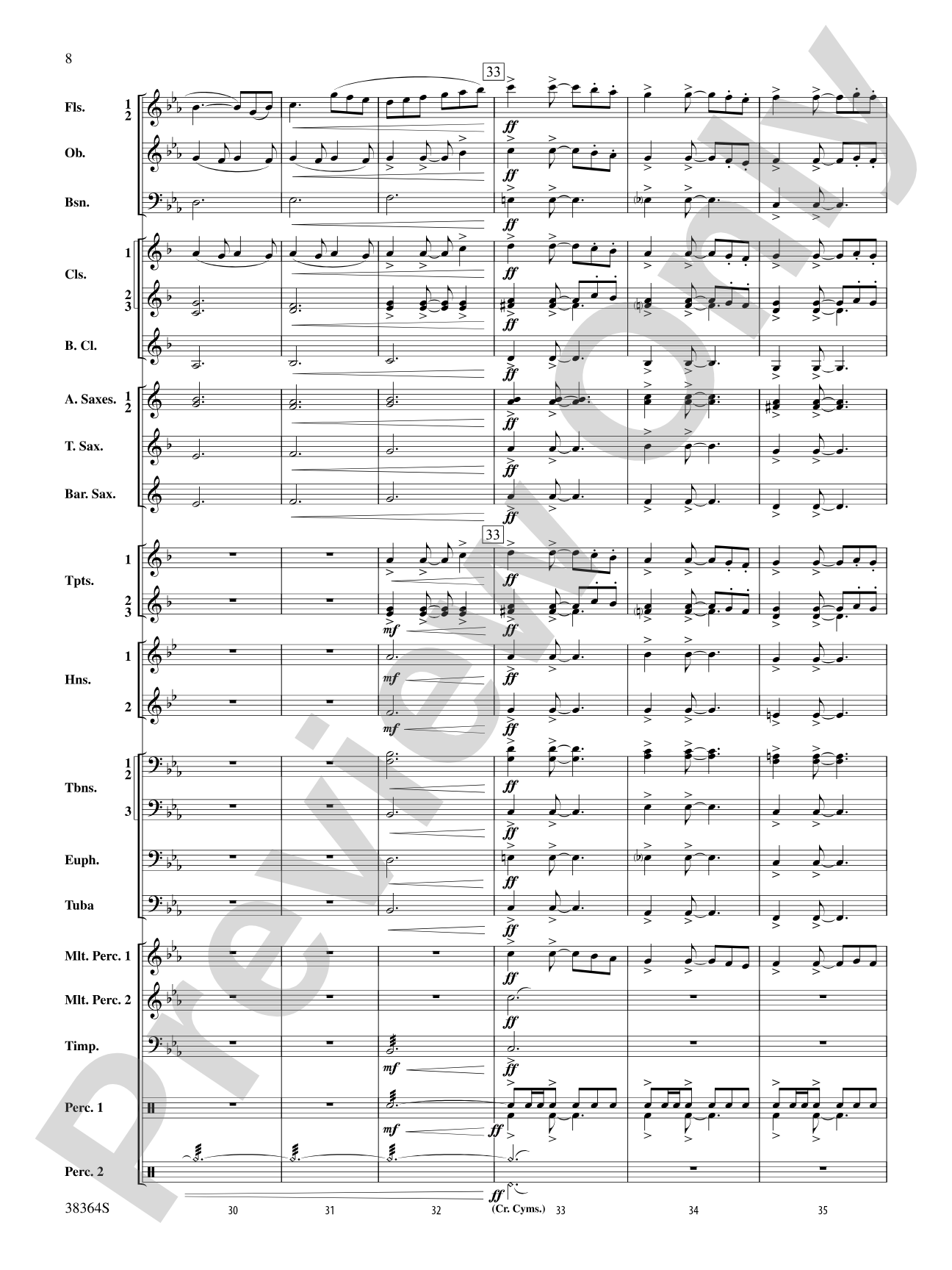
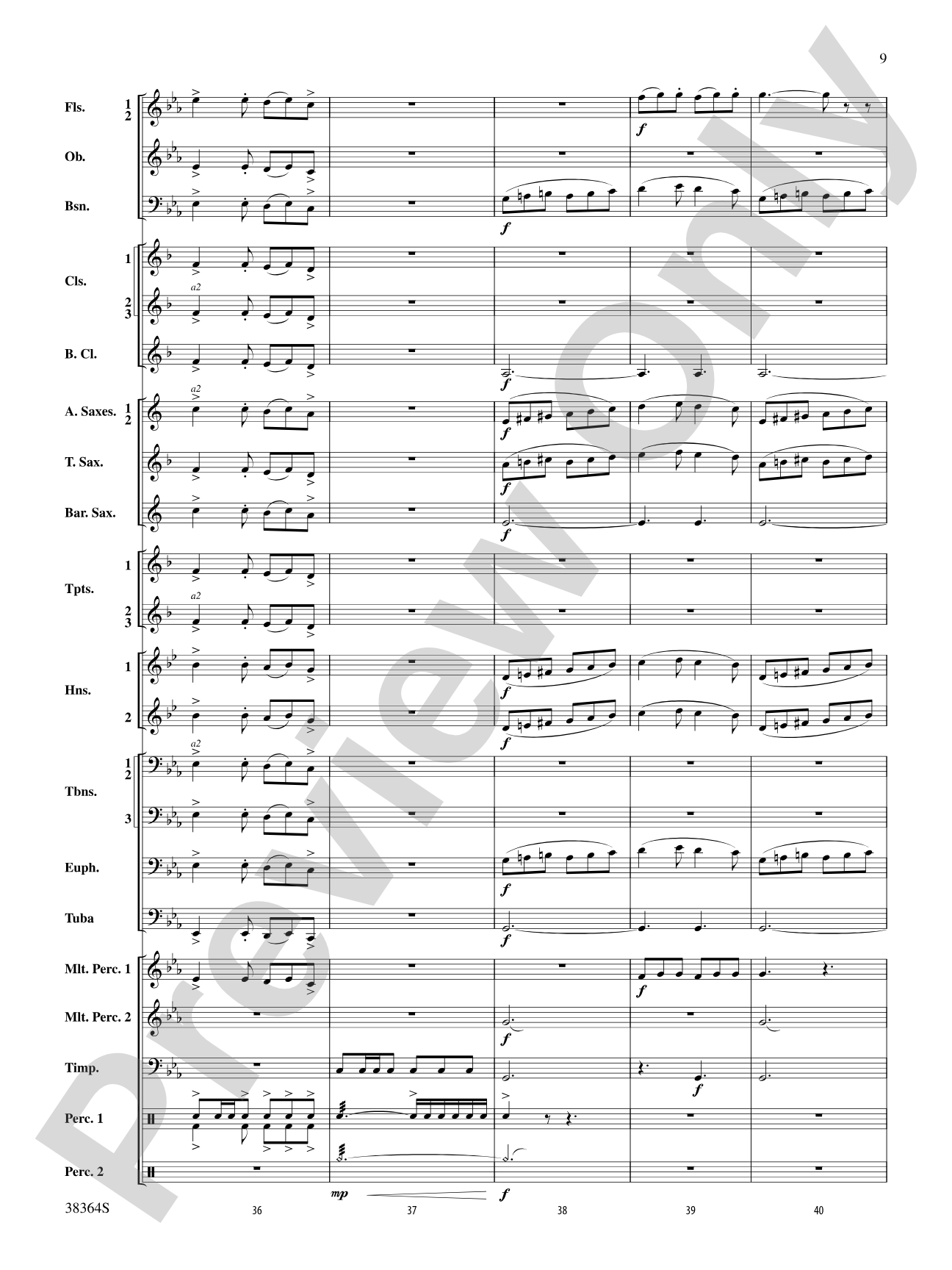
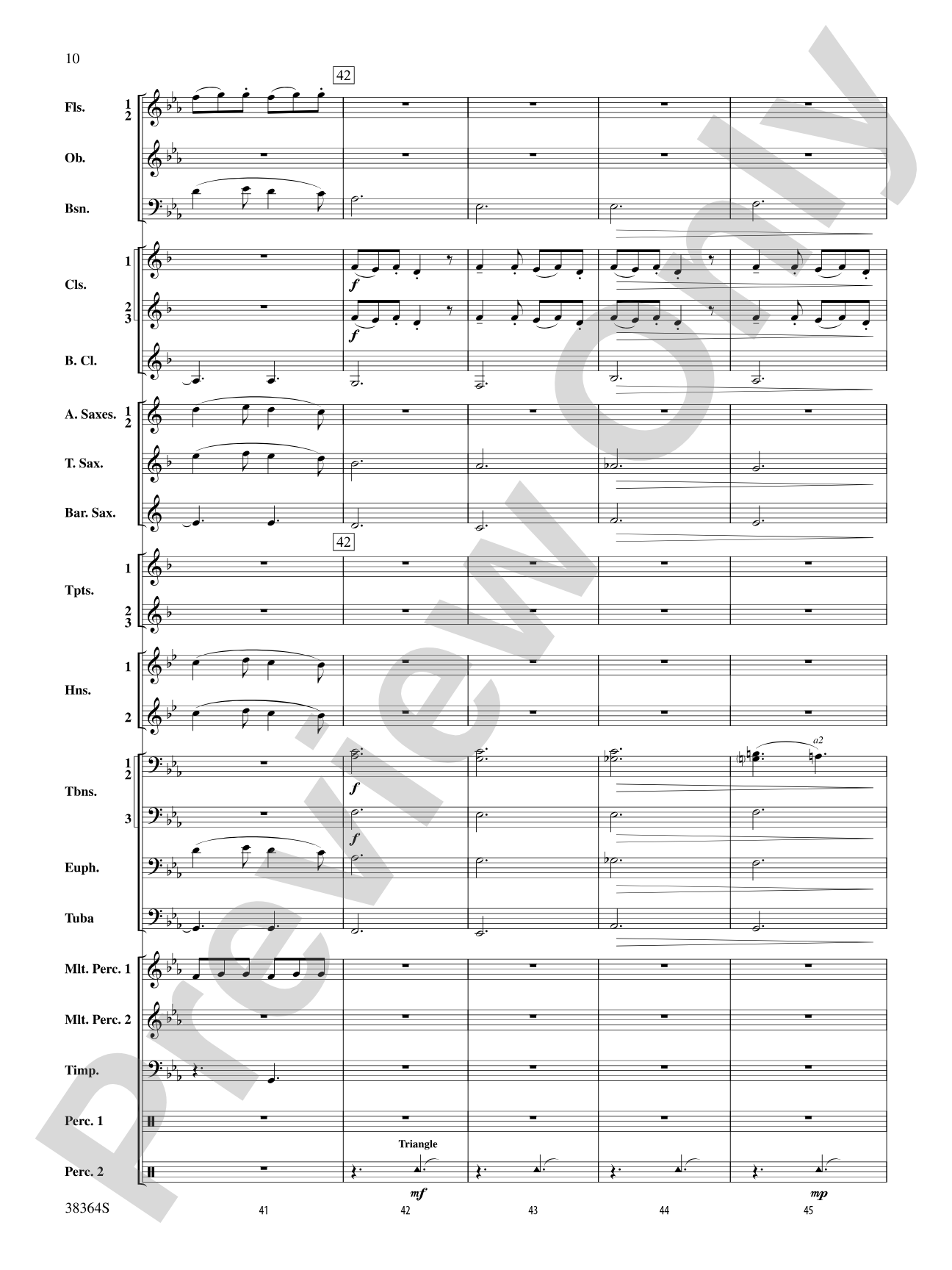
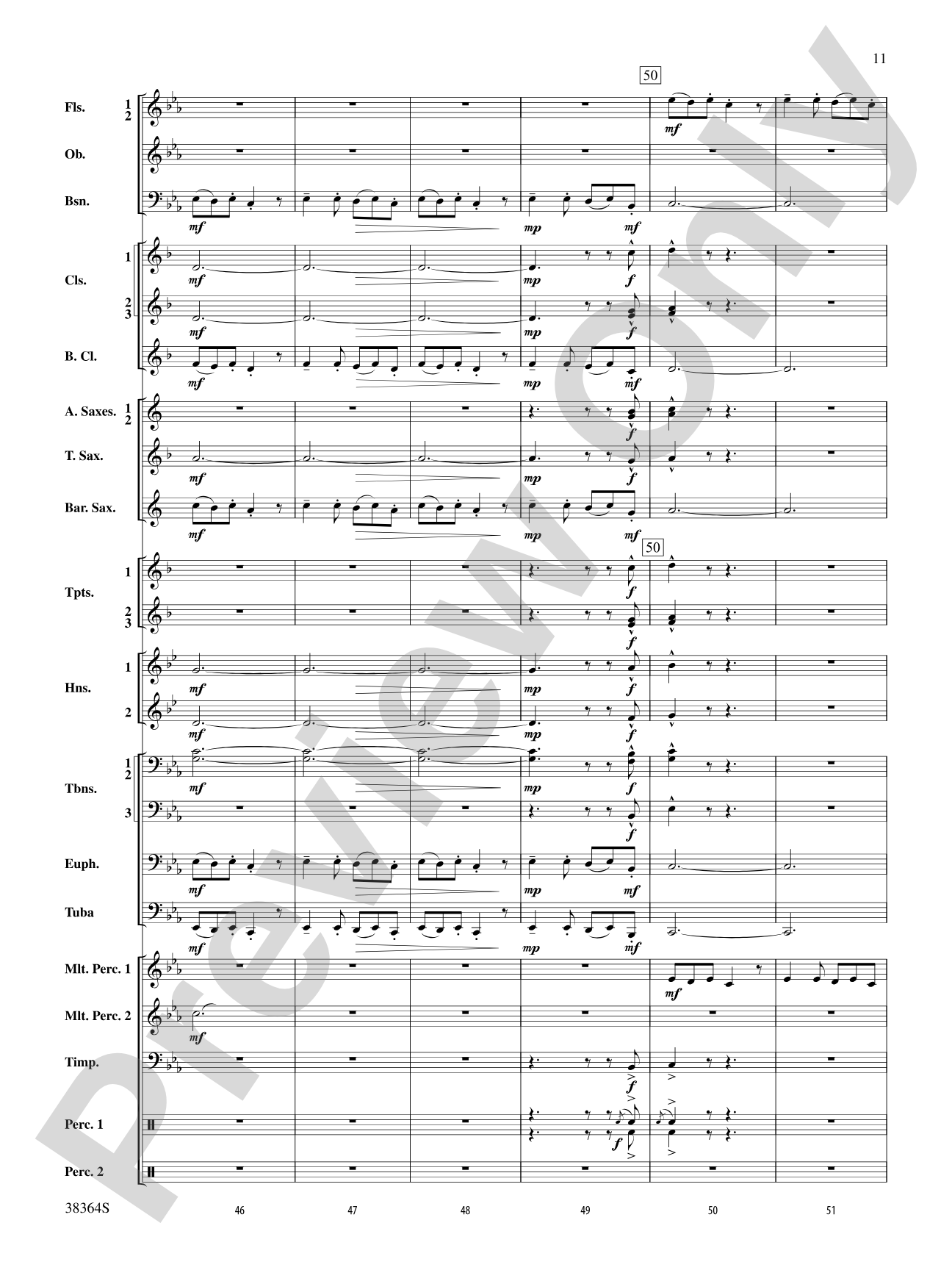
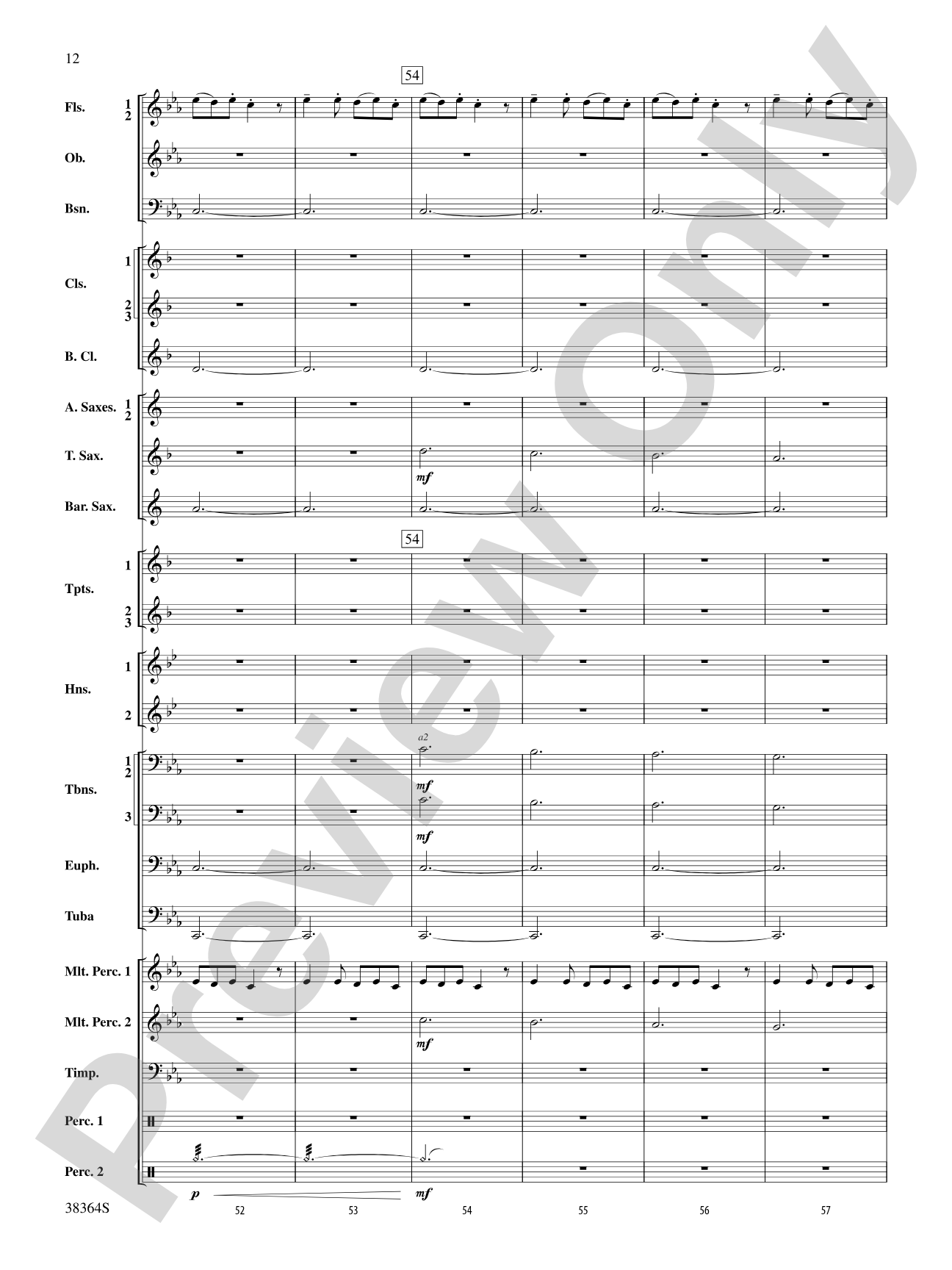
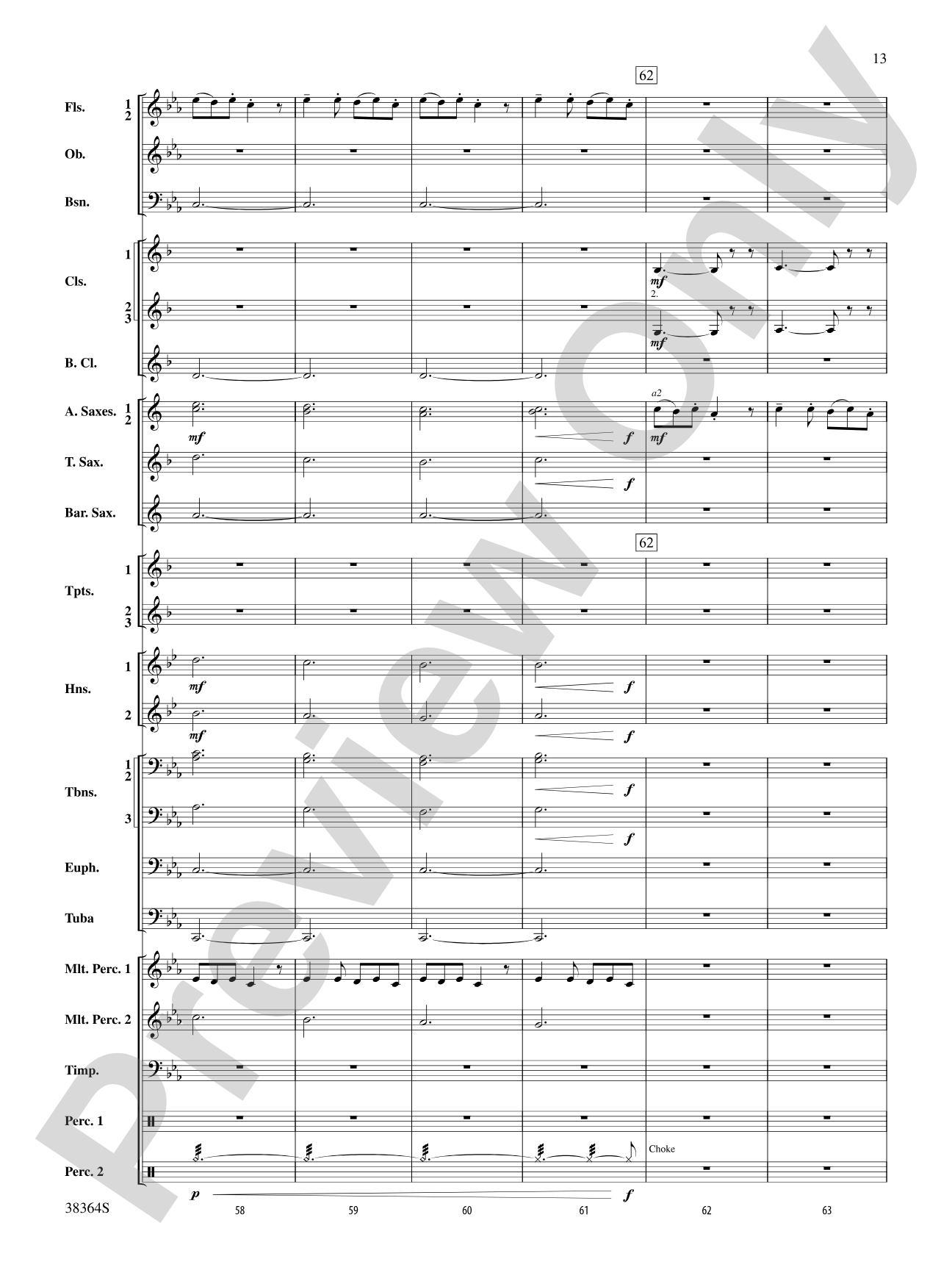
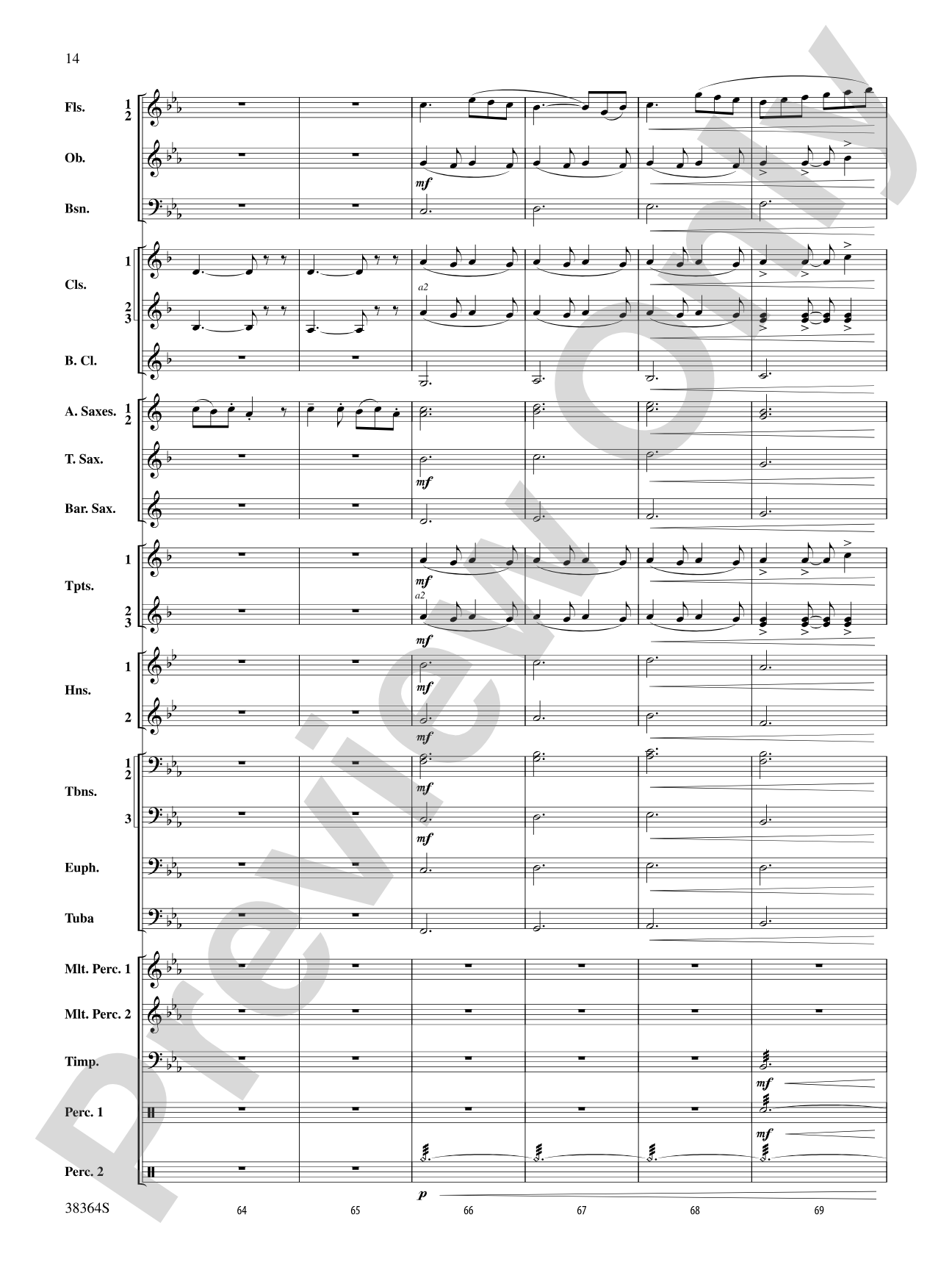
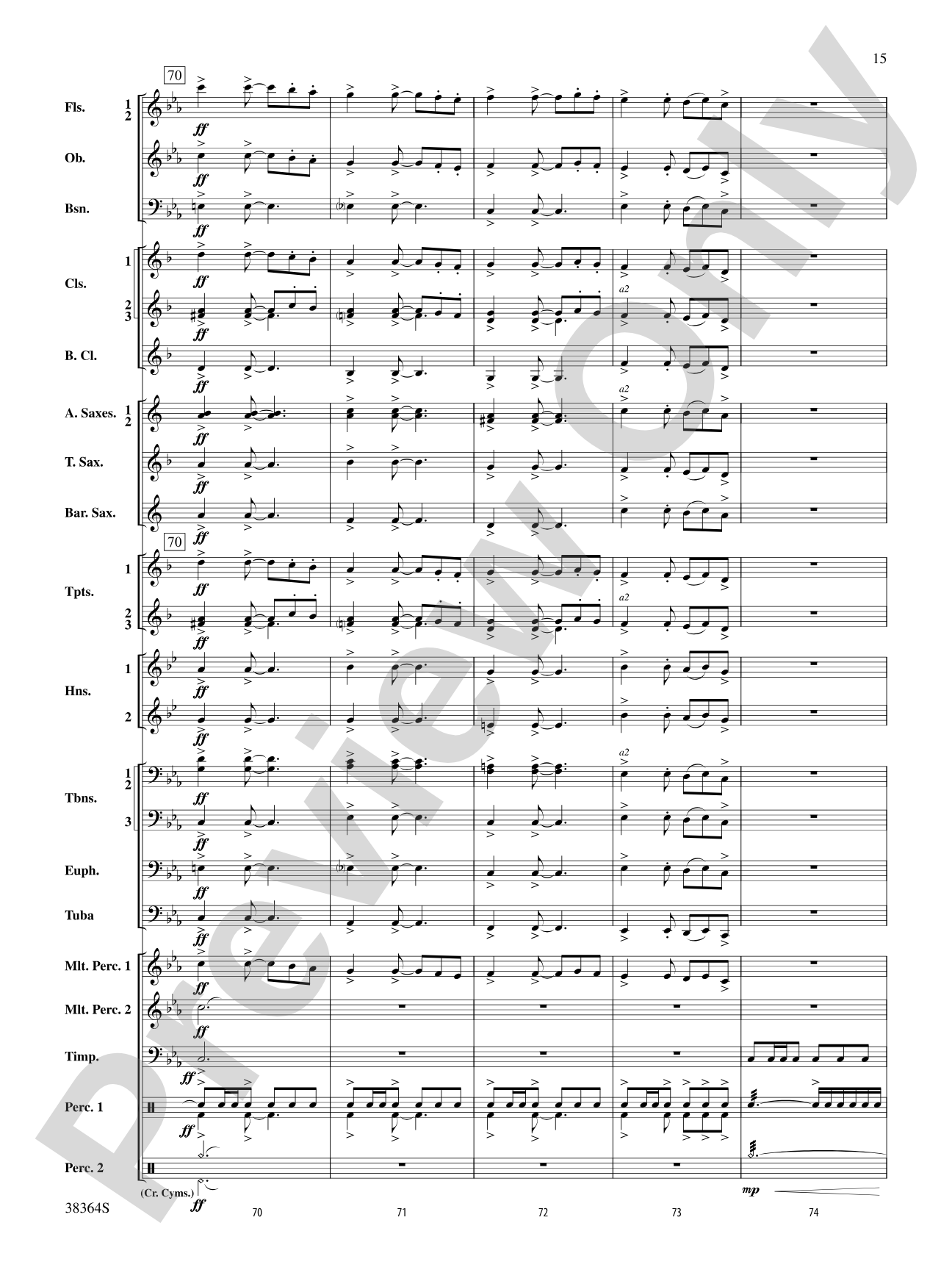
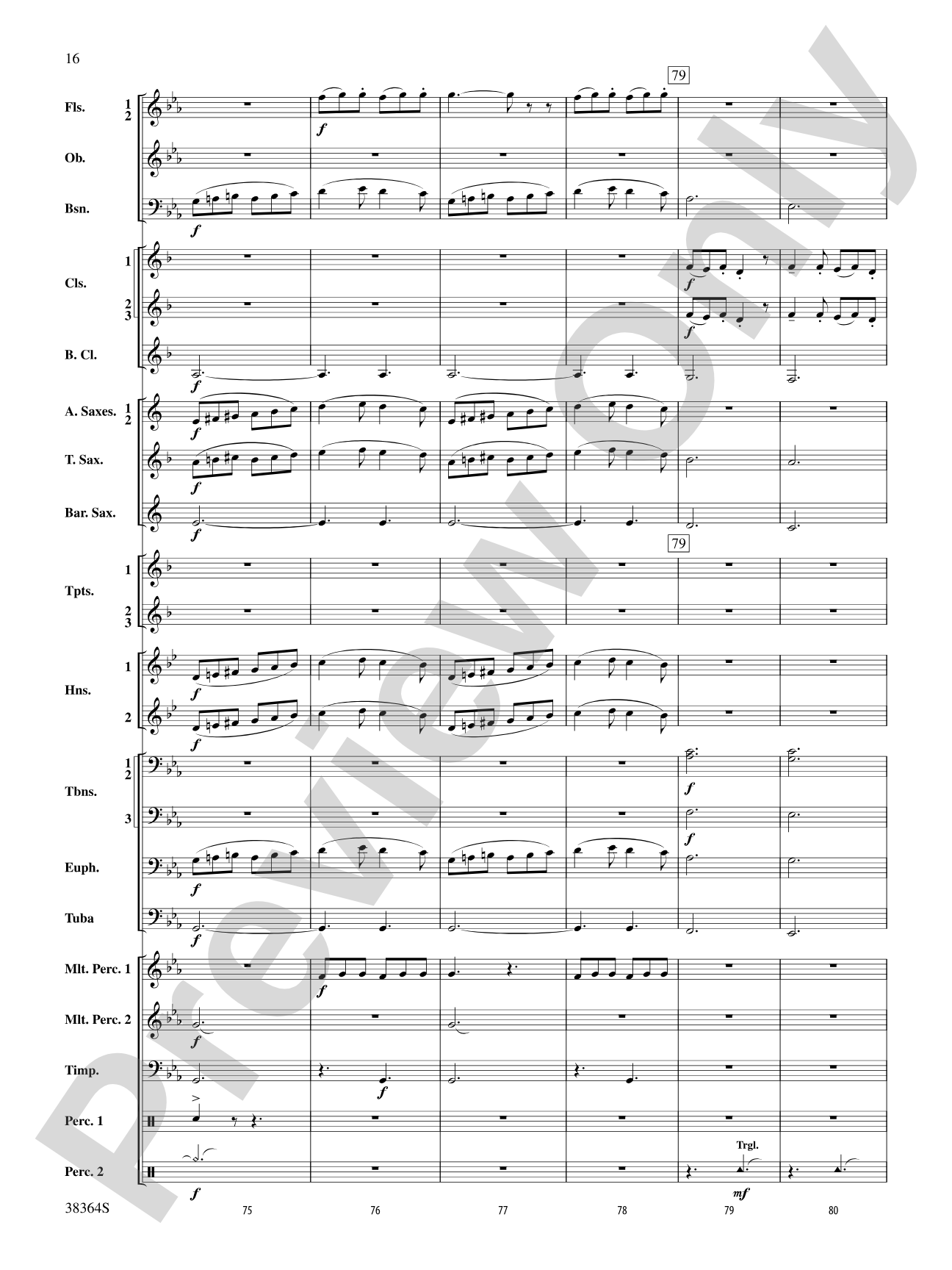
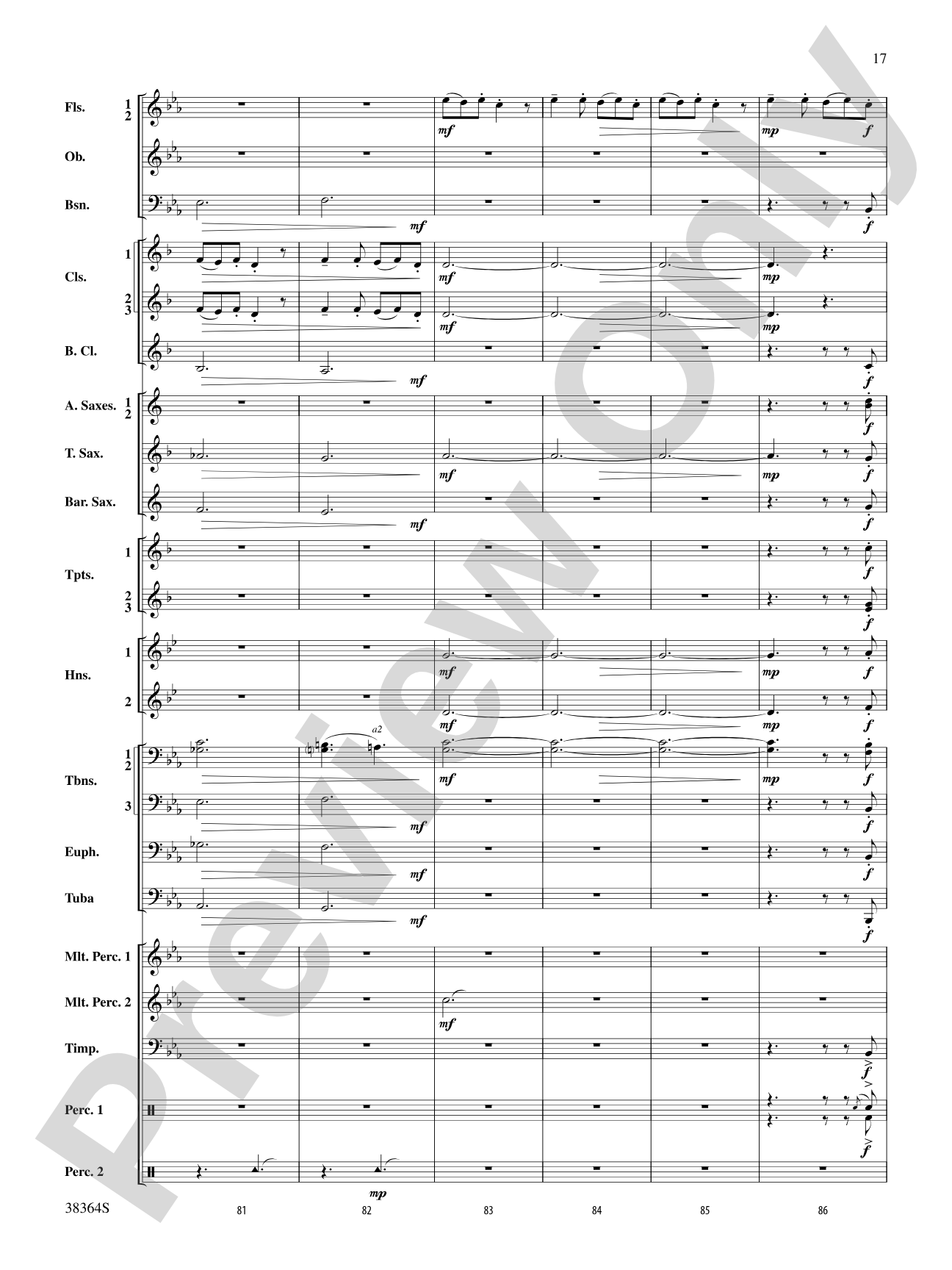
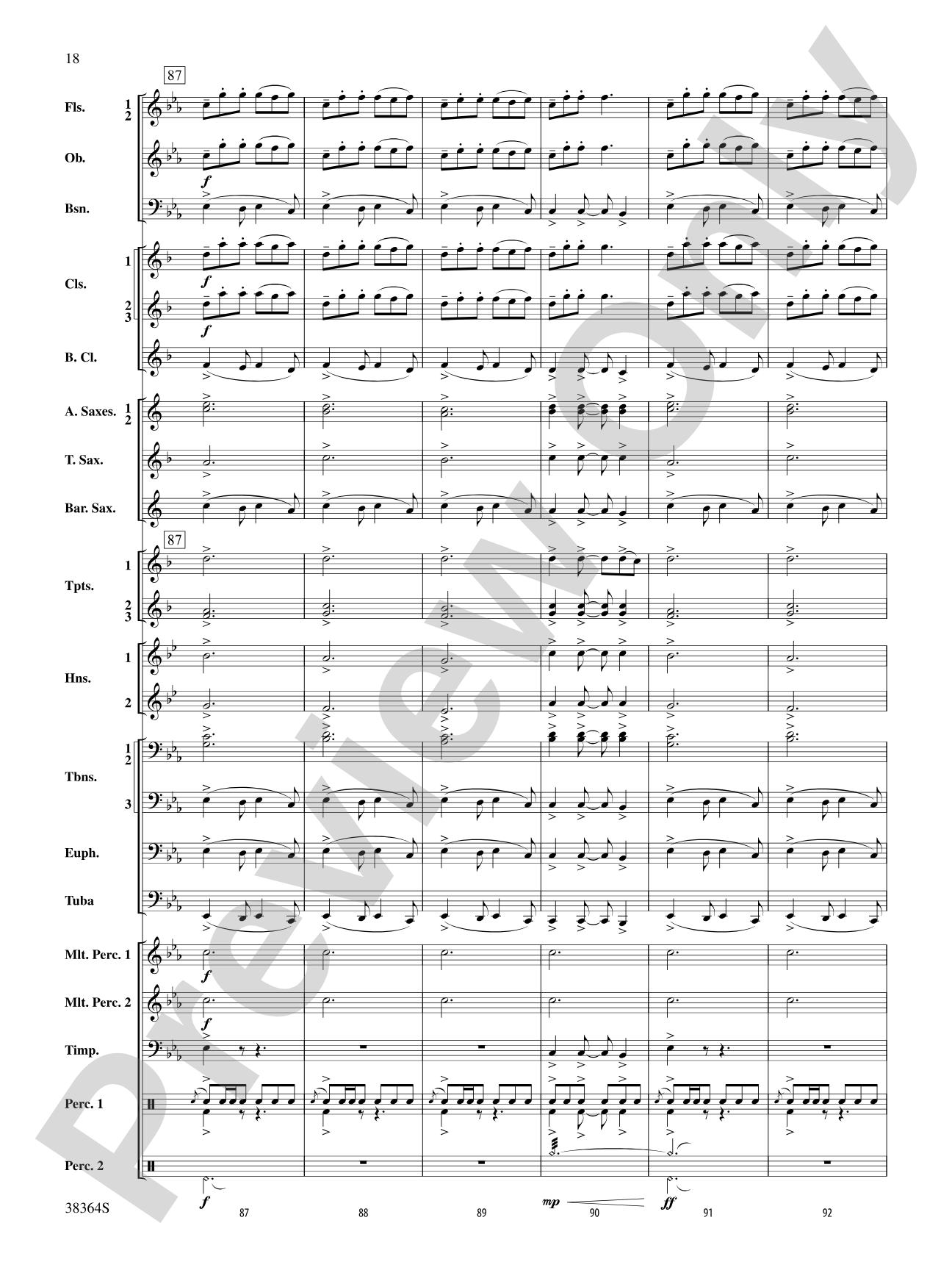
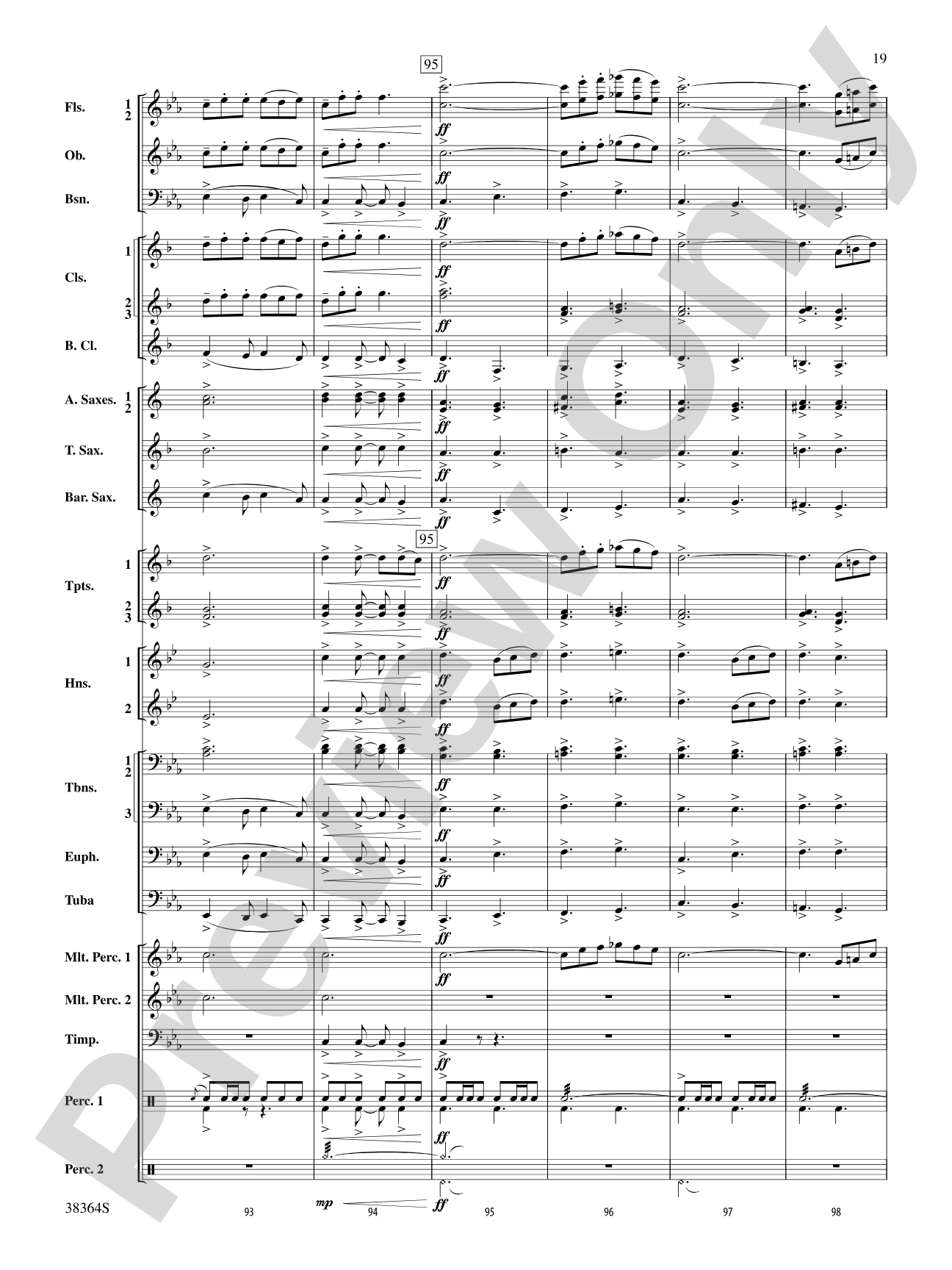
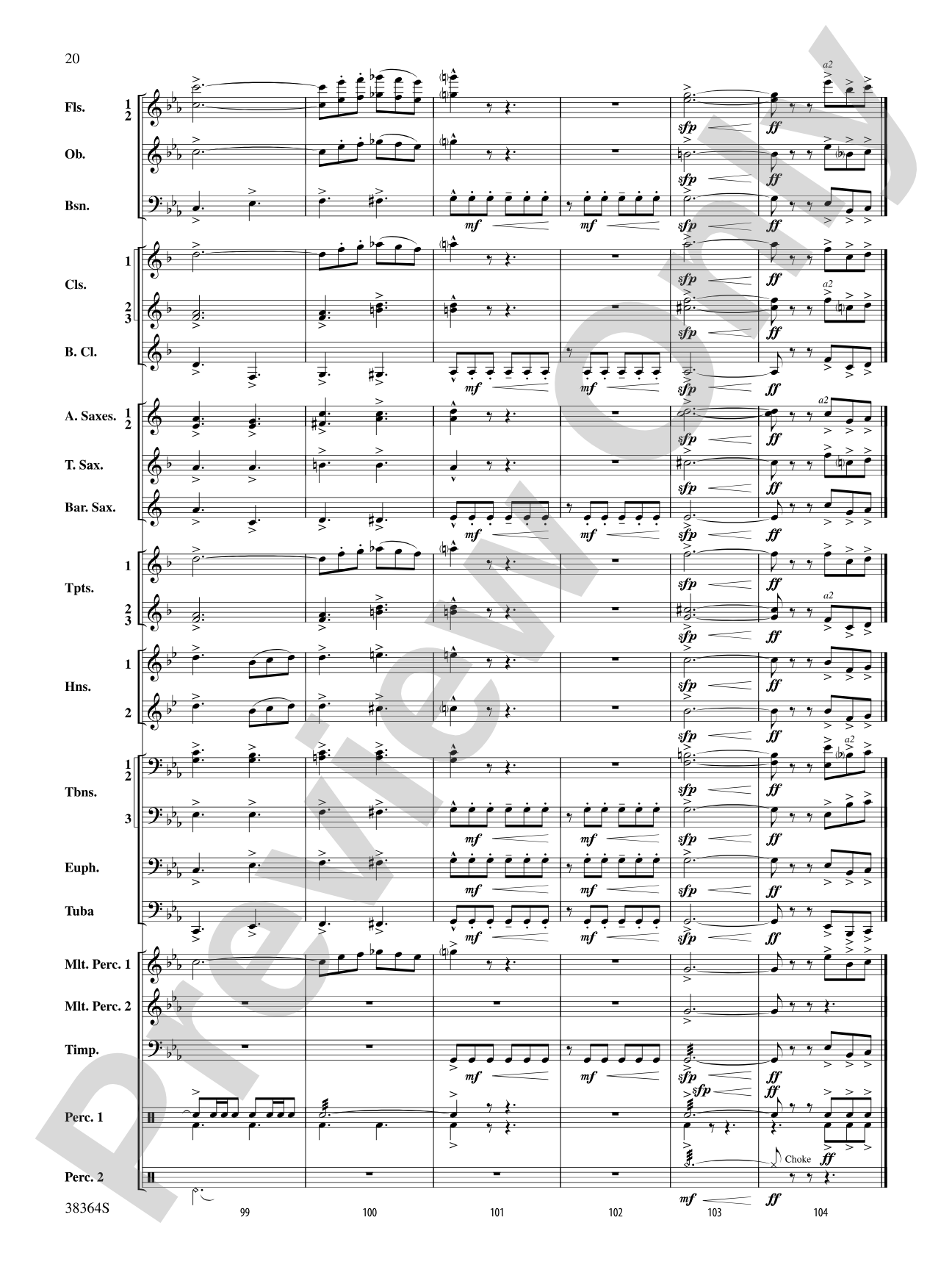

Jubellation: Concert Band Conductor Score & Parts
Based on the "Ukrainian Bell Carol"
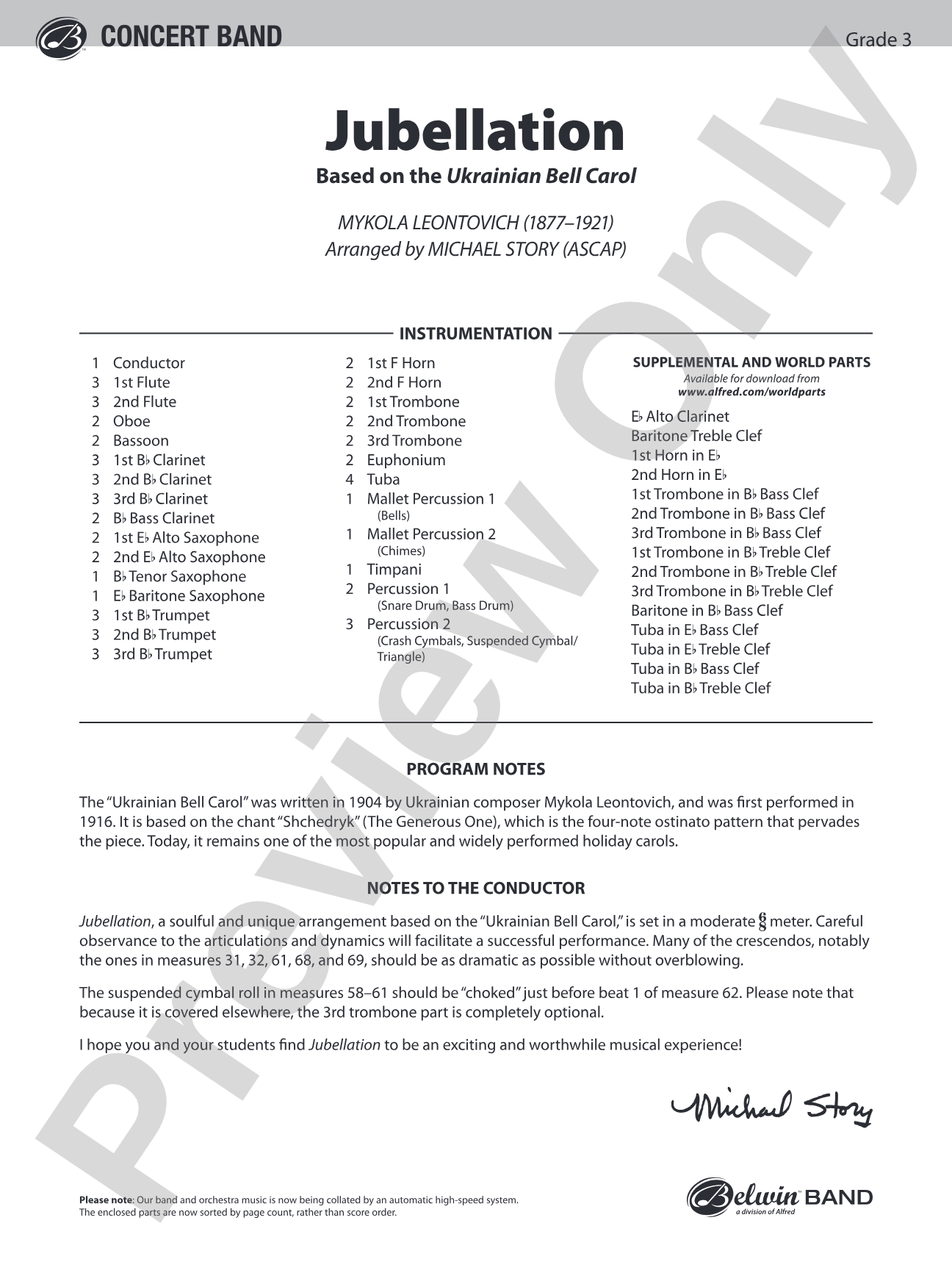
By Mykola Leontovich / arr. Michael Story
Grade: 3 (Medium Easy)
Item: 00-PK-0005194

$70.00
Pickup currently not available
Buy Extra Parts (Digital PDF Download)
| Product | Price | Quantity |
|---|---|---|
| Jubellation: Score | $10.00 | |
| Jubellation: Flute | $5.99 | |
| Jubellation: 2nd Flute | $5.99 | |
| Jubellation: Oboe | $5.99 | |
| Jubellation: Bassoon | $5.99 | |
| Jubellation: 1st B-flat Clarinet | $5.99 | |
| Jubellation: 2nd B-flat Clarinet | $5.99 | |
| Jubellation: 3rd B-flat Clarinet | $5.99 | |
| Jubellation: B-flat Bass Clarinet | $5.99 | |
| Jubellation: E-flat Alto Saxophone | $5.99 | |
| Jubellation: 2nd E-flat Alto Saxophone | $5.99 | |
| Jubellation: B-flat Tenor Saxophone | $5.99 | |
| Jubellation: E-flat Baritone Saxophone | $5.99 | |
| Jubellation: 1st B-flat Trumpet | $5.99 | |
| Jubellation: 2nd B-flat Trumpet | $5.99 | |
| Jubellation: 3rd B-flat Trumpet | $5.99 | |
| Jubellation: 1st F Horn | $5.99 | |
| Jubellation: 2nd F Horn | $5.99 | |
| Jubellation: 1st Trombone | $5.99 | |
| Jubellation: 2nd Trombone | $5.99 | |
| Jubellation: 3rd Trombone | $5.99 | |
| Jubellation: Baritone B.C. | $5.99 | |
| Jubellation: Tuba | $5.99 | |
| Jubellation: Mallets | $5.99 | |
| Jubellation: 2nd Mallet Percussion | $5.99 | |
| Jubellation: 1st Percussion | $5.99 | |
| Jubellation: 2nd Percussion | $5.99 | |
| Jubellation: Timpani | $5.99 |
Parts Added to Cart!
Description
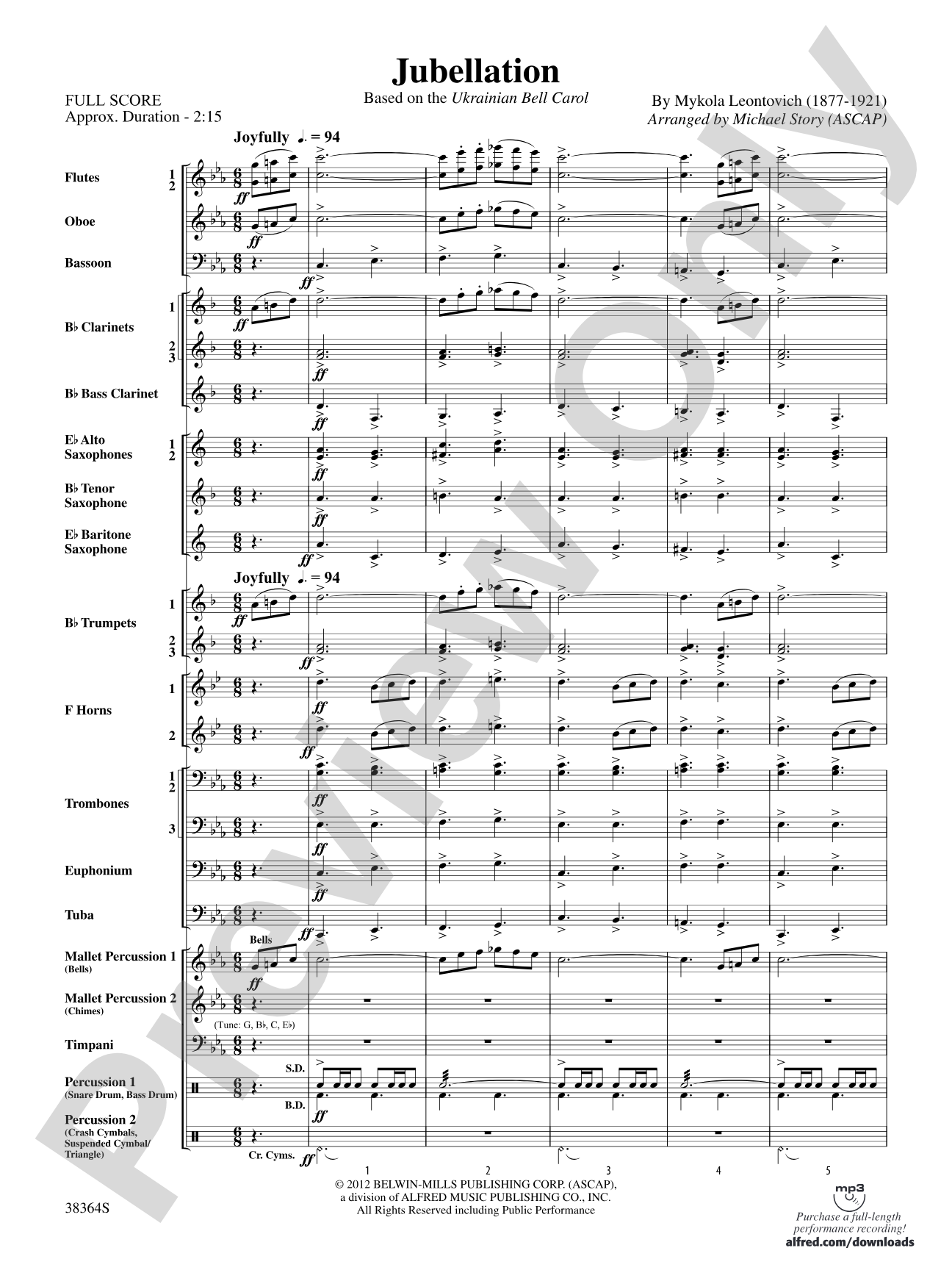
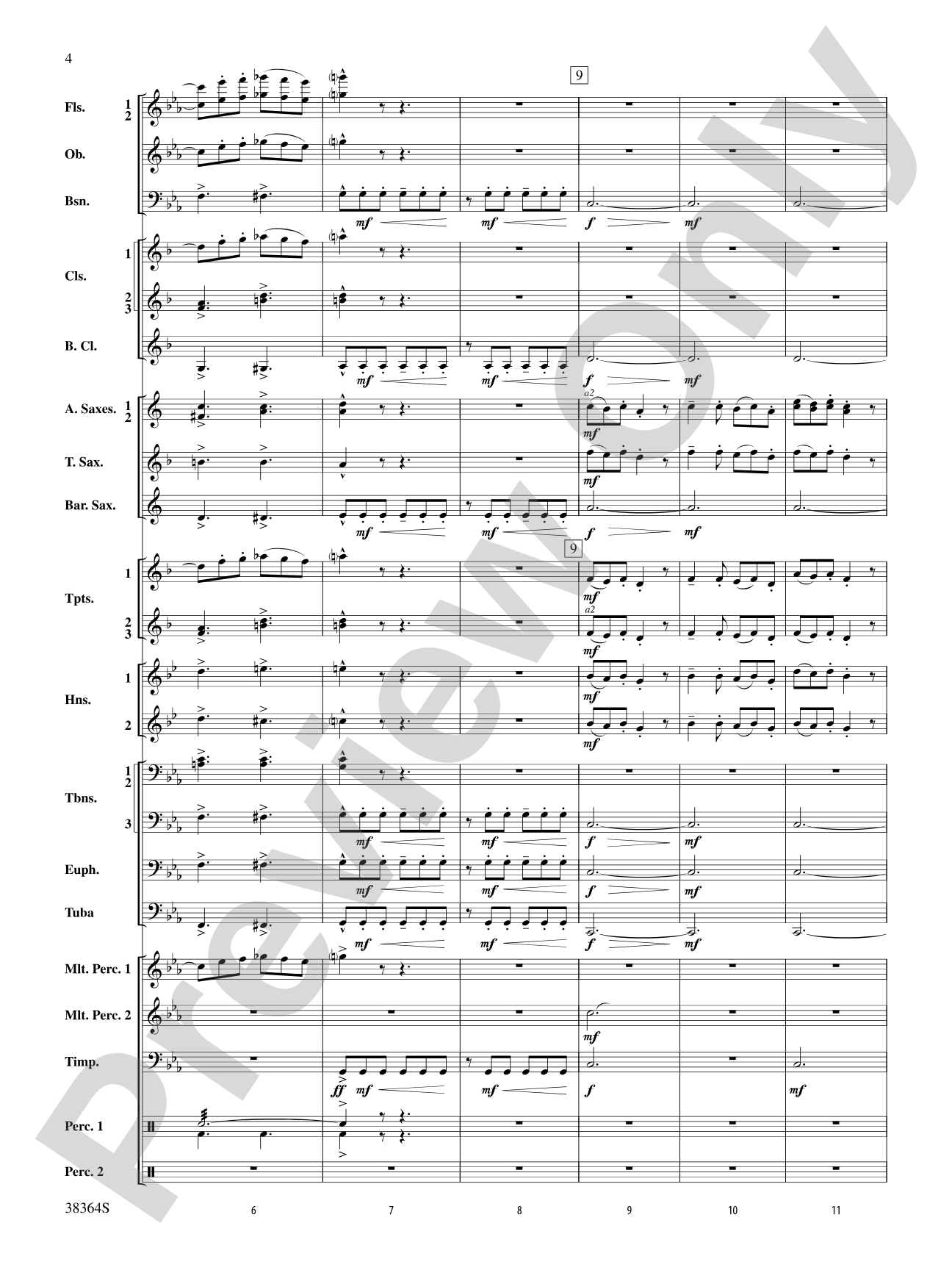
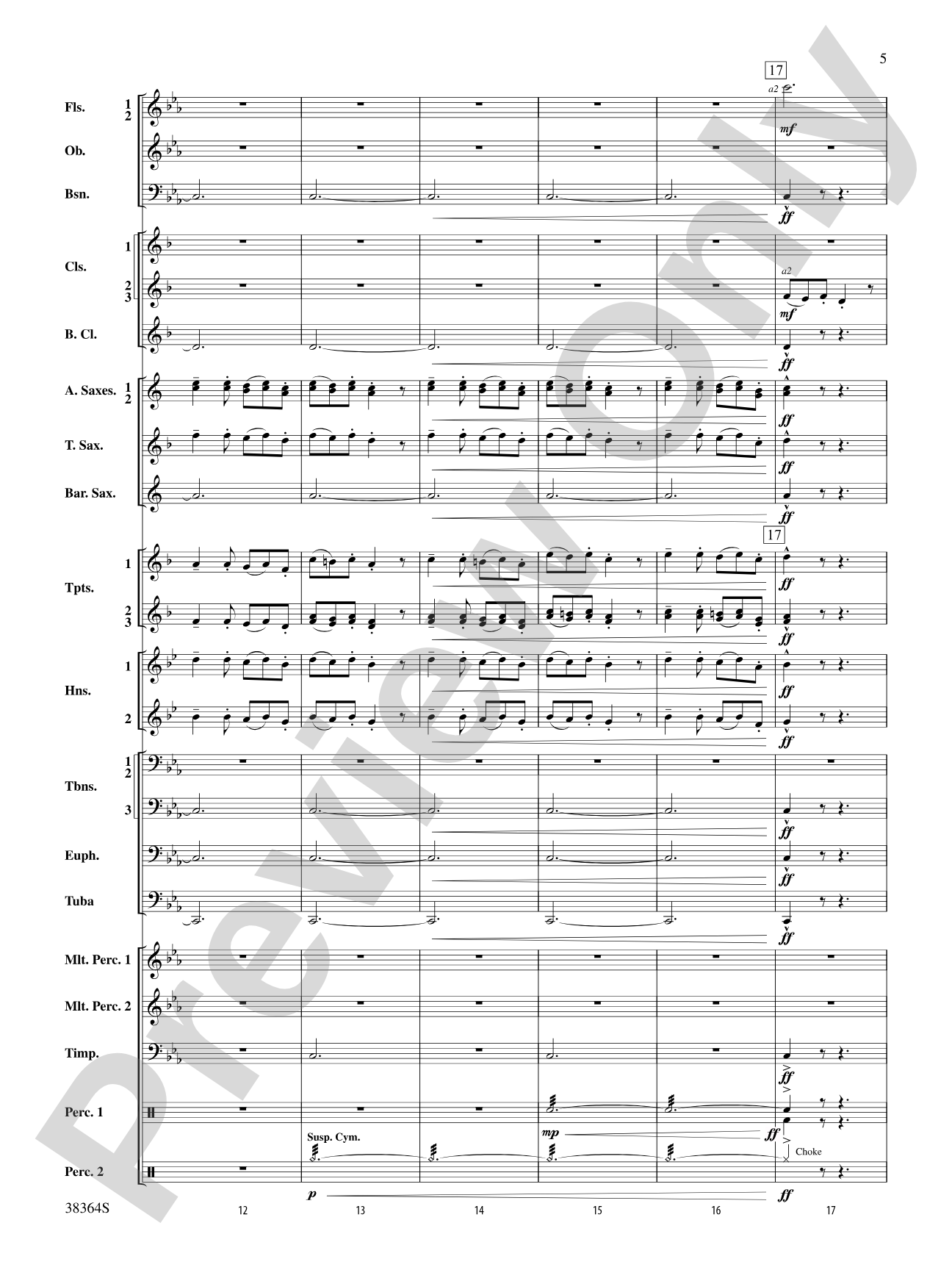
"Jubellation" is a soulful and unique arrangement based on Mykola Leontovich's "Ukrainian Bell Carol." Originally performed in 1916, this creative arrangement takes full advantage of your mallet section.


Don't just read it, hear it, play along with it, and watch your students grow with it. In MakeMusic Cloud, Jubellation: Concert Band Conductor Score & Parts comes alive with professional accompaniment, adjustable tempo, and built-in practice tools that turn solo practice into real progress.
Open in the Player
Jump straight in and assign it today.
Start Your Free Trial
Open this title and explore the full library in minutes.
Sample Audio
1
Audio File
--:--
0:00
0:00
Sample Video
No sample videos found.
Additional Details
Series:
Belwin Concert Band
Publisher:
Alfred Music
Page Count:
192
SKU:
00-PK-0005194
More about this title
About the Composer: Mykola Leontovich
Mykola Leontovich (1877, 1921) was a Ukrainian composer and conductor whose work bridged folk tradition and concert music. His most enduring legacy is "Ukrainian Bell Carol," a composition that transforms the sound of church bells and traditional Ukrainian melodies into something both sacred and universally resonant. Though his life was cut short by political upheaval in post-revolutionary Ukraine, his music has survived as a cornerstone of holiday repertoire worldwide.
Why we love this
Michael Story's arrangement strips away typical holiday sentimentality and lets the mallet section shine in ways that transform a familiar melody into something genuinely engaging for players and audiences alike. At Grade 3, it sits at a sweet spot where bands can tackle a recognized masterwork without getting bogged down in technical complexity, freeing energy for musical expression. The orchestration choices honor Leontovich's original while giving your ensemble room to make the piece their own.
What to expect
The arrangement carries the warm, bell-like quality that made the original so memorable, but with a modern sensibility that feels fresh rather than quaint. There's a soulful undercurrent beneath the familiar melody, a sense of quiet celebration that builds naturally without resorting to bombast. The mallet textures create an almost choral richness, as if the bells themselves are singing.
Who it's for
This score and parts set serves concert bands at the Grade 3 level looking for winter and holiday repertoire that avoids cliché. Directors who want their mallet section to feel invested in the arrangement, not relegated to filler, will find this piece rewarding to teach and program.
How to get the most out of it
- Balance the mallet voices as featured soloists rather than accompaniment; this arrangement gives them real musical responsibility, so make sure your mallets have secure stick control and clear articulation throughout.
- Shape the melody through the ensemble with attention to the arc of each phrase rather than measure-by-measure dynamics; the carol's beauty emerges when lines breathe together.
- Let the resonance live in passages where sustained tones and mallet colors overlap; resist the urge to cut off notes too quickly, especially in the lower register where blending matters most.
- Establish a steady, singing tempo early in rehearsal and return to it as your reference point; the arrangement's effectiveness depends on consistency, not rushing into sentiment.
How to use it
Pair this with other Grade 3 seasonal pieces to build a cohesive winter concert set, or program it as the centerpiece of a concert that traces the life of a single melody across cultures and arrangements. Its moderate length and Grade 3 accessibility make it an excellent vehicle for mid-season programming when your ensemble is ready to tackle ensemble balance and voicing but not stretched thin by difficulty.
Skills your students will build
- Mallet technique and resonance control across the percussion section
- Blend and balance in layered texture writing
- Phrasing and breath control in a melodically driven arrangement
- Attention to orchestration color and how instrumentation shapes perception of a familiar tune