
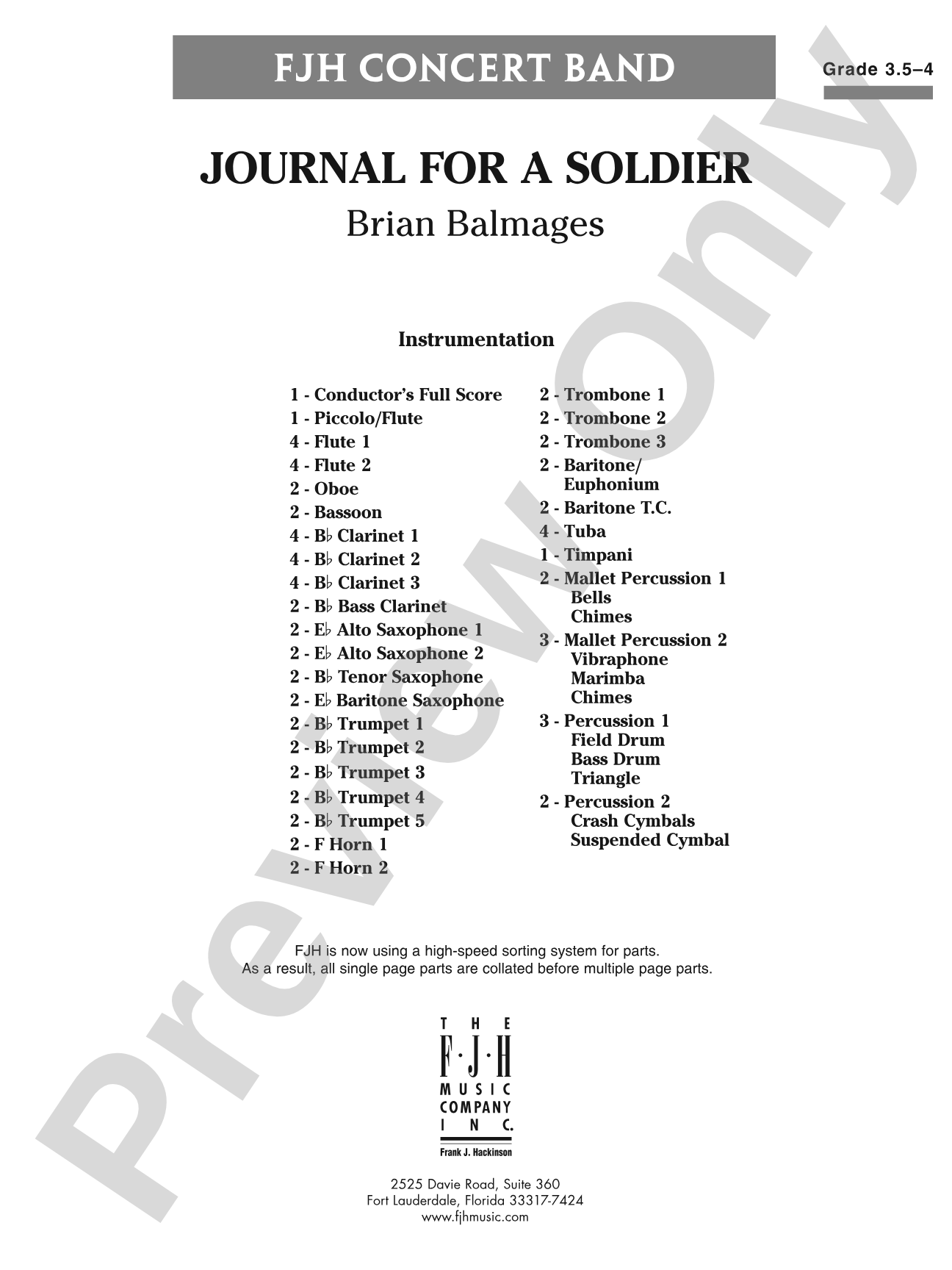
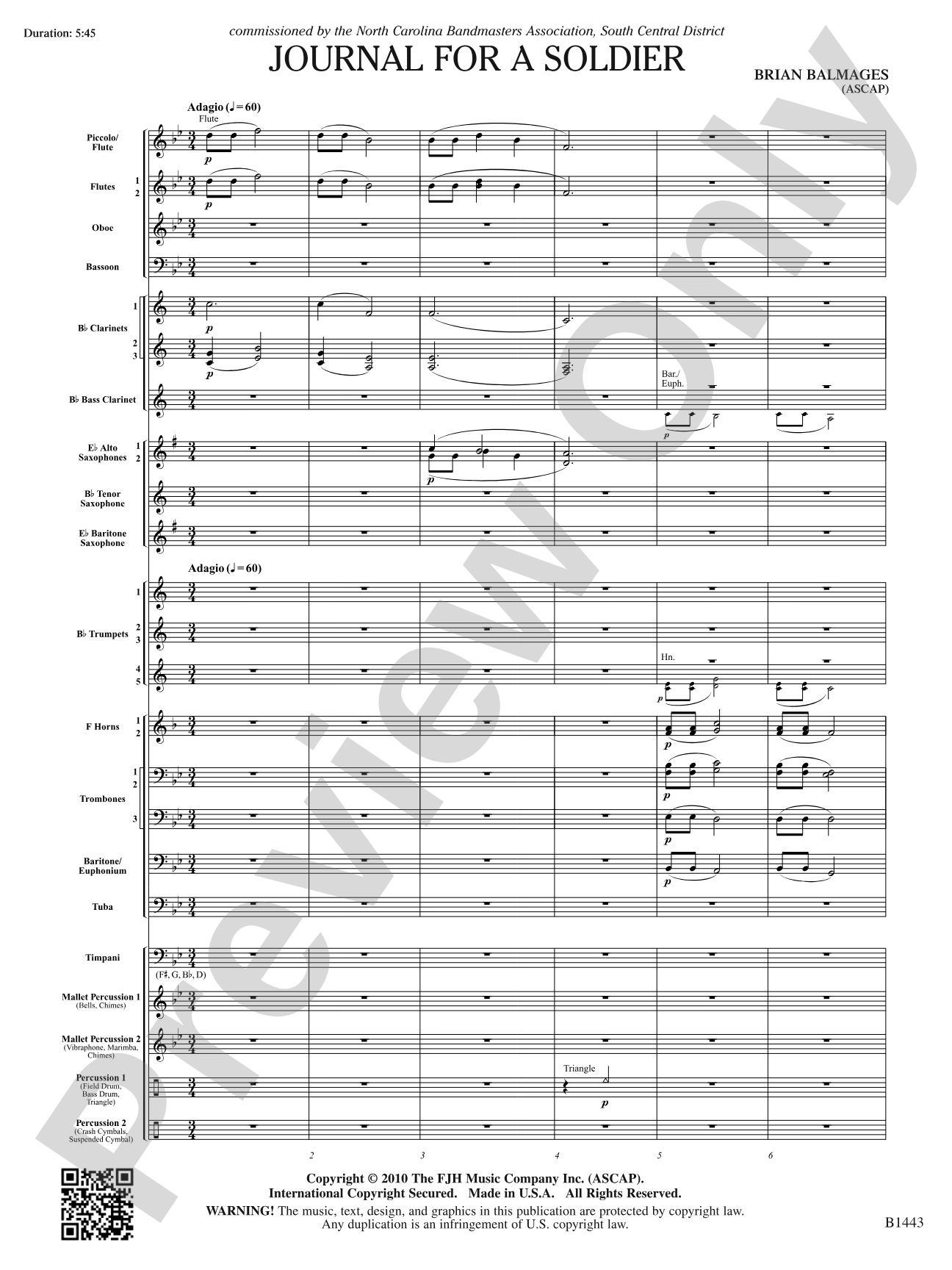
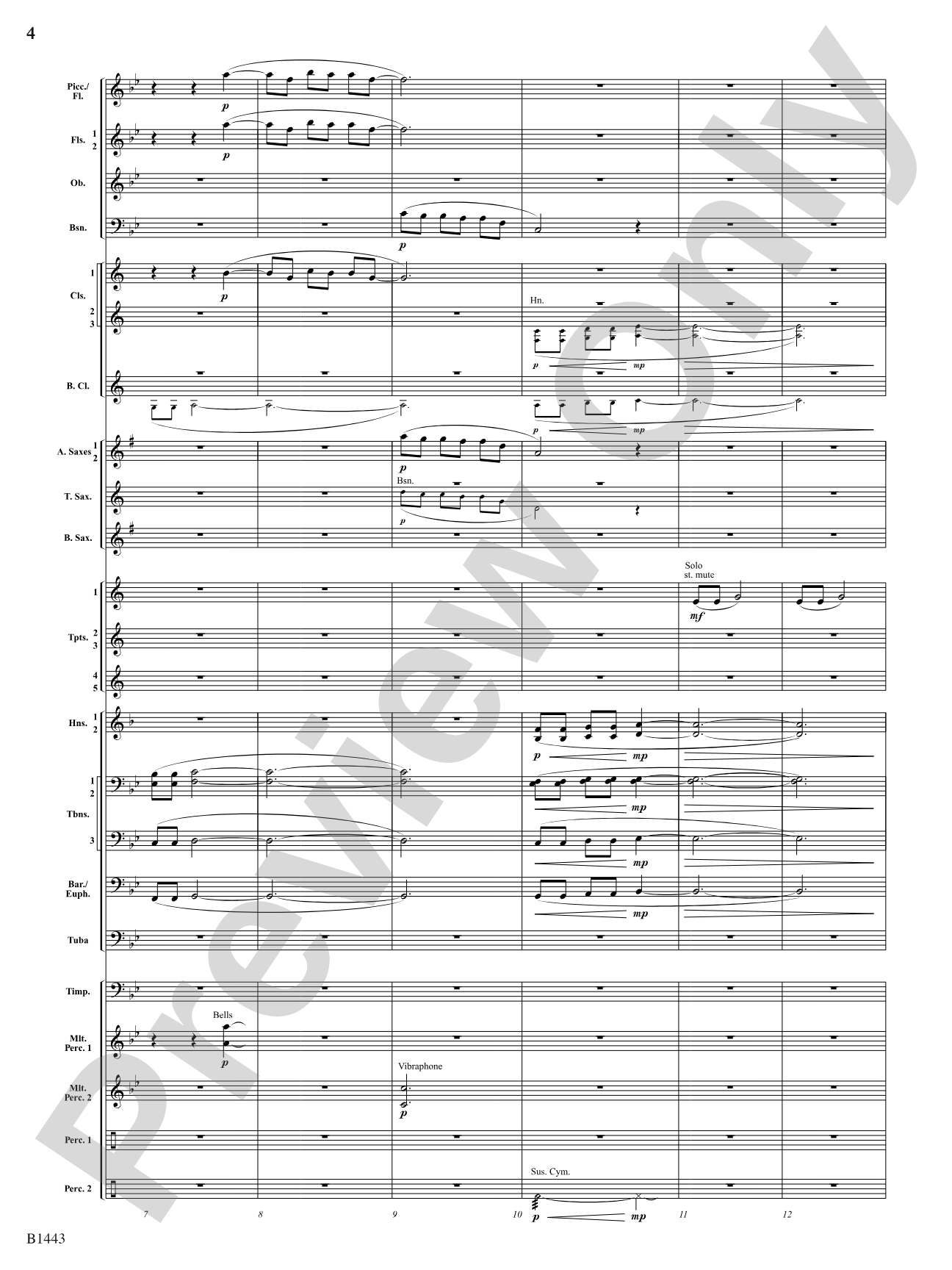
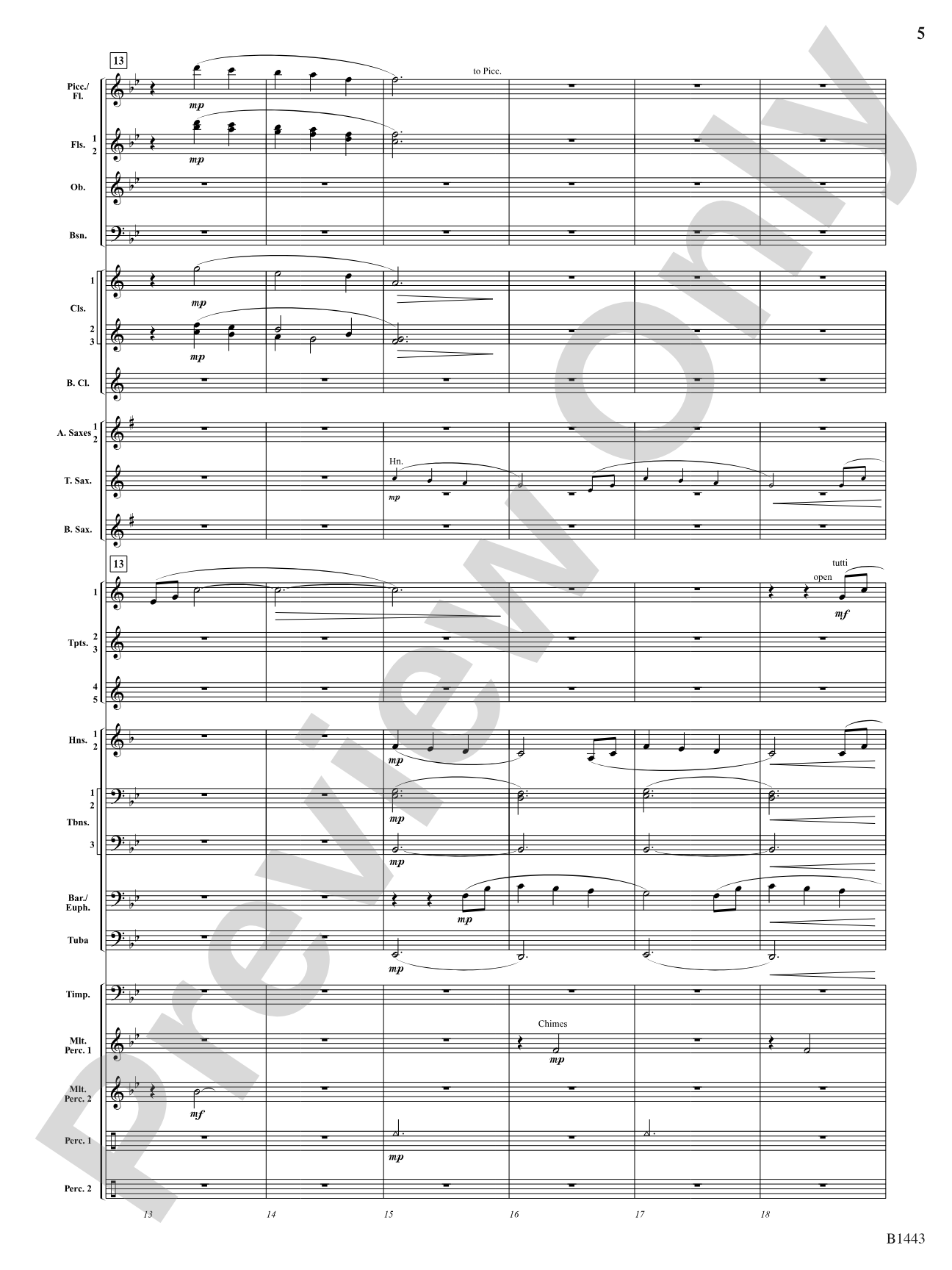
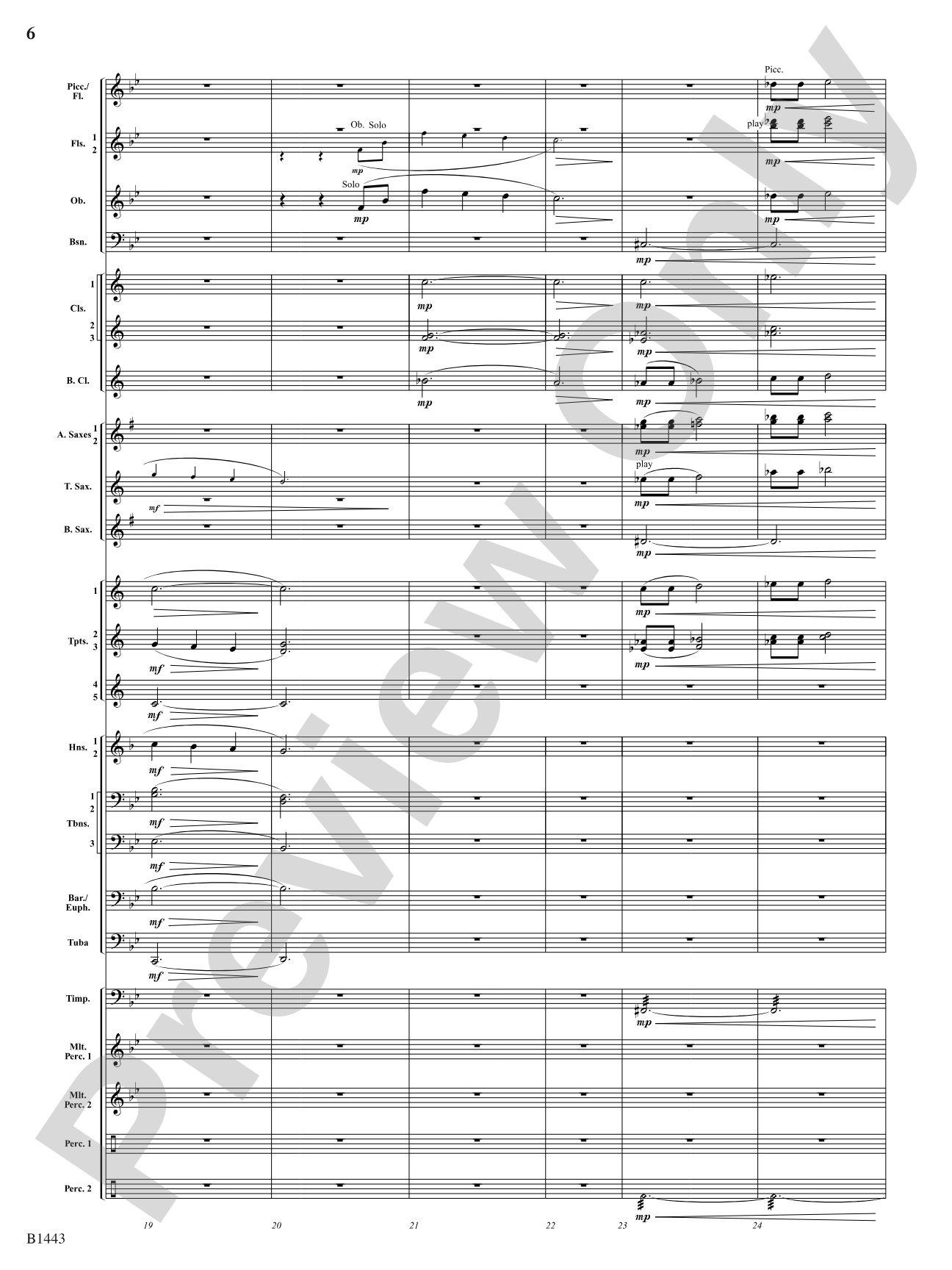
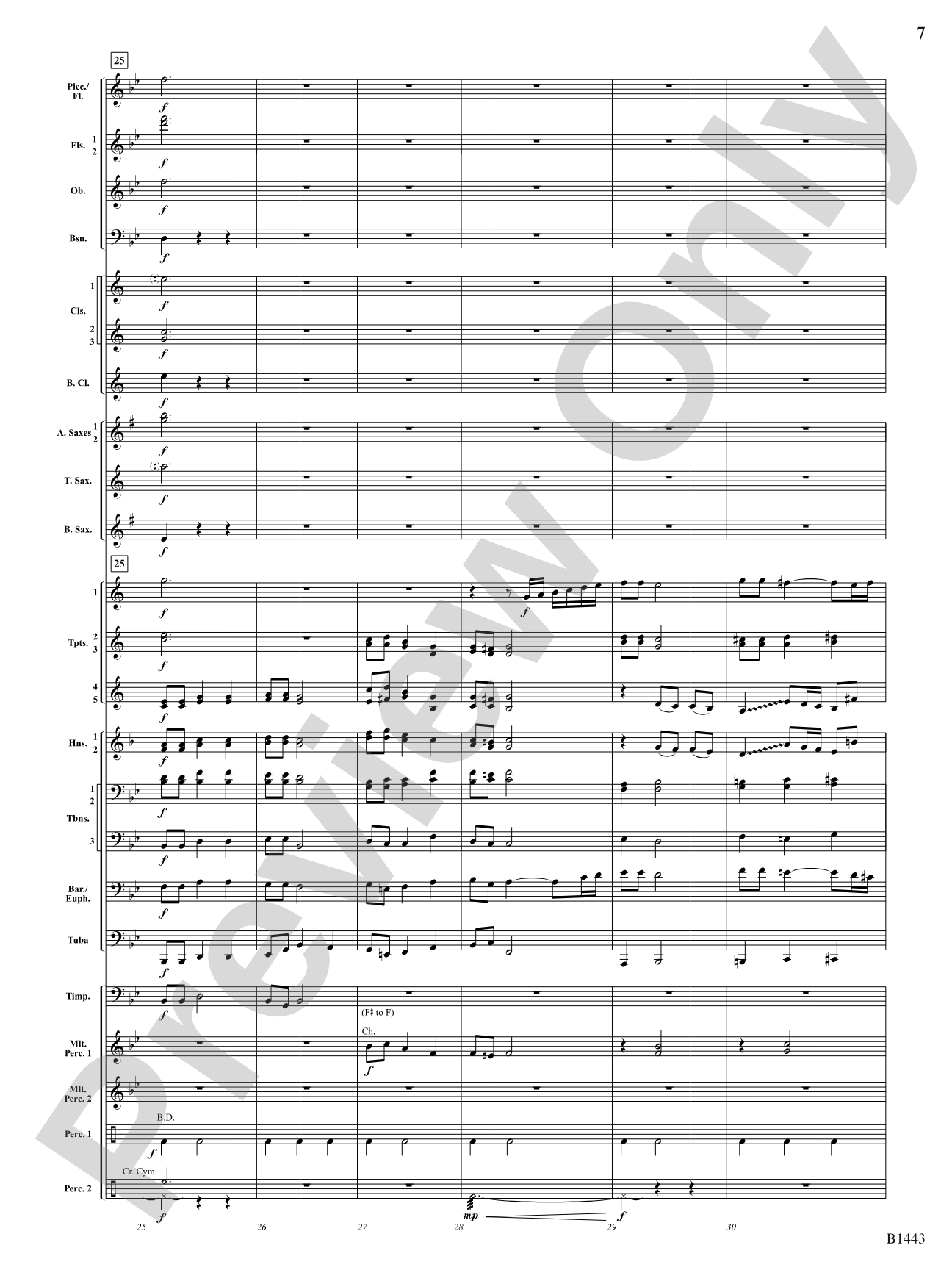
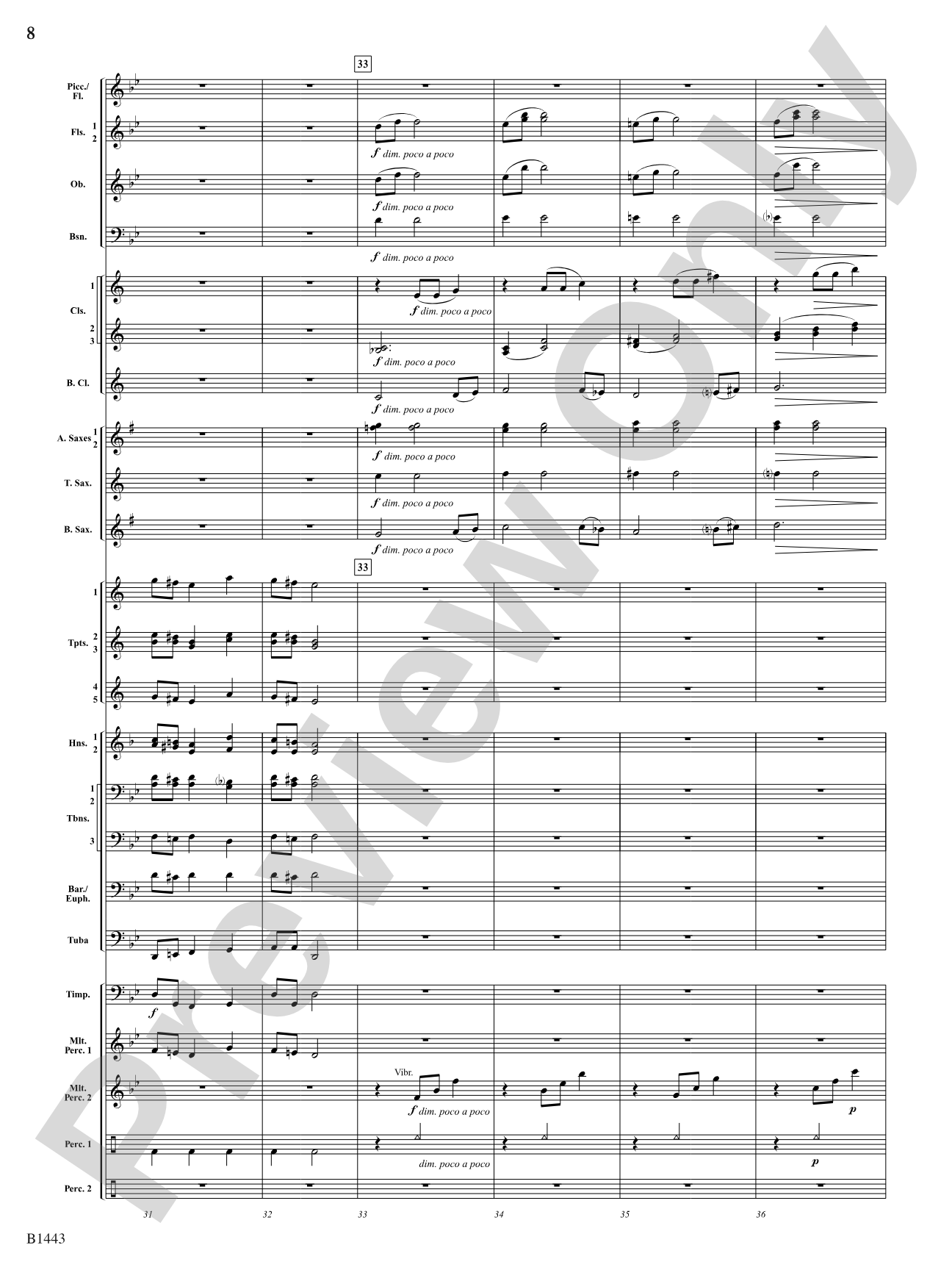
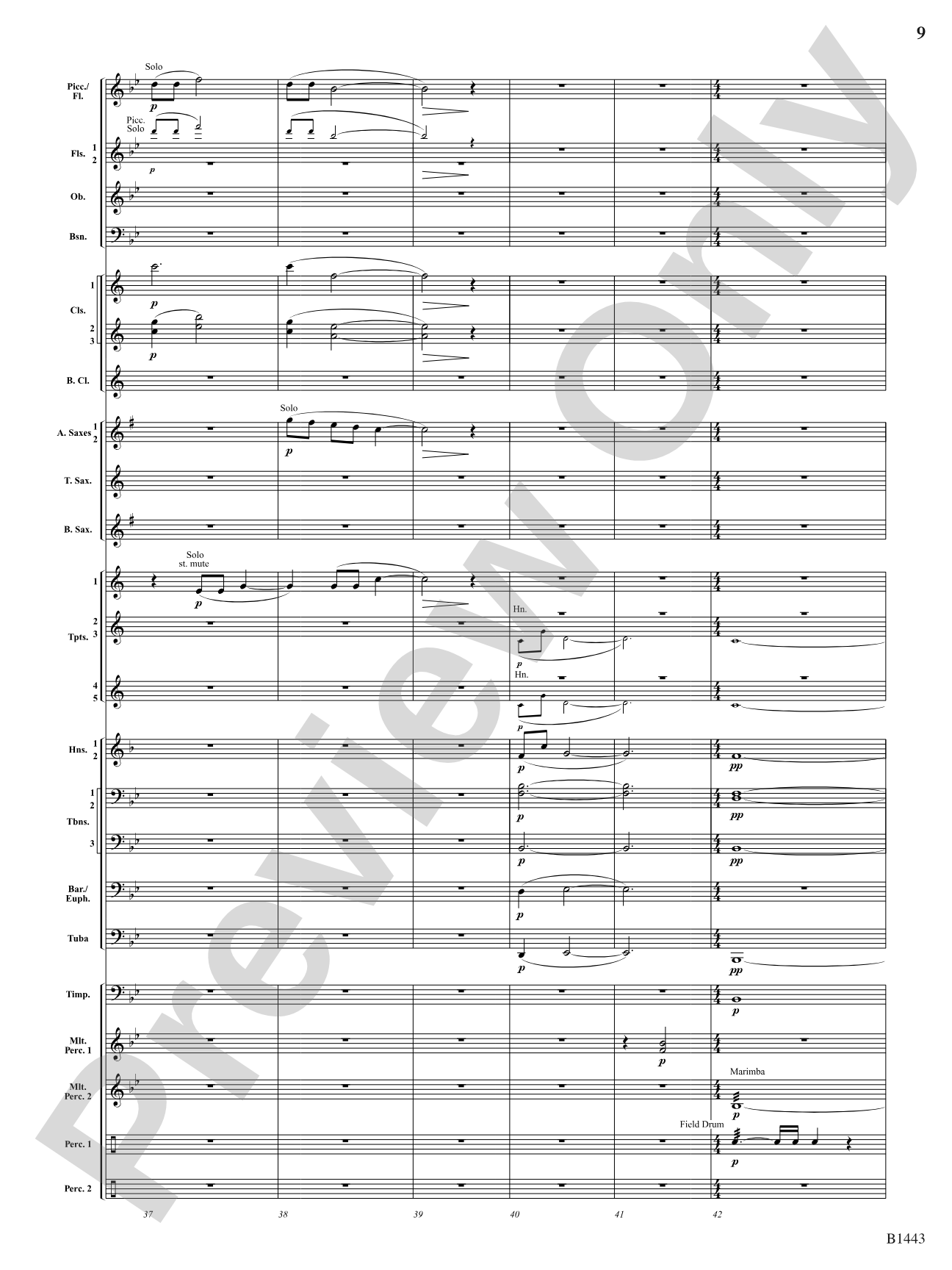
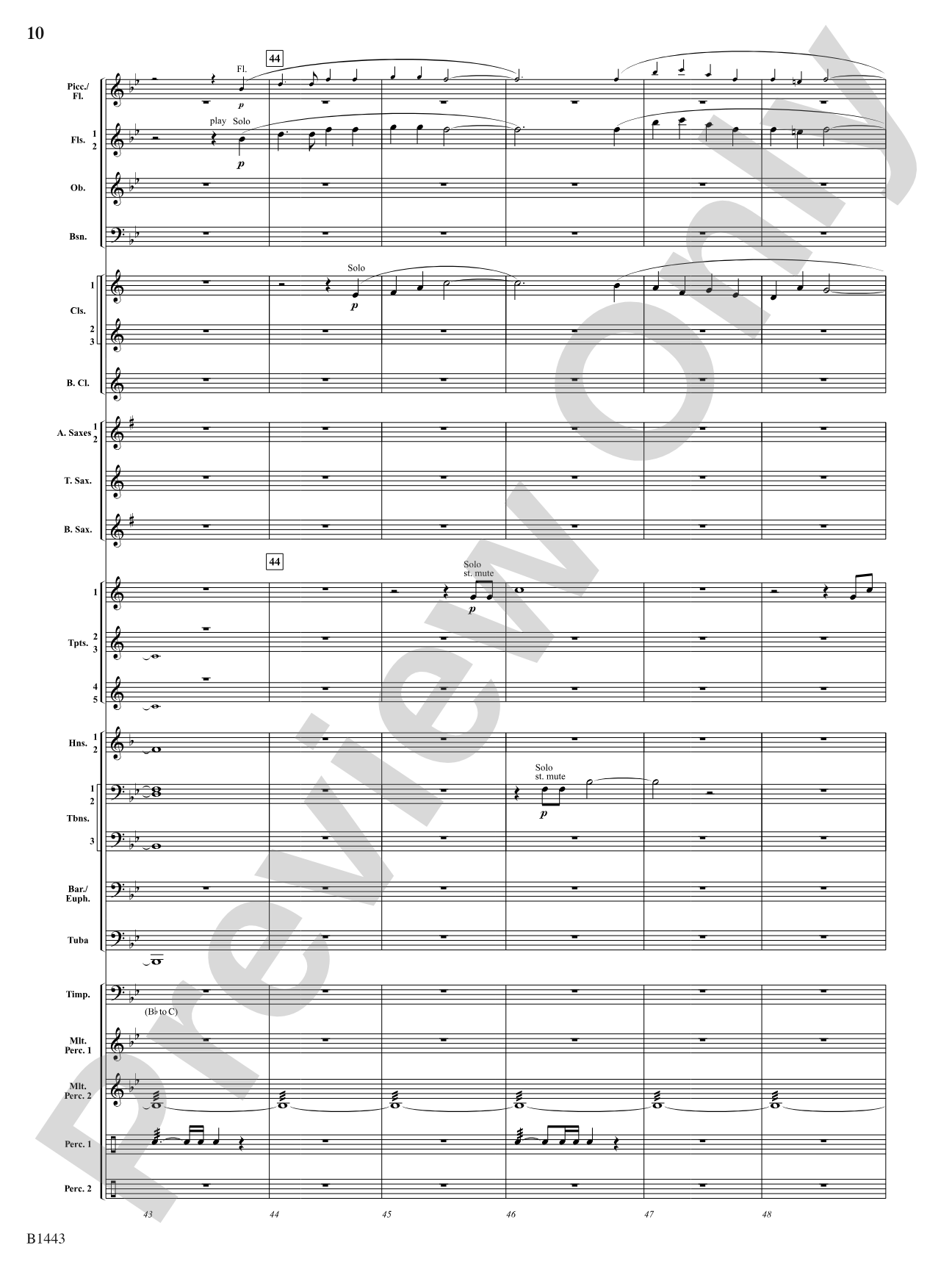
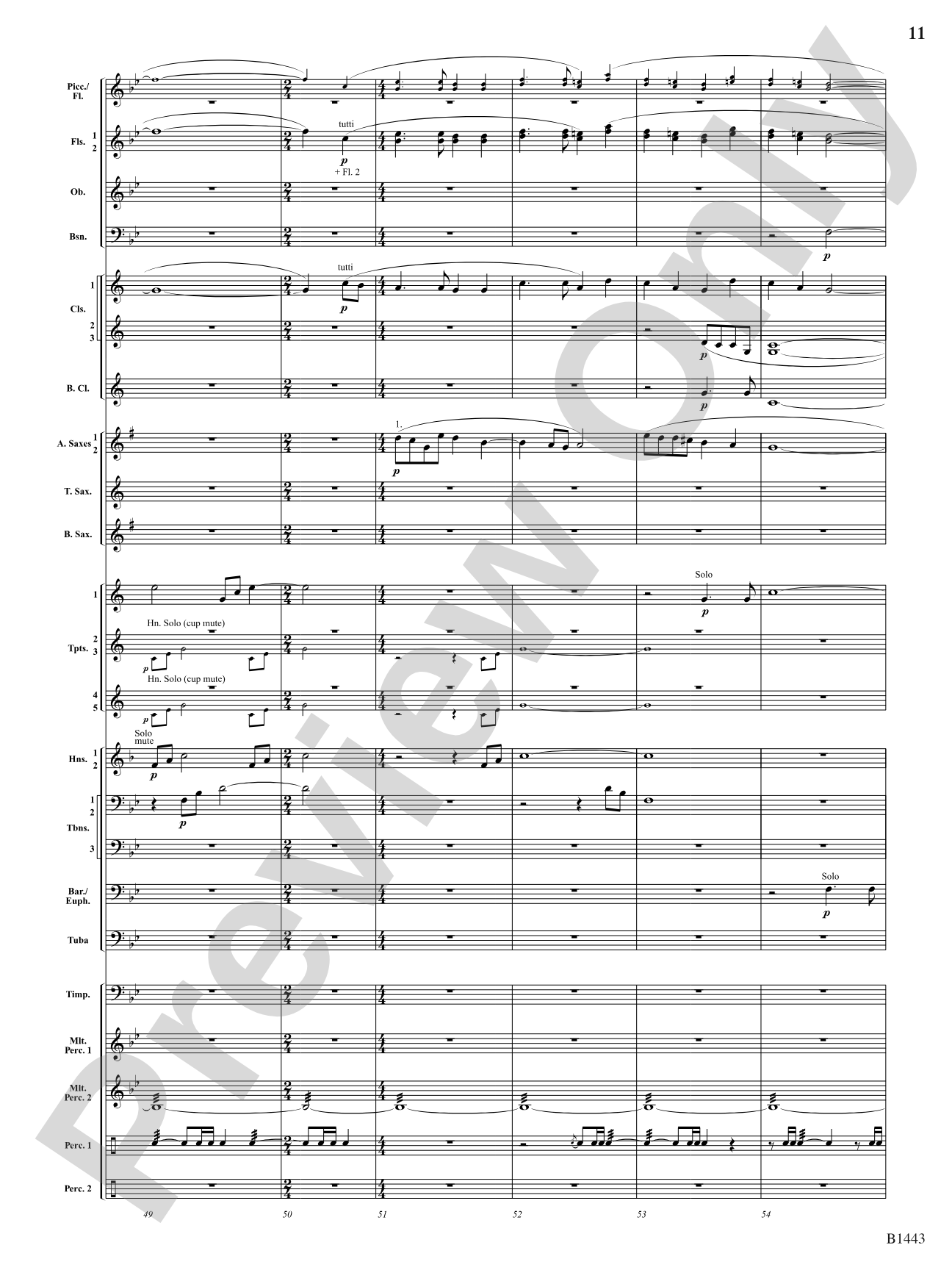
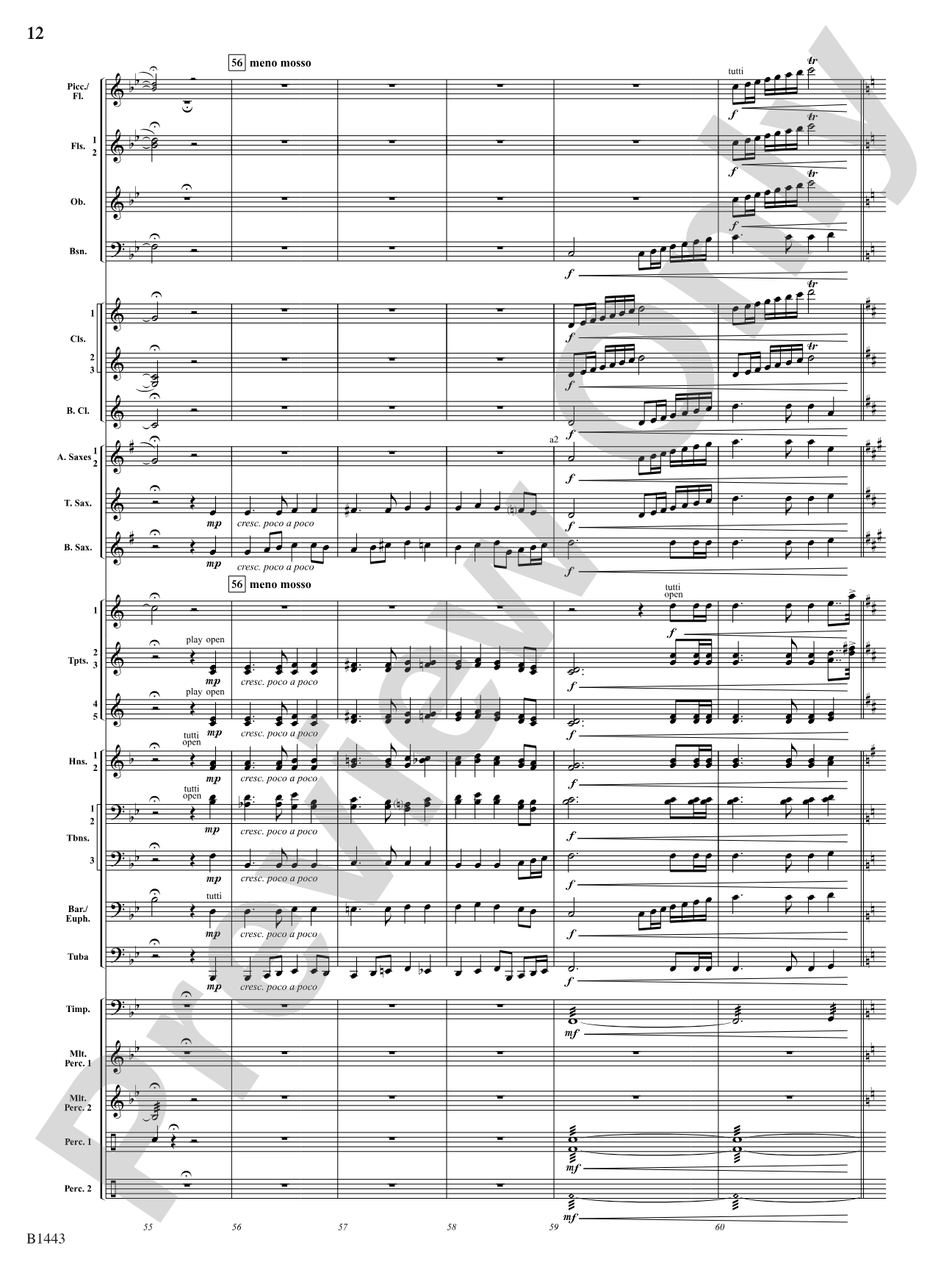
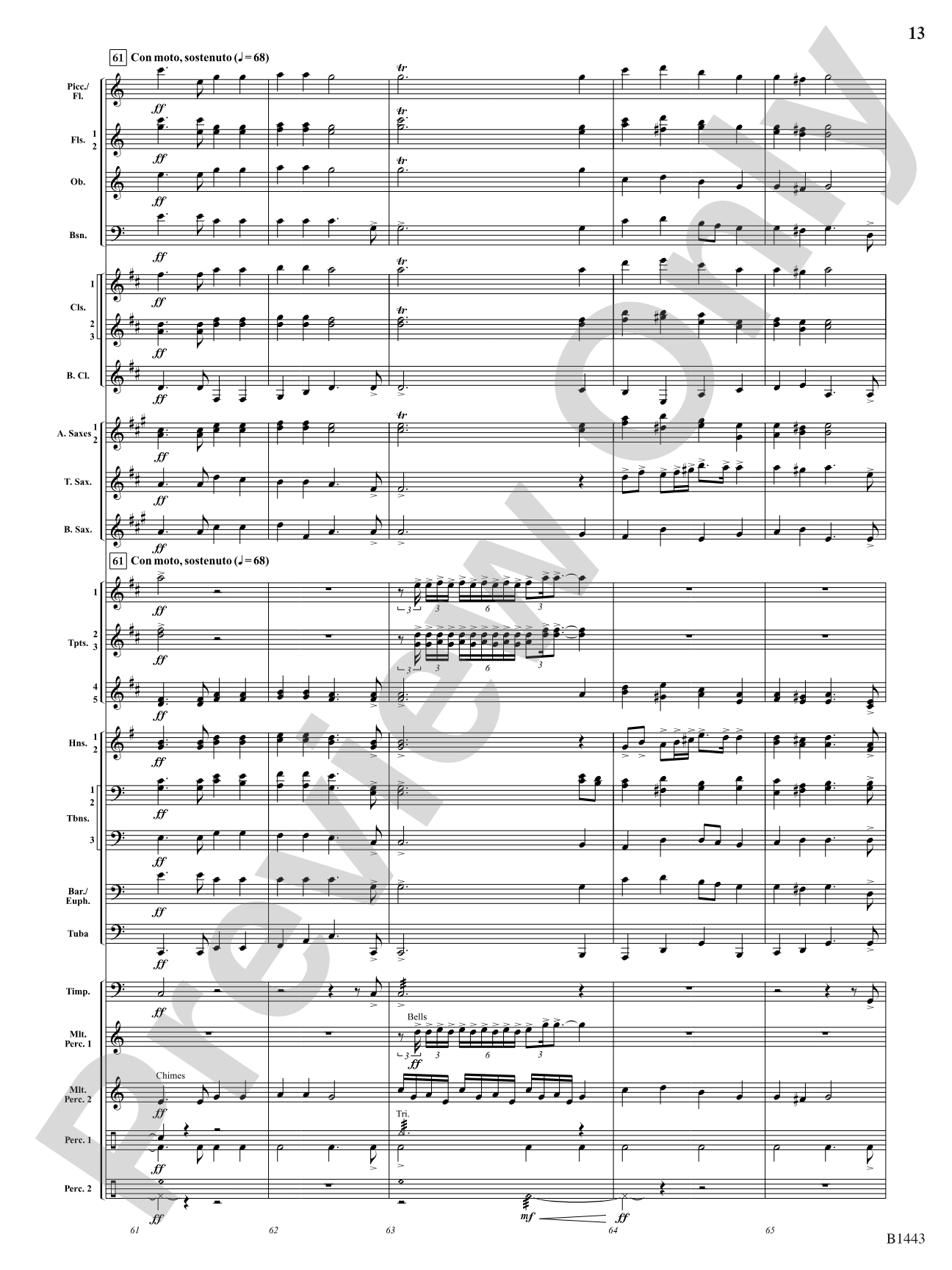
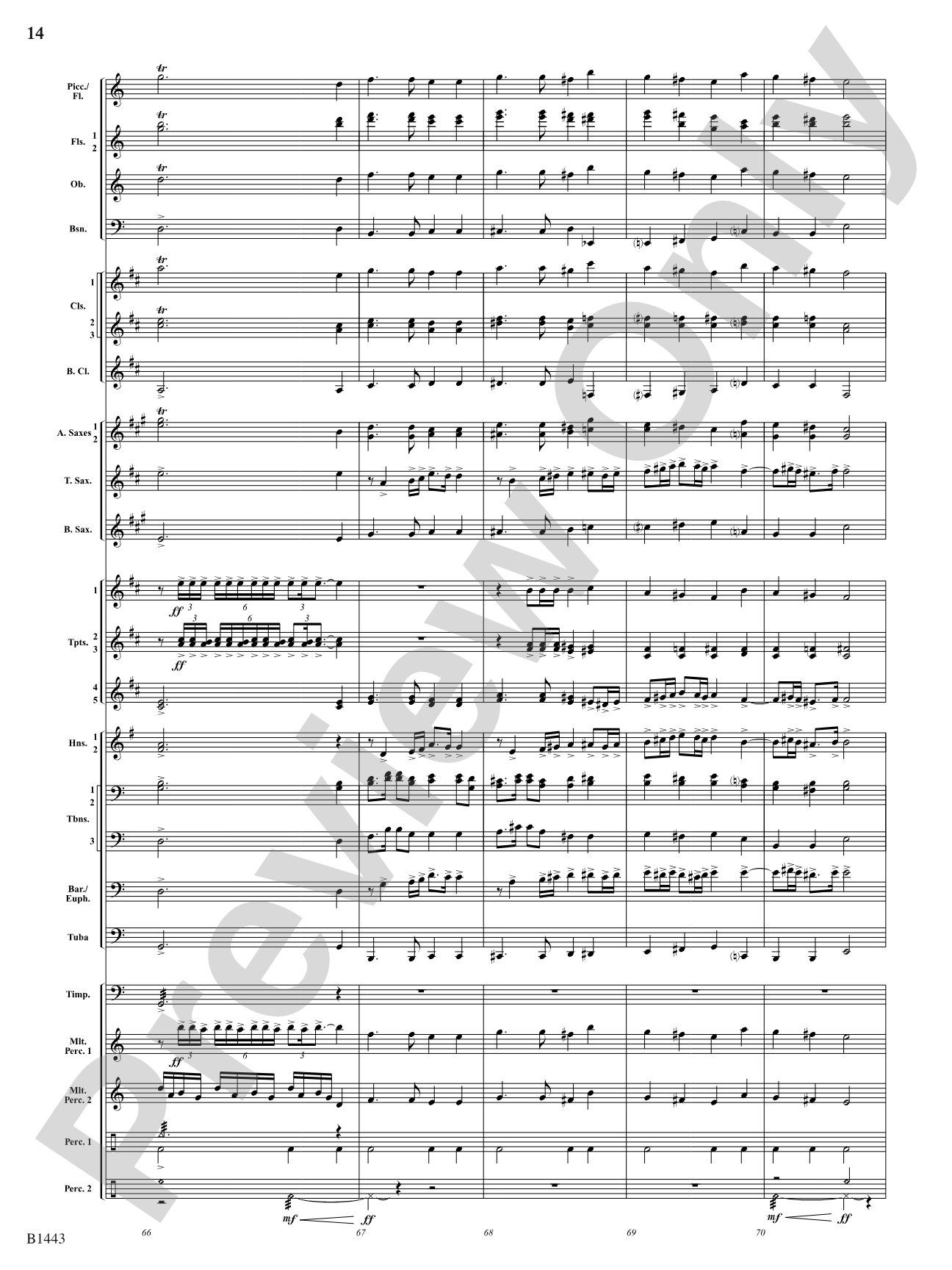
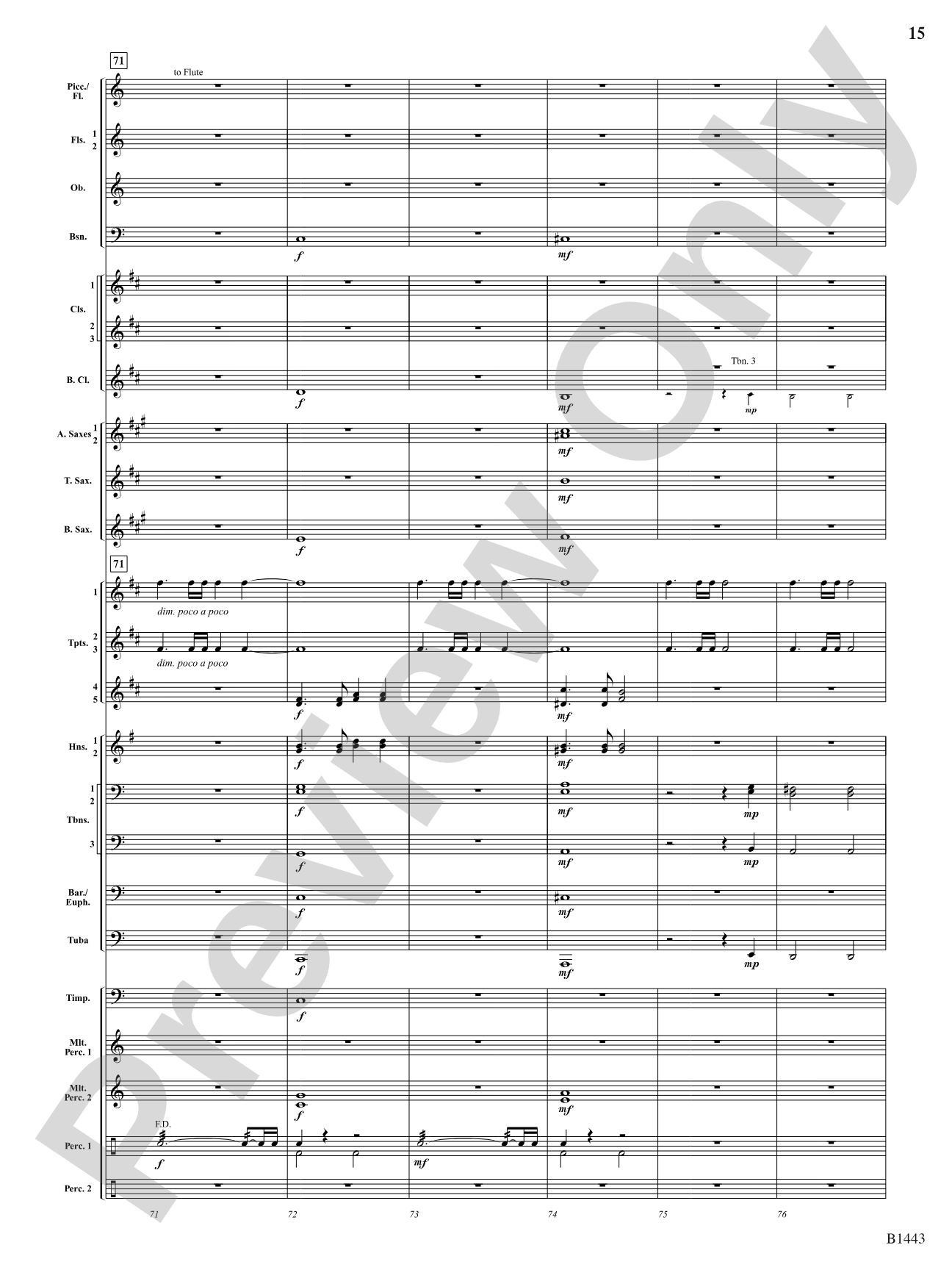
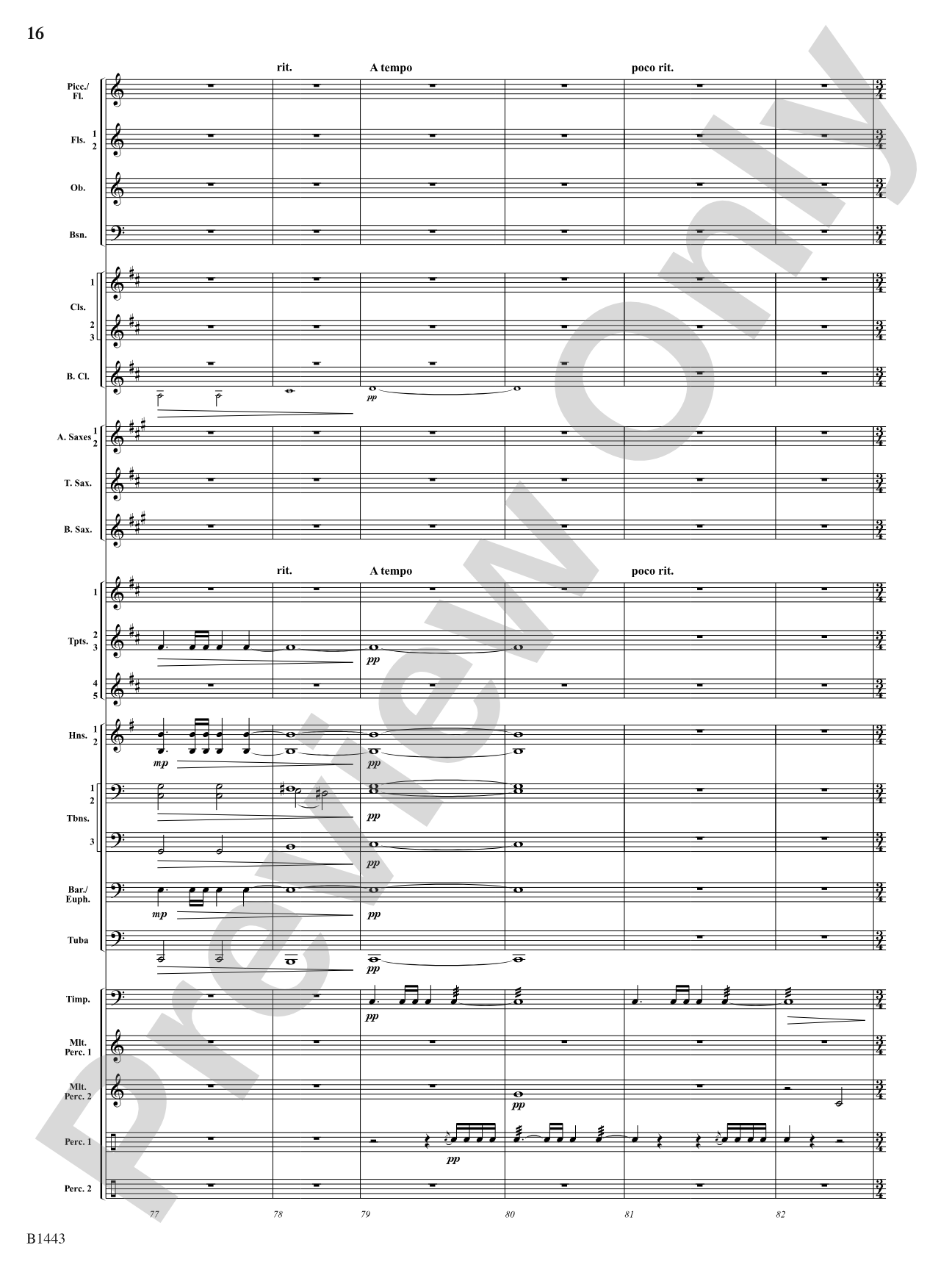
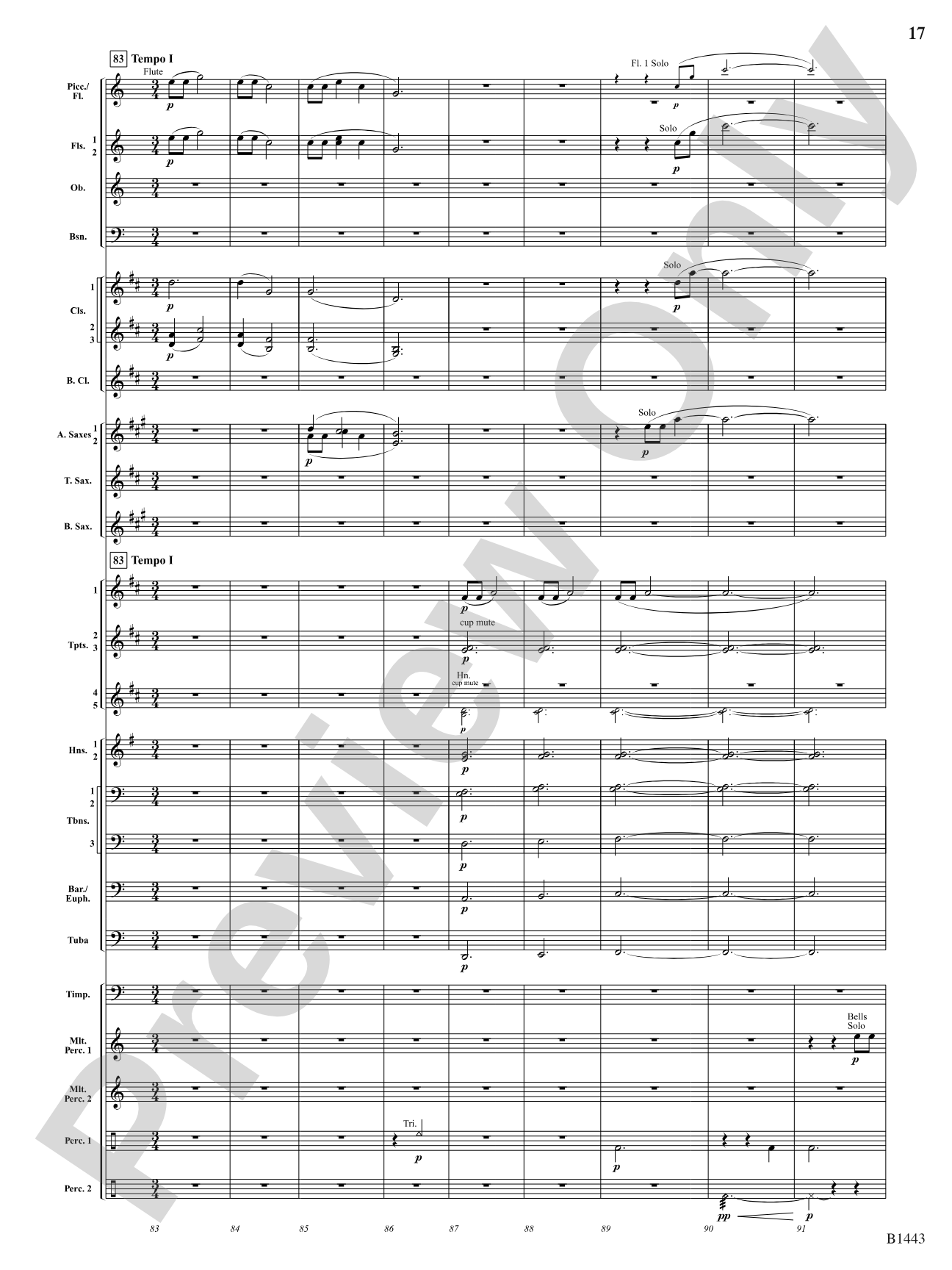
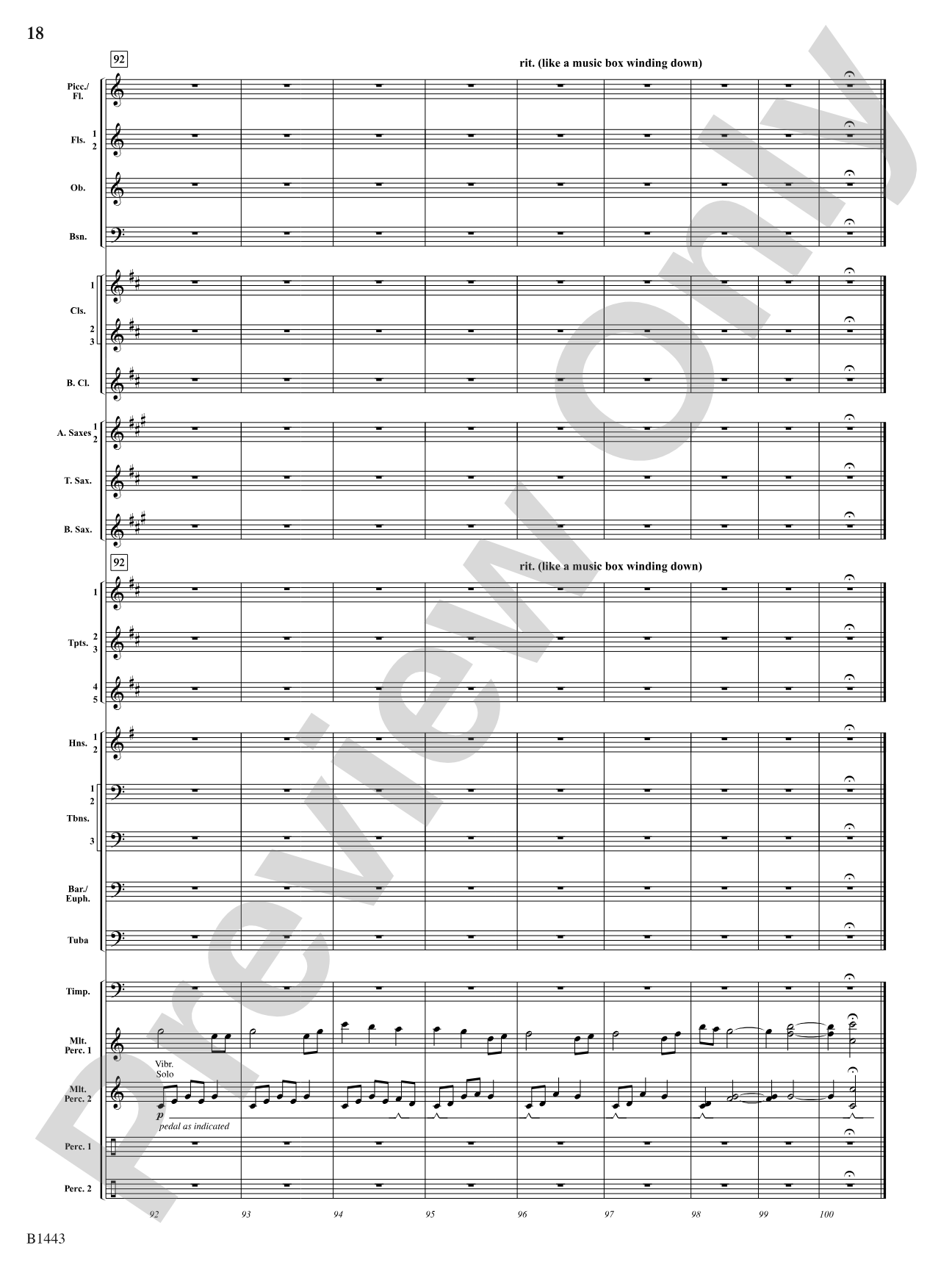

Journal for a Soldier: Score
By Brian Balmages
Grade: 3.5;4
Item: 98-DB1443S
$6.00
Pickup currently not available
Description
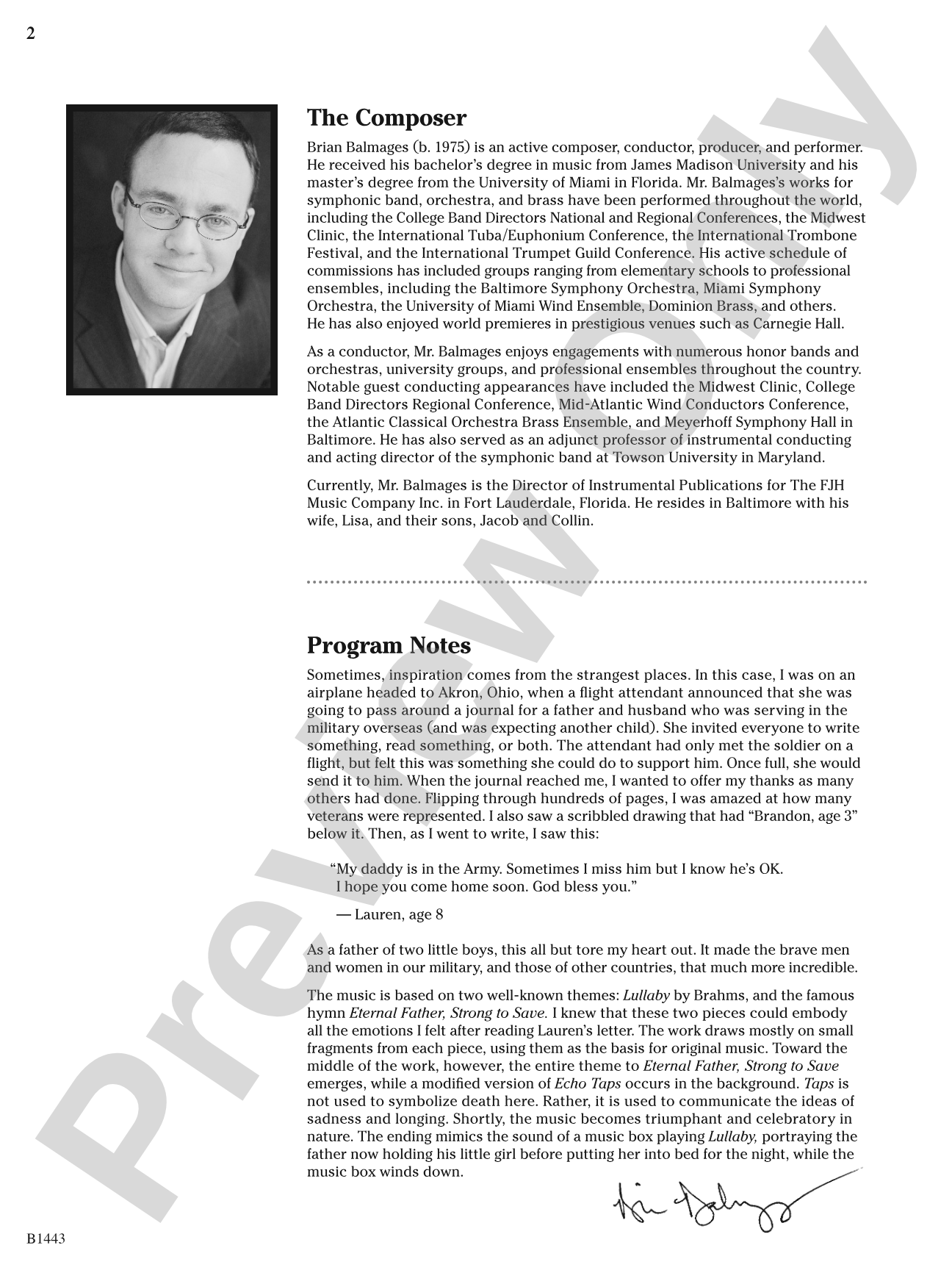
The lyrical lines of this heart-wrenching composition were inspired by a letter from an 8-year-old girl to a soldier overseas. Using elements of Brahm's Lullaby, Eternal Father Strong to Save, and Echo Taps, it tells the story of a father with incredible courage, yet he also longs to be able to tuck his daughter in at night. You will not have a dry eye in the house, including your own.


Don't just read it, hear it, play along with it, and watch your students grow with it. In MakeMusic Cloud, Journal for a Soldier: Score comes alive with professional accompaniment, adjustable tempo, and built-in practice tools that turn solo practice into real progress.
Open in the Player
Jump straight in and assign it today.
Start Your Free Trial
Open this title and explore the full library in minutes.
Sample Audio
1
Audio File
--:--
0:00
0:00
Sample Video
No sample videos found.
Additional Details
Series:
FJH Concert Band
Publisher:
The FJH Music Company, Inc.
SKU:
98-DB1443S
More about this title
About the Composer: Brian Balmages

Brian Balmages has built an international reputation as a composer whose voice resonates across orchestral, band, and chamber idioms alike. His works have graced stages from Carnegie Hall and the Kennedy Center to the Sydney Opera House, performed by ensembles ranging from professional orchestras to school programs. He received the A. Austin Harding Award from the American School Band Directors Association and won the 2020 NBA William D. Revelli Composition Contest for Love and Light. He holds membership in the American Bandmasters Association and was honored with the inaugural James Madison University Distinguished Alumni Award from the School of Visual and Performing Arts.
Balmages's music has appeared at significant national moments, including the 2013 Presidential Inaugural Prayer Service attended by President Obama and Vice President Biden. His alma mater, the University of Miami, commissioned him to compose for the inauguration of its 6th president. As a conductor, he maintains regular engagements with all-state and regional ensembles, university groups, and professional orchestras worldwide, with notable appearances at the Midwest Clinic, Western International Band Clinic, and the College Band Directors Conference. He currently serves as Director of MakeMusic Publications and Digital Education for Alfred and MakeMusic.
Why we love this
Balmages takes a genuinely bold approach here: he grounds a piece about military separation in specific, recognizable musical material (Brahms, Eternal Father, Taps) rather than generic patriotic fanfare. The restraint works. A Grade 3.5/4 band piece that can hold an audience completely still is rare, and this one does it through melodic clarity and emotional honesty rather than volume.
What to expect
The piece unfolds with the intimacy of a handwritten letter read aloud. Its foundation rests on melody lines you already know (Brahms's Lullaby, the naval hymn, the mournful echo of Taps), which gives the work an immediate emotional anchor. The band swells around these ideas with aching sincerity, never descending into sentimentality.
Who it's for
This score is ideal for Grade 3.5 and 4 concert bands preparing for festival or contest settings where emotional maturity and storytelling count as much as technical display. It suits ensembles with solid breath support and the ability to balance soloistic lines against band accompaniment.
How to get the most out of it
- Balance the lyrical themes so they speak over the accompaniment without drowning in it; the daughter's words matter most here.
- Find the stillness in the slower sections. Resist the urge to drift; rhythmic precision actually deepens the emotional impact.
- Let the familiar hymn and lullaby quotations breathe. Your audience will recognize them, and that recognition carries meaning.
How to use it
Program this as a centerpiece in a concert dedicated to service, remembrance, or human connection rather than as an opener or closer. It carries weight; it benefits from context. It also works powerfully as a contest selection where judges reward musical storytelling and ensemble maturity.
Skills your students will build
- Sustaining lyrical phrasing across full measures without breath
- Balance between soloistic and ensemble texture
- Recognizing and performing well-known musical quotations within a new compositional context
- Ensemble listening and rhythmic precision in slower tempos
- Emotional communication through tone quality and deliberate shaping rather than dynamic contrast alone