Jolly Old St. Nicholas / Pachelbel's Canon Cover Image

Jolly Old St. Nicholas / Pachelbel's Canon: Piano Sheet

$3.50 USD
Sale price  $3.50 USD Regular price 
Skip to product information
Jolly Old St. Nicholas / Pachelbel's Canon Cover Image

Jolly Old St. Nicholas / Pachelbel's Canon: Piano Sheet

Arranged by George Peter Tingley

Level: Late Intermediate

Item: 00-18757

$3.50
Shipped

One moment…

Description
Yes, the two songs blend well together, and a "baroque version" of the "jolly" holiday classic is the result. Arranged in G-major, both Santa and Pachelbel will have turns with the melody, atop the Canon's ostinato bass pattern that features eighth- and quarter-notes.

Jolly Old St. Nicholas / Pachelbel's Canon: Piano Sheet isn't in MakeMusic Cloud just yet...but it could be. Let us know you'd like to see it, and you'll help shape what comes next. In the meantime, start a free trial and dive into thousands of interactive titles your students can play along with today.

Sample Pages

Sample Audio
No sample audio found.
Sample Video
Additional Details
Series: Signature Series
Publisher: Alfred Music
Page Count: 4
UPC: 038081170046
SKU: 00-18757

More about this title

About the Arranger: George Peter Tingley
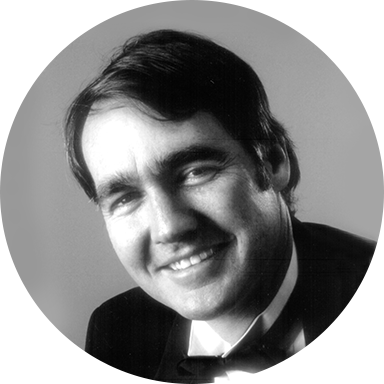
George Peter Tingley

George Peter Tingley is a pianist, composer, and educator based in the San Francisco Bay Area who has spent decades writing accessible piano repertoire for students and teachers. His training is both classical and eclectic: he studied piano performance at California State University, Hayward, earned degrees in music theory from USC, and spent formative years as a private student of the renowned composer Nadia Boulanger in Paris. Beyond formal study, some of his most valuable musical education came from playing along with records as a teenager, developing his ear and stylistic sensibility through direct engagement with recorded music.

Since 1989, Tingley has published over 75 piano pieces for the educational market, building a reputation for writing music that students actually enjoy playing. His pieces balance technical challenge with musical substance, and his work has gained recognition through the National Federation of Music Clubs and beyond. He has also composed for performance contexts outside the studio, notably creating a piece for Olympic figure skater Kristi Yamaguchi that was recorded with full orchestra and performed in televised competitions.

Why we love this

This pairing solves a real creative challenge for late intermediate students: how to add harmonic depth and structural sophistication to a well-loved melody without abandoning its essential character. Tingley's choice to anchor the arrangement in Pachelbel's bass pattern is elegant and historically playful, transforming a Christmas tune into something that sounds genuinely baroque while keeping the melody immediately recognizable. Students get to experience how a strong harmonic foundation can reshape a simple melody into something far more substantial.

What to expect

A elegant musical conversation between two centuries: the warmth and familiarity of the holiday classic dancing over the mathematical grace of Pachelbel's progression. The baroque framework dignifies the melody without losing its charm, creating something that feels both historically informed and genuinely festive.

Who it's for

Late intermediate pianists ready to explore how baroque harmonic language can enliven familiar material. This works well for students who enjoy both holiday repertoire and historical music, or who are studying music theory and want to hear ostinato and harmonic progression in a practical, engaging context.

How to get the most out of it

  • Establish the Pachelbel bass pattern as your foundational pulse before layering the melody; these eighth- and quarter-note figures need to feel inevitable and unhurried, not rushed or syncopated.
  • Listen carefully to where the melody transfers between Santa's tune and the Canon so transitions feel natural rather than abrupt; mark these moments in your score during practice.
  • Maintain transparency in the ostinato, especially when both hands are active; the bass pattern should support rather than compete with whichever melody voice is speaking.

How to use it

Program this as a standalone winter recital piece, or pair it with other baroque-influenced contemporary work to create an evening that explores historical pastiche and arrangement. It also works beautifully in a studio recital context where you want to showcase a student's ability to balance multiple musical lines and maintain forward motion across the full four pages.

Skills your students will build

  • Maintaining an ostinato bass pattern while tracking melody transfers
  • Balancing hand independence with clear voice leading
  • Understanding how harmonic progressions function as structural backbone
  • Sustaining longer musical phrases at late intermediate difficulty

You May Also Like