Johnny Come Lately Cover Image

Johnny Come Lately: Jazz Ensemble Conductor Score

$10.00 USD
Sale price  $10.00 USD Regular price 
Skip to product information
Johnny Come Lately Cover Image

Johnny Come Lately: Jazz Ensemble Conductor Score

By Billy Strayhorn / arr. Erik Morales

Grade: 3 (Medium)

Item: 00-41127S

$10.00
Shipped

One moment…

Description
If you know the music of the brilliant composer Billy Strayhorn, you will love this chart. A clever melody, and an outstanding chart that seriously swings all the way. Solos are written out for tenor, piano, and drums. The tempo is around 176 BPM, and lead trumpet range is to written A. (3:22) This title is available in MakeMusic Cloud.

Johnny Come Lately: Jazz Ensemble Conductor Score isn't in MakeMusic Cloud just yet...but it could be. Let us know you'd like to see it, and you'll help shape what comes next. In the meantime, start a free trial and dive into thousands of interactive titles your students can play along with today.

Sample Pages

Sample Audio
0:00
0:00
Sample Video
Additional Details
Series: Jazz Band Series
Publisher: Alfred Music
Page Count: 20
UPC: 038081471617
SKU: 00-41127S

More about this title

About the Composer: Billy Strayhorn
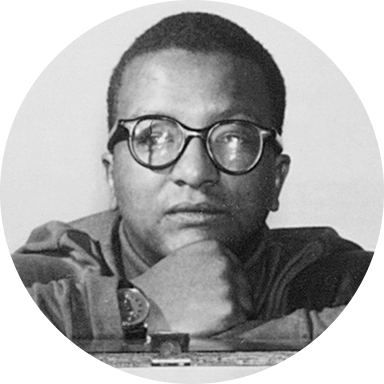
Billy Strayhorn

Billy Strayhorn (1915-1944) stands as one of jazz's most prolific and harmonically adventurous composers, yet remained largely uncredited during his lifetime. Born in Dayton, Ohio, Strayhorn began his partnership with Duke Ellington in 1939 and became the orchestrator, composer, and arranger behind some of the era's most enduring standards. His compositions, from the exuberant "Take the 'A' Train" to the intricate harmonic landscape of "Lush Life" (written when he was just 16), have been recorded thousands of times by artists ranging from Ella Fitzgerald to John Coltrane.

Strayhorn's influence on jazz harmony and compositional sophistication cannot be overstated. He authored a body of work that defined the sound of big band jazz while advancing harmonic language that challenged even the most accomplished musicians. Though he spent decades as an invisible genius behind Ellington's orchestra, Strayhorn's music has transcended his era, establishing him as a foundational figure in American music history whose legacy continues to inspire composers and arrangers working in jazz today.

Why we love this

Erik Morales delivers an arrangement that honors Strayhorn's harmonic sophistication while keeping the chart accessible for Grade 3 ensembles. The written solos for tenor, piano, and drums give your rhythm section and featured players a genuine head-to-head conversation rather than a simple background vamp, which elevates the whole performance and keeps the ensemble engaged throughout.

What to expect

Sophisticated yet approachable, with a melody that hooks immediately and harmonic depths that reveal themselves with each rehearsal. The swing is propulsive and grounded; this is music that moves with purpose and elegance.

Who it's for

Jazz ensembles at the intermediate level looking for a standard that combines accessibility with genuine musical substance. This chart works for groups that have solid fundamentals in place and can handle written solos without losing ensemble cohesion.

How to get the most out of it

  • Lock the groove at 176 BPM before adding the melody; this tempo demands precision in the rhythm section but rewards it with genuine swing feel.
  • Balance the lead trumpet (written to A) against the ensemble so the melody cuts through without forcing; Strayhorn's lines are clever enough to shine on their own.
  • Shape the written solos with dynamic conversation between parts; the tenor, piano, and drums shouldn't compete but rather respond to each other's phrasing.
  • Emphasize the harmonic movement in the background parts; Strayhorn's chord progressions are the skeleton of what makes this piece swing, so keep those voices active and voiced cleanly.

How to use it

Program this as a concert centerpiece or festival selection where it can stand alongside other modern jazz standards. At 3 minutes 22 seconds, it fits naturally into a set with contrasting tempos and moods, and the Strayhorn pedigree gives your program cultural weight without requiring explanation.

Skills your students will build

  • Reading and executing written jazz solos with proper phrasing and articulation
  • Maintaining steady swing feel at a brisk tempo (176 BPM) across all sections
  • Balancing melody and harmony in a chart with sophisticated chord movement
  • Responding to harmonic language and playing with awareness of the progression rather than merely the notes

You May Also Like