John Kinyon's Concert Time Folio Cover Image

John Kinyon's Concert Time Folio: Alto Sax, Alto Clarinet, Alto Horn Book

$3.95 USD
Sale price  $3.95 USD Regular price 
Skip to product information
John Kinyon's Concert Time Folio Cover Image

John Kinyon's Concert Time Folio: Alto Sax, Alto Clarinet, Alto Horn Book

By John Kinyon

Item: 00-805

$3.95
Shipped

One moment…

Description
A collection of fifteen program pieces in progressively grade order. (May be used with the Basic Training Course beginning with Lesson 19.)

John Kinyon's Concert Time Folio: Alto Sax, Alto Clarinet, Alto Horn Book isn't in MakeMusic Cloud just yet...but it could be. Let us know you'd like to see it, and you'll help shape what comes next. In the meantime, start a free trial and dive into thousands of interactive titles your students can play along with today.

Sample Pages

No sample pages found.

Sample Audio
No sample audio found.
Sample Video
Additional Details
Series: John Kinyon's Band Course
Publisher: Alfred Music
Page Count: 16
UPC: 038081033396
SKU: 00-805
Instrumentation: Alto Sax, Alto Clarinet, Alto Horn

More about this title

About the Author: John Kinyon
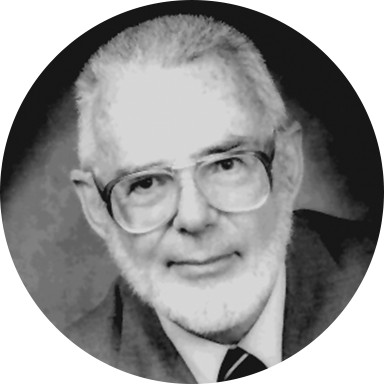
John Kinyon

John Kinyon studied at Ithaca College and the Eastman School of Music, earning an honorary doctorate from Limestone College in Gaffney, South Carolina. He spent decades as an instrumental music director, music department head, educational director for Warner Brothers Music in New York, and music education professor at the University of Miami before transitioning to semi-retirement in Tuckasegee in 1982.

Kinyon has composed over 250 educational works for Alfred, spanning grades 1 through 3 and encompassing original marches, ballads, and overtures across multiple musical styles. His output reflects both deep classroom experience and a commitment to writing accessible, musically rewarding pieces for student musicians.

Why we love this

Kinyon writes with the practical knowledge of someone who spent years in the rehearsal room. These fifteen pieces build logically from one to the next, allowing students to apply technique they've learned without hitting frustration walls. Each arrangement respects the alto voices' range and maintains musical interest across the ensemble, so supporting parts never feel like filler.

What to expect

These pieces balance accessibility with genuine musicality. You'll find straightforward marches and folk-inspired ballads that appeal to student audiences, along with well-crafted overtures that let younger players experience the architecture of longer forms. The writing sits comfortably in each instrument's range, letting musicians focus on expression rather than survival.

Who it's for

Bands at the intermediate level (grades 2-3) looking for concert literature that offers musical substance without excessive technical complexity. Alto saxophonists, alto clarinetists, and alto horn players benefit equally from these varied arrangements, which provide genuine melodic and harmonic responsibility rather than filler parts.

How to get the most out of it

  • Work through the pieces in order to maximize their progressive structure; later pieces assume security with concepts introduced earlier.
  • Use the recorded accompaniments (sold separately) to anchor ensemble balance and help students internalize pulse when full band rehearsal time is limited.
  • Focus on intonation in the alto section during the first read; these parts sit in a range where pitch clarity makes an immediate difference in blend.
  • Mark breath points and phrasing goals before first rehearsal so students understand the musical shape, not just the technical demands.

How to use it

Program individual pieces throughout the year as your students complete each level of the Basic Training Course (starting around lesson 19), or select a handful for a mid-winter concert that showcases how far the ensemble has progressed. These also work well for community performances and school assemblies where musical appeal matters more than technical showmanship.

Skills your students will build

  • Reading in concert key with consistent rhythmic clarity
  • Playing complete musical phrases with attention to breath placement and phrasing contour
  • Balancing within a section and supporting ensemble harmony
  • Interpreting varied musical styles (march, ballad, overture)
  • Progressing through grade levels 2-3 with repertoire that mirrors technique study

You May Also Like