Jogging in the Park Cover Image

Jogging in the Park: String Orchestra Conductor Score

$6.00 USD
Sale price  $6.00 USD Regular price 
Skip to product information
Jogging in the Park Cover Image

Jogging in the Park: String Orchestra Conductor Score

By Edmund J. Siennicki

Grade: 1

Item: 00-18283S

$6.00
Shipped

One moment…

Description
This fun-filled piece utilizes authentic Ragtime rhythms and harmonies to create an excellent choice for intermediate orchestras. Syncopated rhythms and accidentals are utilized as students learn about an important historical American art form. Your students will love this!

Jogging in the Park: String Orchestra Conductor Score isn't in MakeMusic Cloud just yet...but it could be. Let us know you'd like to see it, and you'll help shape what comes next. In the meantime, start a free trial and dive into thousands of interactive titles your students can play along with today.

Sample Pages

No sample pages found.

Sample Audio
No sample audio found.
Sample Video
Additional Details
Series: Highland/Etling Strictly Strings
Publisher: Alfred Music
Page Count: 12
UPC: 038081167800
SKU: 00-18283S

More about this title

About the Composer: Edmund J. Siennicki
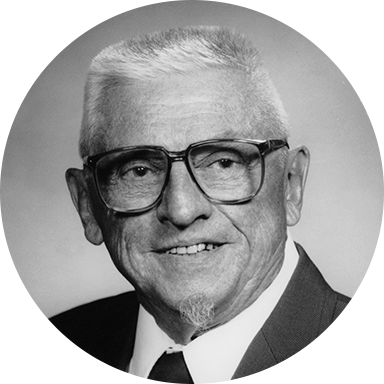
Edmund J. Siennicki

Edmund J. Siennicki grew up in Cleveland, Ohio, where a formative childhood encounter with pianist Ignacy Jan Paderewski shaped his artistic vision. He earned his Bachelor's degree from Kent State University, where he composed the university's fight song (still performed at football games today), and later completed his MA at Teachers College, Columbia University. His composition teachers included Herbert Elwell and Vincent Persichetti, while his musical training also encompassed bassoon, piano, and electronic music.

Siennicki's catalog spans approximately 200 published compositions, many of which have won recognition in National School Orchestra composition contests. He served as composer in residence at the MacDowell Colony twice and has received consecutive ASCAP awards for two decades. His career balanced composition with music education in Cleveland's junior high schools and faculty positions at Michigan and Kent State University. He continues to compose, visit schools, and lead clinics.

Why we love this

Siennicki brings genuine historical grounding to this piece, moving beyond surface-level ragtime pastiche to authentic rhythmic and harmonic practice. Grade 1 orchestras rarely encounter syncopation and chromatic passing tones with this much stylistic integrity, making it both accessible and musically substantive. Your students will absorb American musical history through their instruments rather than through lecture.

What to expect

Jogging in the Park bounces with the swagger of early 20th-century American ragtime, complete with syncopated backbeats and unexpected harmonic turns that catch the ear. The piece captures the playfulness of its title while maintaining genuine stylistic integrity. Audiences hear authentic ragtime energy rather than a novelty arrangement.

Who it's for

This conductor score serves intermediate-level string orchestras (Grade 1) ready to move beyond classical fundamentals into style-specific repertoire. Directors seeking accessible yet musically substantive pieces that teach historical context will find immediate value here. The syncopation and chromatic harmony assume students are comfortable with secure intonation and basic ensemble balance.

How to get the most out of it

  • Isolate the syncopated rhythmic figures in sectionals before full orchestra rehearsals. Have strings tap out syncopations while saying note names to lock the coordination between rhythmic intent and pitch.
  • Lean into the ragtime lilt by encouraging a slight swing in eighth-note passages. The style demands rhythmic flexibility that differs from classical phrasing, and early exposure builds interpretive confidence.
  • Balance the accidentals carefully in ensemble playing. These chromatic notes shape the ragtime flavor, so clear articulation from all sections ensures harmonic color comes through rather than sounding muddy.

How to use it

Program this early in a concert featuring American music or during a unit on jazz and vernacular traditions. Its moderate difficulty and joyful character make it an effective opener or transition piece, especially effective when paired with other early 20th-century American works. The piece also works well as a culminating performance in a lesson sequence focused on rhythm, syncopation, and style.

Skills your students will build

  • Reading and executing syncopated rhythms in ensemble context
  • Intonation with chromatic and accidental-heavy passages
  • Understanding ragtime harmonic language and rhythmic conventions
  • Maintaining ensemble cohesion while playing syncopated figures across parts
  • Style-specific articulation and phrasing

You May Also Like