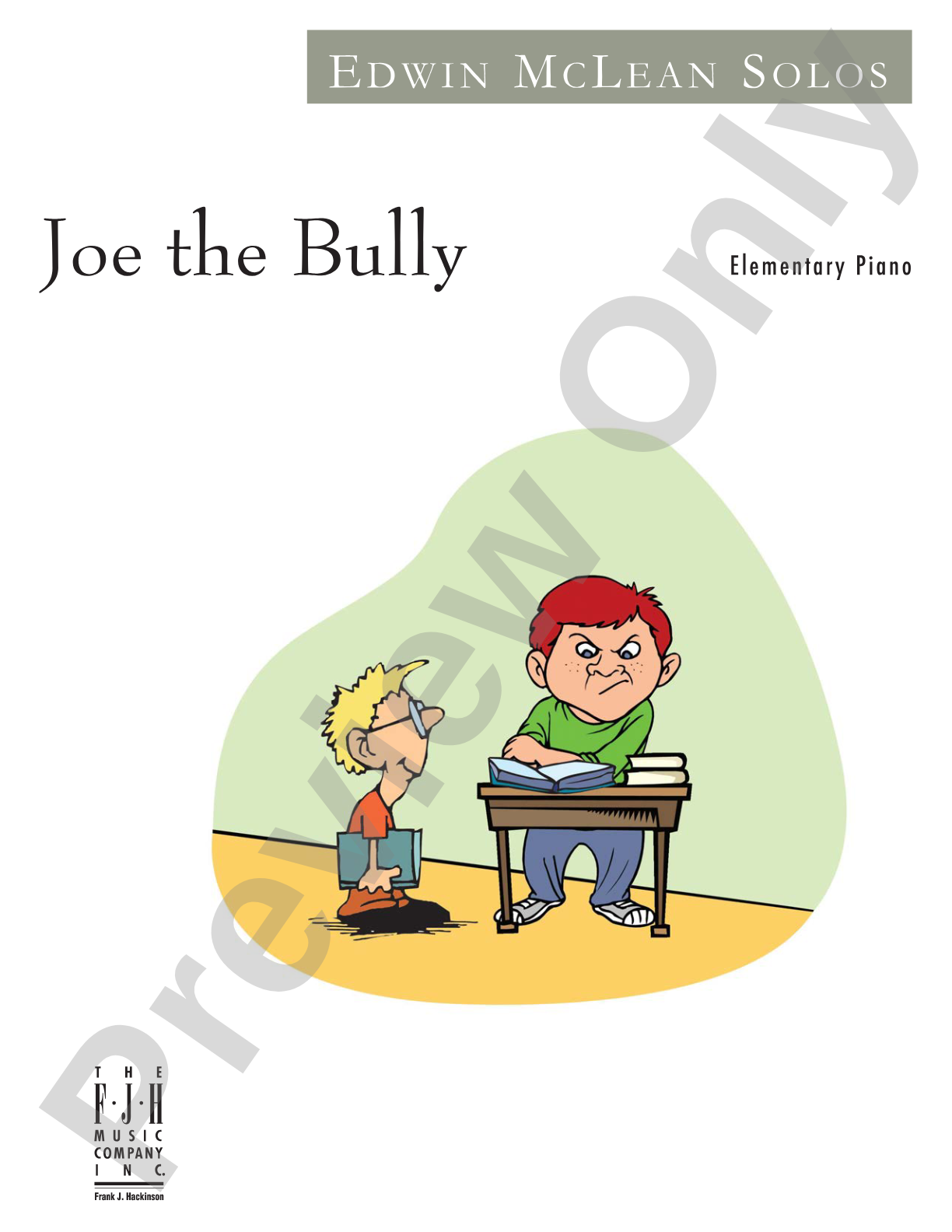
This charming elementary level solo tells the story of a boy who is a playground bully, but changes his tune when he is befriended by another who helps him pass reading class. In the end, the two become playground buddies! In addition to the cute story, this piece will work well for students with small hands, contains minimal hands together playing, and will become a favorite for your elementary level student!
Discover MakeMusic Cloud: thousands of interactive titles your students can play along with today.
Edwin McLean writes for real elementary hands and real elementary lessons. Joe the Bully pairs a genuinely engaging narrative with thoughtful technical choices: minimal hand crossings, manageable span requirements, and a story that resonates with young students navigating friendships and belonging. It's the kind of piece that teaches musicality without sacrificing accessibility.
What to expect
Joe the Bully unfolds with a carefree, slightly mischievous opening that gradually softens as friendship takes hold. The music feels age-appropriate and conversational, never talking down to the player, and captures the genuine warmth of two kids finding common ground.
Who it's for
This solo is designed for elementary pianists with smaller hands who are learning to play with both hands but benefit from limited crossovers and chord reaches. It's equally valuable for students beginning to understand how music can express character and emotion.
How to get the most out of it
Shape the melody with intention during Joe's character moments. The music should reflect his shift from bully to friend, so listen for where the accompaniment becomes gentler and let your phrasing follow that emotional arc.
Since hands together is minimal, use the separate-hand sections to establish confidence and independence before combining them. This approach builds security and allows the student to focus on storytelling.
Balance the narrative with the music. Young students often rush through "story pieces," so map out which sections reveal Joe's personality change and practice those transitions deliberately.
How to use it
This piece works beautifully in a spring recital focused on storytelling or character-driven music. It also serves as a confidence-builder for students hesitant about public performance, since the narrative gives them something concrete to express beyond technical execution.
Skills your students will build
Playing with minimal hand crossings and hand-together coordination
Reading and executing rhythmic variety at elementary level
Expressing character and emotion through phrasing and tempo flexibility
Developing independence in left-hand accompaniment patterns
Connecting musical choices to narrative content
You May Also Like
Scan to Complete Your Purchase
Use your phone's camera to scan the code below
You'll log in on your phone and the order will be added to your account