
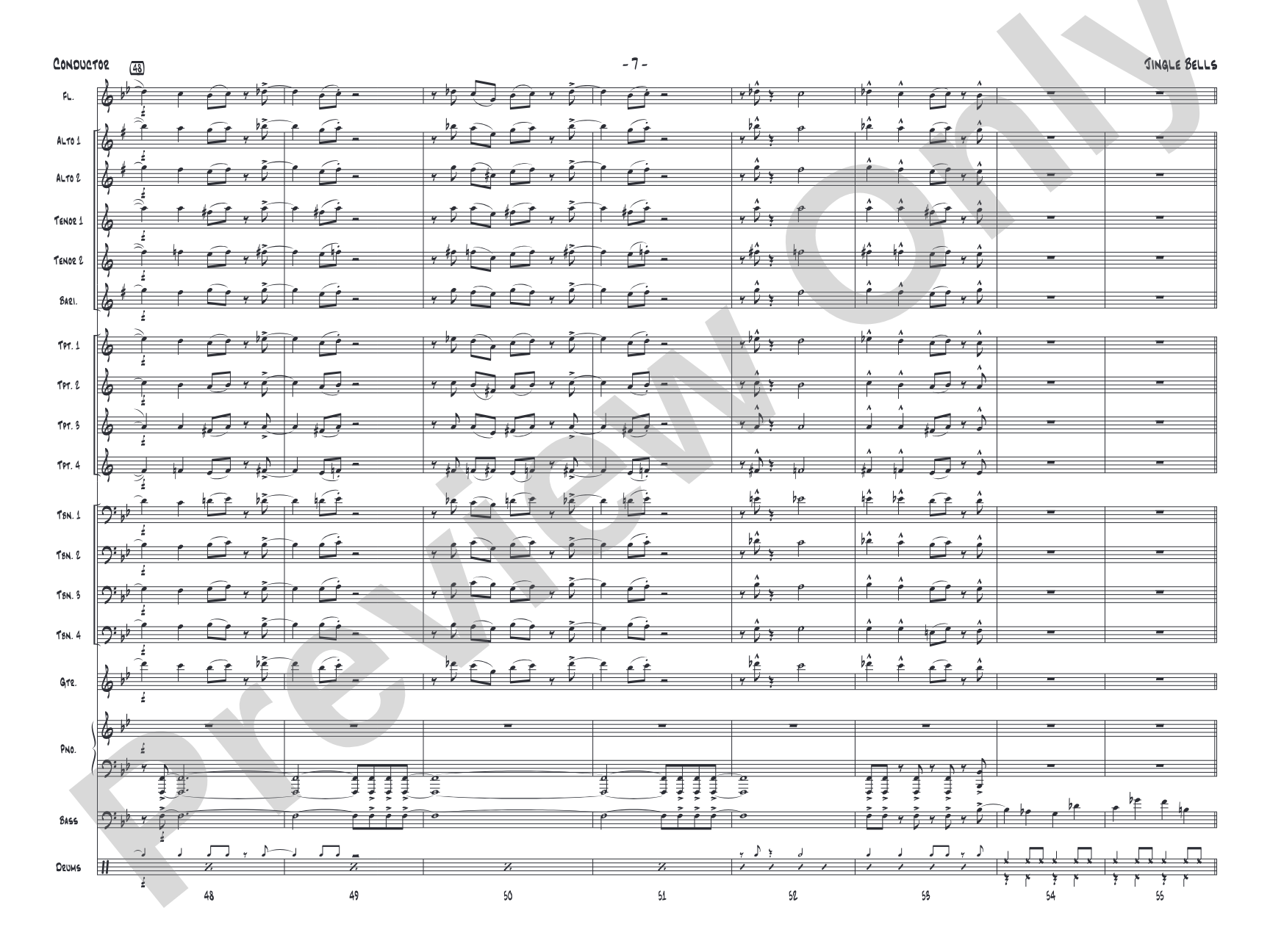
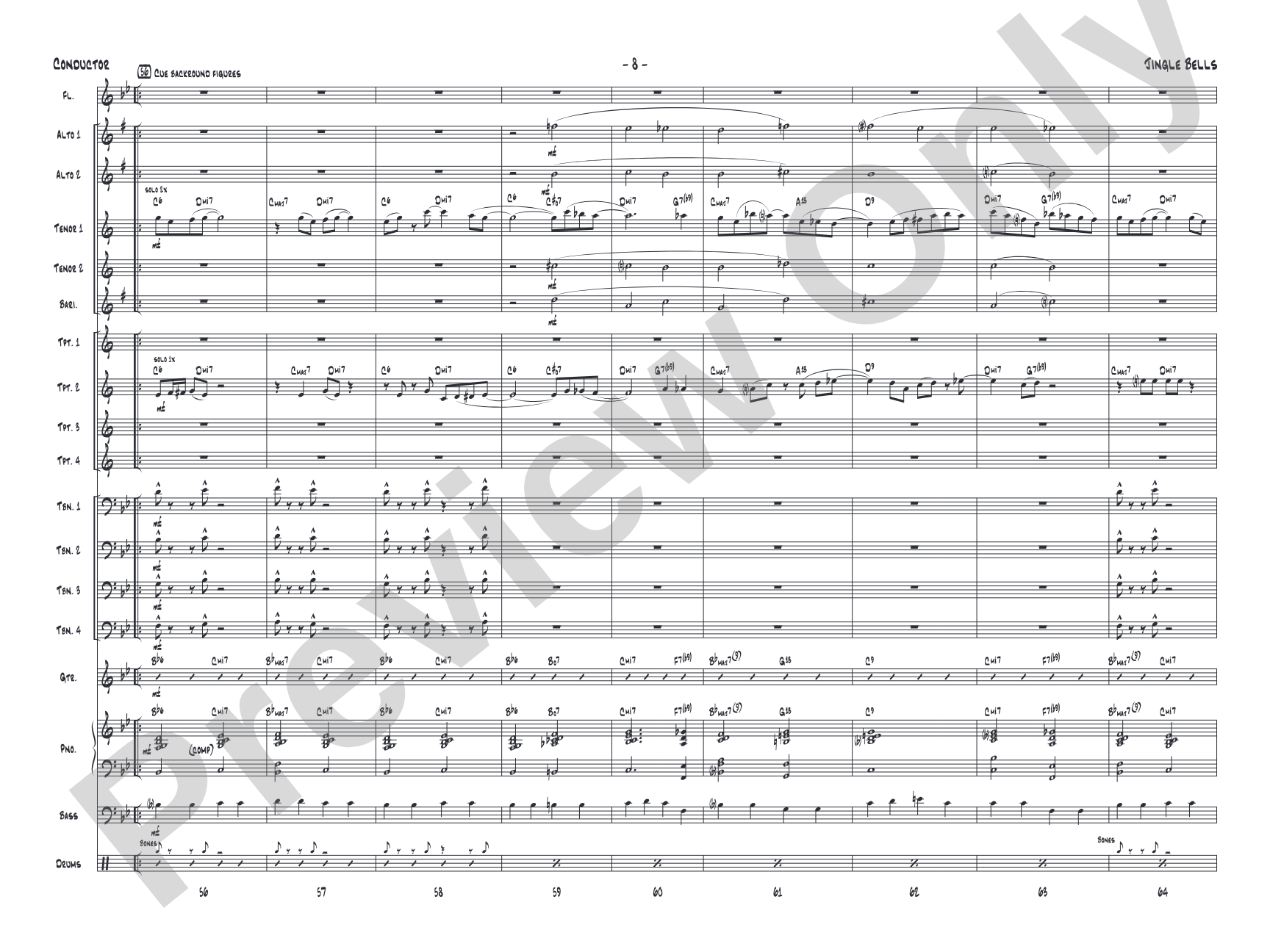
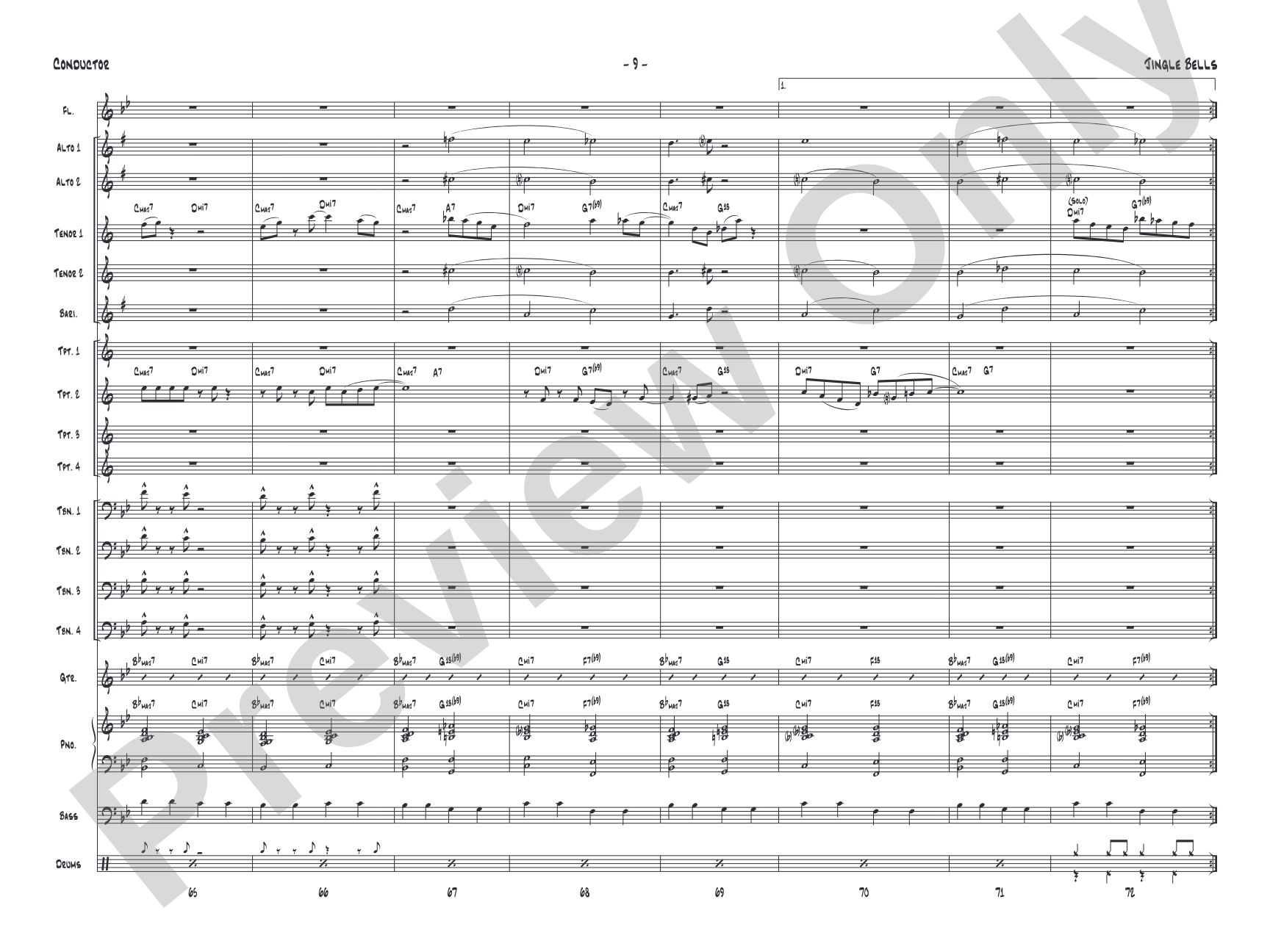
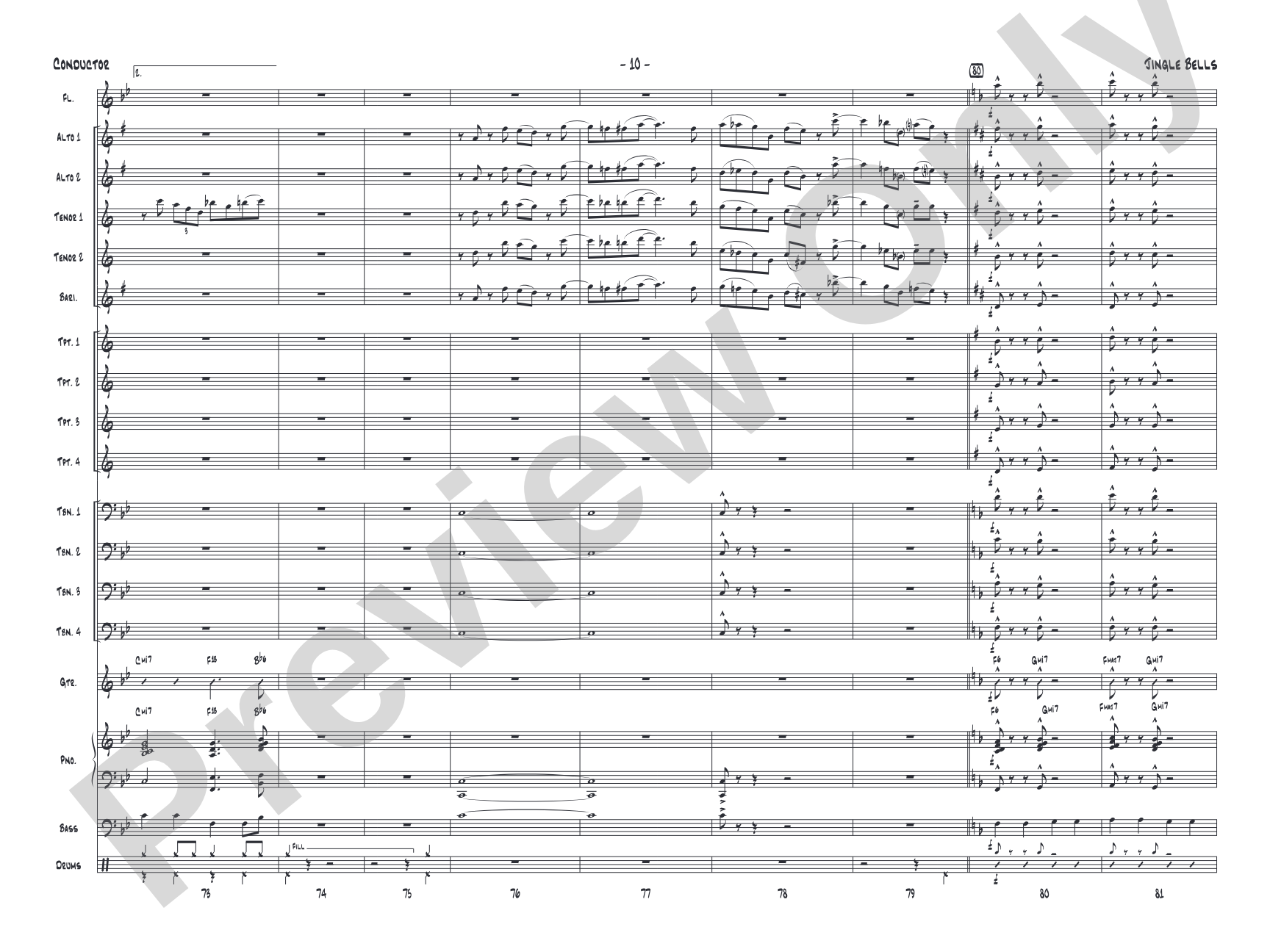

Jingle Bells: Score
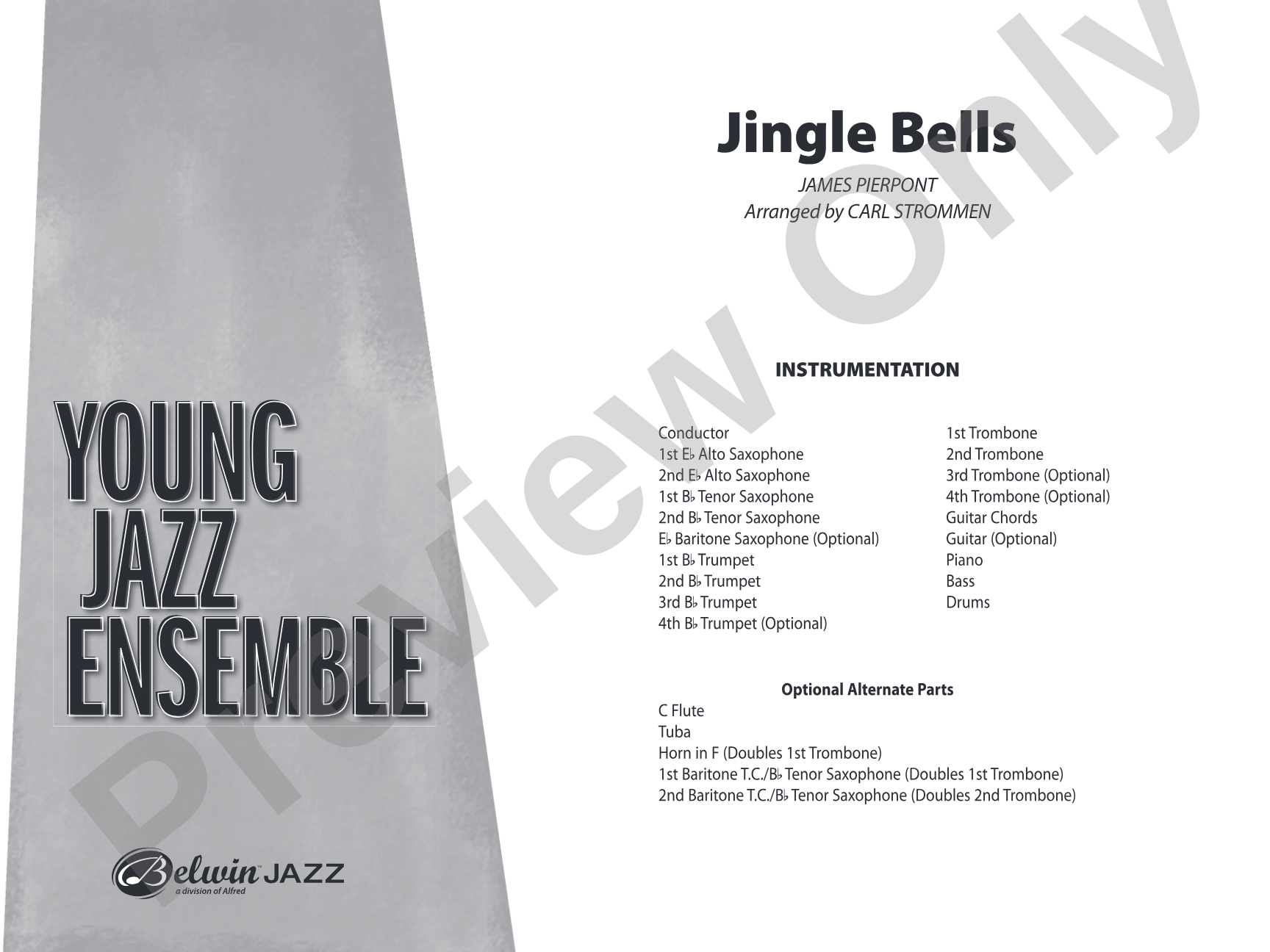
By James Pierpont / arr. Carl Strommen
Grade: 2 (Medium Easy)
Item: 00-PR-0005435
$8.00
Pickup currently not available
Description
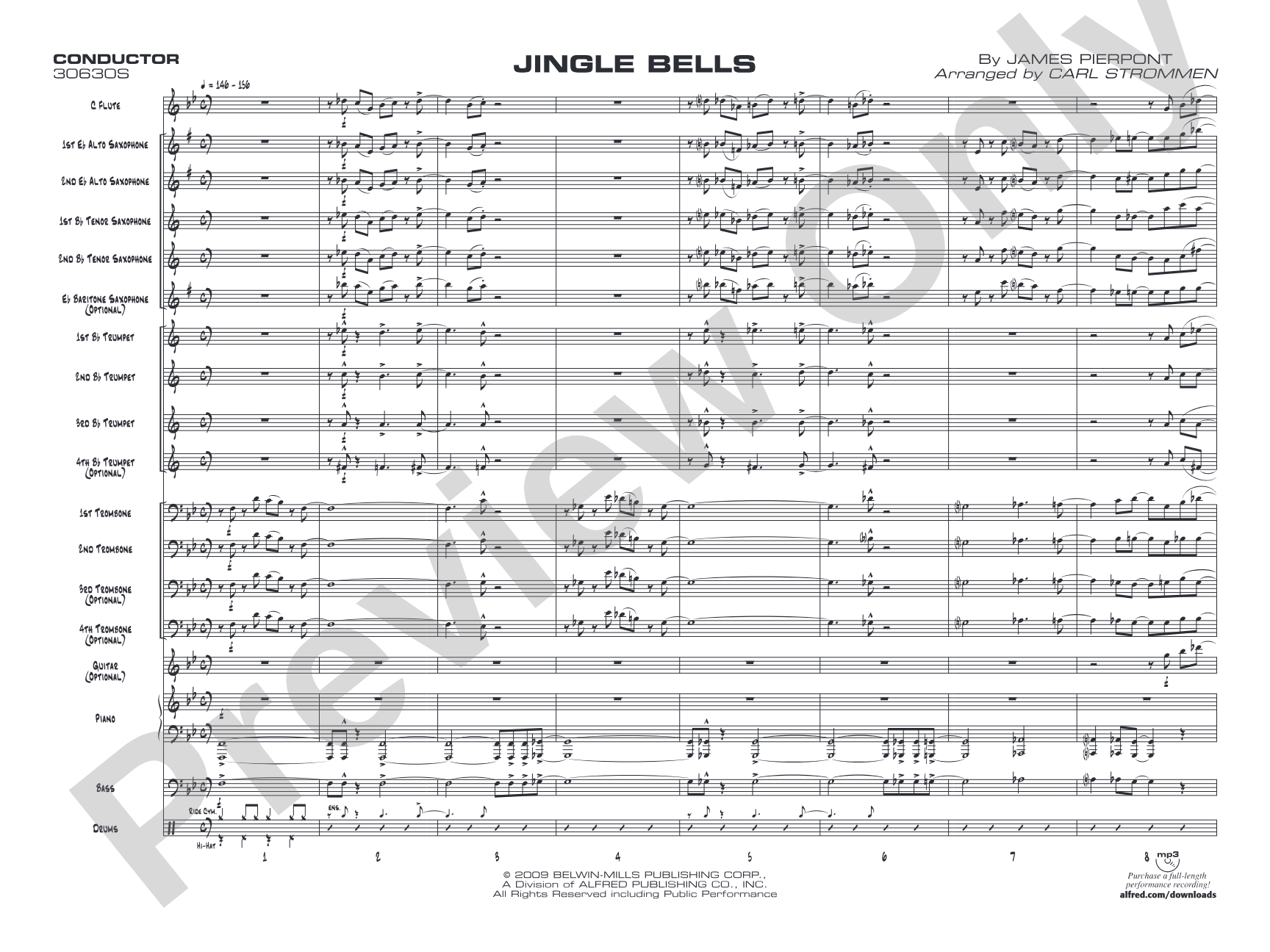
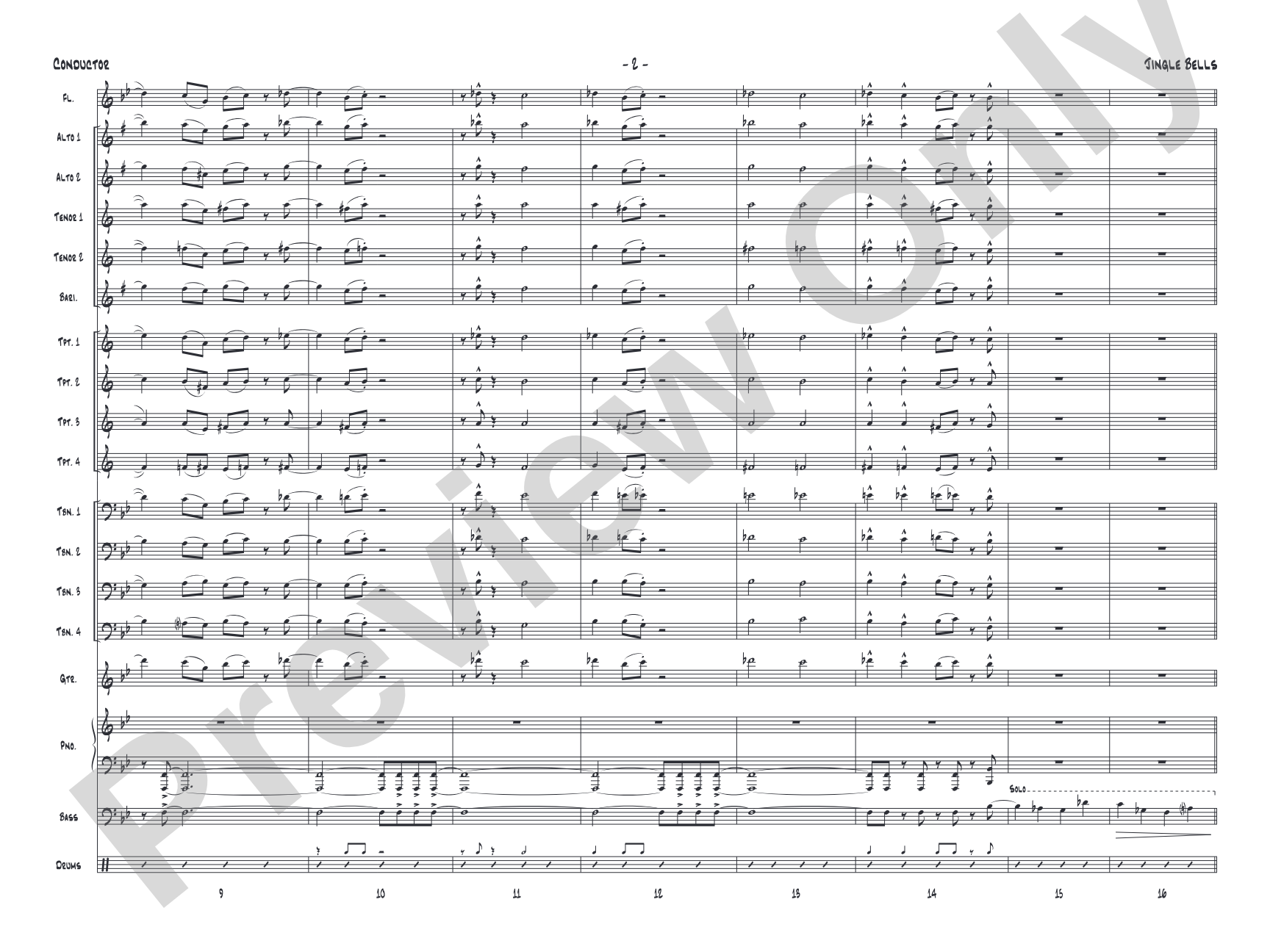
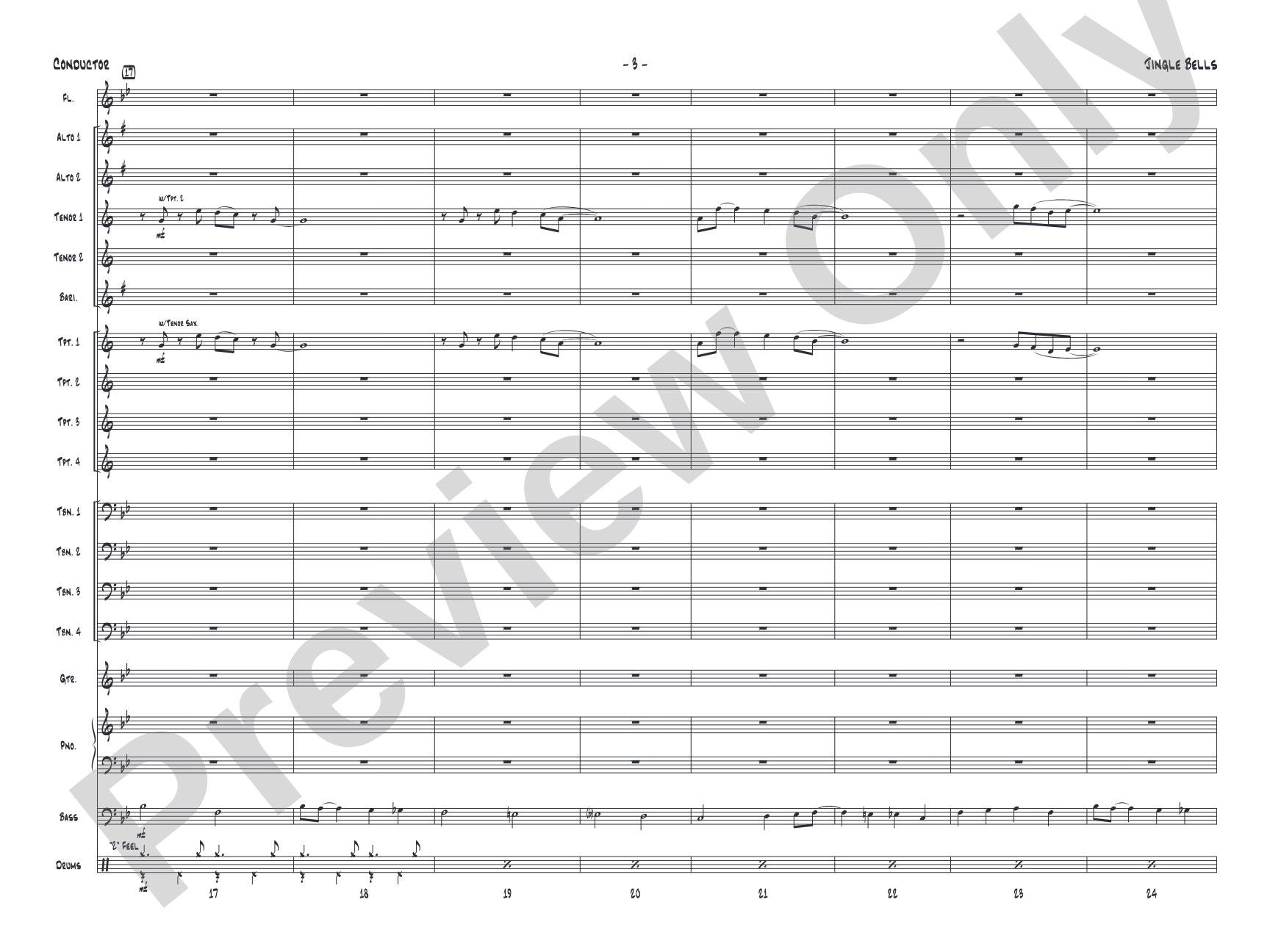
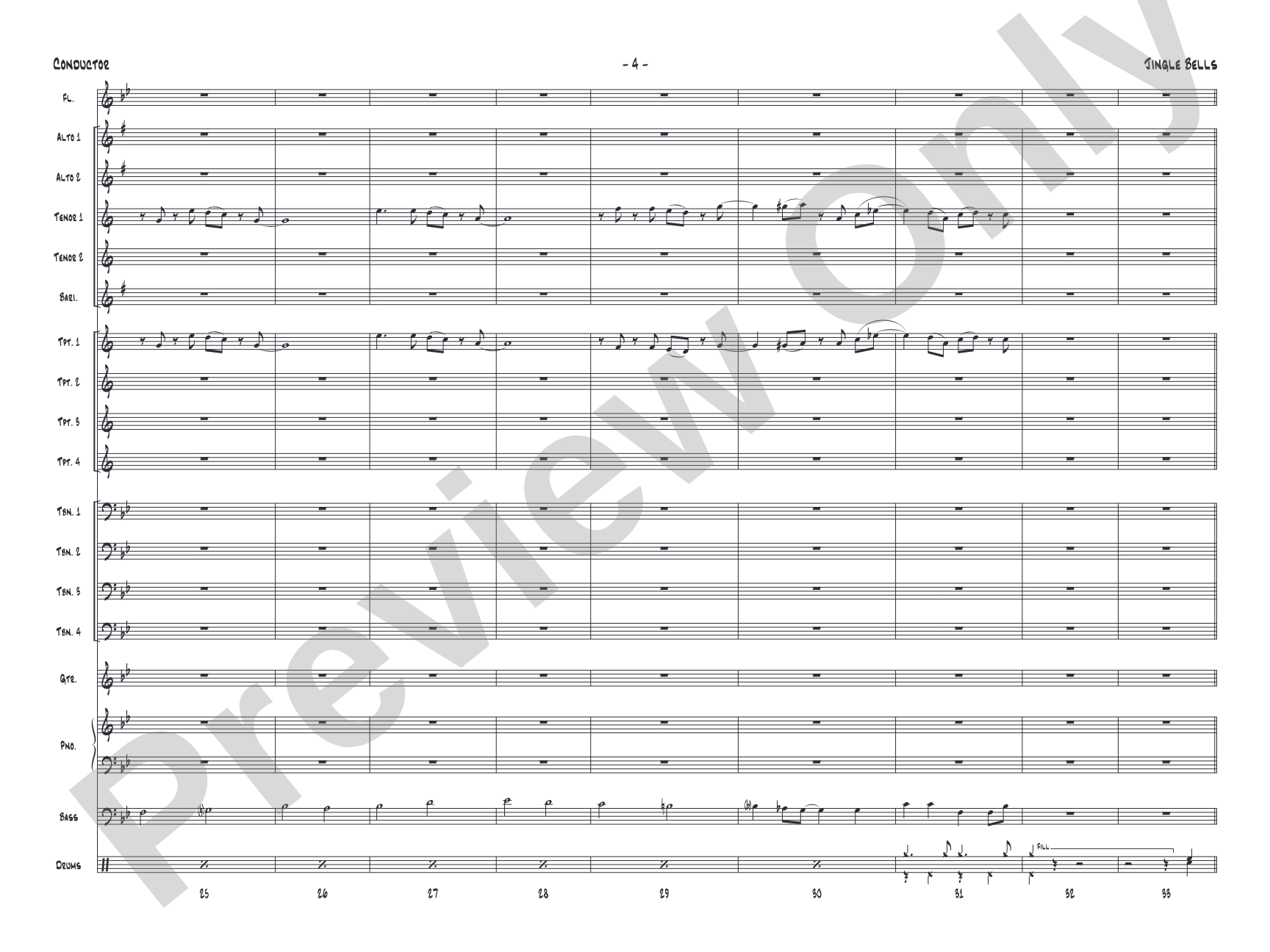
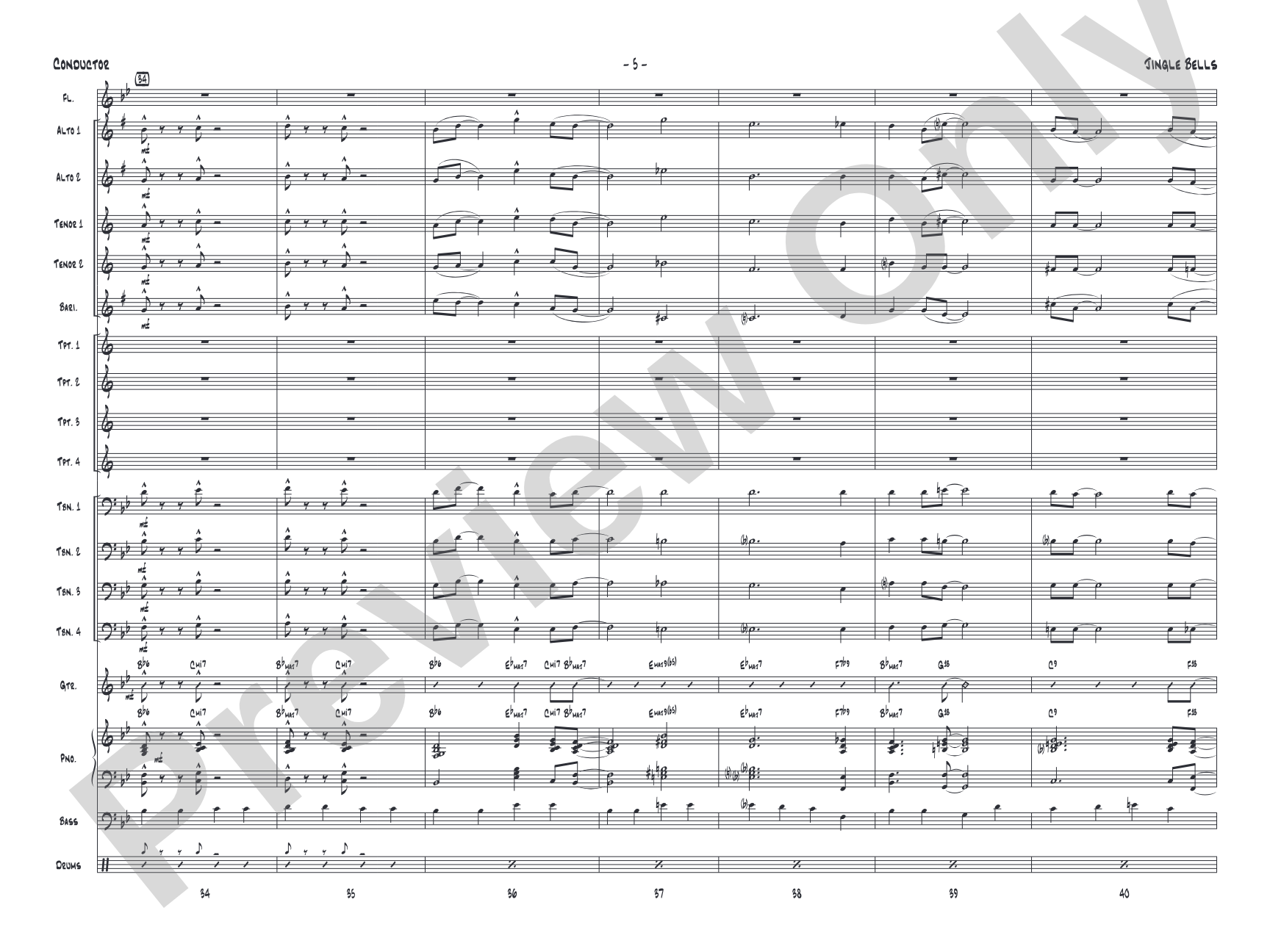
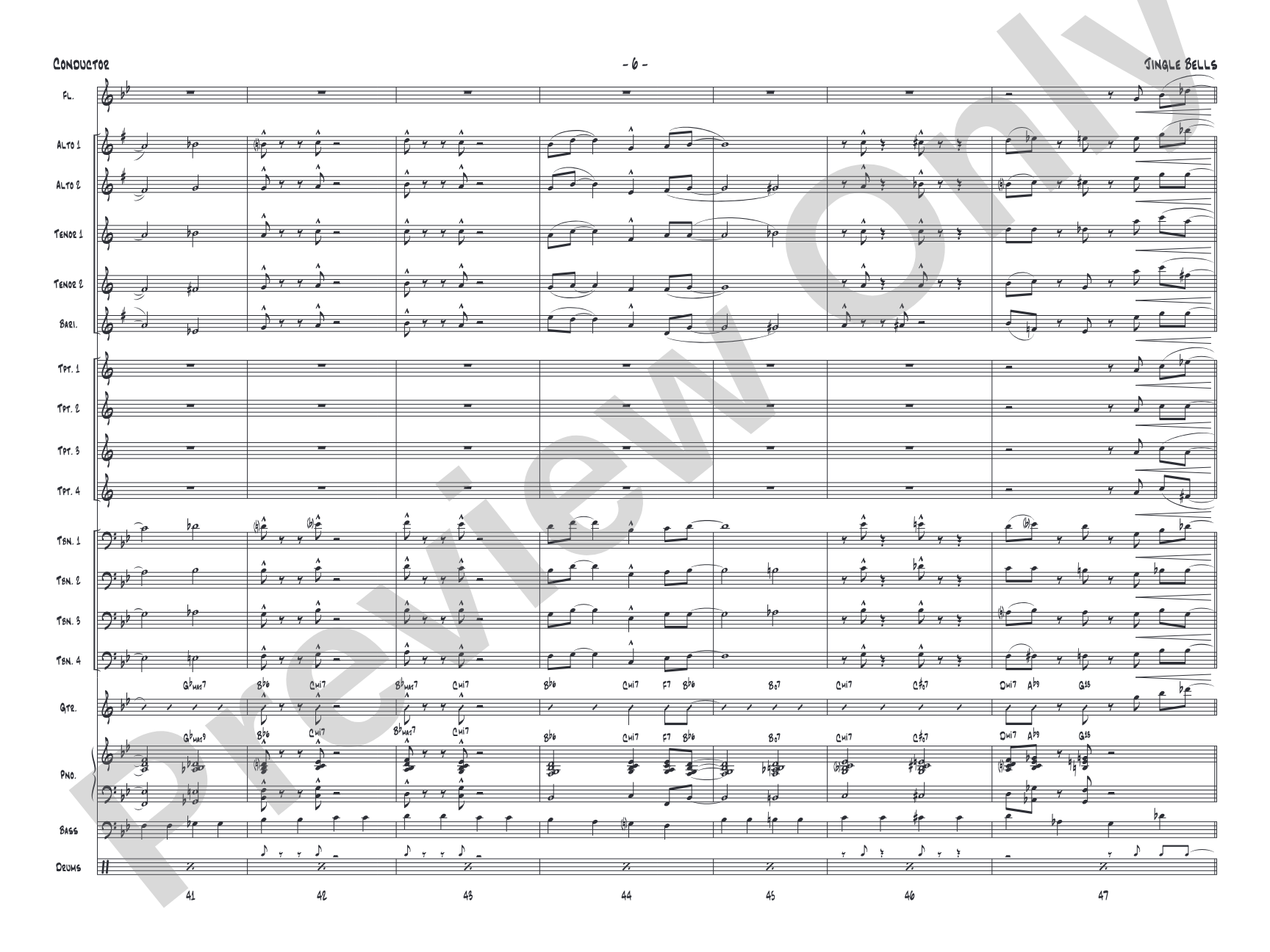
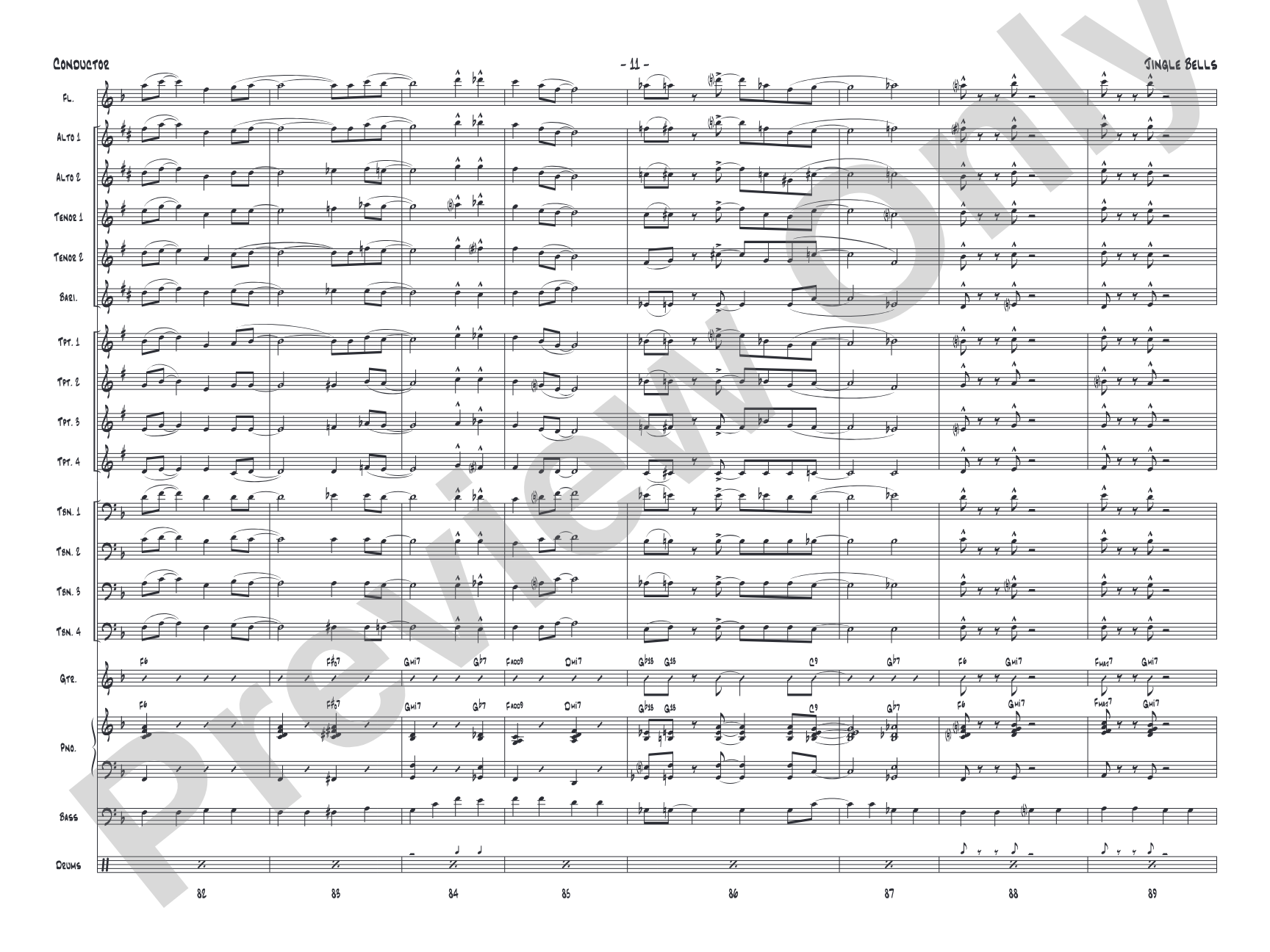
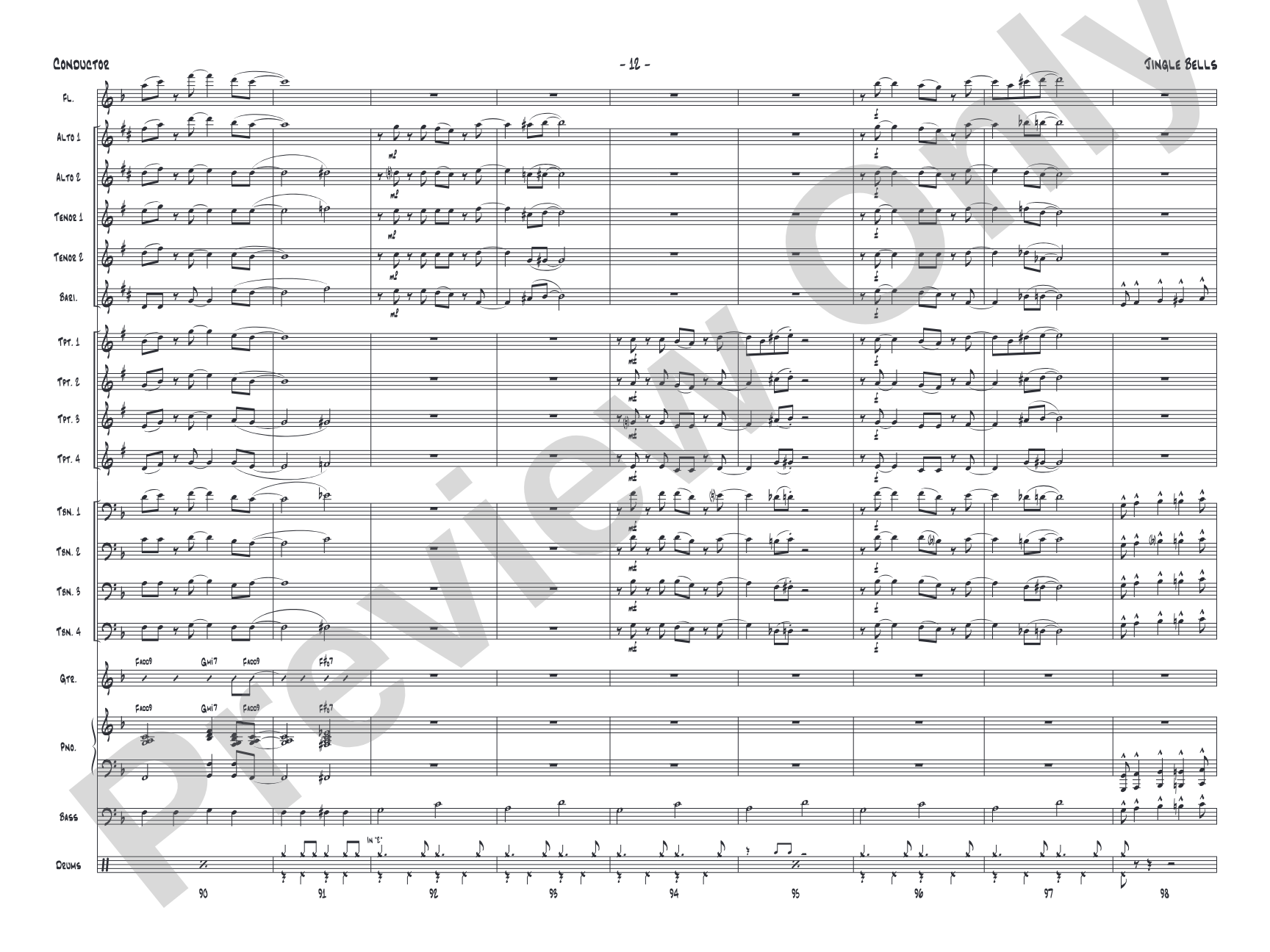
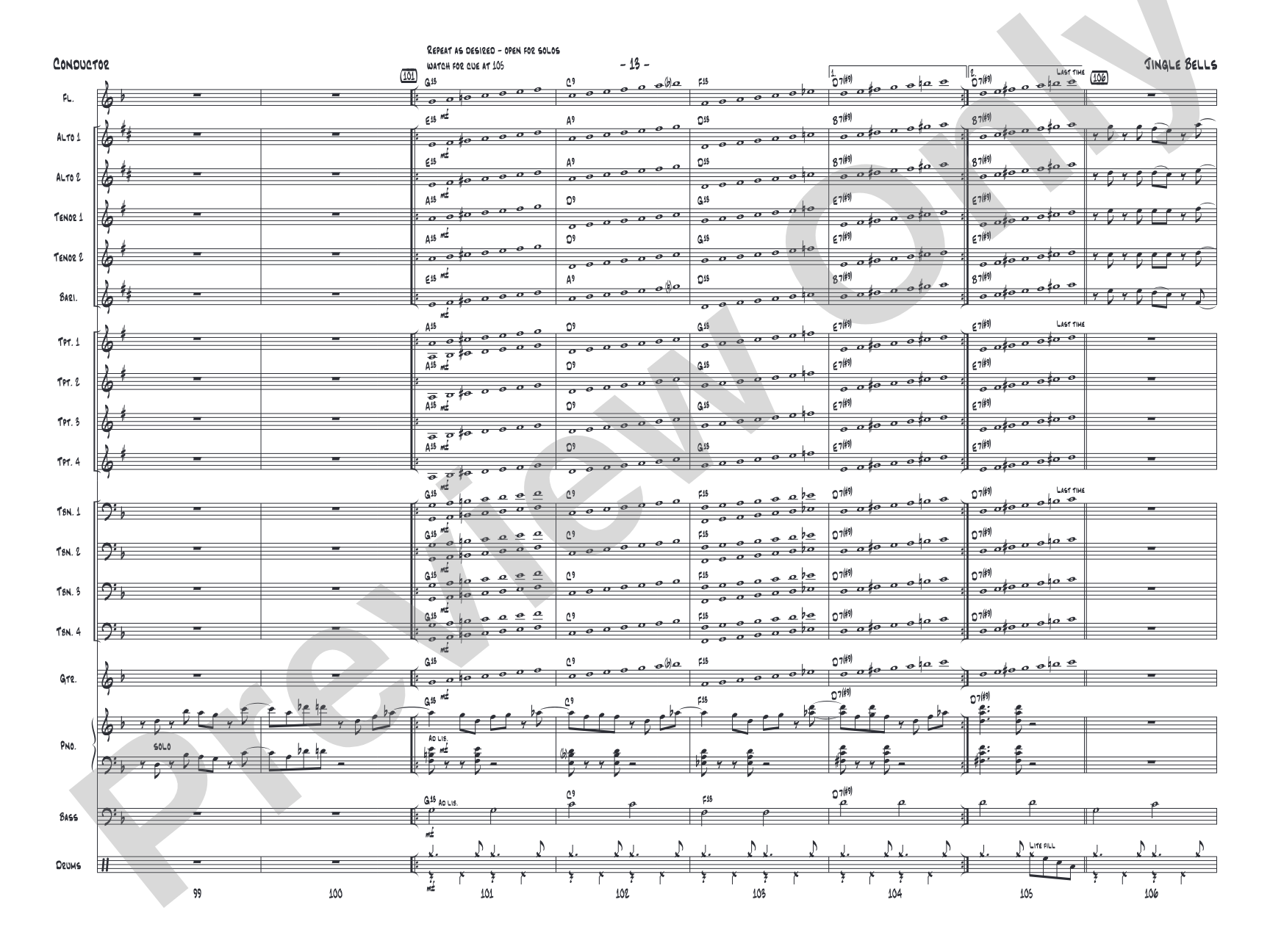
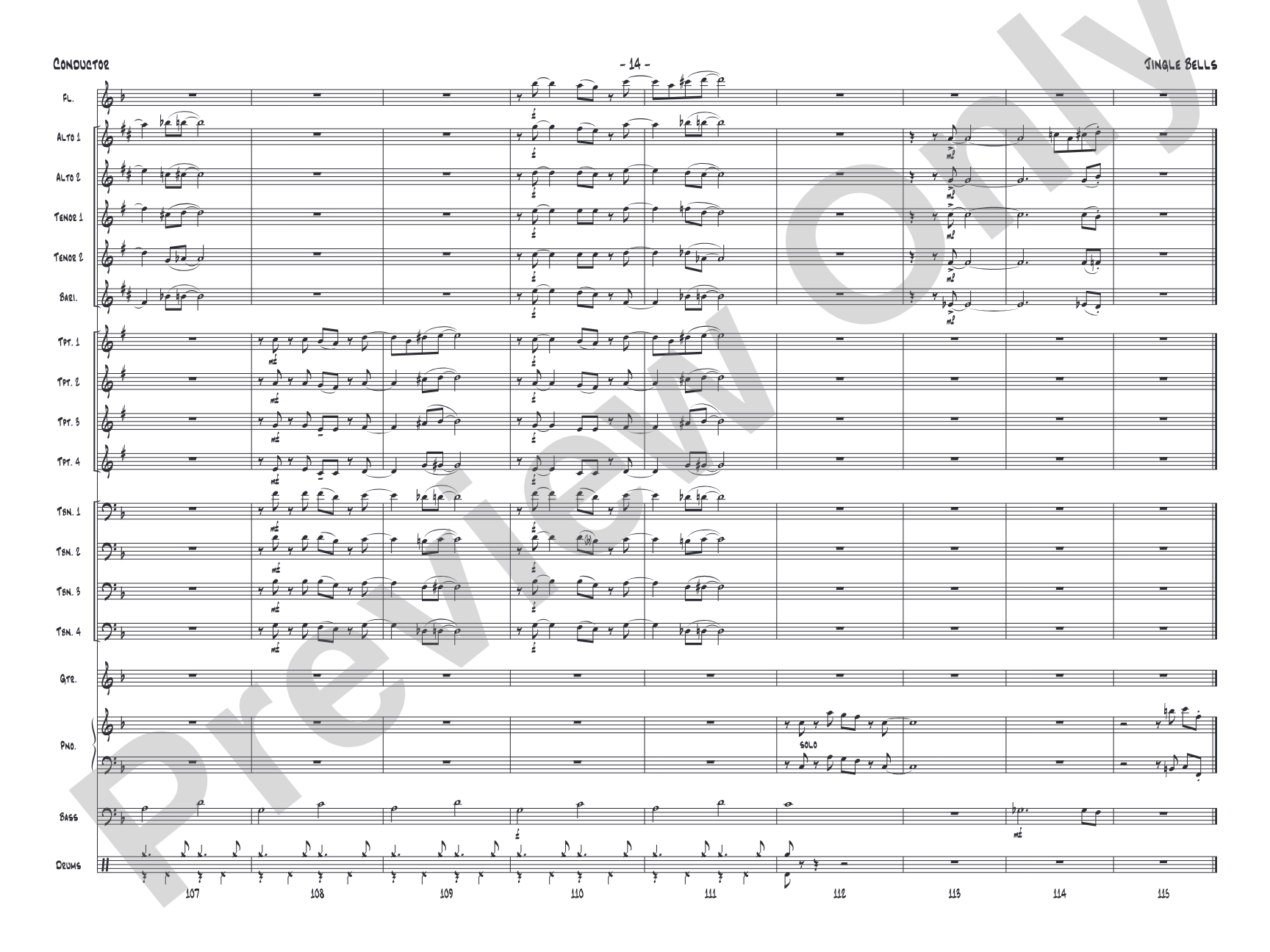
Just what you need for the holiday events, this swingin' chart on a holiday favorite is tasteful and easy to assemble. The melody is stated by 1st tenor sax and 1st trumpet, with written solos for those two horns, a brief sax soli and an open vamp section with a written piano solo and chord changes for all winds if needed. (3:51)


Don't just read it, hear it, play along with it, and watch your students grow with it. In MakeMusic Cloud, Jingle Bells: Score comes alive with professional accompaniment, adjustable tempo, and built-in practice tools that turn solo practice into real progress.
Open in the Player
Jump straight in and assign it today.
Start Your Free Trial
Open this title and explore the full library in minutes.
Sample Audio
1
Audio File
--:--
0:00
0:00
Sample Video
No sample videos found.
Additional Details
Series:
Young Jazz Ensemble
Publisher:
Alfred Music
Page Count:
80
SKU:
00-PR-0005435
More about this title
About the Composer: James Pierpont
James Pierpont (1822-1893) composed one of America's most enduring holiday songs when he wrote "Jingle Bells" in 1857, originally titled "One Horse Open Sleigh." Though primarily known for this single masterwork, Pierpont was an active composer and music publisher in 19th-century Boston, contributing to the musical landscape of his era through both original compositions and arrangements.
Why we love this
Carl Strommen's arrangement strikes the right balance for young jazz ensembles: the melody sits squarely with first tenor sax and trumpet so students hear the tune clearly, but solo sections and chord changes give your stronger players room to develop jazz vocabulary and improvisation skills. The open vamp with written piano part and optional wind changes means you can feature soloists or keep the ensemble engaged throughout, making this flexible enough for mixed-level sections.
What to expect
Bright, rhythmically buoyant, and utterly festive. The swing feel carries the familiar melody forward with enough written detail to keep the ensemble grounded, while the open vamp section offers a moment of lift and air where soloists can stretch and the rhythm section can breathe.
Who it's for
Young jazz ensembles and developing high school jazz programs that need accessible, holiday-appropriate repertoire with real jazz learning embedded into the arrangement. Conductors looking for a piece that engages both section players and soloists without overwhelming a Grade 2 group will find this work well balanced for mixed abilities.
How to get the most out of it
- Establish a crisp, swinging feel from the downbeat by locking the rhythm section on the basic vamp before rehearsing melody. A strong foundation here makes everything that follows feel effortless.
- Balance the melody announcement between 1st tenor sax and 1st trumpet so each voice cuts through without either instrument drowning out the other. Check blend and dynamic matching during their first statement.
- Use the written solos as teaching moments: have the soloist play through the chord changes with the rhythm section separately before rehearsing with the full band so the changes feel natural and confident.
- Keep the sax soli section tight and rhythmically unified. Mark articulation and dynamic breathing points clearly so the section sounds like one voice rather than individual players.
How to use it
This arrangement fits naturally into holiday concerts where you want jazz repertoire alongside traditional seasonal pieces, or as a standalone closing number that leaves audiences smiling. The 3:51 length and Grade 2 demands make it realistic for ensembles preparing a winter program on a typical rehearsal timeline.
Skills your students will build
- Swing rhythmic feel and articulation
- Reading jazz chord changes and comping notation
- Improvisation within a defined harmonic structure
- Solo statement and accompaniment balance
- Section cohesion in soli passages