
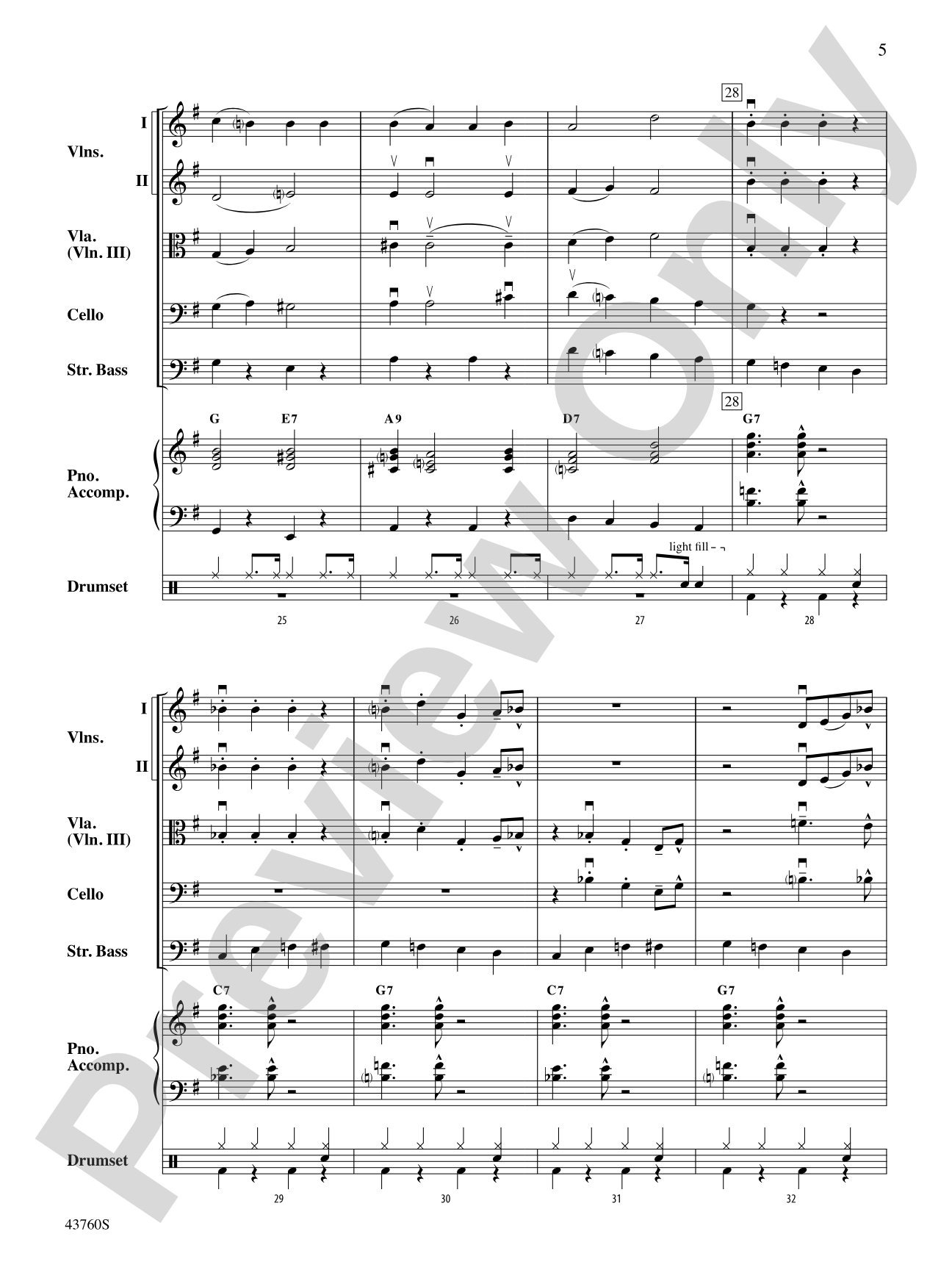
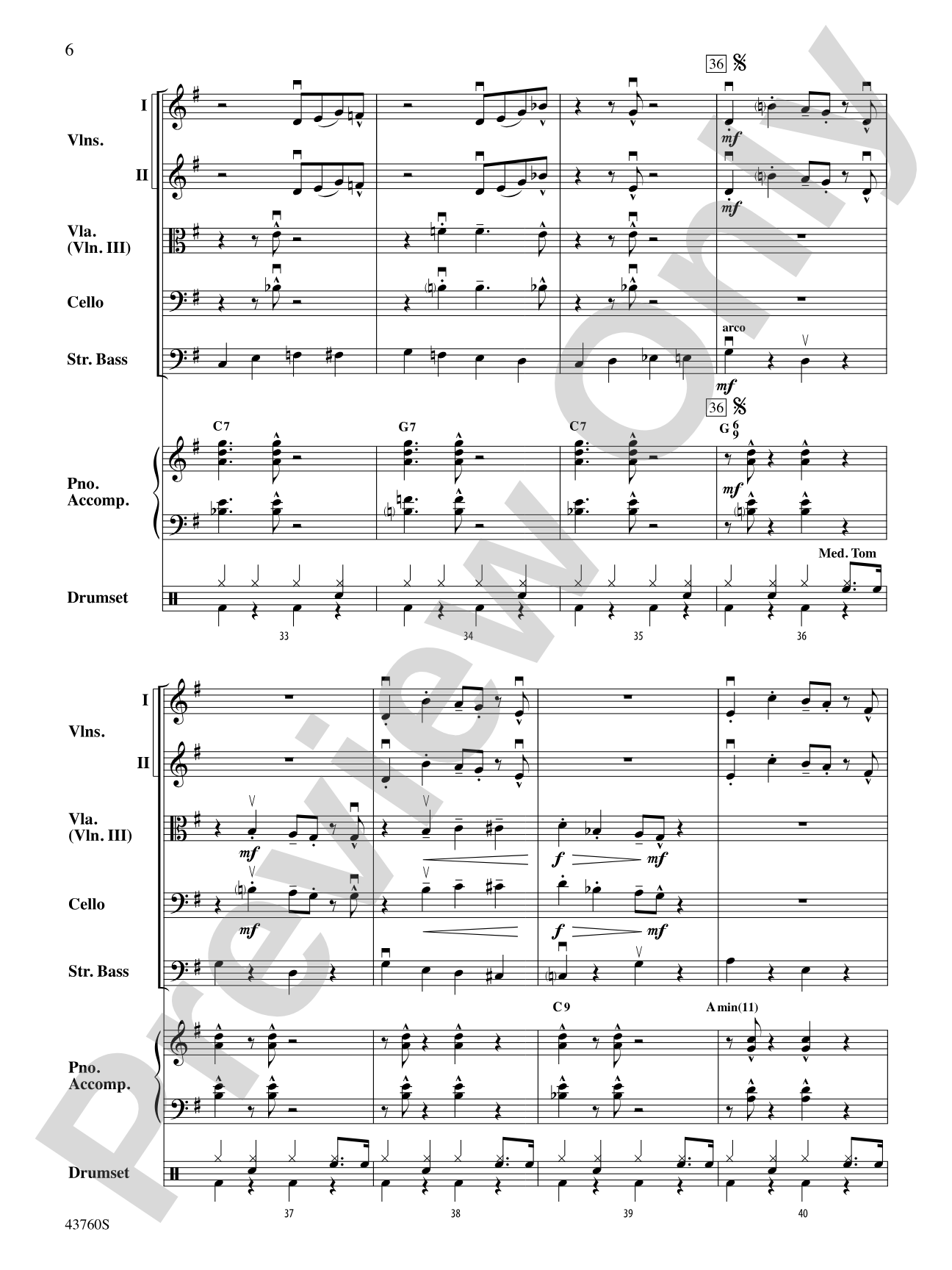
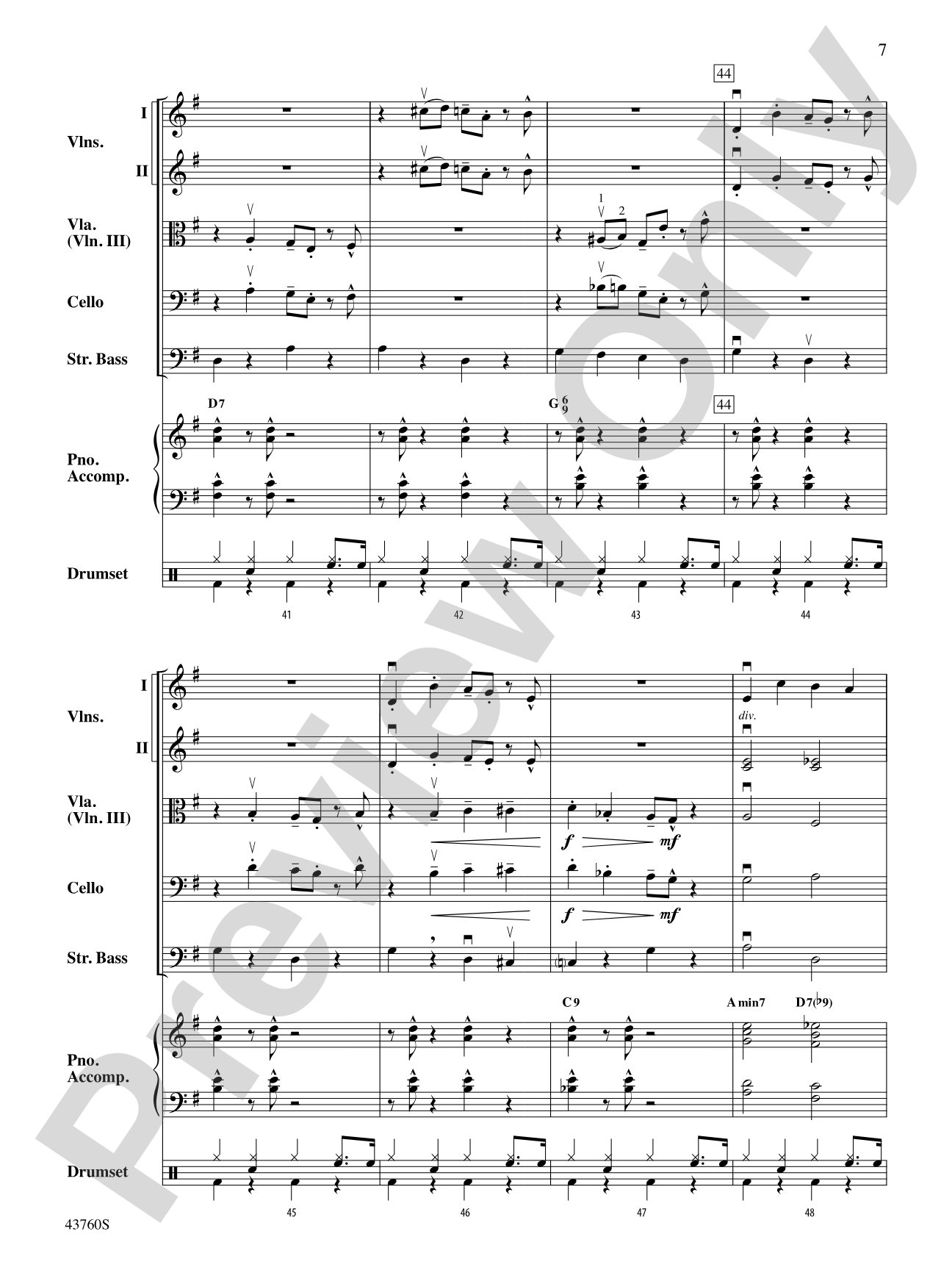
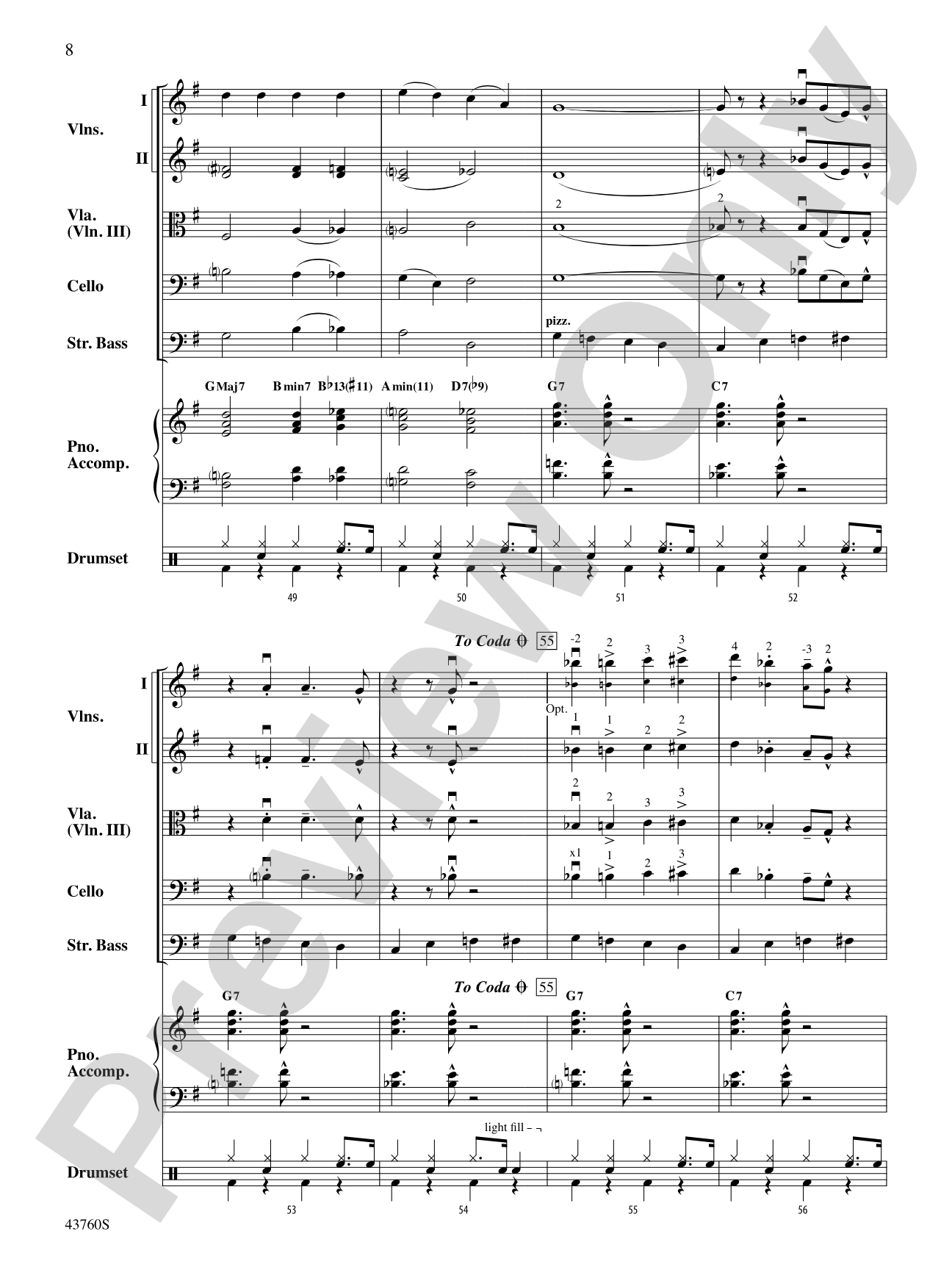
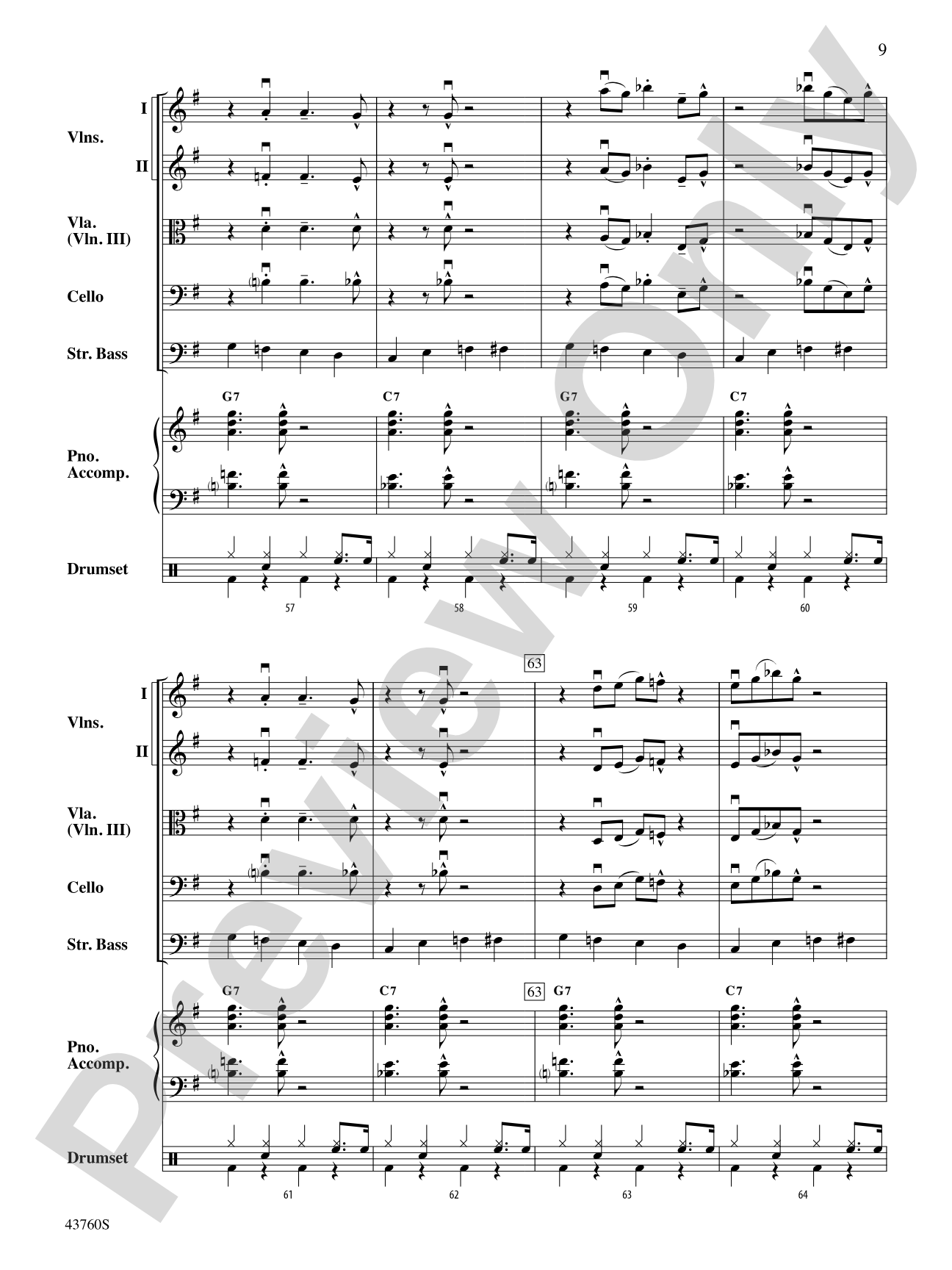
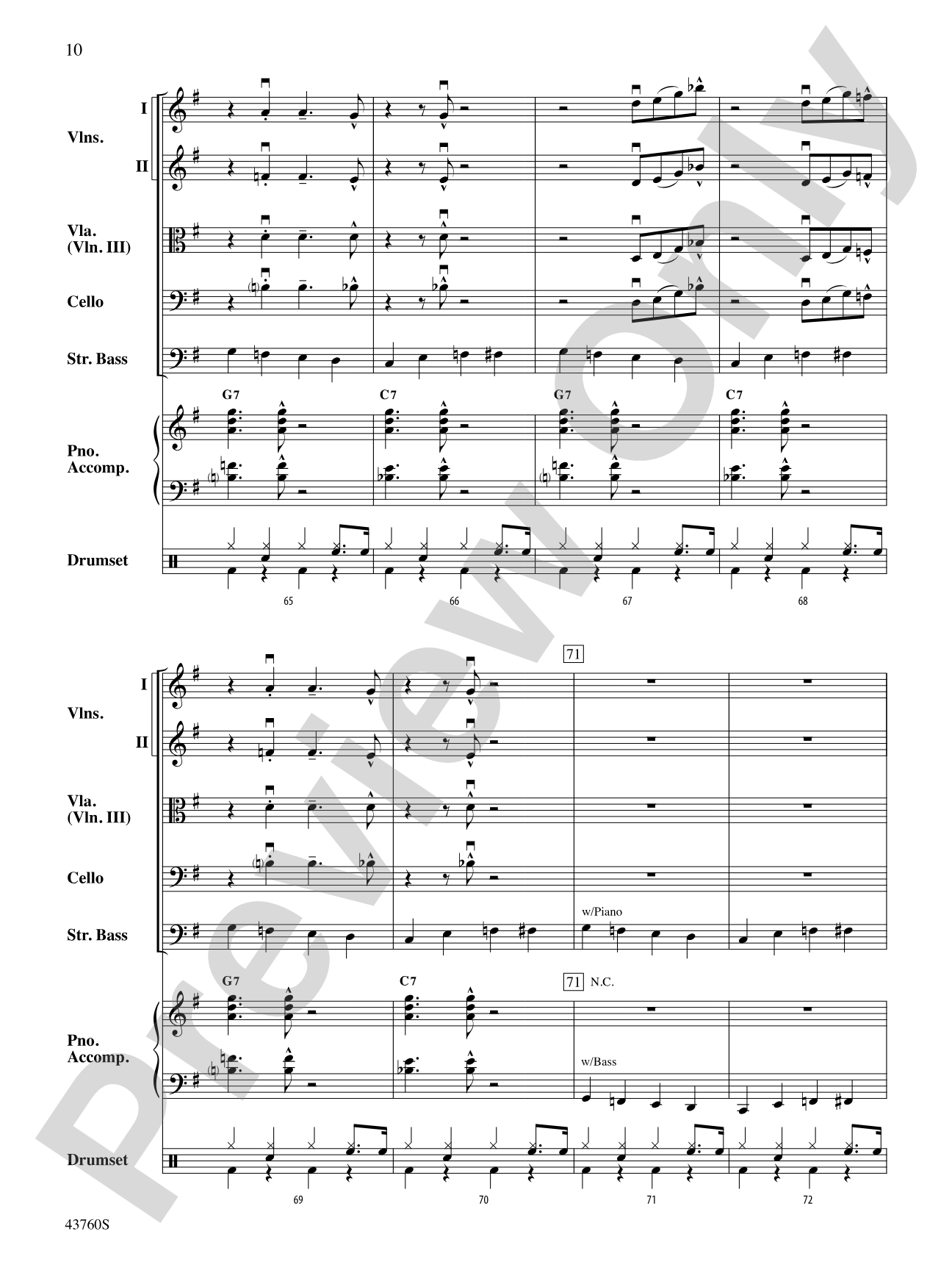
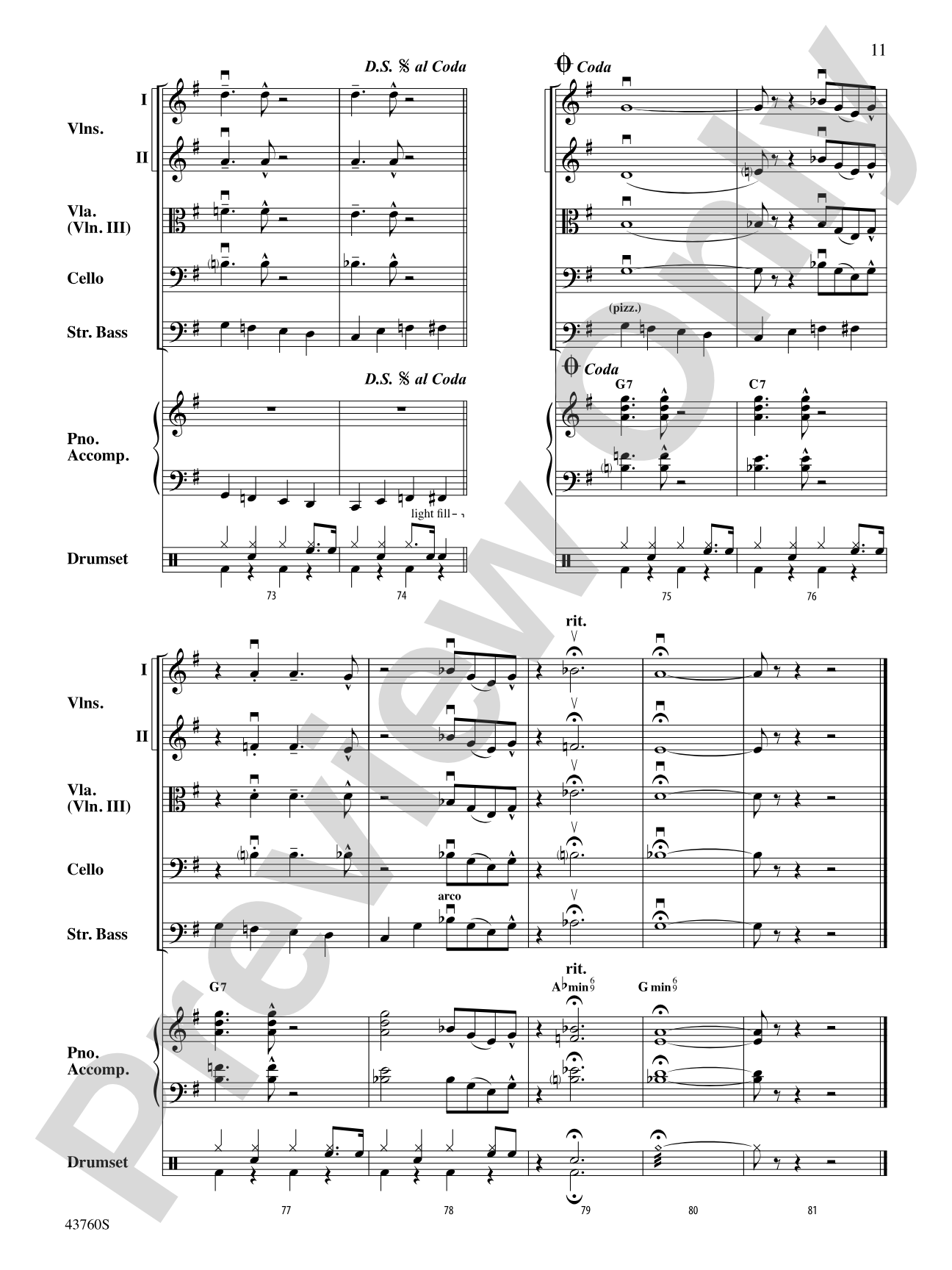

Jingle All the Way: Score
By James Lord Pierpont / arr. Victor López
Grade: 2.5
Item: 00-PR-0005106
$9.00
Pickup currently not available
Description
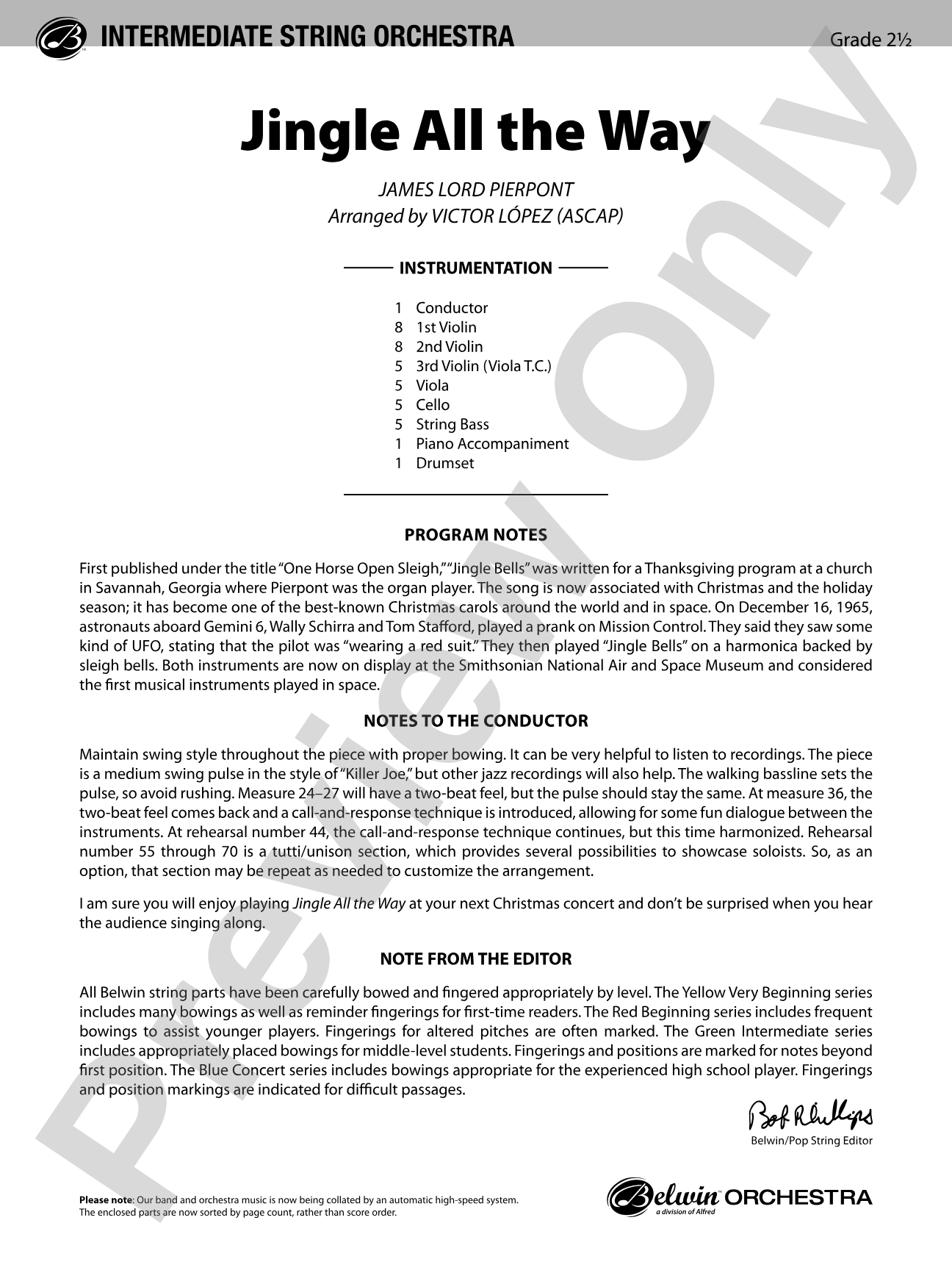
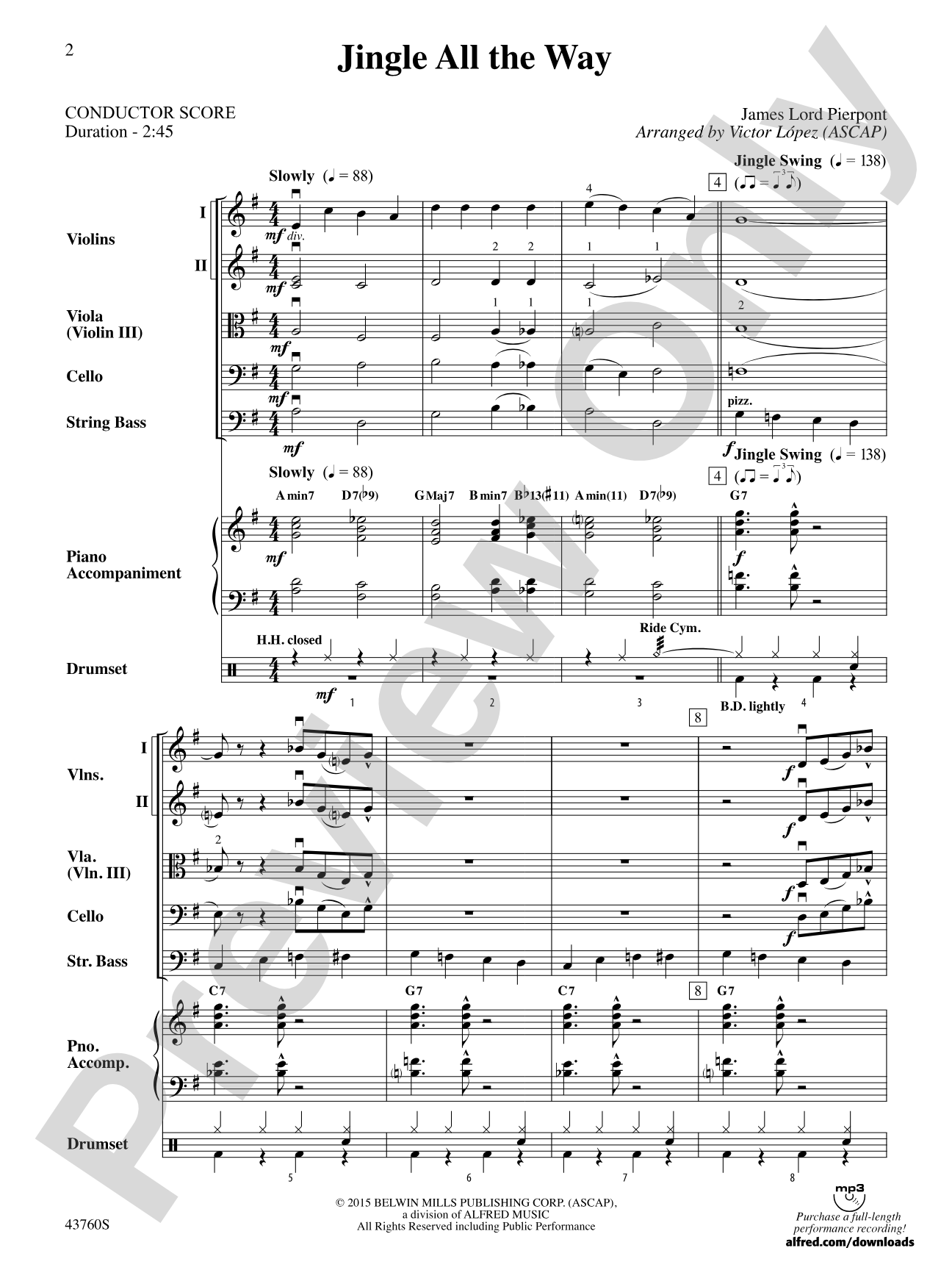
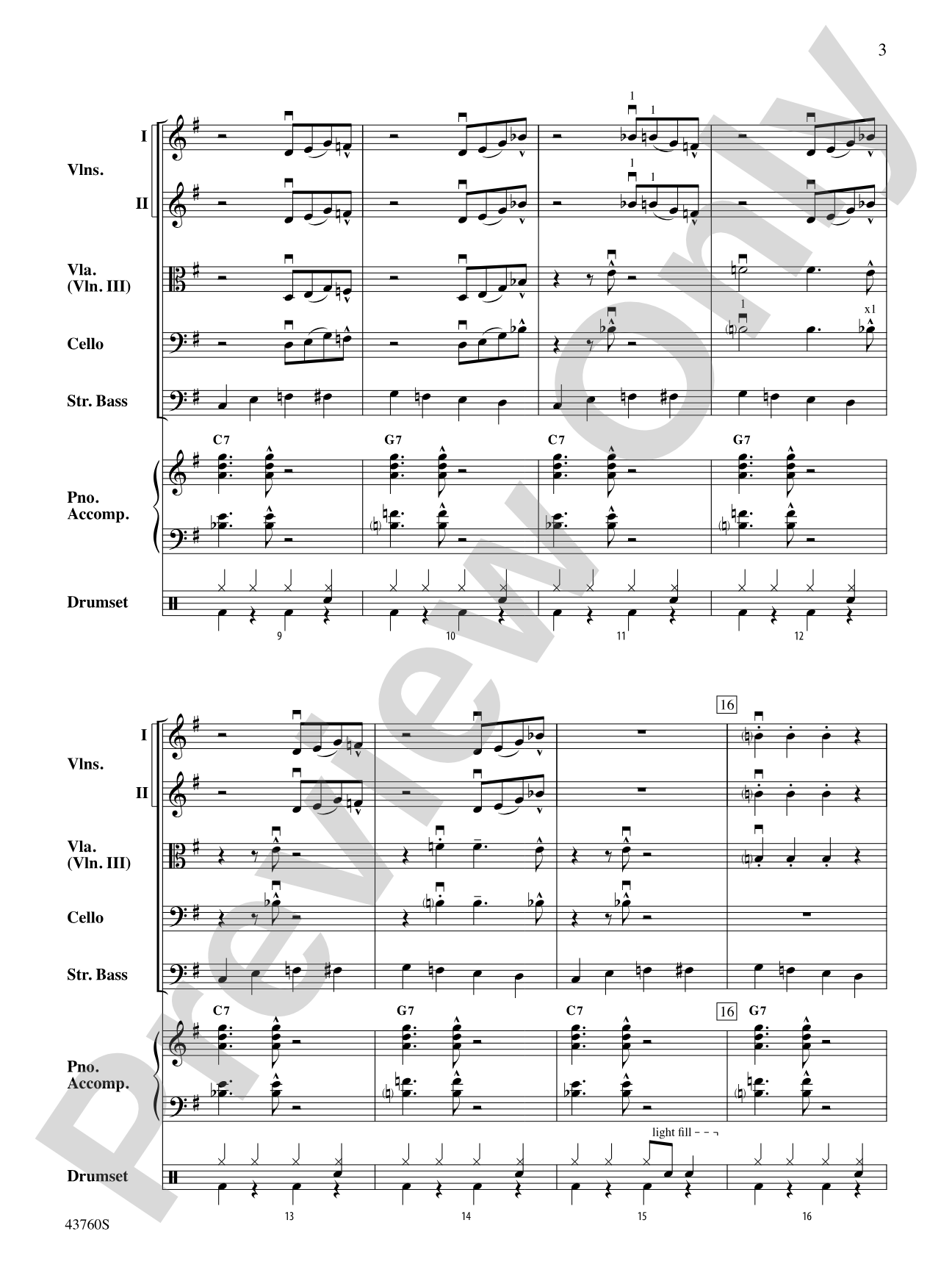
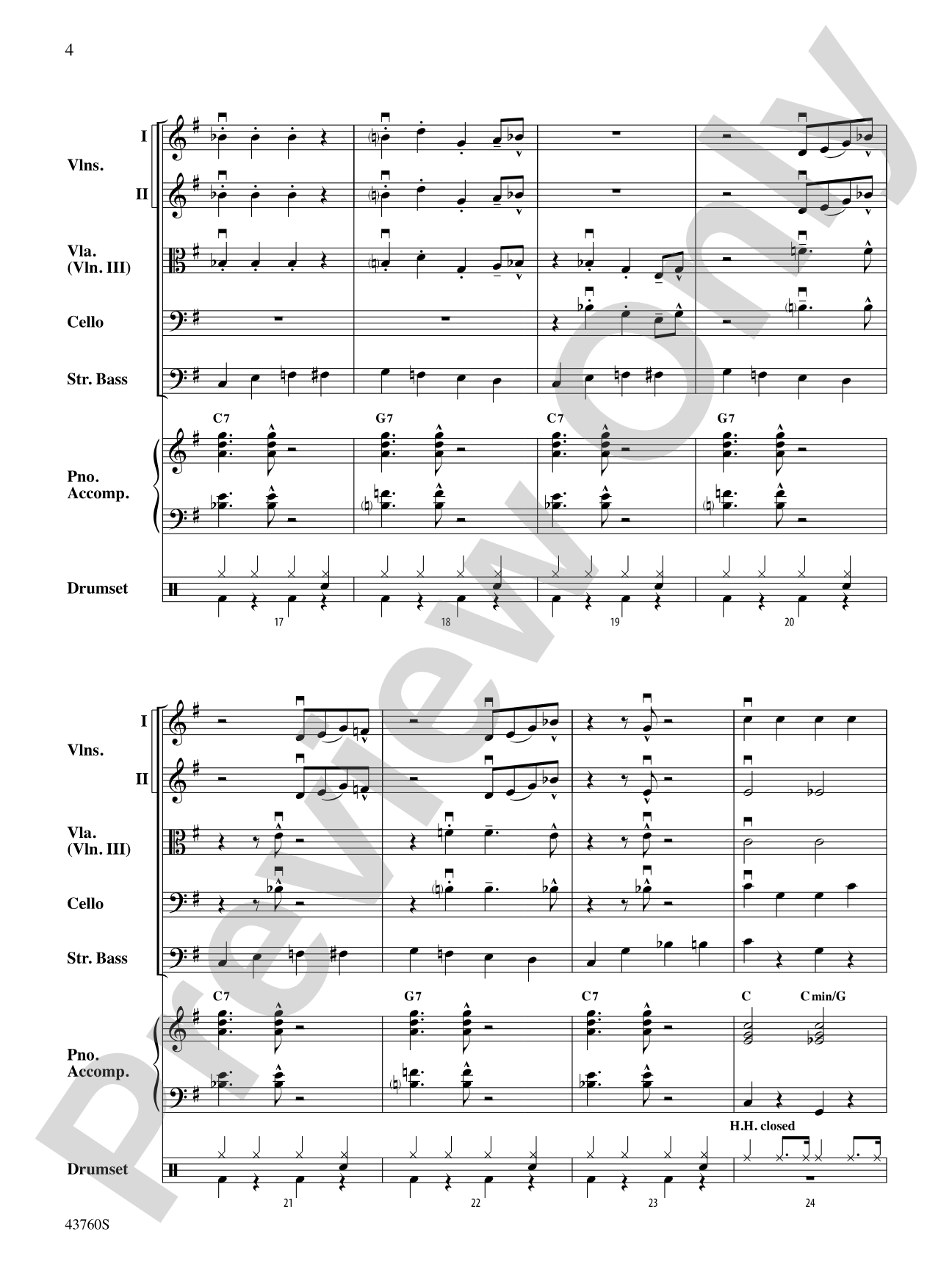
Just for fun---and swing technique! This jazzy swing arrangement will teach important skills with a well-known tune as young players expand the realm of string playing with alternative styles. (2:45)


Don't just read it, hear it, play along with it, and watch your students grow with it. In MakeMusic Cloud, Jingle All the Way: Score comes alive with professional accompaniment, adjustable tempo, and built-in practice tools that turn solo practice into real progress.
Open in the Player
Jump straight in and assign it today.
Start Your Free Trial
Open this title and explore the full library in minutes.
Sample Audio
1
Audio File
--:--
0:00
0:00
Sample Video
Additional Details
Series:
Belwin Intermediate String Orchestra
Publisher:
Alfred Music
Page Count:
152
SKU:
00-PR-0005106
More about this title
About the Composer: James Lord Pierpont
James Lord Pierpont (1822–1893) composed one of America's most enduring holiday melodies. Though he wrote numerous songs and operettas during his lifetime, "Jingle Bells" has secured his legacy as a composer whose work transcends generations and musical genres. His ability to craft memorable, singable melodies made his work ideal for arrangers seeking to teach musical concepts through familiar material.
Pierpont's original composition, written in the 1850s, has proven remarkably adaptable. From its inception as a parlor song to its transformation into swing arrangements like this one, the melody's simplicity and charm invite musicians at every level to make it their own. For string educators, Pierpont's straightforward harmonic language provides a perfect foundation for exploring new stylistic approaches.
Why we love this
Victor López's swing arrangement captures what makes teaching with familiar melodies so effective: students recognize the tune instantly, so they can focus entirely on the stylistic and technical demands of the swing idiom. At Grade 2.5, the part writing balances accessibility with authentic jazz articulation and rhythmic feel, giving young string players their first real experience with a style that lies well outside classical convention. Programming this means you're not just having fun with a holiday standard; you're expanding your students' understanding of what strings can do.
What to expect
The arrangement maintains the cheerful optimism of the original melody while layering in the relaxed syncopation and looser articulation of swing. Eighth notes swing gently, rhythmic figures dance rather than march, and the overall sound is playful and contemporary without being condescending. Players feel the style shift immediately and experience the joy of making a beloved tune sound fresh.
Who it's for
String orchestra directors working with Grade 2.5 ensembles who want to introduce swing style in a low-risk, high-engagement context. This arrangement suits players who are comfortable with basic technique and reading but have little to no exposure to jazz articulation and rhythmic feel. It works equally well for mid-year programming or holiday concerts.
How to get the most out of it
- Lock in the swing eighth-note feel from the very first rehearsal. Establish a comfortable tempo where triplet subdivisions feel natural, and have players listen to recordings of the swing style so they hear the laid-back rhythmic placement that defines the genre.
- Shape the articulation to support the groove. Slightly soften attacks on syncopated passages and emphasize the lift between phrases; this prevents the arrangement from sounding stiff and allows the jazzy character to breathe.
- Balance the section voicing carefully, especially when the melody passes between parts. Use this as an opportunity to work on blended sound and intonation in harmonic movement, since the swung rhythms can mask tuning issues if players aren't listening actively.
How to use it
Slot this into a winter concert as a palate cleanser between classical or contemporary pieces, or use it to close a concert on an upbeat, accessible note. The 2:45 duration makes it ideal for filling a short gap in a program without requiring extended rehearsal time. This arrangement also serves as a gateway piece: once students hear how differently the same melody can sound, they become curious about other stylistic explorations.
Skills your students will build
- Swing eighth-note articulation and rhythmic placement
- Jazz style interpretation and feel
- Syncopated rhythm reading and execution
- Stylistic contrast between classical and contemporary string writing
- Ensemble balance with frequent melodic movement between sections