
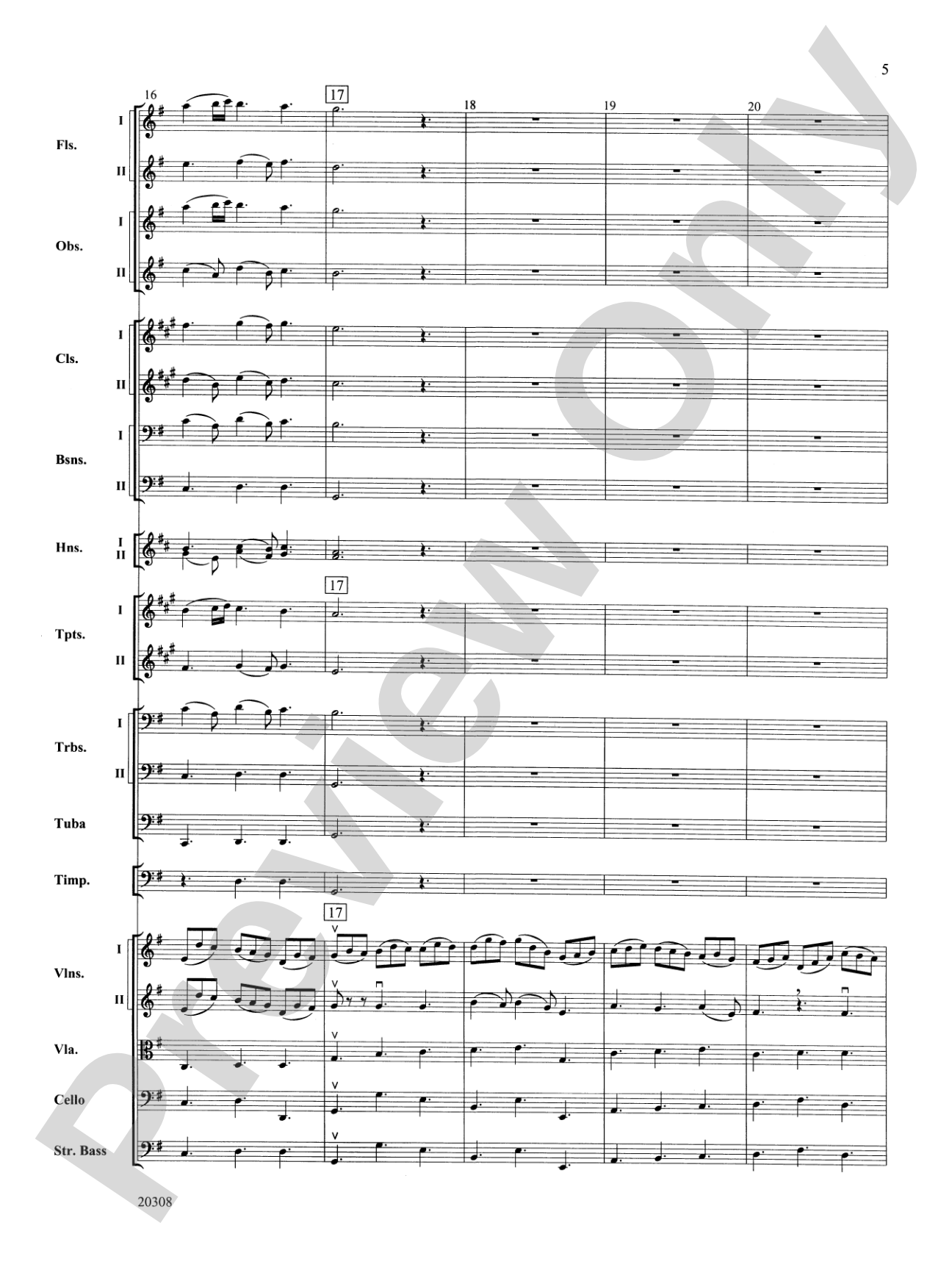
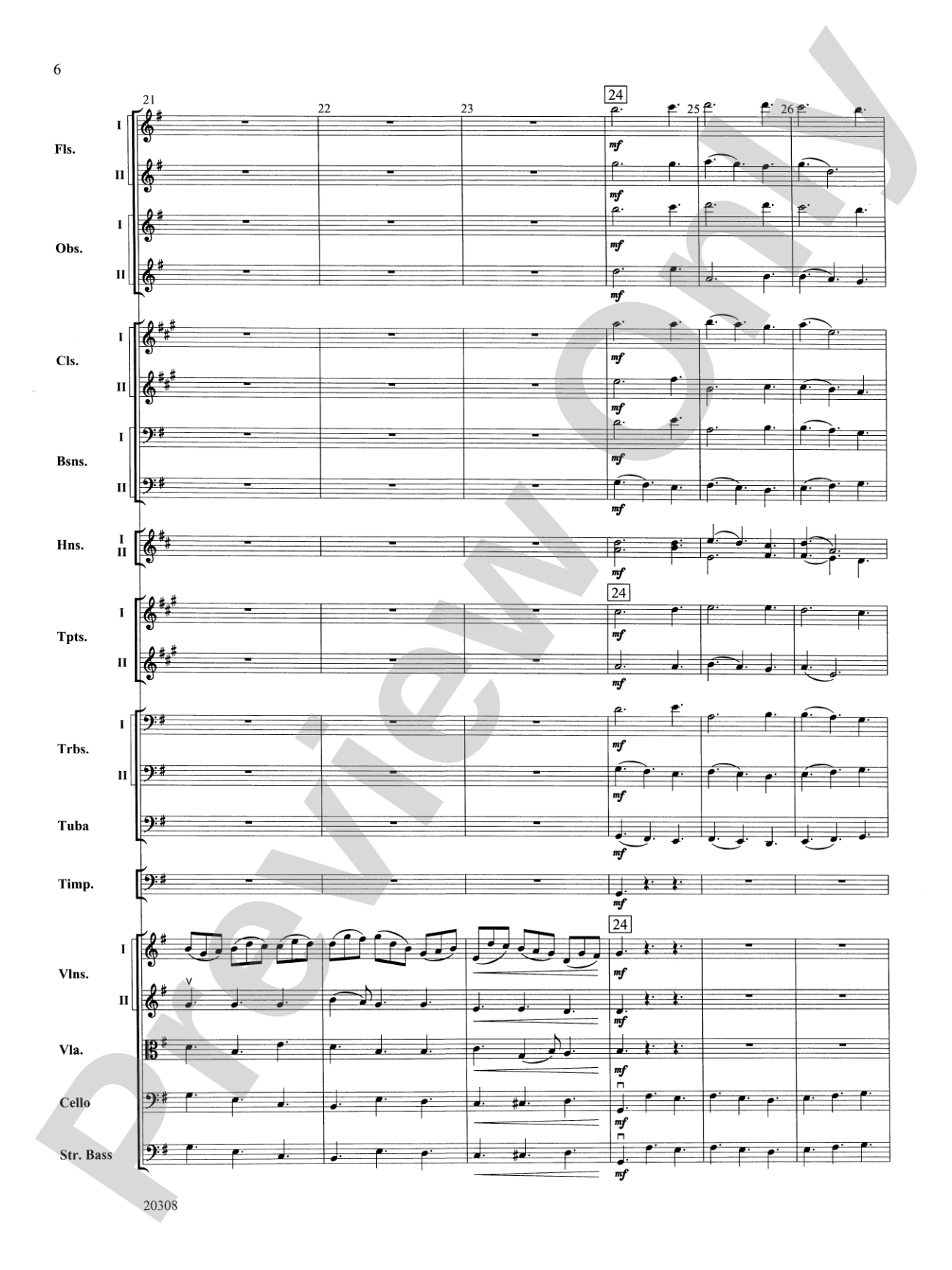
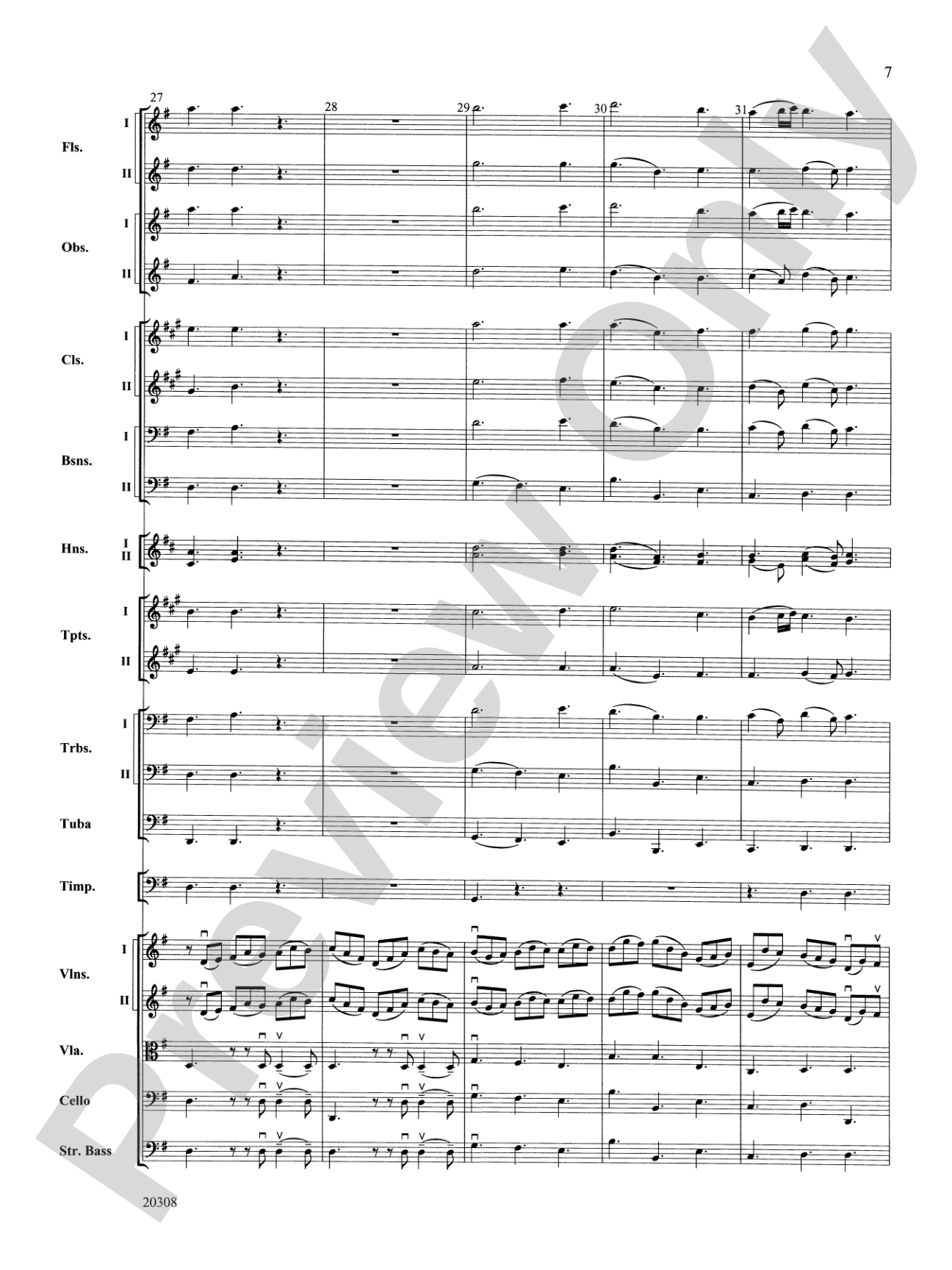
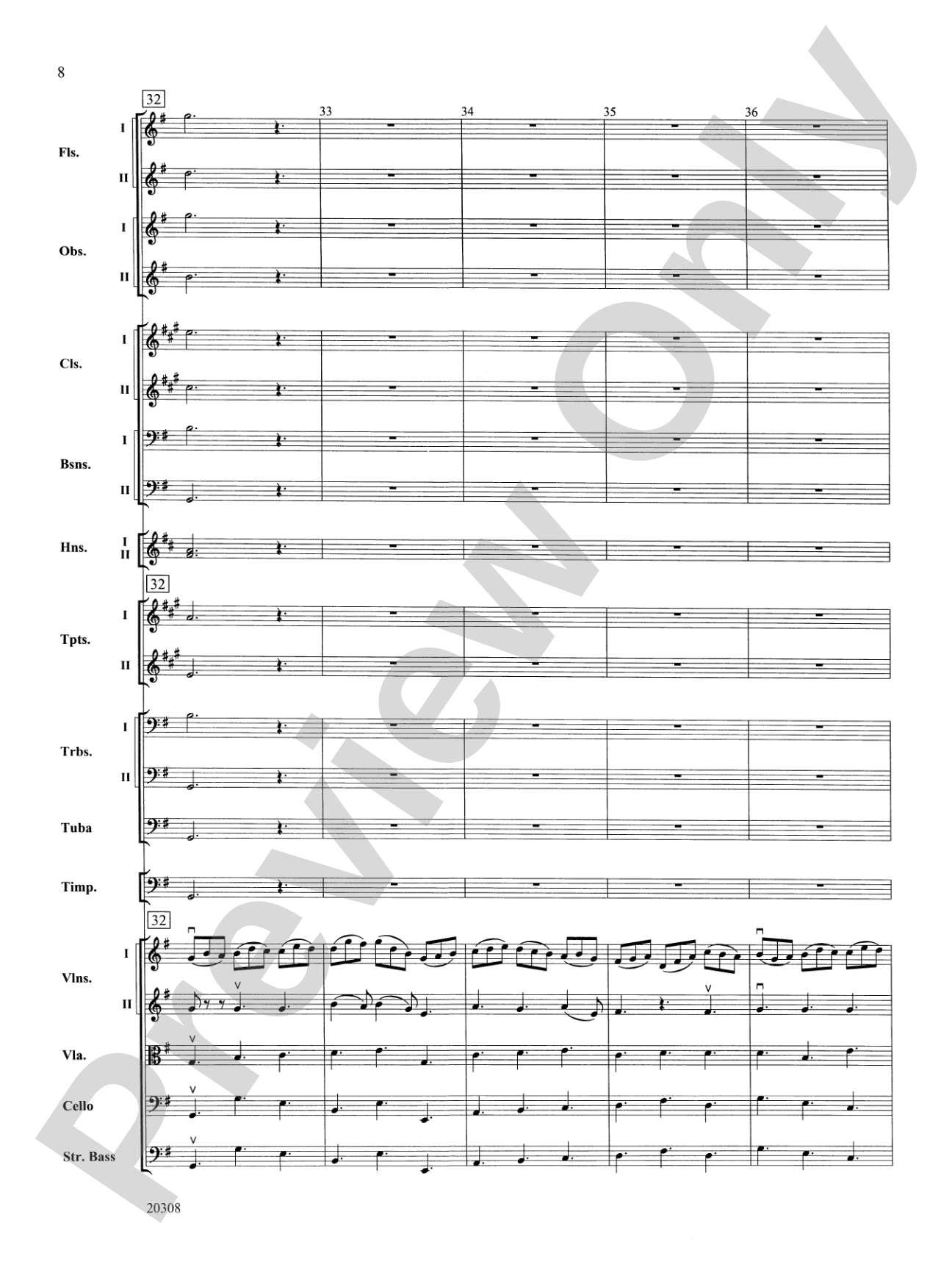
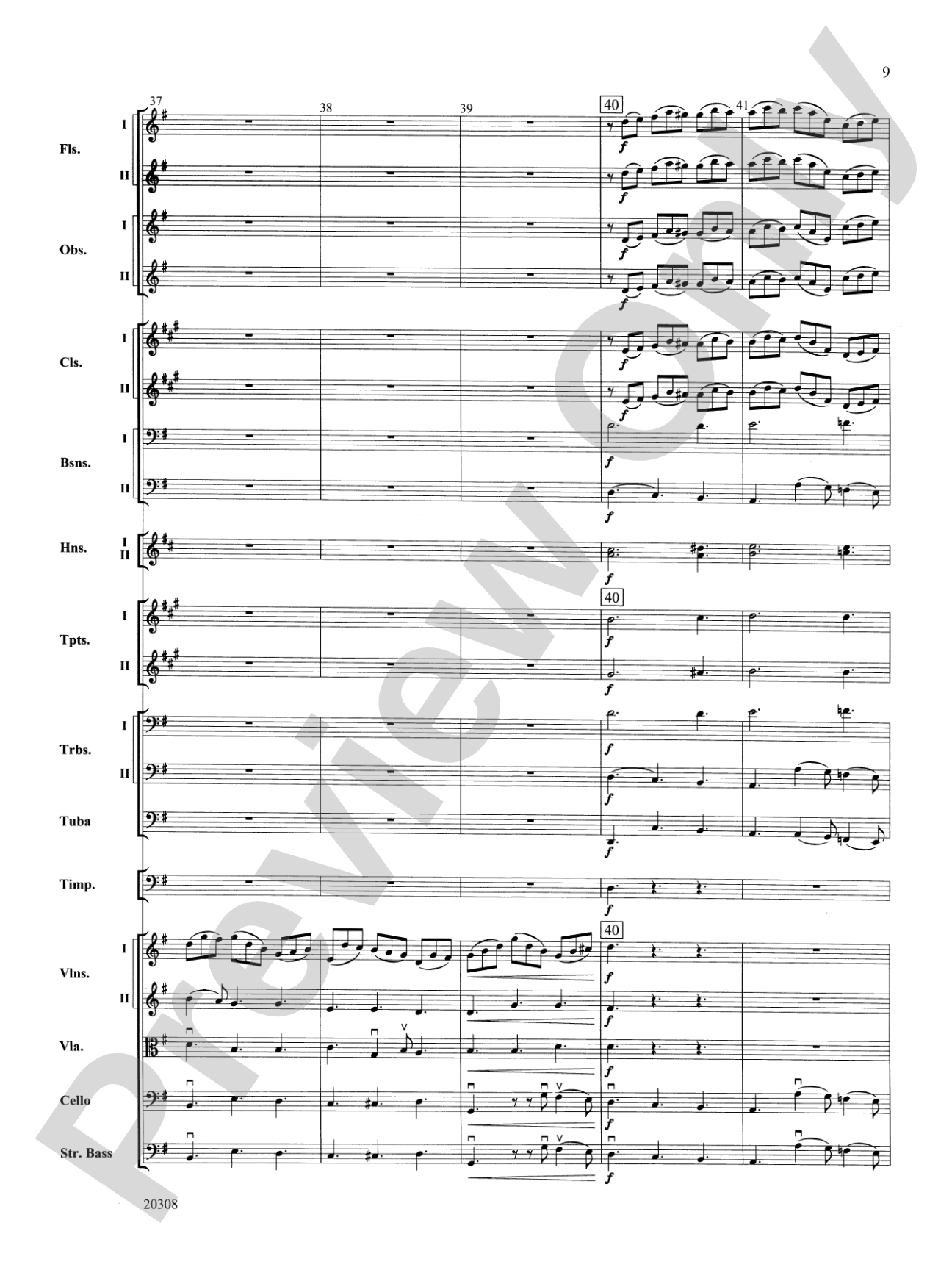
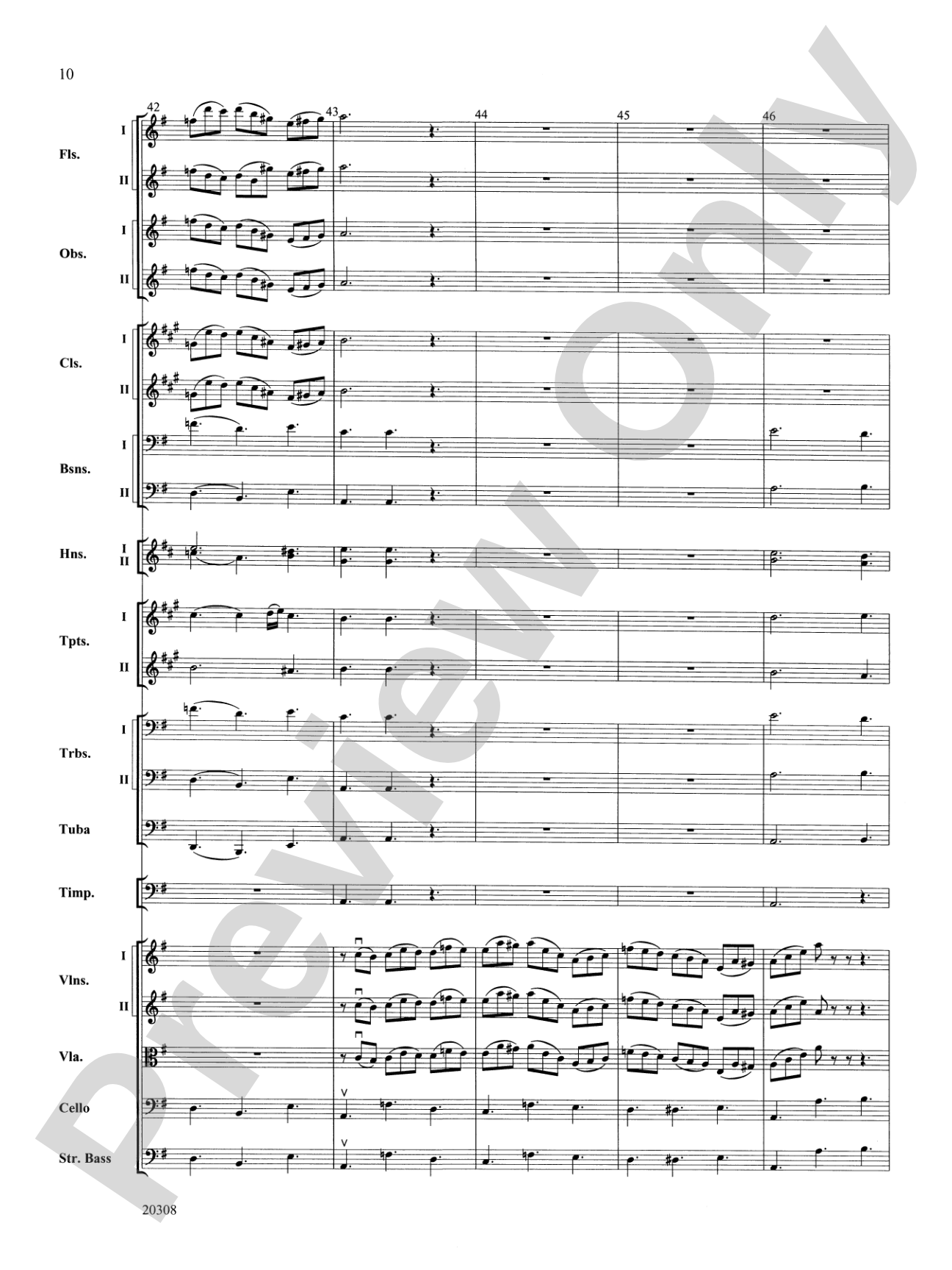
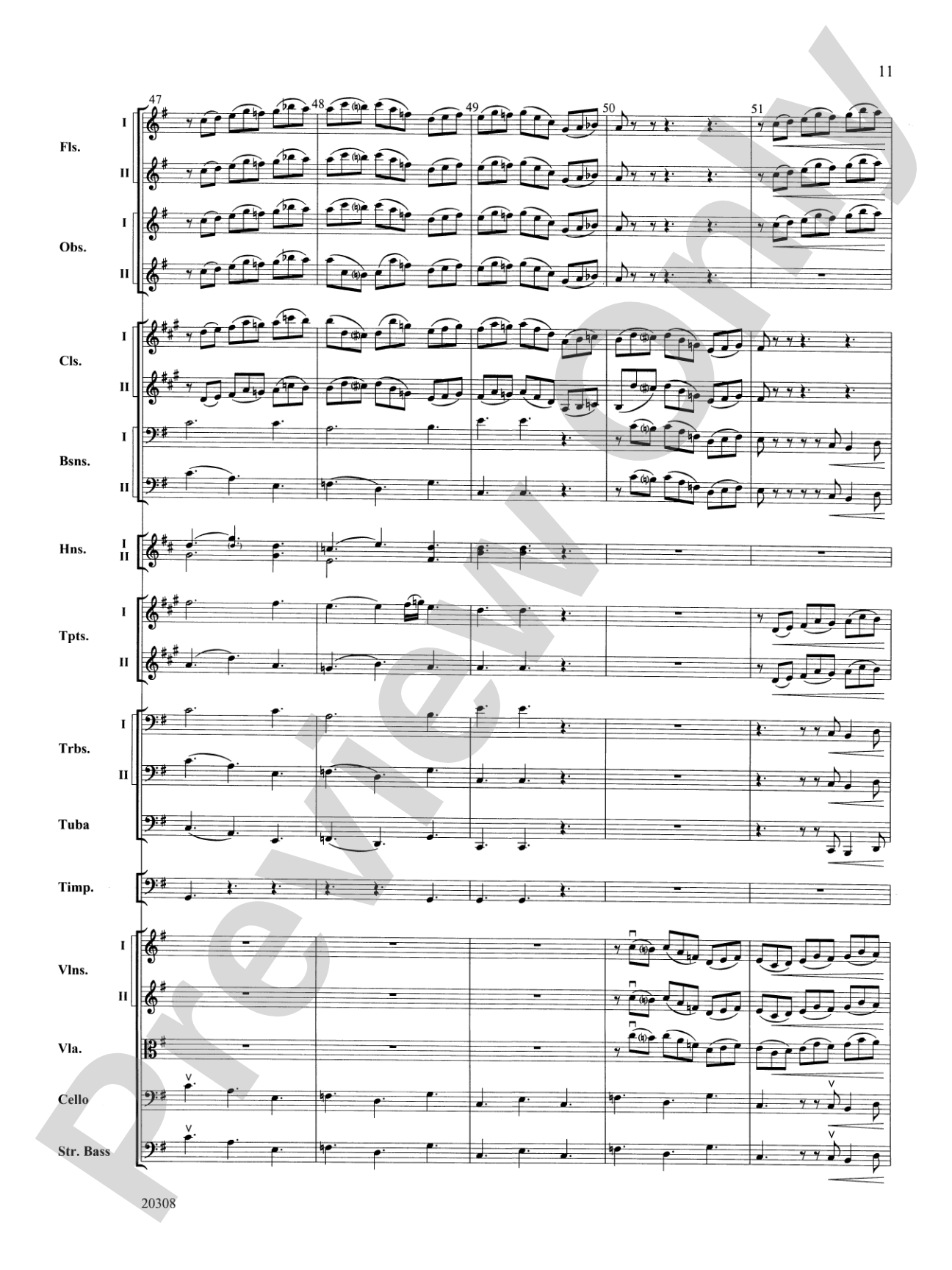
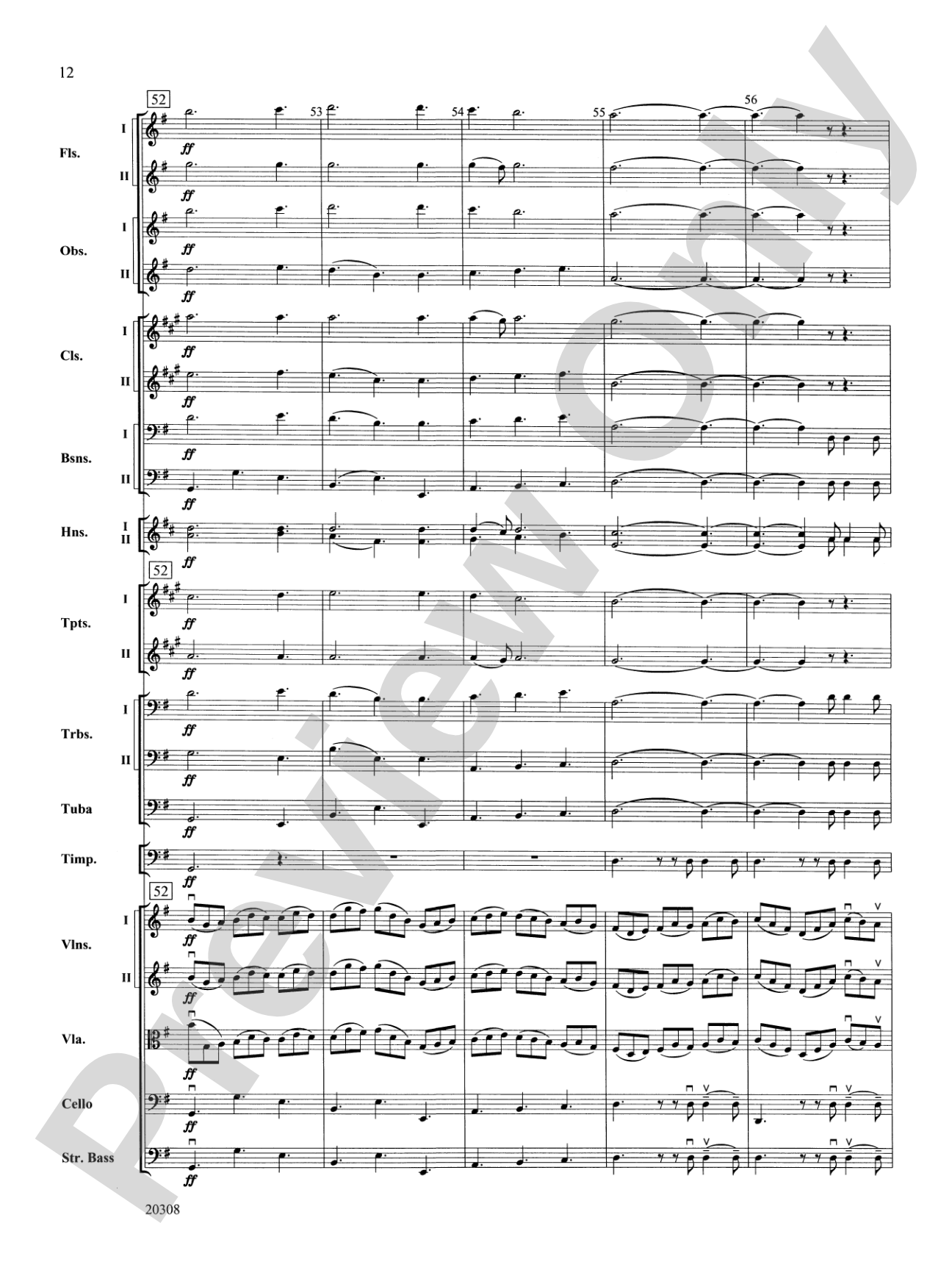
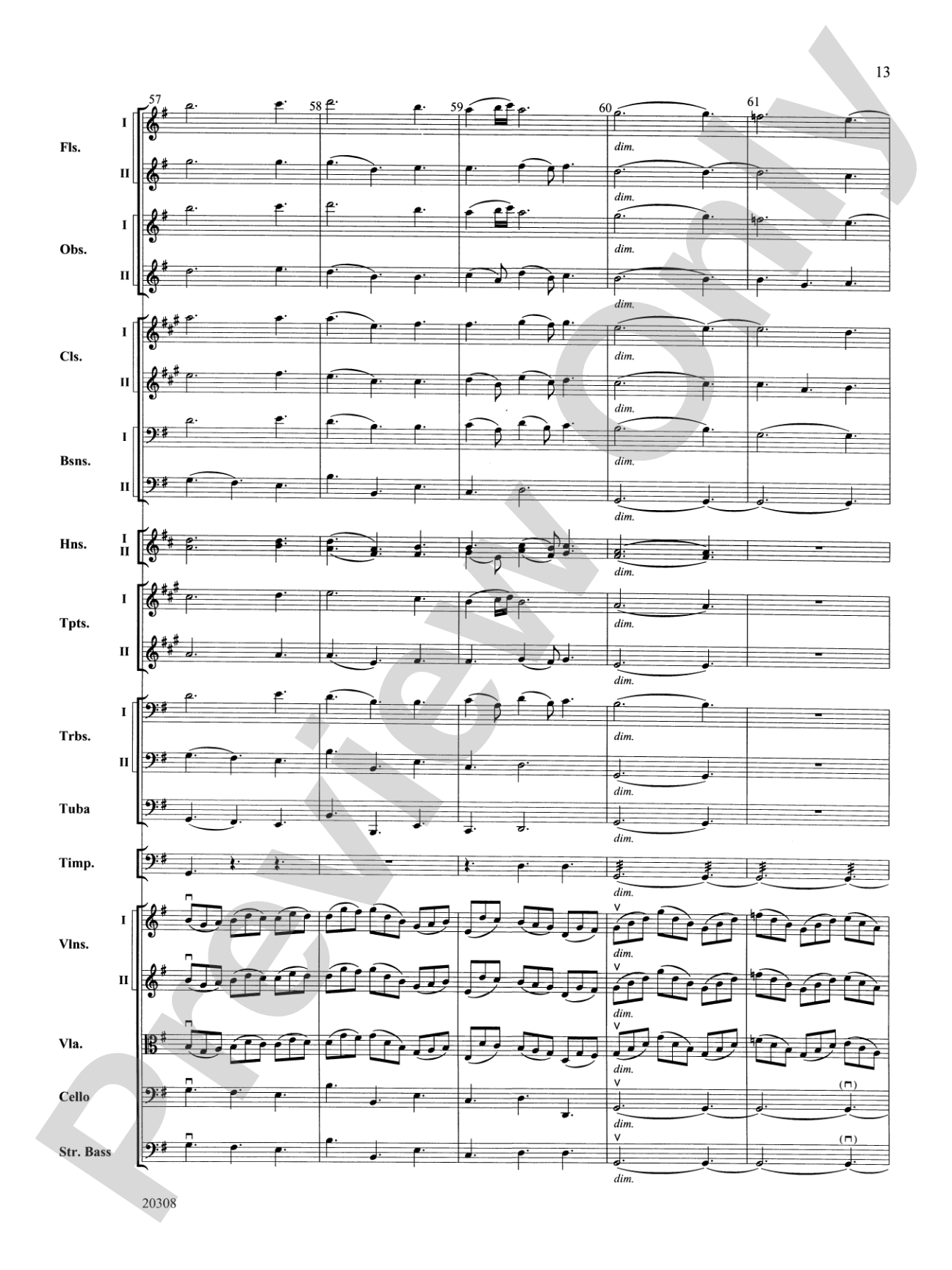
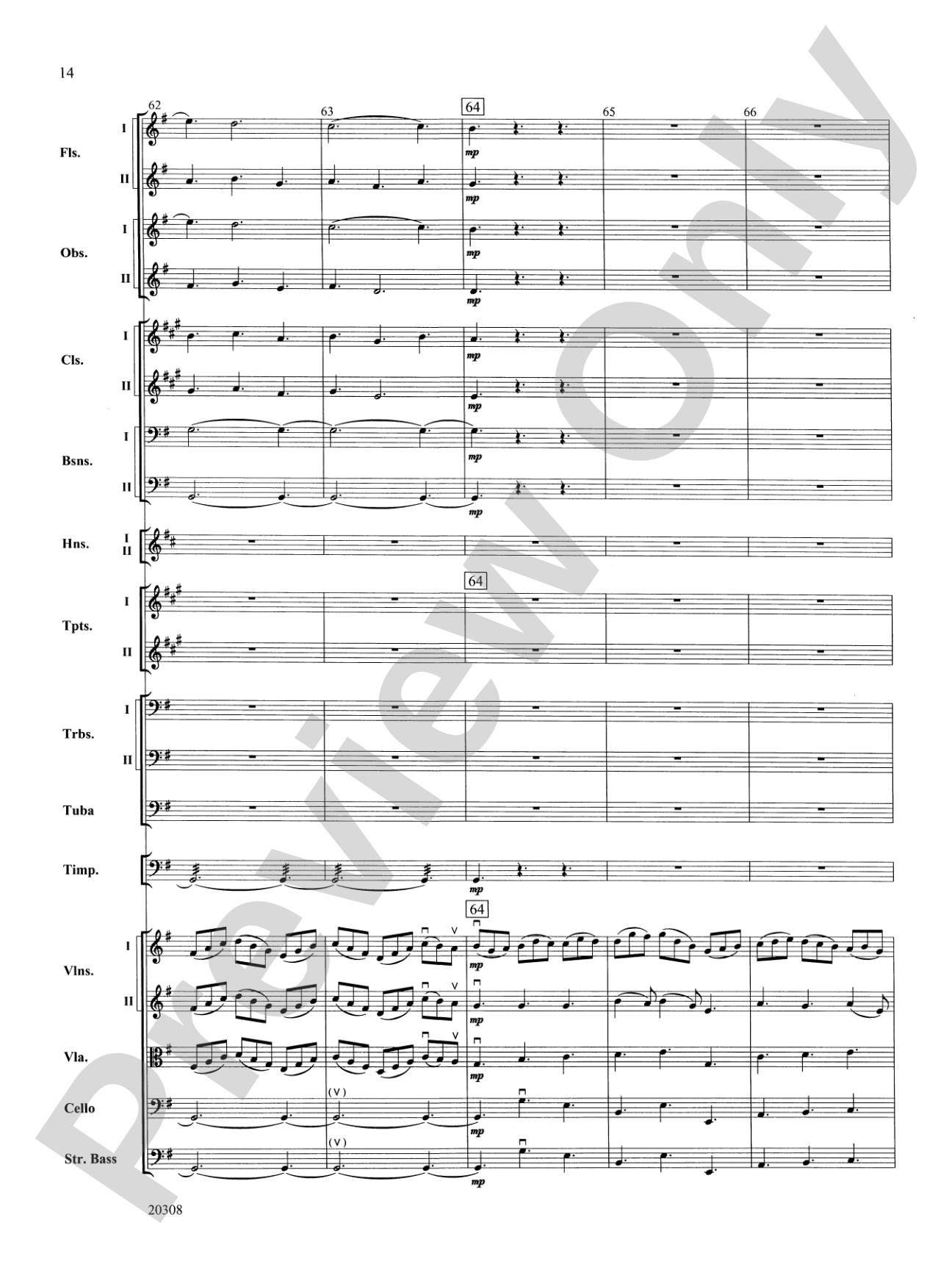
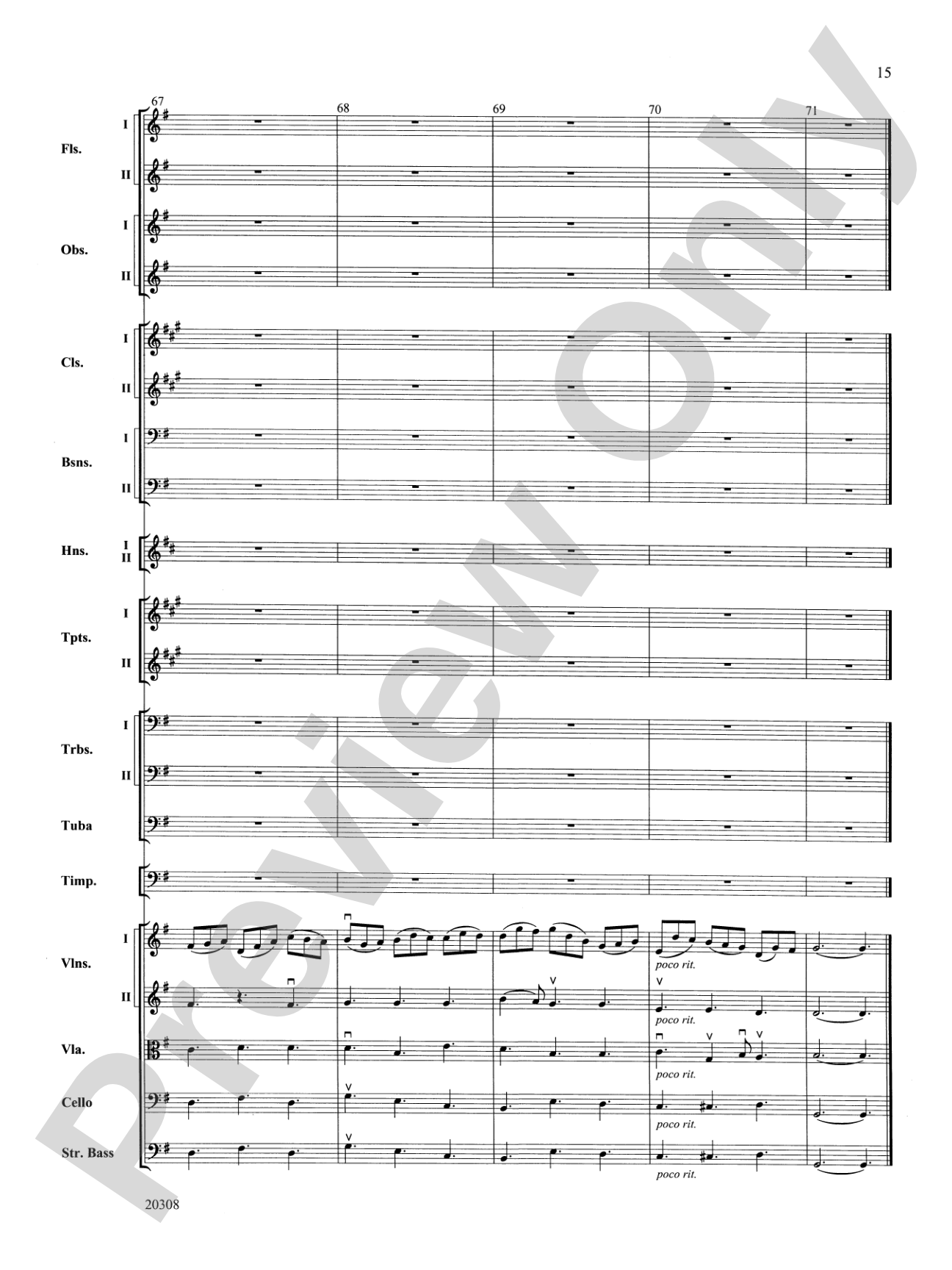


Jesu, Joy of Man's Desiring: Score
By Johann Sebastian Bach / arr. L. C. Harnsberger
Grade: 2
Item: 00-PR-0000383
$7.00
Pickup currently not available
Description
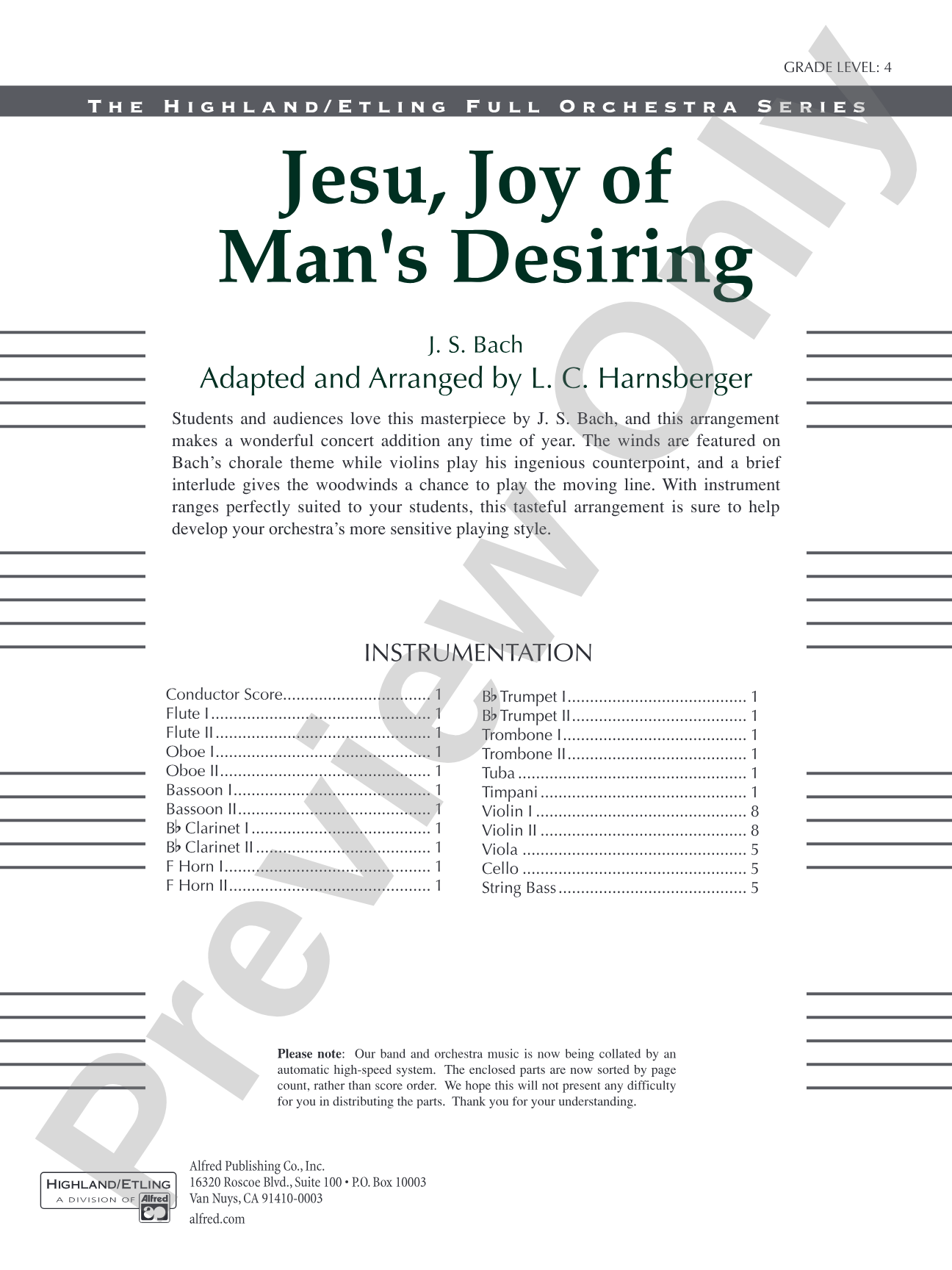
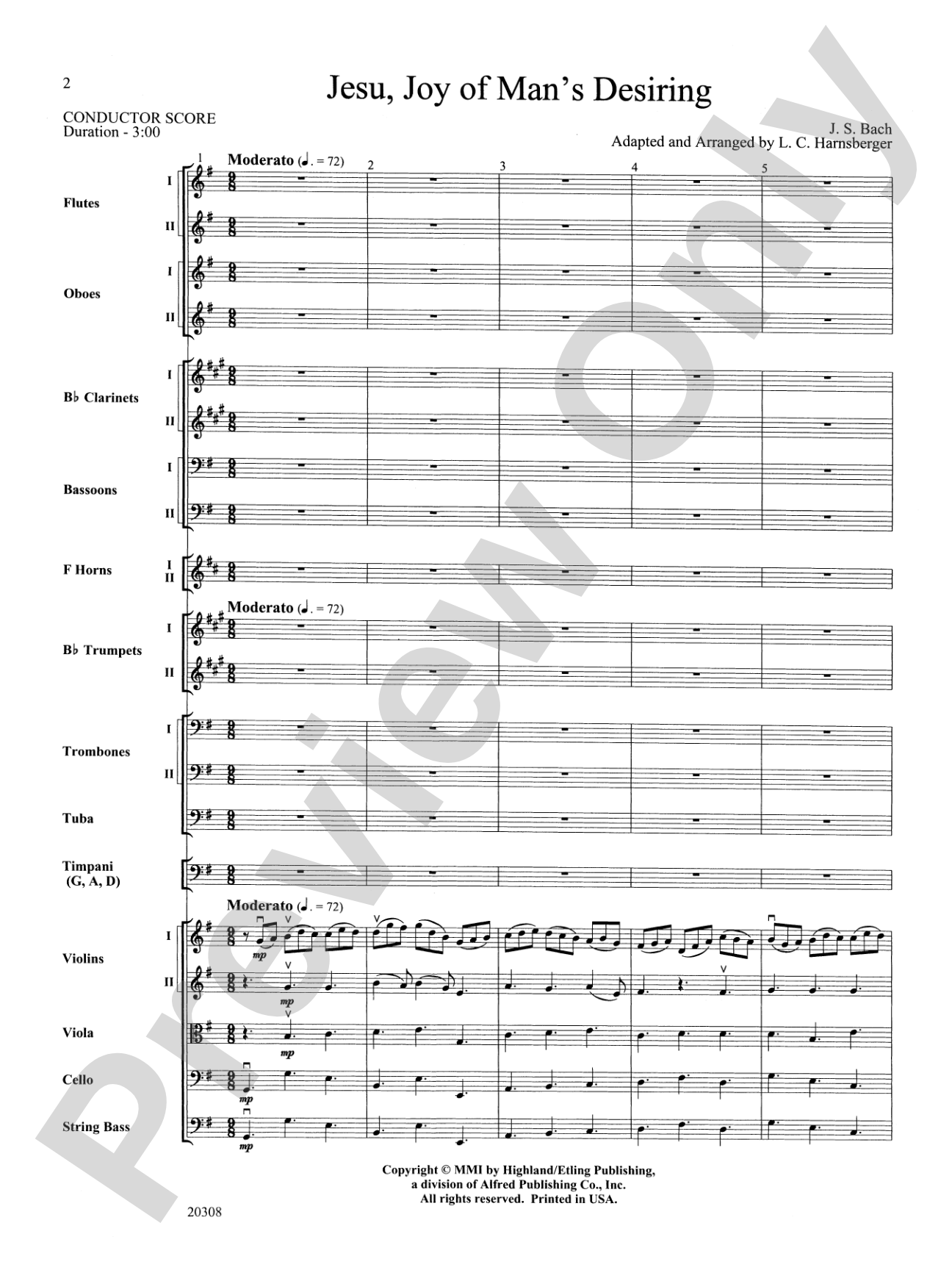
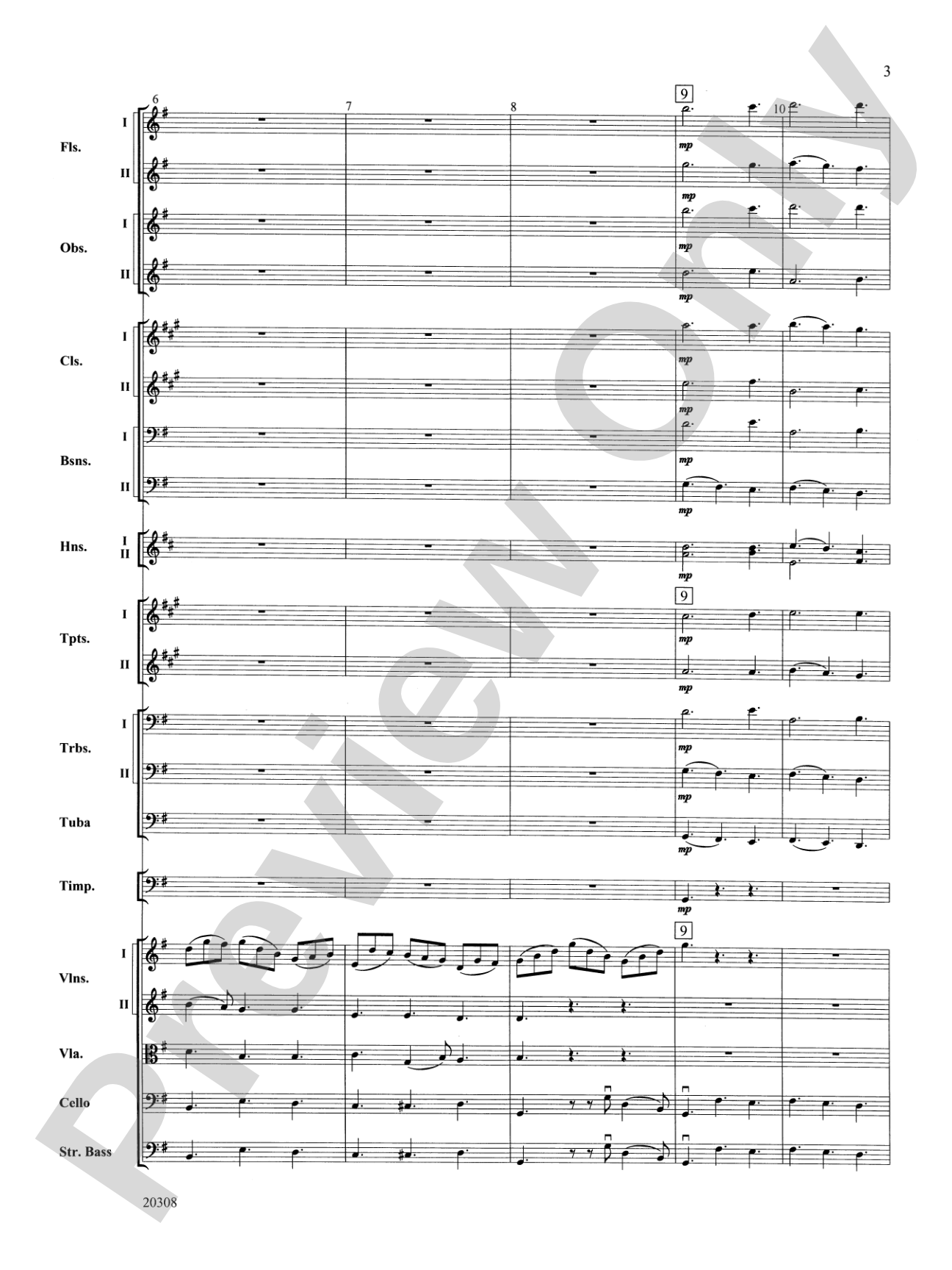
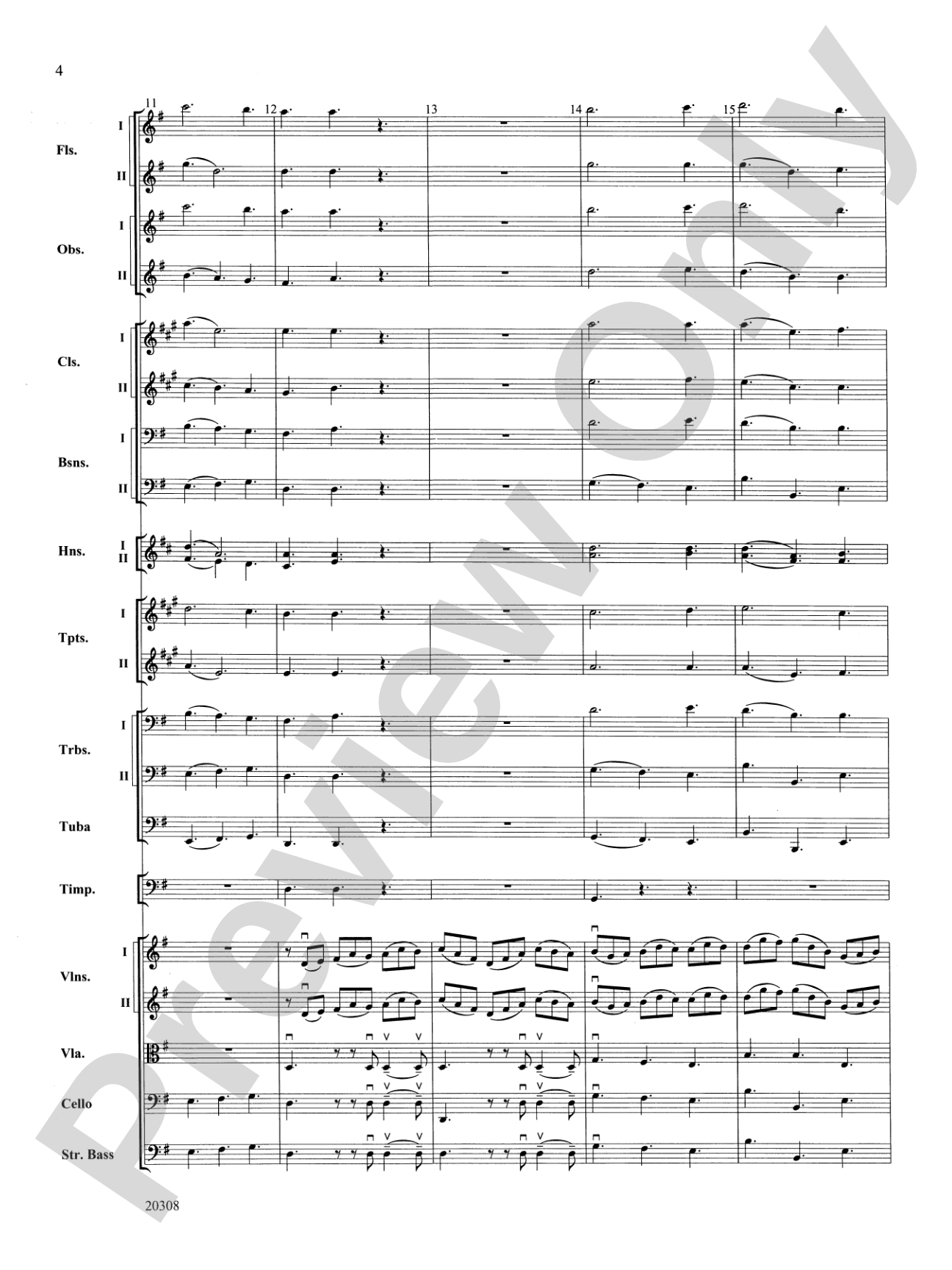
Students and audiences love this masterpiece by J. S. Bach, and this work makes a wonderful concert addition any time of year. The winds are featured on Bach's chorale theme while violins play his ingenious counterpoint, and a brief interlude gives the woodwinds a chance to play the moving line. With instrument ranges perfectly suited to your students, this tasteful arrangement is sure to help develop your orchestra's more sensitive playing style.


Don't just read it, hear it, play along with it, and watch your students grow with it. In MakeMusic Cloud, Jesu, Joy of Man's Desiring: Score comes alive with professional accompaniment, adjustable tempo, and built-in practice tools that turn solo practice into real progress.
Open in the Player
Jump straight in and assign it today.
Start Your Free Trial
Open this title and explore the full library in minutes.
Sample Audio
No sample audio found.
Sample Video
No sample videos found.
Additional Details
Series:
Highland/Etling Full Orchestra
Publisher:
Alfred Music
Page Count:
136
SKU:
00-PR-0000383
More about this title
About the Composer: Johann Sebastian Bach
Johann Sebastian Bach (1685-1750) was a German Baroque composer whose mastery of counterpoint and harmonic innovation shaped Western music for centuries. His sacred works, including chorales and larger choral compositions, form the backbone of the church music tradition and remain central to music education because they teach clarity of line, balance between voices, and the architecture of multi-layered musical thinking.
Why we love this
This arrangement captures the essence of one of Bach's most beloved chorales while making it entirely accessible to a Grade 2 orchestra. Harnsberger's orchestration distributes Bach's famous counterpoint across sections in ways that let young musicians hear and play independent lines without overwhelming them, which builds both listening skills and confidence in ensemble texture.
What to expect
Reverent and gently contemplative, this piece unfolds with the quiet dignity of a hymn. The interweaving of melody and counterpoint creates a luminous texture, and the orchestral colors give Bach's intricate writing warmth without obscuring his brilliant part writing.
Who it's for
This arrangement serves conductors who want to program a recognized masterwork that fits the technical abilities of developing orchestras. It works equally well for students encountering Bach's music for the first time and for ensembles preparing contest or festival repertoire.
How to get the most out of it
- Balance the woodwind chorale statement against the violin counterpoint beneath it; the theme should sing clearly without drowning out the accompanying lines.
- Shape the interlude with particular attention to the woodwinds' moving line, allowing slight rubato to support the melody's expressive contour.
- Attend to intonation in sustained passages, especially where voices move chromatically or hold under other moving lines; this repertoire exposes tuning issues immediately.
How to use it
Program this as a concert centerpiece that demonstrates your orchestra's musical maturity and sensitivity, or pair it with more dramatic works to create programming variety. The modest length and contest/festival designation make it ideal for winter or spring concerts when orchestras are typically solidifying their ensemble skills.
Skills your students will build
- Playing independent melodic lines within a contrapuntal texture
- Listening across sections to track multiple simultaneous musical ideas
- Balancing lyrical phrasing within a sustained harmonic framework
- Sustaining tone quality and intonation through chromatic movement