
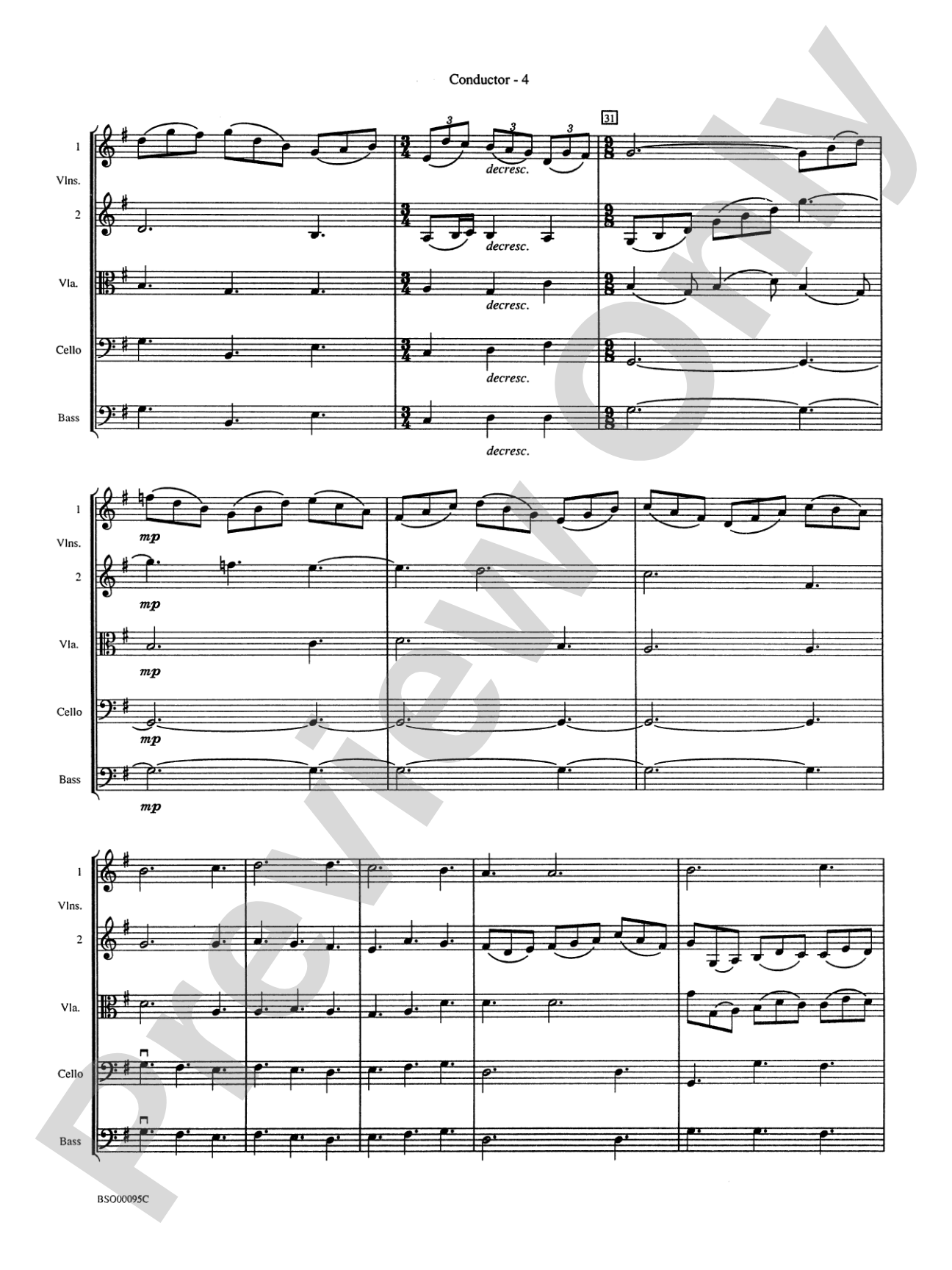
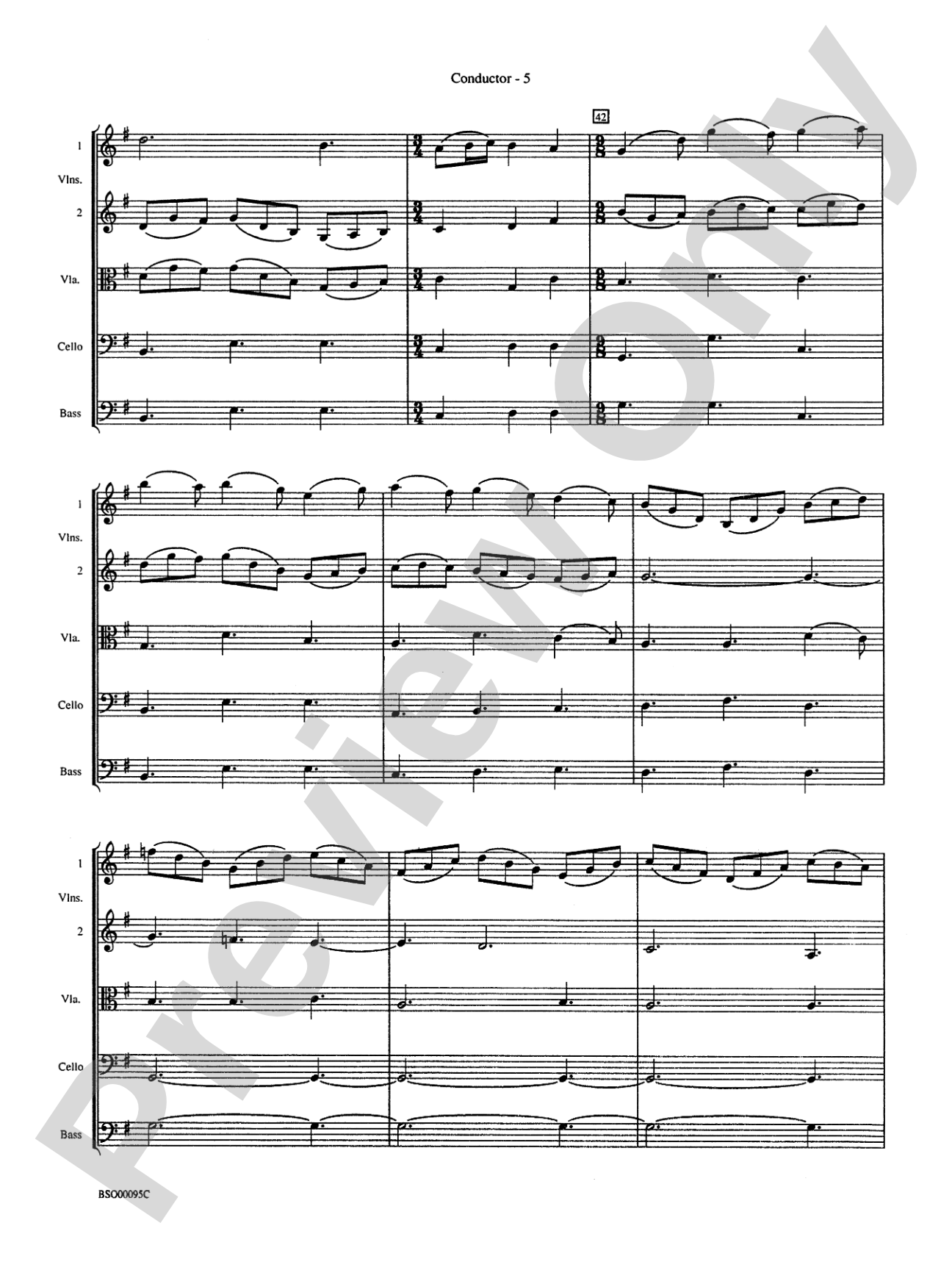
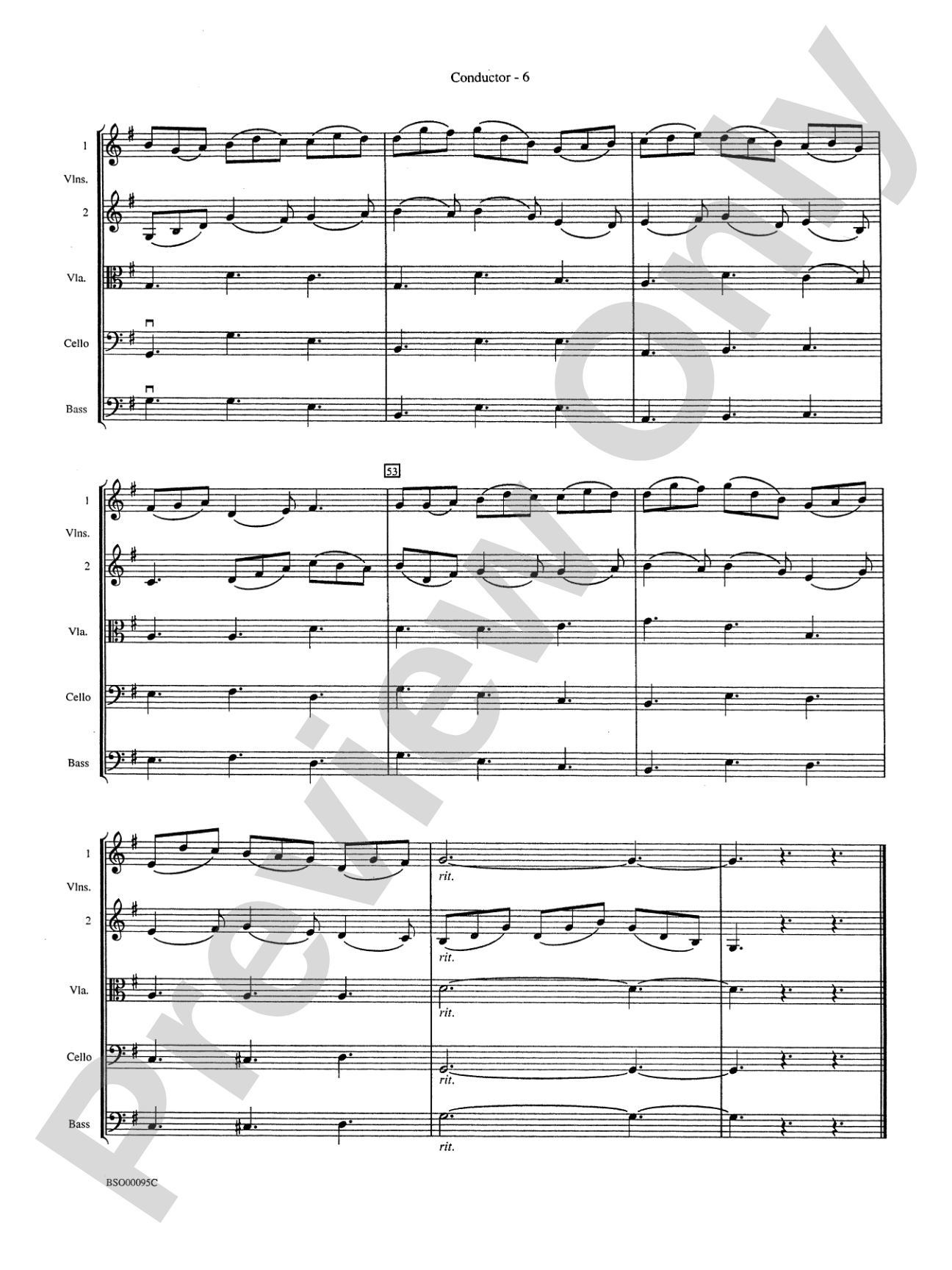


Jesu, Joy of Man's Desiring: String Orchestra Conductor Score & Parts
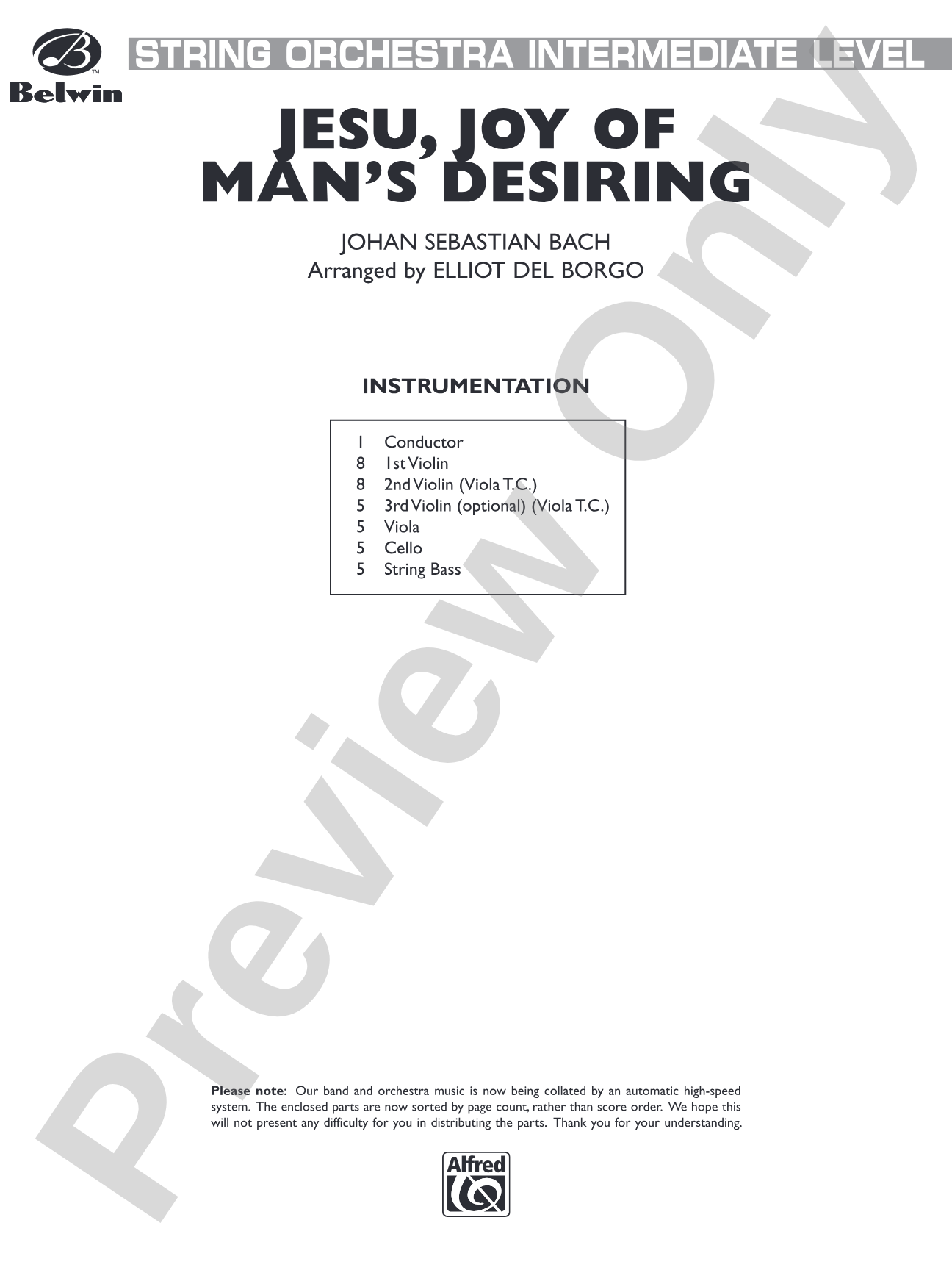
By Johann Sebastian Bach / arr. Elliot Del Borgo
Grade: 3.5
Item: 00-PK-0002272

$56.00
Pickup currently not available
Buy Extra Parts (Digital PDF Download)
| Product | Price | Quantity |
|---|---|---|
| Jesu, Joy of Man's Desiring: Score | $7.00 | |
| Jesu, Joy of Man's Desiring: 1st Violin | $5.99 | |
| Jesu, Joy of Man's Desiring: 2nd Violin | $5.99 | |
| Jesu, Joy of Man's Desiring: 3rd Violin (Viola [TC]) | $5.99 | |
| Jesu, Joy of Man's Desiring: Viola | $5.99 | |
| Jesu, Joy of Man's Desiring: Cello | $5.99 | |
| Jesu, Joy of Man's Desiring: String Bass | $5.99 |
Parts Added to Cart!
Description
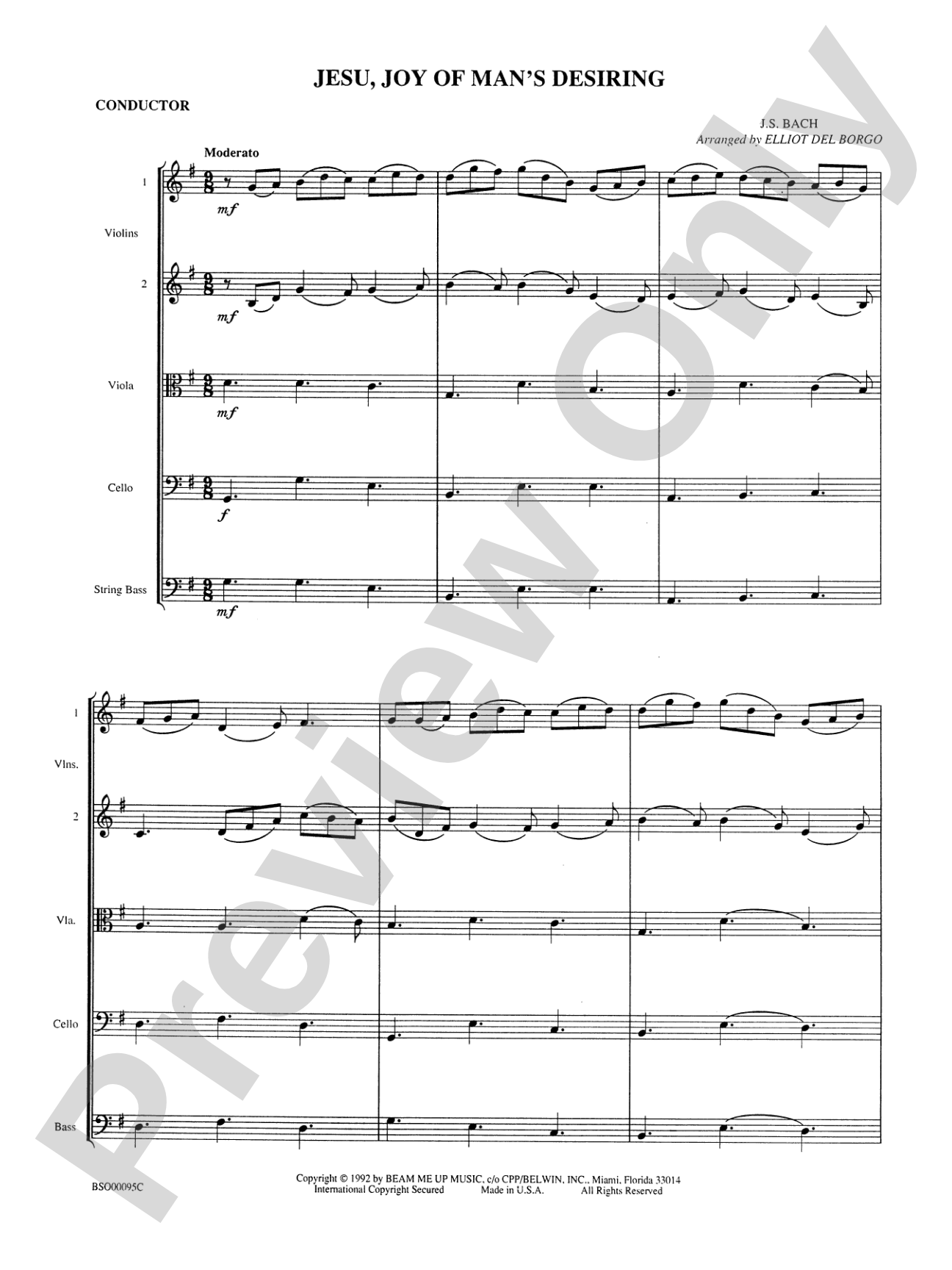
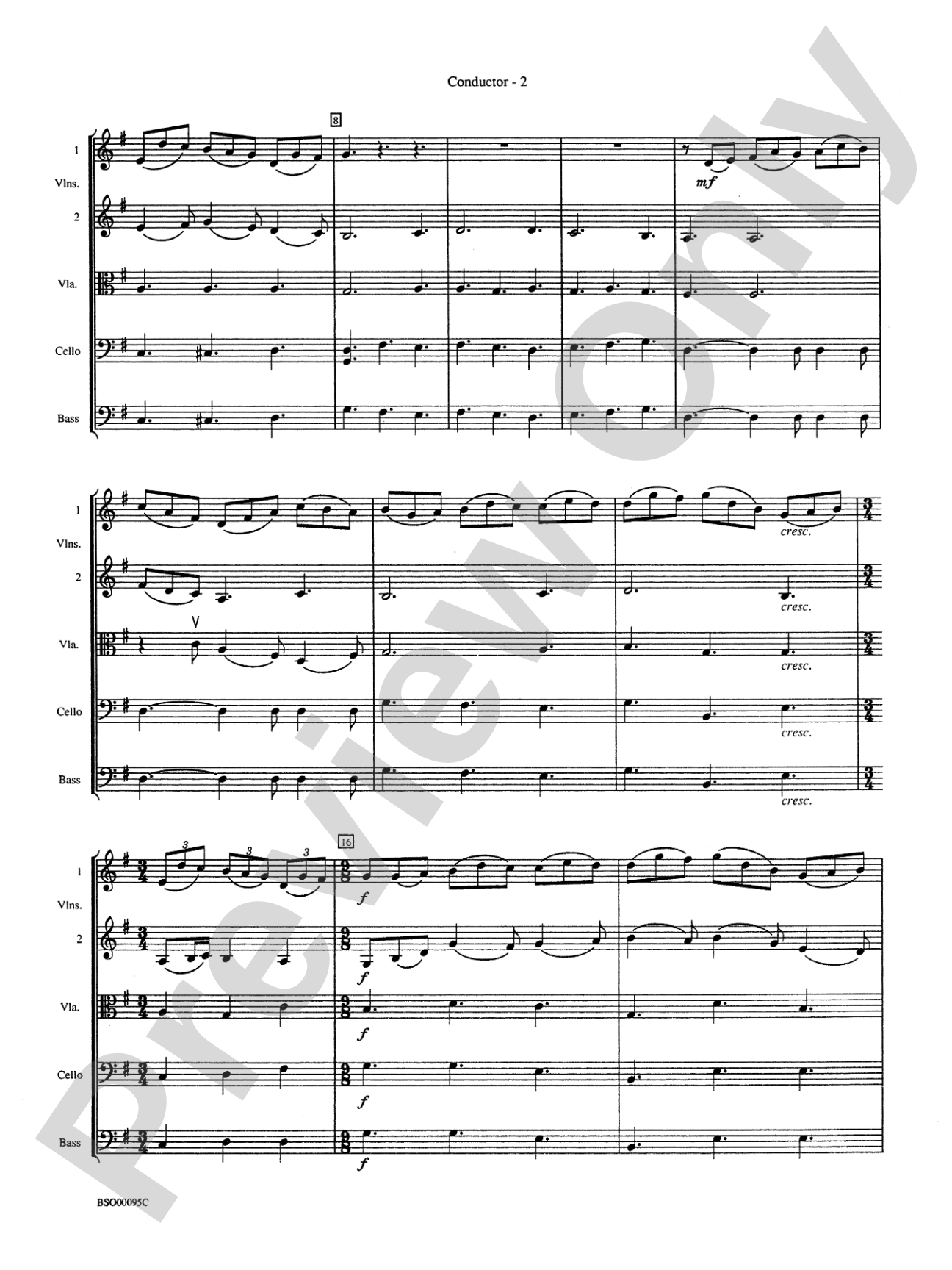
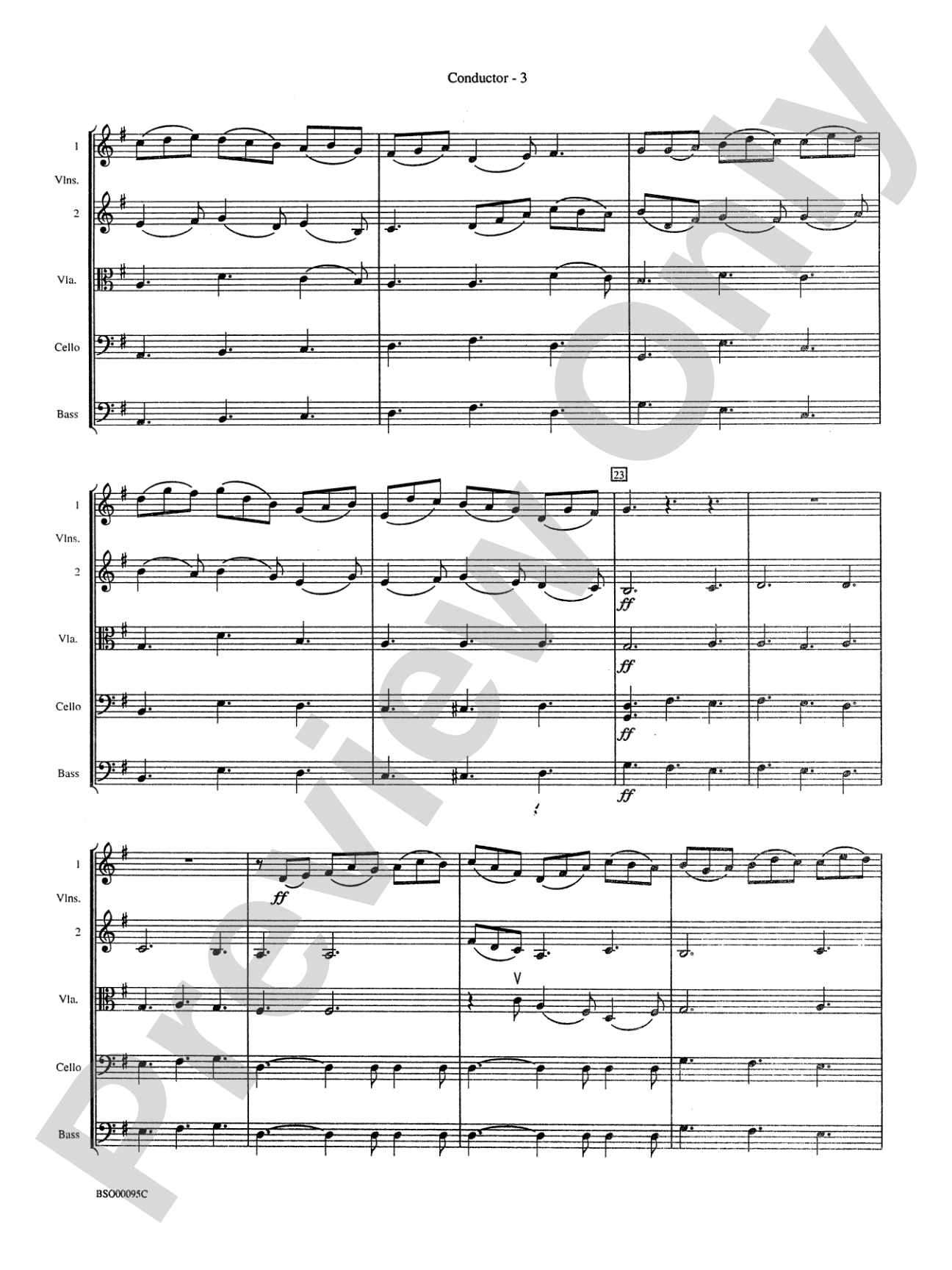
J. S. Bach's familiar organ piece in a new arrangement for young string orchestra. A tasteful setting of a piece that every young musician should know.


Don't just read it, hear it, play along with it, and watch your students grow with it. In MakeMusic Cloud, Jesu, Joy of Man's Desiring: String Orchestra Conductor Score & Parts comes alive with professional accompaniment, adjustable tempo, and built-in practice tools that turn solo practice into real progress.
Open in the Player
Jump straight in and assign it today.
Start Your Free Trial
Open this title and explore the full library in minutes.
Sample Audio
No sample audio found.
Sample Video
No sample videos found.
Additional Details
Series:
Belwin Intermediate String Orchestra
Publisher:
Alfred Music
Page Count:
112
SKU:
00-PK-0002272
More about this title
About the Composer: Johann Sebastian Bach
Johann Sebastian Bach (1685, 1750) shaped Western music so profoundly that musicians still study his work as a foundation for understanding harmony, counterpoint, and structural integrity. His output across keyboard, vocal, and instrumental genres established standards that composers reference centuries later. For music educators, Bach represents both technical rigor and expressive depth, proving that intellectual complexity and emotional resonance belong together.
Why we love this
Del Borgo's arrangement respects Bach's original counterpoint while making the piece accessible to developing string players who need exposure to Baroque masterworks. The Grade 3.5 setting lands at that sweet spot where students can handle real musical substance without drowning in technical demands. It's the kind of piece that sounds polished in a concert and gives young musicians genuine pride in what they're capable of playing.
What to expect
Serene and luminous, with the quality of light streaming through stained glass. The gentle architecture of Bach's counterpoint creates a sense of inevitability, each voice following its path with quiet purpose while the whole combines into something greater than the sum of its parts.
Who it's for
String orchestras at the intermediate level who are ready for standard repertoire but need arrangements tailored to their technical range. Directors programming concert seasons or festival rotations will find this both recognizable and rewarding for their ensemble's development.
How to get the most out of it
- Shape the melodic line with subtle dynamic swells; resist the urge to let it sit at one volume. Bach's voice leading tells you where the music wants to breathe.
- Balance your first violin carefully against the inner voices. This isn't a piece where the top line should dominate; the harmony is doing important work.
- Keep the tempo steady and deliberate. A light touch with the bow prevents the familiar tune from becoming syrupy or sentimental.
- Use articulation to clarify the pulse without rigidity. Light separation between notes helps the counterpoint emerge naturally.
How to use it
This works beautifully as an opener or closer to establish a contemplative mood for a concert. Pair it with other Baroque or sacred works to build a thematic program, or use it as a palette cleanser between more dramatic contemporary pieces. Early in the season, it's an excellent vehicle for teaching phrasing and voice independence.
Skills your students will build
- Reading and balancing multiple contrapuntal lines
- Sustaining tone quality across the range of the instrument
- Responding to subtle dynamic shaping and phrasing
- Understanding harmonic function in a Baroque context
- Ensemble intonation in complex chordal textures