Jazz/Rock Voicings for the Contemporary Keyboard Player Sheet Music Preview

Jazz/Rock Voicings for the Contemporary Keyboard Player: Piano

By Dan Haerle, foreword by Jerry Coker

Item: 00-PB-0001080

Digital Download
$9.95
Description
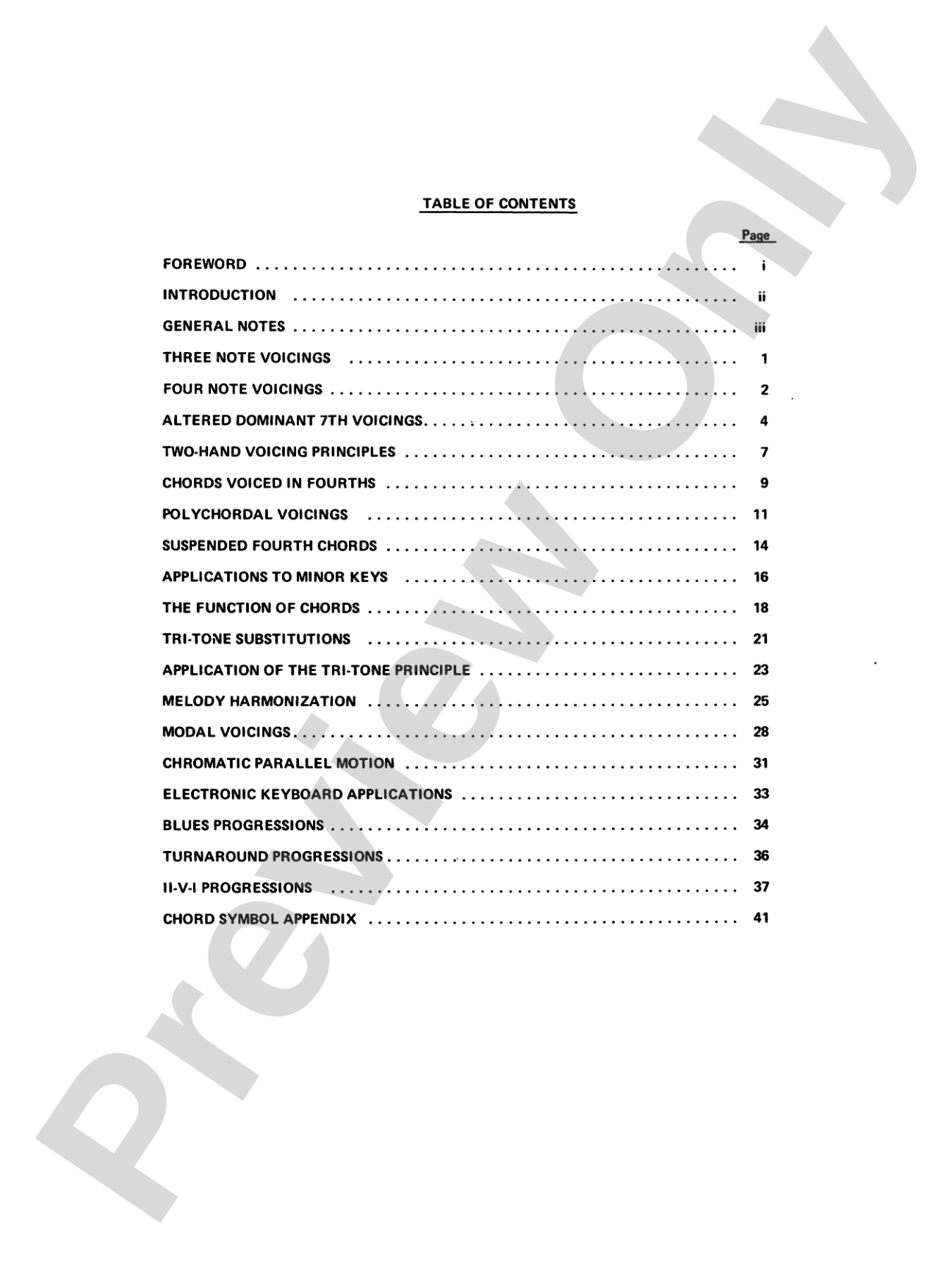
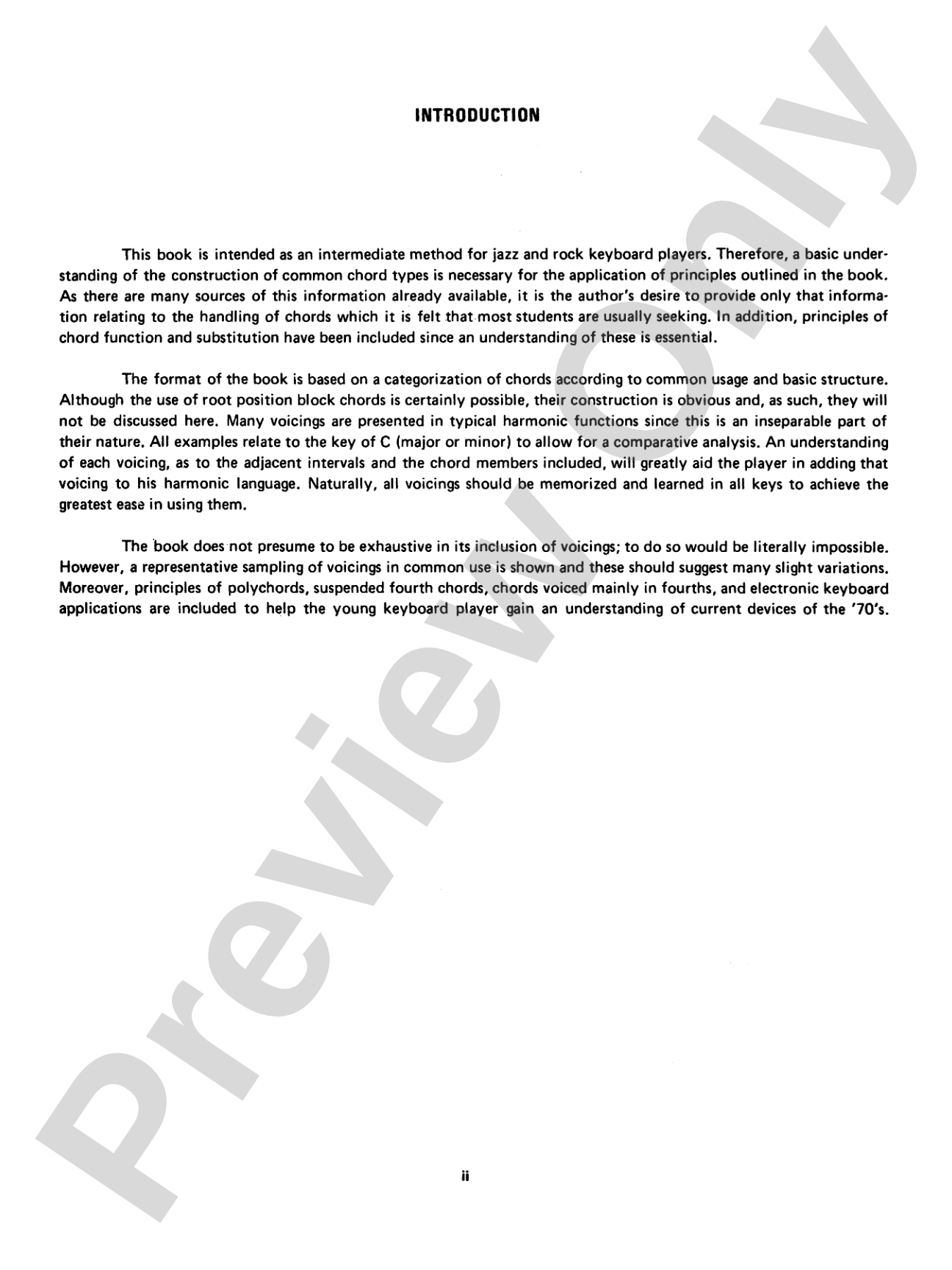
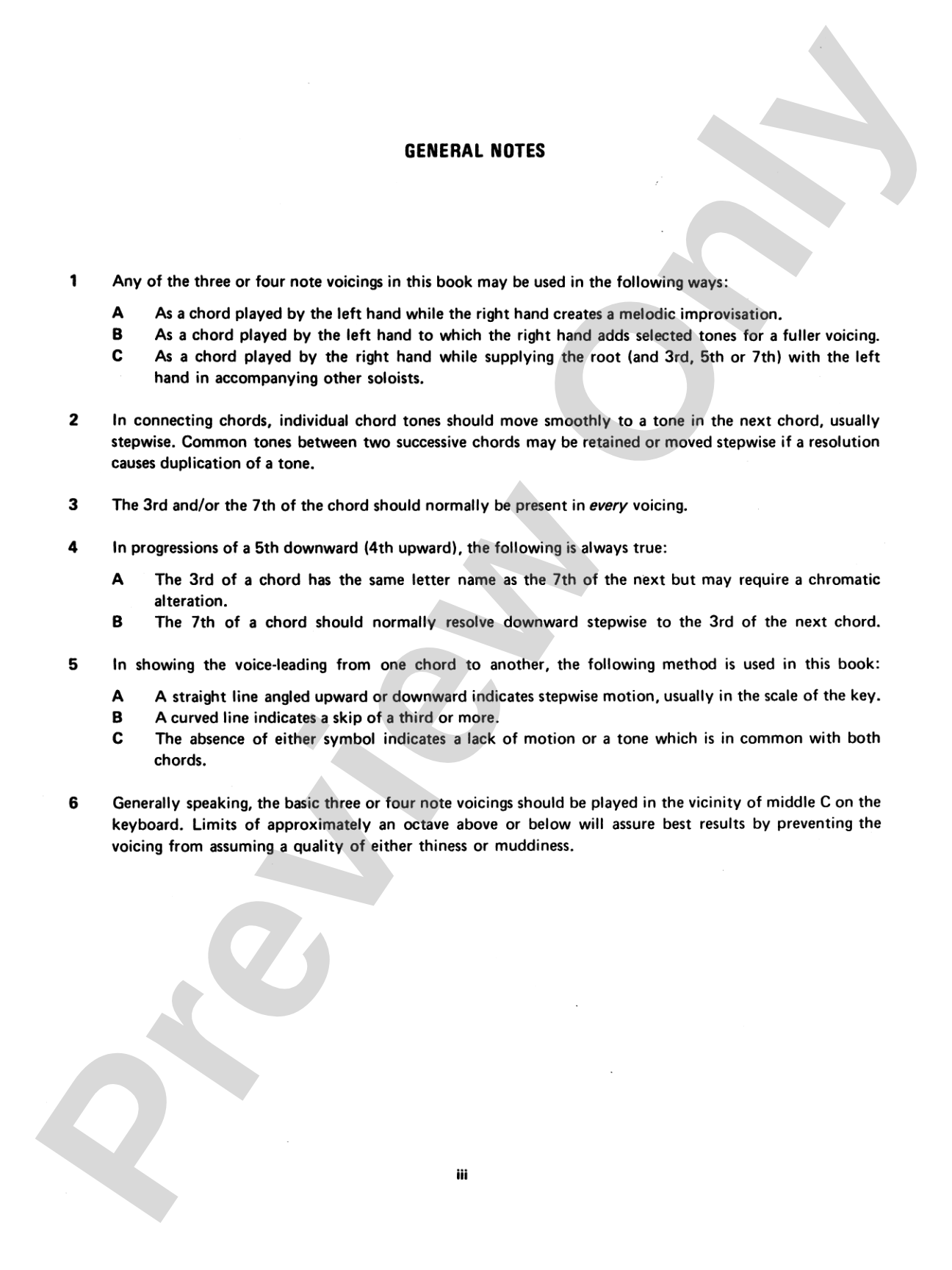
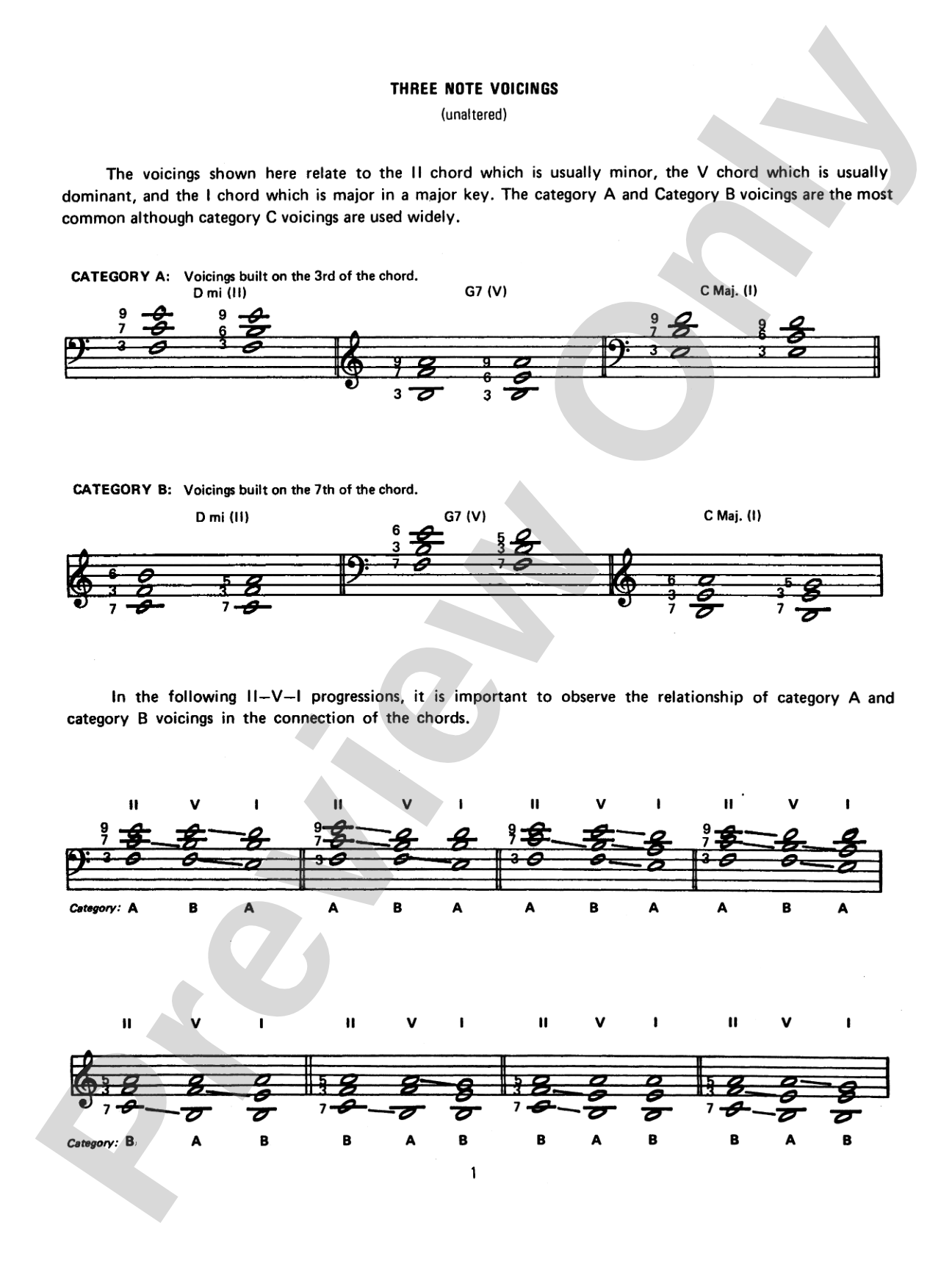
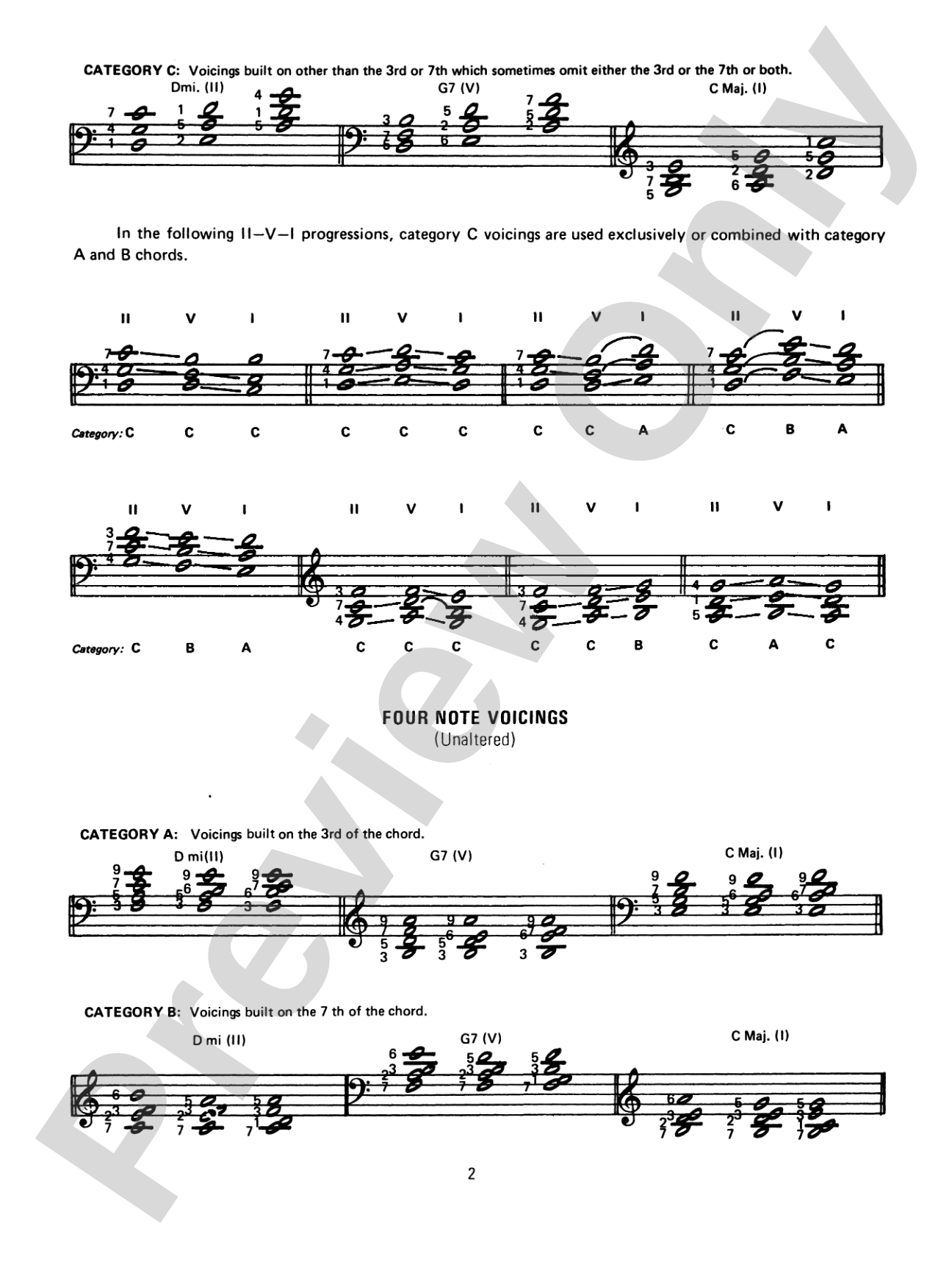
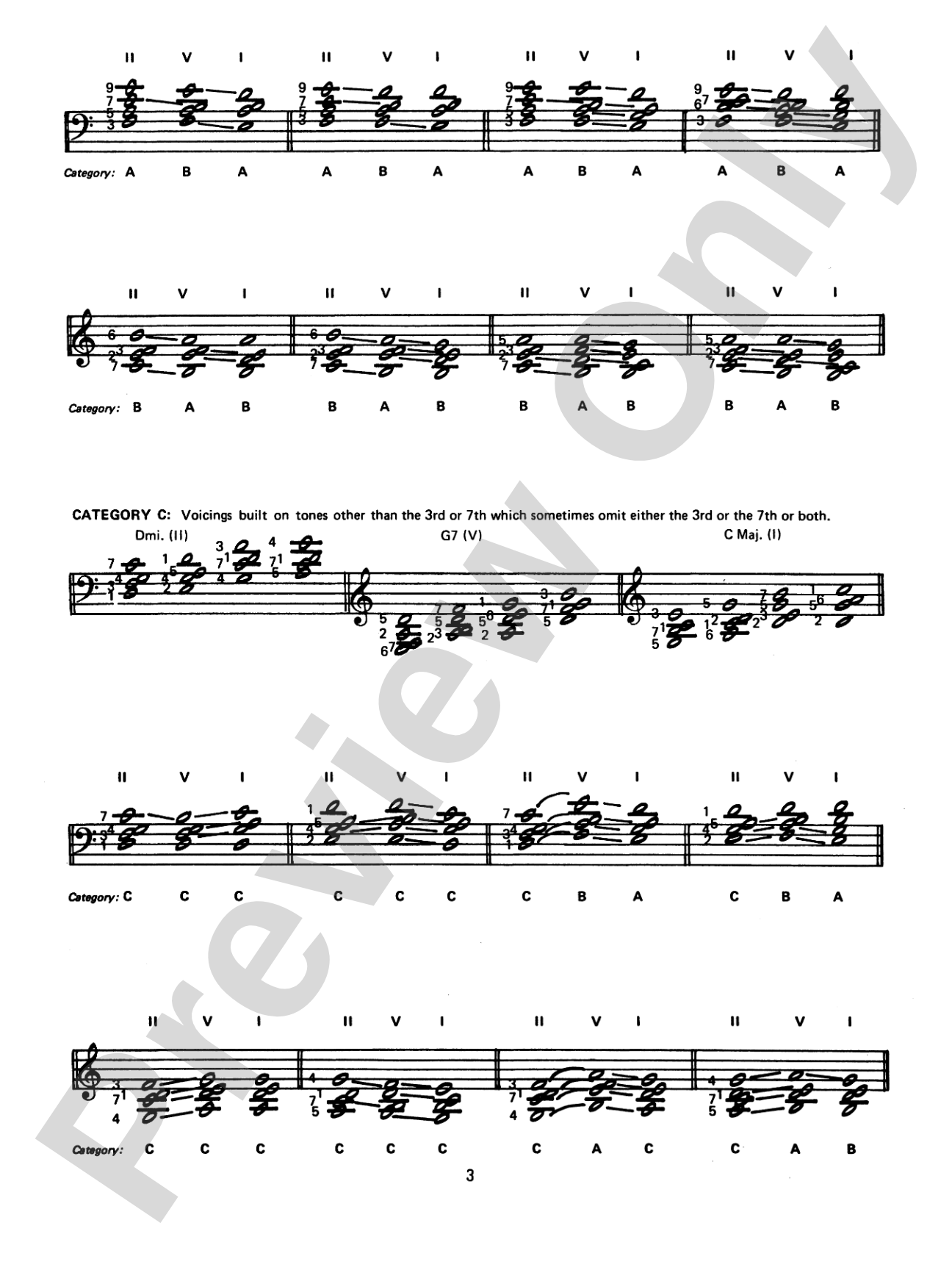
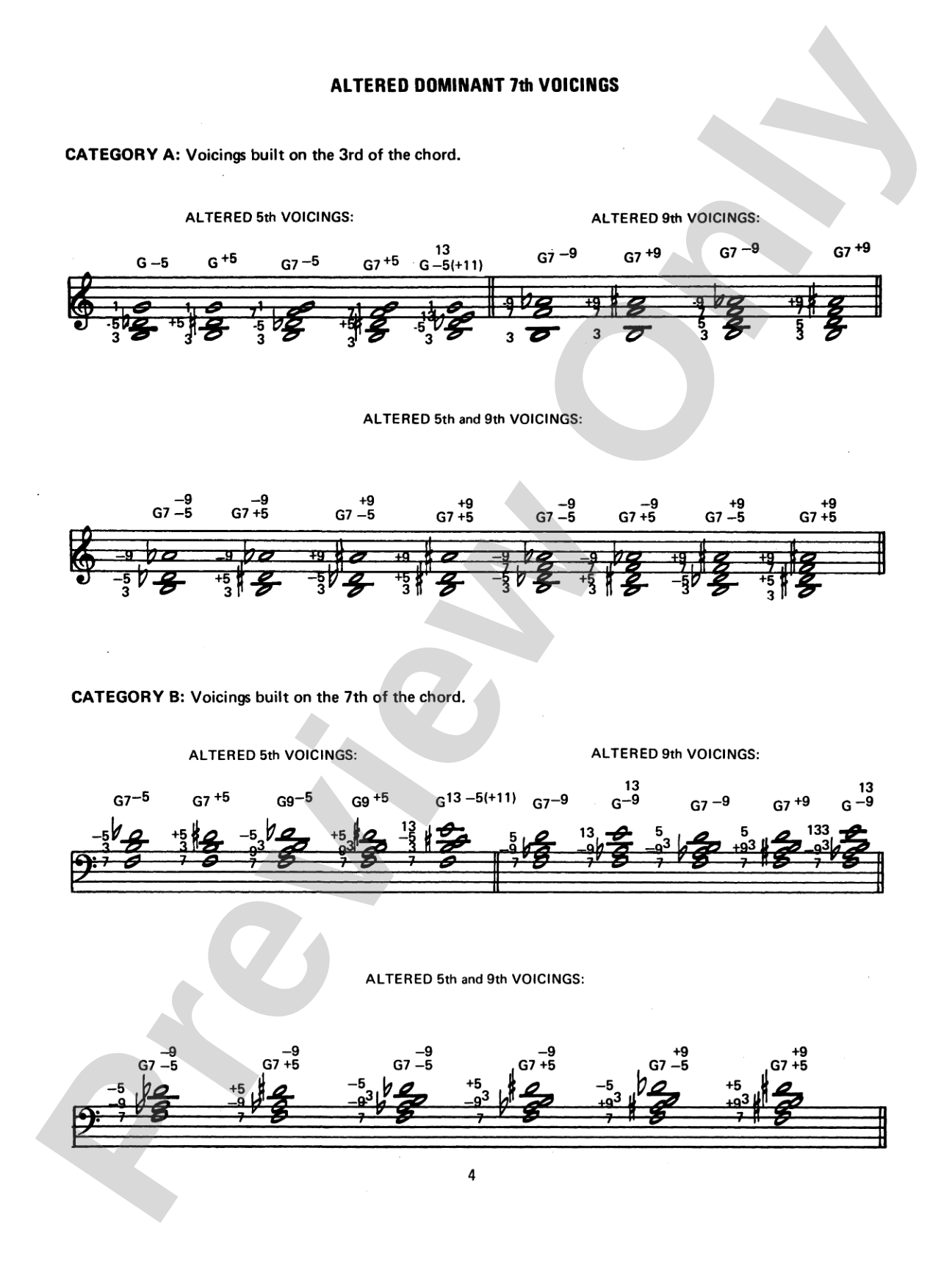
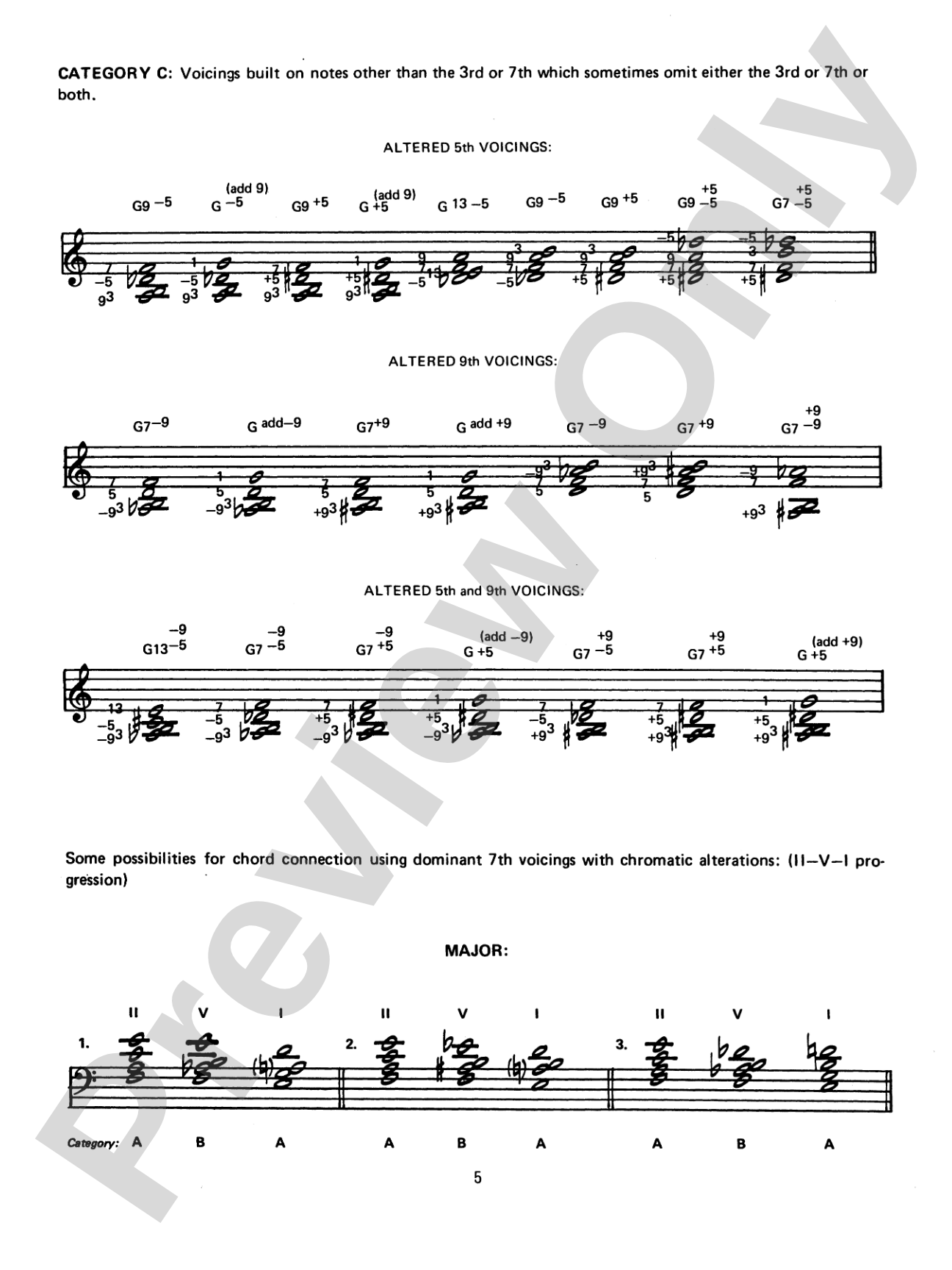
An intermediate method for jazz and rock keyboard players. Prerequisite is the knowledge of common chord types. The book provides information on the application of chords and the principles of chord functions and substitutions.

Jazz/Rock Voicings for the Contemporary Keyboard Player: Piano isn't in MakeMusic Cloud just yet...but it could be. Let us know you'd like to see it, and you'll help shape what comes next. In the meantime, start a free trial and dive into thousands of interactive titles your students can play along with today.

Sample Audio
No sample audio found.
Sample Video
Additional Details
Publisher: Alfred Music
Page Count: 48
SKU: 00-PB-0001080

More about this title

About the Composer: Dan Haerle

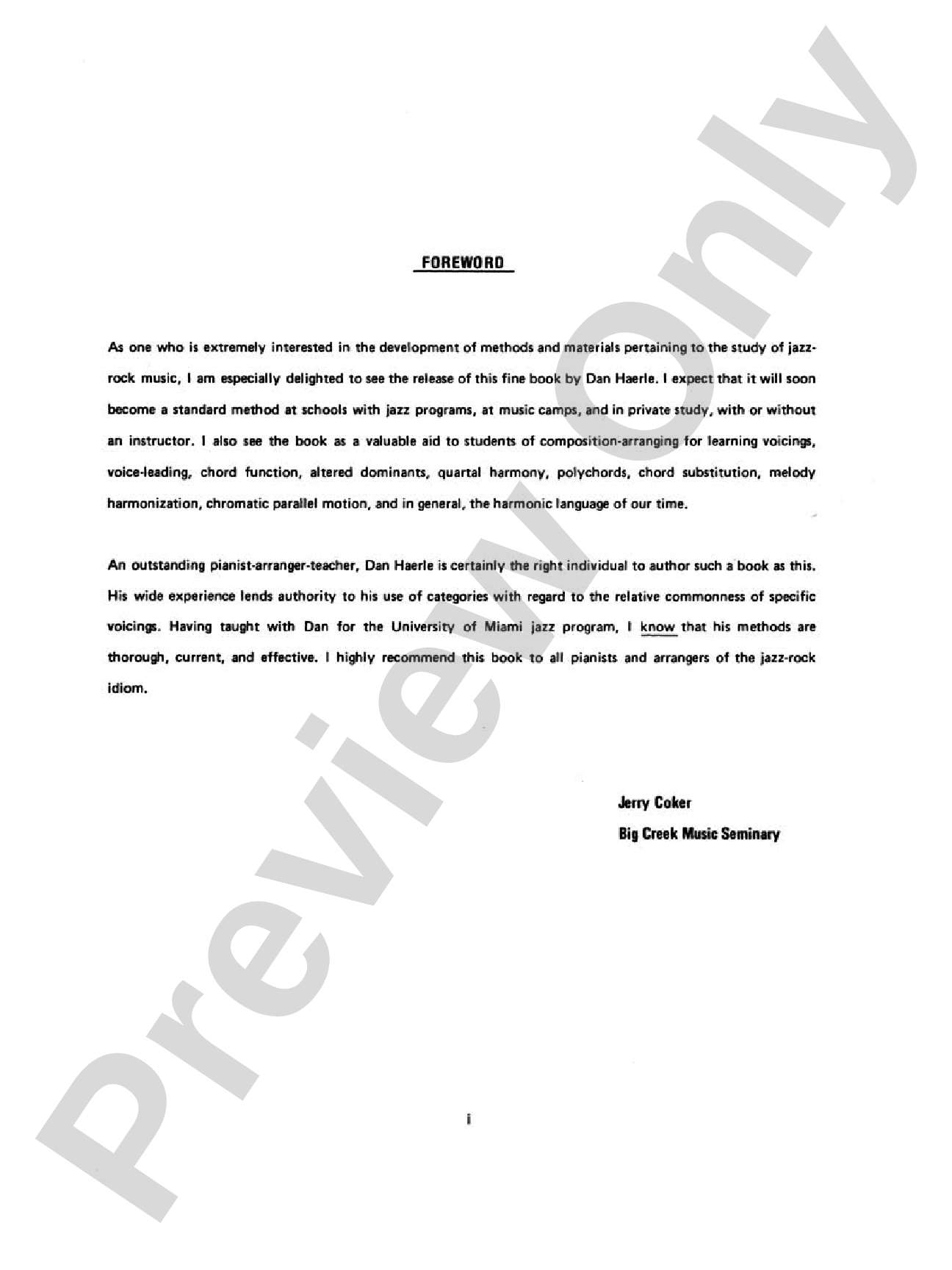
Dan Haerle is a pianist, composer, and educator whose work has shaped jazz keyboard pedagogy for decades. His deep understanding of harmonic language and voicing principles comes from both performance experience and a commitment to making complex jazz concepts accessible to intermediate students.

Why we love this

Haerle cuts through the fog that surrounds jazz voicings by grounding every technique in functional harmony. Rather than presenting disconnected chord shapes, he shows how substitutions and voice leading principles work, which means students actually understand why they're voicing chords a certain way instead of just copying fingerings.

What to expect

Working through this material feels like someone is finally explaining the logic behind what you hear great jazz pianists doing. The principles click into place; suddenly, a substitution makes sense not because you memorized it but because you understand its harmonic function.

Who it's for

Intermediate jazz and rock pianists who already know chord types and want to understand the reasoning behind voicing choices rather than simply learning voicings by rote. This book works for students preparing for jazz combos, fusion projects, or session playing where harmonic flexibility matters.

How to get the most out of it

  • Build muscle memory one voicing type at a time. Master triadic voicings across all 12 keys before moving to seventh chords and extensions.
  • Practice substitutions in a real harmonic context (a jazz standard or blues progression) rather than in isolation. The functional relationship matters more than the shape itself.
  • Use the chord function principles to transpose material on the fly. Understanding the relationship between root position and substituted voicings means you can adapt to any key without memorizing separate patterns.
  • Sit with the comping applications. Take a single tune and apply the voicing concepts until the harmonic choices feel intuitive rather than mechanical.

How to use it

Assign this as core study material for any pianist in your jazz ensemble or jazz history course who needs to understand voicing architecture. The 48 pages also work well as supplemental material for a pianist preparing for a jazz combo performance.

Skills your students will build

  • Applying chord functions and substitutions in jazz harmonic contexts
  • Voicing extended and altered chords with clear voice leading
  • Transposing voicing concepts across all 12 keys
  • Comping with harmonic awareness rather than mechanical patterns
  • Understanding the relationship between chord theory and keyboard application

You May Also Like