
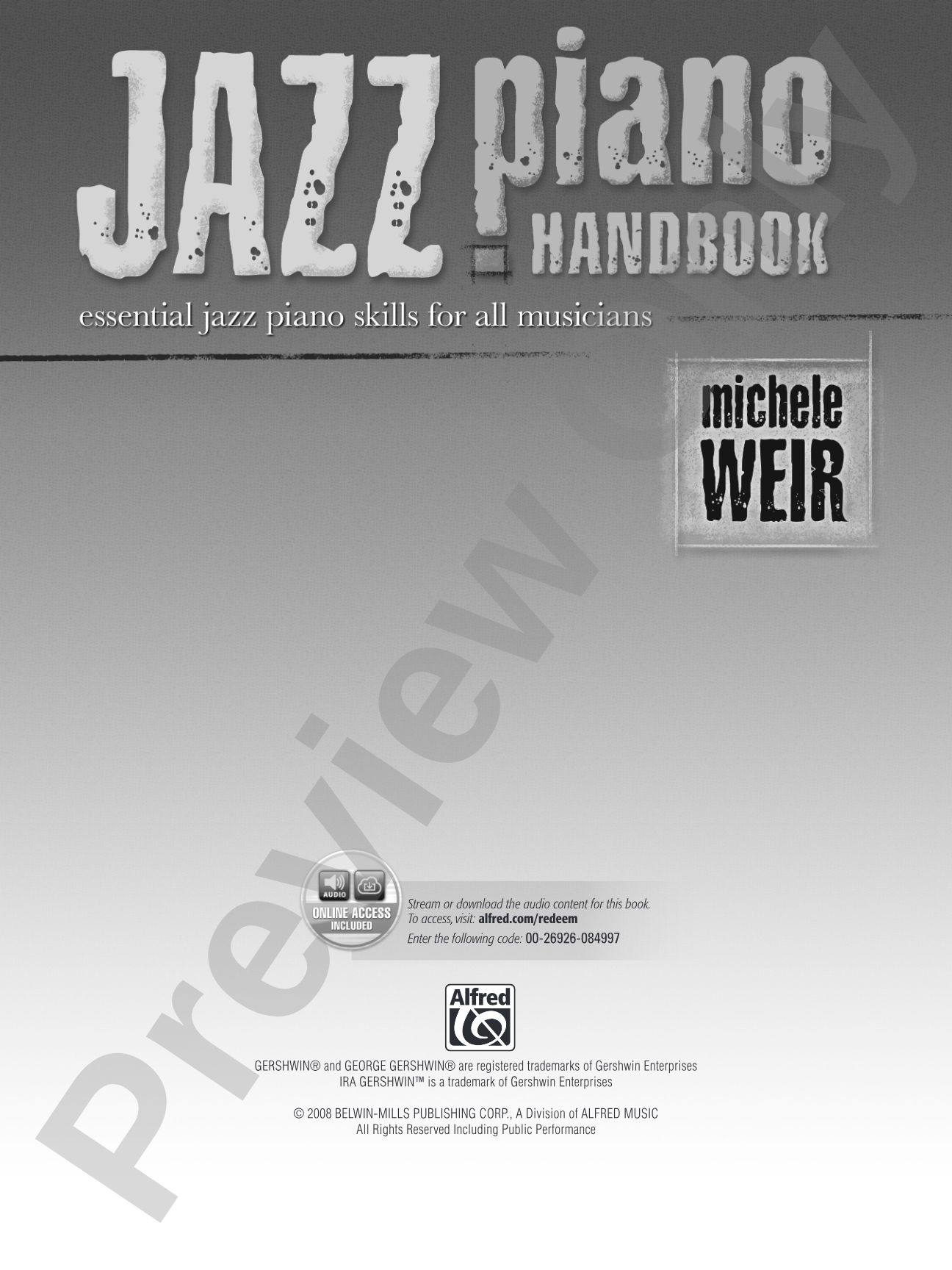


Jazz Piano Handbook: Essential Jazz Piano Skills for All Musicians: Piano
Essential Jazz Piano Skills for All Musicians
By Michele Weir
Item: 00-PB-0001812
$24.99
Pickup currently not available
Related Items
Jazz Piano Handbook: Keyboard/Piano Book & Online Audio |
$24.99
|
View |
Description
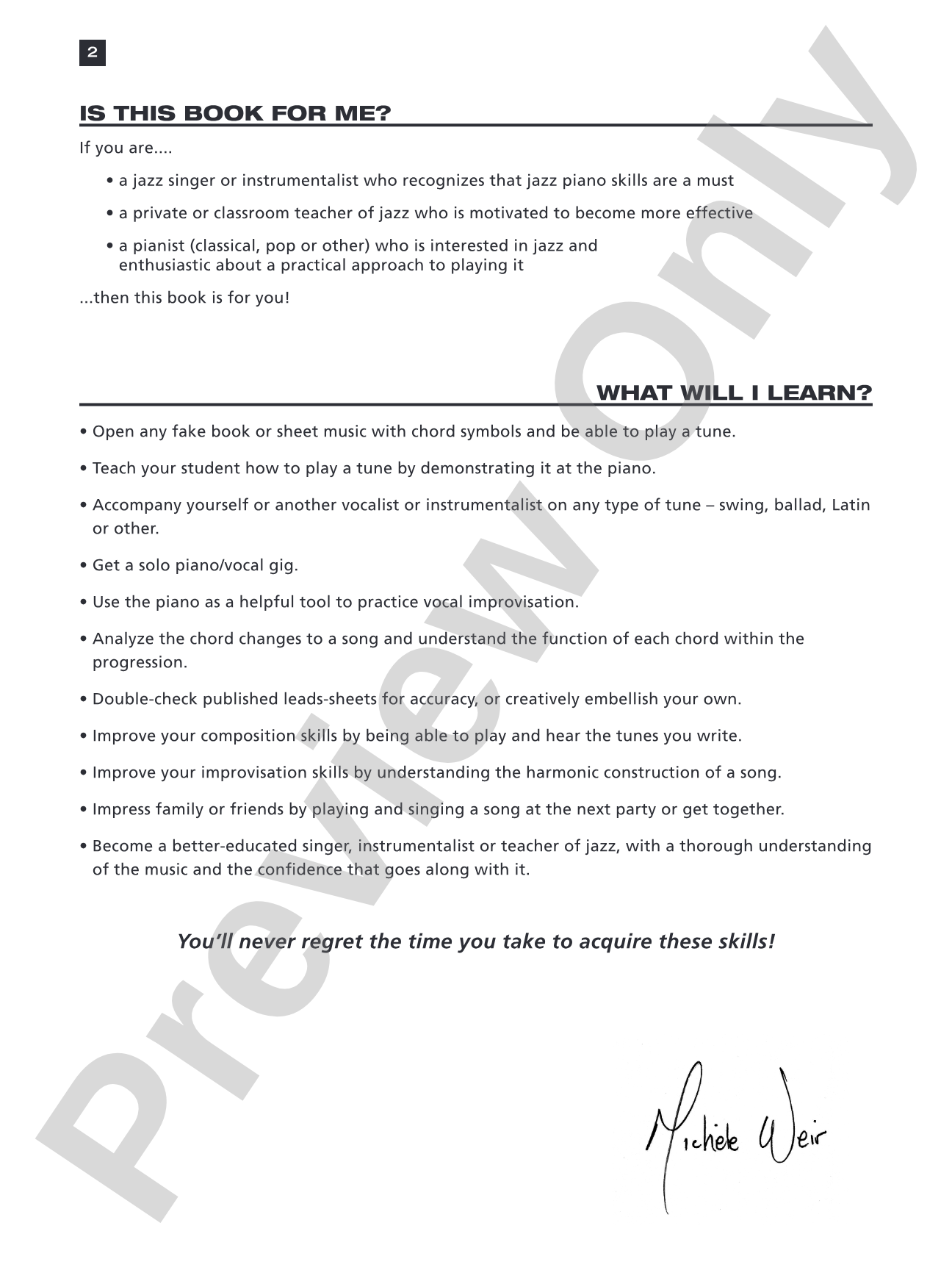
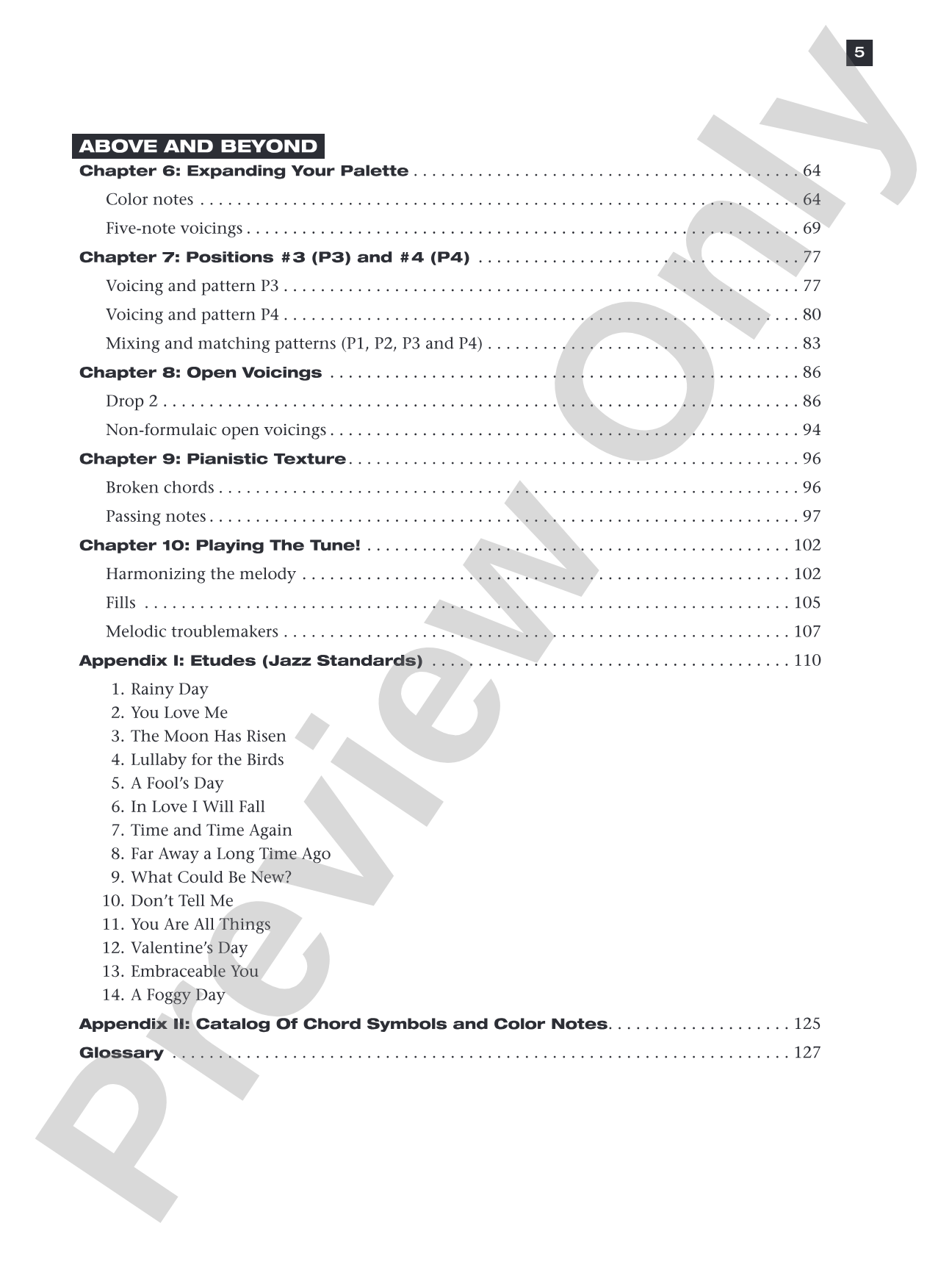
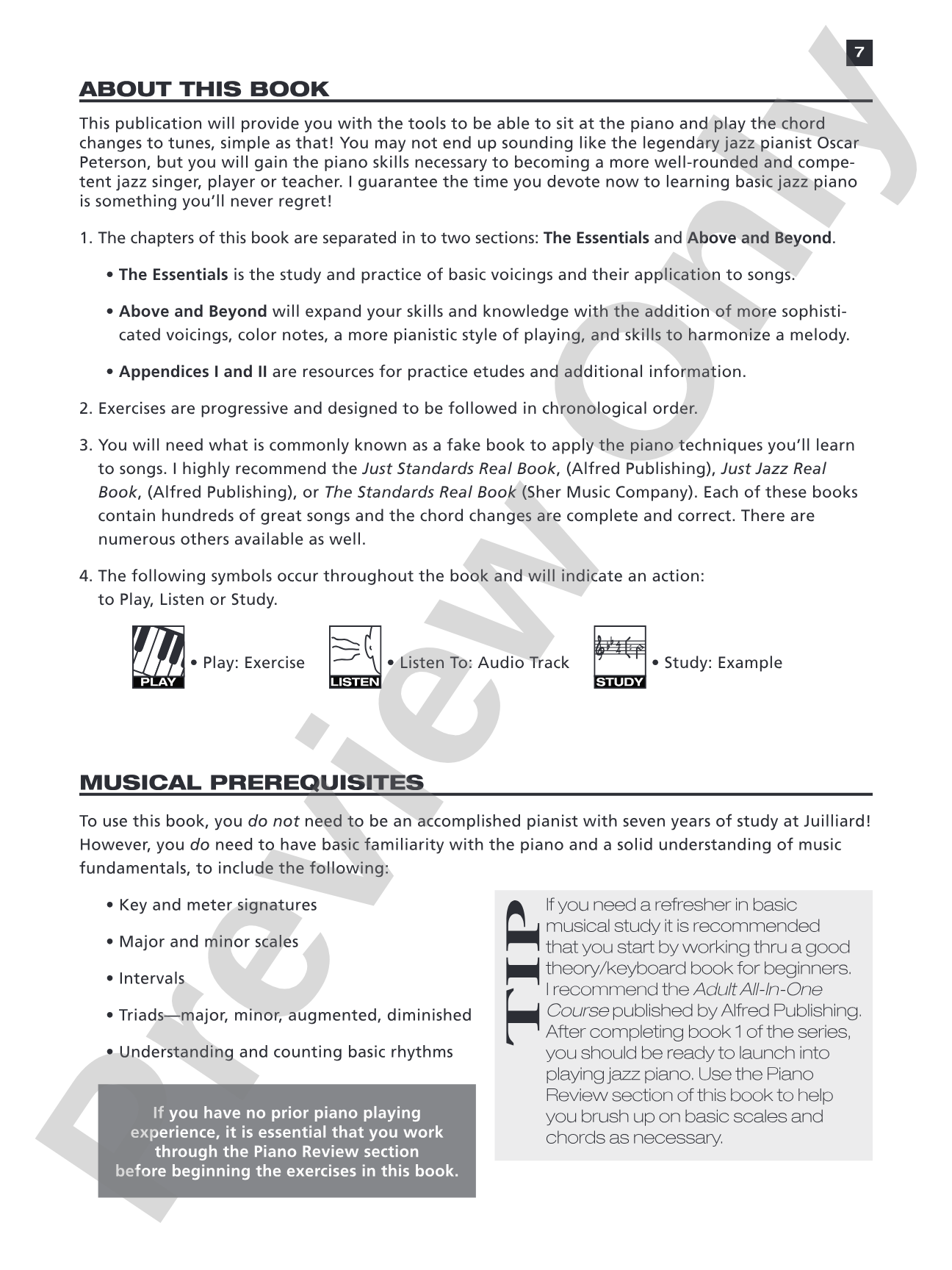
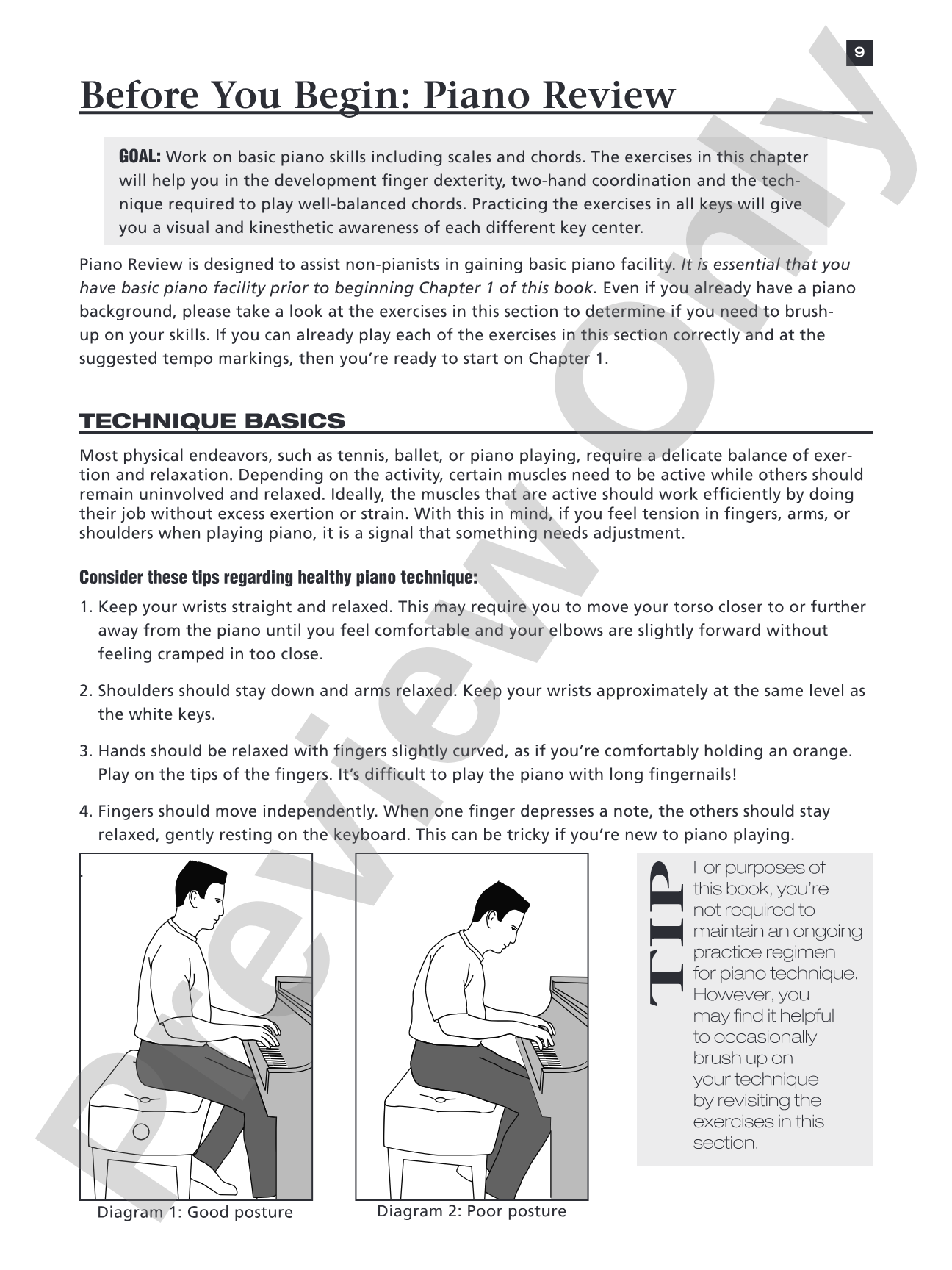
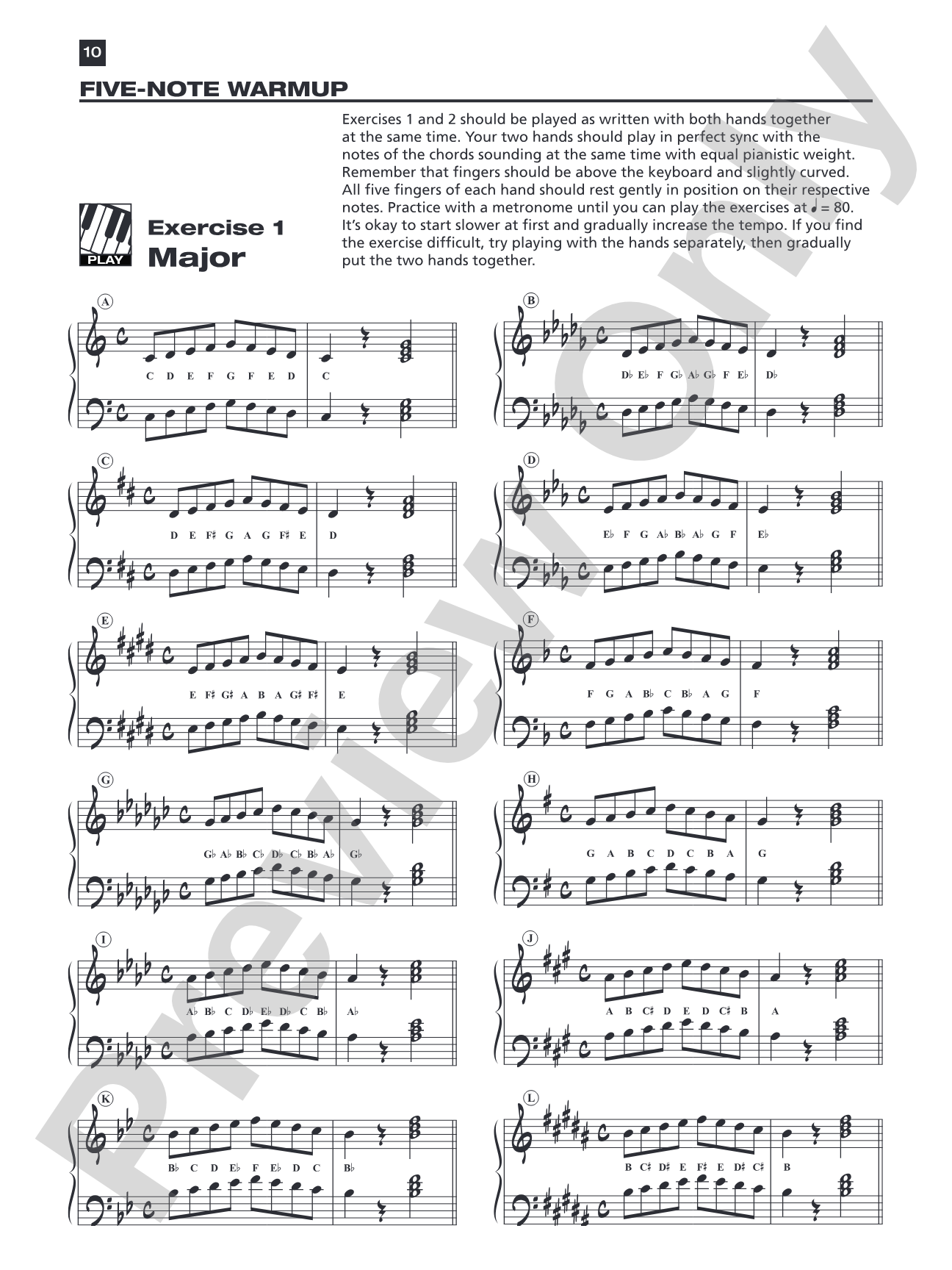
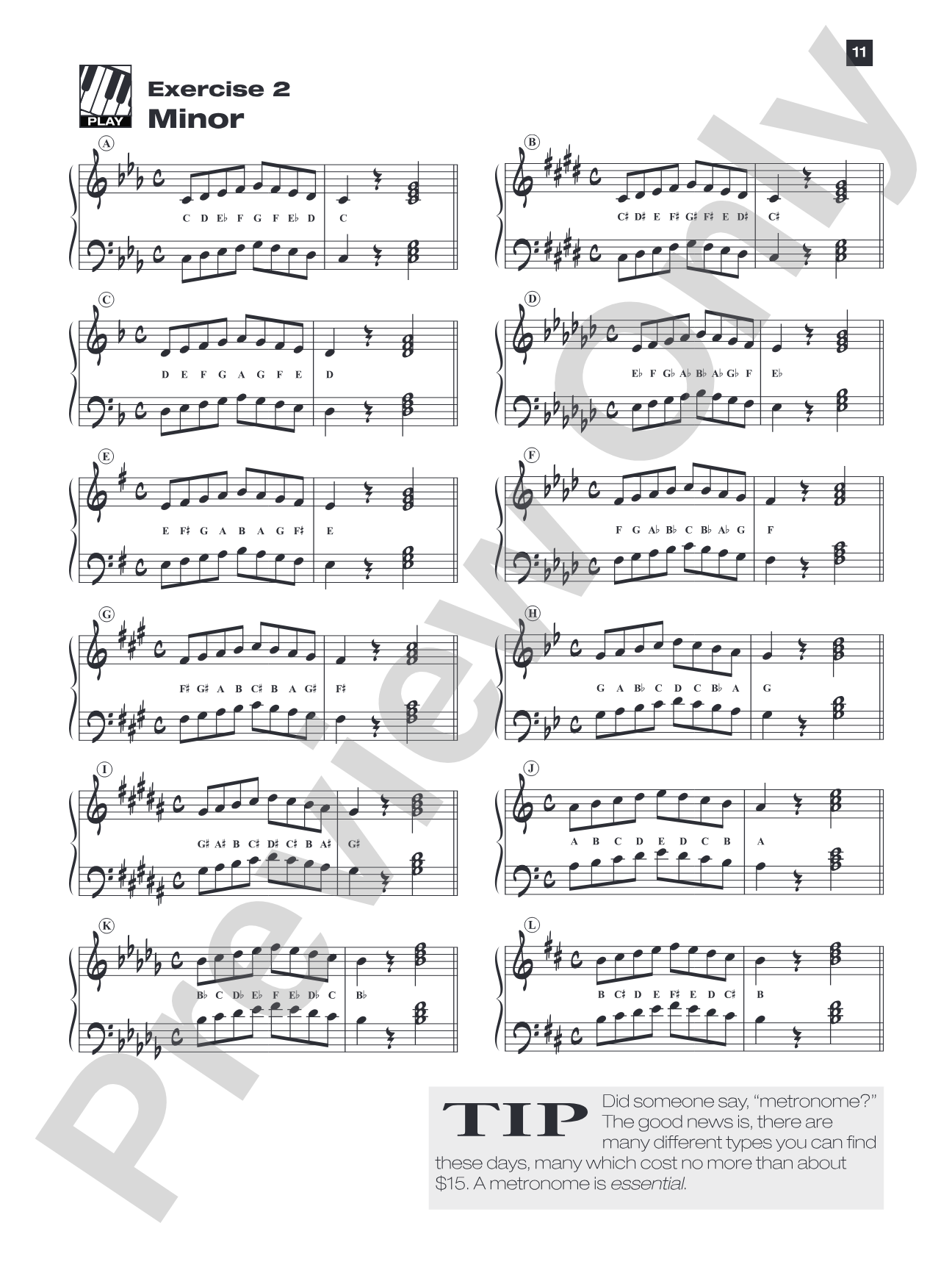
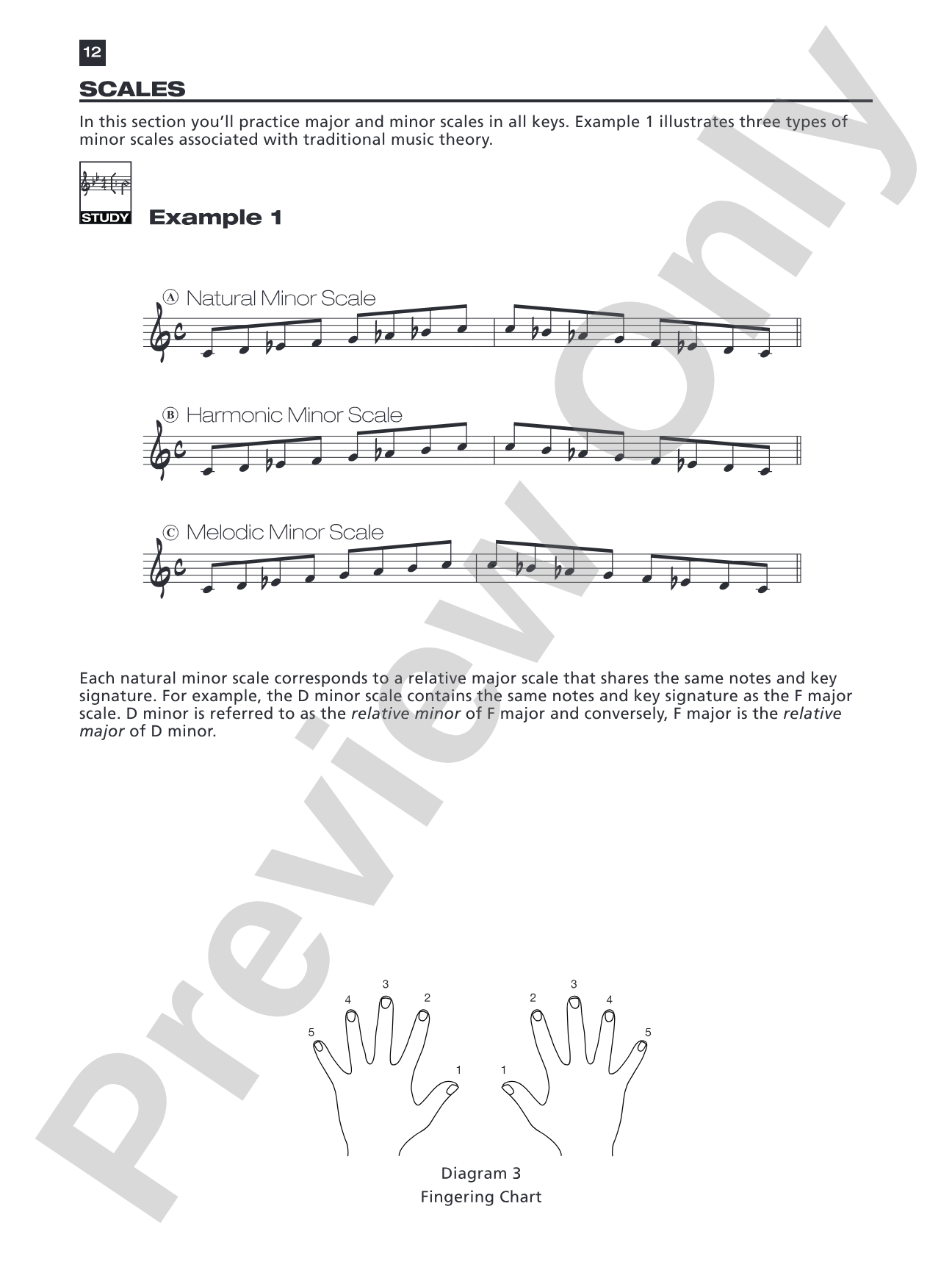
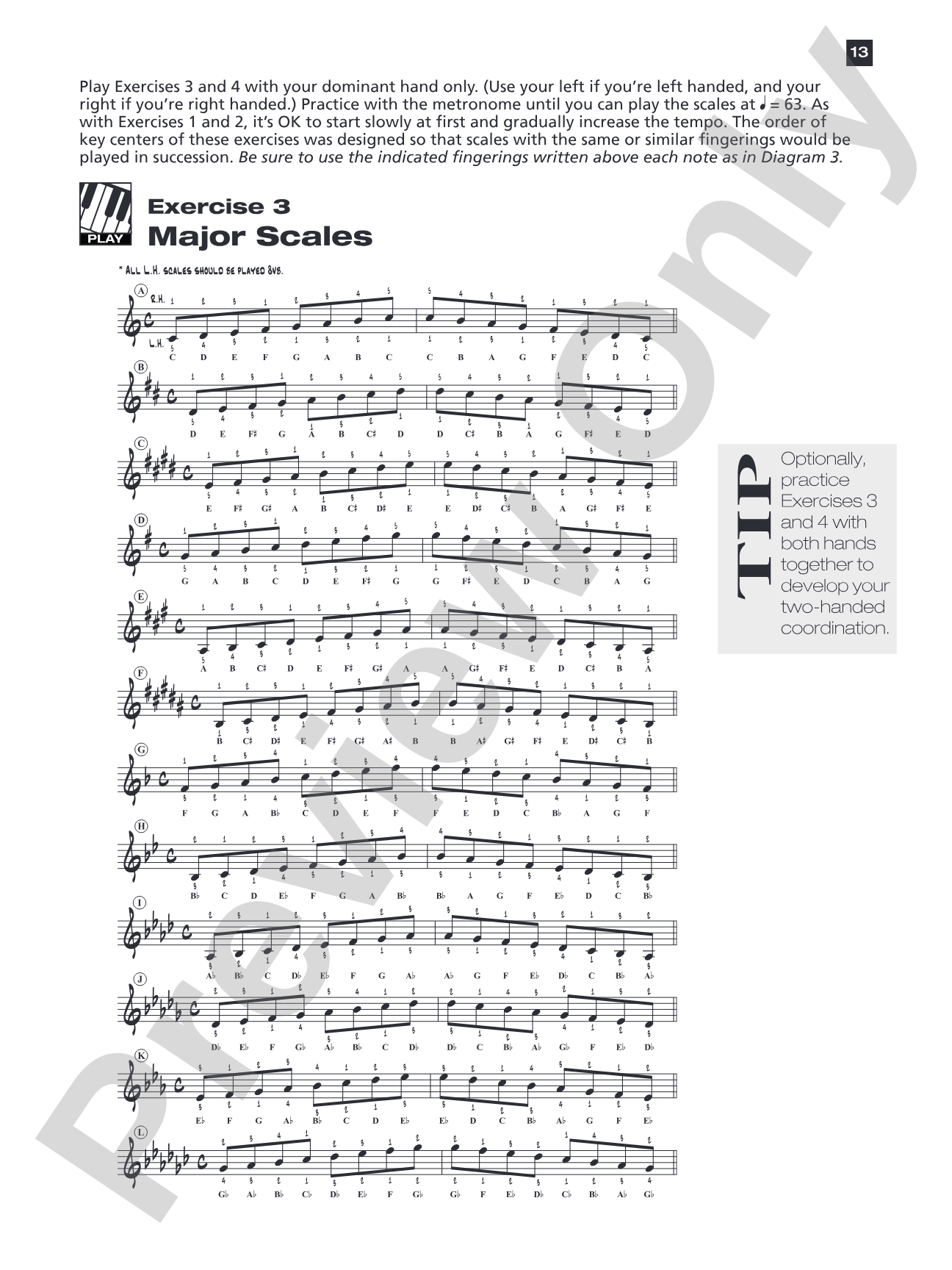
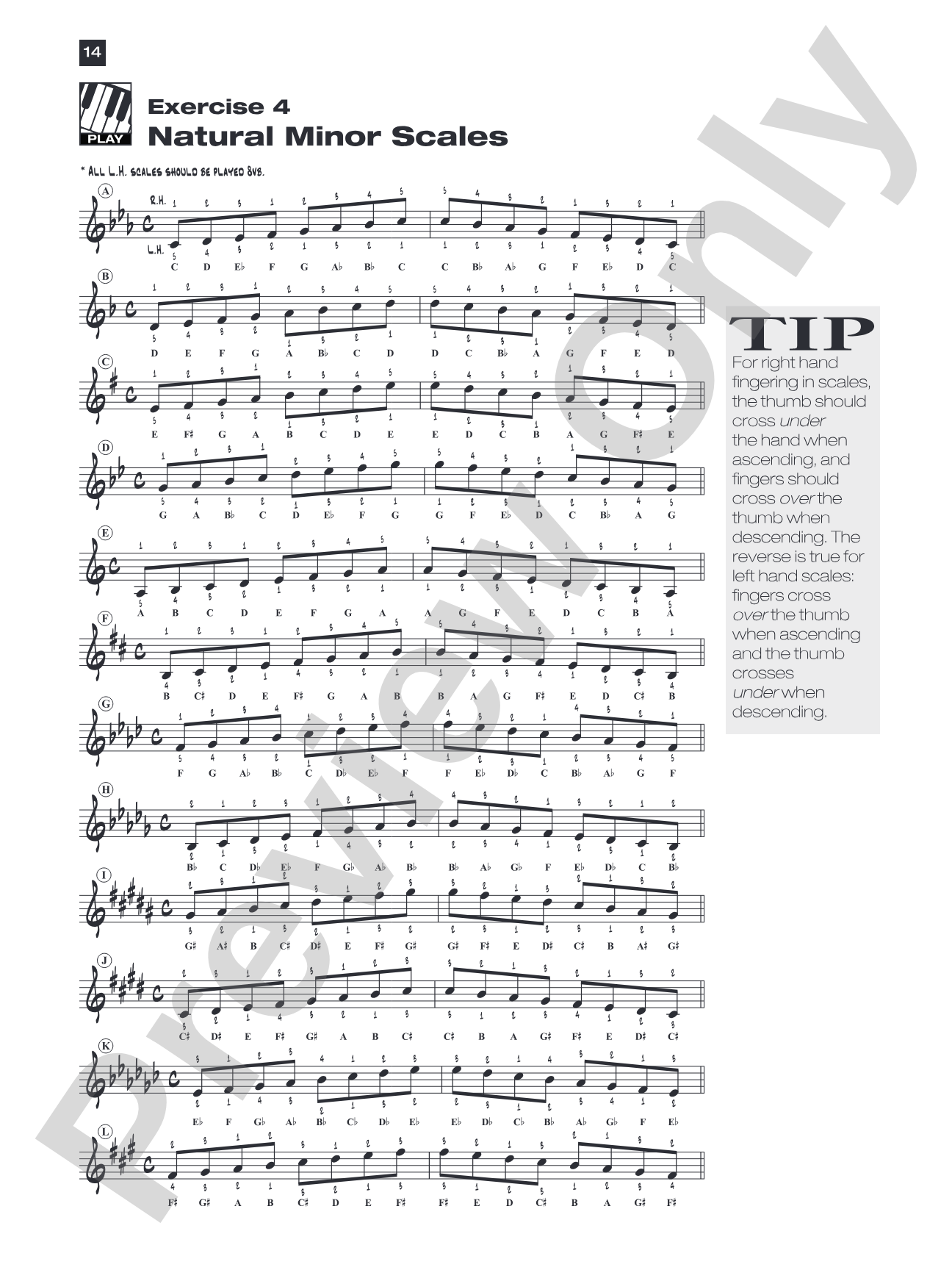
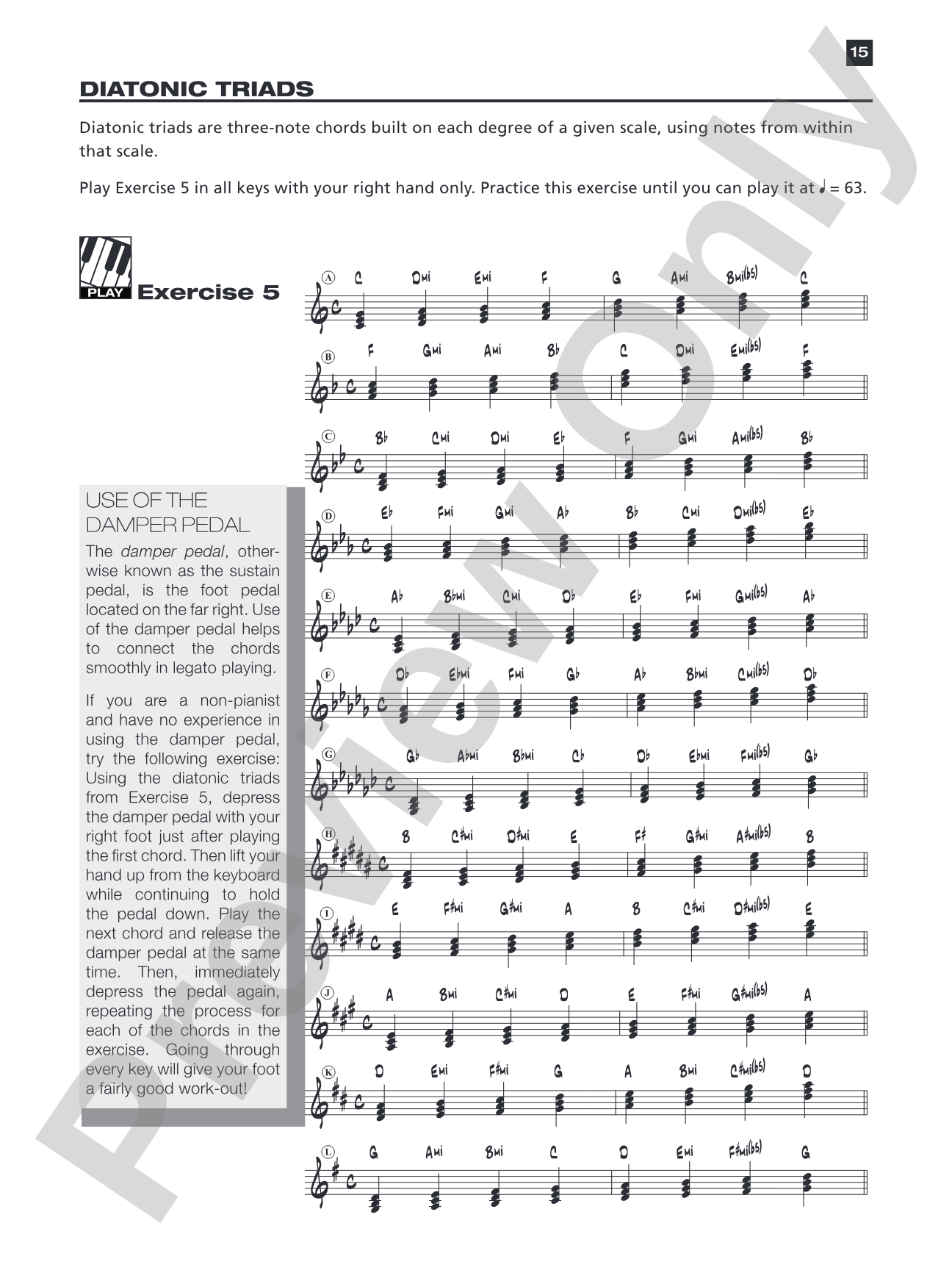
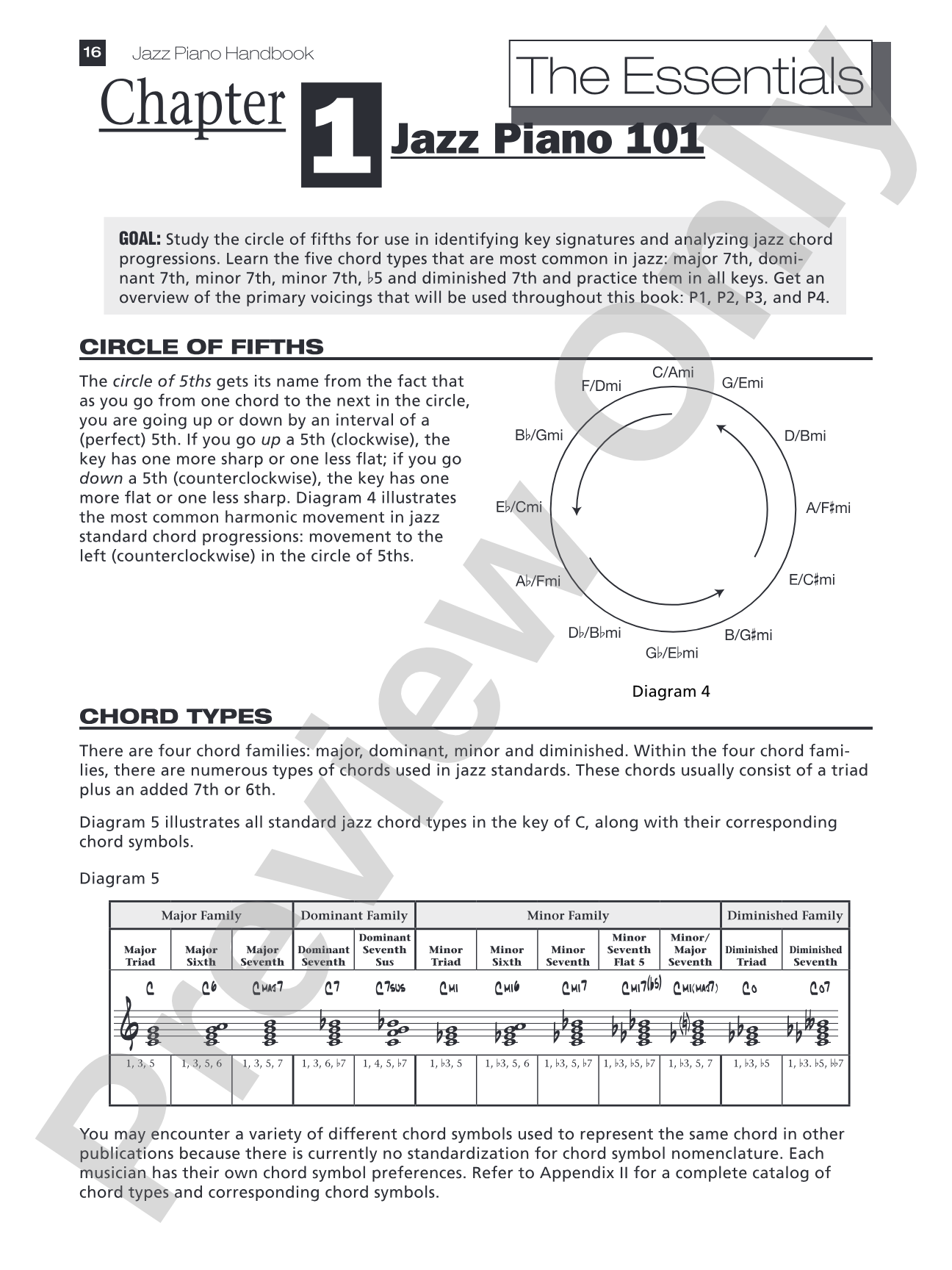
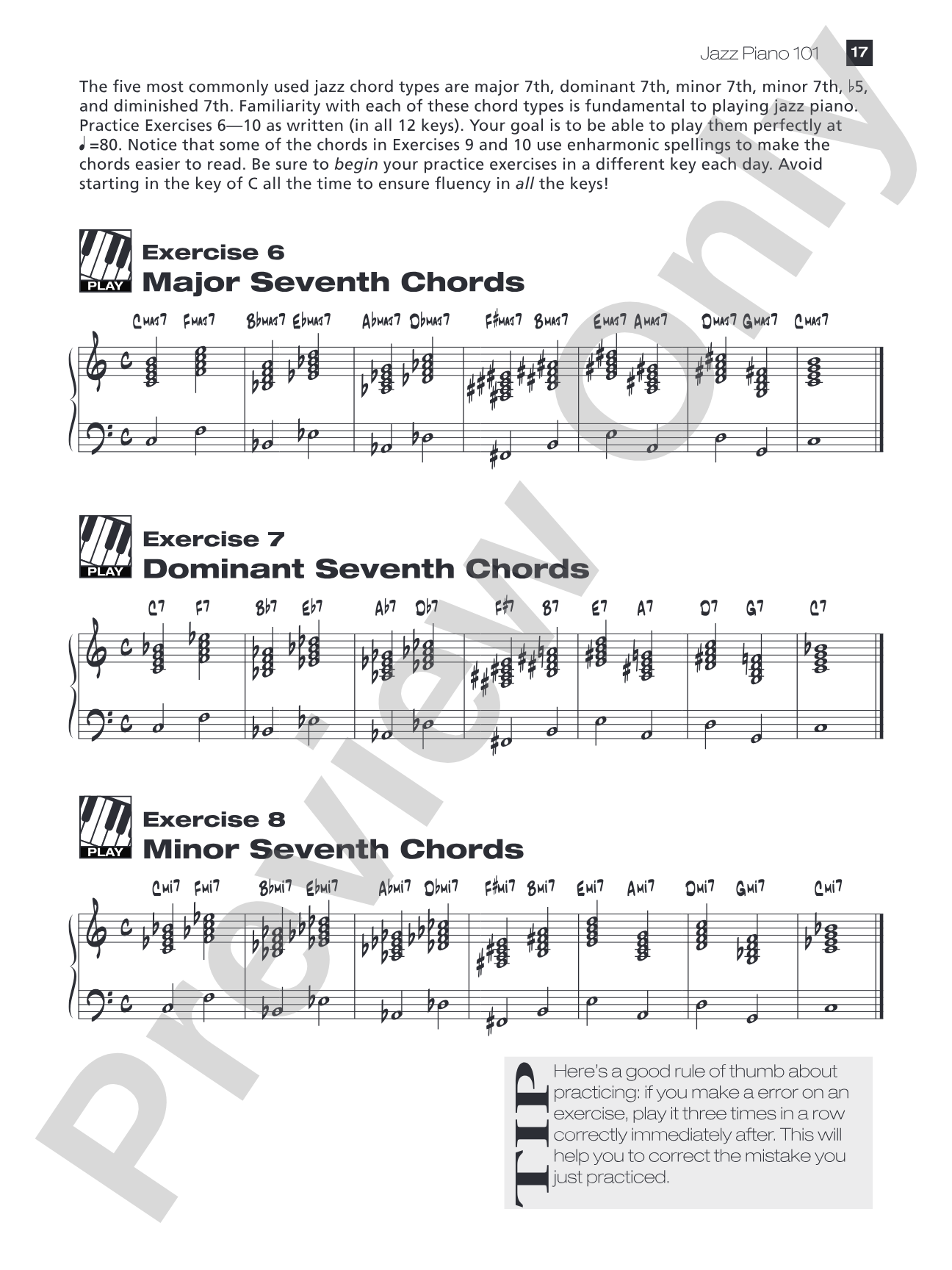
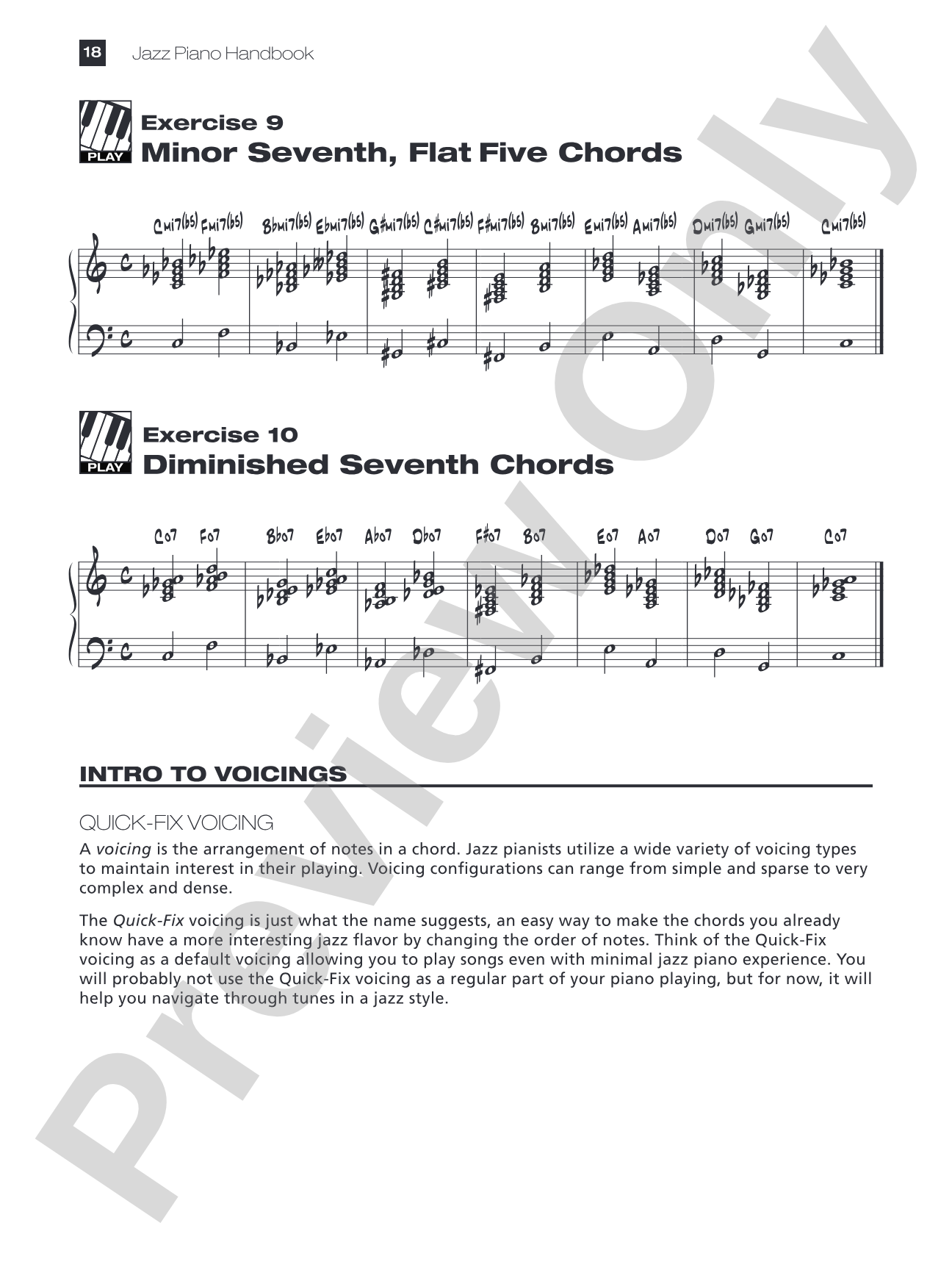
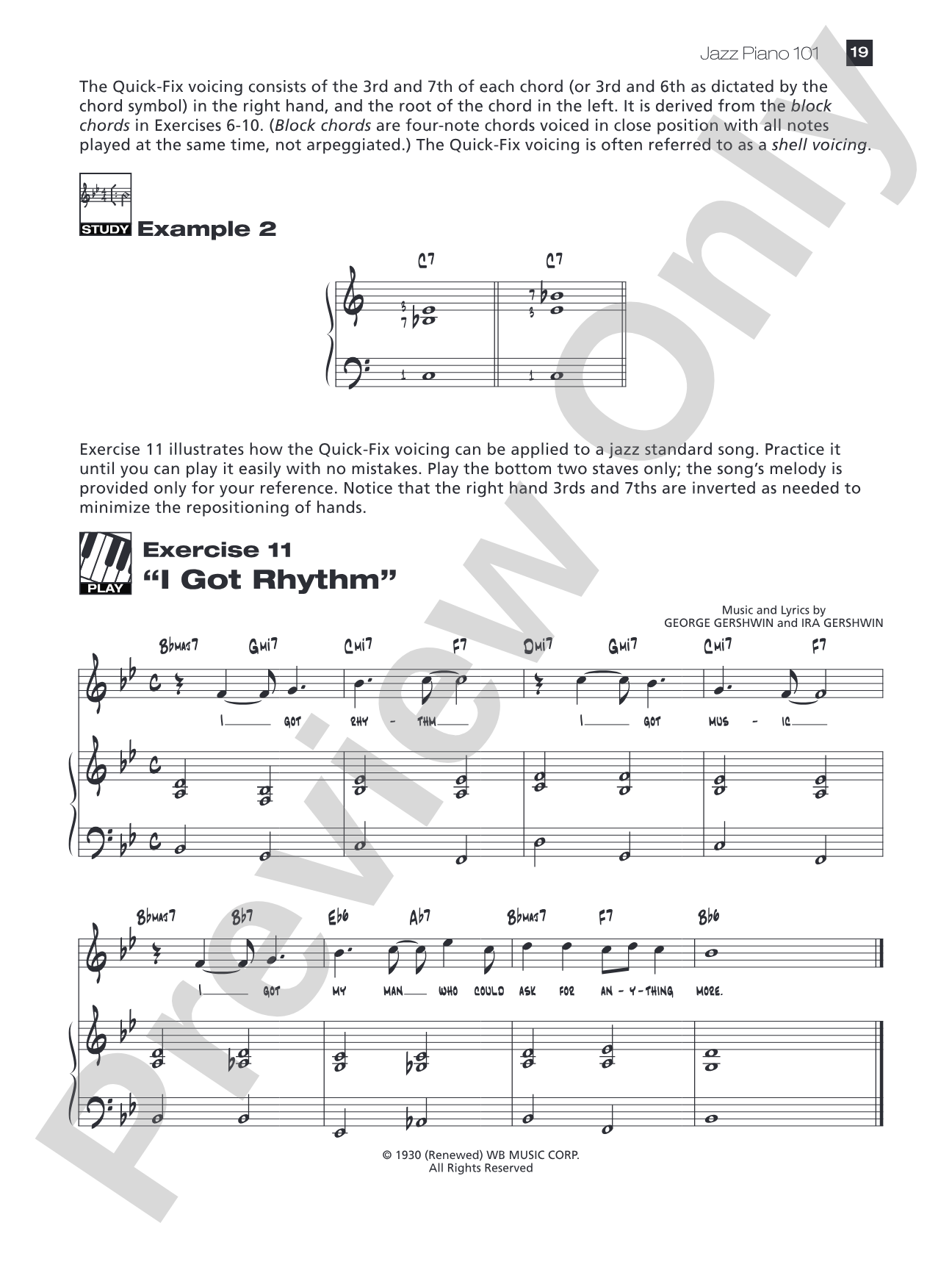
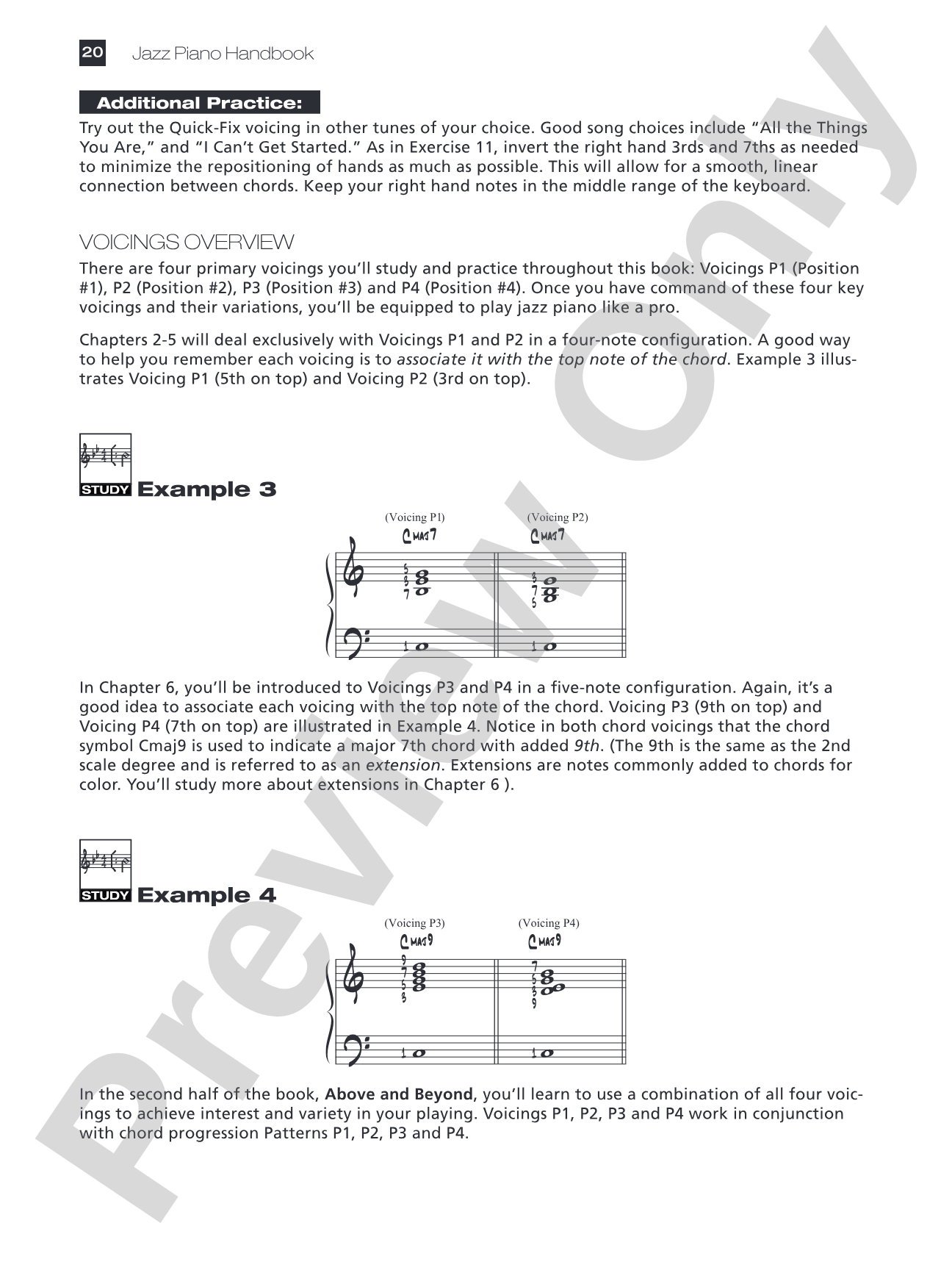
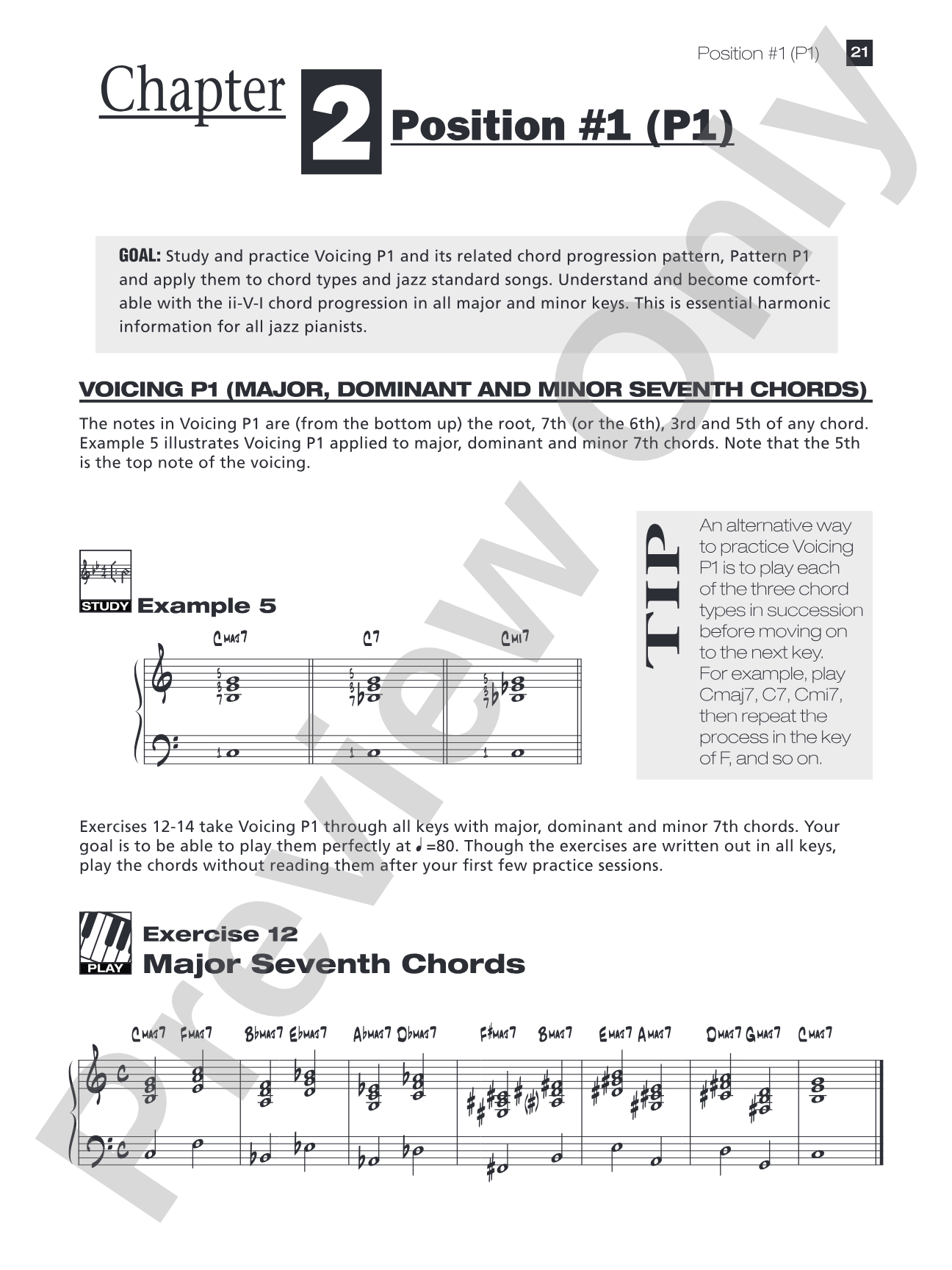
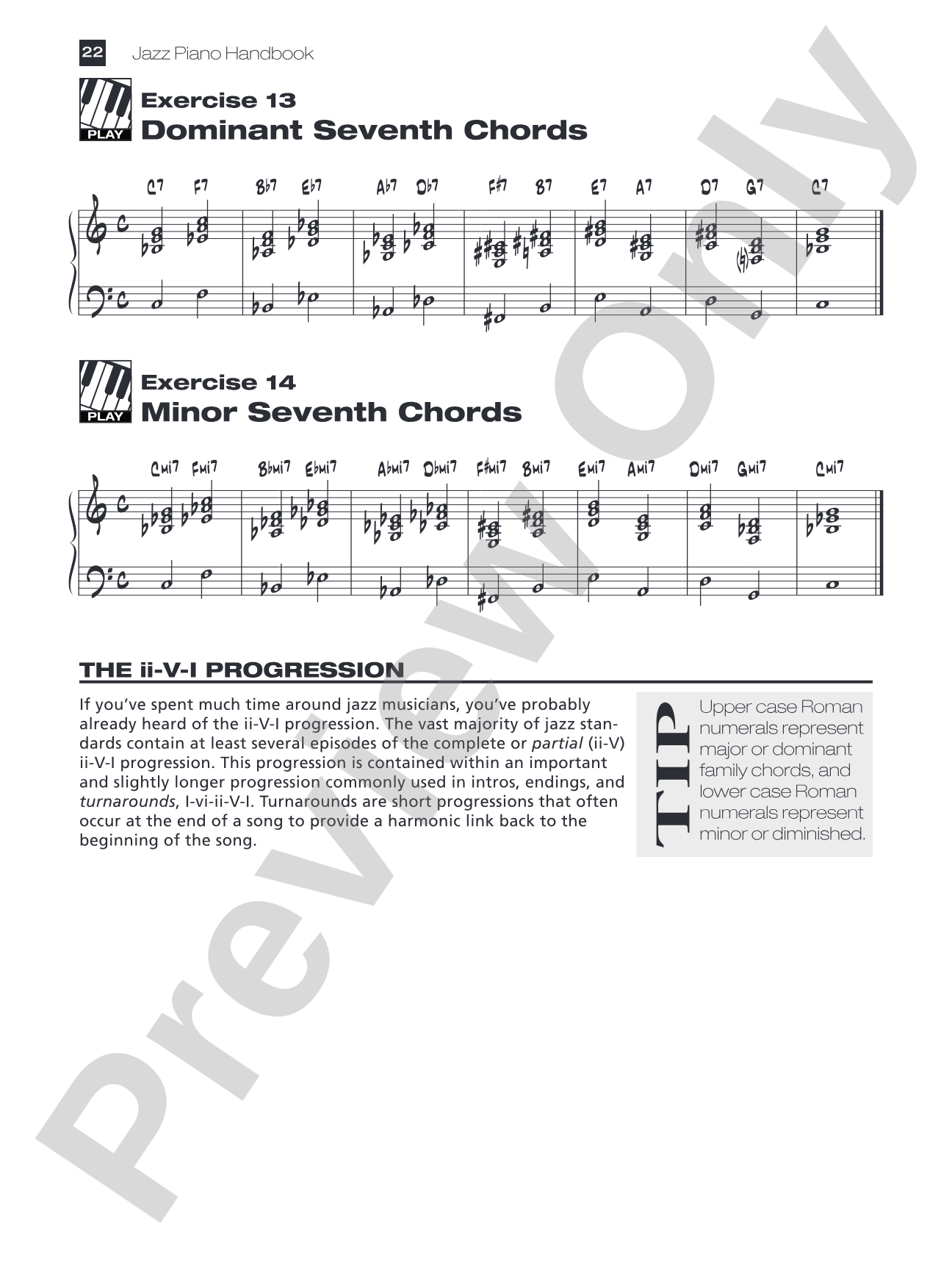
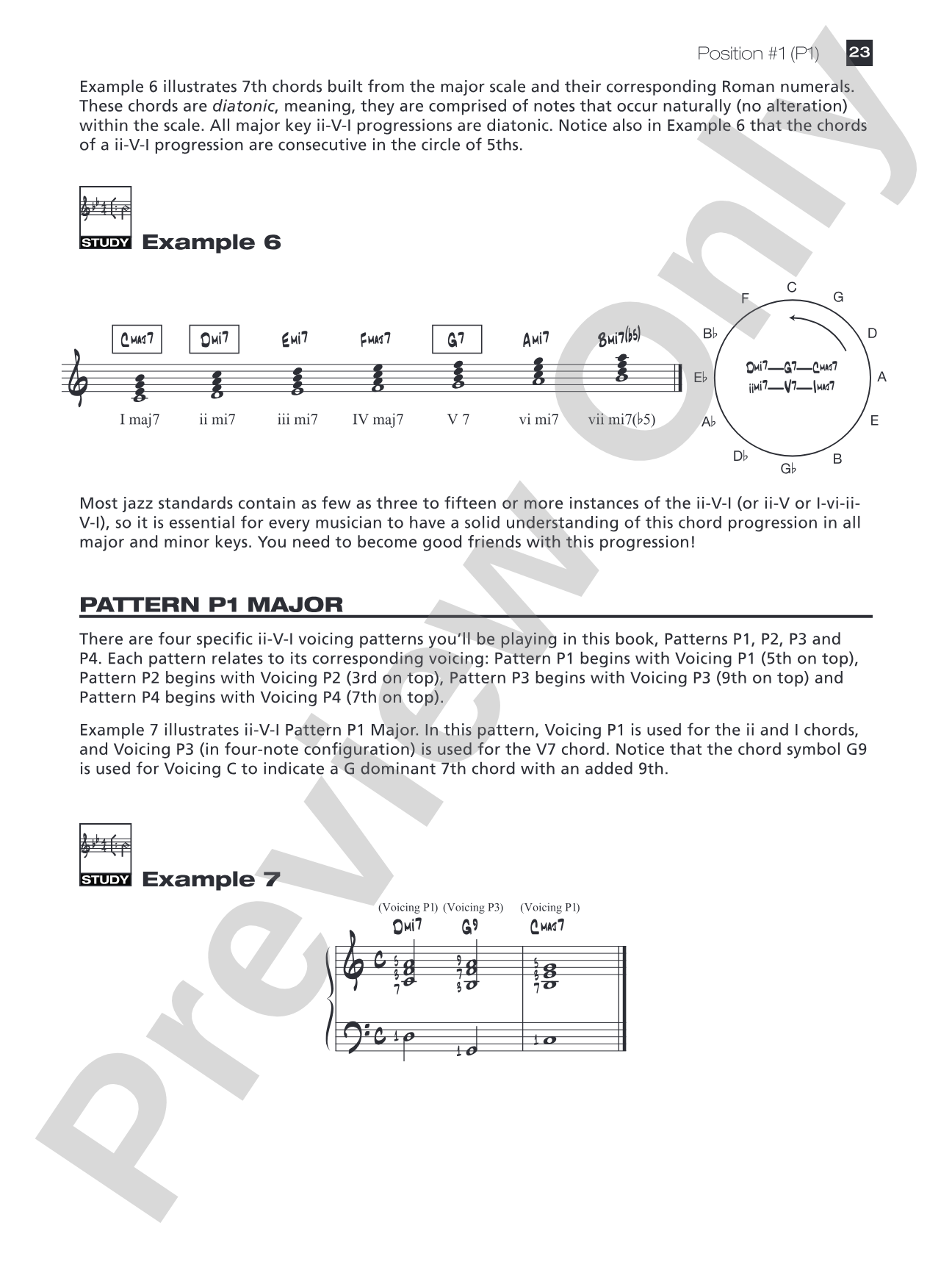
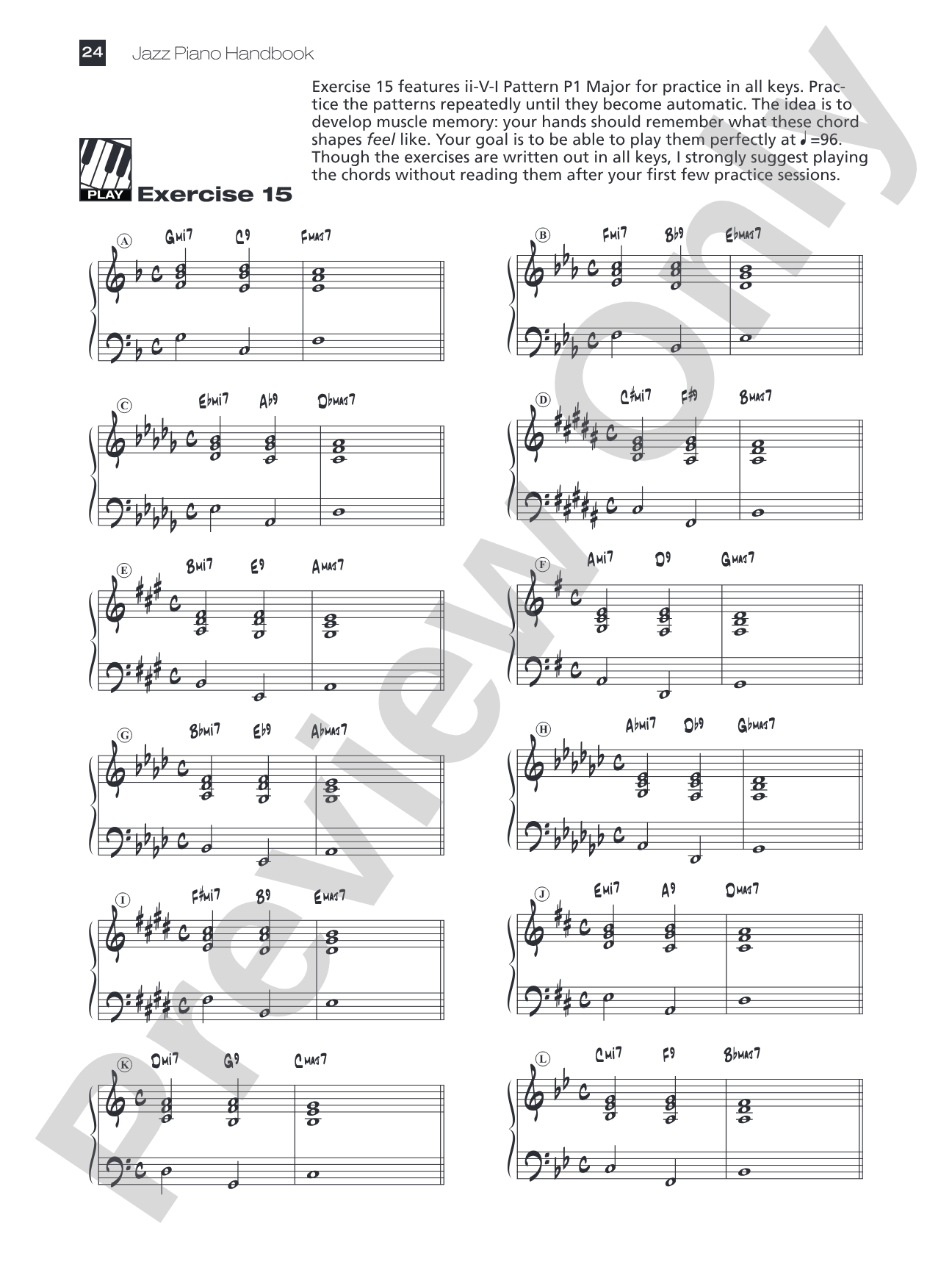
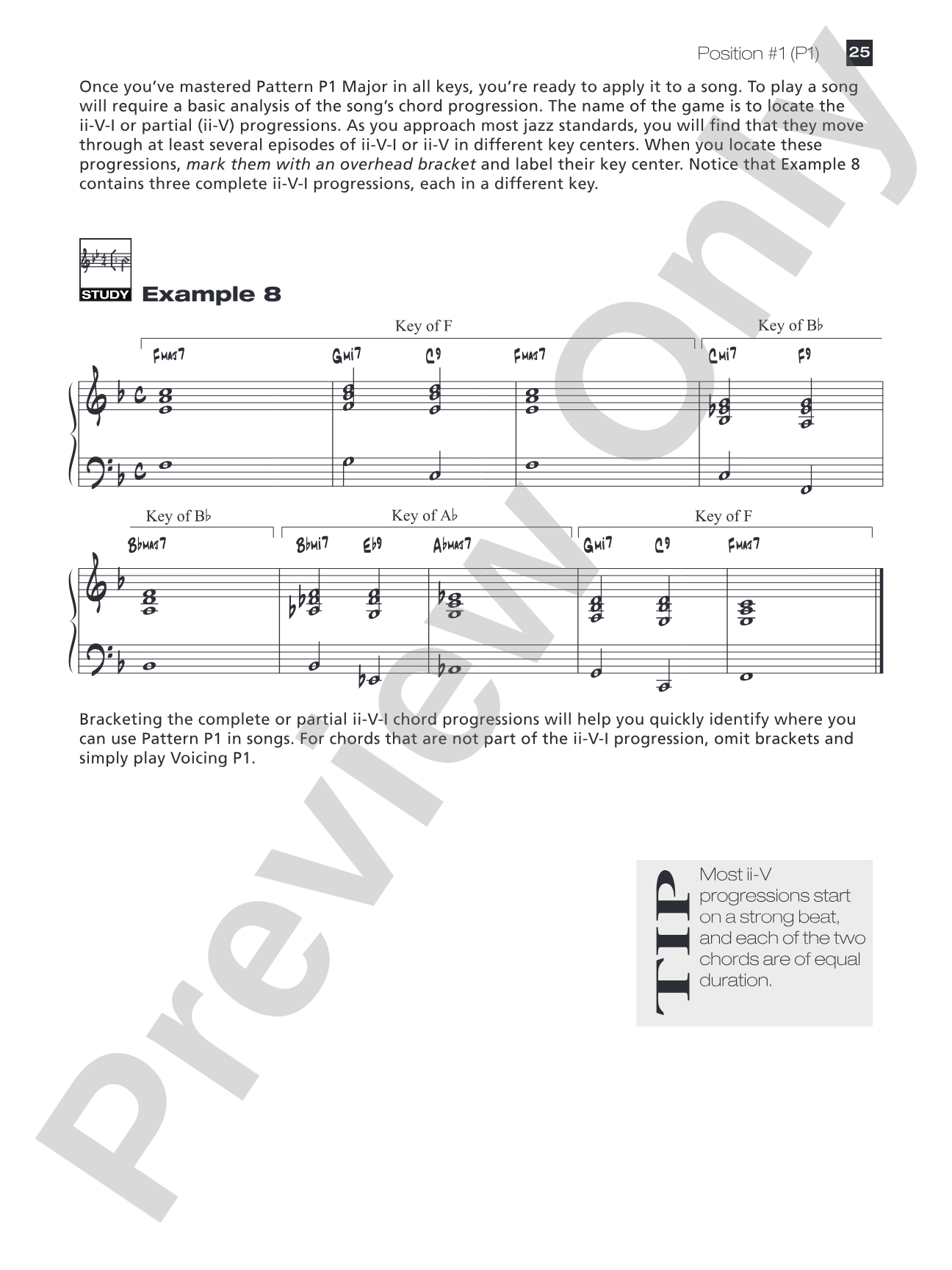
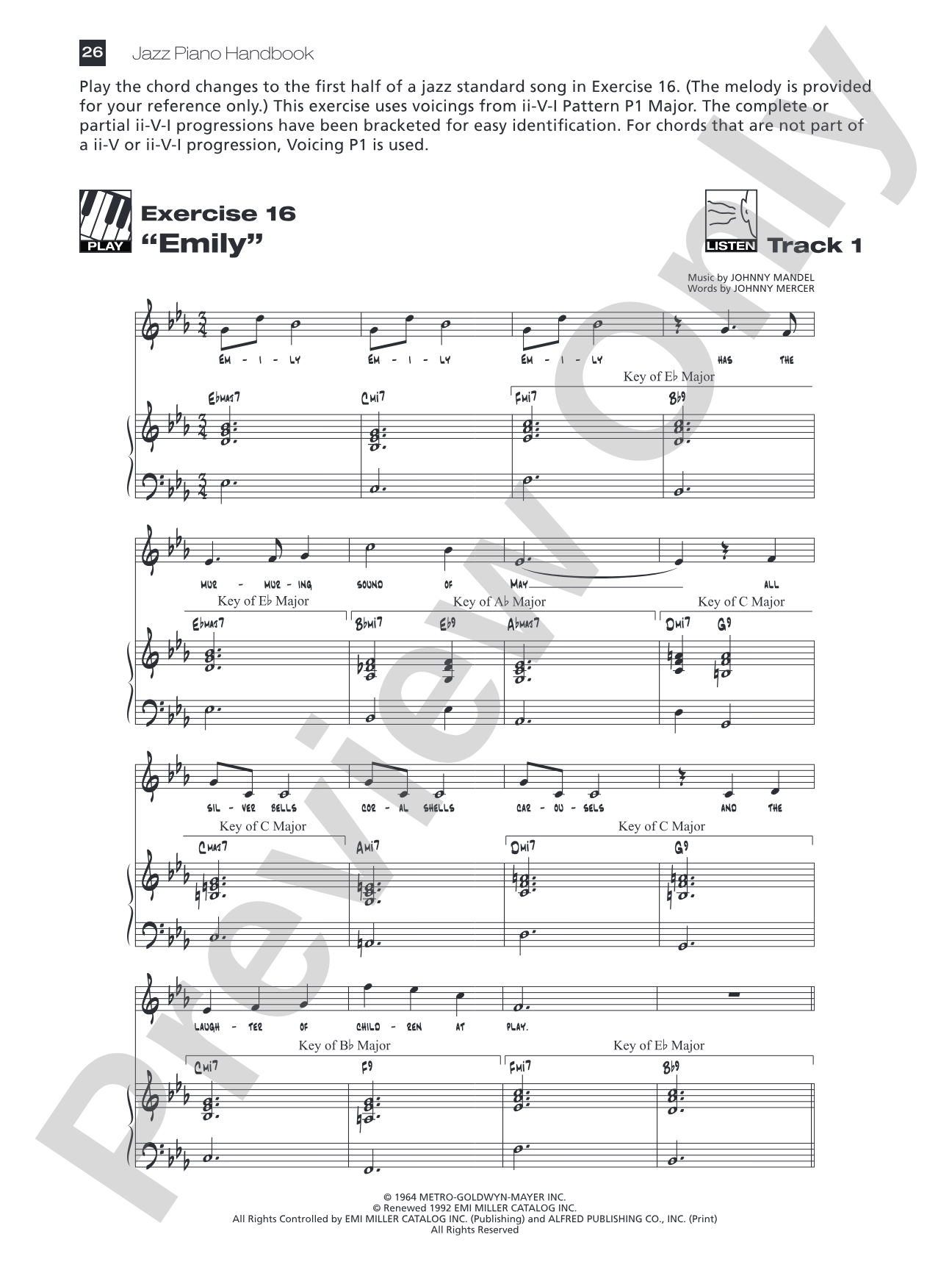
If you're a jazz singer or instrumentalist and don't already have basic skills in jazz piano: now is the time! Piano skills are the gateway to understanding chords and progressions, checking lead sheets for accuracy, learning new tunes, arranging, writing your own tunes, becoming a better improviser and so on. This book outlines an easy step-by-step process that makes learning basic jazz piano easy and fun!


Jazz Piano Handbook: Essential Jazz Piano Skills for All Musicians: Piano isn't in MakeMusic Cloud just yet...but it could be. Let us know you'd like to see it, and you'll help shape what comes next. In the meantime, start a free trial and dive into thousands of interactive titles your students can play along with today.
Request This Title
Tell us you want it.
Start Your Free Trial
Explore everything that's ready to play right now.
Sample Audio
No sample audio found.
Sample Video
No sample videos found.
Additional Details
Publisher:
Alfred Music
Page Count:
128
SKU:
00-PB-0001812
More about this title
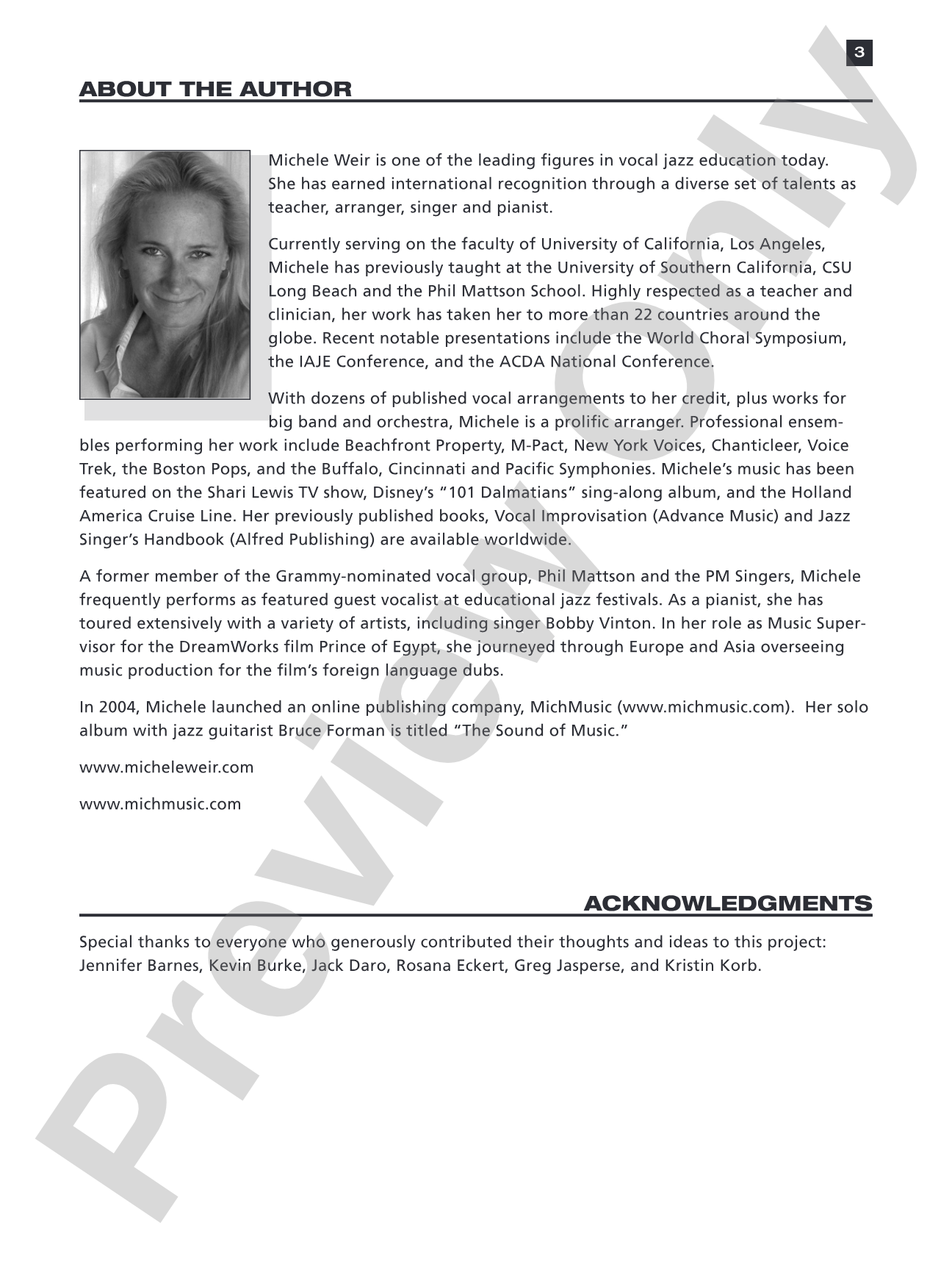
About the Composer: Michele Weir

Michele Weir brings decades of professional experience to her teaching, having arranged for ensembles ranging from New York Voices to The Swingle Singers. As a faculty member at UCLA and former member of the Grammy-nominated Phil Mattson and the PM Singers, she has shaped how musicians understand jazz harmony and vocal production at the highest levels.
Beyond the stage, Weir has built a reputation as an innovative educator. She created ScatAbility, the first iOS app designed for scat singers, and founded MusicHabit, an online music school that extends her teaching reach globally. Her clinician work spans 22 countries and includes keynote presentations at the International Jazz Voice Conference, ACDA National Conference, and IAJE Conference.
Why we love this
Weir understands what vocalists and instrumentalists actually need from piano study. Rather than treating jazz piano as a separate discipline, she frames it as the essential tool for reading charts, understanding harmonic movement, and building improvisation vocabulary. The step-by-step structure respects adult learners and serious students who need practical results, not lengthy theory detours.
What to expect
Clear, purposeful, and immediately applicable. The handbook strips away unnecessary theory while keeping the music grounded in real skills you'll use the next time you open a fake book. Each concept builds on the last without making you wait chapters for payoff.
Who it's for
Jazz vocalists and instrumentalists who recognize that reading a lead sheet from the piano bench opens doors that would otherwise stay closed. Any musician serious about arranging, composing, or understanding jazz harmony will find this handbook indispensable. Educators working with jazz combos or vocal jazz ensembles will use this as a reference tool for their own musicians.
How to get the most out of it
- Start with lead sheets you already know vocally or instrumentally. Using familiar melodies anchors new keyboard concepts to music you've internalized.
- Play through progressions slowly enough that your hands can track the chord changes without rushing. Muscle memory develops through deliberate repetition, not speed.
- Sing the melody while playing comping patterns. This integration of voice and hand coordination deepens your understanding of the relationship between melody and harmony.
- Record yourself playing progressions and listen back. Hearing your own voicings and rhythmic choices builds critical ears for jazz piano sound.
How to use it
Assign specific chapters to band or choir members who are preparing to comp or play in jazz combos. Use it as a foundation text for jazz history or improvisation courses where students need to understand harmony from the keyboard. Directors can reference it when coaching musicians on lead sheet accuracy and voicing choices.
Skills your students will build
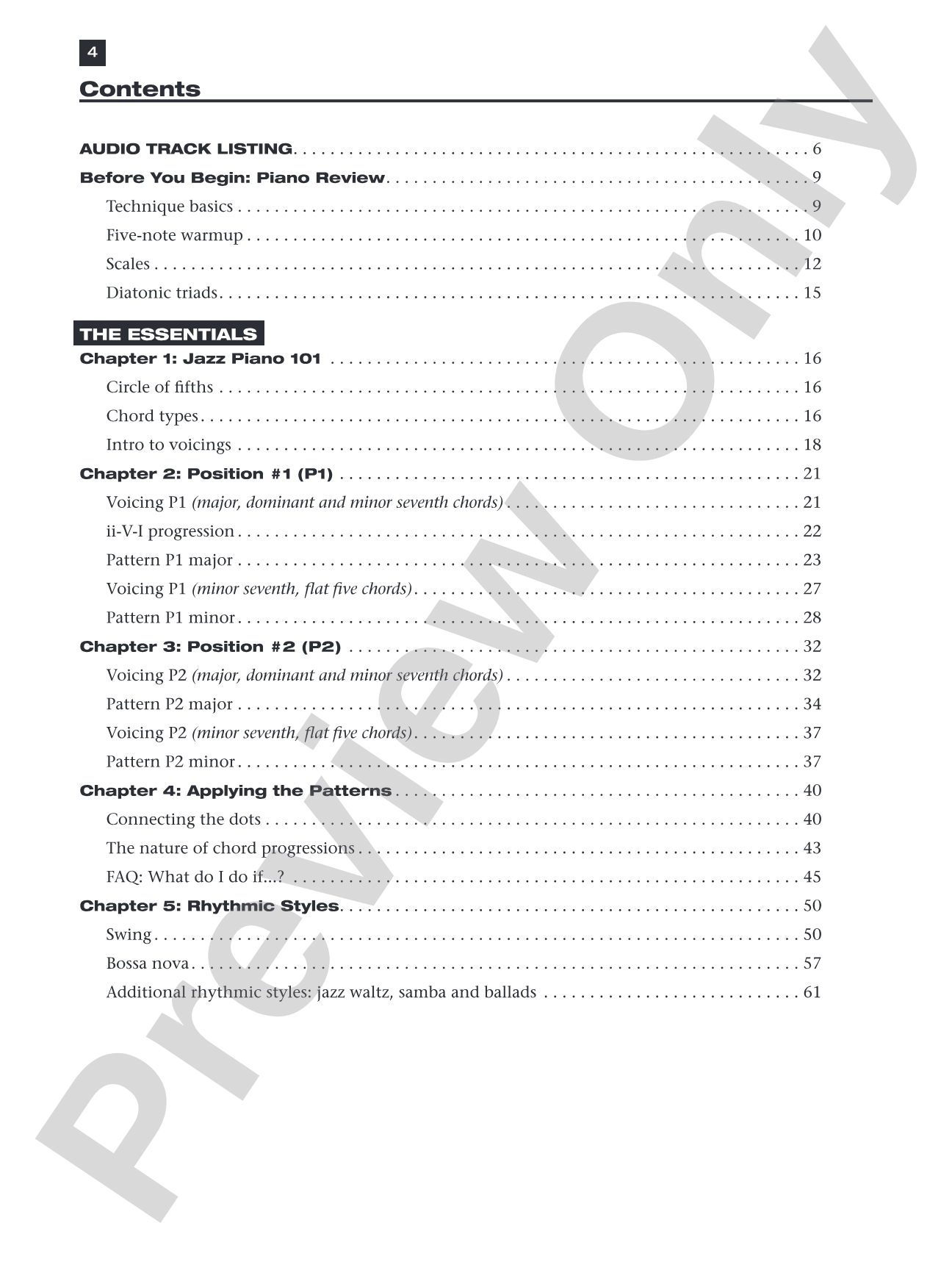
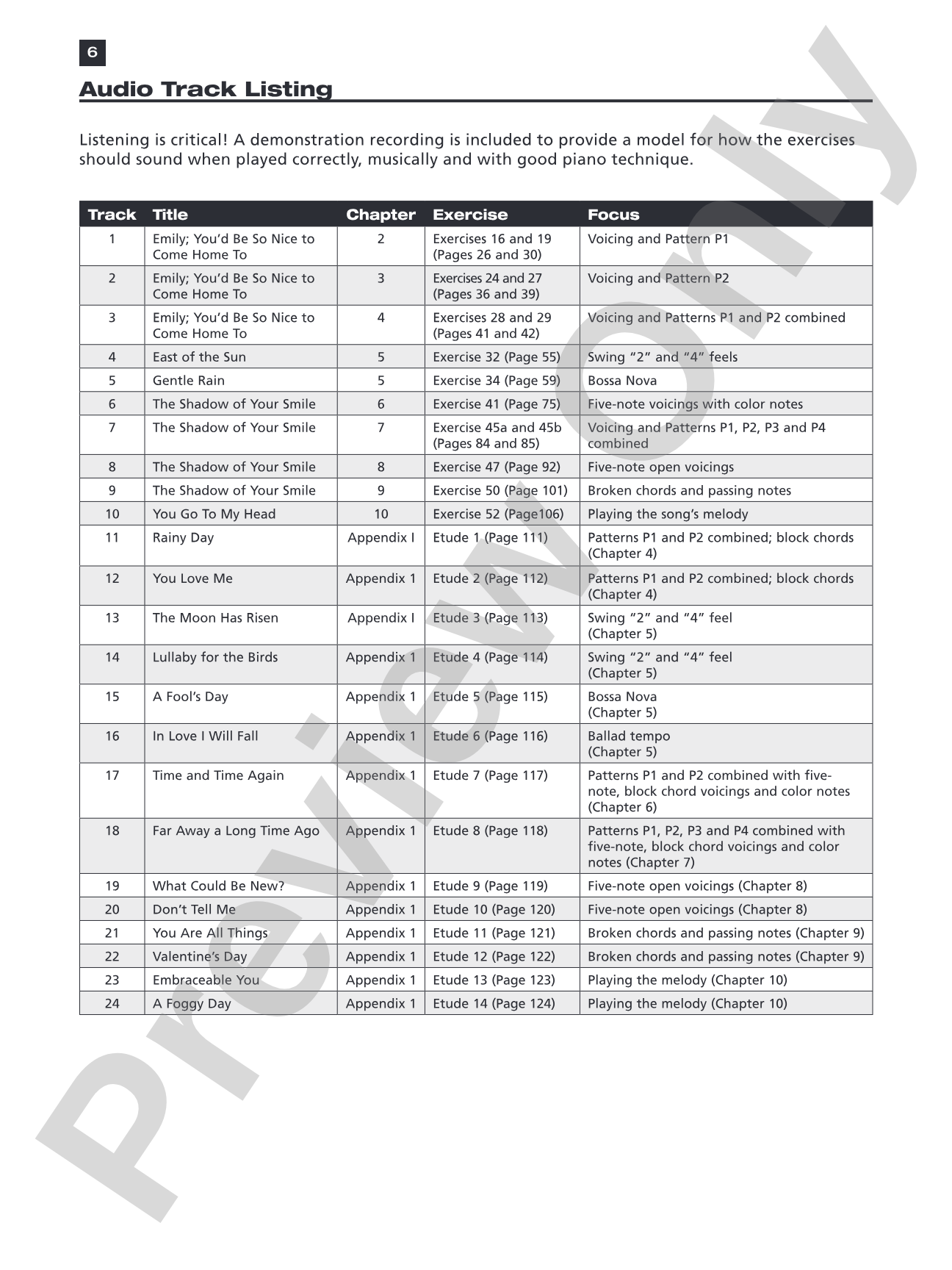
- Reading and interpreting lead sheets with chord symbols
- Understanding jazz chord progressions and ii-V-I movements
- Voicing chords on the keyboard
- Comping rhythms and patterns
- Connecting melody to harmony through improvisation
- Building a foundation for jazz arranging and composition
- Sight-reading jazz notation and symbols