
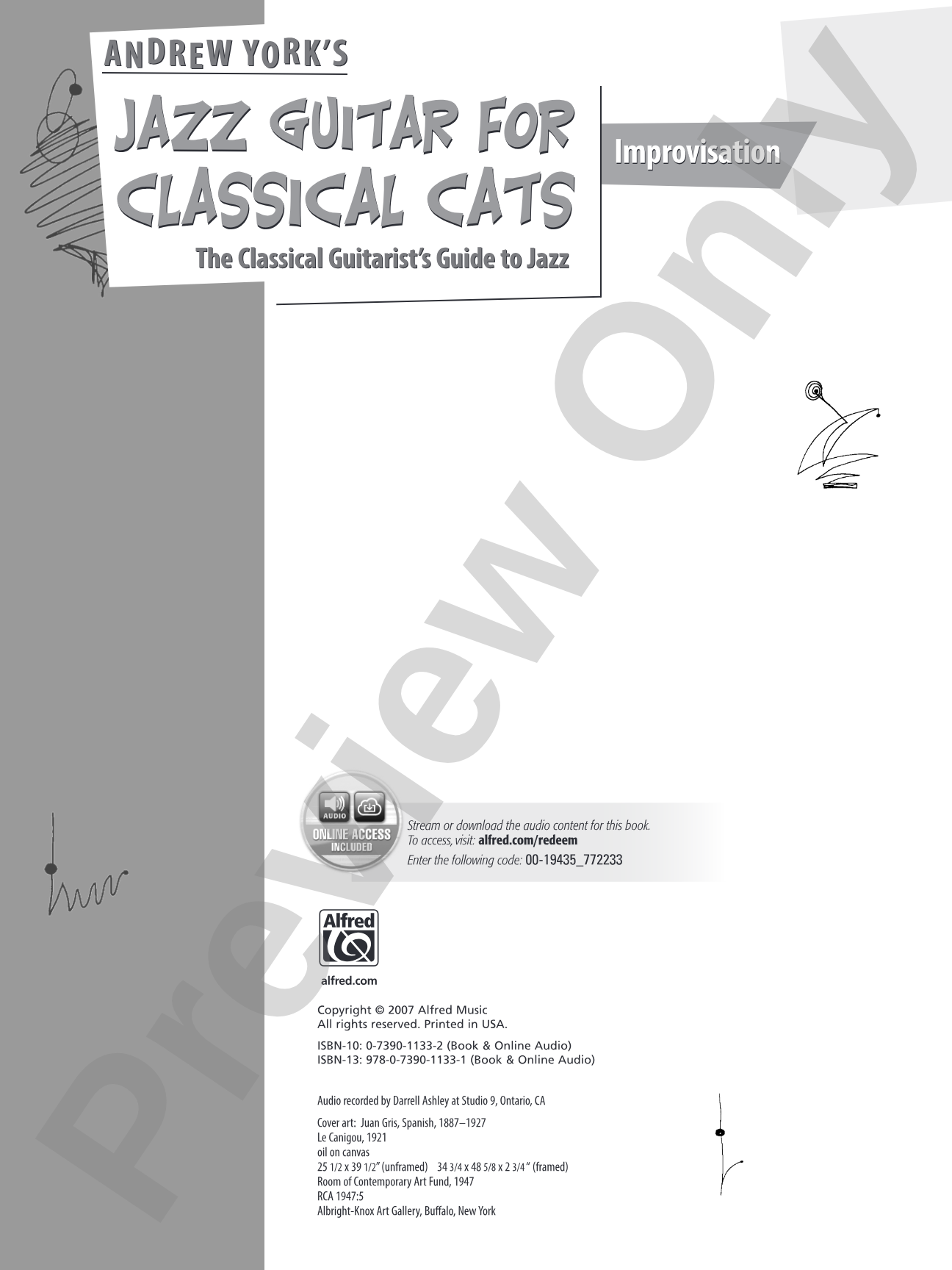
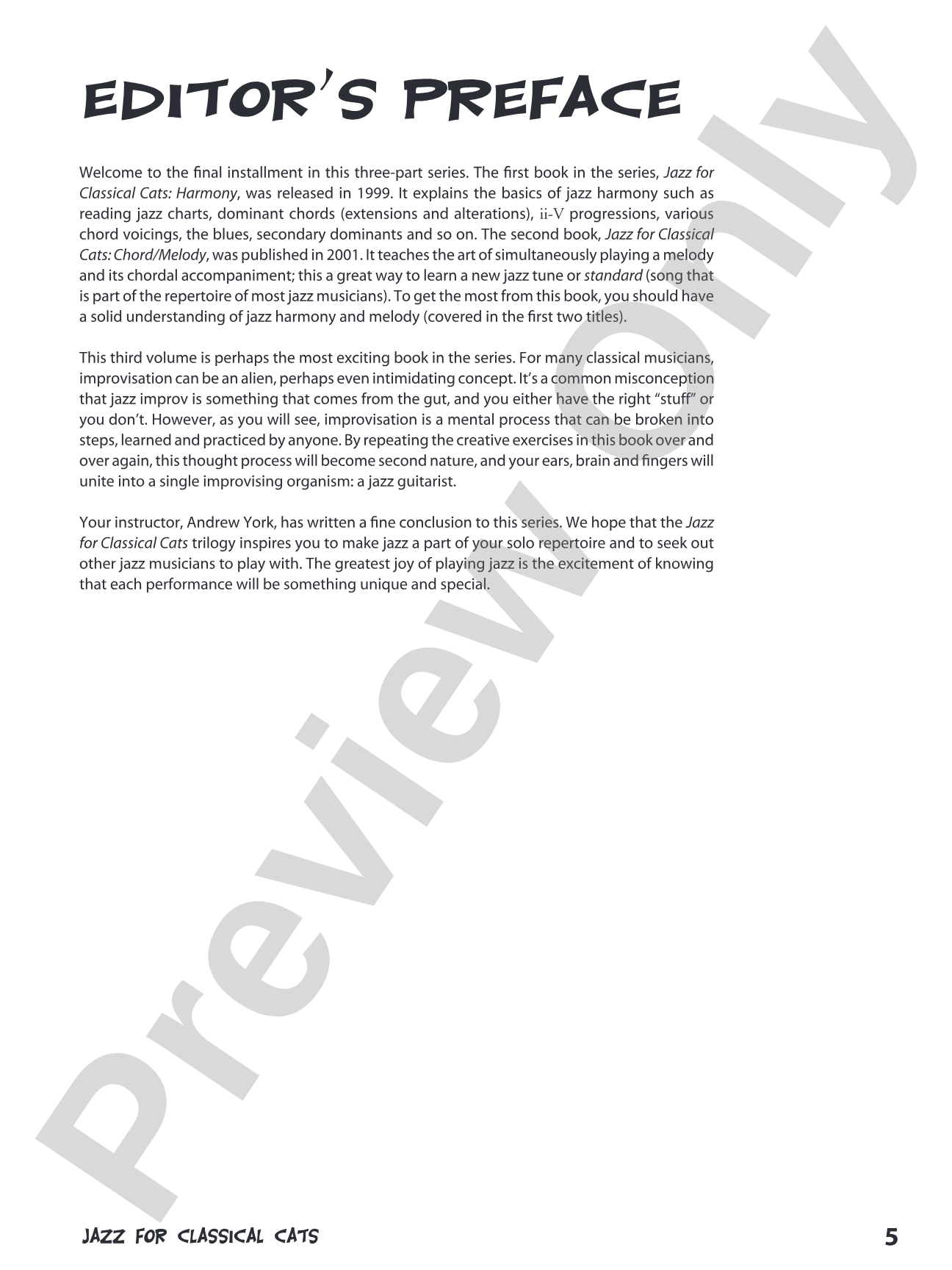
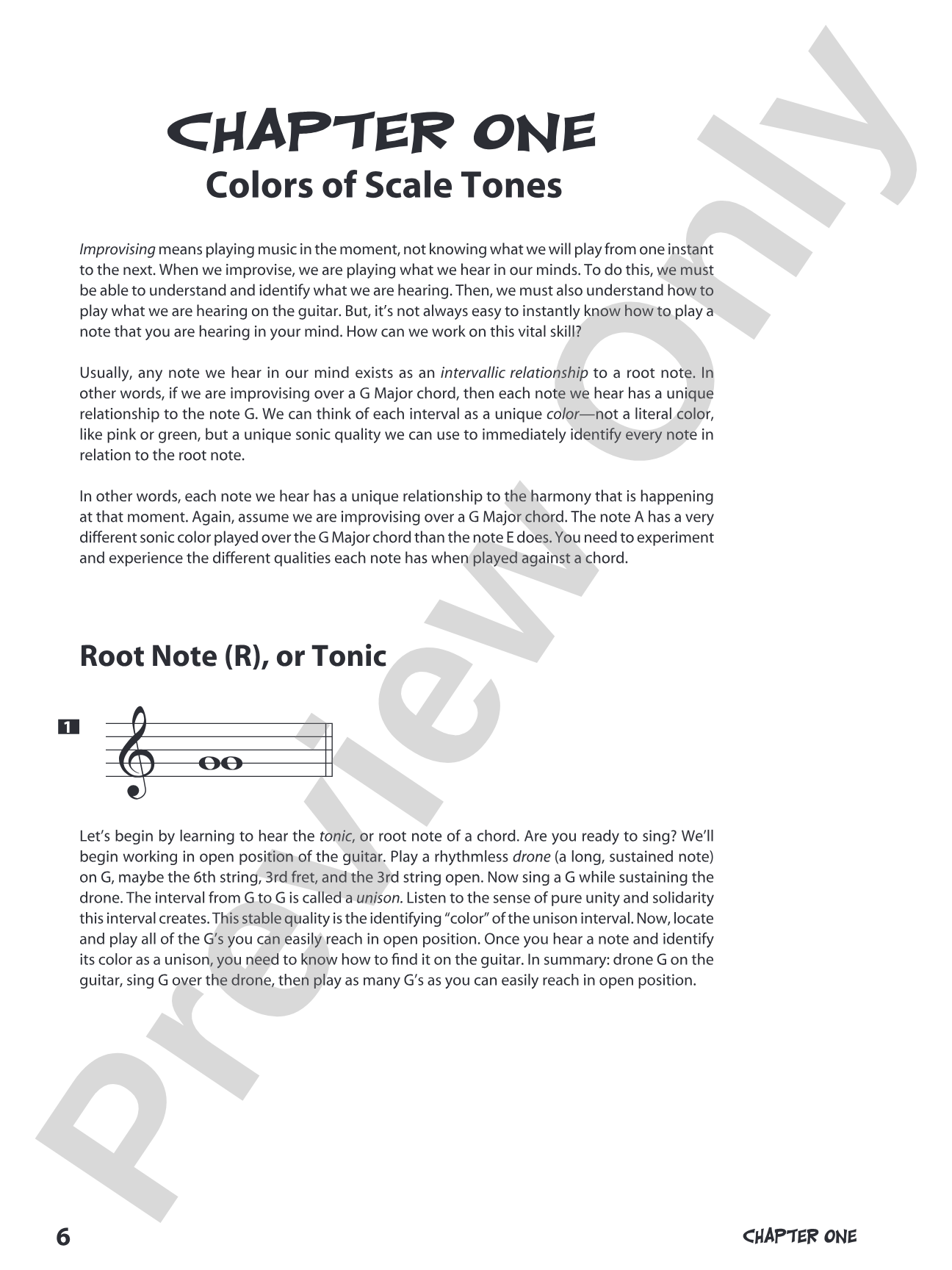
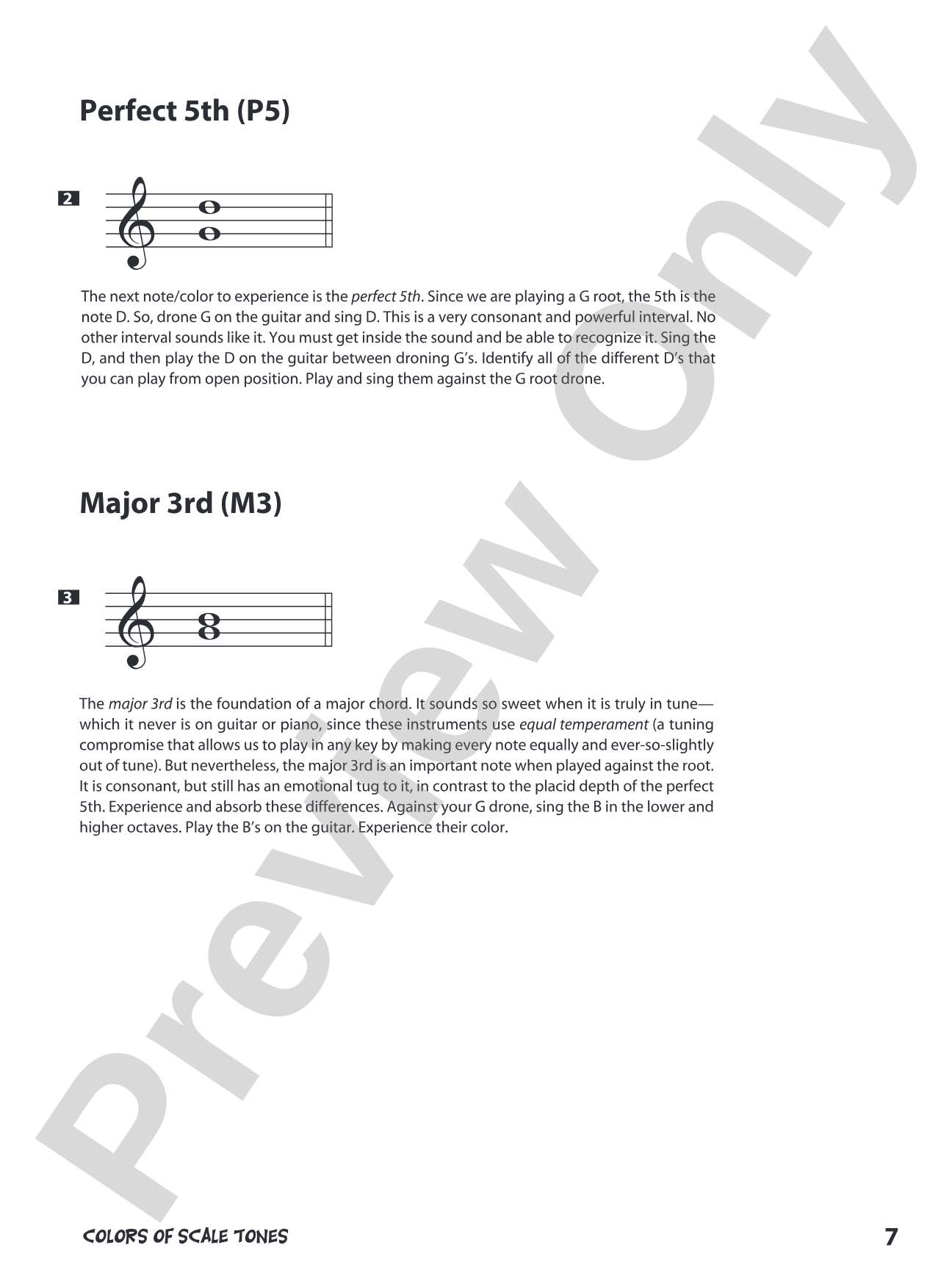
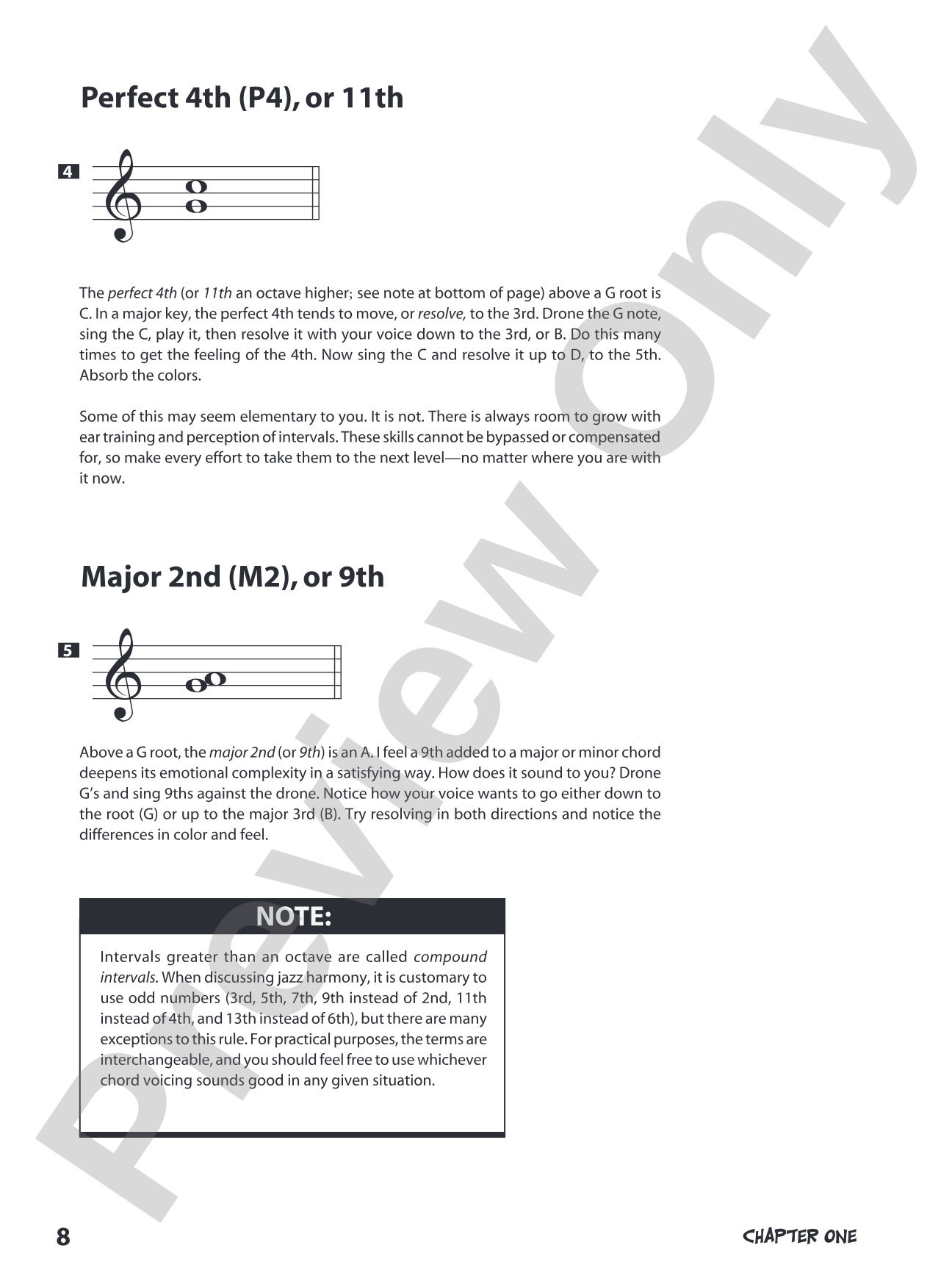

Jazz Guitar for Classical Cats: Improvisation: The Classical Guitarist's Guide to Jazz
The Classical Guitarist's Guide to Jazz
By Andrew York
Item: 00-PB-0002228
$19.95
Pickup currently not available
Related Items
Jazz Guitar for Classical Cats: Improvisation: Guitar Book & Online Audio |
$19.95
|
View |
Description
World-famous guitarist and composer Andrew York has created the Classical Cats series to be the classical guitarist's ultimate guide to jazz.
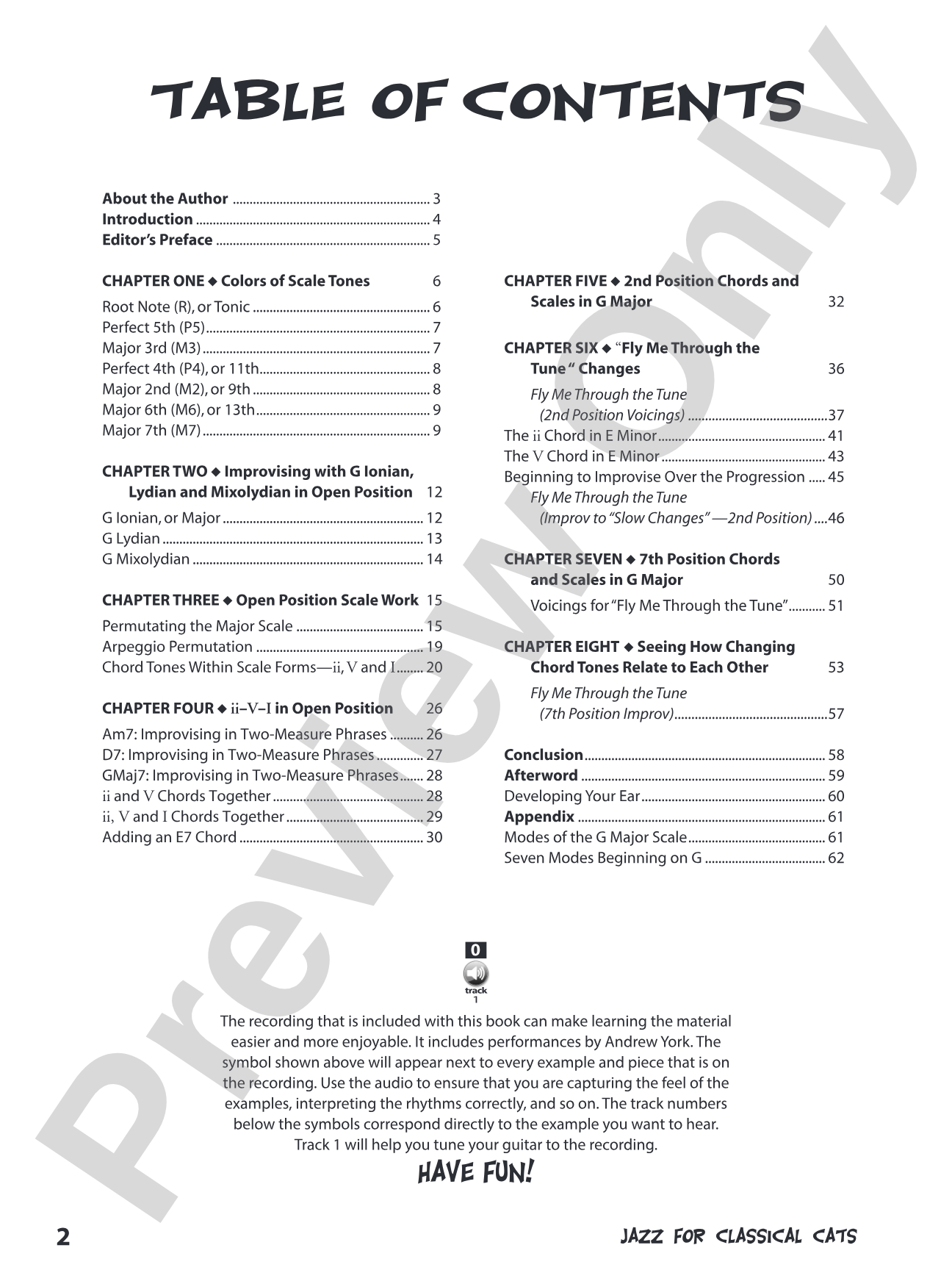
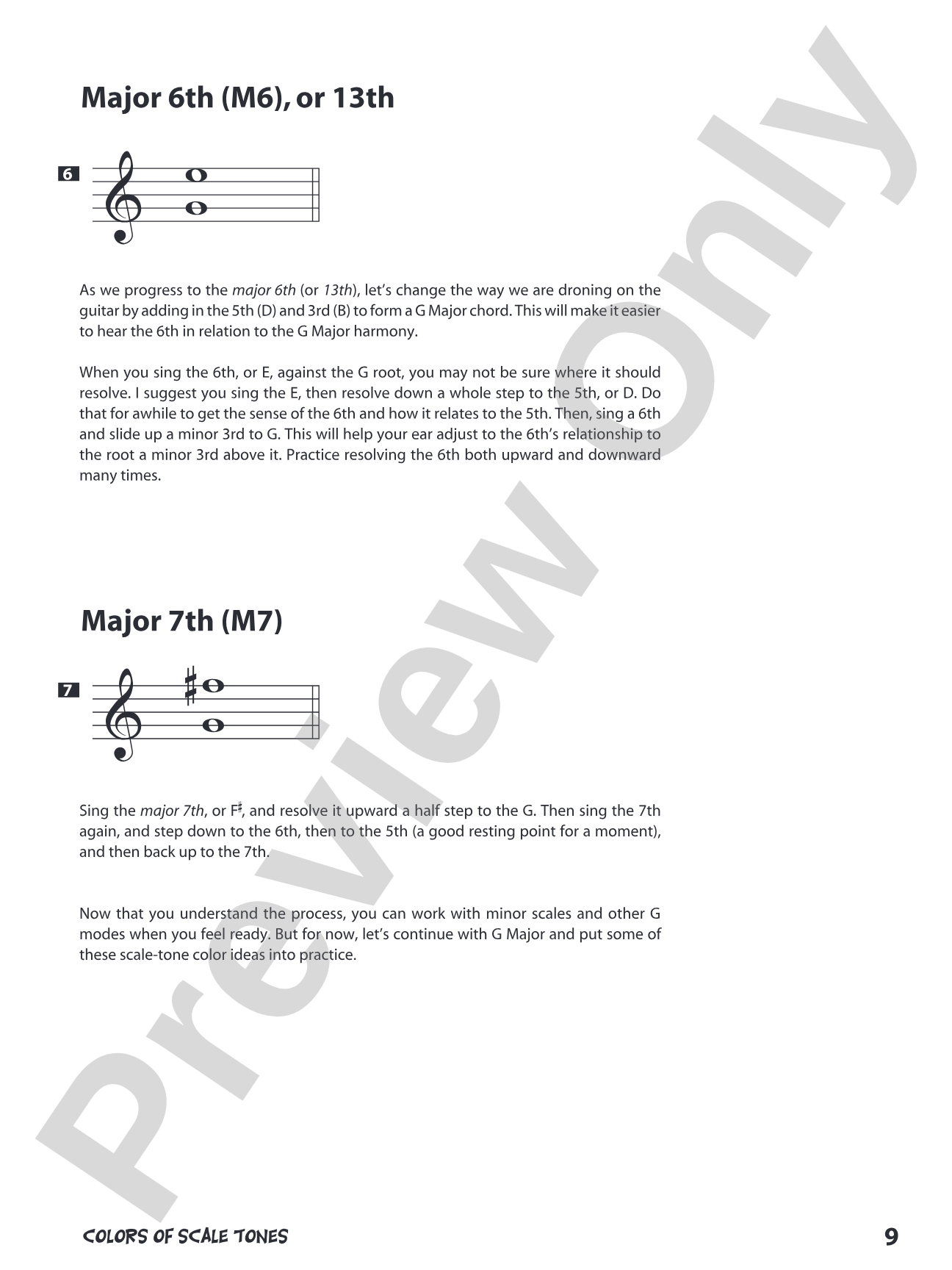
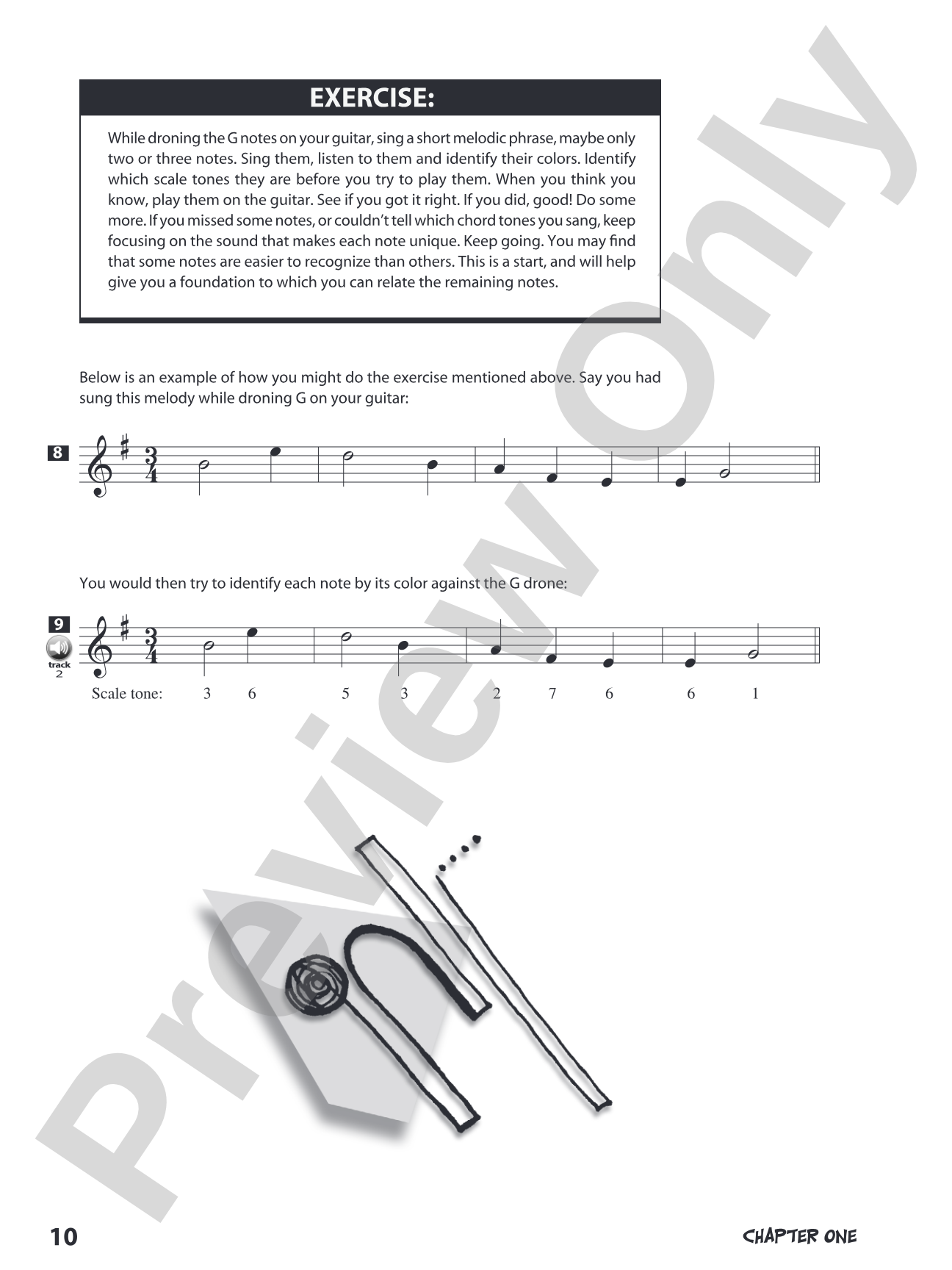
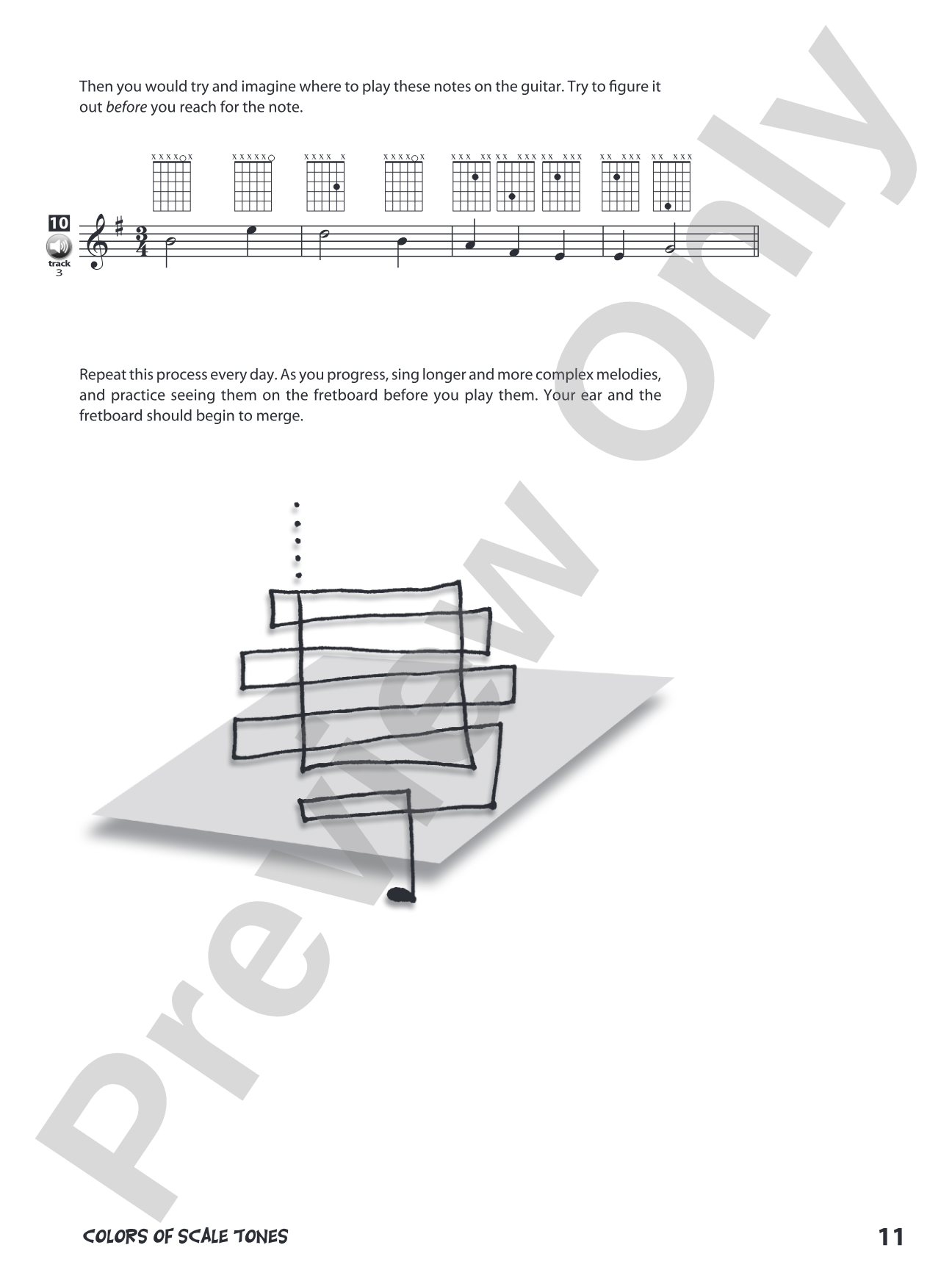
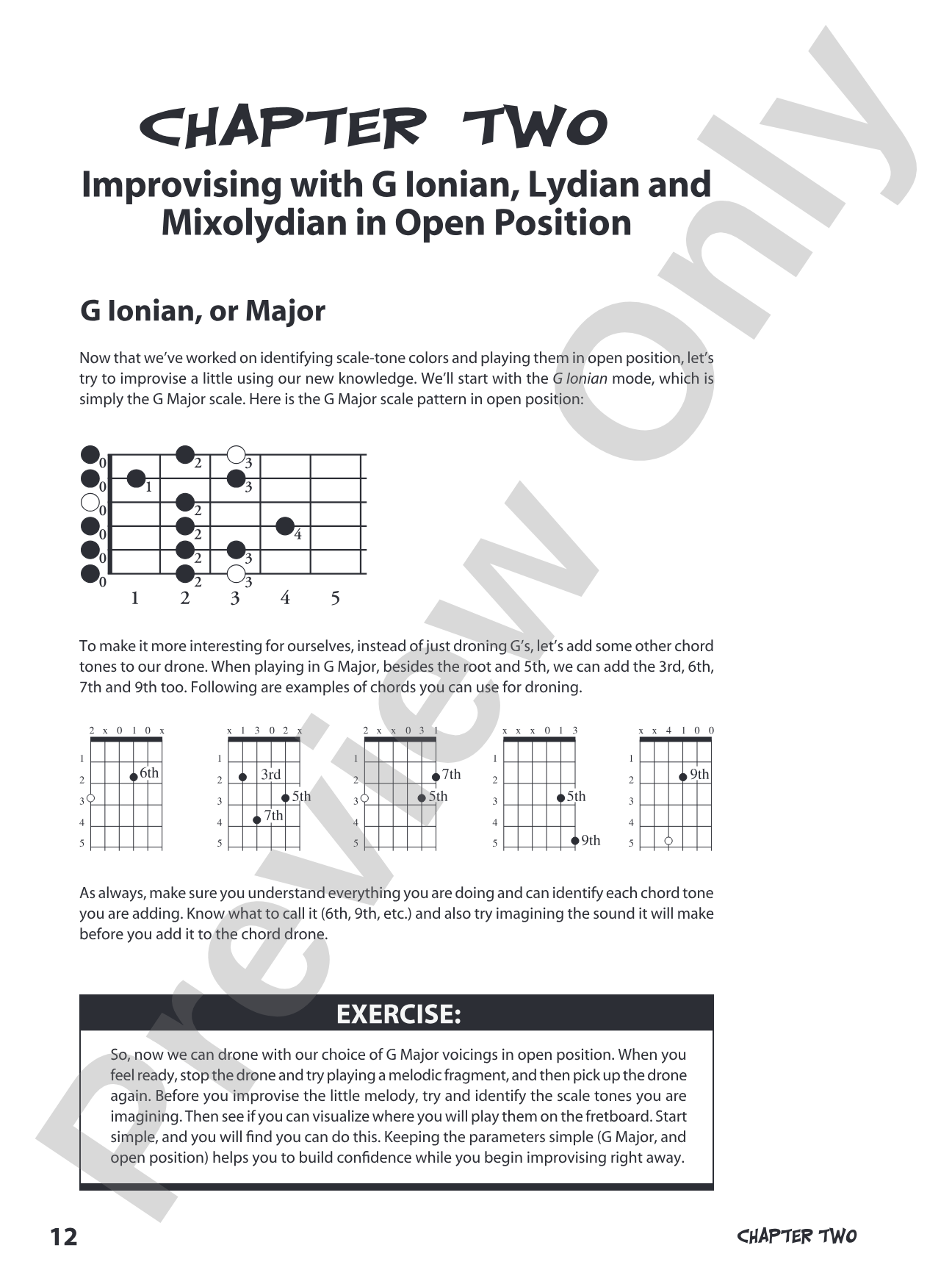
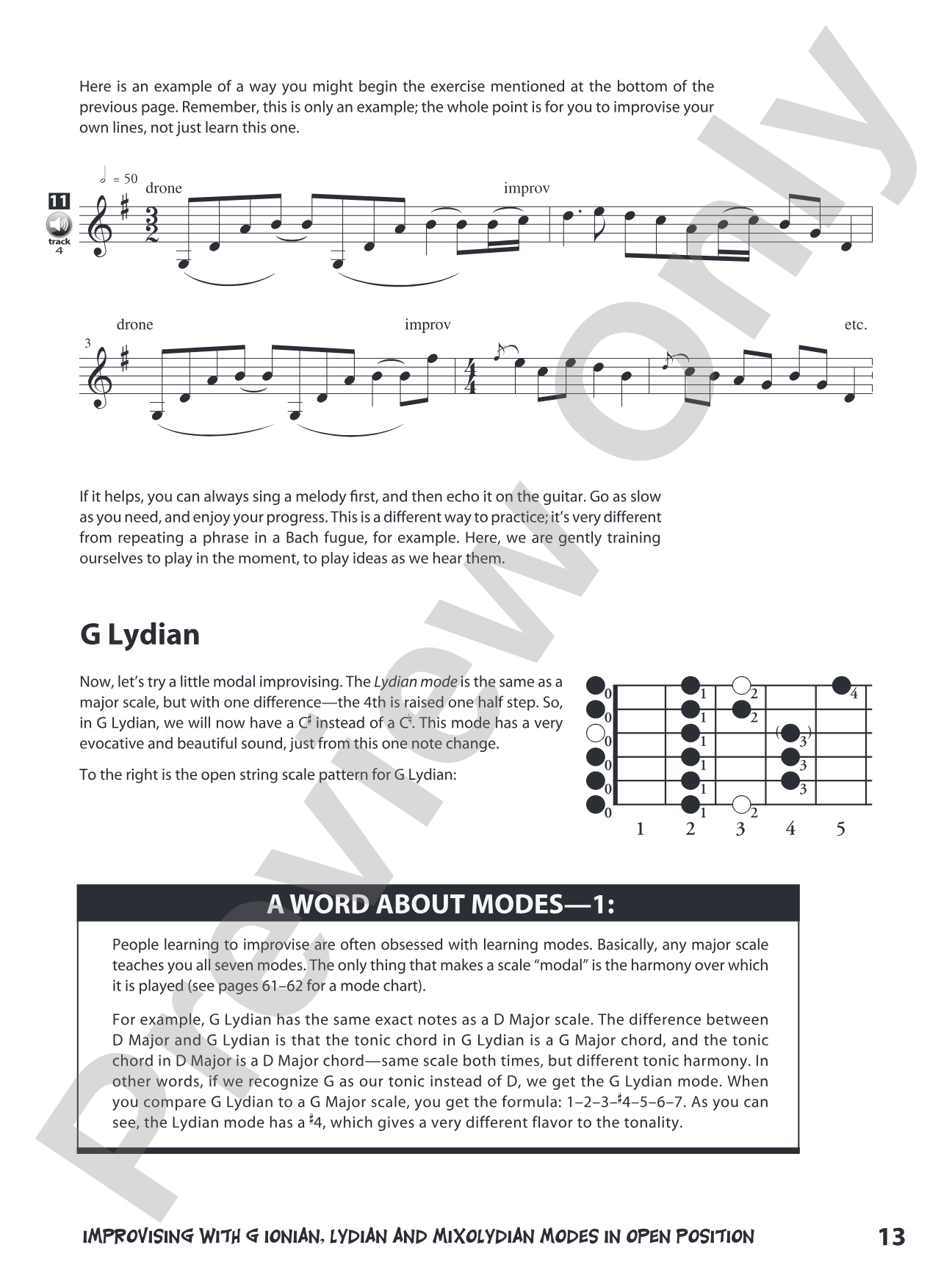
For many musicians, the thought of improvising can be intimidating. In this exciting conclusion to the Jazz Guitar for Classical Cats trilogy, Andrew York shows you that improvisation is a skill that can be learned and practiced just like any other. It's simply a matter of knowing where you're going (targeting chord tones) and how you're going to get there (scales and modes). By practicing the ear training and visualization exercises in this book, you will learn how to turn the music you hear in your "mind's ear" into imaginative, great-sounding jazz solos. A recording demonstrating the examples in the book is included.


For many musicians, the thought of improvising can be intimidating. In this exciting conclusion to the Jazz Guitar for Classical Cats trilogy, Andrew York shows you that improvisation is a skill that can be learned and practiced just like any other. It's simply a matter of knowing where you're going (targeting chord tones) and how you're going to get there (scales and modes). By practicing the ear training and visualization exercises in this book, you will learn how to turn the music you hear in your "mind's ear" into imaginative, great-sounding jazz solos. A recording demonstrating the examples in the book is included.
Discover MakeMusic Cloud: thousands of interactive titles your students can play along with today.
Sample Audio
1
Fly Me Through the Tune
--:--
Fly Me Through the Tune
0:00
0:00
Sample Video
No sample videos found.
Additional Details
Publisher:
Alfred Music
Page Count:
64
SKU:
00-PB-0002228
More about this title
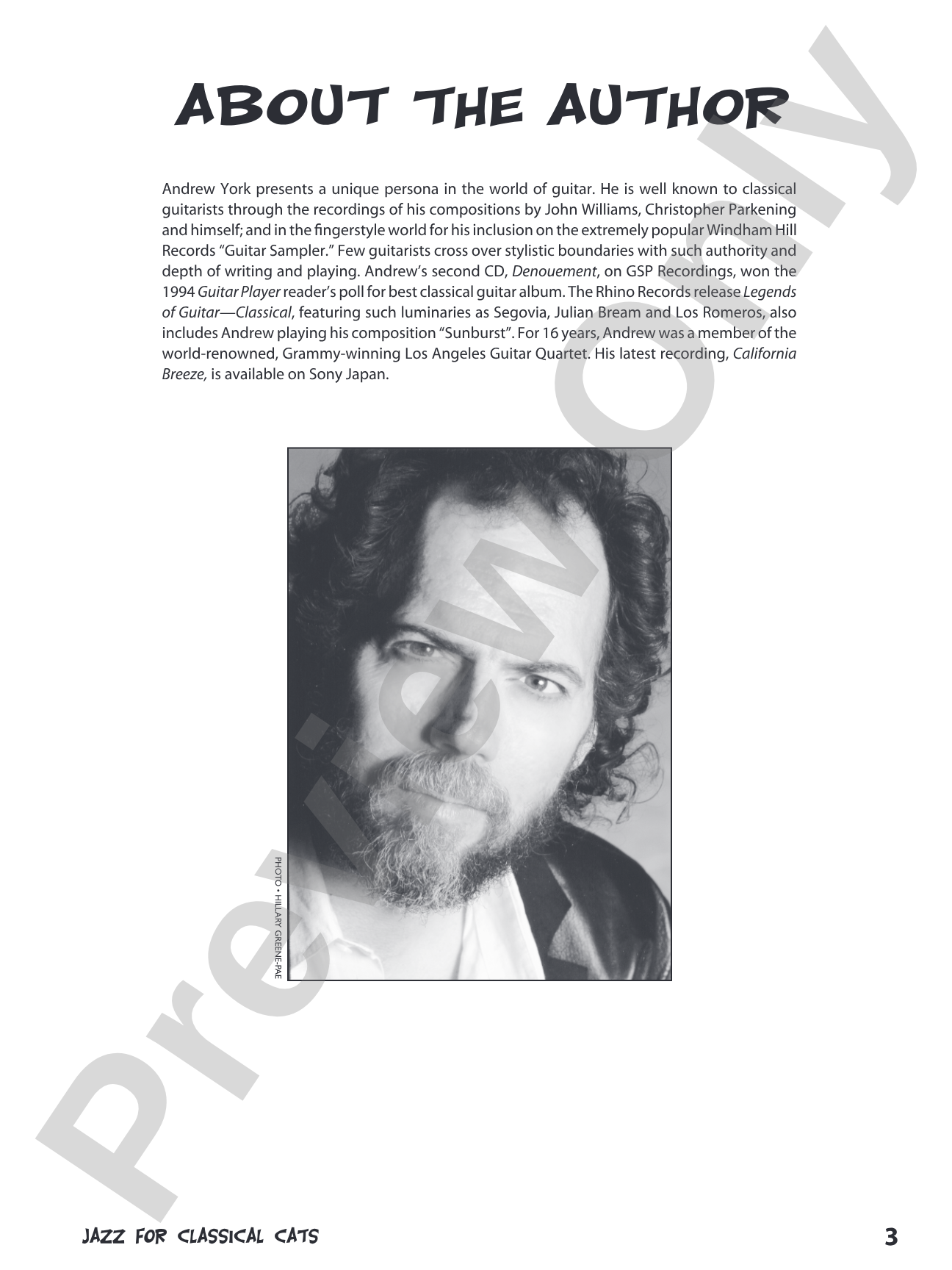
About the Composer: Andrew York
Andrew York is a classical guitarist and composer whose work bridges the concert hall and the jazz world with uncommon fluency. His compositions for guitar have become repertoire staples in conservatories and studios worldwide, earning him recognition as one of the instrument's most important contemporary voices.
Why we love this
York treats improvisation as a legitimate skill to be studied rather than a mysterious gift some musicians possess and others don't. His methodology strips away the intimidation factor by grounding jazz vocabulary in the same practice discipline that classical guitarists already understand, making the leap from reading to creating feel earned rather than arbitrary.
What to expect
The experience moves from intellectual understanding to intuitive creation. Early chapters build a foundation in targeting and modal thinking that feels methodical and reassuring; as you progress, that framework dissolves into genuine musical conversation where your hands respond to the harmonic moment rather than consulting a mental checklist.
Who it's for
Classical guitarists who want to understand jazz language without abandoning the analytical rigor they bring to standard repertoire. This book serves advanced students and professional performers seeking credible entry points into improvisation rather than oversimplified fake books or chord-and-scale cookbooks.
How to get the most out of it
- Isolate individual chord tones before connecting them with scale passages; this targeting approach prevents wandering solos that lack direction.
- Record yourself playing the provided accompaniment tracks and listen back with the score in front of you; hearing your own choices in context reveals which phrases land and which ones need refinement.
- Work through the visualization exercises even when you're not holding the guitar; mental practice accelerates the connection between what you imagine and what your fingers execute.
- Use the ear training material daily in short sessions rather than cramming; incremental exposure builds the internalized sound library that authentic improvisation requires.
How to use it
Assign this as a semester or year-long independent study project for advanced students interested in jazz history and composition. It works particularly well for guitarists preparing for college auditions who want to demonstrate both classical depth and stylistic versatility. Consider pairing it with concert programming that showcases contemporary classical works that incorporate jazz elements, giving students a living model of the fusion York teaches.
Skills your students will build
- Targeting chord tones as improvisational anchors
- Modal thinking and application across jazz standards
- Ear training for melodic recall and harmonic recognition
- Visualization and mental practice techniques
- Creating coherent solos with intentional shape rather than random note selection
- Transcription and analysis of jazz melody and harmony