
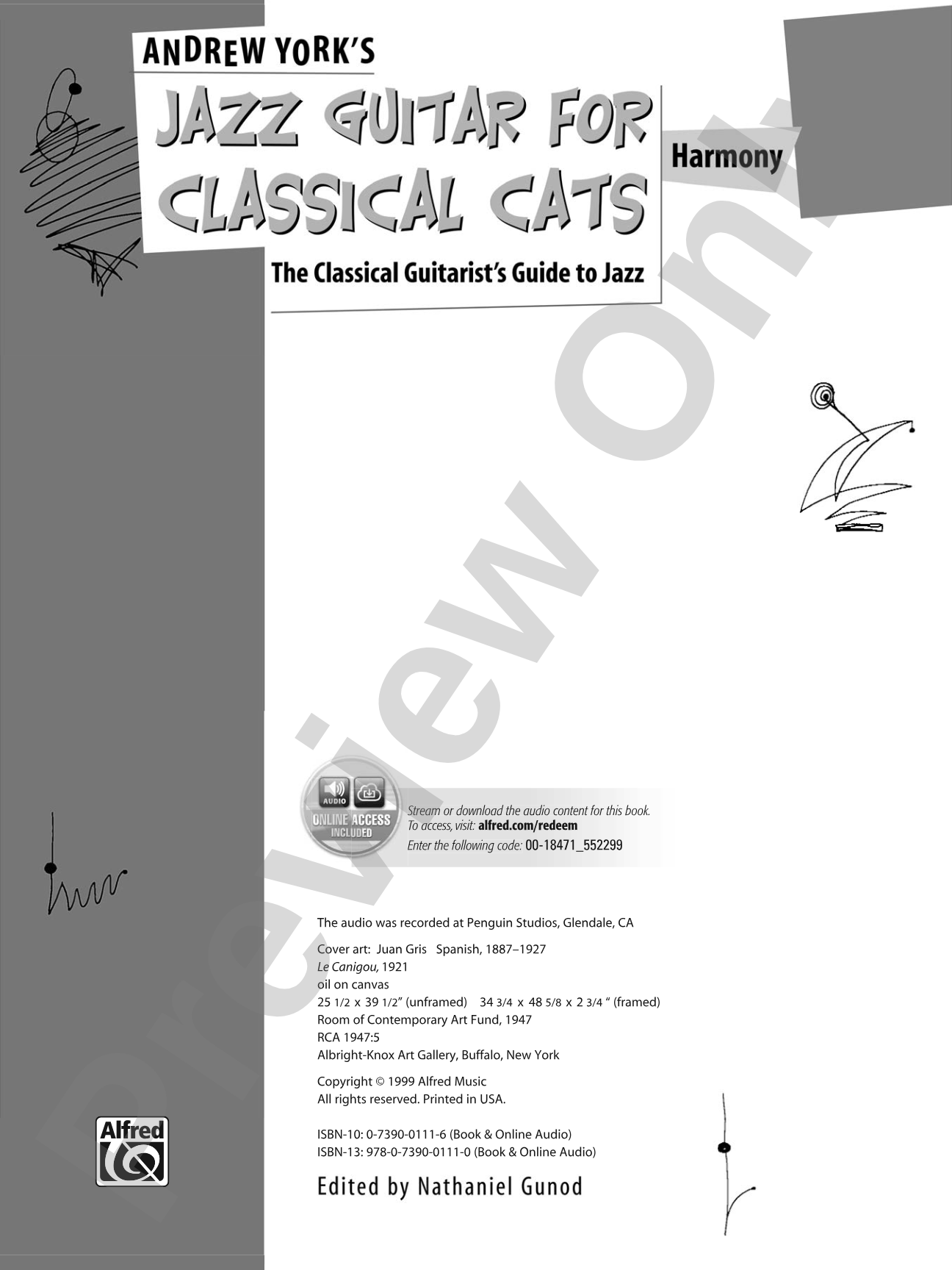

Jazz Guitar for Classical Cats: Harmony: The Classical Guitarist's Guide to Jazz
The Classical Guitarist's Guide to Jazz
By Andrew York
Item: 00-PB-0002185
$12.99
Pickup currently not available
Description
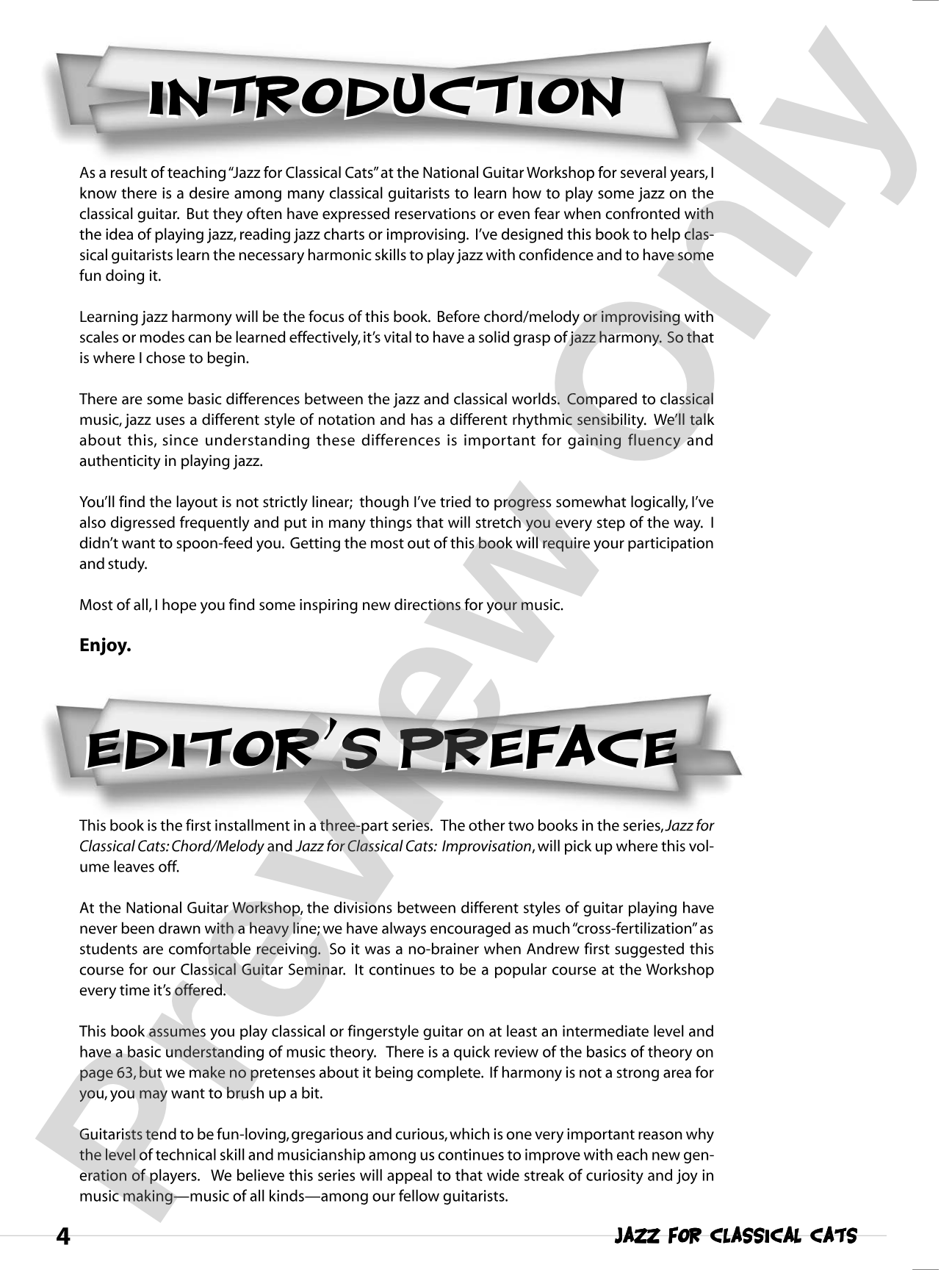
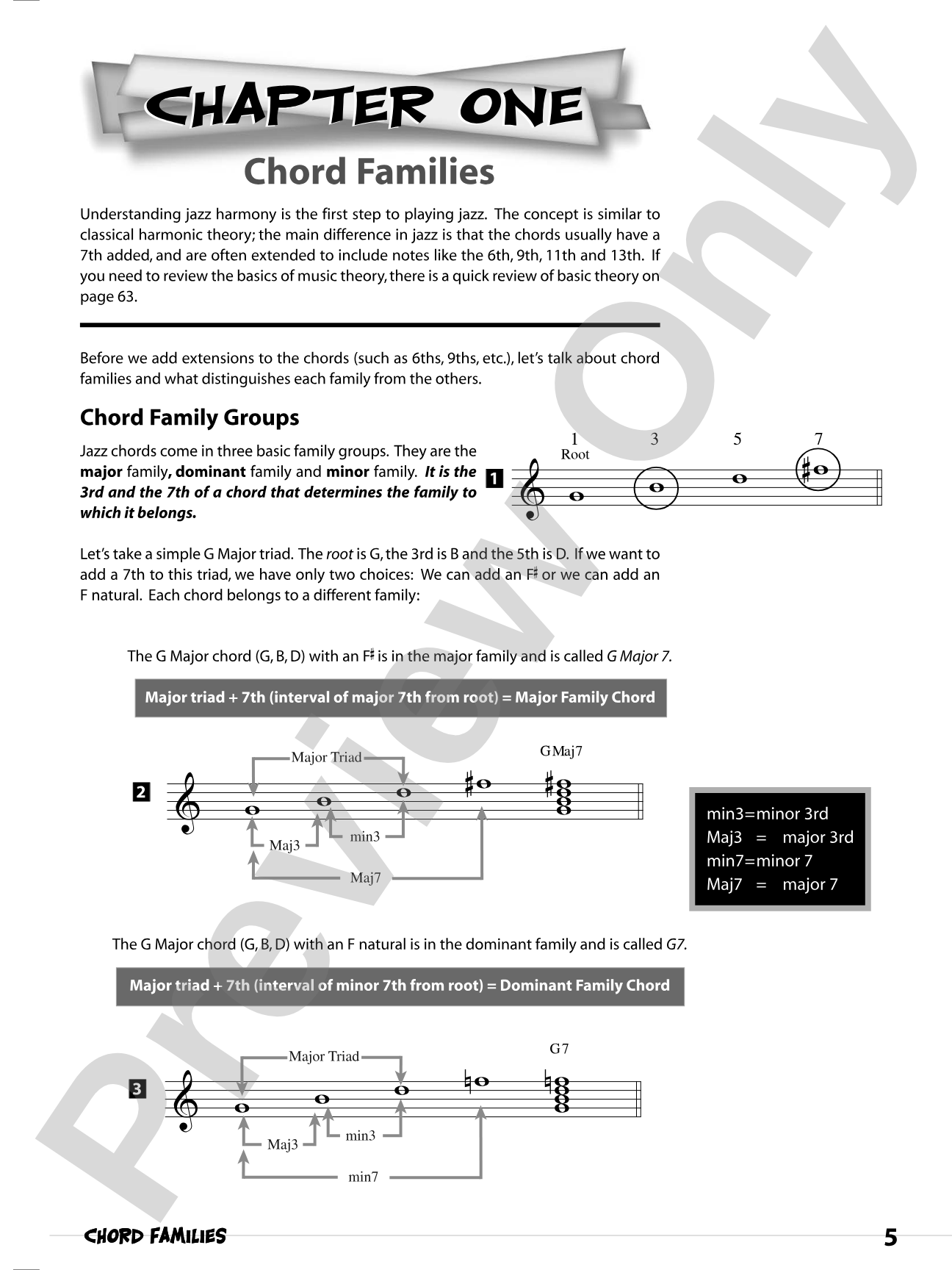
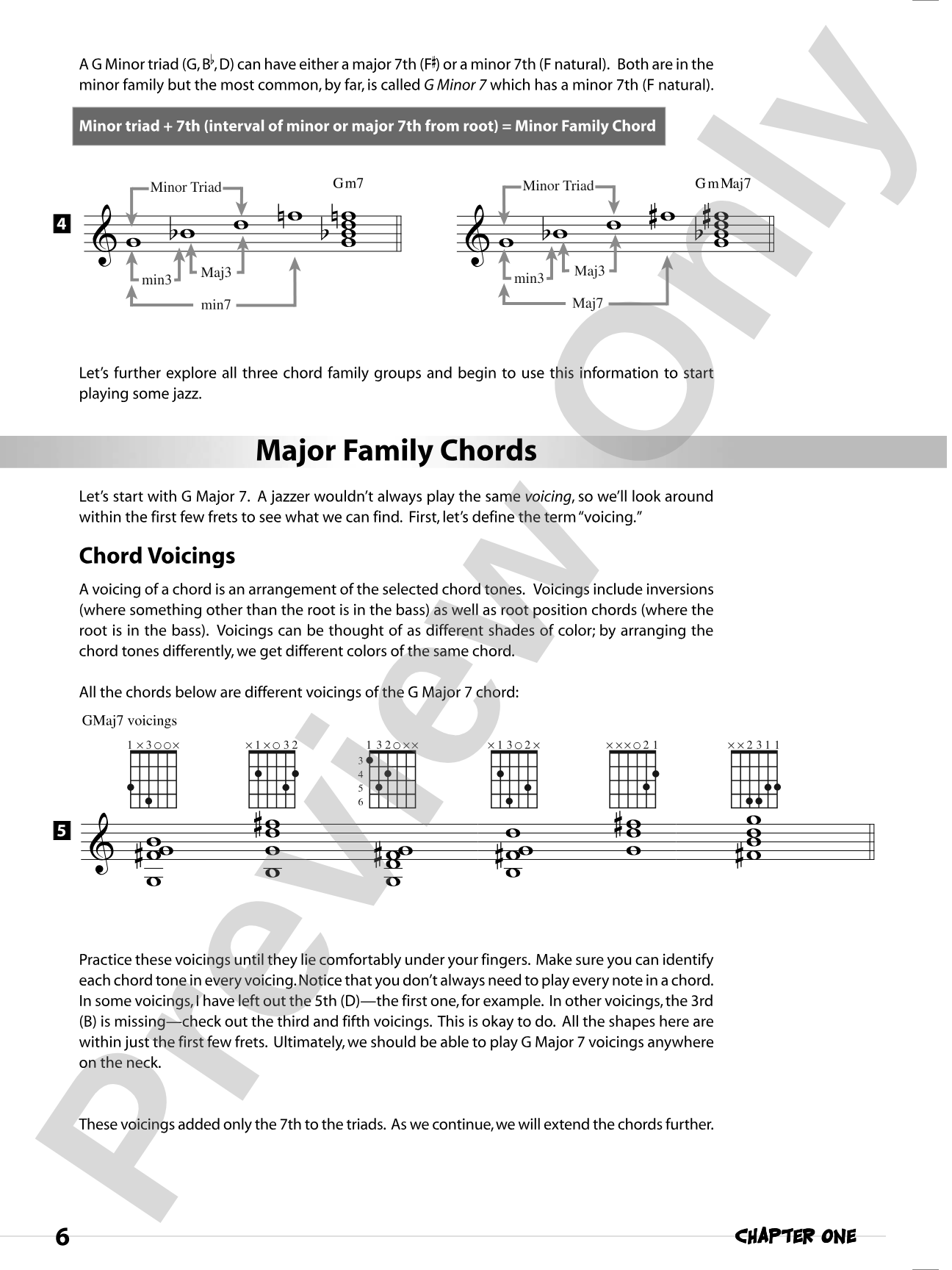
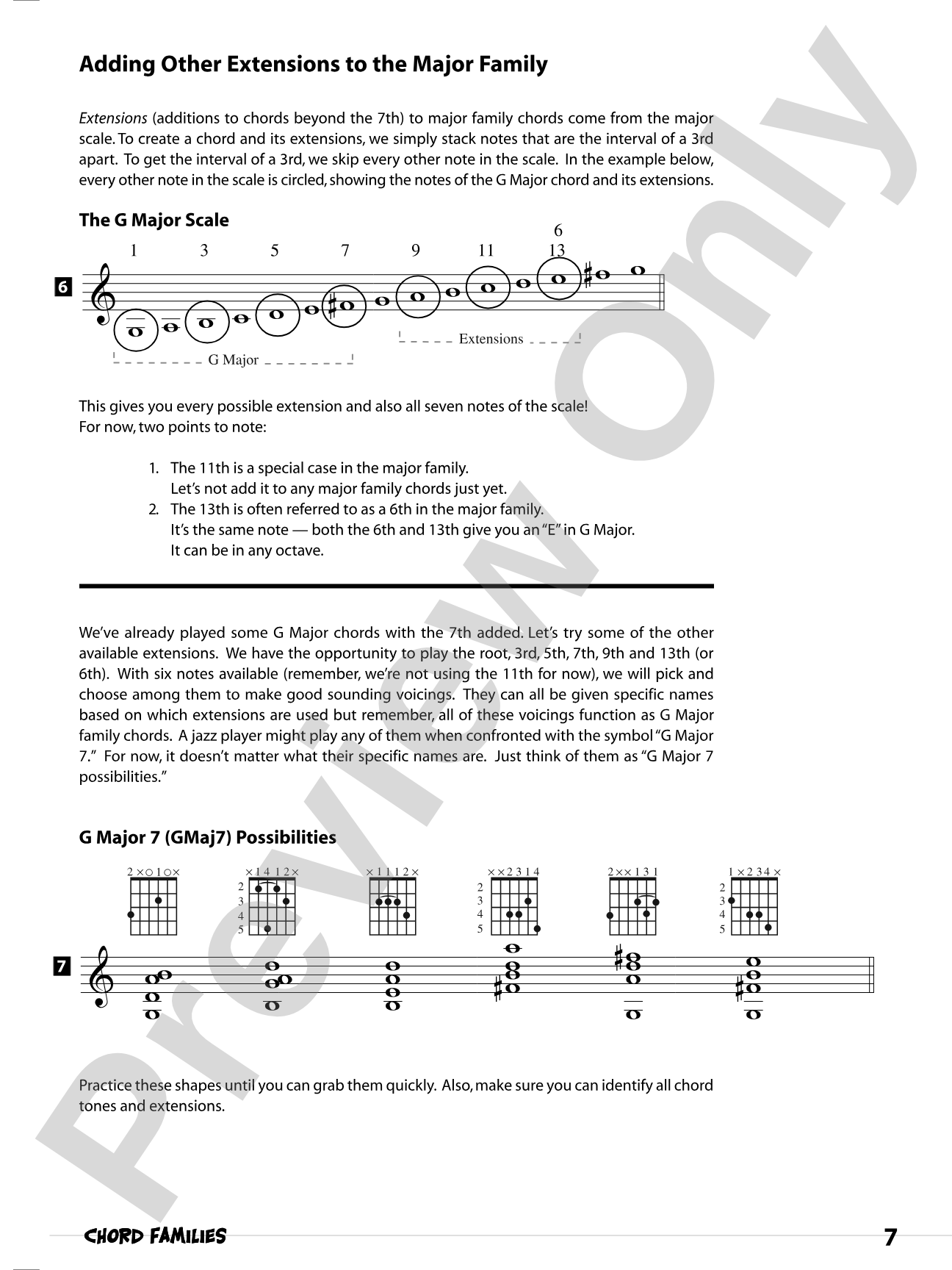
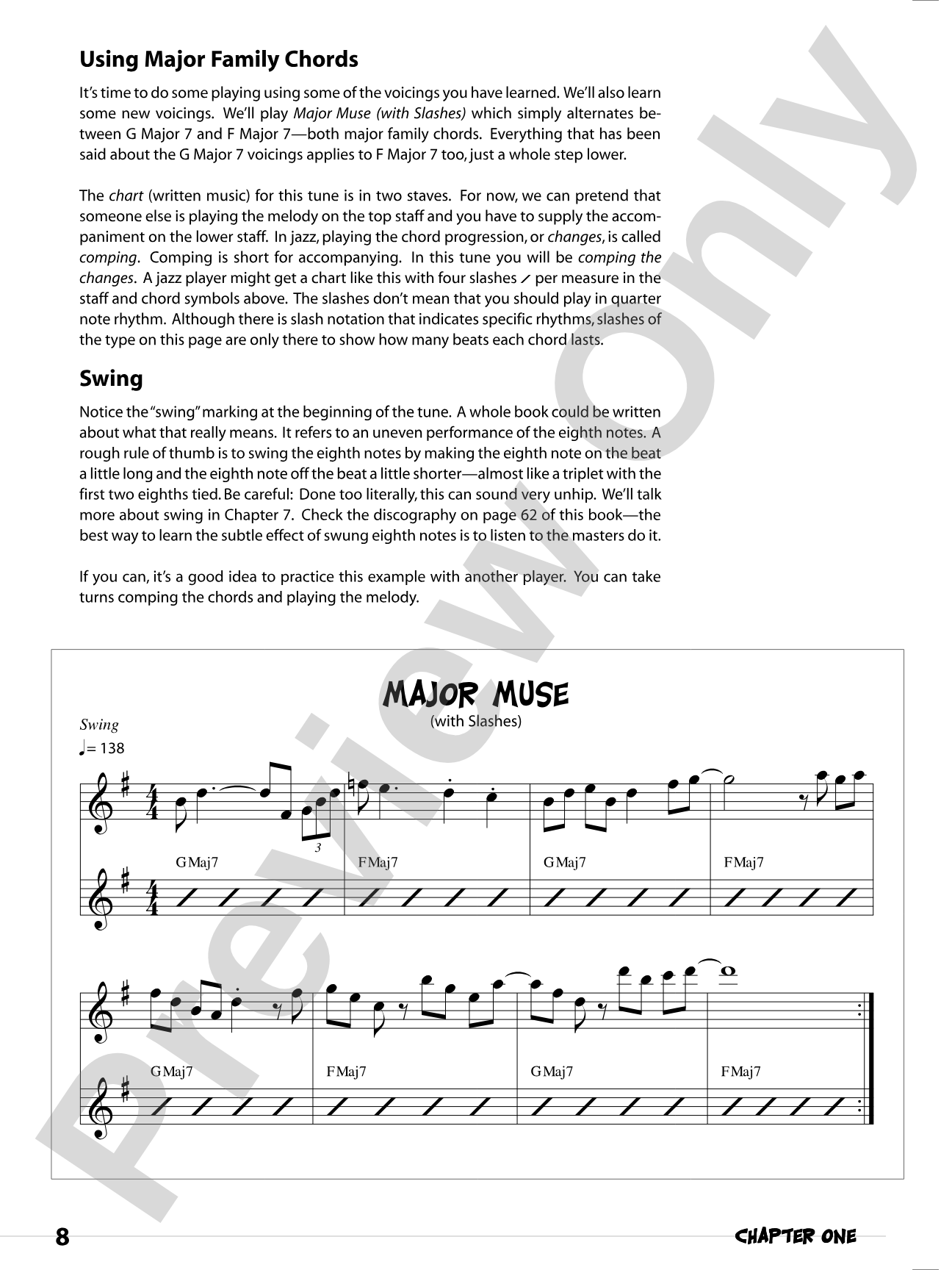
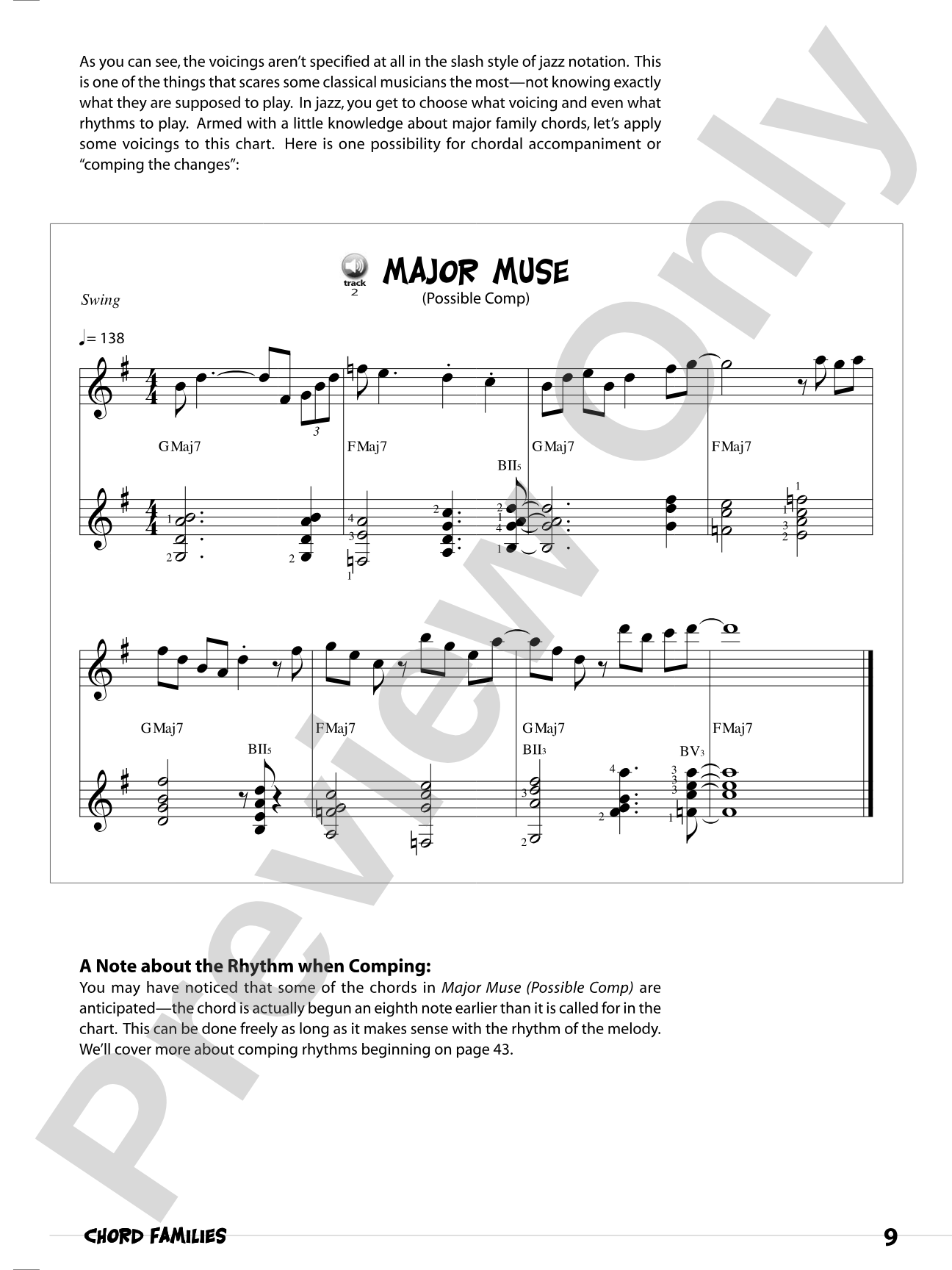
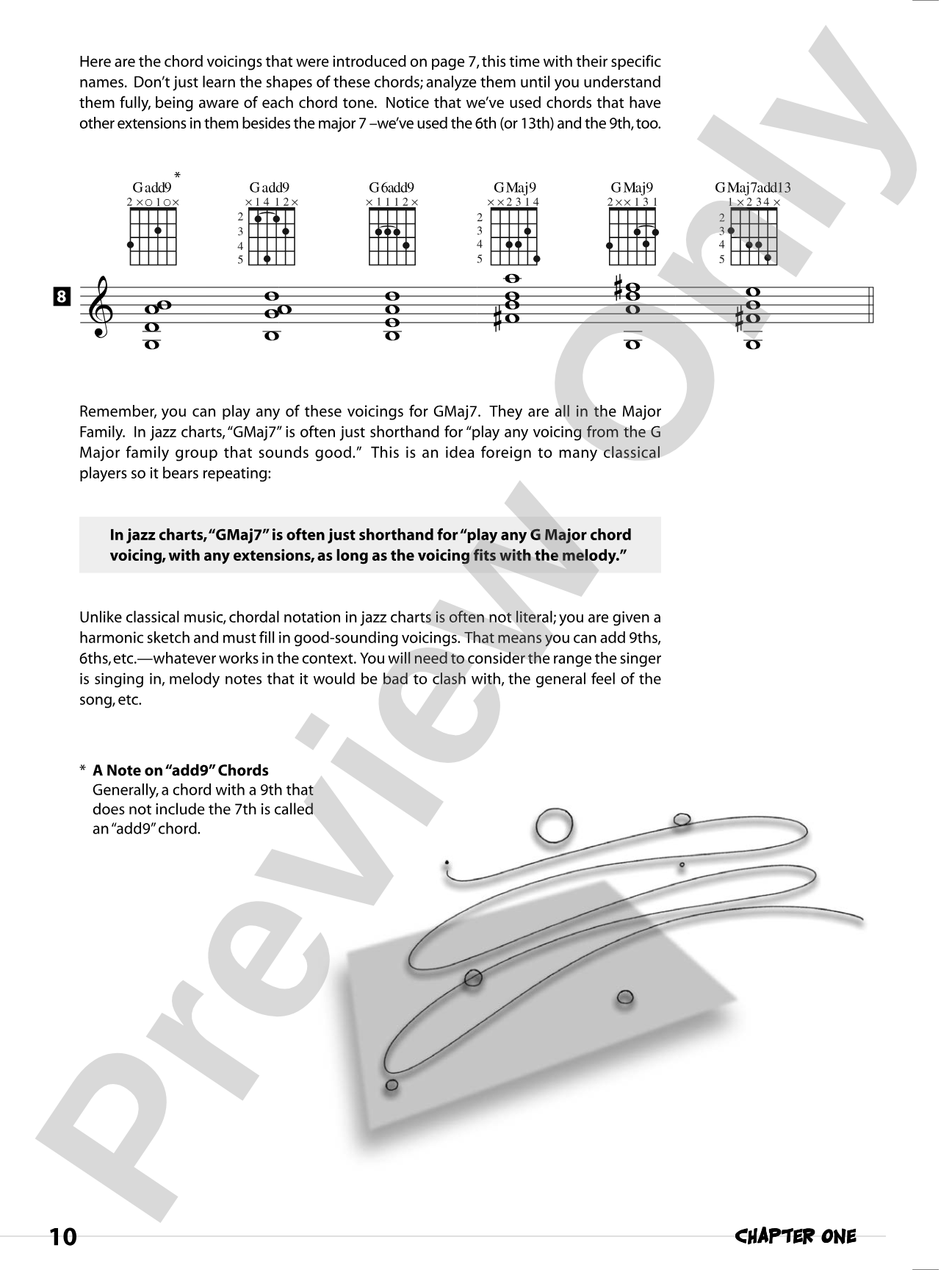
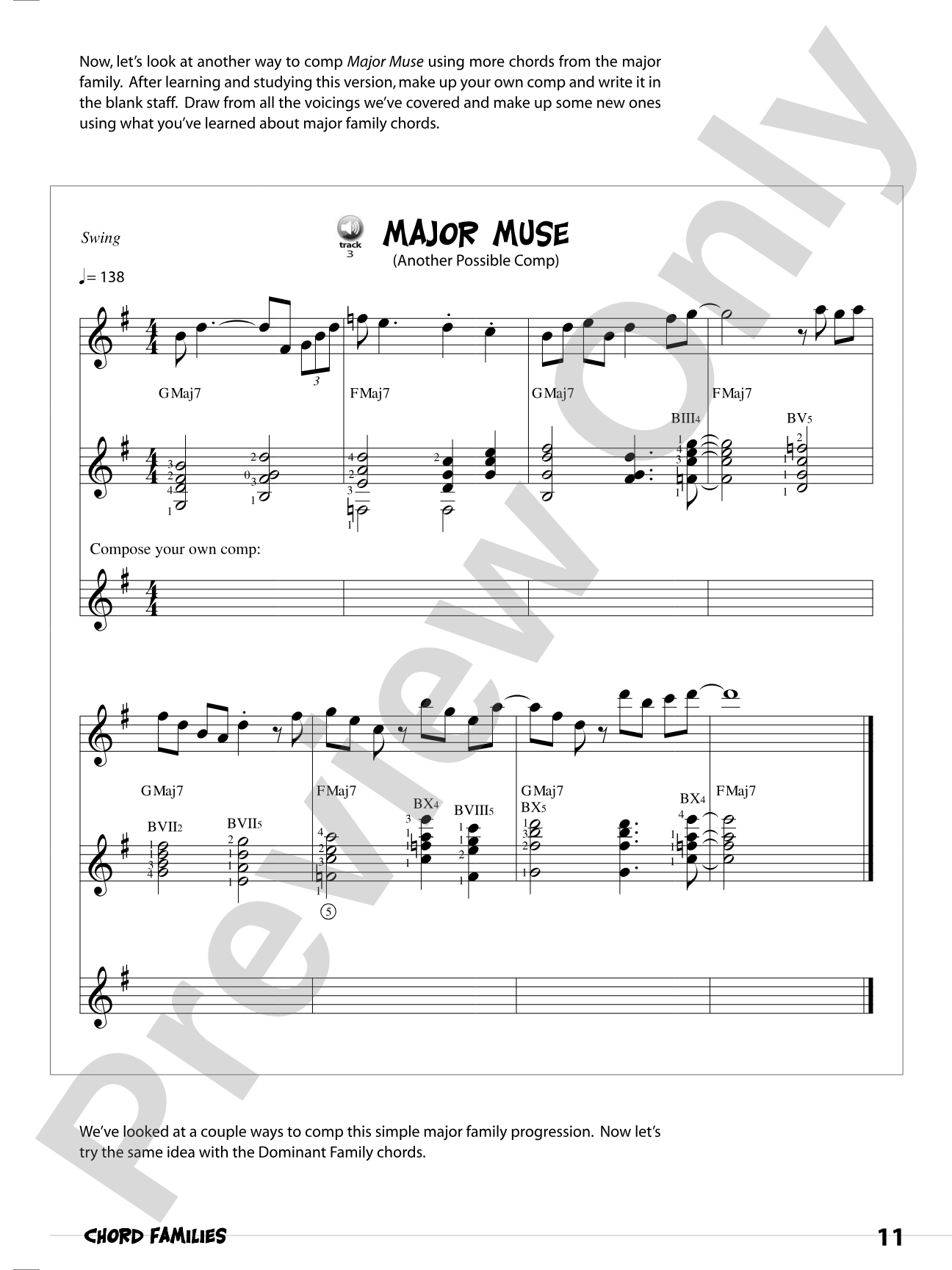
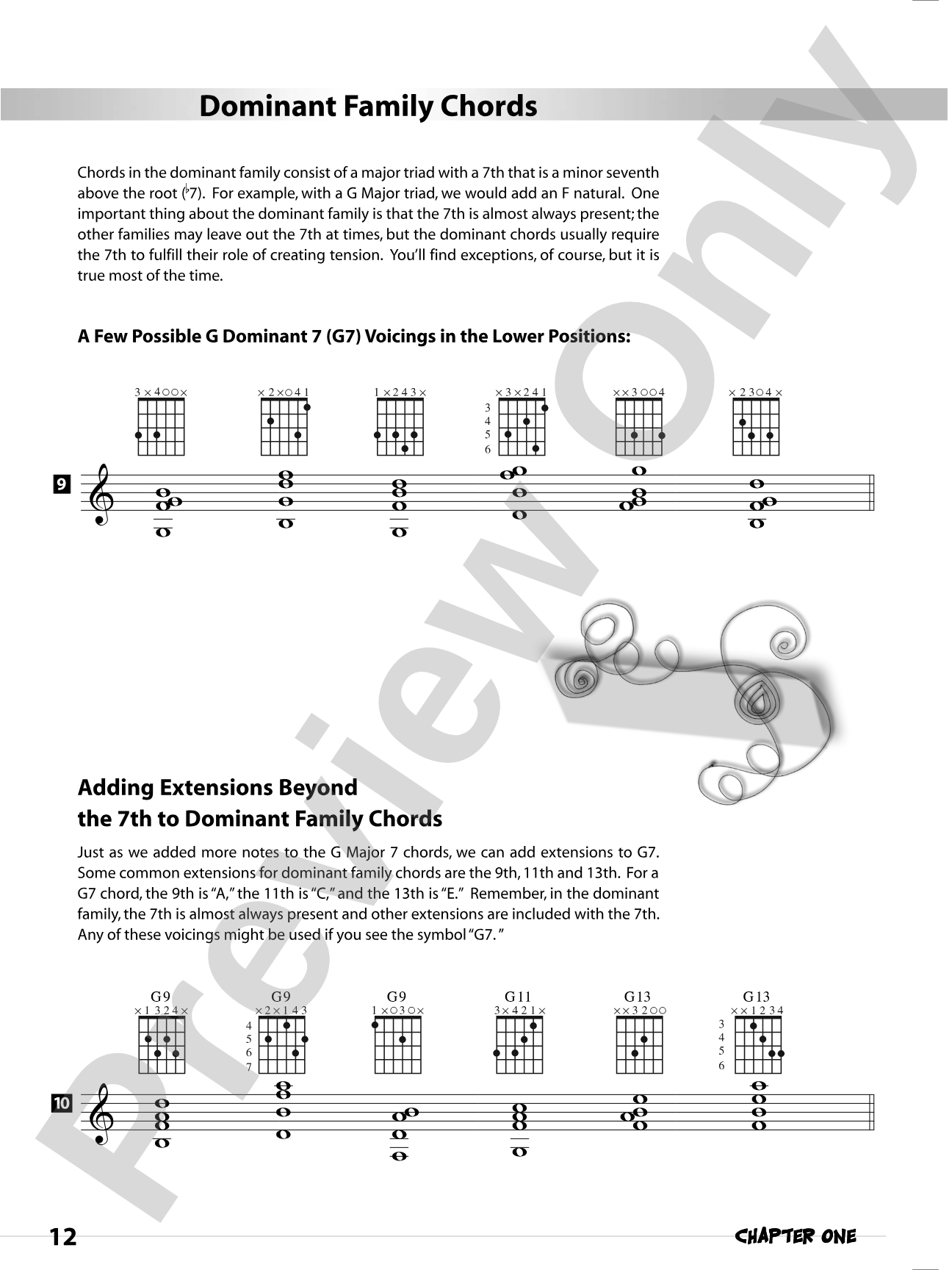
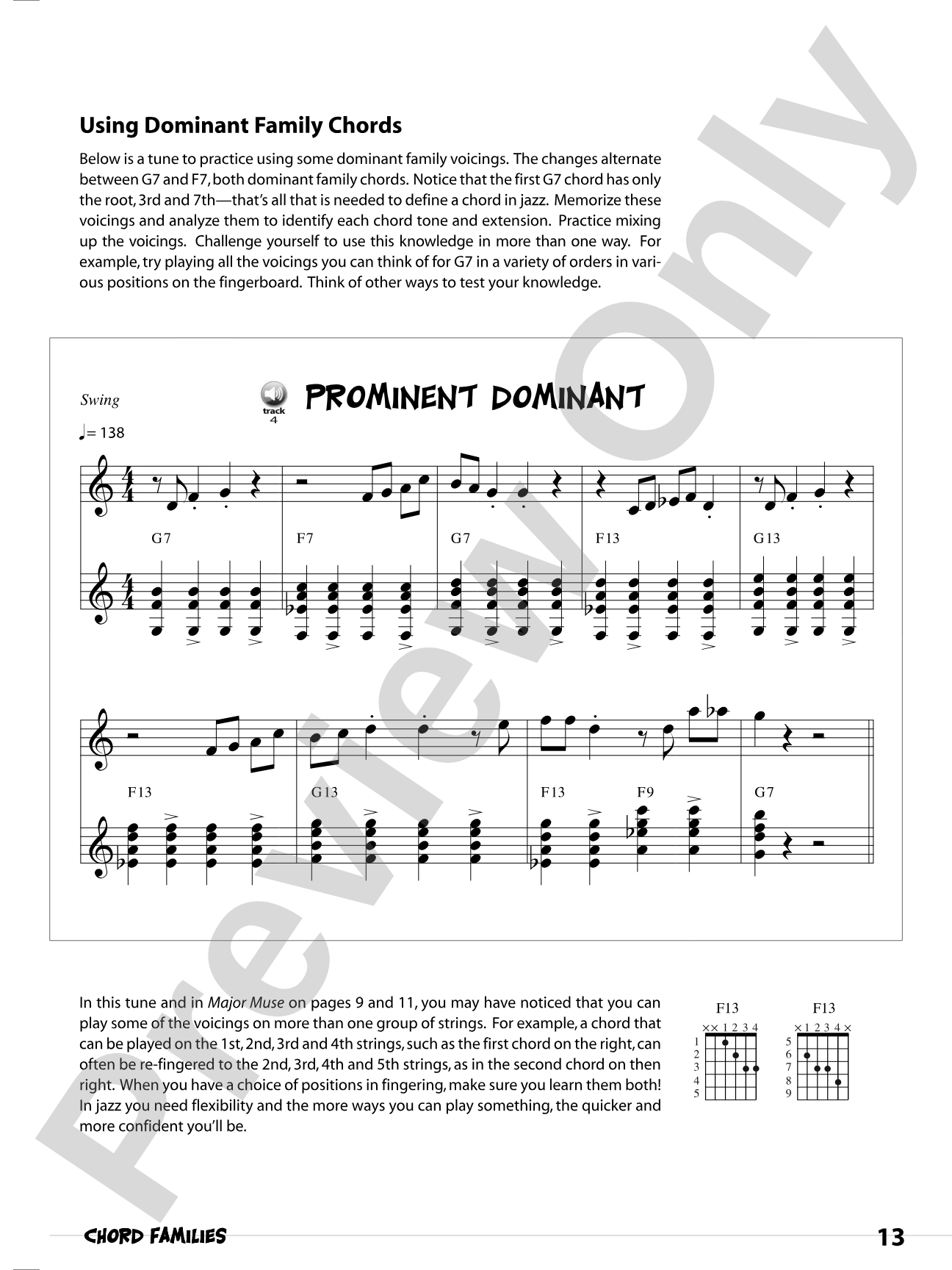
World-famous guitarist and composer Andrew York has created the "Classical Cats" series to be the classical guitarist's ultimate guide to jazz. This book includes introductory lessons on harmony. The recording includes exercises and examples performed by the author.


Jazz Guitar for Classical Cats: Harmony: The Classical Guitarist's Guide to Jazz isn't in MakeMusic Cloud just yet...but it could be. Let us know you'd like to see it, and you'll help shape what comes next. In the meantime, start a free trial and dive into thousands of interactive titles your students can play along with today.
Request This Title
Tell us you want it.
Start Your Free Trial
Explore everything that's ready to play right now.
Sample Audio
1
Carefree
--:--
2
Joroy
--:--
3
Seulb
--:--
Carefree
0:00
0:00
Sample Video
No sample videos found.
Additional Details
Publisher:
Alfred Music
Page Count:
64
SKU:
00-PB-0002185
More about this title
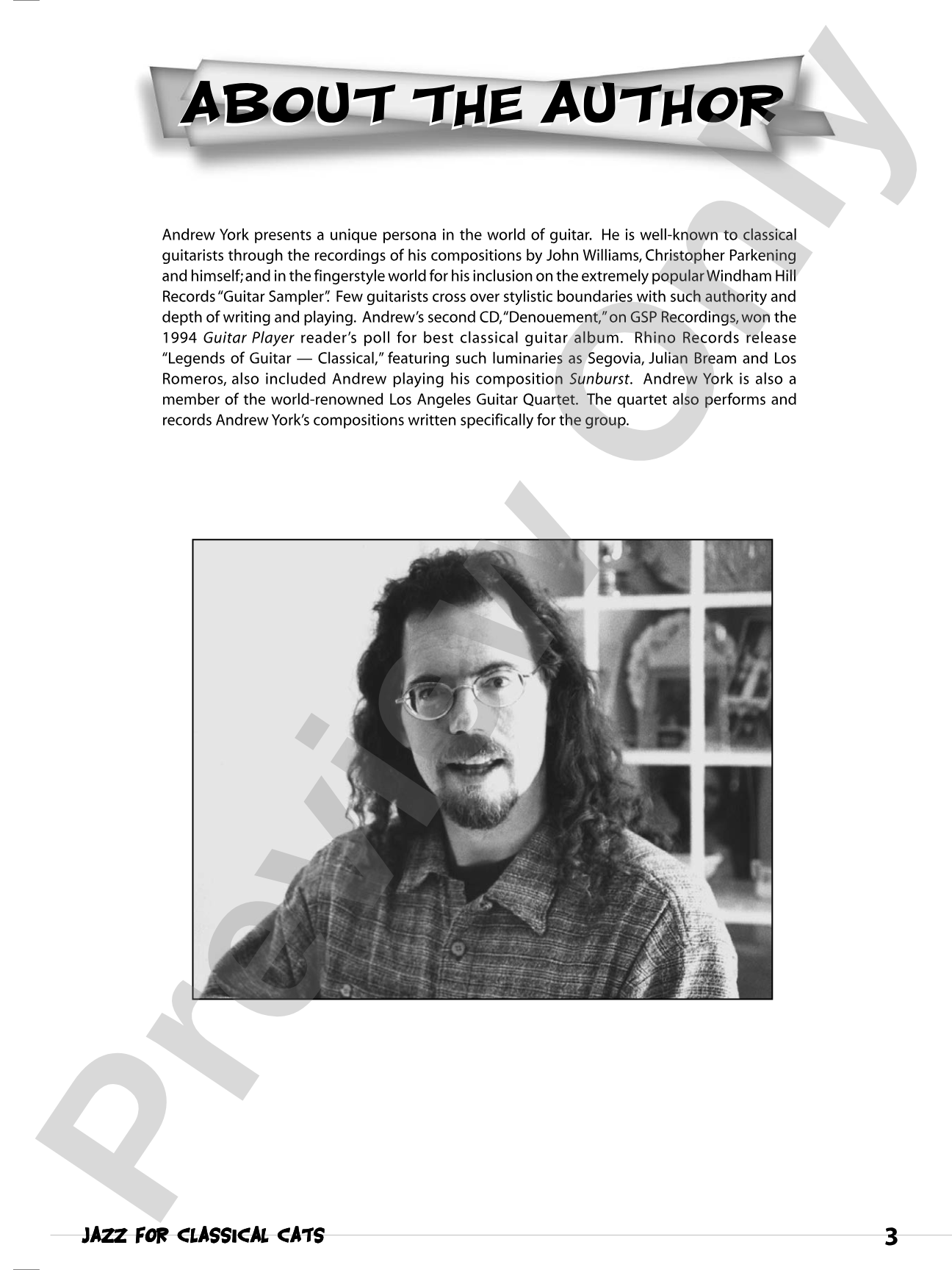
About the Composer: Andrew York
Andrew York stands among the most recorded classical guitarists of his generation, with a catalog spanning Bach transcriptions, contemporary commissions, and original compositions that bridge classical and popular idioms. His pedagogical work reflects decades of performance experience and a commitment to expanding what's possible on the classical guitar, particularly in genres where the instrument has historically had limited voice.
Why we love this
York doesn't position jazz as something classical guitarists must "learn" separately; instead, he grounds jazz harmony in the foundational concepts already in your students' hands. The intimate scale of this book and its author-performed recordings create a master class atmosphere where technique and musicianship develop together.
What to expect
This is music for musicians fluent in classical language discovering a new dialect. The harmony feels sophisticated and intellectually satisfying while remaining accessible, never sacrificing rigor for approachability.
Who it's for
Classical guitarists ready to explore jazz vocabulary without abandoning their classical foundation. Advanced students and adult learners benefit most, particularly those drawn to composition or improvisation within a structured harmonic framework.
How to get the most out of it
- Reference York's recordings early and often. His phrasing demonstrates how harmonic understanding translates to expressive playing rather than academic exercise.
- Work through the harmony examples without rushing to full pieces. Let your ears absorb the voice leading before adding rhythmic interpretation.
- Apply each harmony concept to standards you already know. This anchors abstract theory to repertoire your students may encounter in other settings.
How to use it
Assign this as supplementary material for advanced classical students exploring composition or contemporary music. It also works beautifully alongside jazz history units, offering instrumental agency rather than passive listening.
Skills your students will build
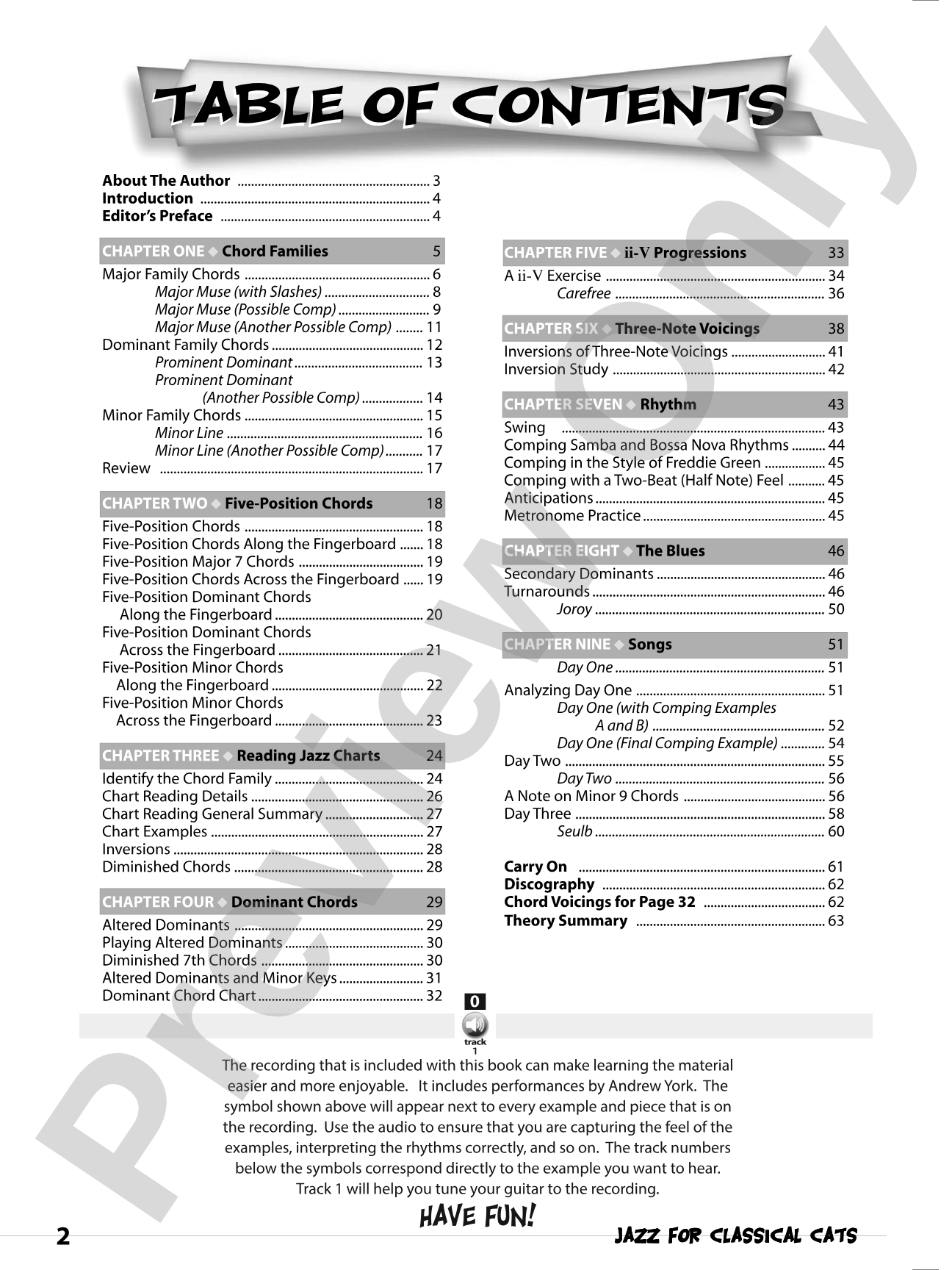
- Jazz harmony vocabulary (seventh chords, extensions, altered dominants)
- Voice leading in jazz contexts
- Chord substitution and reharmonization
- Comping and accompaniment textures
- Translating harmonic concepts to fingerboard shapes