
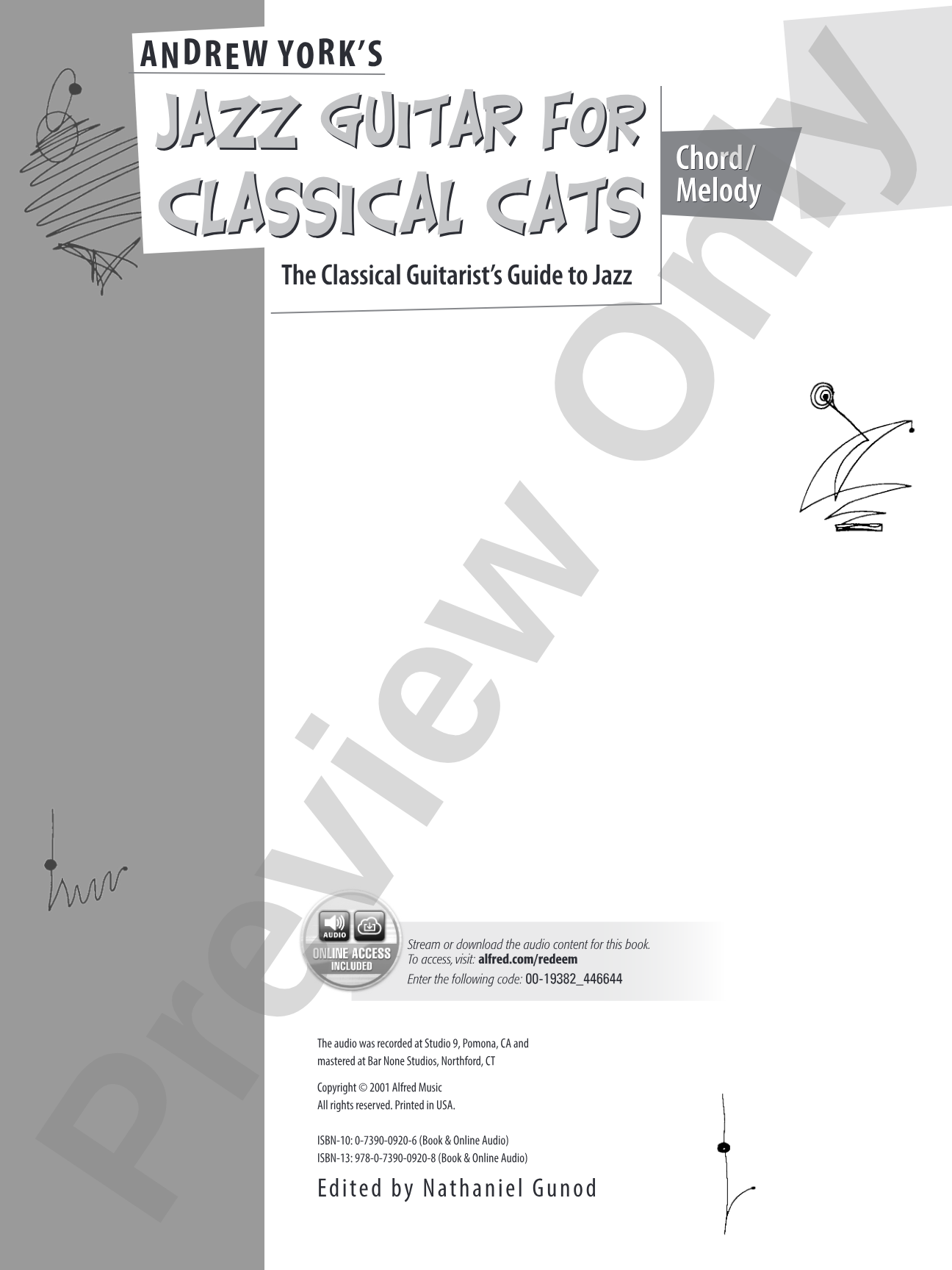

Jazz Guitar for Classical Cats: Chord/Melody: The Classical Guitarist's Guide to Jazz
The Classical Guitarist's Guide to Jazz
By Andrew York
Item: 00-PB-0002191
$12.99
Pickup currently not available
Related Items
Jazz Guitar for Classical Cats: Chord/Melody: Guitar Book & Online Audio |
$12.99
|
View |
Description
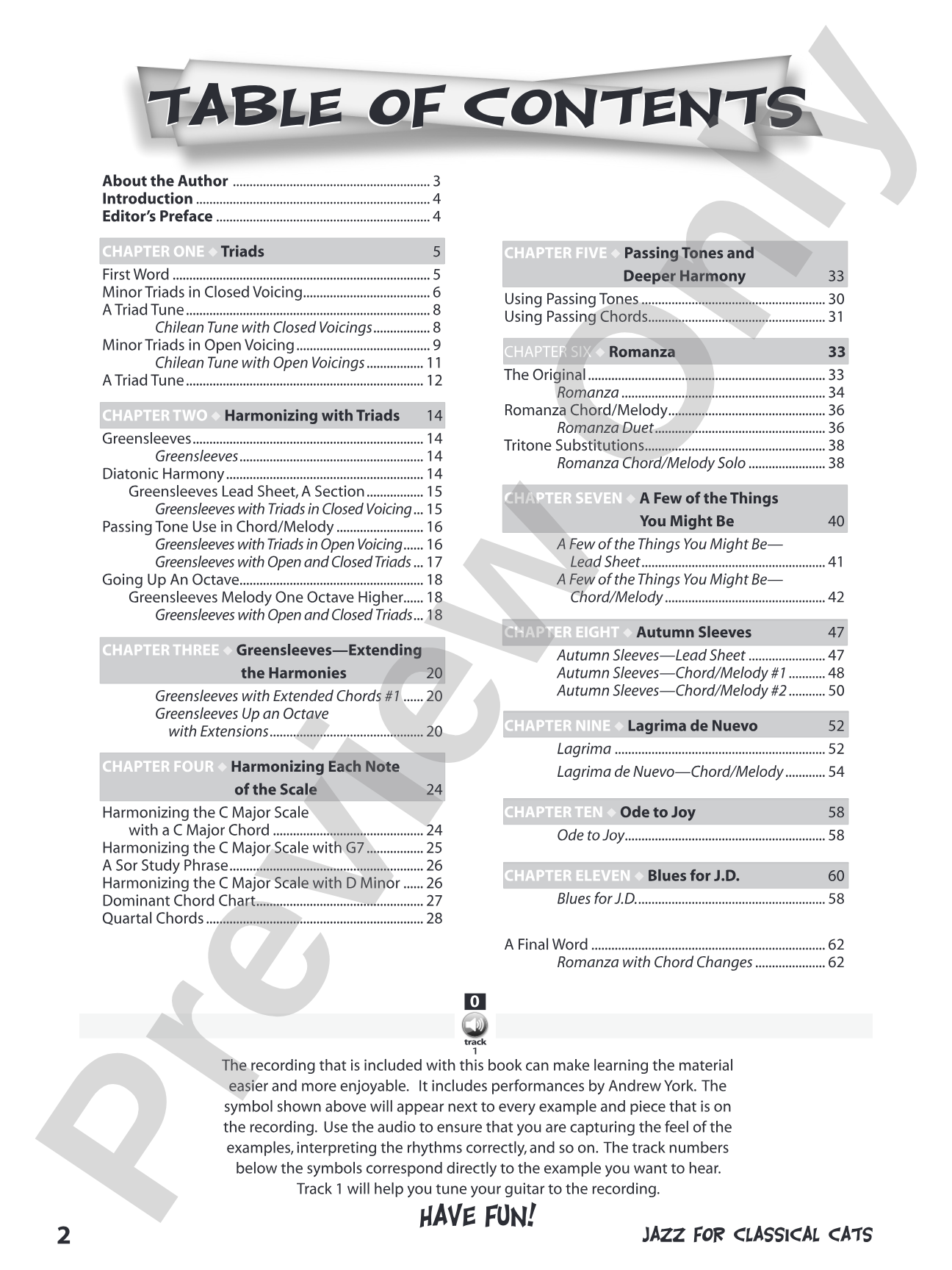
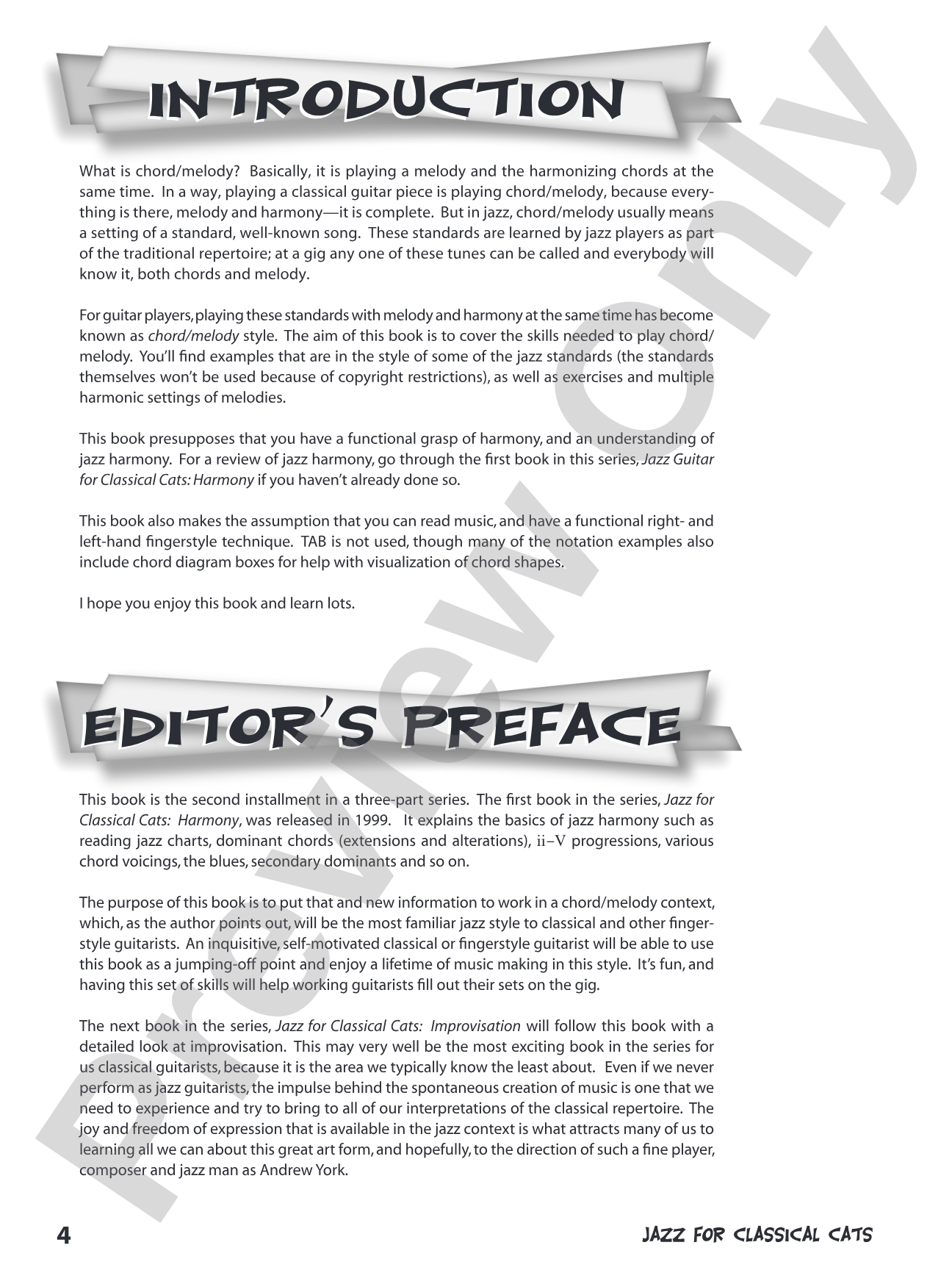
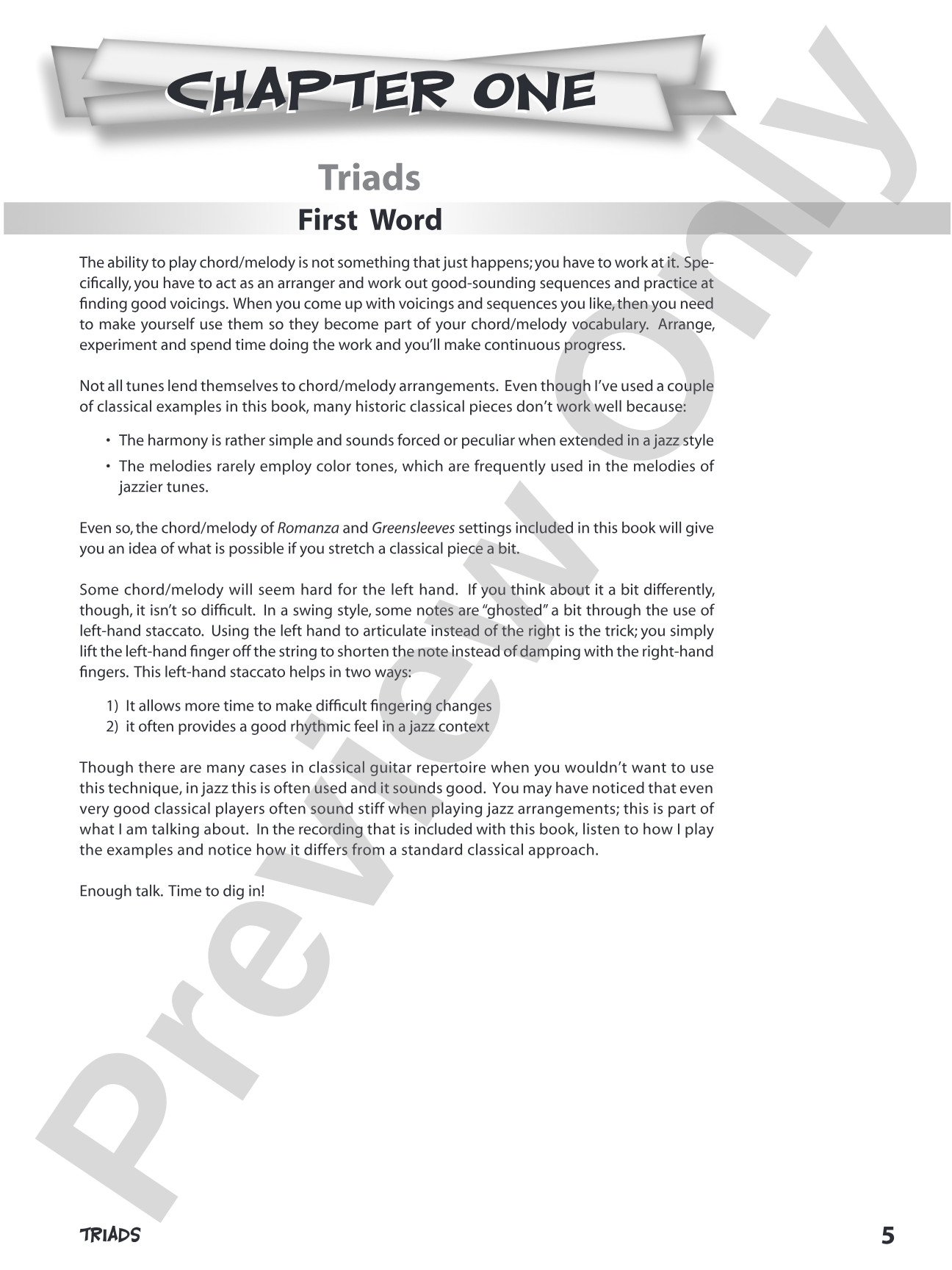
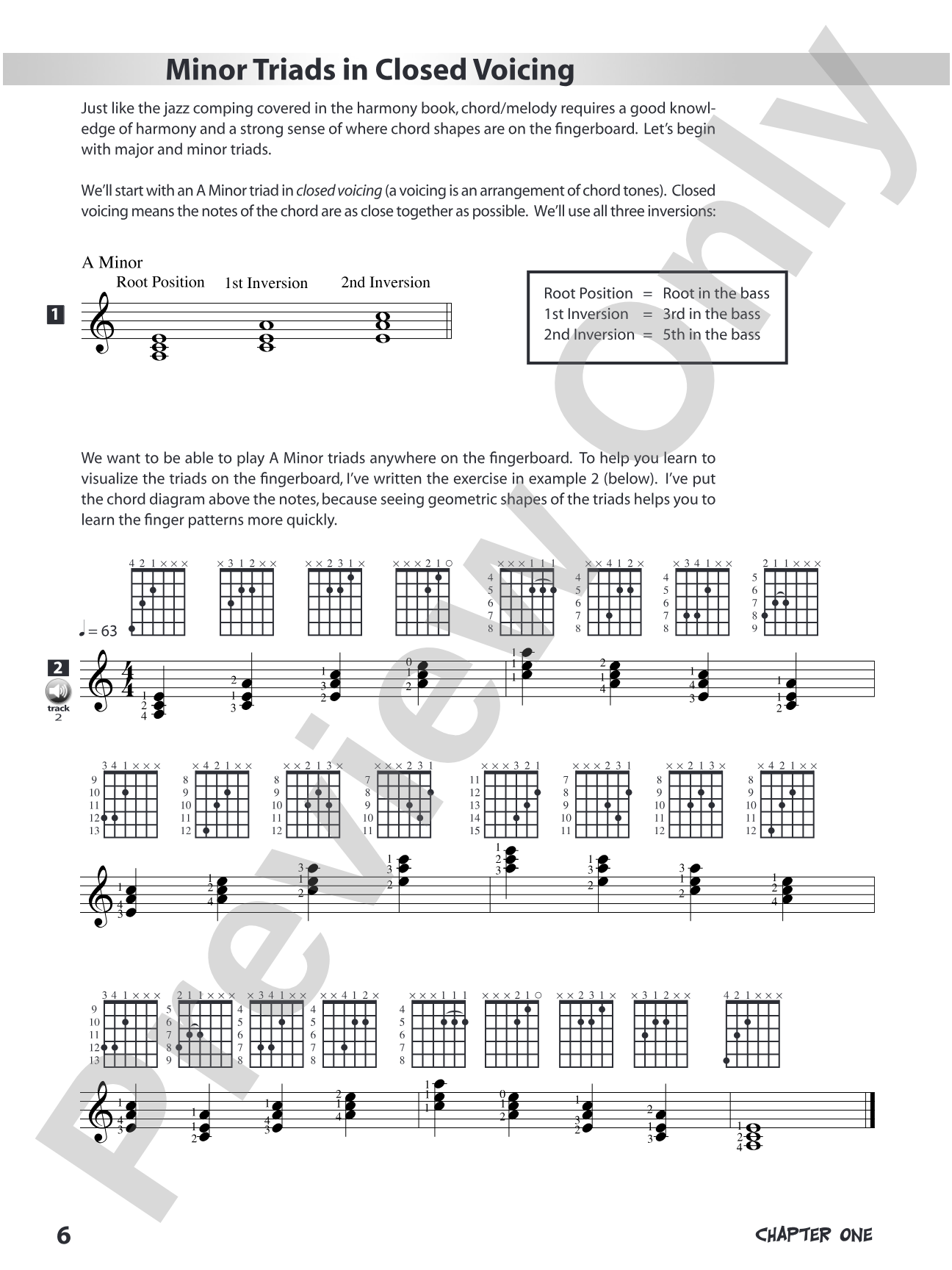
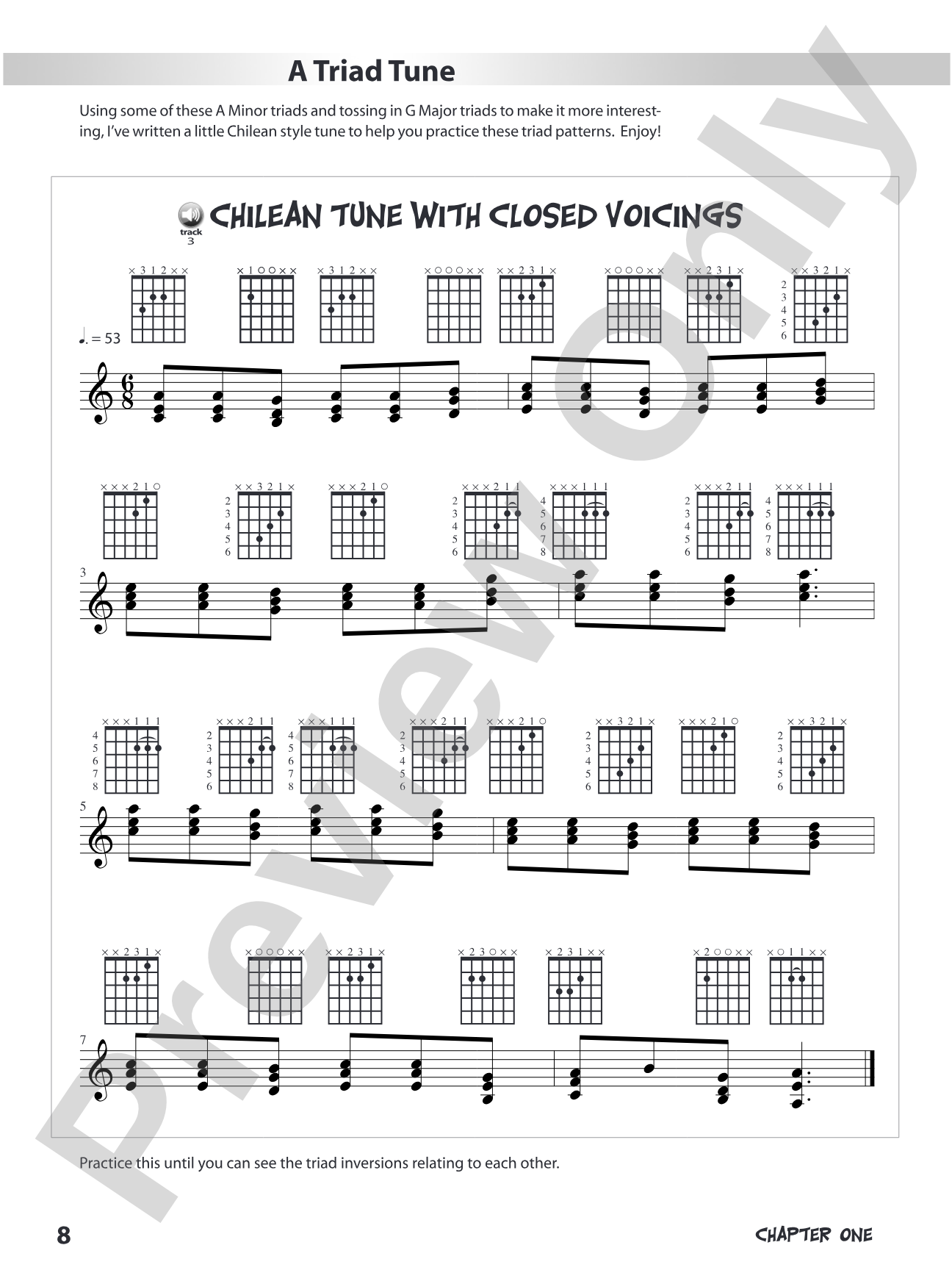
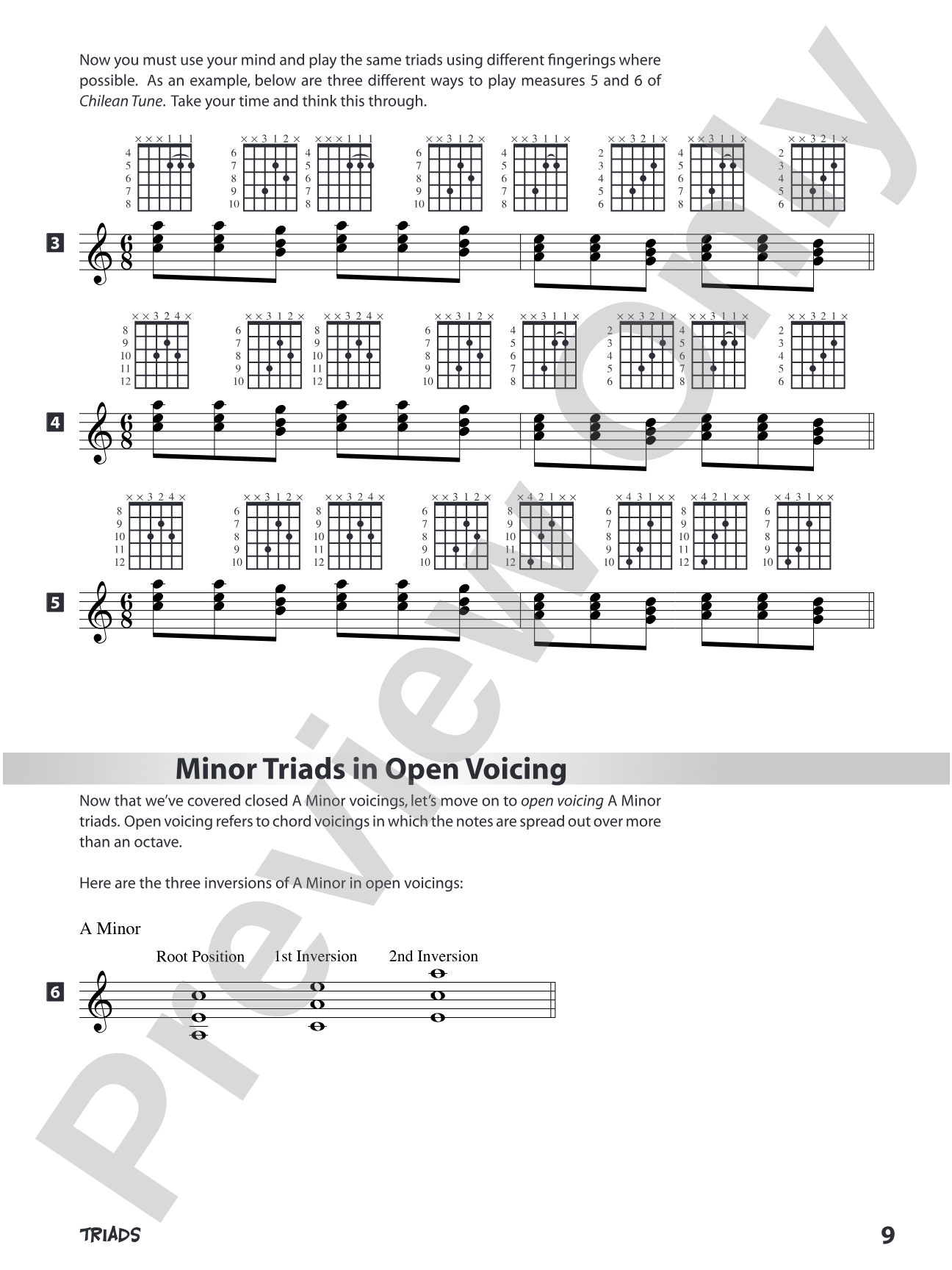
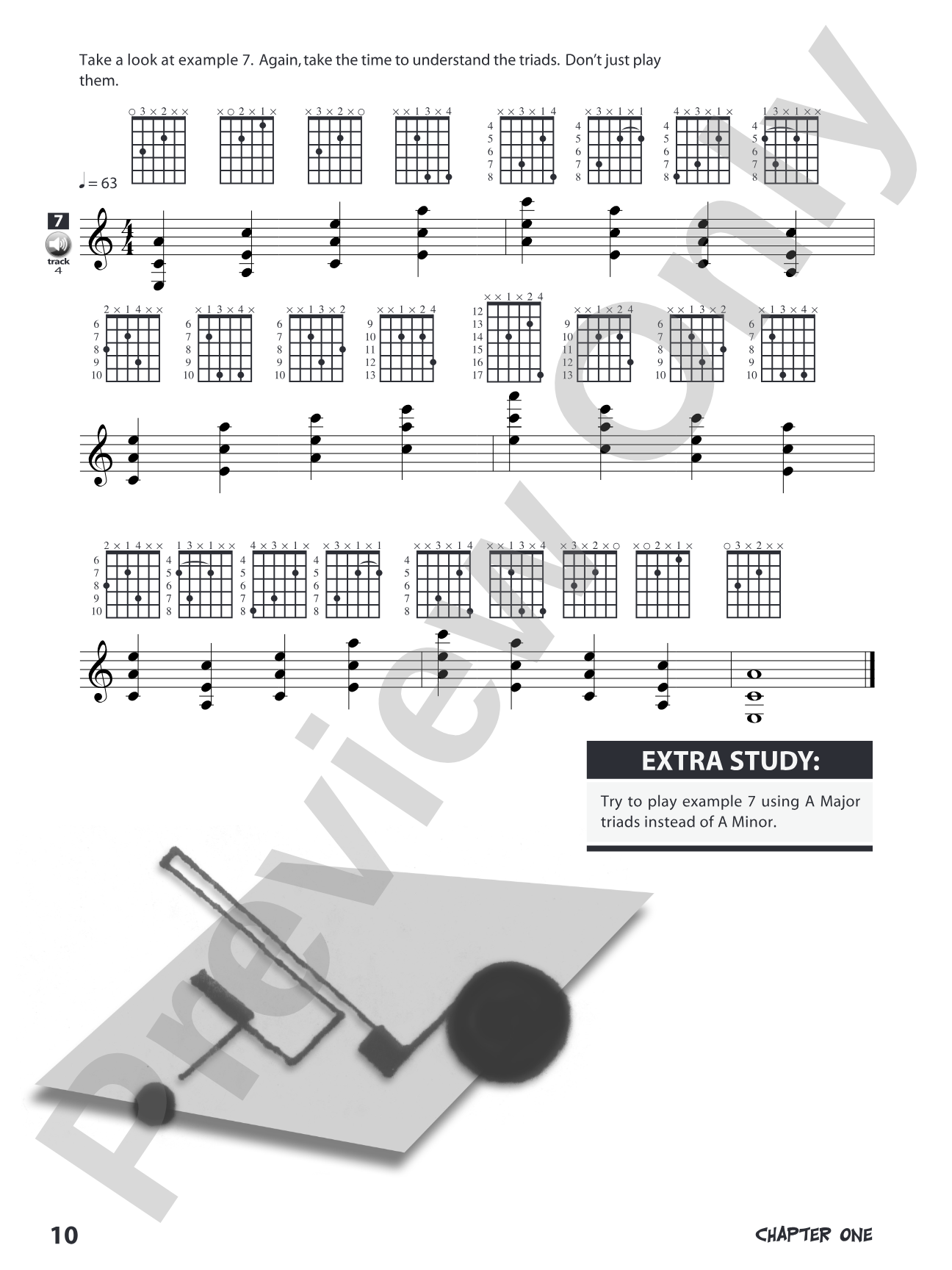
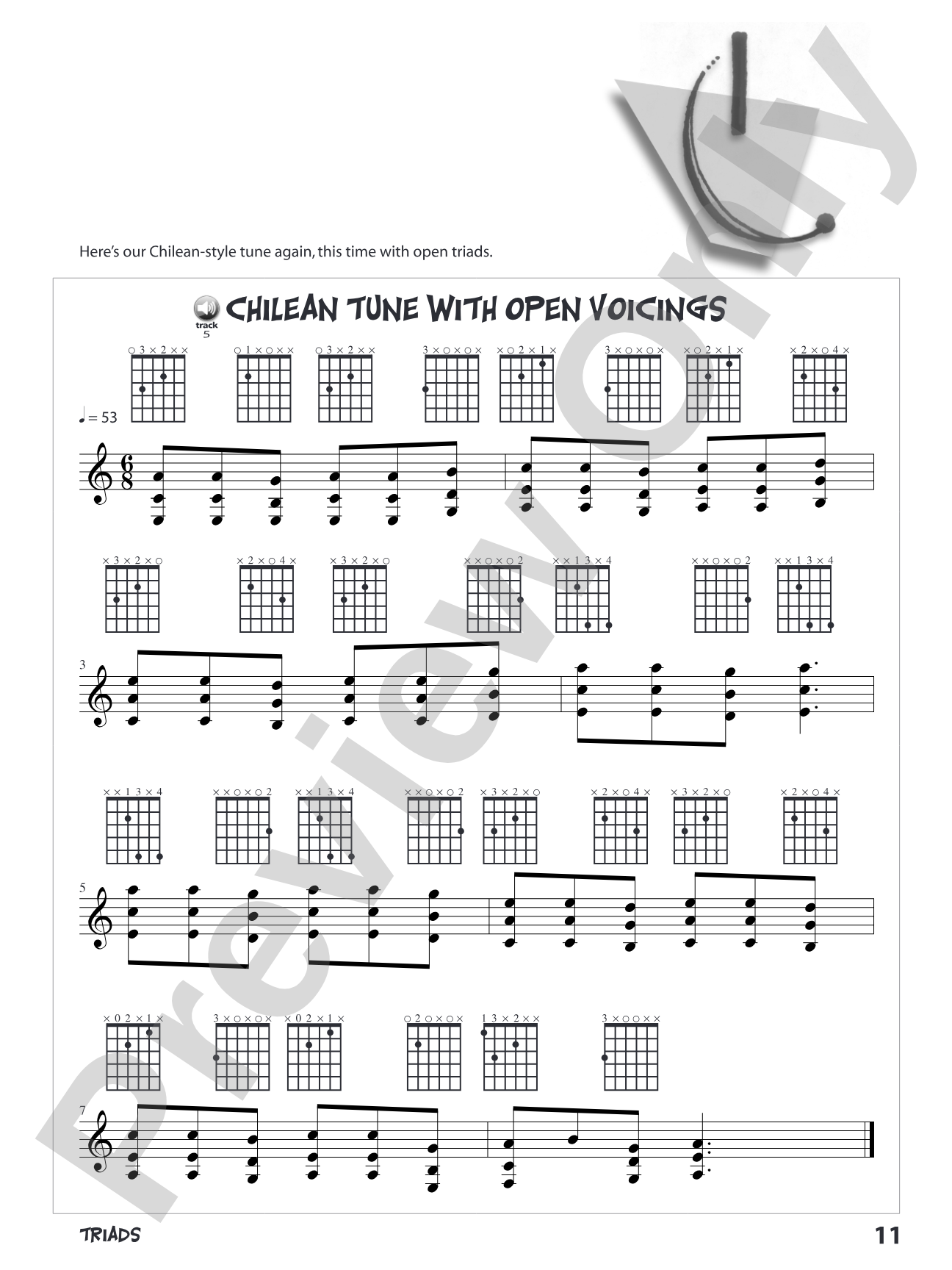
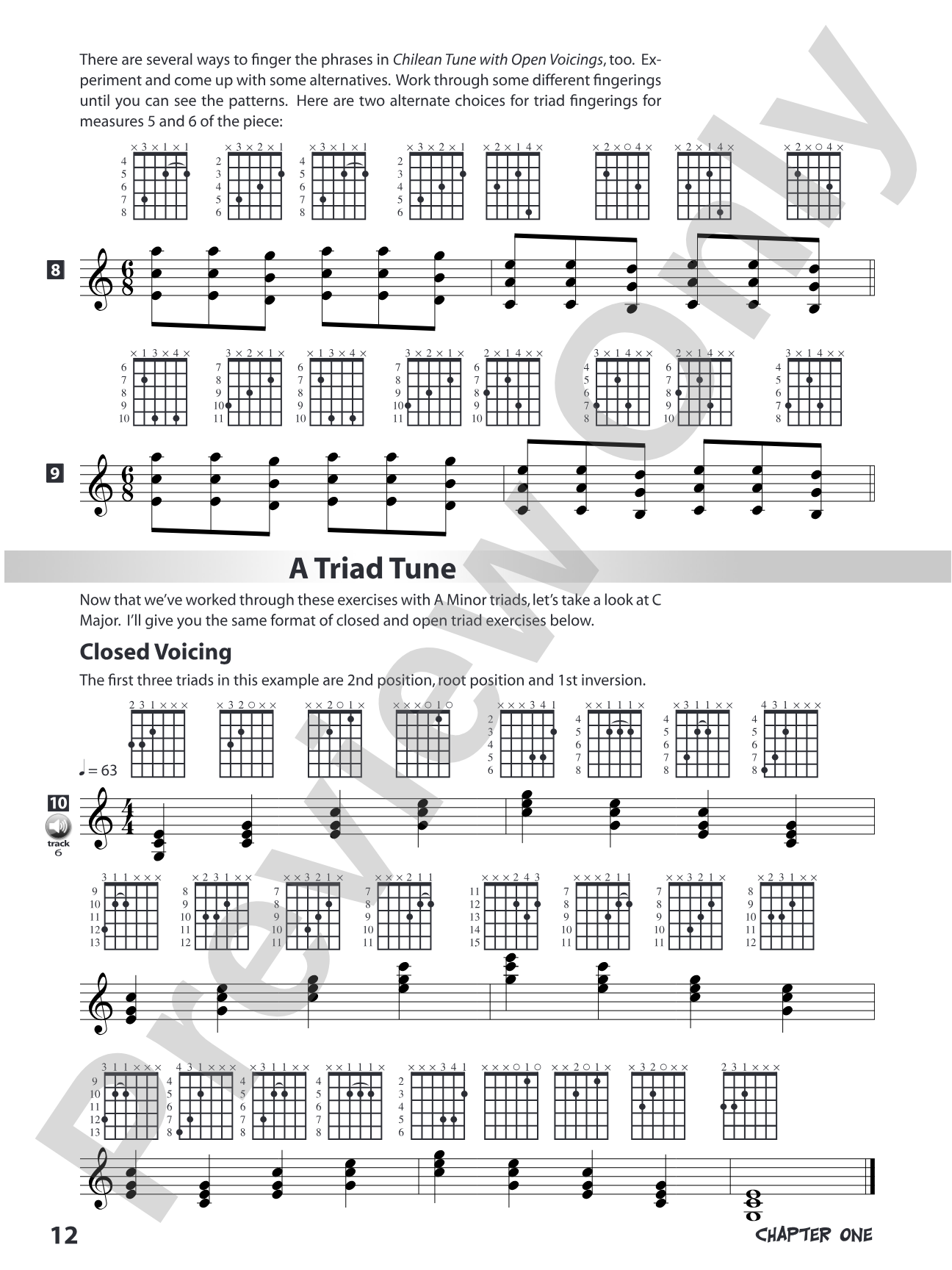
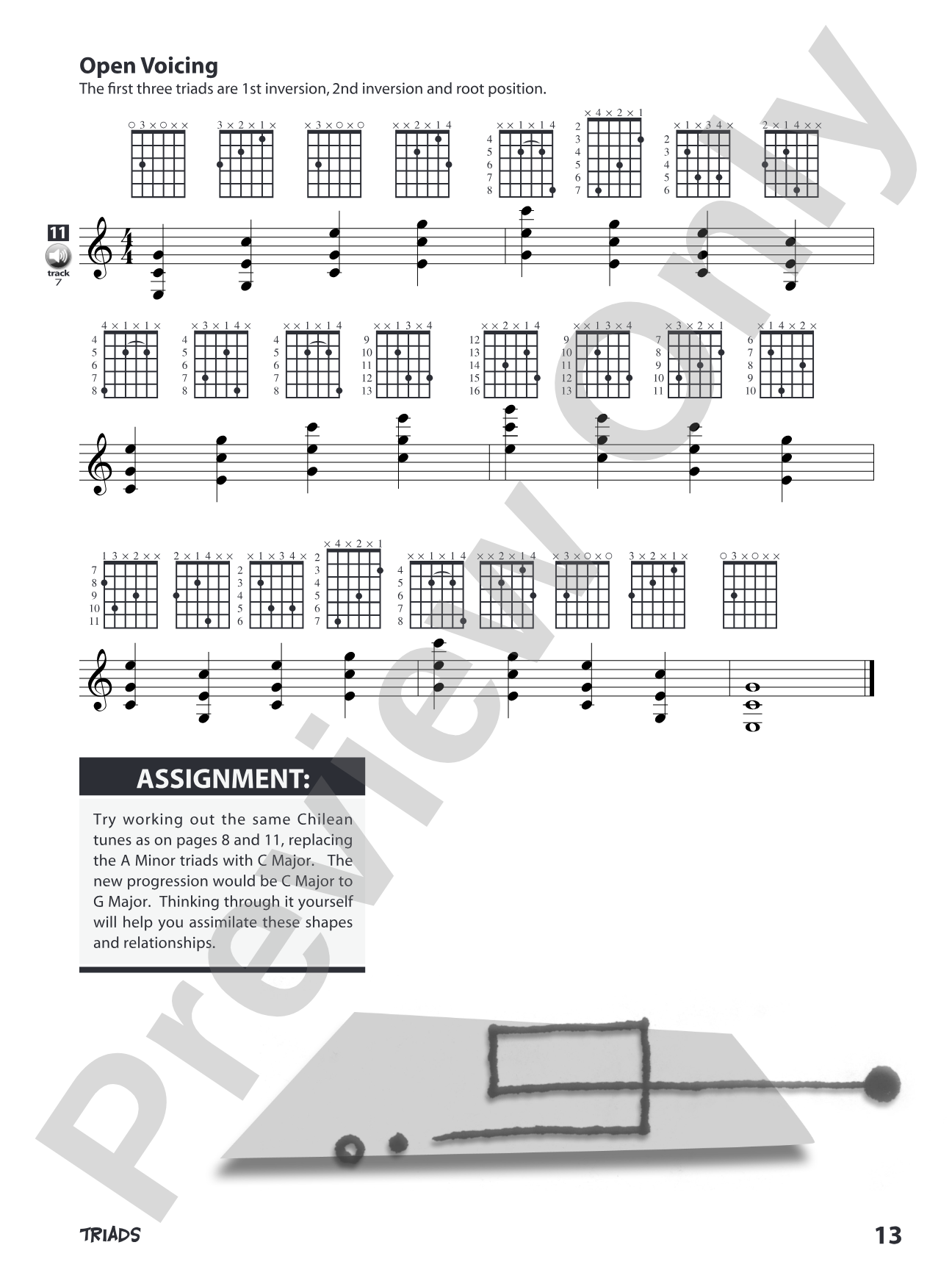
World-famous guitarist and composer Andrew York has created the "Classical Cats" series to be the classical guitarist's ultimate guide to jazz. This book includes introductory lessons on chord voicings, voice leading, and arranging for solo guitar. Original compositions by Andrew York are featured. The recording includes exercises and examples performed by the author.


Jazz Guitar for Classical Cats: Chord/Melody: The Classical Guitarist's Guide to Jazz isn't in MakeMusic Cloud just yet...but it could be. Let us know you'd like to see it, and you'll help shape what comes next. In the meantime, start a free trial and dive into thousands of interactive titles your students can play along with today.
Request This Title
Tell us you want it.
Start Your Free Trial
Explore everything that's ready to play right now.
Sample Audio
No sample audio found.
Sample Video
No sample videos found.
Additional Details
Publisher:
Alfred Music
SKU:
00-PB-0002191
More about this title
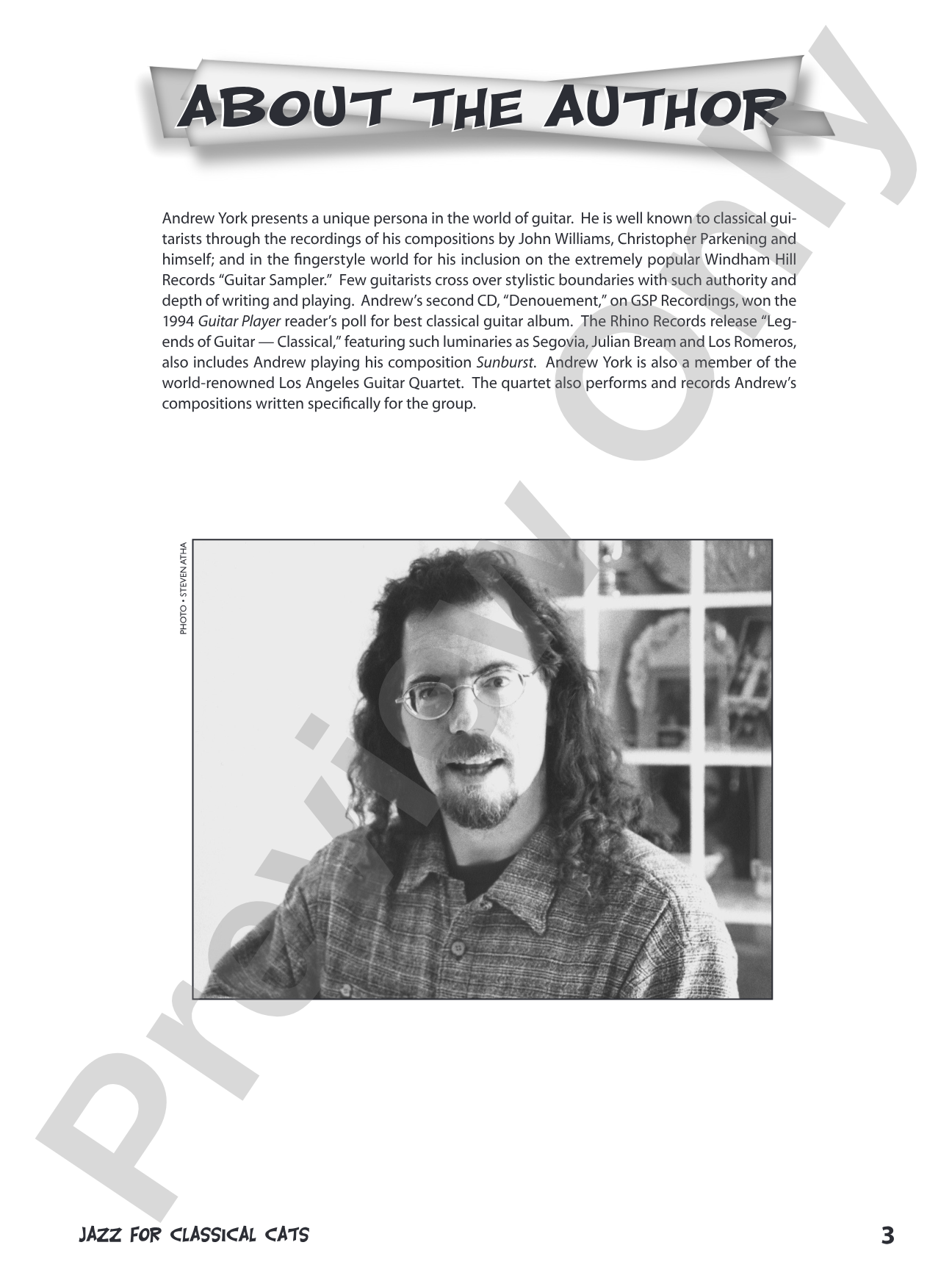
About the Composer: Andrew York
Andrew York is a classical guitarist and composer whose work bridges the traditional classical repertoire with contemporary and jazz idioms. His compositions for guitar have earned recognition for their musicality and technical sophistication, and his pedagogical approach prioritizes clarity without sacrificing artistic depth.
Why we love this
York's series speaks directly to classical guitarists who want to explore jazz vocabulary without abandoning the fingerstyle foundation they've built. The inclusion of his own compositions means students learn voice leading and voicing principles through pieces that model the concepts beautifully, rather than through abstract exercises alone.
What to expect
Stepping into a world where clean harmonic thinking meets the lyrical sensibility you've cultivated at the classical guitar. The music breathes with both the precision of classical writing and the fluidity of jazz phrasing, creating arrangements that feel natural under the fingers.
Who it's for
Classical guitarists ready to expand into jazz language but who learn better through composition and musical context than through pure theory. Intermediate to advanced players will find the most value here, as some foundational music reading and fingerstyle technique is assumed.
How to get the most out of it
- Listen closely to York's own recordings of the exercises and compositions. His interpretation demonstrates how chord voicings sit rhythmically within phrases and how voice leading creates musical narrative even in harmonic contexts.
- Practice voicings slowly and separately from the melody line first. This isolates your understanding of each chord shape and trains your ear to hear the internal movement within the harmony.
- Record yourself playing through the material. Hearing your own performance reveals rhythmic inconsistencies and voicing clarity issues that escape notice in real time.
- Study the arrangements York provides before improvising from them. Understanding how he voices a given chord progression establishes a reference point for your own creative choices.
How to use it
Assign this to advanced students pursuing guitar electives or independent study, particularly those interested in composition, arranging, or contemporary classical music. It also pairs well with chamber repertoire that incorporates jazz idioms or mixed harmonic language.
Skills your students will build
- jazz chord voicings and inversions on classical guitar
- voice leading across harmonic progressions
- solo guitar arranging techniques
- sight reading jazz notation and chord symbols
- harmonic analysis and chord substitution choices