Jazz Etudes for Piano Sheet Music Preview

Jazz Etudes for Piano: Piano

By Michael Orta

Level: Intermediate / Advanced

Item: 00-PB-0002647

Digital Download
$19.99
Description
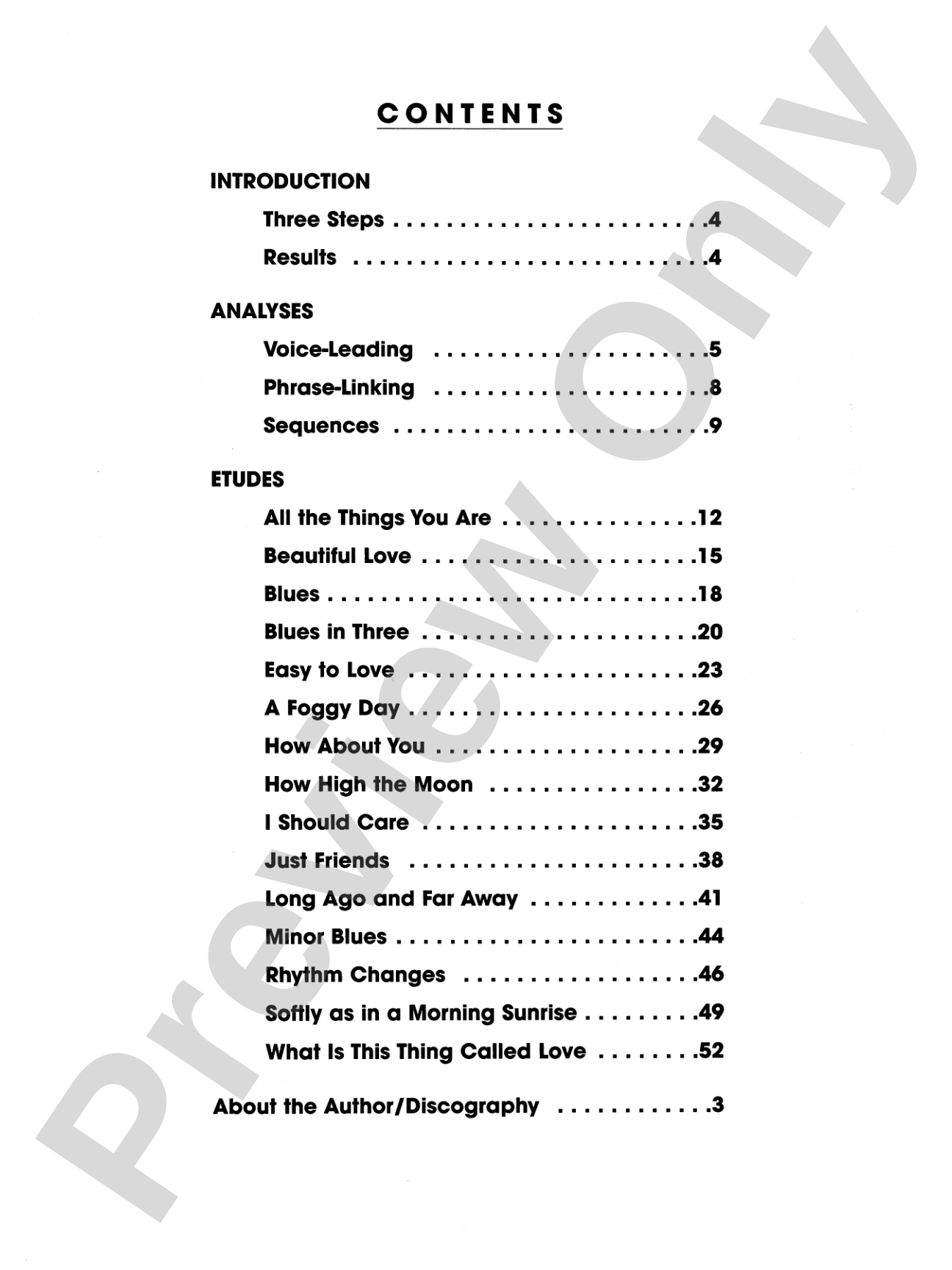
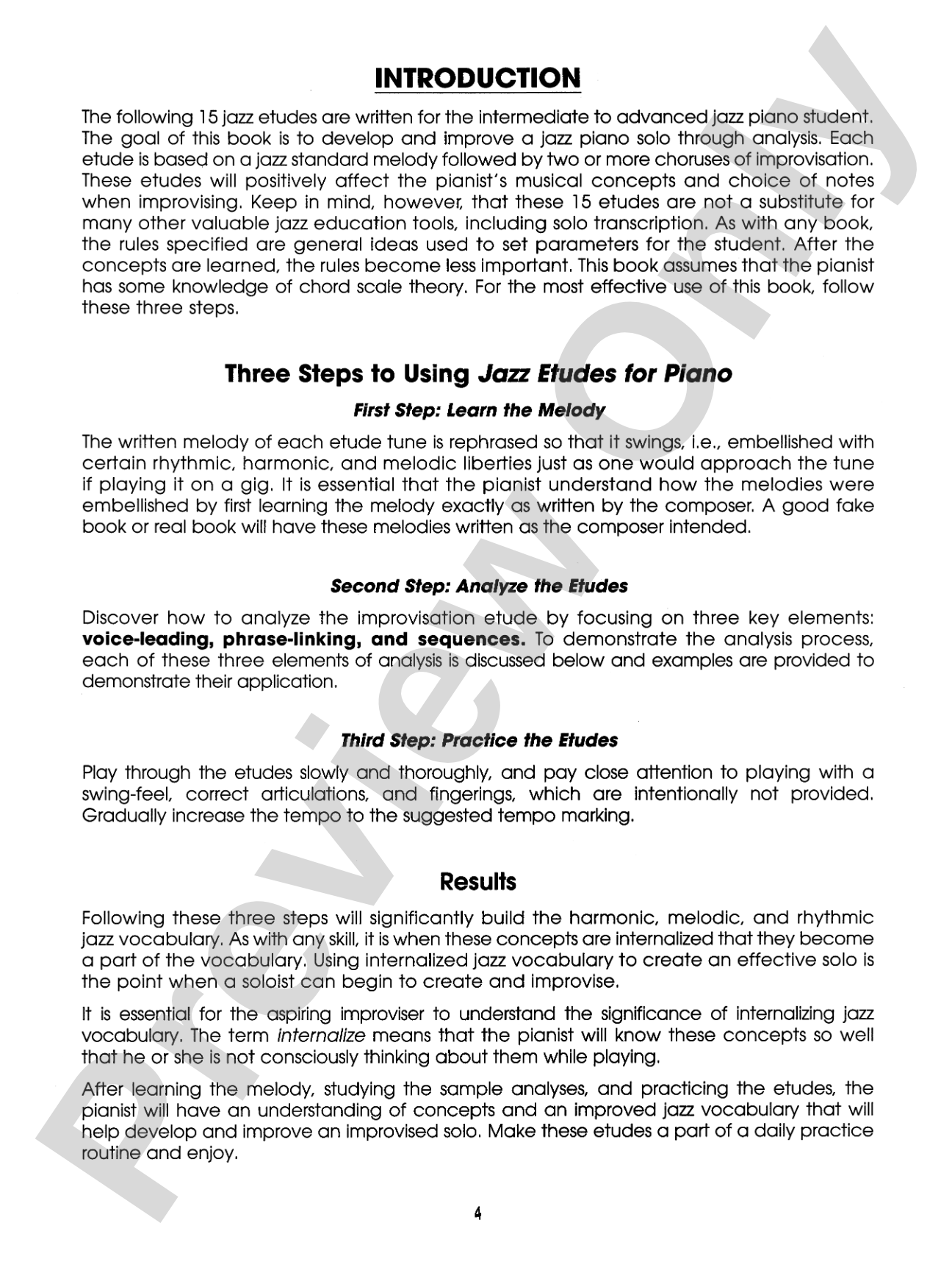
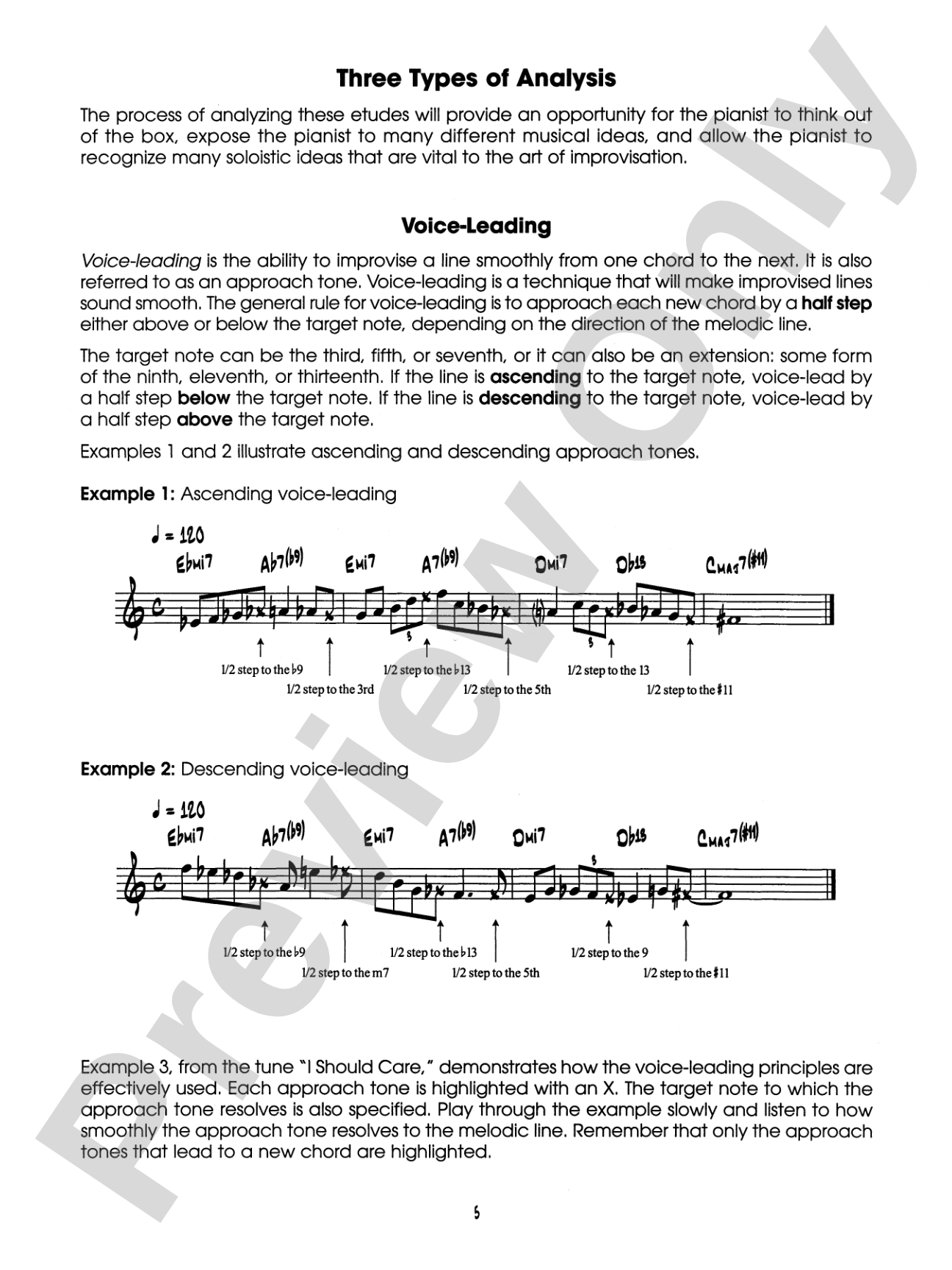
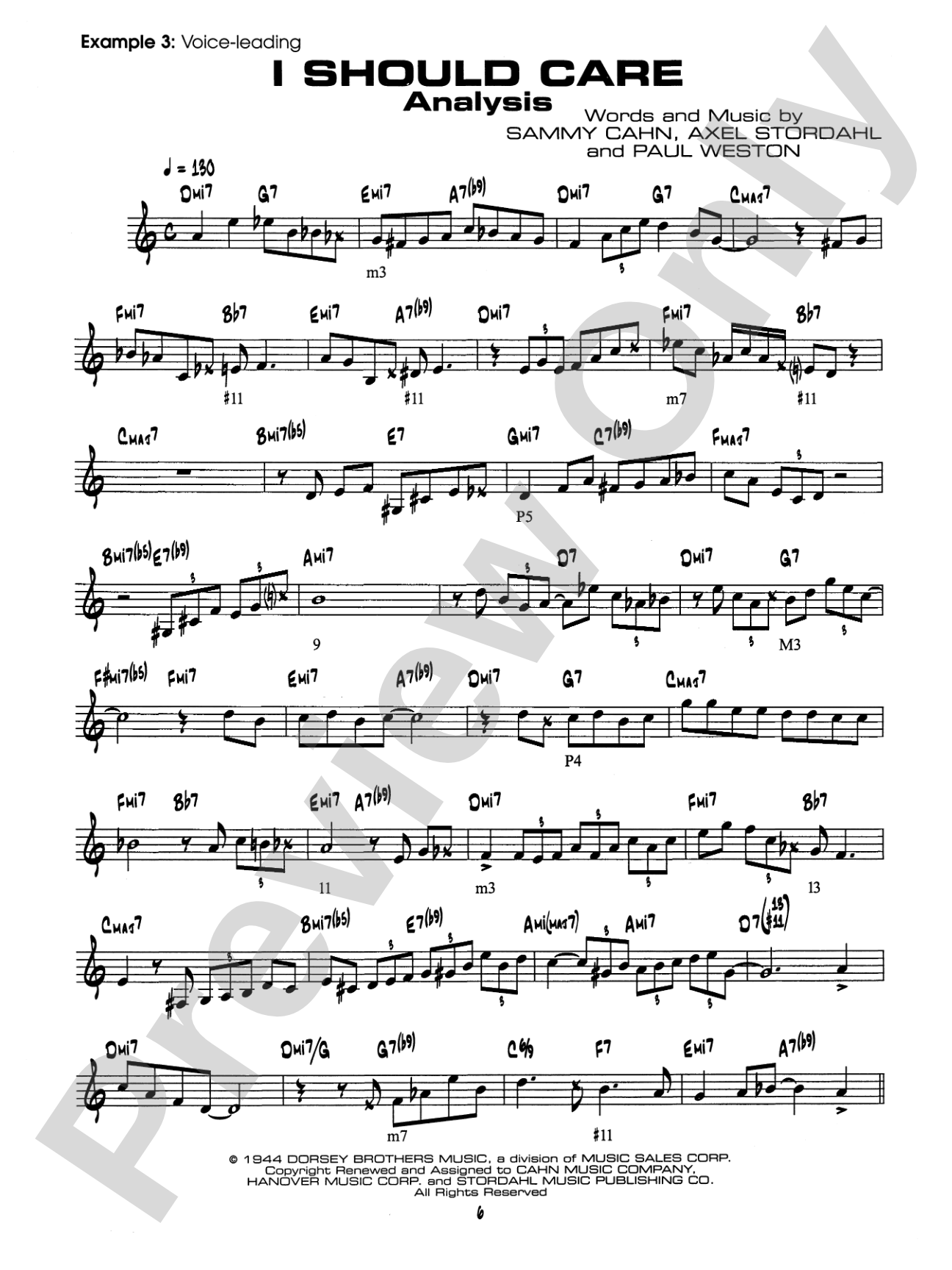
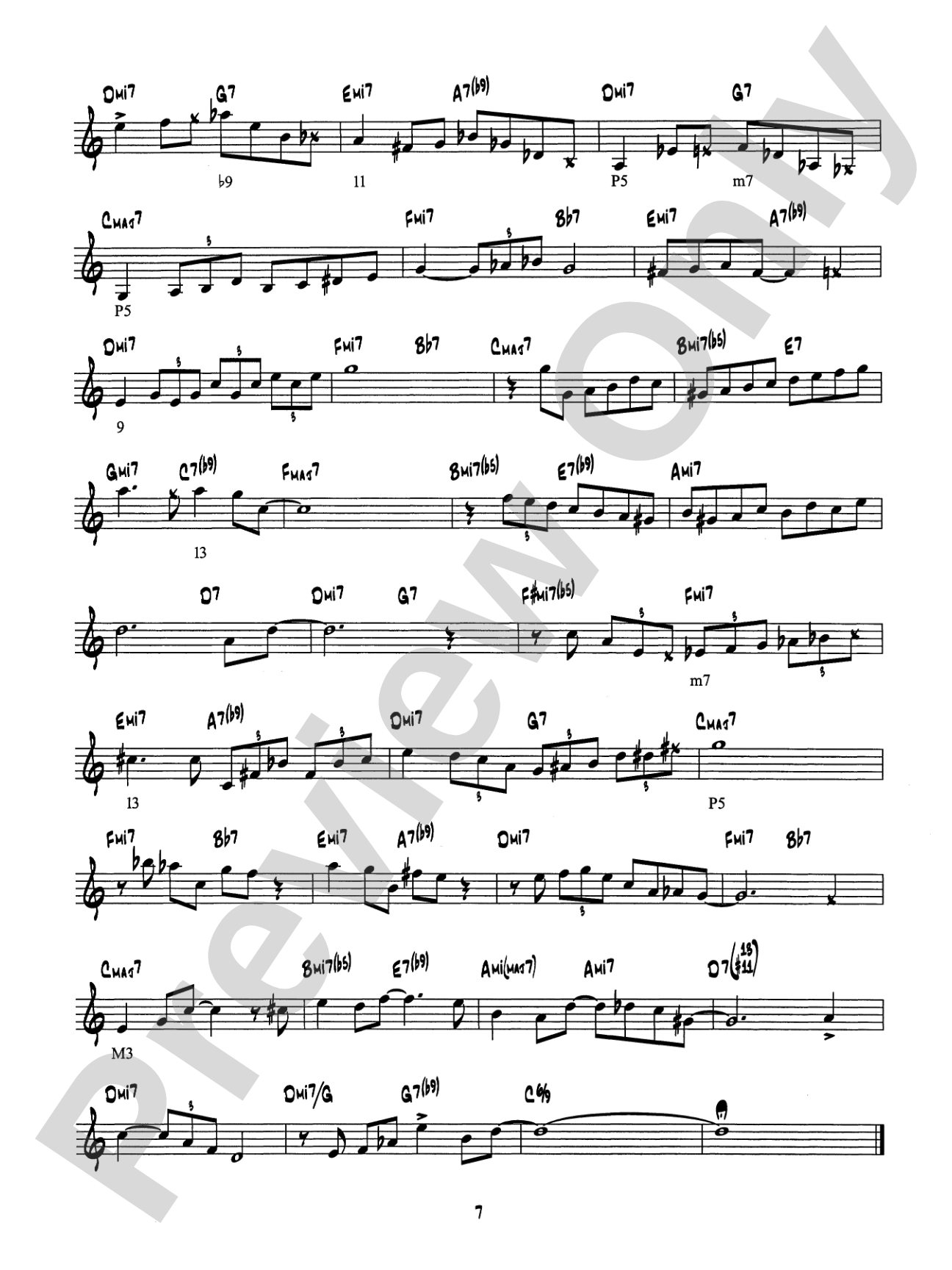
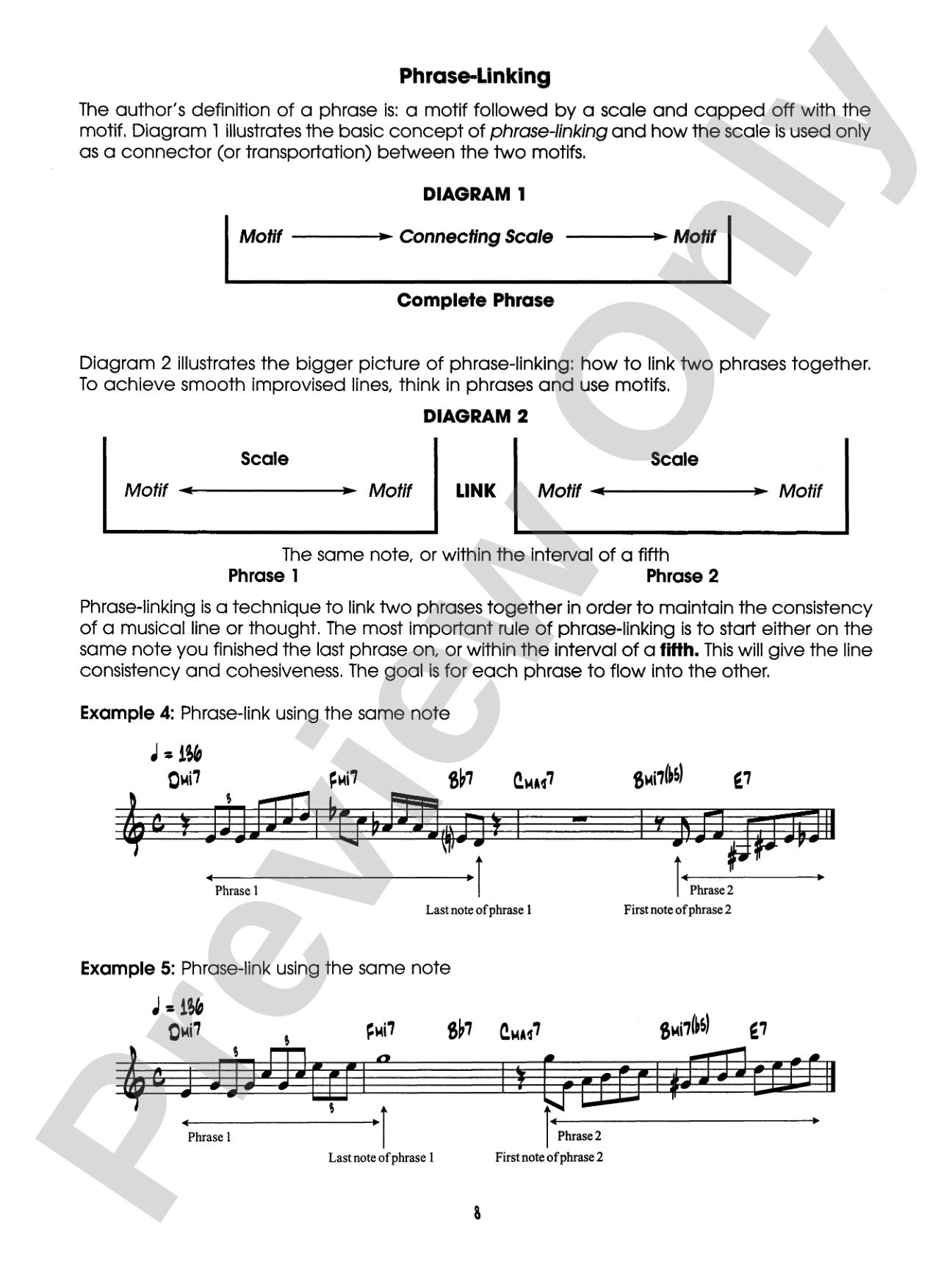
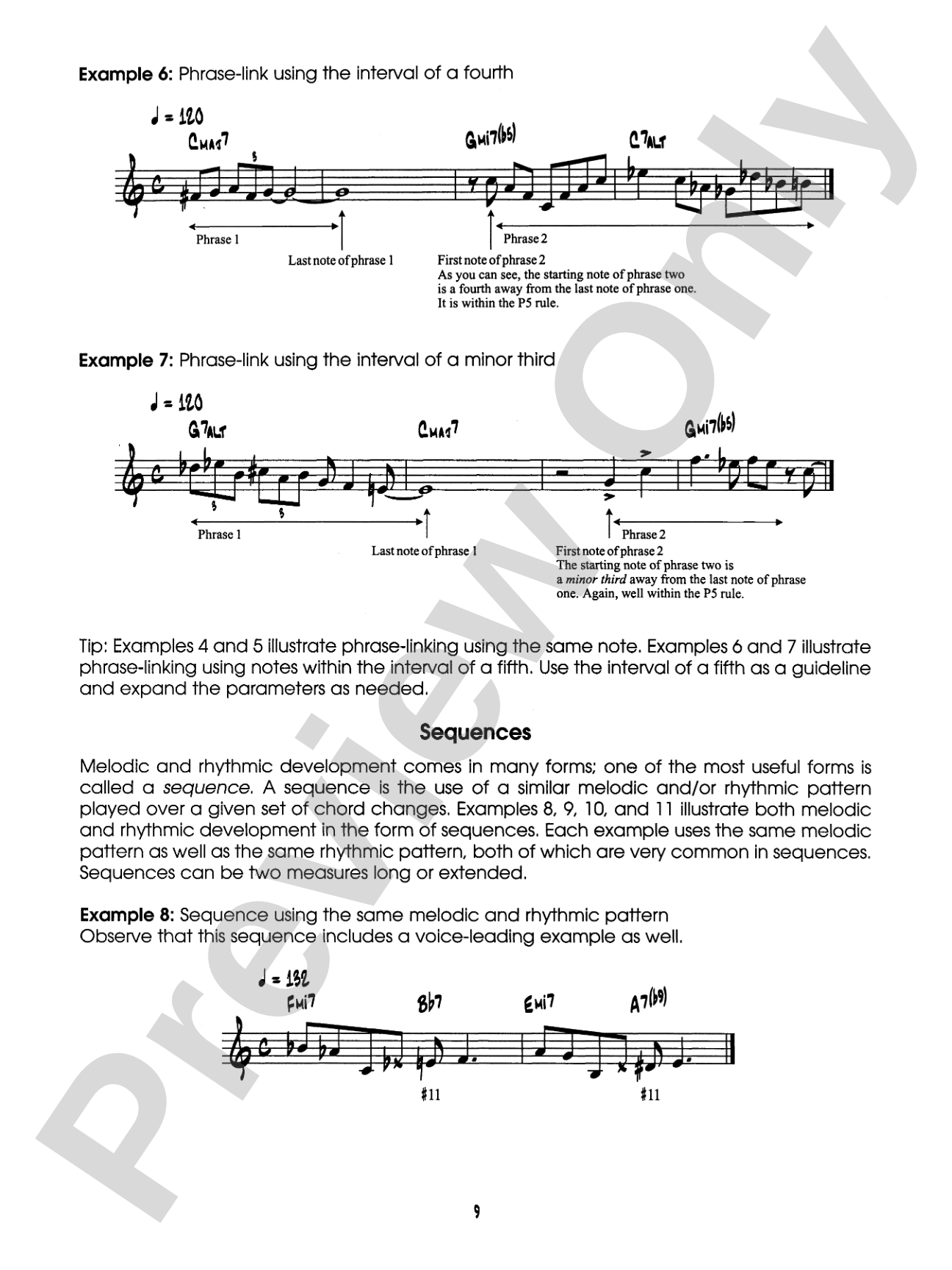
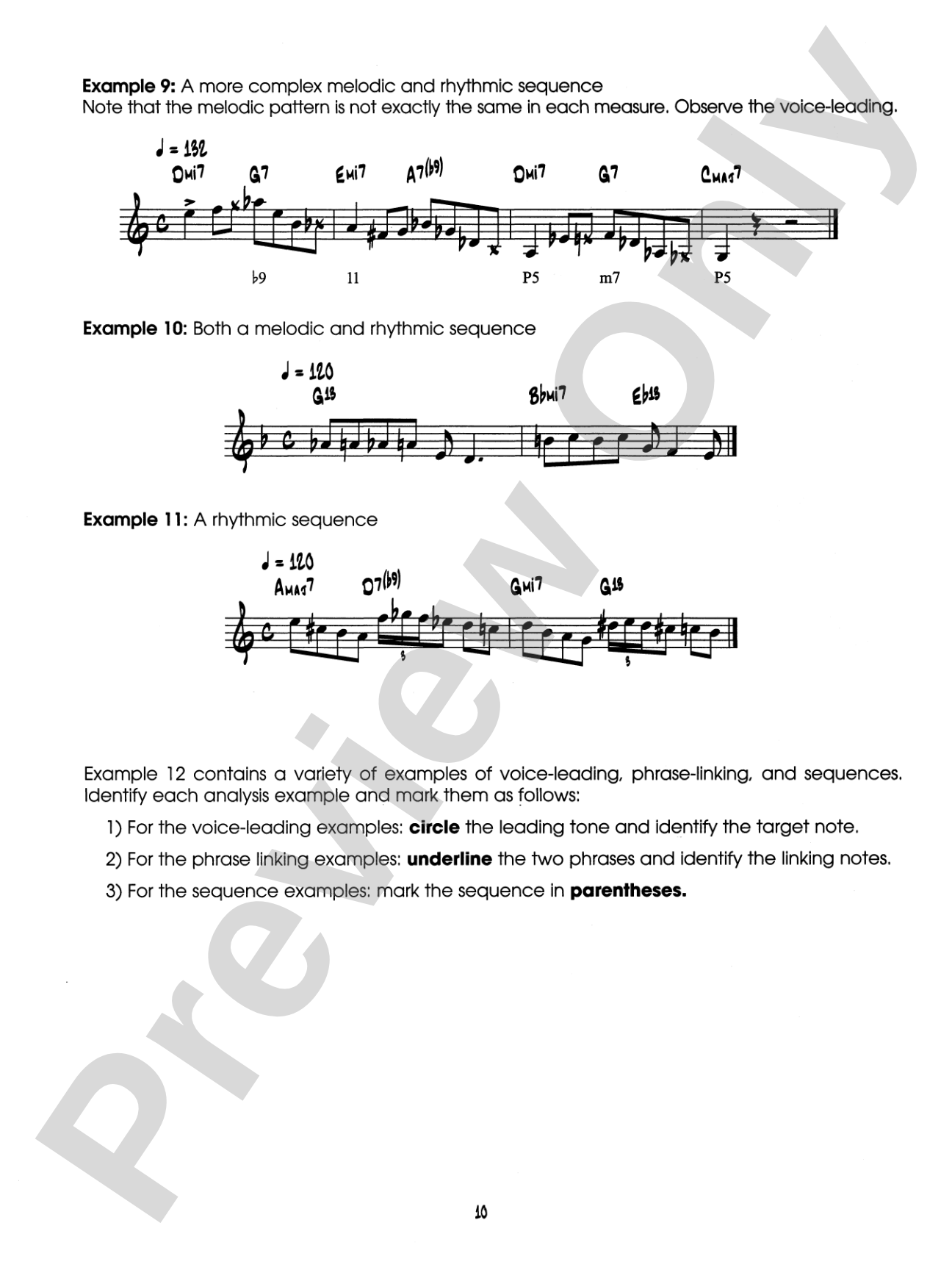
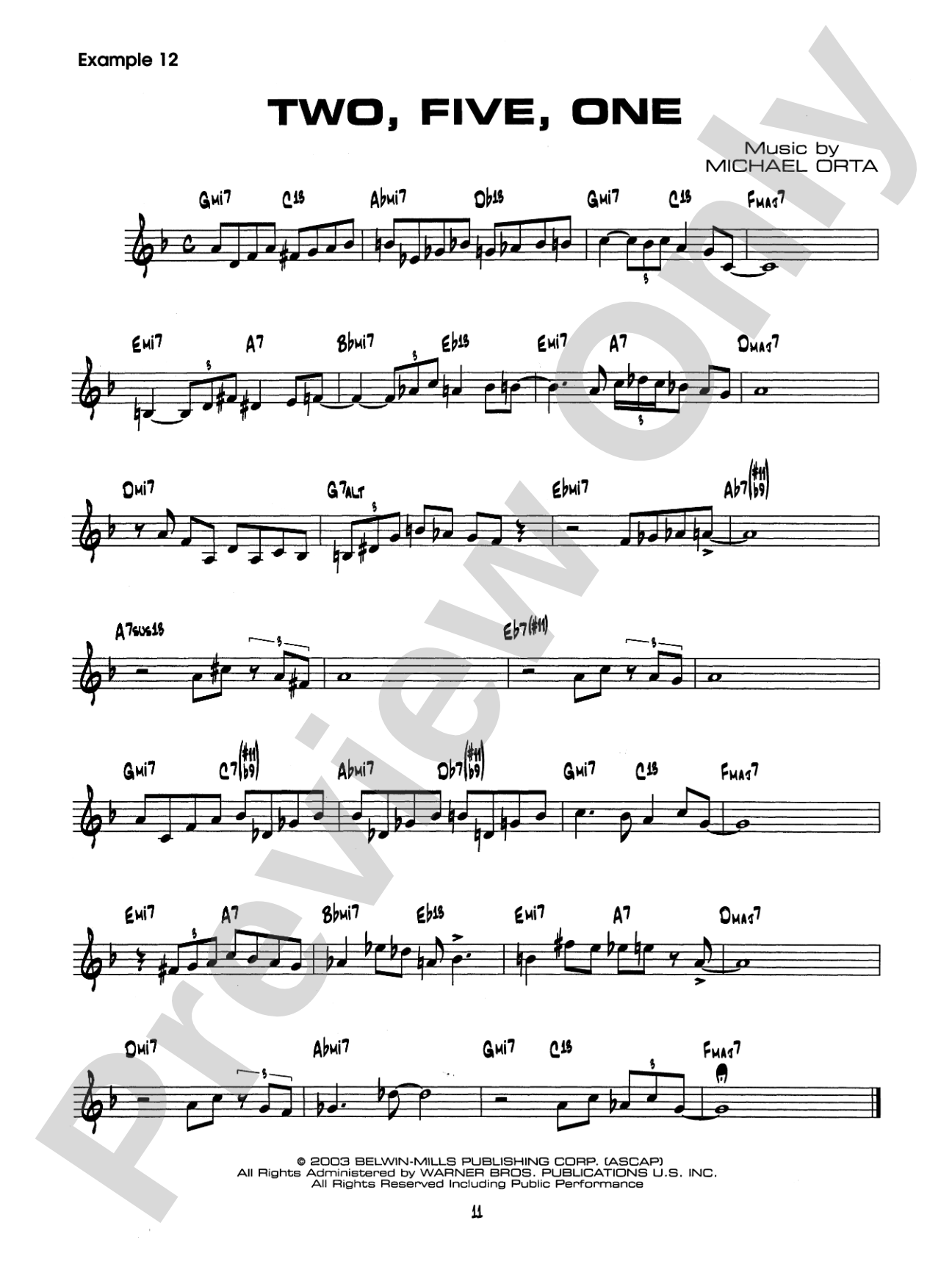
Jazz pianist, recording artist, educator, and author Michael Orta provides effective tools to develop and improve your jazz piano solos. Taking the melody and chord changes of standard songs in every jazz musician's repertoire, Michael walks the pianist through the following steps: a familiar melody rephrased so that it swings, two solo choruses on the chord changes, and an analysis of the solo with regard to voice leading, phrase linking, and sequences. For intermediate to advanced pianists with some knowledge of chord scale theory.

Discover MakeMusic Cloud: thousands of interactive titles your students can play along with today.

Sample Audio
No sample audio found.
Sample Video
Additional Details
Publisher: Alfred Music
Page Count: 56
SKU: 00-PB-0002647

More about this title

About the Composer: Michael Orta

Michael Orta brings decades of performance and teaching experience to jazz piano pedagogy. As both a recording artist and working educator, he understands the specific demands placed on student improvisers and has designed this method book to bridge the gap between theoretical knowledge and practical musicianship.

Orta's approach centers on learning directly from the standards that define the jazz canon. By breaking down professional solo construction into teachable components, he gives pianists the framework to build their own convincing improvisations rooted in voice leading logic and phrase architecture.

Why we love this

The genius of this book lies in its structure: every etude starts with a swung melody statement, moves into two complete solo choruses, and concludes with annotated analysis. This design means students aren't just playing exercises in isolation; they're studying the decision-making of a skilled improviser working through real changes from the repertoire. The analysis component transforms practice into a form of close reading that develops musical judgment alongside technique.

What to expect

Walking through these pages feels like sitting in on a masterclass with a working jazz pianist. Each study unfolds with clarity and purpose; the melodies swing with natural phrasing, the solos breathe with idiomatic jazz language, and the annotations reveal the thinking behind every choice. There's both rigor and musicality here; the writing respects your intelligence while building your craft.

Who it's for

Pianists at the intermediate to advanced level who have absorbed chord scale theory and are ready to apply it to real improvisation. This book assumes you can already navigate ii V I progressions and recognize modal interchange; what you're building now is the ability to hear those tools working in the context of standards and construct solos with intentional voice leading and phrase architecture.

How to get the most out of it

  • Begin with the melody chorus each day before tackling the solo sections. Singing or playing the rewritten melody trains your ear to hear how swing phrasing sits within the harmonic structure.
  • Study the analysis after playing through a solo, not before. Let your hands discover what the changes ask of you first, then read Orta's explanation of the voice leading choices.
  • Transpose at least one etude to a different key once you've mastered it in the original. The harmonic logic translates, but your hands will discover new fingering solutions and deepen your understanding of the changes.
  • Record yourself playing the solo choruses and listen back critically. You're not listening for perfection; you're listening for where your phrasing choices align with or diverge from the written analysis.

How to use it

Assign one etude every two weeks as a cornerstone of jazz piano study. Pair this book with live standards in your jazz combos or big band, choosing songs from the pages that align with your ensemble's current repertoire. The analytical approach Orta models translates directly into rehearsal conversations about improvisation and becomes the language your students use to discuss their own solo construction.

Skills your students will build

  • Voice leading in jazz improvisation
  • Phrase linking and motivic development over chord changes
  • Recognizing and employing sequences in solo construction
  • Hearing and responding to swing phrasing within harmonic contexts
  • Transposition of melodic and harmonic material
  • Analysis and deconstruction of professional solos
  • Comping choices that support solo lines

You May Also Like