Jazz Conception: Guitar Cover Image

Jazz Conception: Guitar: Guitar Book & MP3 CD

$25.95 USD
Sale price  $25.95 USD Regular price 
Skip to product information
Jazz Conception: Guitar Cover Image

Jazz Conception: Guitar: Guitar Book & MP3 CD

21 Solo Etudes for Jazz Phrasing, Interpretation, and Improvisation

By Jim Snidero

Item: 01-ADV14726

$25.95
Shipped

One moment…

Description
Jazz Conception is an exciting way for players at all levels to learn the language of jazz! Each book and CD set features 21 solo etudes based on chord changes to standards and blues. See and hear how a well-known soloist phrases, articulates, and plays along with or without the soloist on the CD. Play along with one of today's finest, swinging New York rhythm sections: Mike LeDonne on piano, Dennis Irwin on bass, and Kenny Washington on drums. Start out fairly easy, then get progressively more difficult. Use the etudes as a bridge to solos of the masters that are usually more complicated and involved. Learn melodies and lines that will give you a solid jazz vocabulary and musicality. Use the book and CD sets for private lessons, for self-study, or in any combination up to a full jazz ensemble, including flute and clarinet. If you are more advanced you may want to use the book to develop your sight reading abilities, for transcribing the etudes off the MP3 CD (then check against the book), or for just having fun playing along with a great jazz rhythm section. Use as an improvisation study, learning how to construct a swinging, logical solo---works especially well in combination with the Study Guide. Titles: Groove Blues * Amen * A Doll * Total Blues * Grease * Rose * Joe's Thing * Proxy * Father Song * Ind Line * Miles * Blue Minor * Autumn * Friends * Great Love * Two Plus Two * Lunar * Tunisia * Bird Blues * Somewhere * Passage.

Jazz Conception: Guitar: Guitar Book & MP3 CD isn't in MakeMusic Cloud just yet...but it could be. Let us know you'd like to see it, and you'll help shape what comes next. In the meantime, start a free trial and dive into thousands of interactive titles your students can play along with today.

Sample Pages

Sample Audio

track 1

0:00
0:00
Sample Video
Additional Details
Series: Advance Music: Jazz Conception
Publisher: Advance Music
ISBN10: 3-954810-31-X
ISBN13: 978-3-954810-31-4
UPC: 805095147261
SKU: 01-ADV14726

More about this title

About the Author: Jim Snidero
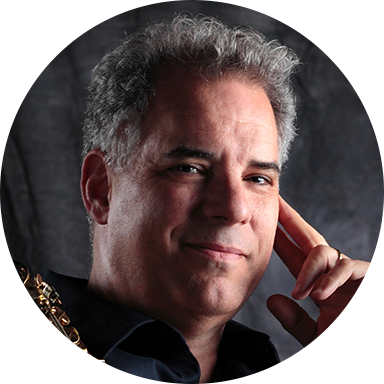
Jim Snidero

Jim Snidero stands among the most recorded and respected alto saxophonists working today. His three-decade career encompasses sideman work with everyone from Brother Jack McDuff to the Mingus Big Band, Frank Wess, and the Toshiko Akiyoshi Jazz Orchestra, plus appearances on Frank Sinatra's Duets II. Downbeat Magazine has recognized him as both a "master musician" and "alto saxophone virtuoso," and his placement in the 2017 Downbeat Critic's Poll confirms his sustained influence on the international jazz landscape.

Snidero's foundation came early: study with Phil Woods as a teenager, followed by his time in the University of North Texas One O'Clock Lab Band, then further mentorship from Dave Liebman. He moved to New York in 1981 and quickly built an impressive discography as a leader, from On Time (1984) through critically acclaimed releases like Mixed Bag and Blue Afternoon. His work as an educator, composer, and arranger reflects the same depth of musicianship that defines his playing.

Why we love this

Snidero's etudes sit at exactly the right angle between accessibility and authenticity. Rather than simplified "jazz for guitarists" studies, these are real solo vehicles built on standards and blues changes, backed by a first-rate New York rhythm section (Mike LeDonne, Dennis Irwin, Kenny Washington) that swings hard. The progression from approachable early etudes to more demanding later ones makes this work equally as a foundational jazz vocabulary builder and as a bridge toward transcribing and learning from the masters.

What to expect

Studying with a master who knows exactly how to phrase a blues and what makes a line sing. The rhythm section locks in with relaxed authority, creating the kind of swinging accompaniment that makes playing feel inevitable rather than forced. There's real joy in discovering how well-constructed melodies can become your own vocabulary.

Who it's for

Guitarists serious about learning jazz language, from intermediate players building foundational vocabulary through advanced students refining sight-reading and transcription skills. This works equally well in private lessons, self-study, ensemble settings, or as part of a structured curriculum using the accompanying Study Guide.

How to get the most out of it

  • Start by playing along with the soloist on the CD to absorb the phrasing and articulation choices before attempting your own interpretation.
  • Work through the earlier etudes deliberately enough to build melodic vocabulary; these aren't just warm-ups but building blocks for constructing logical solos later.
  • Sing the melody first, away from the guitar. This firms up your internalization of the line and helps you understand the solo as singing rather than as fingering patterns.
  • When you're ready, use the rhythm section track without the soloist and transcribe what you hear, then check your transcription against the book to catch subtle timing and articulation details.

How to use it

Assign etudes progressively throughout the jazz year, using earlier ones to scaffold fundamentals and advancing students on the harder changes to deepen their harmonic and melodic understanding. The 21 titles include blues, standards, and original forms, making them flexible enough to assign alongside whatever standards your ensemble is currently studying. Advanced guitarists can work through transcription assignments independently while developing reading chops at the same time.

Skills your students will build

  • Phrasing and articulation in jazz contexts
  • Soloing over standard chord changes and blues progressions
  • Transcription from recorded audio
  • Sight-reading in jazz idioms
  • Construction of logical, musical solos
  • Jazz vocabulary and melodic language
  • Listening to and matching a professional soloist's interpretation
  • Playing with a rhythm section in a conversational way

You May Also Like