
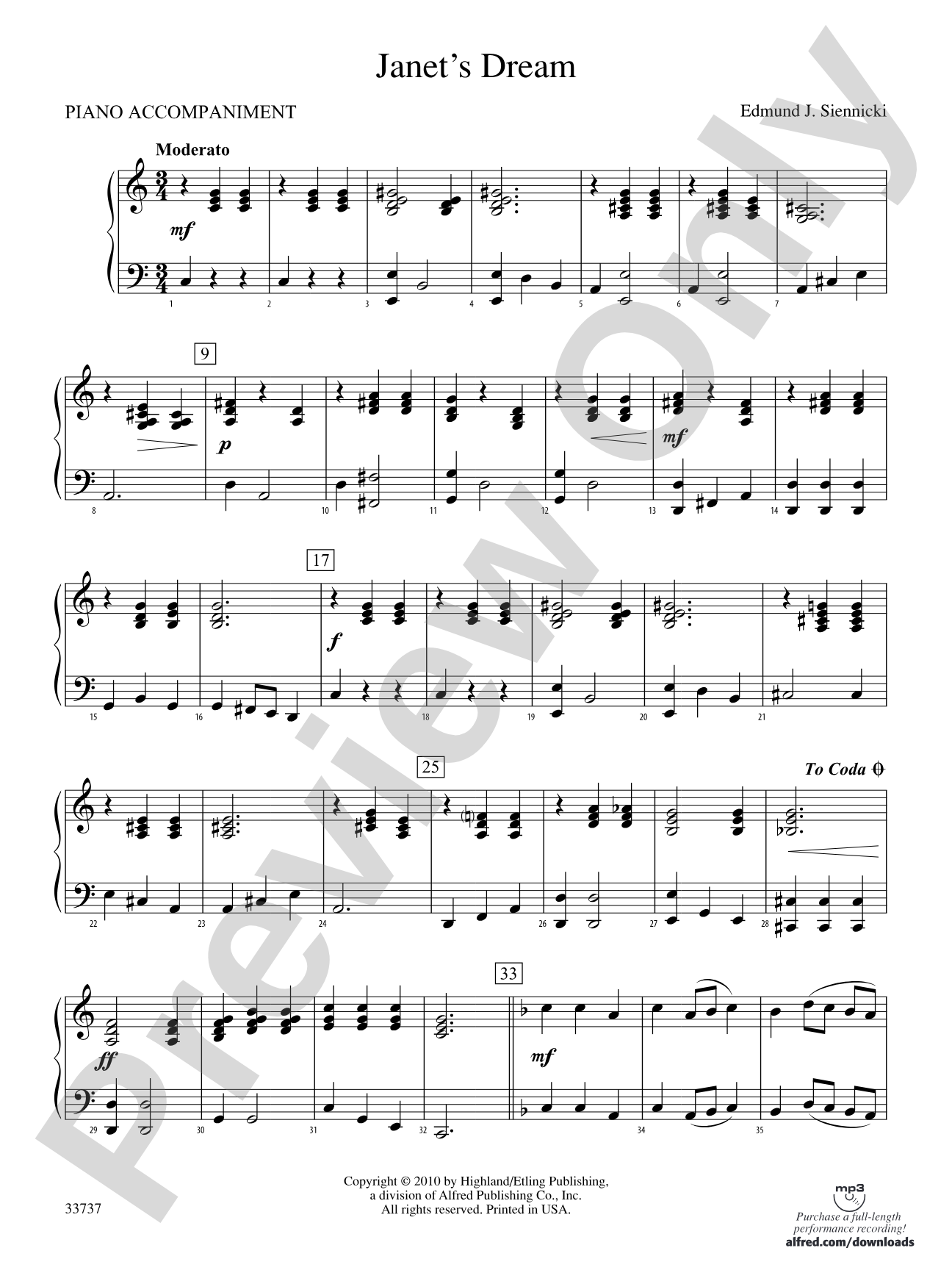

Janet's Dream: Piano Accompaniment
By Edmund J. Siennicki
Grade: 2
Item: 00-PC-0014521_K
$5.99
Pickup currently not available
Description
An original composition, this gentle dream-like piece will provide a good introduction to 3rd position for the first violins and half position for string bass. This is a piece that can easily be altered to fit the abilities of your ensemble by changing the tempo and the dynamics. All sections play the melody!


Don't just read it, hear it, play along with it, and watch your students grow with it. In MakeMusic Cloud, Janet's Dream: Piano Accompaniment comes alive with professional accompaniment, adjustable tempo, and built-in practice tools that turn solo practice into real progress.
Open in the Player
Jump straight in and assign it today.
Start Your Free Trial
Open this title and explore the full library in minutes.
Sample Audio
1
Audio File
--:--
0:00
0:00
Sample Video
No sample videos found.
Additional Details
Series:
Highland/Etling String Orchestra
Publisher:
Alfred Music
Page Count:
66
SKU:
00-PC-0014521_K
More about this title
About the Composer: Edmund J. Siennicki
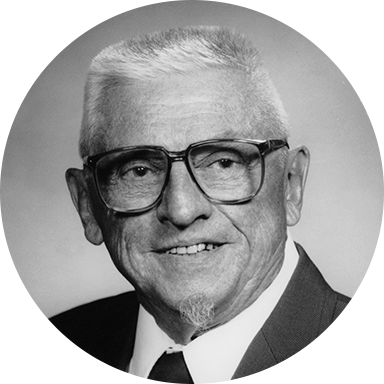
Edmund J. Siennicki was shaped early by a formative encounter with pianist Ignacy Jan Paderewski at age 12, an exchange that steered his musical direction for decades to come. A Cleveland native, he earned his Bachelor's degree from Kent State University, where he composed Fight on for KSU, a piece that remains part of the university's football tradition. He continued his training at Teachers College, Columbia University, where he completed his MA, and studied composition under Herbert Elwell while exploring electronic music with Sergio Barroso. Vincent Persichetti served as a consultant on his work.
Throughout his career, Siennicki has balanced composition with performance and teaching, playing both bassoon and piano professionally. His compositional output—roughly 200 works in print—has earned recognition through National School Orchestra composition contests and a composer residency at the MacDowell Colony on two occasions. His teaching work centered in Cleveland's junior high schools, though he also served on the faculties at Michigan and Kent State University. For twenty years he has received annual ASCAP awards, and he continues to compose, visit schools, and lead clinics.
Why we love this
This piece strikes a rare balance: it introduces genuine technical challenge (3rd position for first violins, half position for bass) without overwhelming developing players. Siennicki's orchestration ensures all sections share the melody, so every player experiences ownership of the piece's gentle narrative rather than serving as accompaniment. The flexibility built into the score means you can shape it to your ensemble's needs by adjusting tempo and dynamics, making it equally useful as a concert opener or a teaching tool.
What to expect
Dreamy and unhurried, with a soft, floating quality that evokes the quiet moments of sleep. The gentle melody travels through all voices, creating a sense of shared experience rather than spotlight and accompaniment. There's intimacy in this orchestration; it feels like a story told softly, just for your listeners.
Who it's for
Grade 2 string orchestras ready to expand their technical vocabulary without sacrificing musical expression. This piece suits ensembles with first violins working toward or just beginning 3rd position and string basses solid in first position who can comfortably explore half position.
How to get the most out of it
- Let the tempo breathe naturally; the dream-like quality depends on unhurried phrasing rather than pushing forward. Watch for the ensemble settling into a comfortable, floating character before moving into the more technical passages.
- Since all sections carry the melody, balance becomes your primary concern. Use rehearsal time to ensure violas and cellos are heard equally with the violins, creating the unified voice the piece demands.
- Introduce the position work gradually in rehearsals separate from the full ensemble. First violinists will need focused time on 3rd position intonation before the piece sounds polished; the same applies to bass players and half position.
- Adjust dynamics conservatively, especially in early rehearsals. The piece's character thrives on clarity and gentle storytelling rather than dramatic shifts.
How to use it
Open a concert with this piece to establish a warm, reflective mood before moving into brighter repertoire. Its teachable technical challenges and performance-ready character also make it a strong choice for a district festival where you want to showcase both musicianship and careful string technique development. Consider pairing it with a more energetic work to create programming contrast.
Skills your students will build
- Reading and playing 3rd position (first violins)
- Reading and playing half position (string bass)
- Balancing ensemble voices when all sections share the melody
- Sustaining gentle, dream-like phrasing over several measures
- Responding to conductor adjustments in tempo and dynamics