Jamey Aebersold Jazz, Volume 66: Billy Strayhorn---Lush Life Cover Image

Jamey Aebersold Jazz, Volume 66: Billy Strayhorn---Lush Life: Book & CD

$19.95 USD
Sale price  $19.95 USD Regular price 
Skip to product information
Jamey Aebersold Jazz, Volume 66: Billy Strayhorn---Lush Life Cover Image

Jamey Aebersold Jazz, Volume 66: Billy Strayhorn---Lush Life: Book & CD

By Billy Strayhorn

Level: Intermediate / Advanced

Item: 24-V66DS

$19.95
Shipped

One moment…

Description
Billy Strayhorn is one of the best-loved, yet underrated composers of jazz. His famous collaborations with and for The Duke Ellington Band have become some of jazz's most enduring standards. Now, for the first time, you can discover for yourself Strayhorn's unique and beautiful style. Discover why Ellington felt such an affinity for this man's compositions. Rhythm Section: Hal Galper (p); Lynn Seaton (b); Steve Davis (d). Intermediate level. Titles: Lush Life * Satin Doll * Take the 'A' Train * Rain Check * A Flower Is a Lovesome Thing * My Little Brown Book * Blood Count * Isfahan * Drawing Room Blues * Chelsea Bridge * Johnny Come Lately * UMMG.

Jamey Aebersold Jazz, Volume 66: Billy Strayhorn---Lush Life: Book & CD isn't in MakeMusic Cloud just yet...but it could be. Let us know you'd like to see it, and you'll help shape what comes next. In the meantime, start a free trial and dive into thousands of interactive titles your students can play along with today.

Sample Pages

Sample Audio
1 01 --:--
2 02 --:--
3 03 --:--
4 04 --:--
5 05 --:--
6 06 --:--
7 07 --:--
8 08 --:--
9 09 --:--
10 10 --:--
11 11 --:--
12 12 --:--
13 13 --:--

01

0:00
0:00
Sample Video
Additional Details
Series: Jazz Play-A-Long for All Instrumentalists
Publisher: Jamey Aebersold Jazz
Page Count: 64
ISBN10: 1-56224-224-5
ISBN13: 978-1-56224-224-4
UPC: 635621000667
SKU: 24-V66DS

More about this title

About the Author: Billy Strayhorn
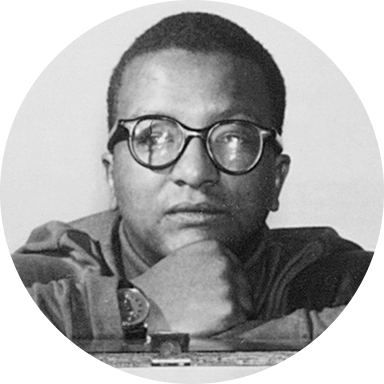
Billy Strayhorn

Billy Strayhorn (1915-1967) emerged as one of jazz's most prolific and harmonically sophisticated composers, yet spent much of his career working largely behind the scenes. Beginning his partnership with Duke Ellington in 1939, Strayhorn shaped the sound of the Ellington orchestra for nearly three decades, writing arrangements and originals that became central to the band's identity. His compositions reveal a gift for harmonic complexity and melodic elegance that influenced generations of jazz musicians.

Strayhorn's legacy extends far beyond his years. "Take the 'A' Train," written when he was in his mid-twenties, became the Ellington orchestra's signature theme and remains a jazz touchstone; "Lush Life," composed at sixteen, is regarded as one of the most challenging and rewarding ballads in the repertoire. Despite the enduring popularity of his music across the jazz canon, Strayhorn himself remained underrecognized during his lifetime, overshadowed by his more famous collaborator. Today, musicians and scholars recognize him as one of American music's great compositional voices.

Why we love this

This collection centers on a composer whose harmonic language rewards repeated study and whose melodies stick with players long after rehearsal ends. Strayhorn's pieces span from the approachable (the perennial crowd-pleaser "Take the 'A' Train") to the genuinely demanding ("Lush Life"), giving your ensemble repertoire that satisfies both developing and advanced musicians on the same recording session. The Hal Galper rhythm section provides sophisticated, attentive accompaniment that lets soloists breathe while maintaining the harmonic clarity Strayhorn's music demands.

What to expect

Strayhorn's music inhabits a world of elegant sophistication and emotional directness. Ballads like "Lush Life" and "Chelsea Bridge" unfold with unhurried grace, revealing harmonic depths that reward close listening; uptempo numbers like "Satin Doll" swing with urbane wit and clean swing feel. Throughout, his melodies sing naturally and his harmonies always feel inevitable, even when they surprise you.

Who it's for

Intermediate to advanced jazz soloists on any instrument who want to deepen their harmonic vocabulary and solo vocabulary through Strayhorn's sophisticated, lyrical compositions. Teachers can use these arrangements to introduce students to a composer whose work appears in both small-group and big-band contexts, and whose influence on jazz history runs deeper than many realize.

How to get the most out of it

  • Listen to the full recorded performance first before isolating your part; Strayhorn's compositions rely on conversational interplay between soloist and rhythm section, and hearing how the pros navigate the changes shapes your phrasing and time feel.
  • Pay attention to chord extensions and alterations in Strayhorn's harmony; they're not decoration but central to the emotional content of each tune, so practice landing on guide tones before improvising over the changes.
  • Adjust your articulation and vibrato based on the ballad versus mid-tempo character of each piece; "Lush Life" and "Chelsea Bridge" demand restraint and space, while "Satin Doll" and "Take the 'A' Train" welcome more drive and rhythmic precision.
  • Use the recorded accompaniment to lock in the specific tempo and groove Strayhorn intends for each composition; his rhythmic vocabulary varies significantly from piece to piece, and matching the recording builds your stylistic accuracy.

How to use it

Feature individual soloists in a jazz recital or informal performance series, mixing Strayhorn's ballads with his more uptempo pieces to showcase range and versatility. This volume works particularly well in a thematic concert pairing Strayhorn with Duke Ellington, highlighting their creative partnership and allowing audiences to hear both how Strayhorn's compositions fit into Ellington's orchestra and how they stand alone. Use the recordings as teaching tools in jazz history and improvisation classes to anchor discussions of harmonic sophistication and compositional voice.

Skills your students will build

  • Navigating Strayhorn's extended and altered harmonies (9ths, 13ths, chromatic substitutions)
  • Improvising over sophisticated chord changes with harmonic awareness rather than surface-level line construction
  • Balancing space and silence in ballad playing versus rhythmic drive in swing contexts
  • Understanding compositional voice through transcription and analysis of Strayhorn's melodic and harmonic choices
  • Collaborating responsively with a rhythm section through active listening to recorded examples

You May Also Like