
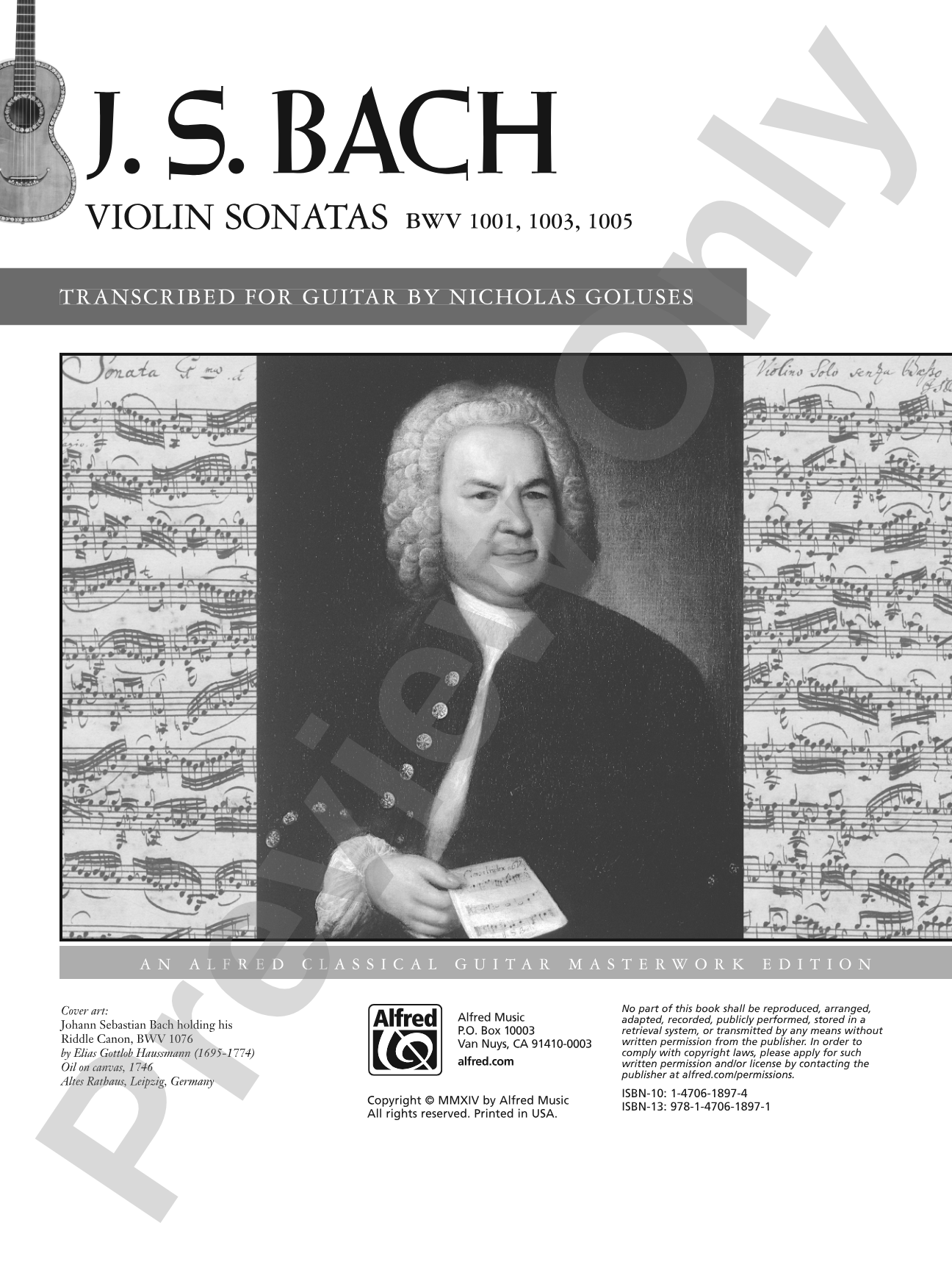
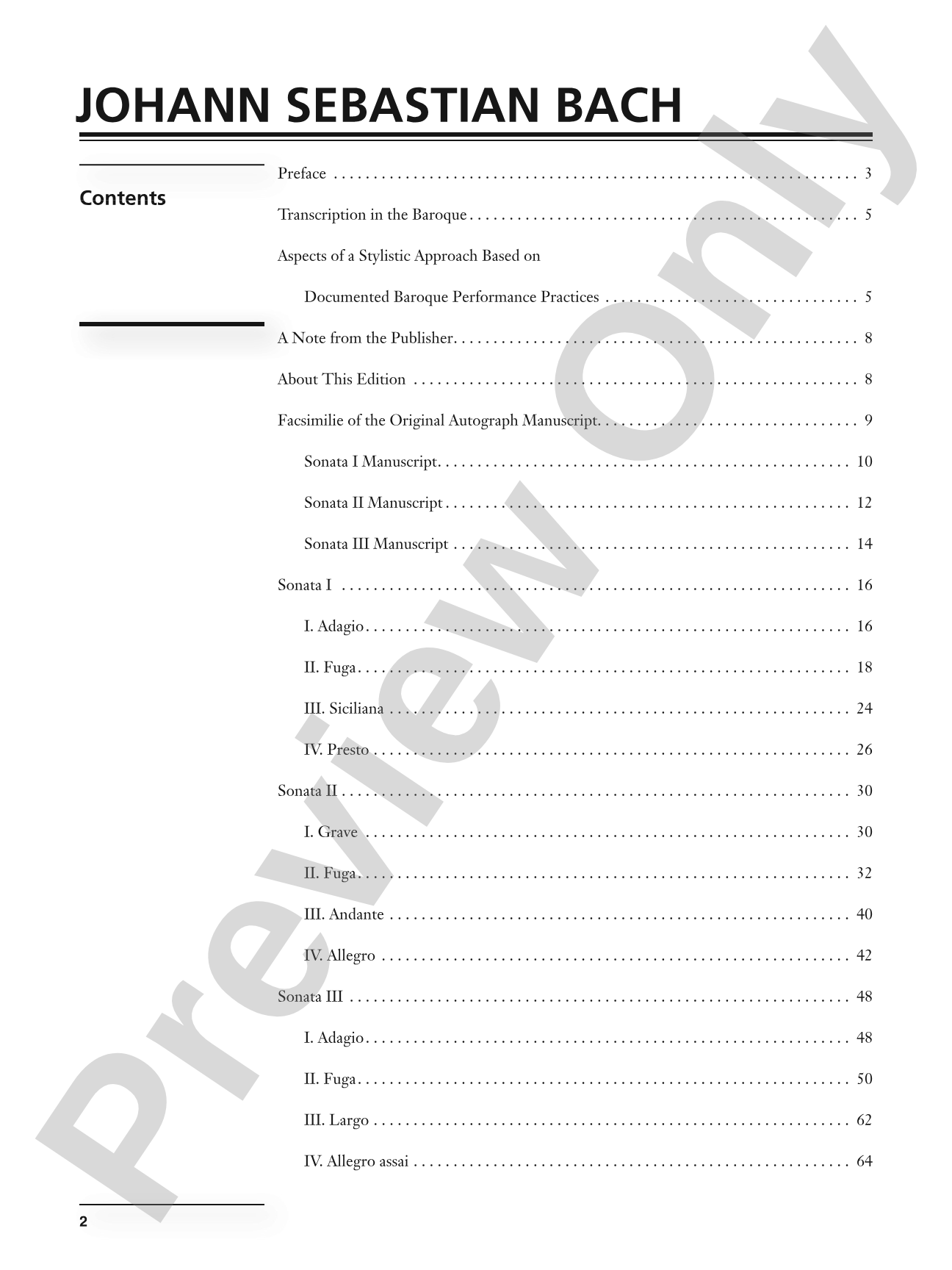

J. S. Bach: Violin Sonatas BWV 1001, 1003, 1005: Solo Guitar
The music of Johann Sebastian Bach / transcr. Nicholas Goluses
Level: Late Intermediate
Item: 00-PB-0001860
$15.99
Pickup currently not available
Related Items
J. S. Bach: Violin Sonatas BWV 1001, 1003, 1005: Guitar Book |
$15.99
|
View |
Description
Classical guitarists---both students and professional performers---require the same high-quality editions that their pianist colleagues have come to expect from Alfred Music. Our Classical Guitar Masterworks Editions continue the Alfred Music tradition of providing carefully edited, beautifully presented music for practice and performance.
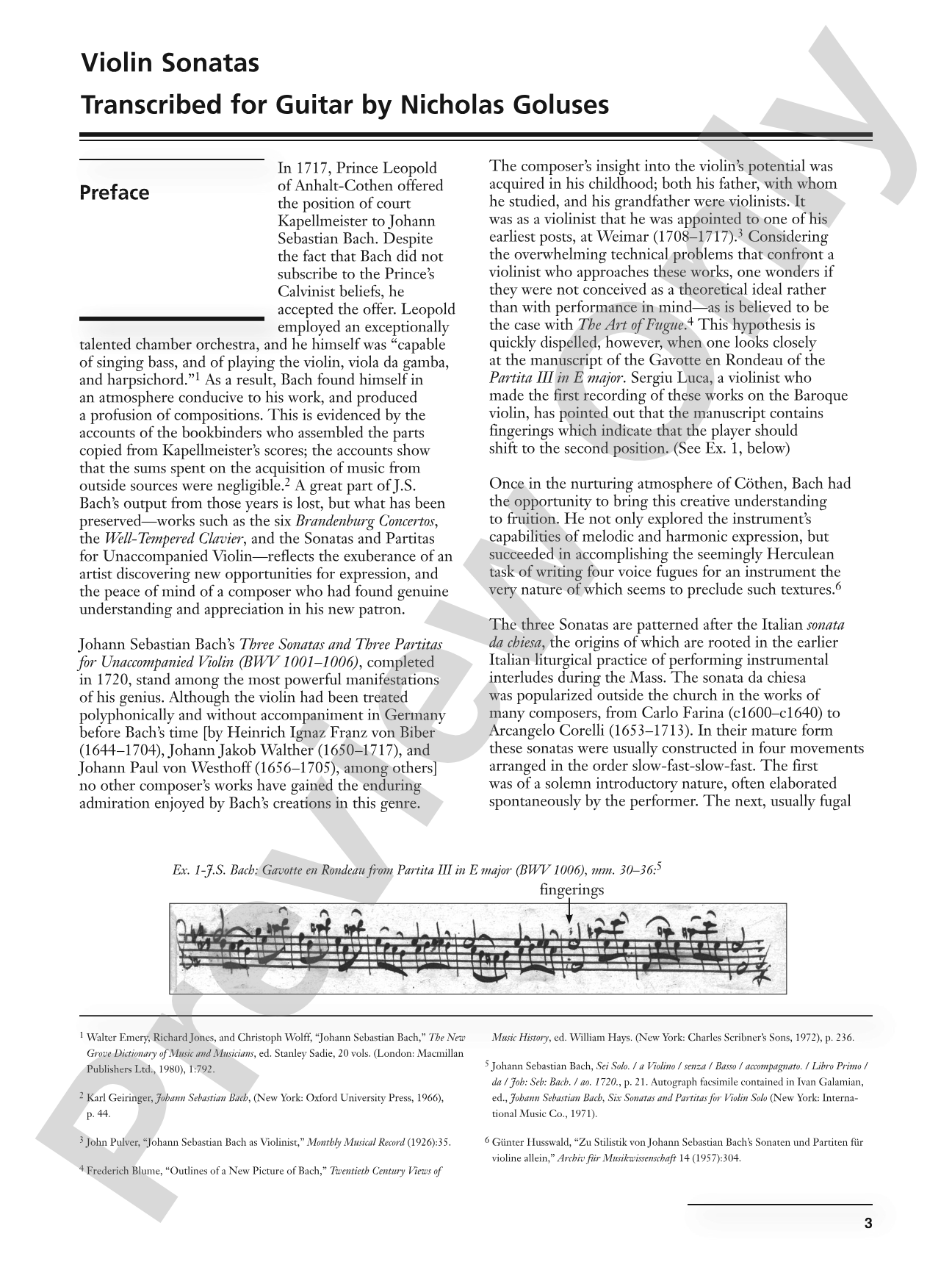
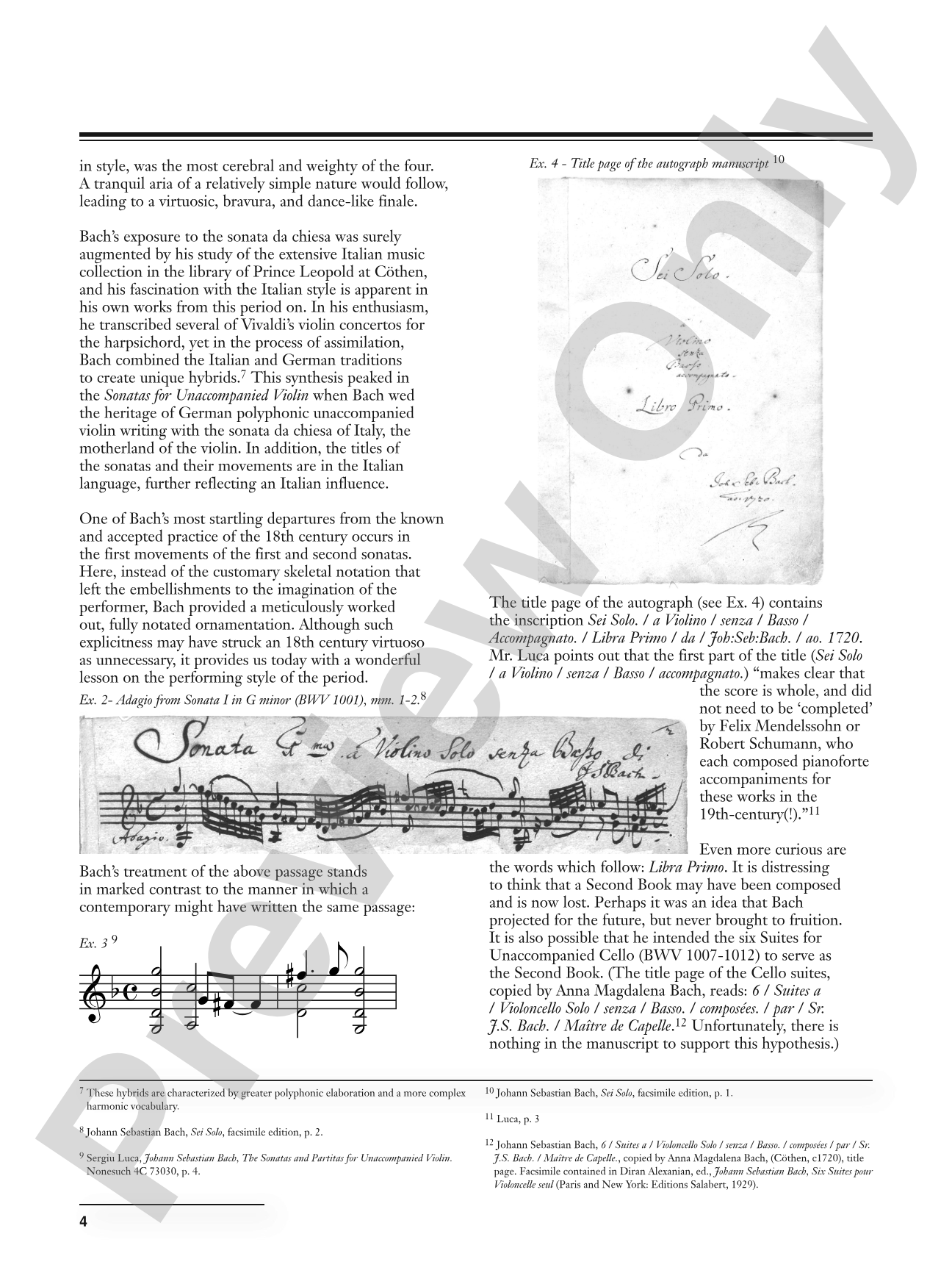
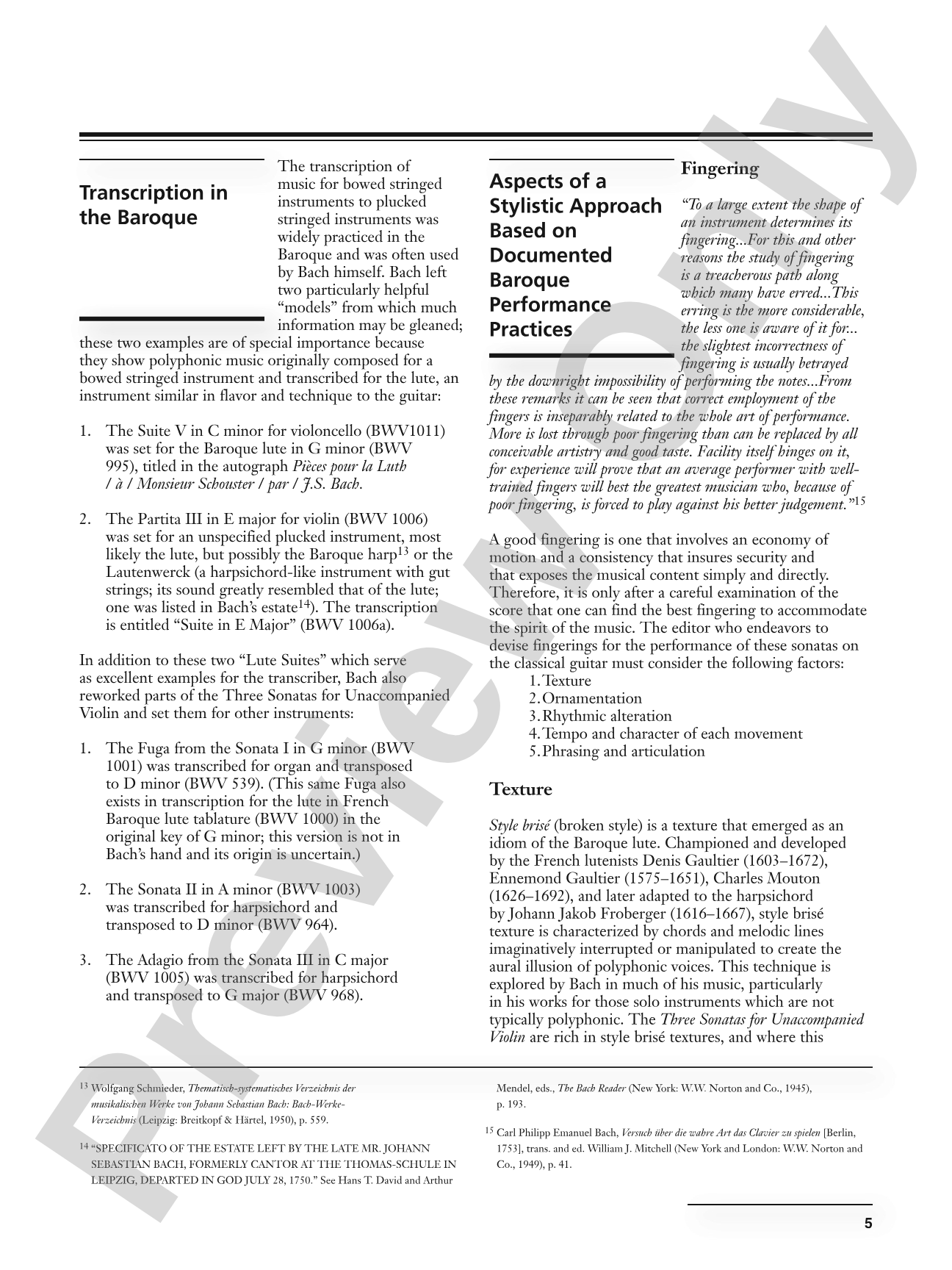
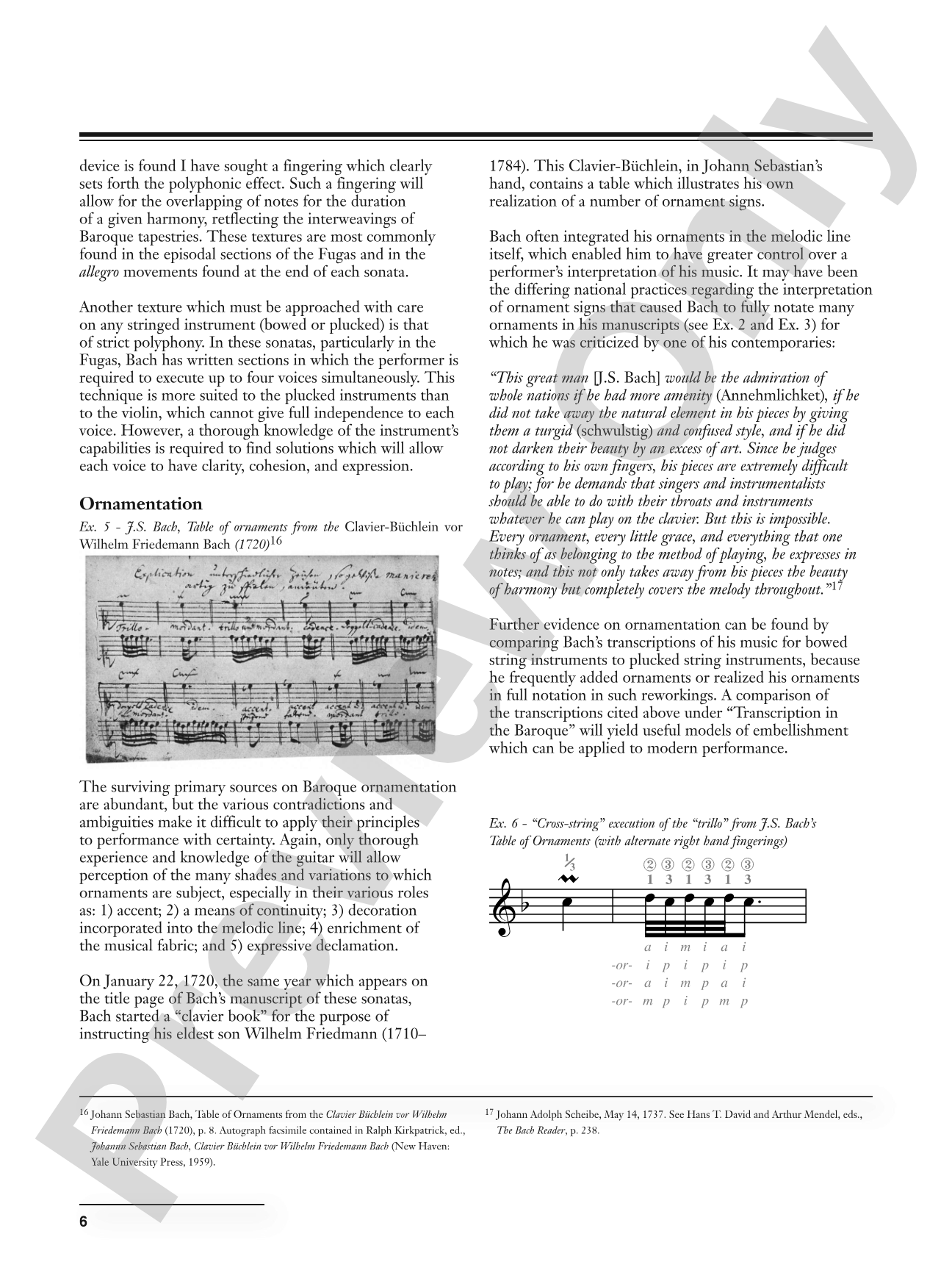
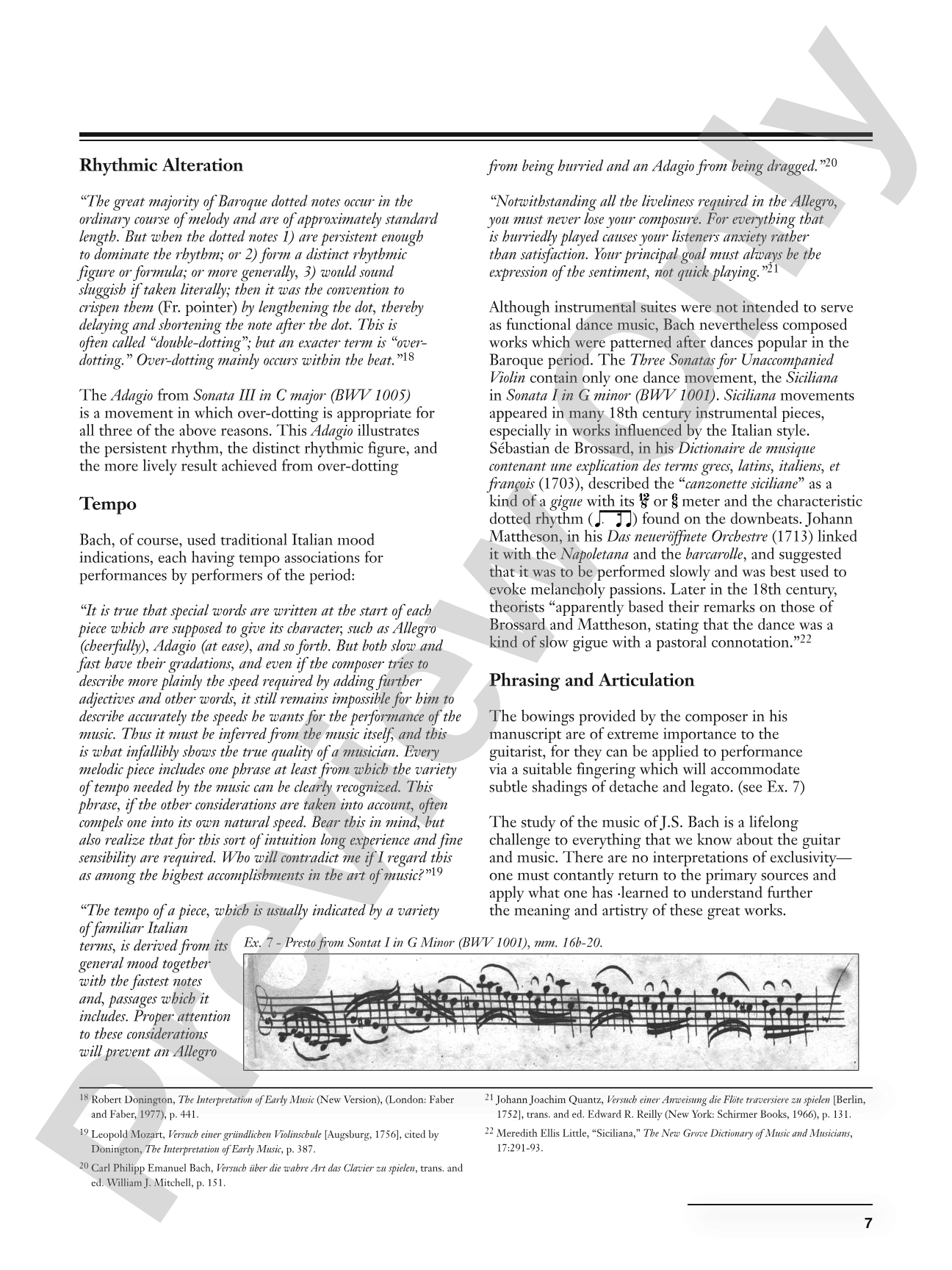
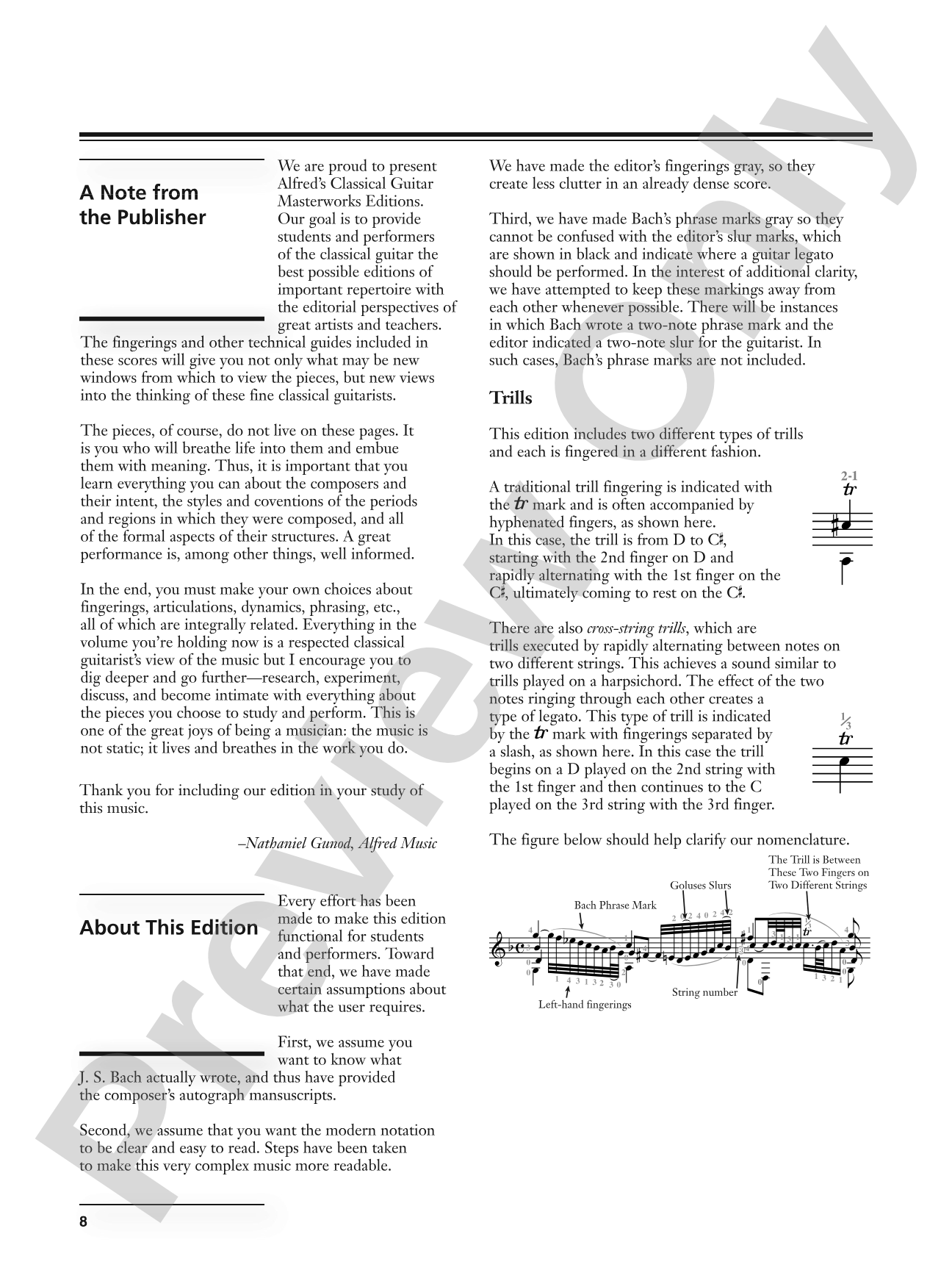
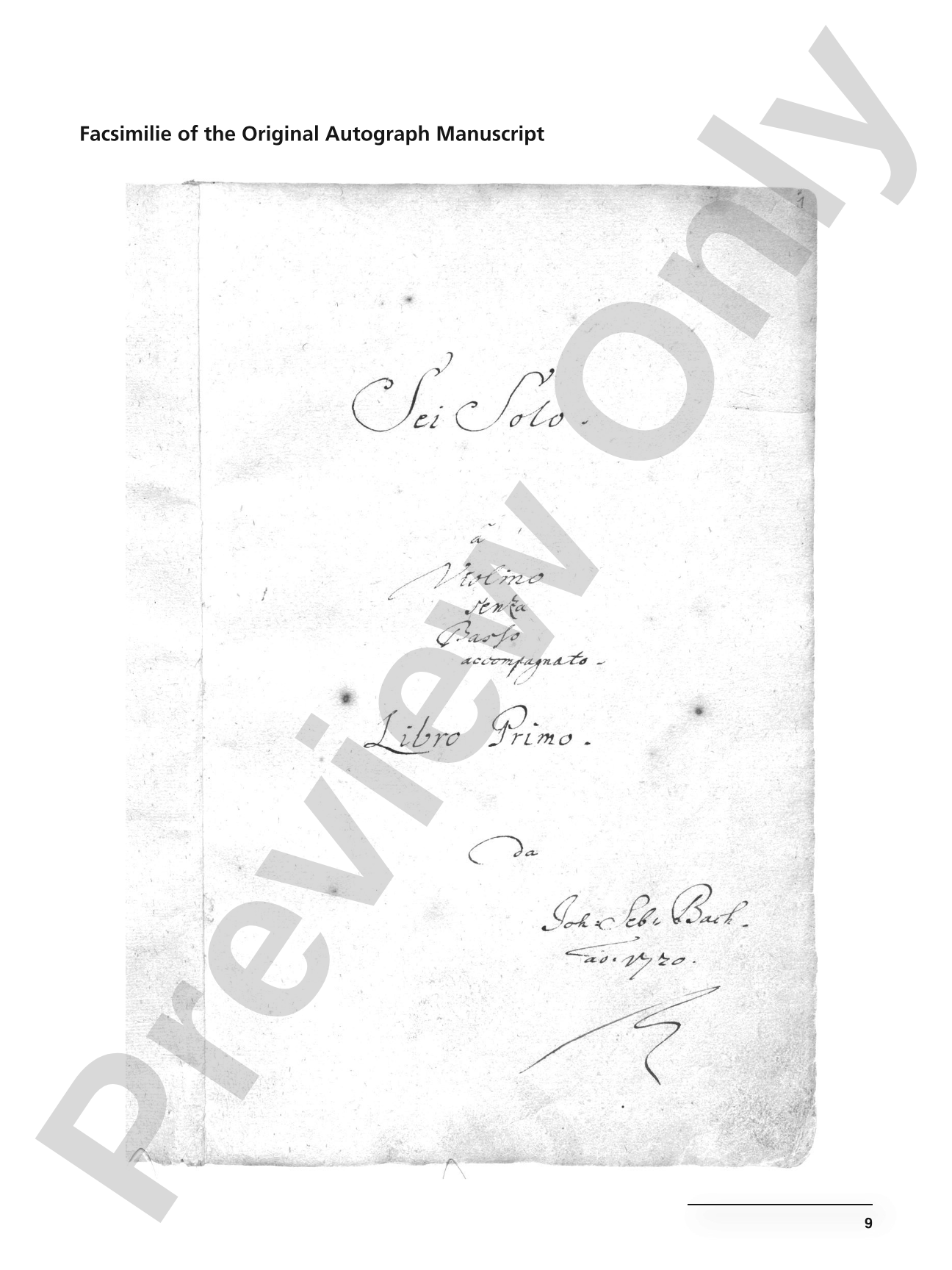
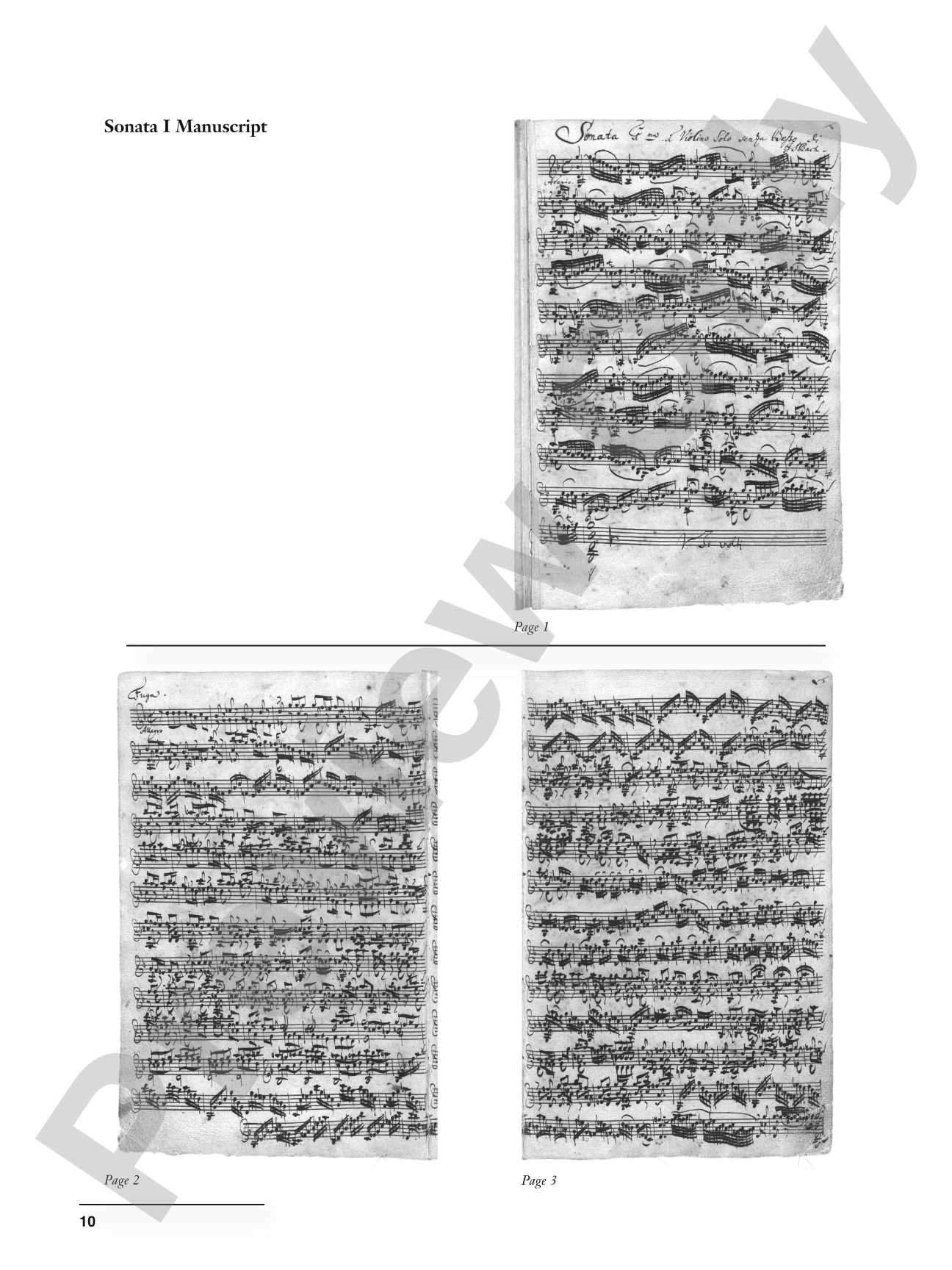
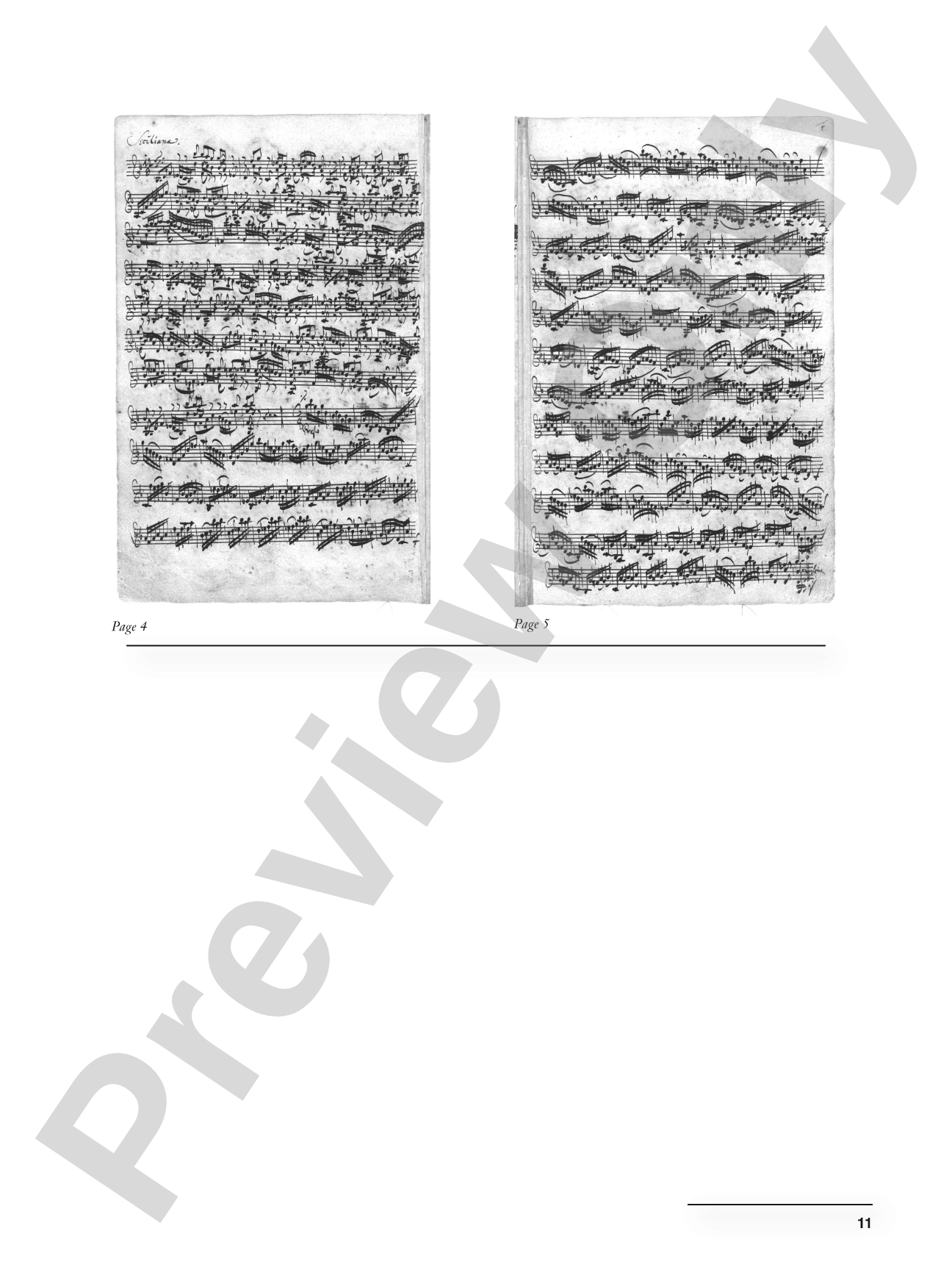
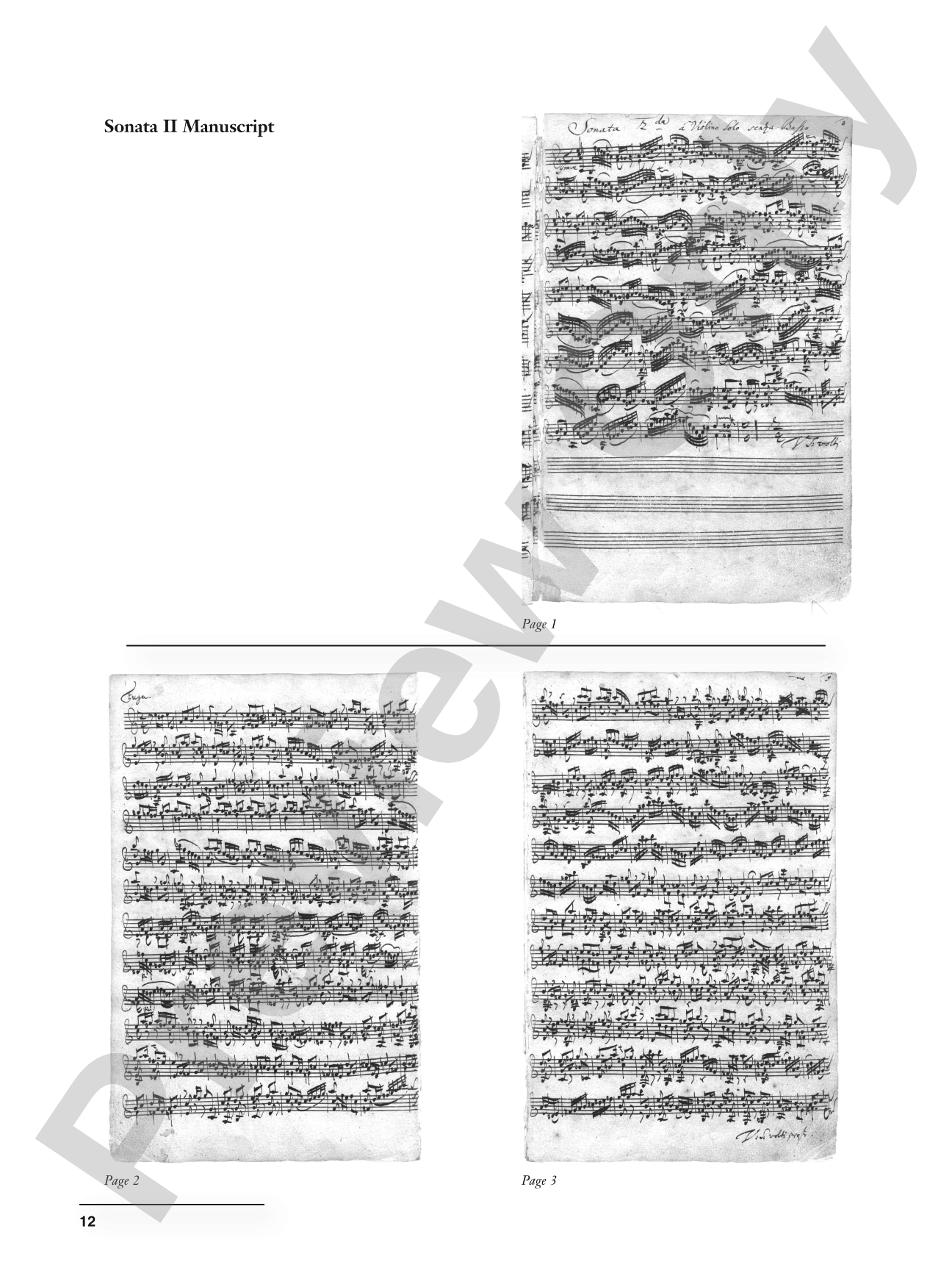
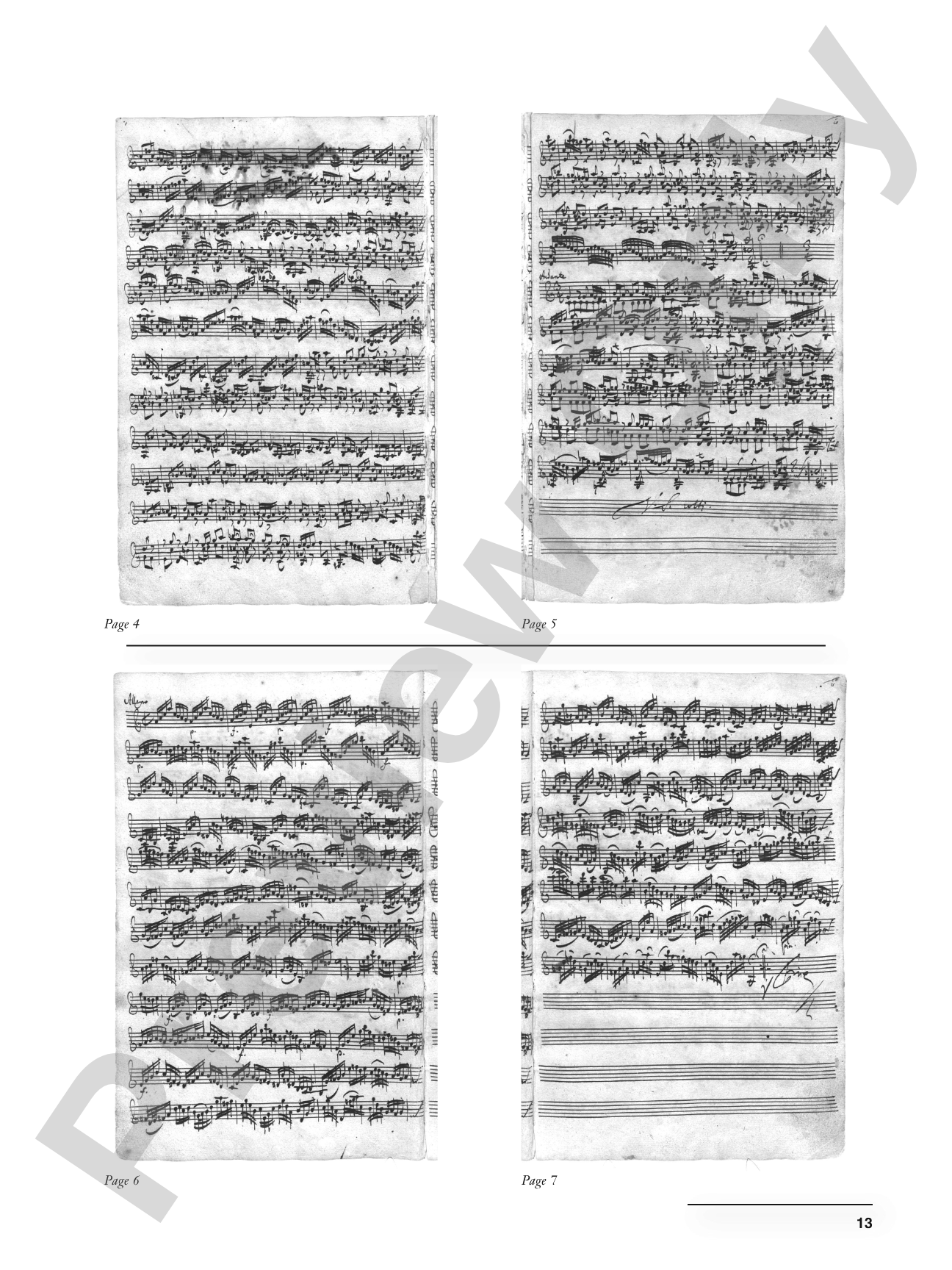
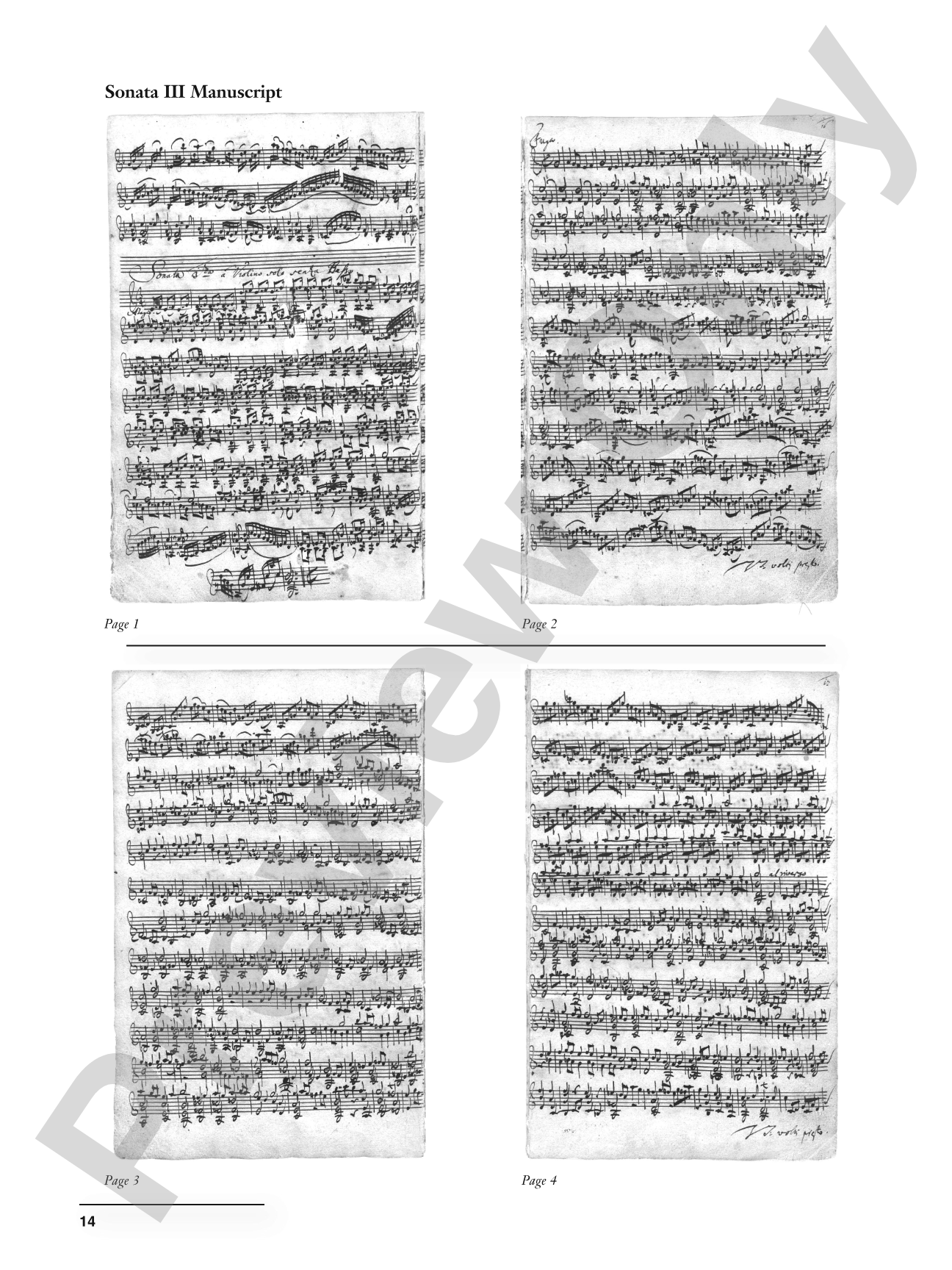
This edition of J. S. Bach's masterpieces for solo violin, artfully transcribed for classical guitar by renowned performer, recording artist, and pedagogue Nicholas Goluses, is an essential addition to any classical guitarist's library. Including a thoughtful, scholarly preface on the art of transcribing Bach for the guitar, drawn from Goluses' doctoral dissertation, studying this edition will be edifying for any serious classical guitarist. Goluses' approach to putting these pieces on the guitar, and his thoughtful fingerings, will help overcome the complexities of playing this important and challenging music.


This edition of J. S. Bach's masterpieces for solo violin, artfully transcribed for classical guitar by renowned performer, recording artist, and pedagogue Nicholas Goluses, is an essential addition to any classical guitarist's library. Including a thoughtful, scholarly preface on the art of transcribing Bach for the guitar, drawn from Goluses' doctoral dissertation, studying this edition will be edifying for any serious classical guitarist. Goluses' approach to putting these pieces on the guitar, and his thoughtful fingerings, will help overcome the complexities of playing this important and challenging music.
J. S. Bach: Violin Sonatas BWV 1001, 1003, 1005: Solo Guitar isn't in MakeMusic Cloud just yet...but it could be. Let us know you'd like to see it, and you'll help shape what comes next. In the meantime, start a free trial and dive into thousands of interactive titles your students can play along with today.
Request This Title
Tell us you want it.
Start Your Free Trial
Explore everything that's ready to play right now.
Sample Audio
No sample audio found.
Sample Video
No sample videos found.
Additional Details
Series:
Alfred Classical Guitar Masterworks
Publisher:
Alfred Music
Page Count:
68
SKU:
00-PB-0001860
More about this title
About the Composer: Johann Sebastian Bach
Johann Sebastian Bach (1685–1750) stands as the culmination of the Baroque era's polyphonic mastery. His output across every genre except opera demonstrates an unparalleled command of counterpoint, harmonic innovation, and structural integrity. For music educators, Bach remains indispensable: his works have shaped pedagogy for centuries, from the Inventions used in piano studios to the chorales that anchor music theory curricula.
Bach's solo instrumental works occupy a special place in musical practice. Written for violin, cello, and flute without accompaniment, these pieces demand that a single performer create the illusion of multiple voices through careful voice leading and bow control. This transcription project honors that pedagogical mission by making these architectural masterworks available to guitarists, preserving Bach's original intent while embracing the guitar's unique sonorities and technical possibilities.
Why we love this
Nicholas Goluses brings scholarly rigor to the transcriber's art here. His fingerings emerge from both instrumental knowledge and the research behind his doctoral work on Bach and the guitar, meaning students aren't simply reading transposed notes but learning how an expert musician interprets these pieces on fretted instruments. The preface itself becomes a teaching tool, helping guitarists understand the structural and idiomatic choices that shaped each transcription.
What to expect
These sonatas breathe with mathematical elegance and emotional directness. The opening of BWV 1001 announces itself with purposeful clarity, while movements throughout unfold like a conversation where one voice somehow becomes many. On guitar, the music gains a warmth and resonance that violin versions trade for brilliant projection; you'll discover Bach's harmonic logic in the sustain and bloom of full chords that the violin can only suggest.
Who it's for
Late intermediate classical guitarists ready to engage serious solo repertoire will find these three sonatas both accessible and genuinely challenging. Advanced students preparing for competitions or recitals benefit from studying a transcription grounded in research rather than convenience. Teachers seeking to place their students into substantial, historically rich material that expands beyond contemporary guitar literature will return to this edition repeatedly.
How to get the most out of it
- Approach each movement as a polyphonic study first. Mark the independent voices with different colored pencils before worrying about technical execution; this trains your ear to hear what Bach wrote rather than what your fingers habitually play.
- Navigate the position shifts by practicing the transitions between sections slowly and deliberately. Goluses' fingerings often prioritize maintaining voice continuity over staying in a single position, so honor that logic during slow work.
- Sustain longer note values as full value whenever possible. The guitar's natural decay means that what reads as a whole note can disappear if you don't refresh the sound through restrikes or left-hand pressure.
- Build these pieces gradually across weeks, not days. Solo Bach on guitar rewards patient integration of technical and musical layers in equal measure.
How to use it
Feature one complete sonata as a substantial solo work on a recital, or program individual movements as contrasting concert openers. In curricula, assign one sonata per semester to late intermediate students working toward performance maturity, pairing the musical study with the preface as reading material for music history or form analysis classes. These pieces also serve guitarists preparing for upper level juries or conservatory auditions where a canonical solo work demonstrates both technique and musical comprehension.
Skills your students will build
- Voice independence and tracking multiple melodic lines simultaneously
- Baroque phrasing conventions and articulation without modern expressive markings
- Position navigation across the full fingerboard while maintaining tonal consistency
- Interpretation of historical notation and transcriber's fingering choices
- Pedal point recognition and harmonic function within contrapuntal textures
- Sustained tone production on longer note values at varied dynamic levels