

J. S. Bach: 15 Two-Part Inventions: Transcribed for Solo Guitar: Solo Guitar
Transcribed for Solo Guitar
Music by Johann Sebastian Bach / arr. Ken Hummer
Item: 00-PB-0002151
$8.99
Pickup currently not available
Related Items
J. S. Bach: 15 Two-Part Inventions: Guitar Book |
$8.99
|
View |
Description
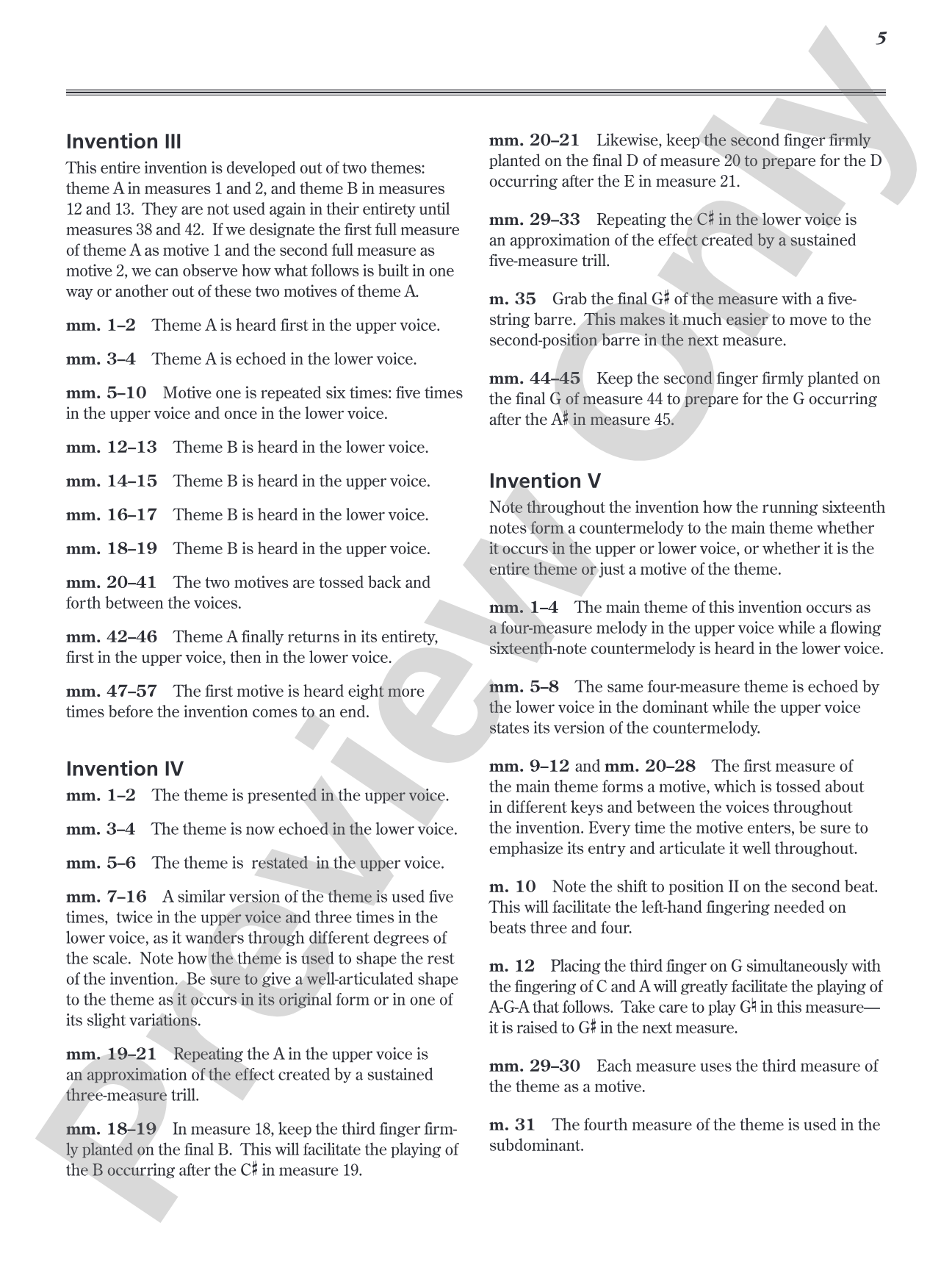
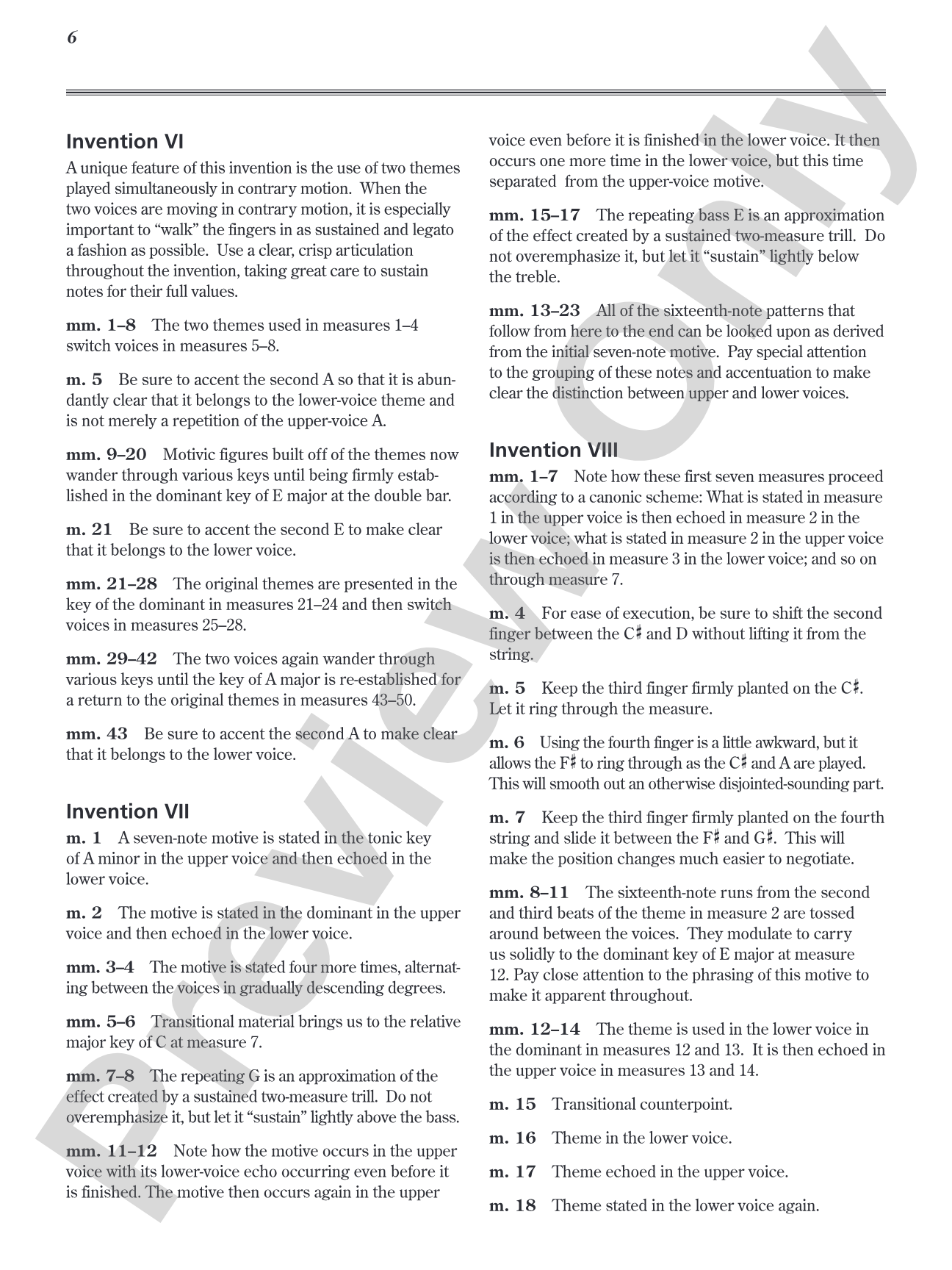
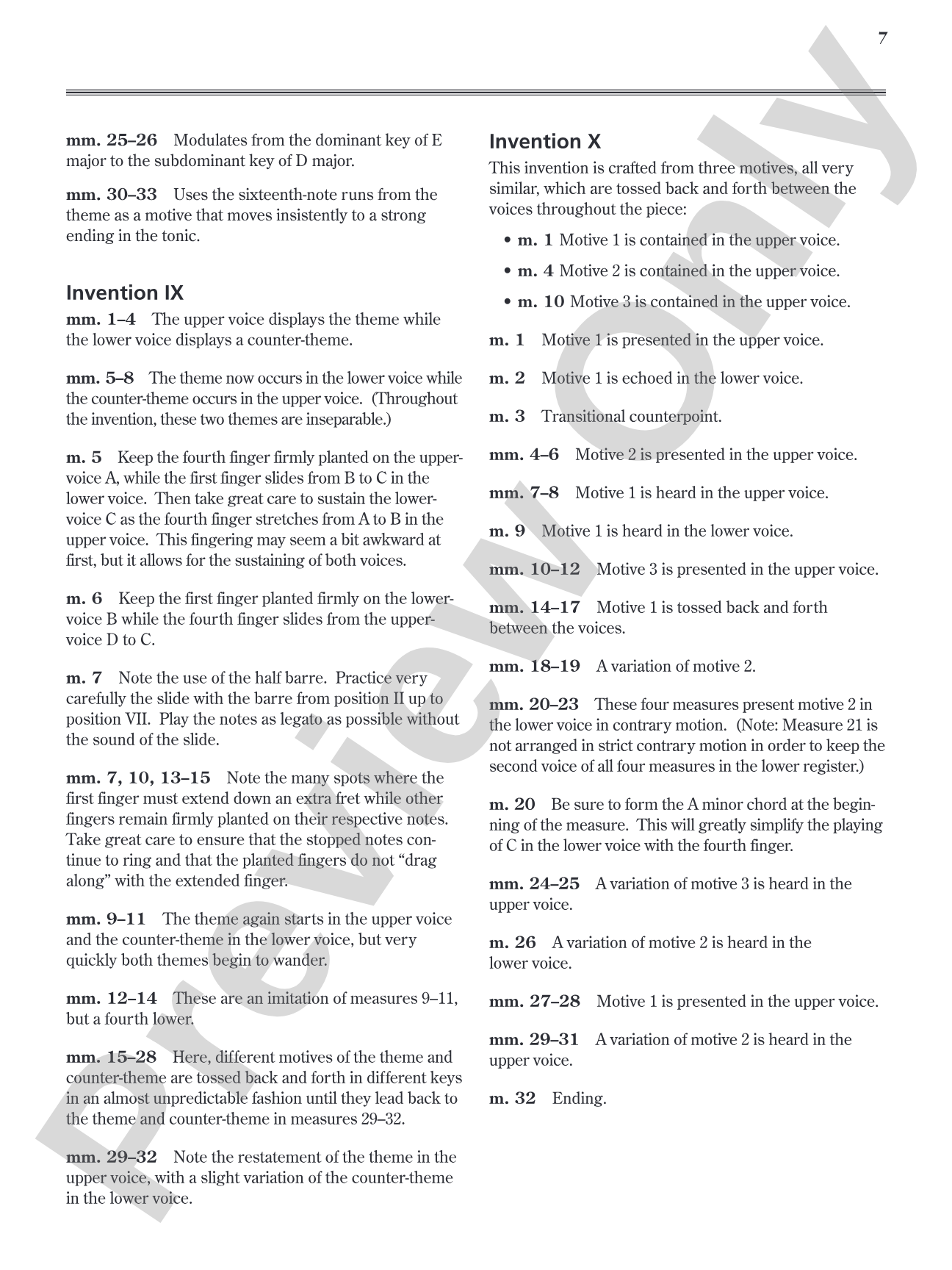
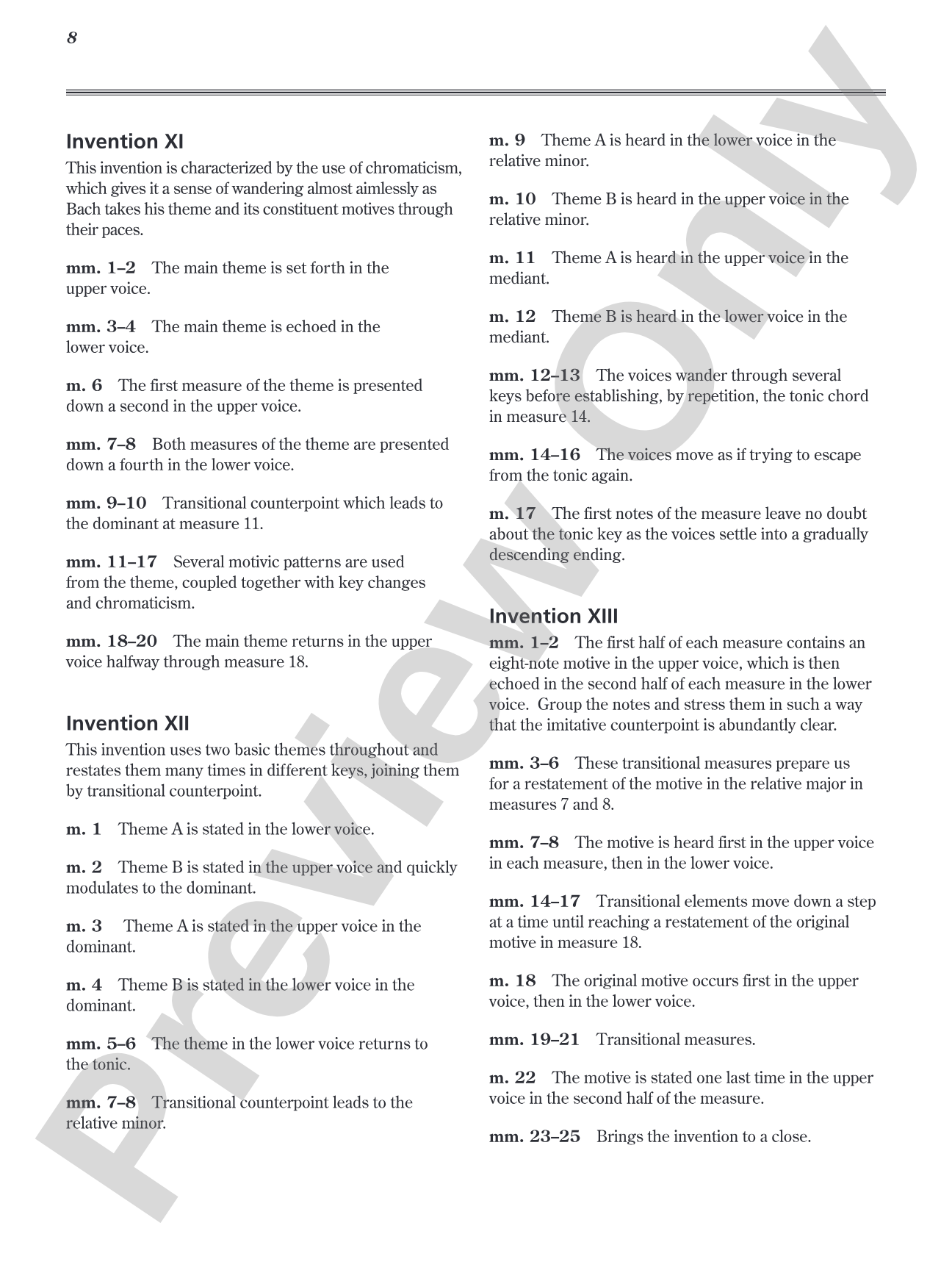
All 15 of Bach's Two-Part Inventions have been transcribed for solo guitar! Providing a wealth of technical and musical challenges, these transcriptions are perfect for improving sight-reading skills and can be ideal new additions to the performance repertoire of any serious musician.


J. S. Bach: 15 Two-Part Inventions: Transcribed for Solo Guitar: Solo Guitar isn't in MakeMusic Cloud just yet...but it could be. Let us know you'd like to see it, and you'll help shape what comes next. In the meantime, start a free trial and dive into thousands of interactive titles your students can play along with today.
Request This Title
Tell us you want it.
Start Your Free Trial
Explore everything that's ready to play right now.
Sample Audio
No sample audio found.
Sample Video
No sample videos found.
Additional Details
Publisher:
Alfred Music
Page Count:
40
SKU:
00-PB-0002151
More about this title
About the Composer: Johann Sebastian Bach
Johann Sebastian Bach (1685-1750) was a German Baroque composer and organist whose output spans nearly every musical form of his era except opera. His systematic exploration of compositional techniques and harmonic language established foundational principles still taught in conservatories worldwide. Bach's pedagogical works, including the Two-Part Inventions, were written to develop his students' musicianship through clear, logical voice leading and contrapuntal mastery.
The Two-Part Inventions occupy a unique place in music education. Composed as instructional pieces for his son Wilhelm Friedemann, they demonstrate essential compositional principles while remaining musically sophisticated enough to reward performers of any level. These 15 works have transcended their original teaching purpose to become standard repertoire for understanding Baroque counterpoint and musical development.
Why we love this
Ken Hummer's transcriptions make these essential pedagogical works accessible to guitarists without requiring fluency at the keyboard. The Inventions showcase Bach's gift for clear thematic development and voice independence, qualities that translate beautifully to the fretboard. Guitarists gain exposure to genuine counterpoint and musical architecture rather than simplified arrangements.
What to expect
The Inventions feel like intimate conversations between two melodic voices, each pursuing its own musical idea while remaining in constant dialogue with the other. Their clarity and logic create an architectural sense of inevitability, as if Bach is methodically building something complex from simple materials. There is intellectual satisfaction in following the threads of development, yet the writing never feels dry or purely cerebral.
Who it's for
Classical guitarists seeking to expand their technical toolkit and understanding of Baroque voice leading. These transcriptions serve equally well for serious amateurs looking to deepen their musicality and students preparing for advanced conservatory work.
How to get the most out of it
- Shape the lines independently so each voice remains audible despite playing on the same instrument. Think of yourself as two players in conversation rather than a single soloist.
- Establish the tempo by the fastest note values in each Invention. Bach's writing is contrapuntal, not virtuosic, so rhythmic clarity matters more than speed.
- Work through each Invention slowly with clear phrasing before adding technical facility. The musical logic becomes apparent only when you hear where phrases breathe.
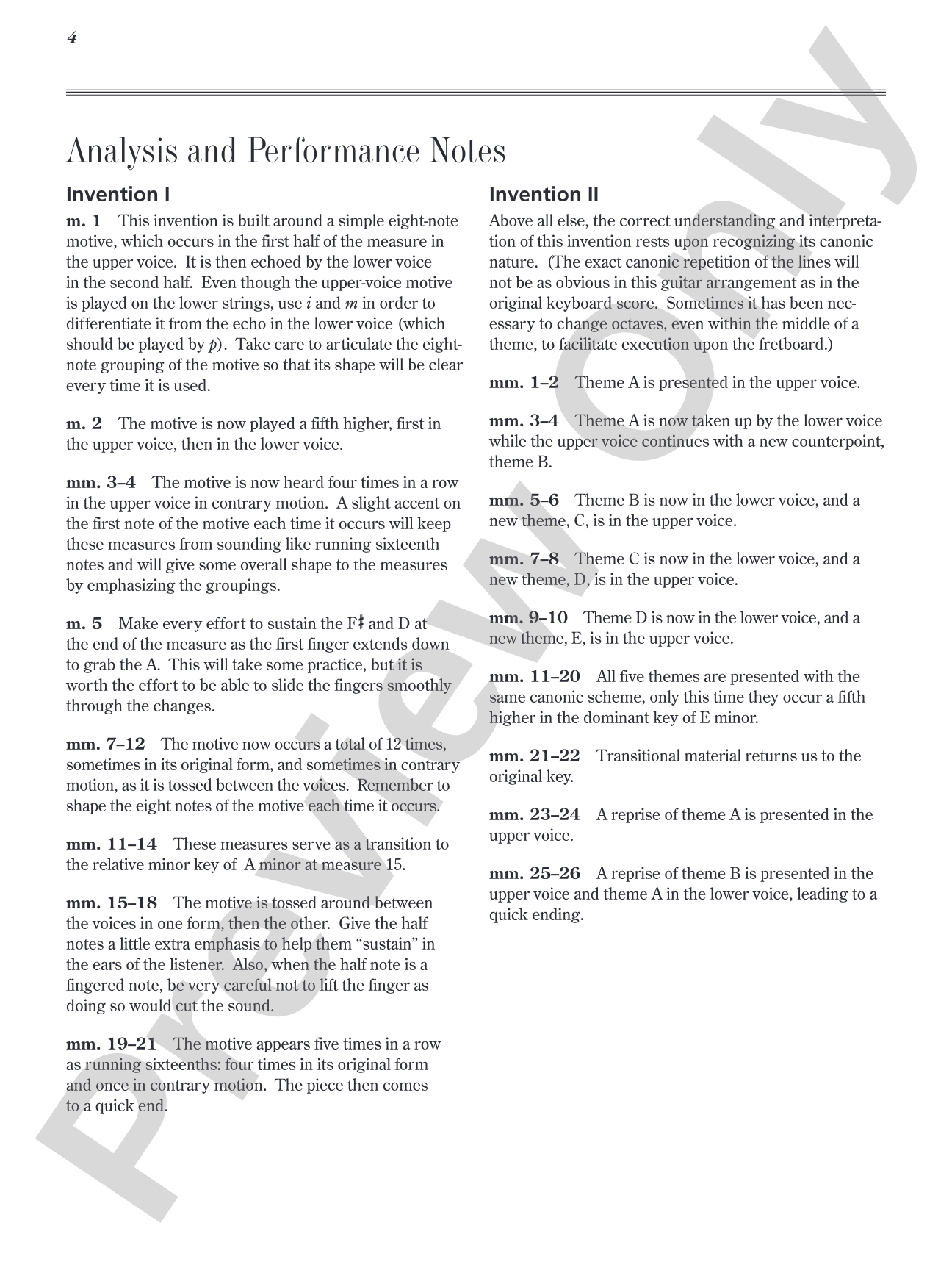
- Pay attention to harmonic rhythm and functional harmony underneath the contrapuntal texture. This reveals how Bach moves through keys and establishes his dramatic structure.
How to use it
These works function best as recital centerpieces for advanced guitarists, either as a complete cycle or selected movements. They also serve as excellent study material for students preparing jury exams or competitions, since the Inventions demand technical security and musical maturity in equal measure.
Skills your students will build
- Voice independence and clarity in two-part counterpoint
- Recognition of thematic development and musical architecture
- Harmonic analysis and functional tonality
- Baroque phrasing and articulation
- Fingering strategies for maintaining separate melodic lines on a single instrument
- Sight-reading facility and pattern recognition