
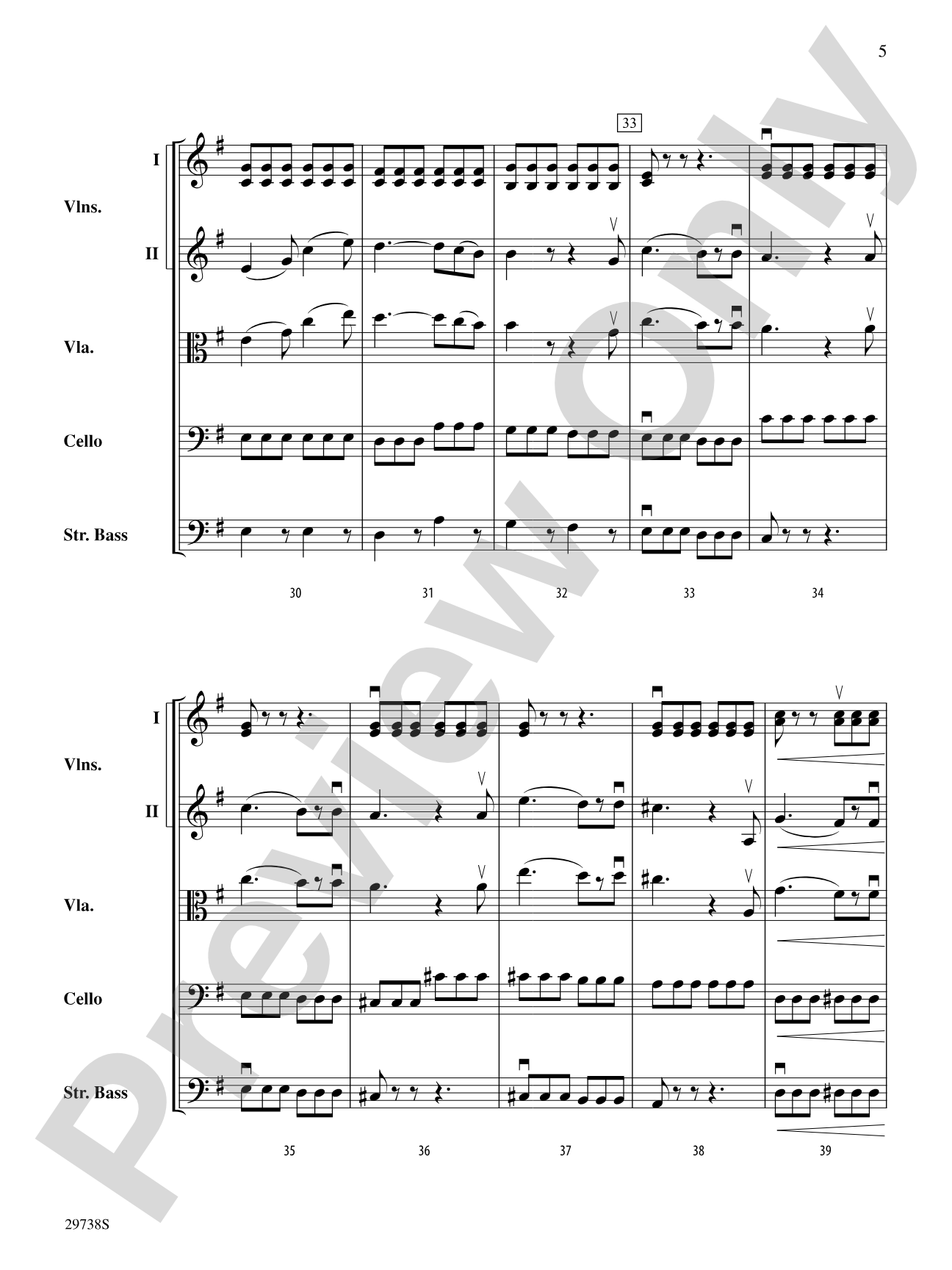
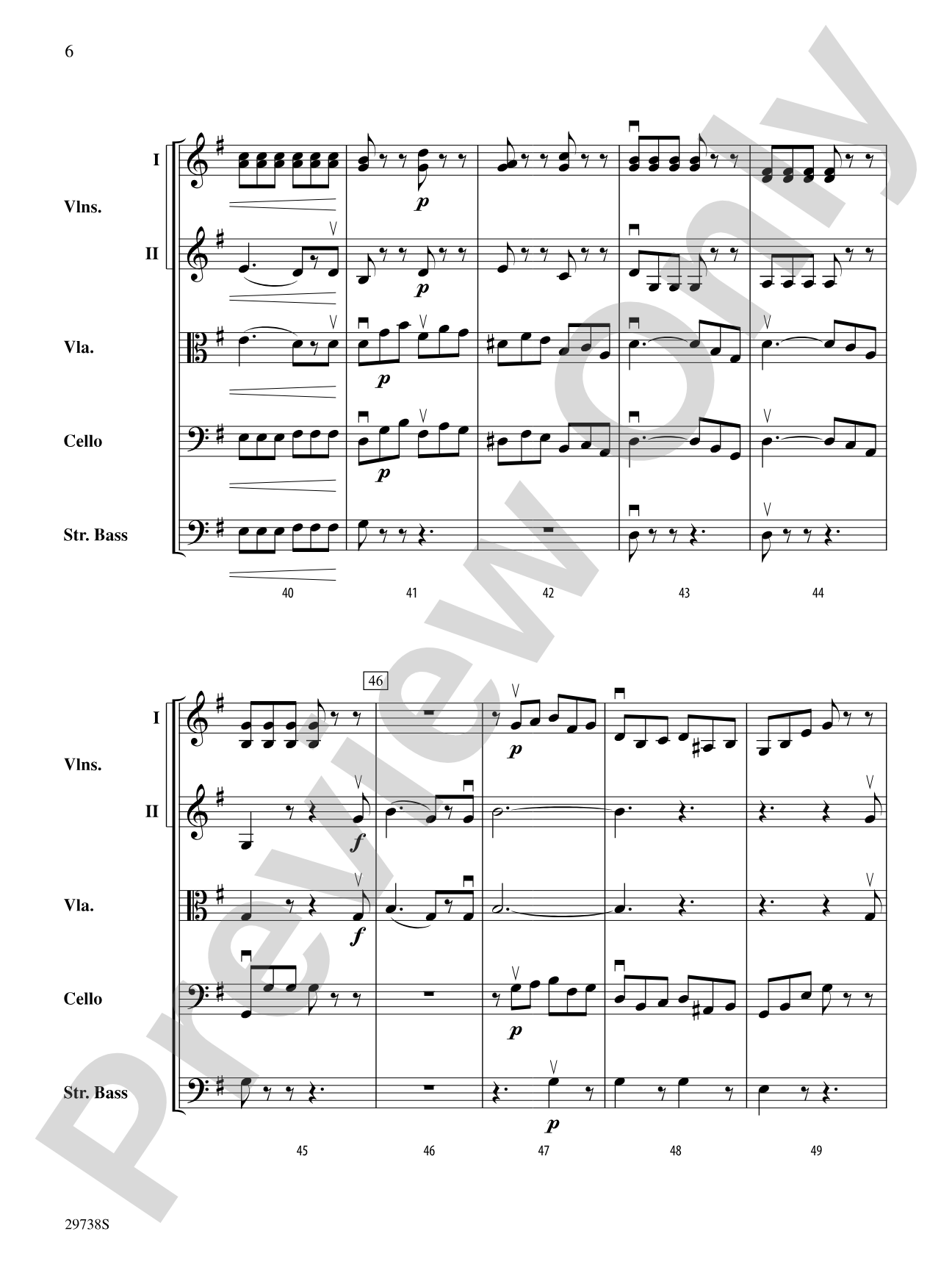
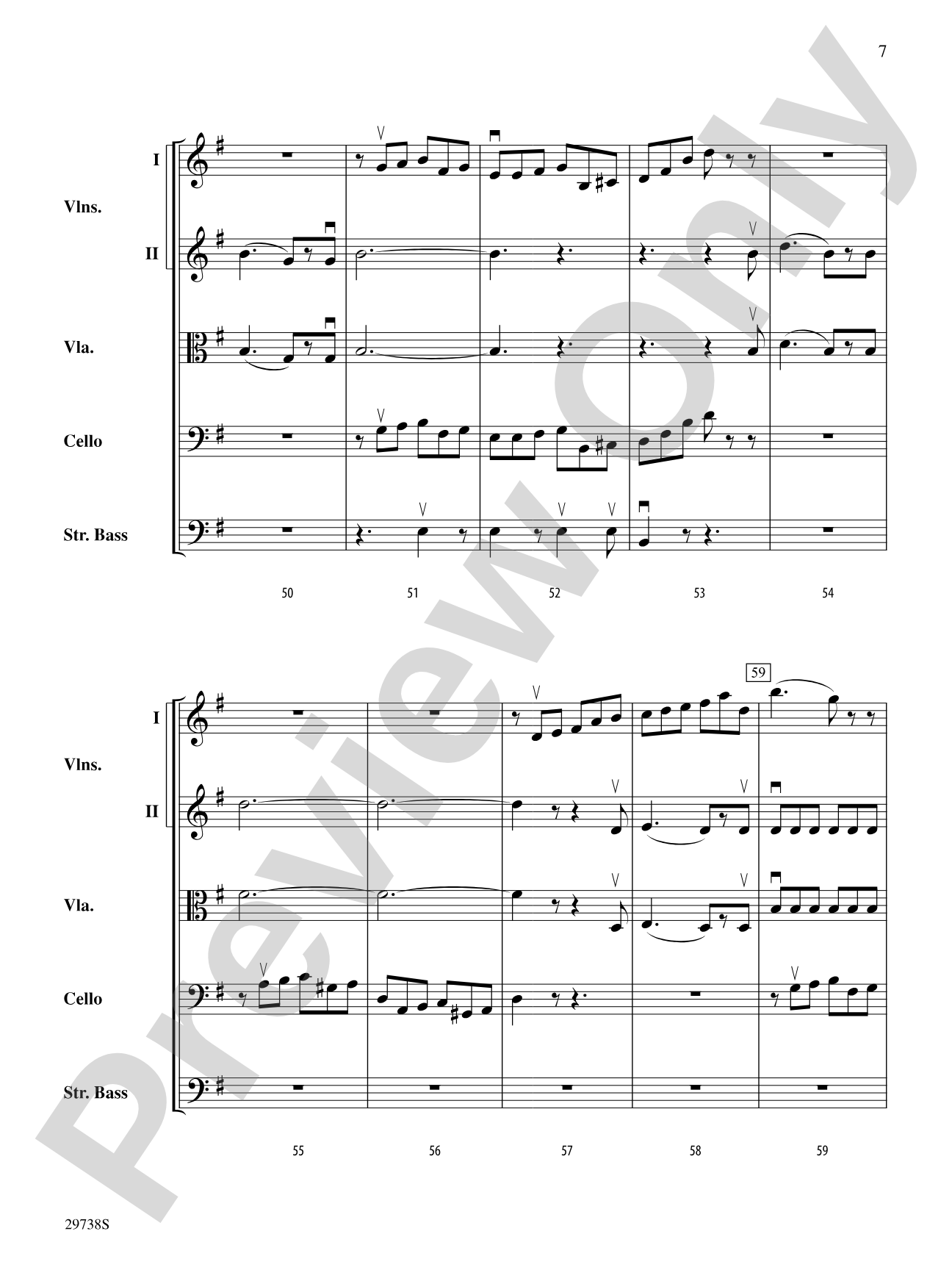
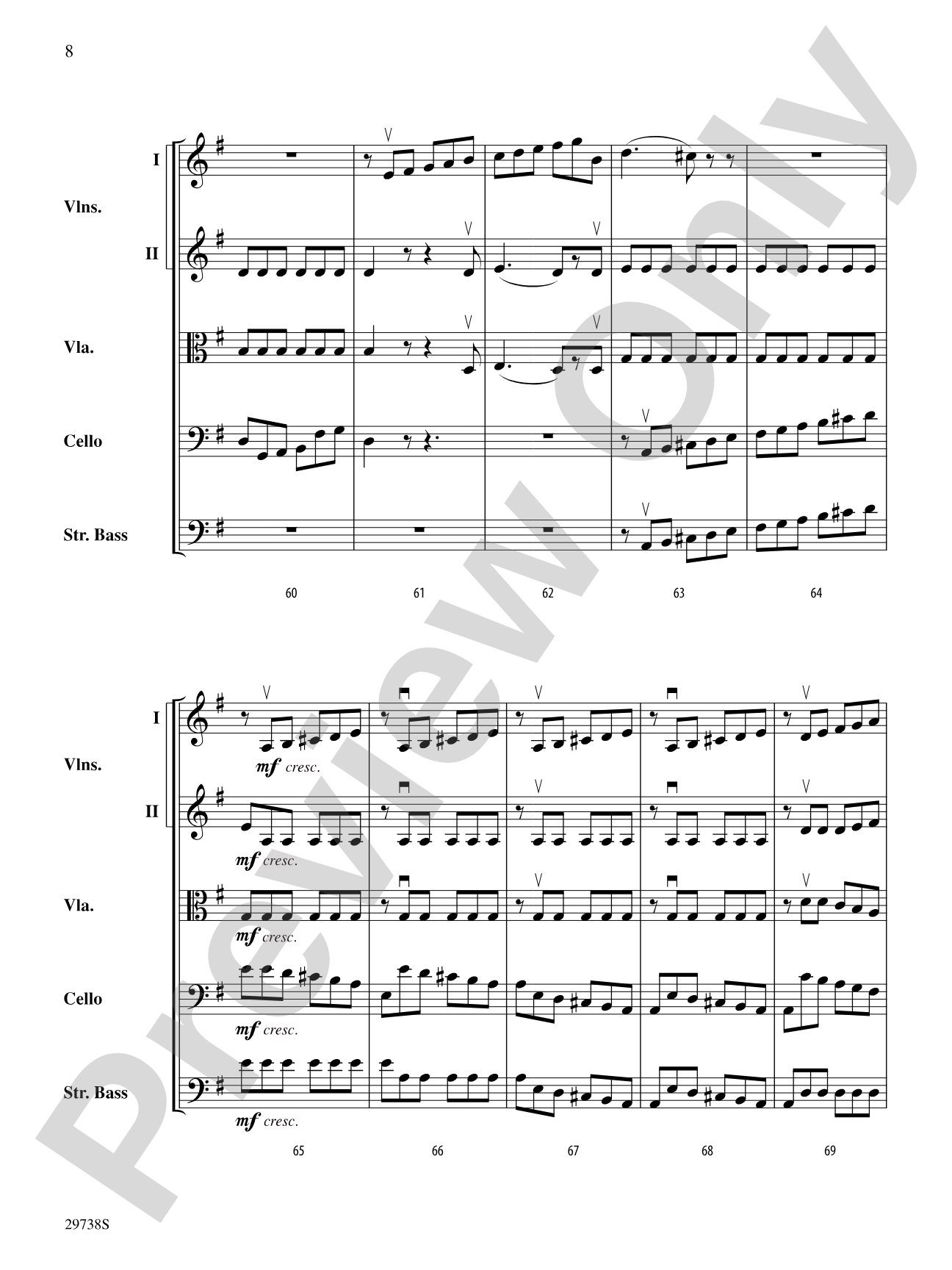
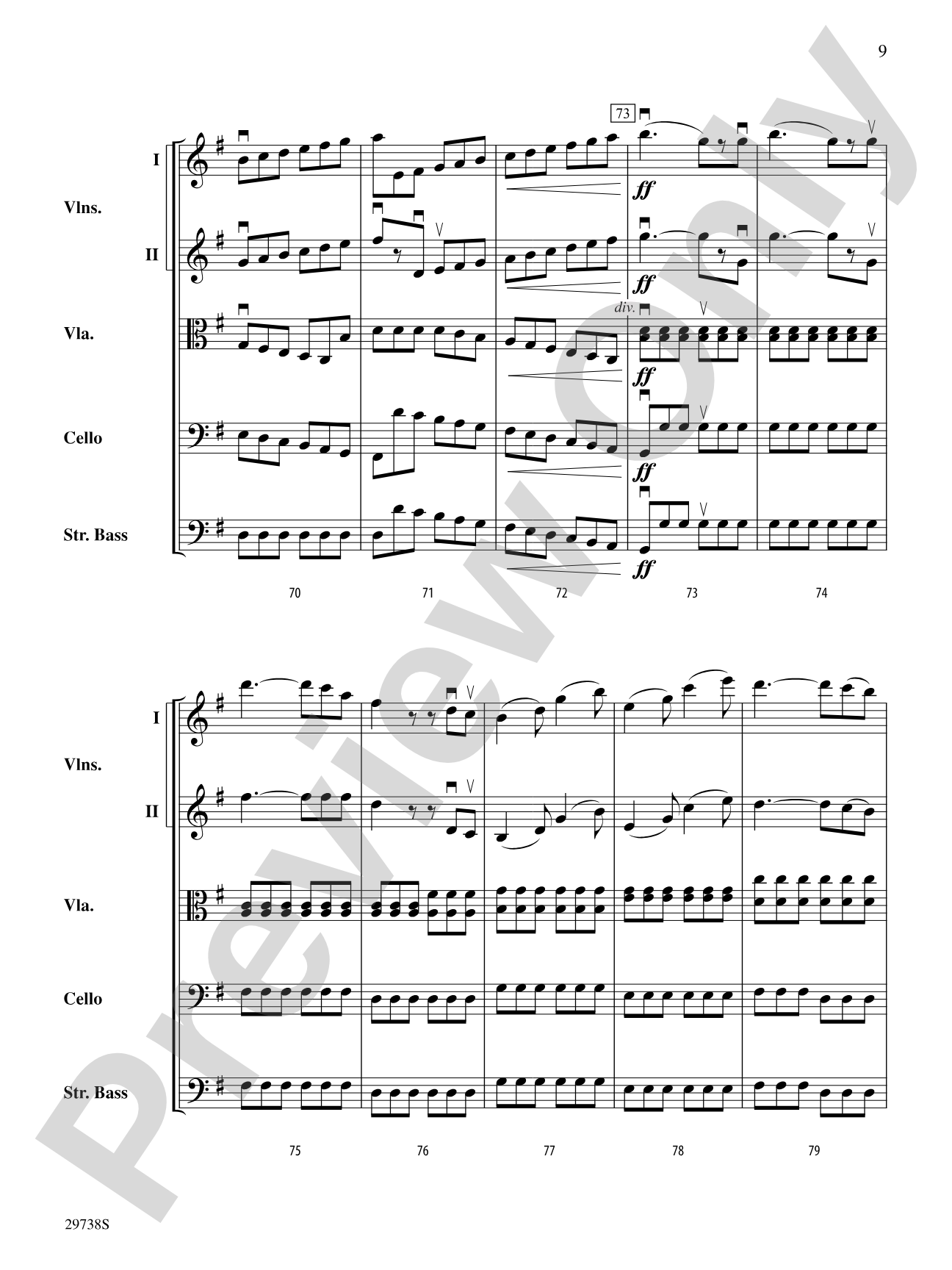
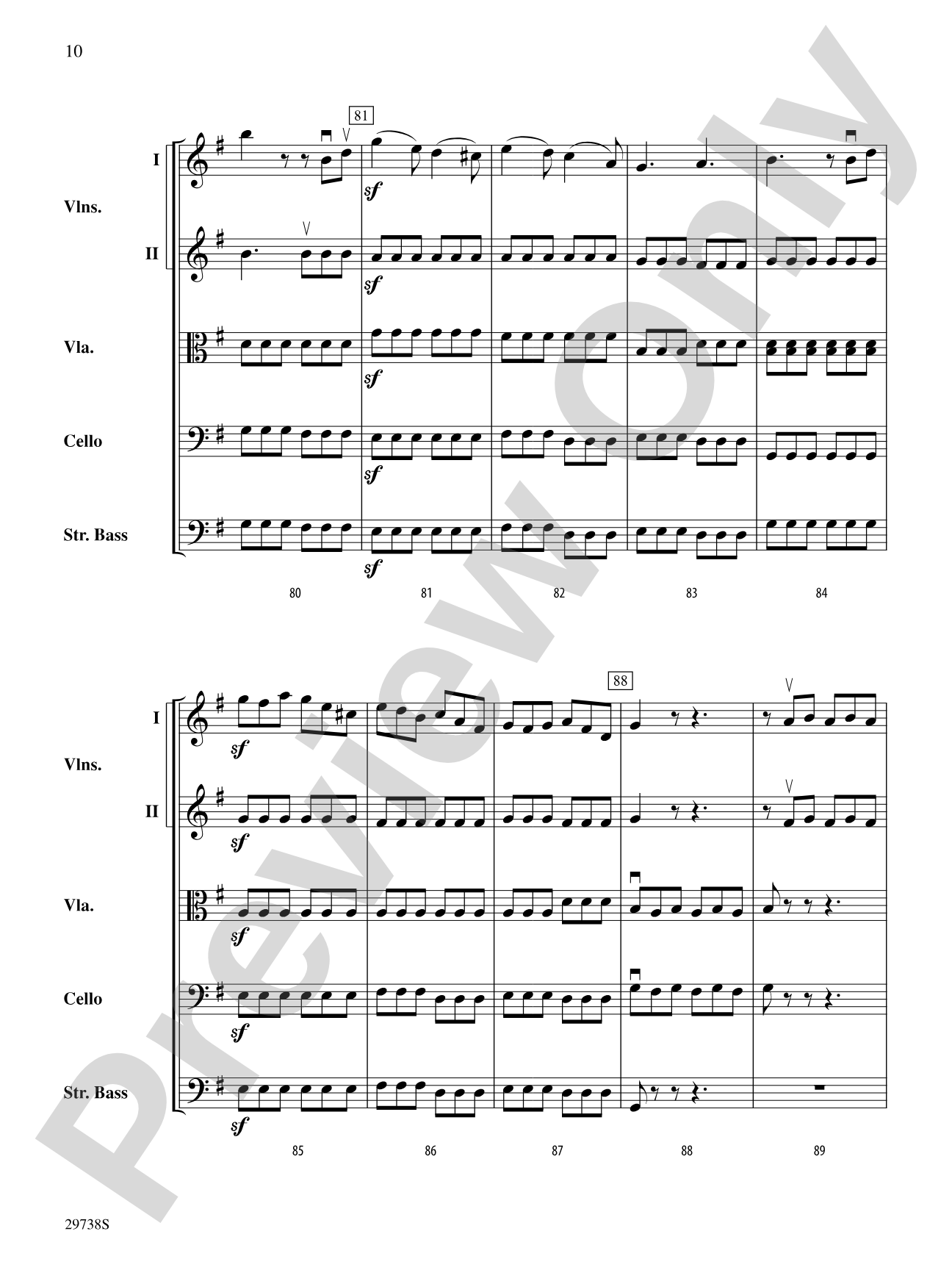
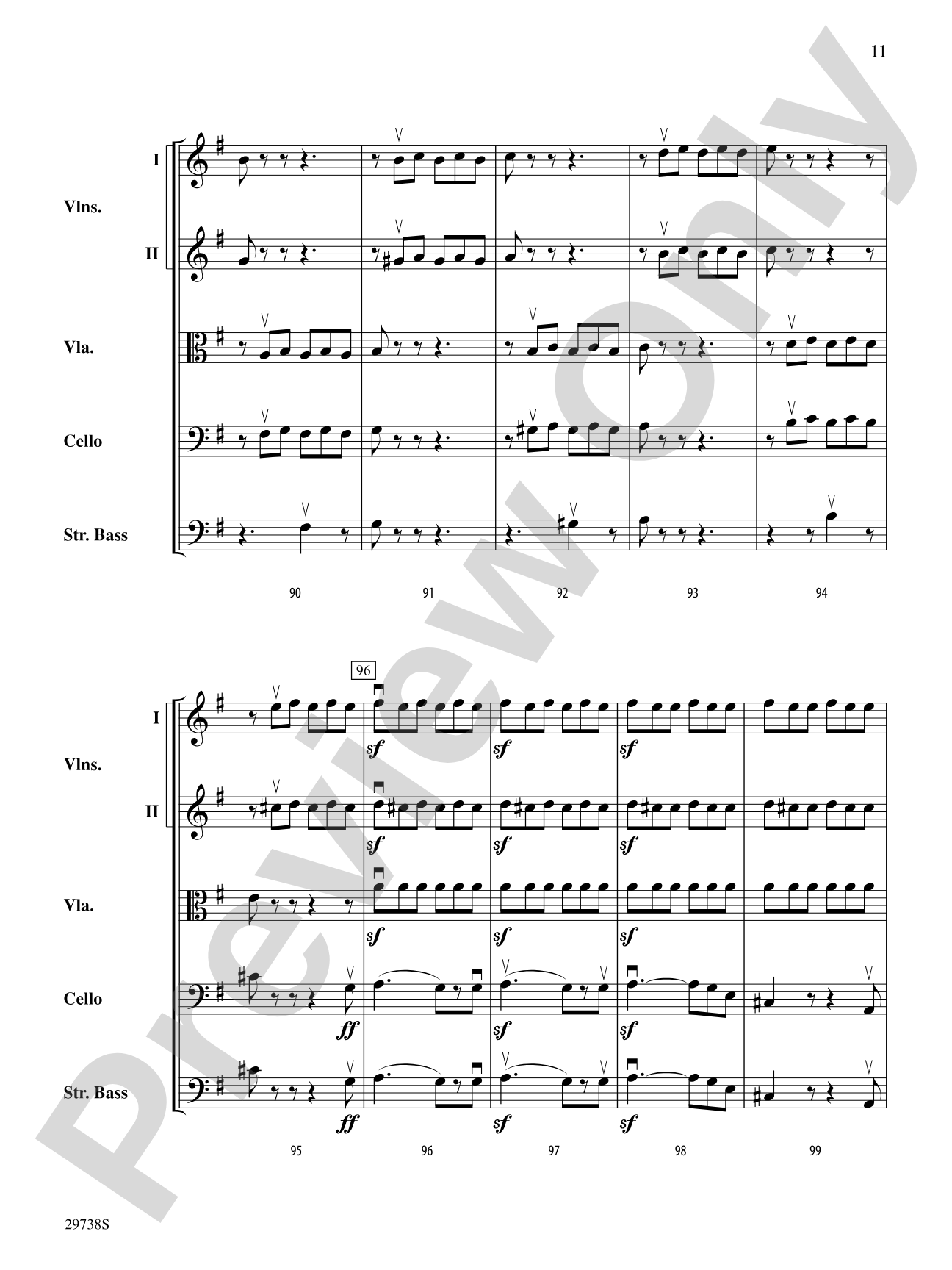
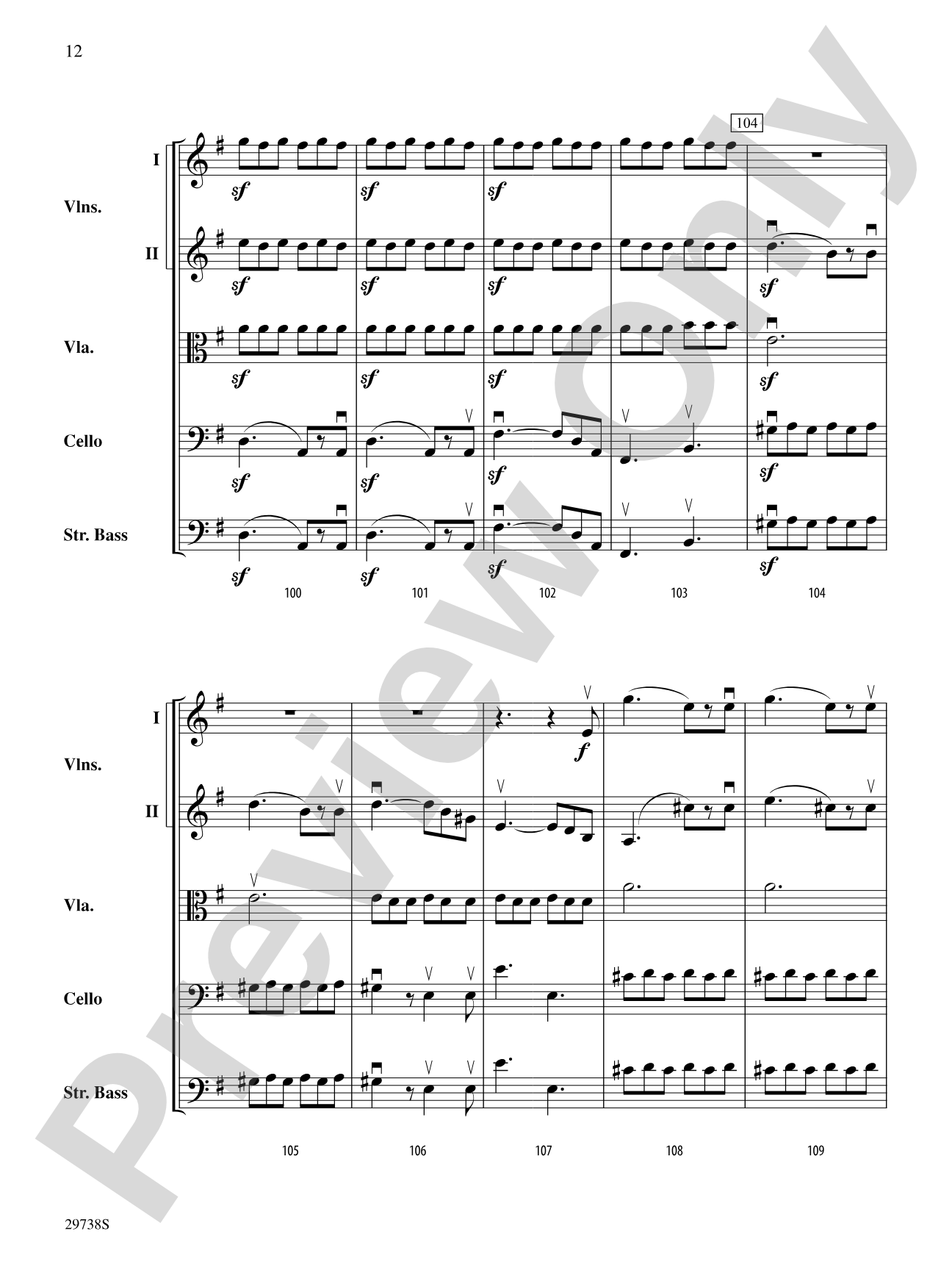
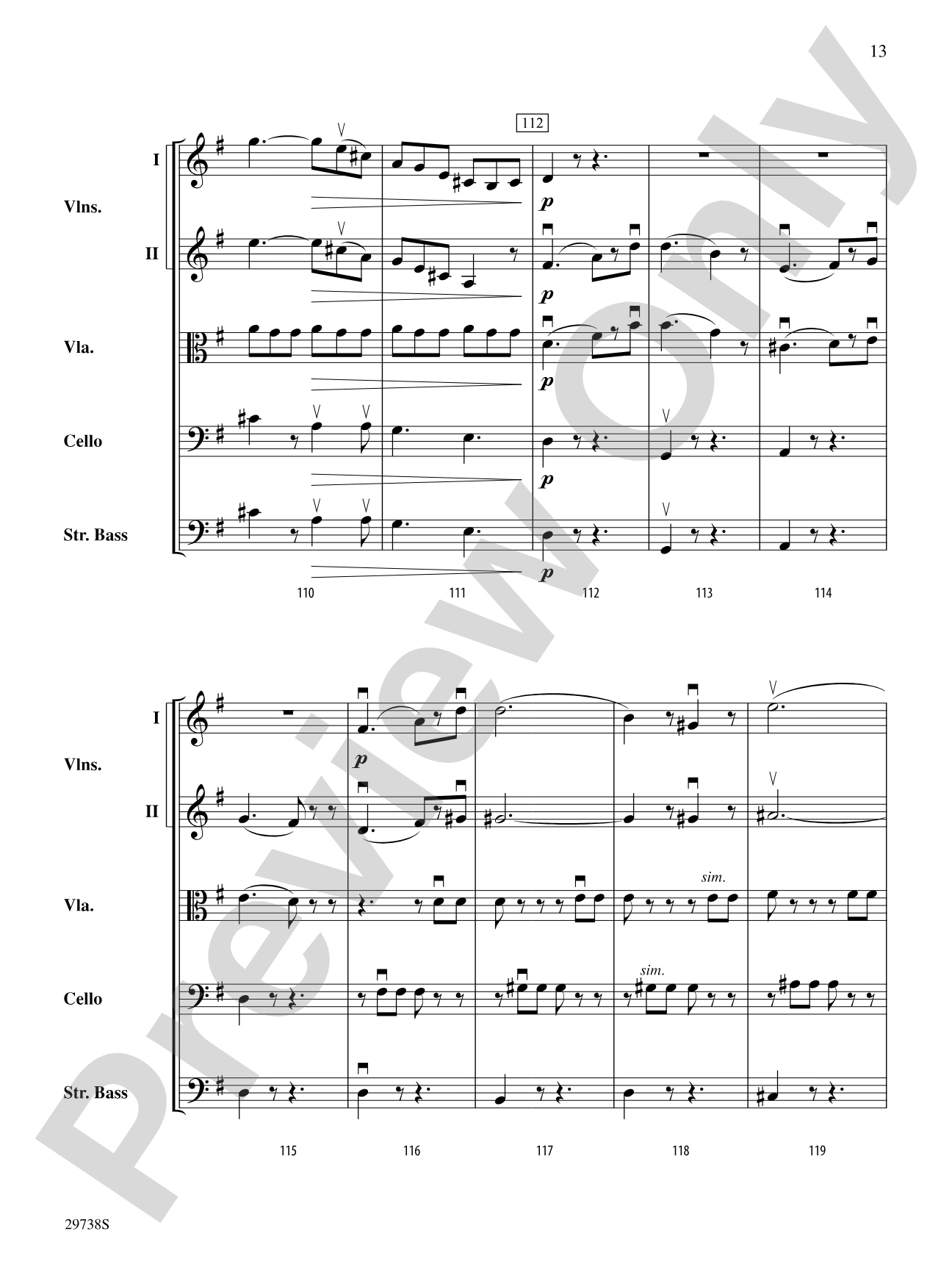
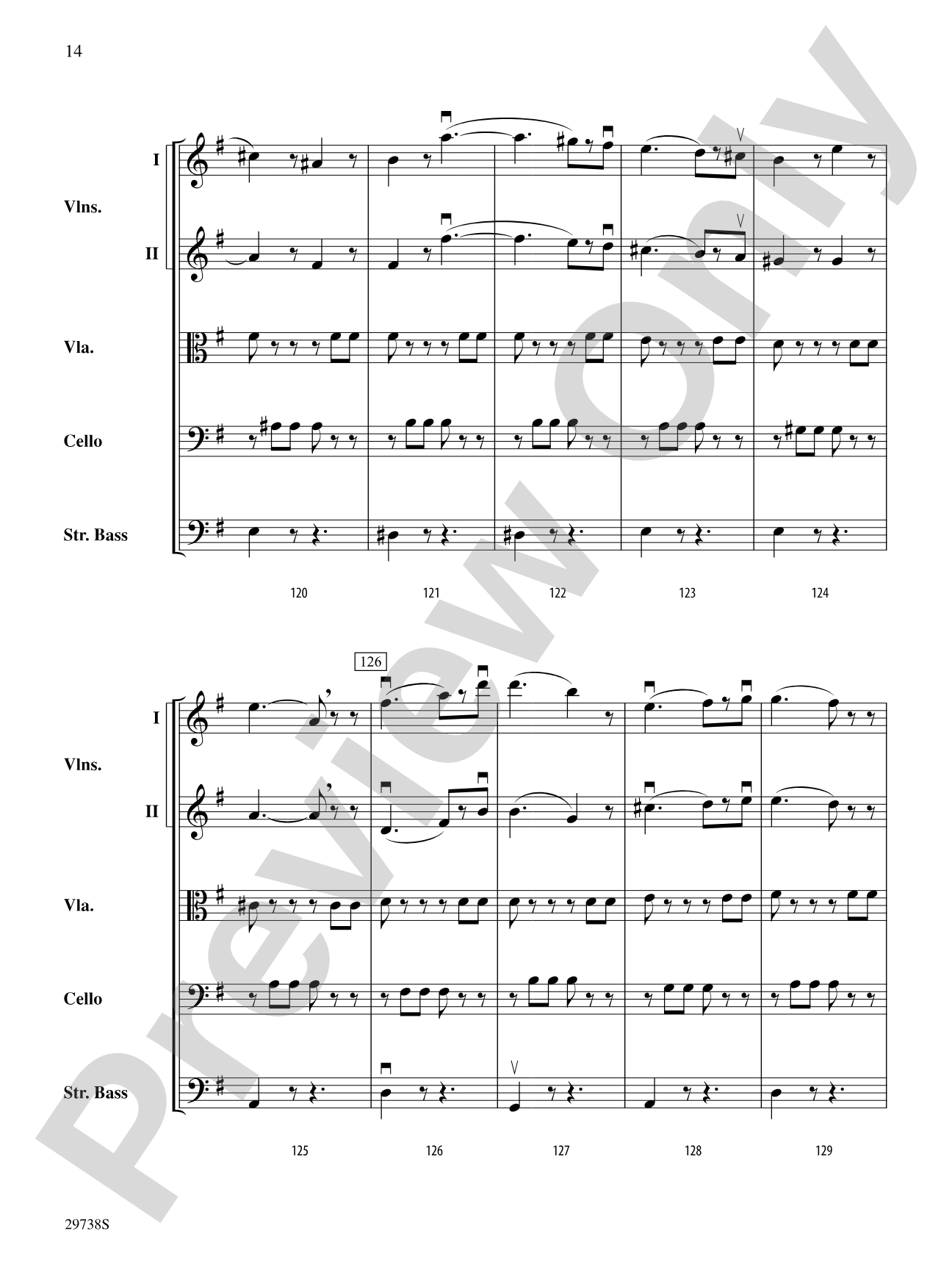
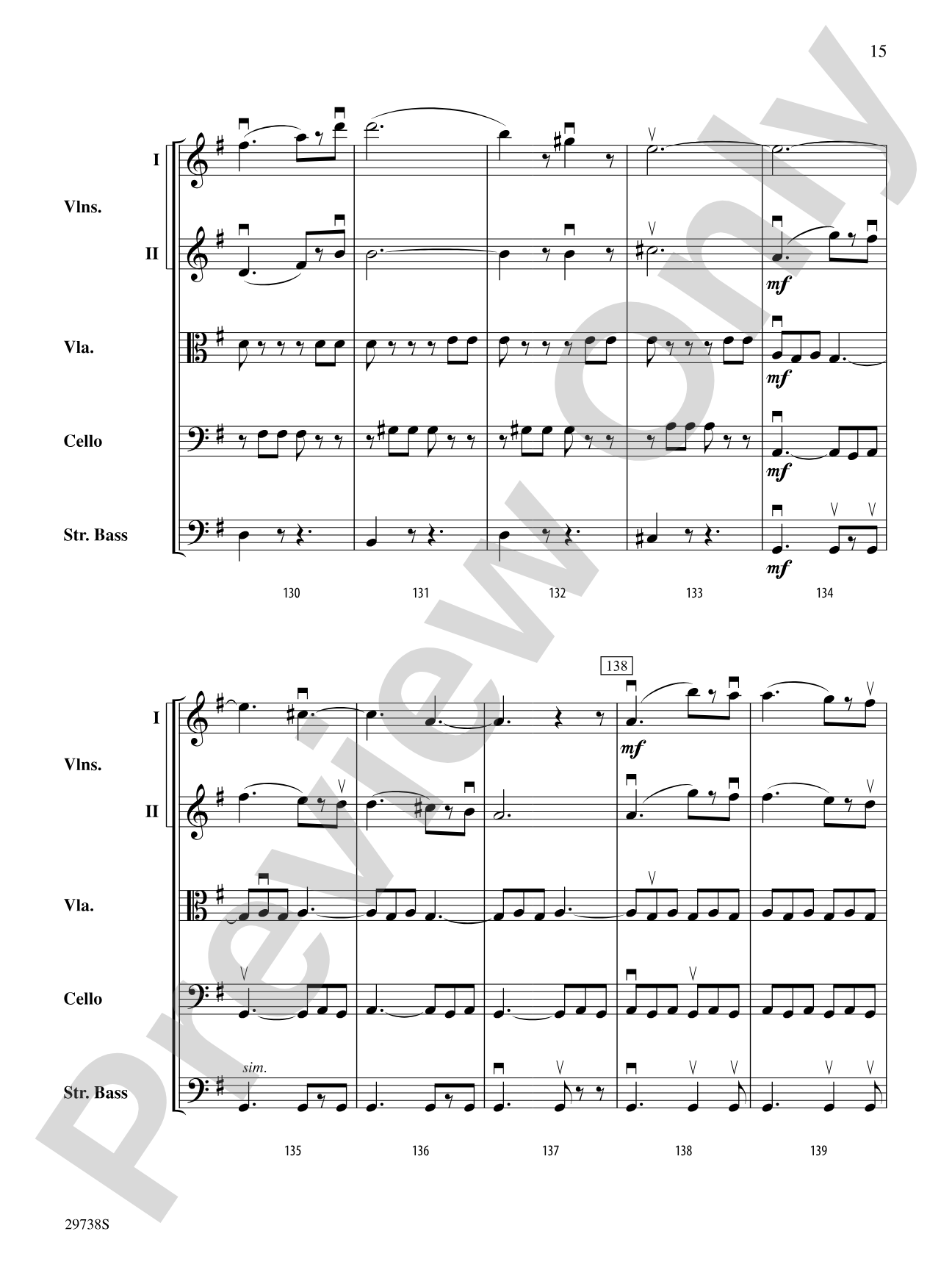
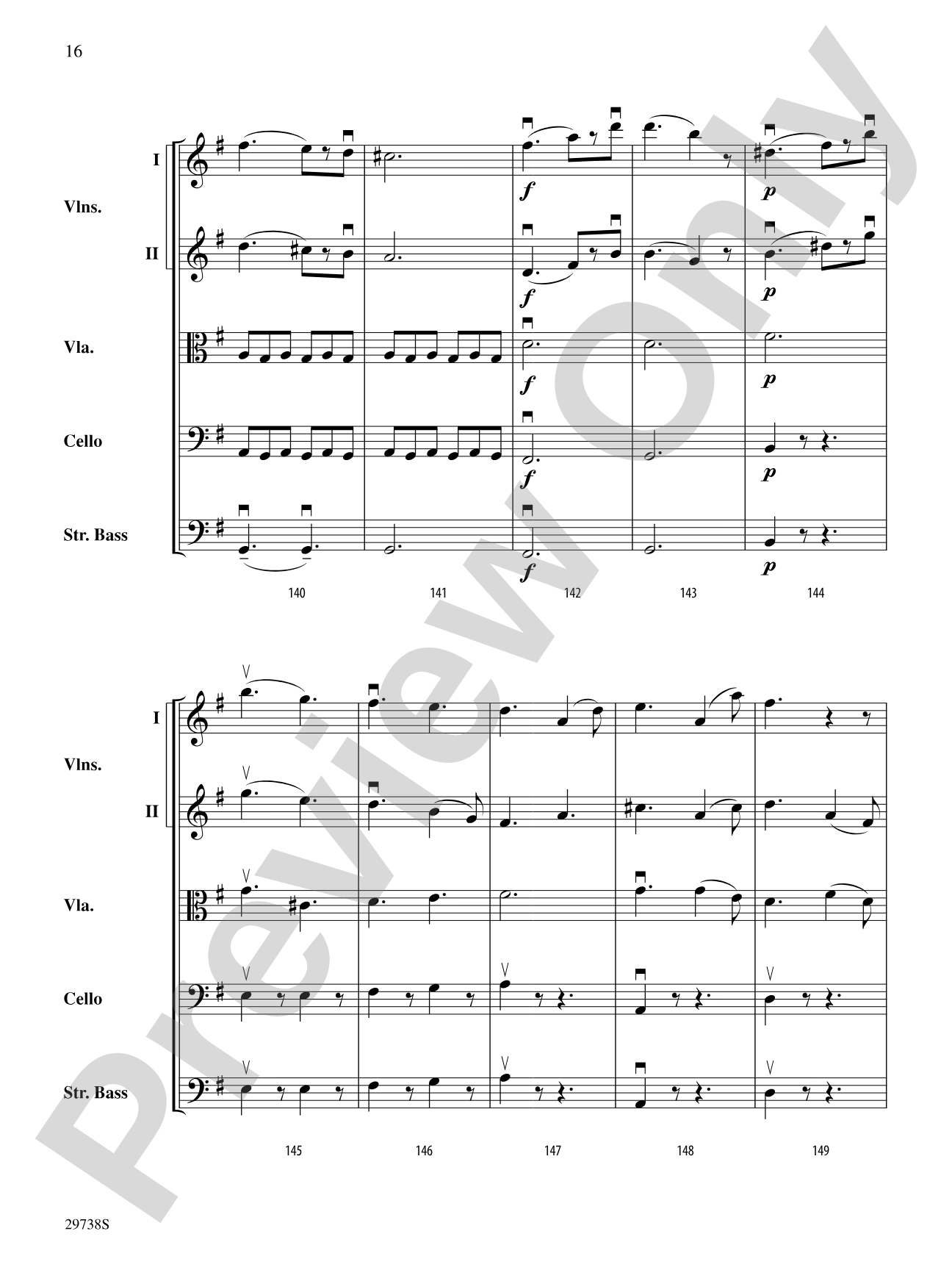
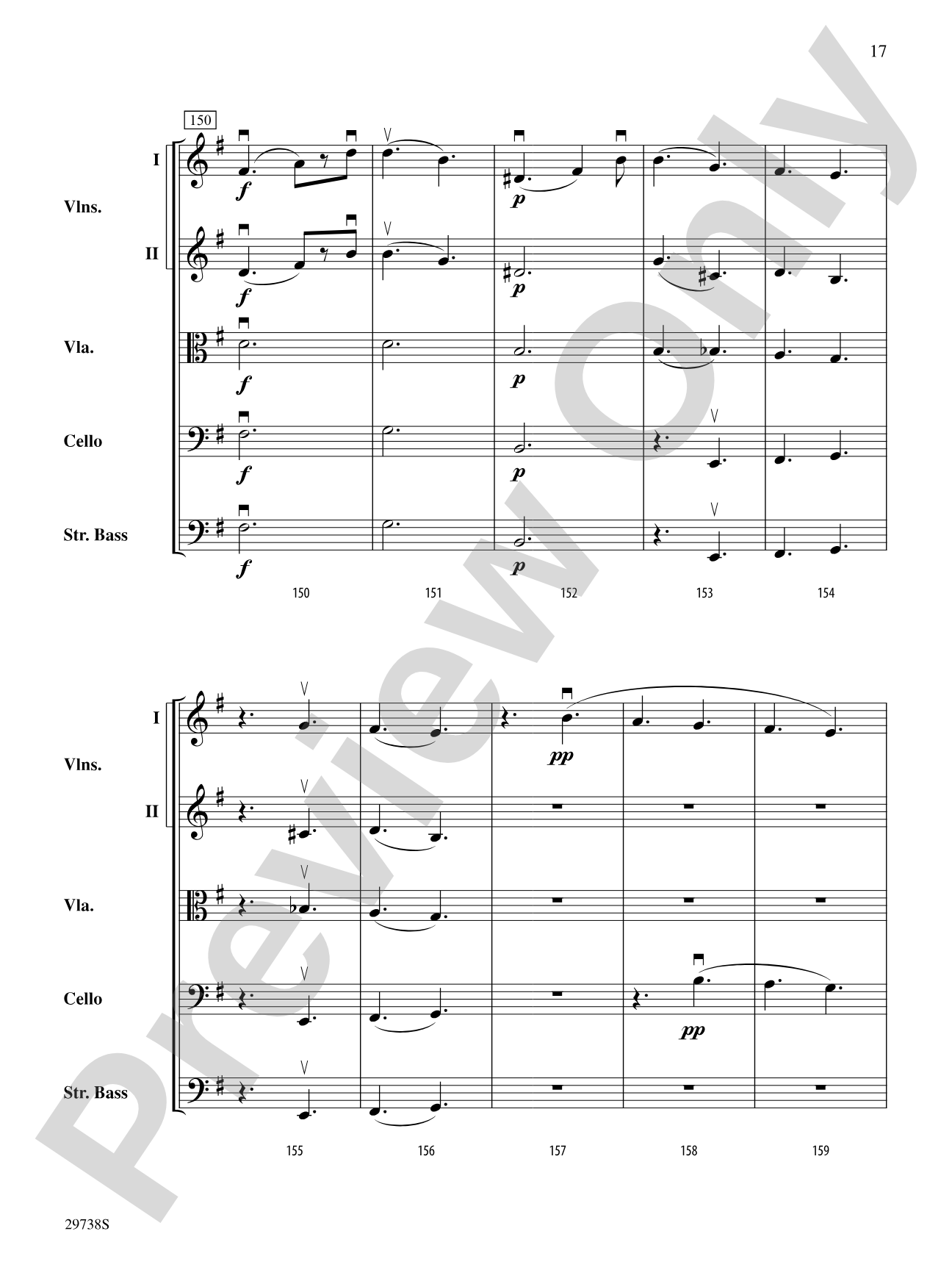
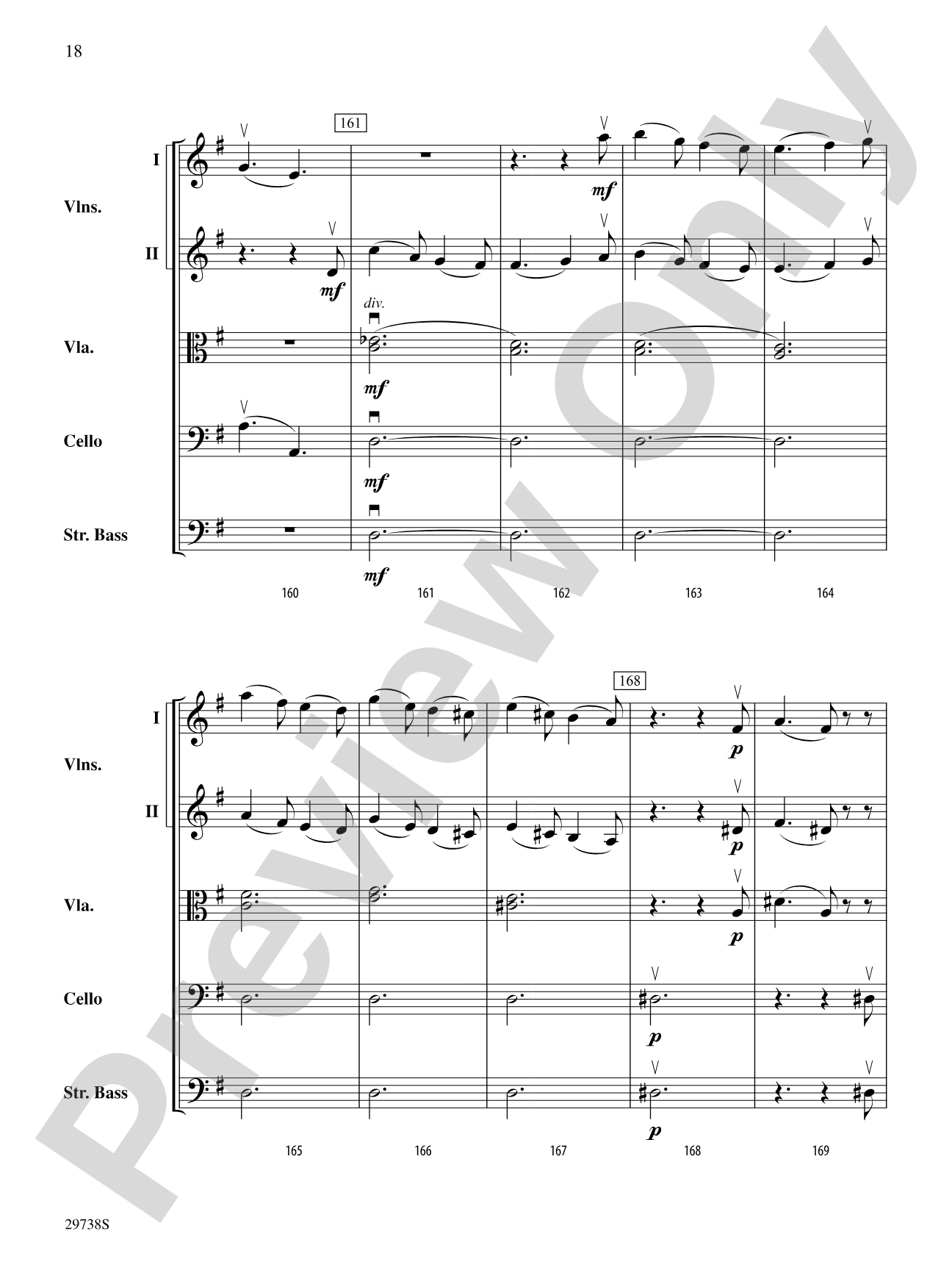
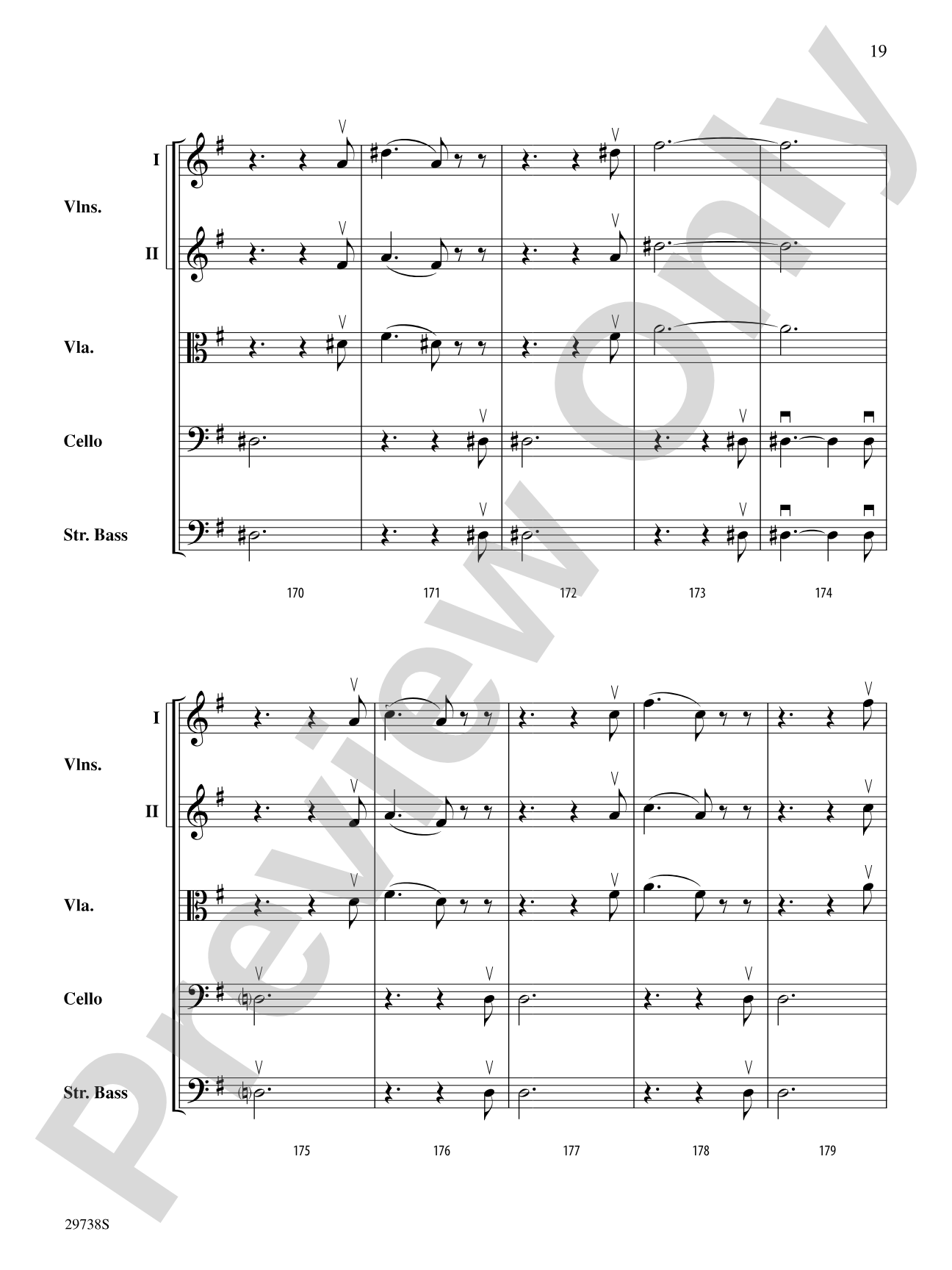
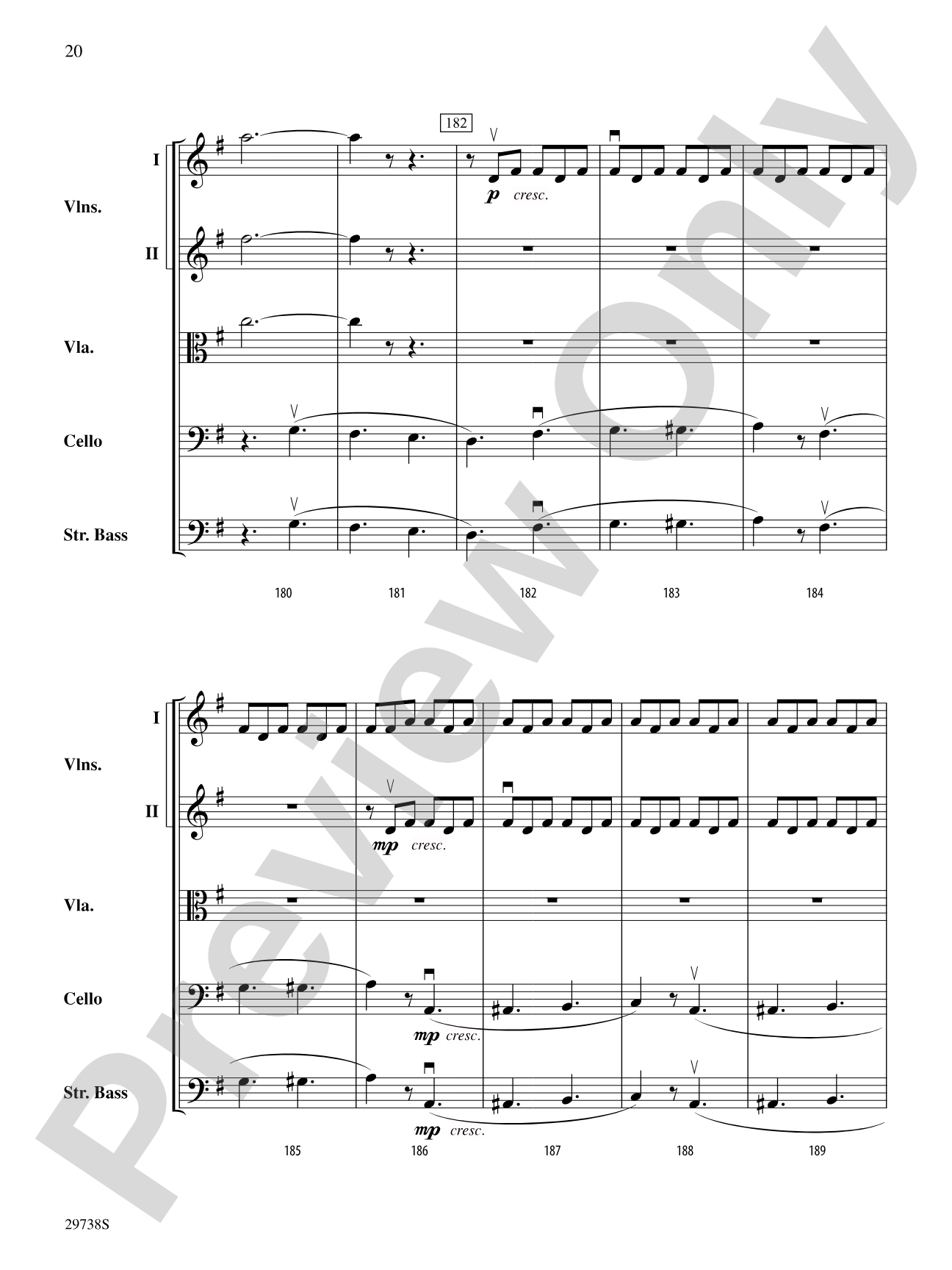
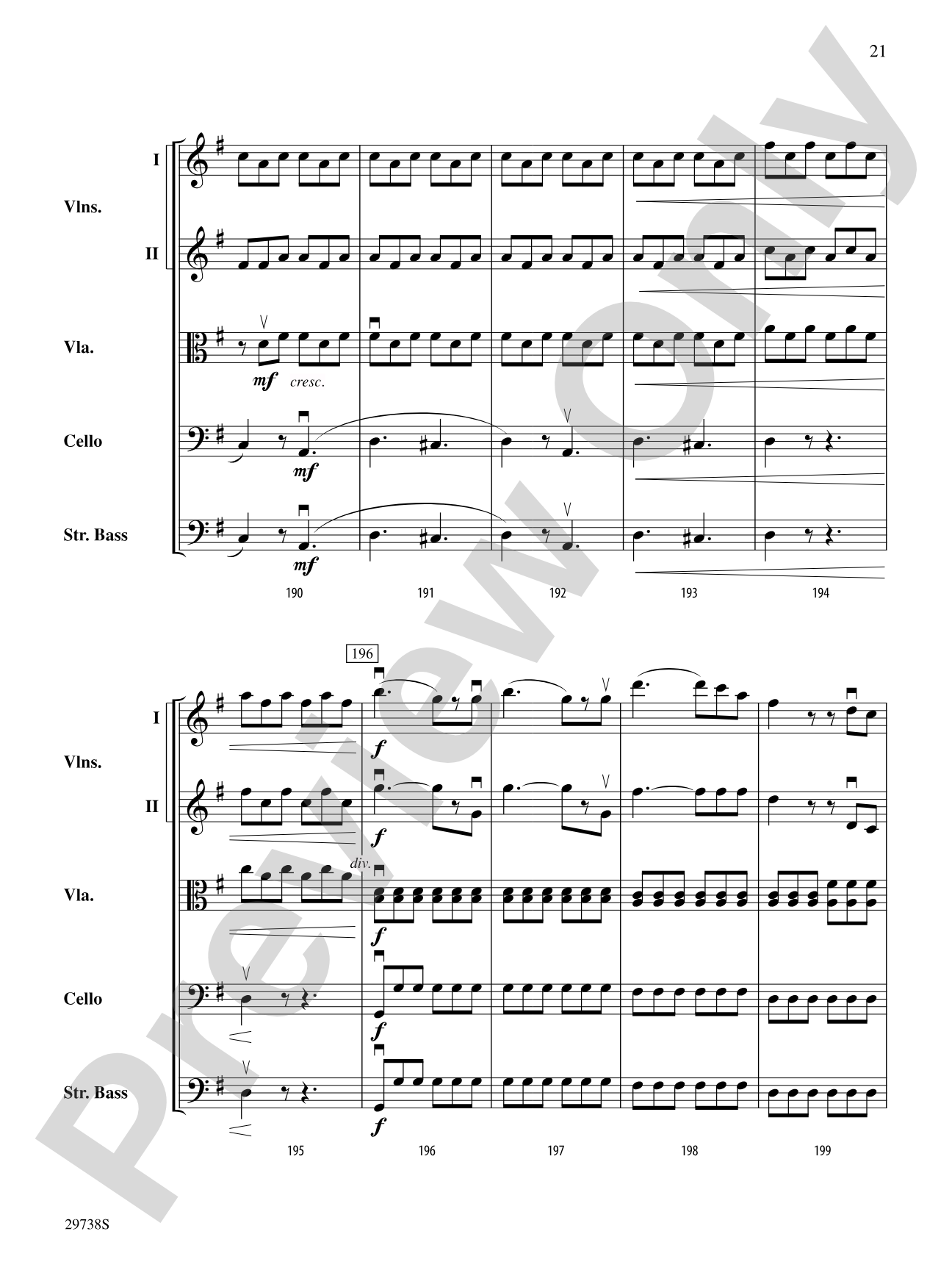
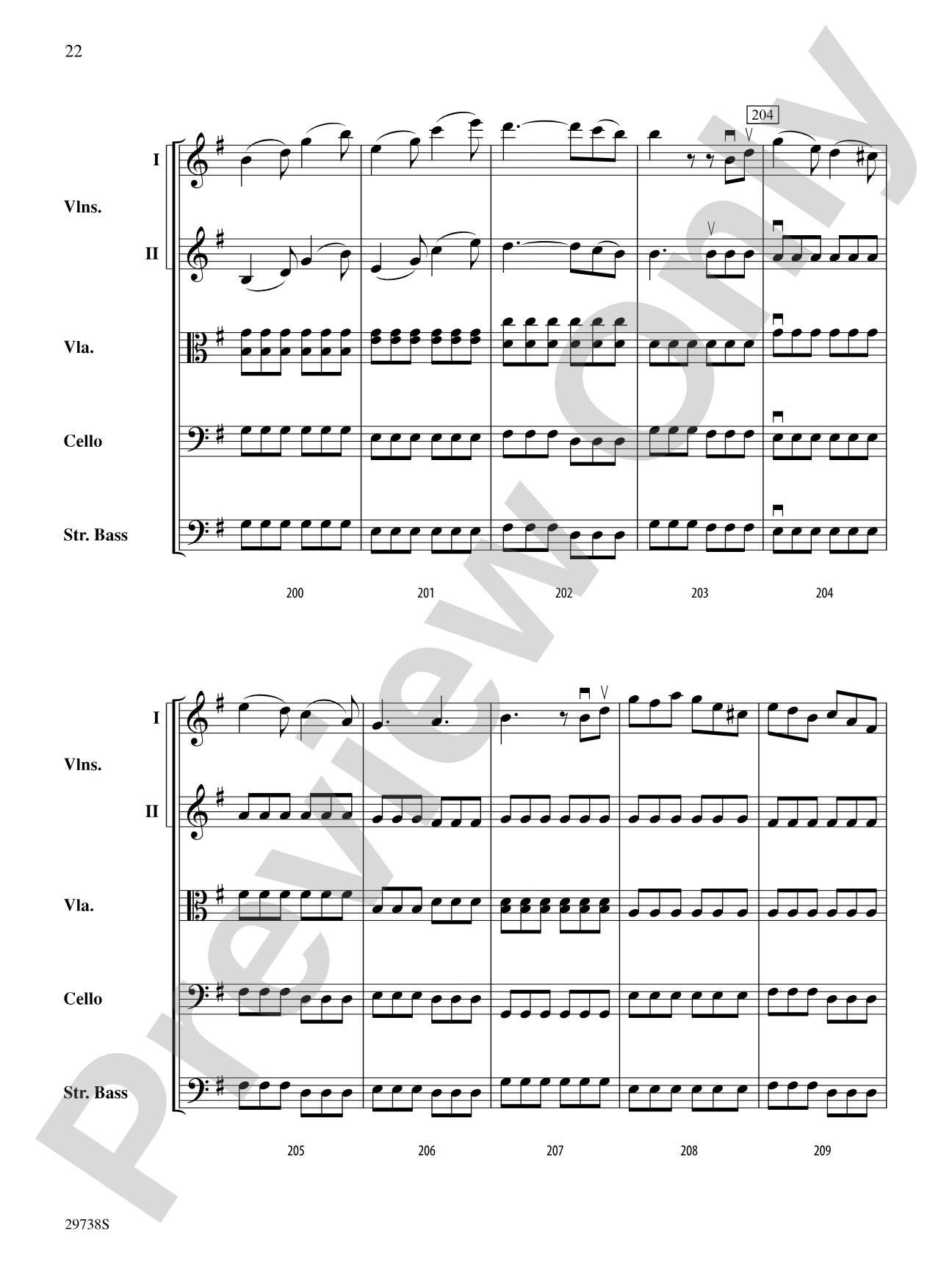
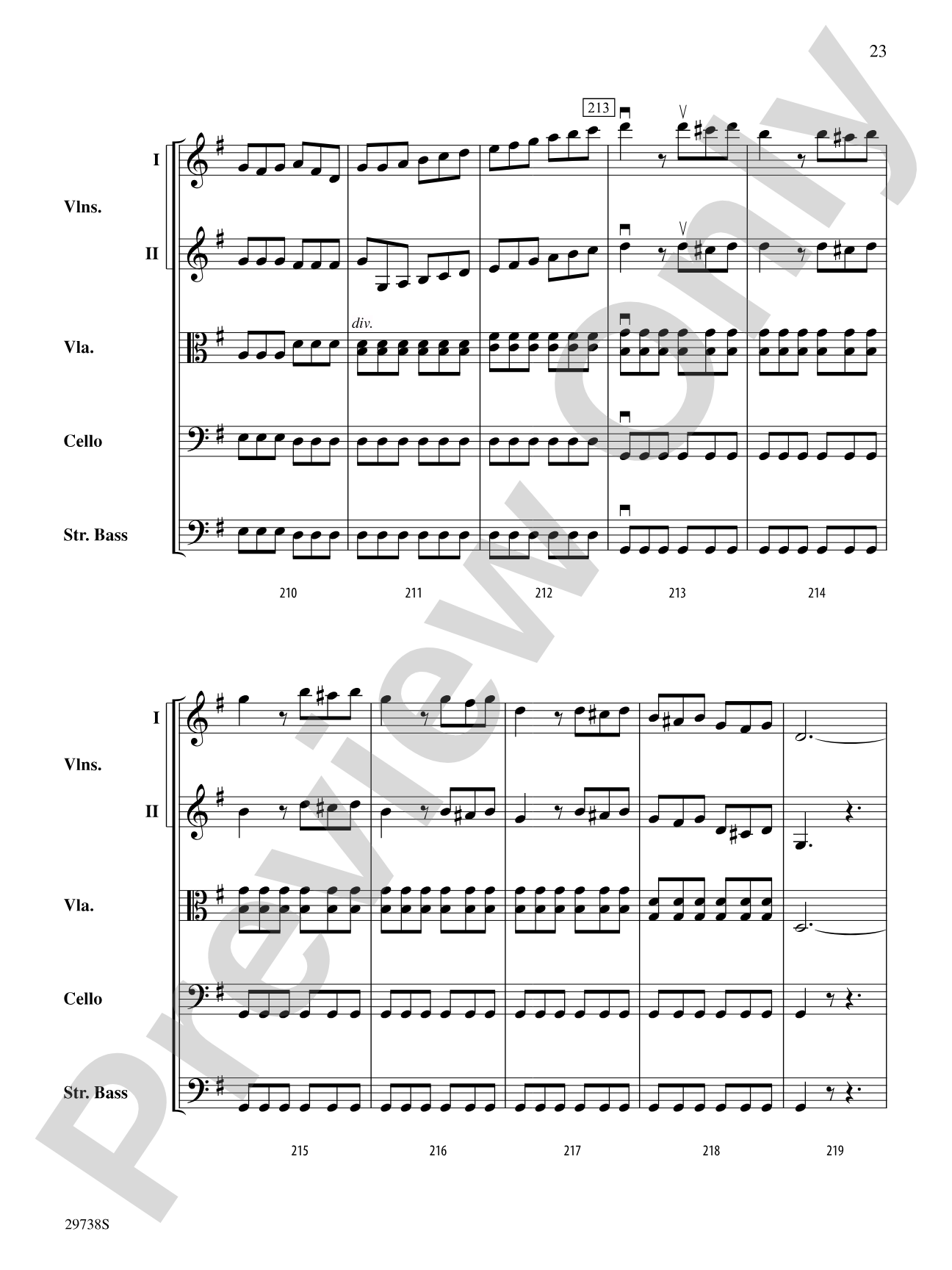
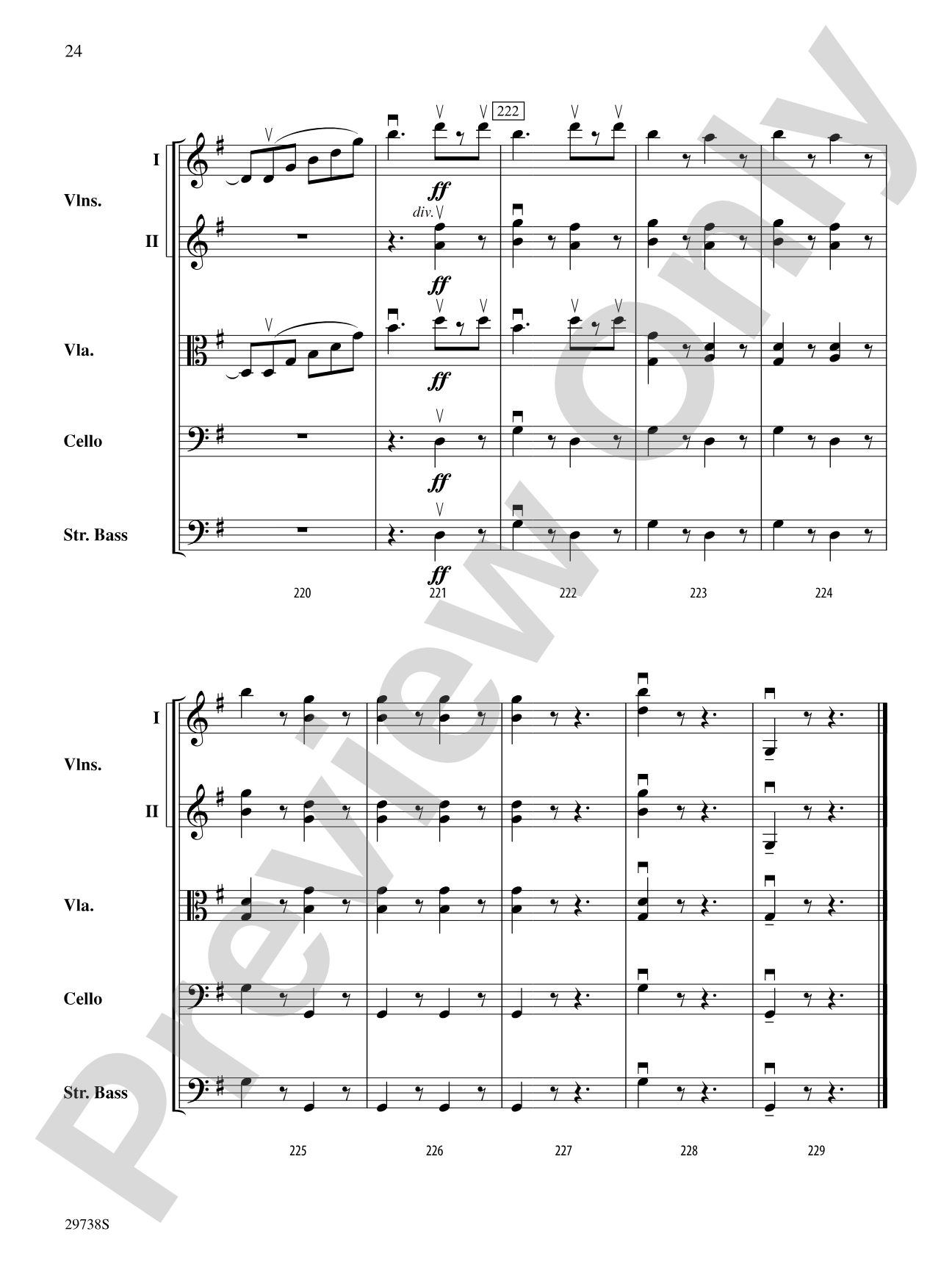

Italian Symphony (First Movement): String Orchestra Conductor Score & Parts
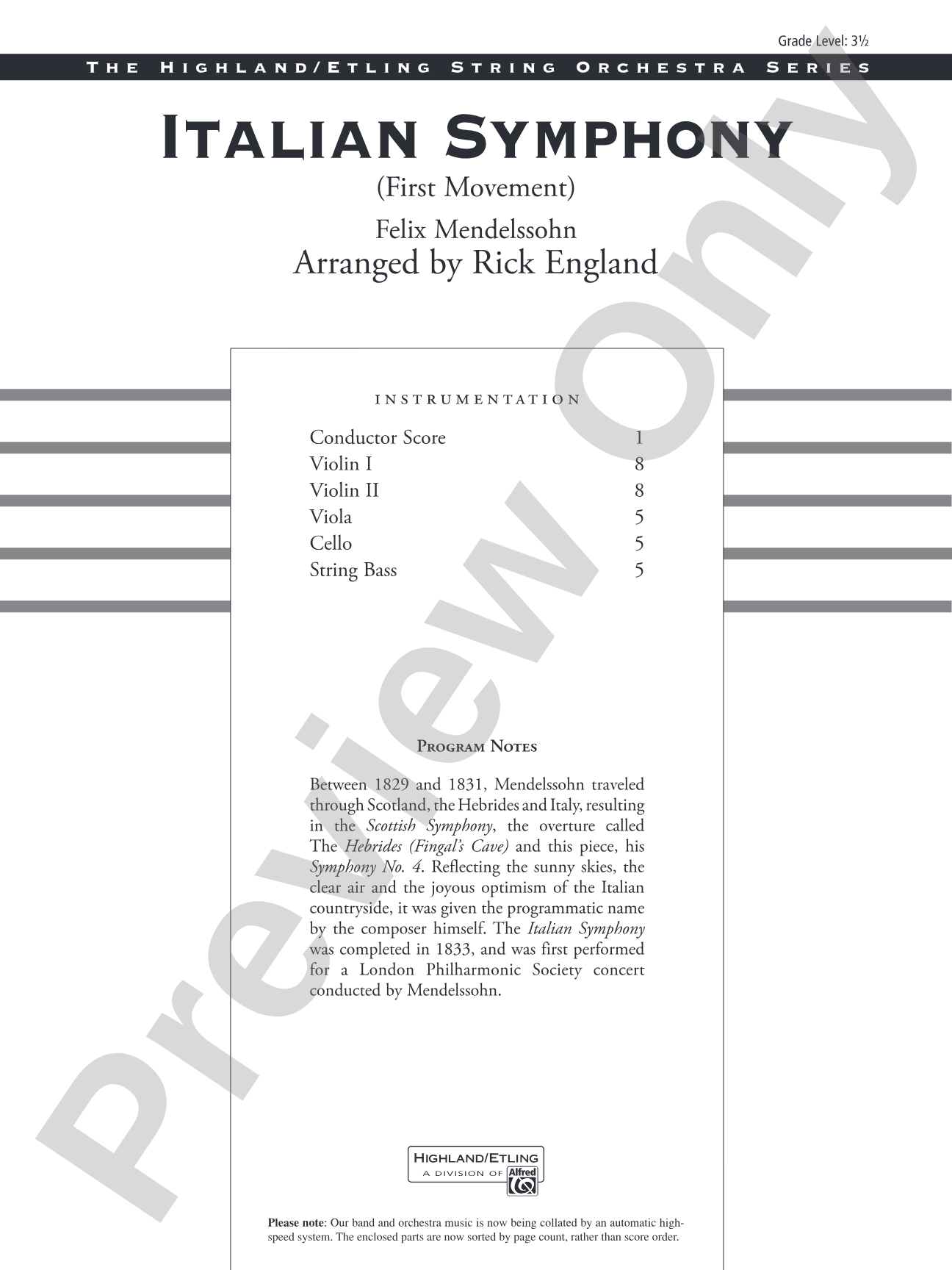
By Felix Mendelssohn / arr. Rick England
Grade: 3.5
Item: 00-PK-0001599

$62.00
Pickup currently not available
Buy Extra Parts (Digital PDF Download)
| Product | Price | Quantity |
|---|---|---|
| Italian Symphony (First Movement): Score | $10.00 | |
| Italian Symphony (First Movement): 1st Violin | $5.99 | |
| Italian Symphony (First Movement): 2nd Violin | $5.99 | |
| Italian Symphony (First Movement): Viola | $5.99 | |
| Italian Symphony (First Movement): Cello | $5.99 | |
| Italian Symphony (First Movement): String Bass | $5.99 |
Parts Added to Cart!
Description
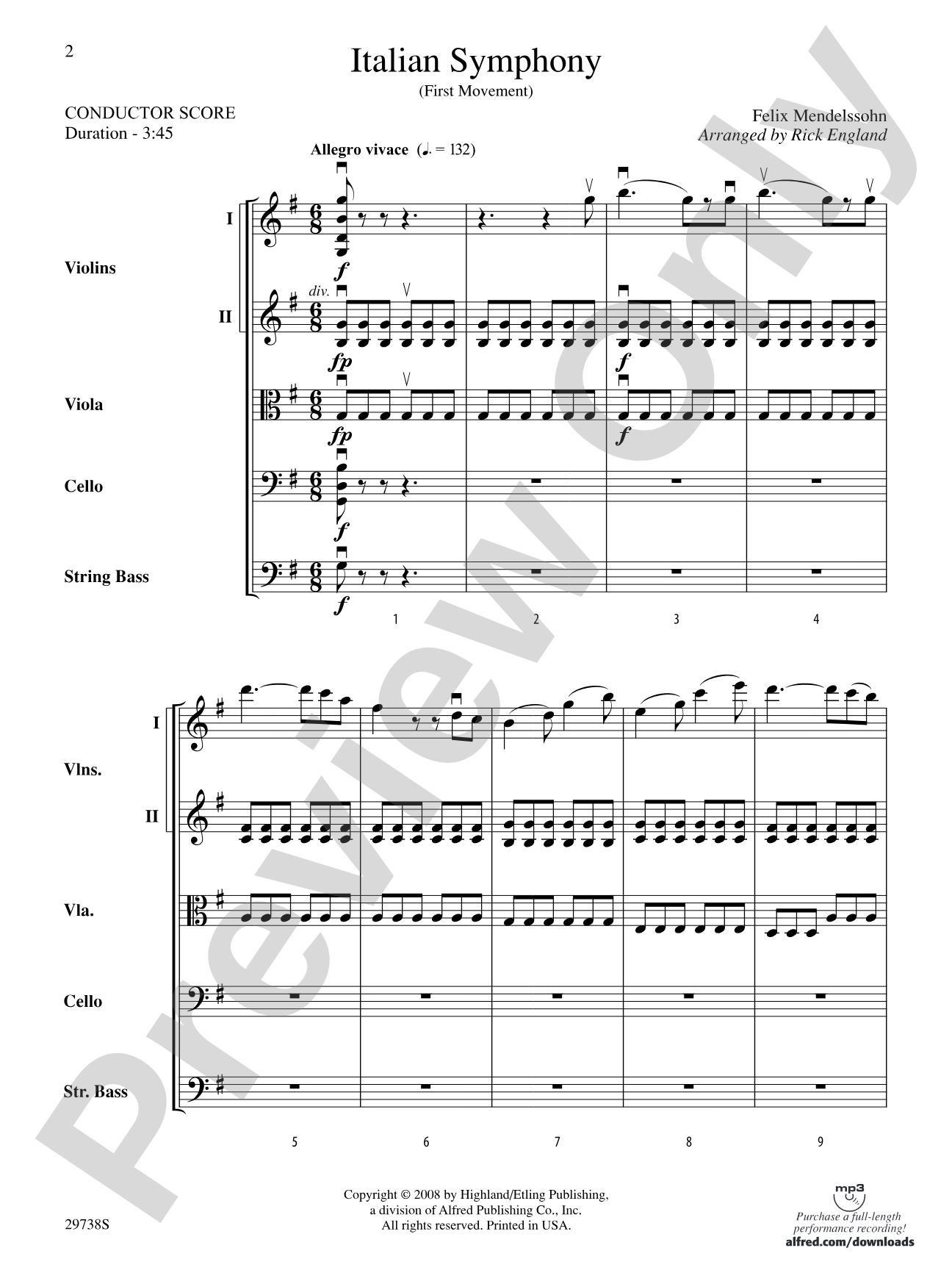
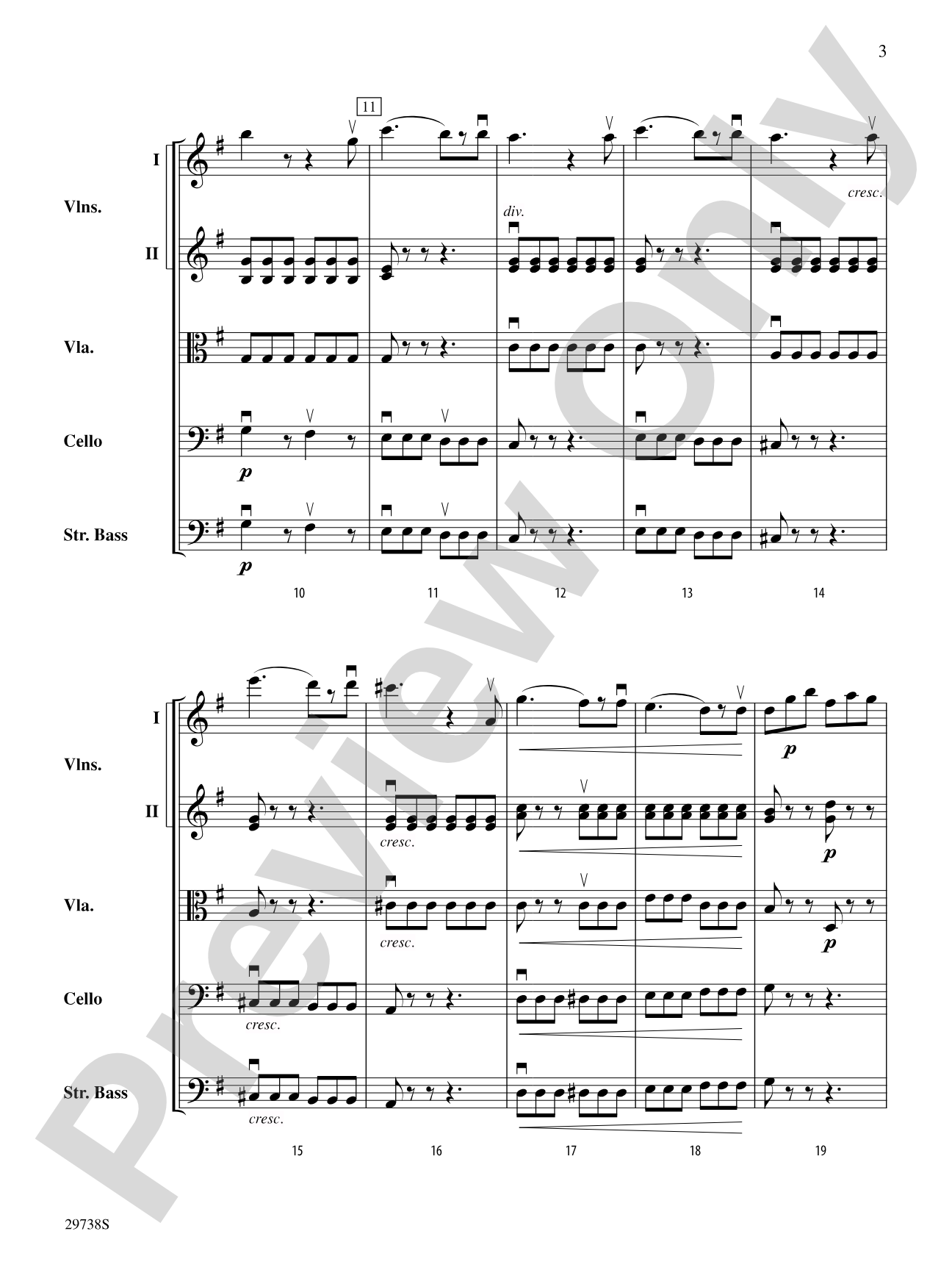
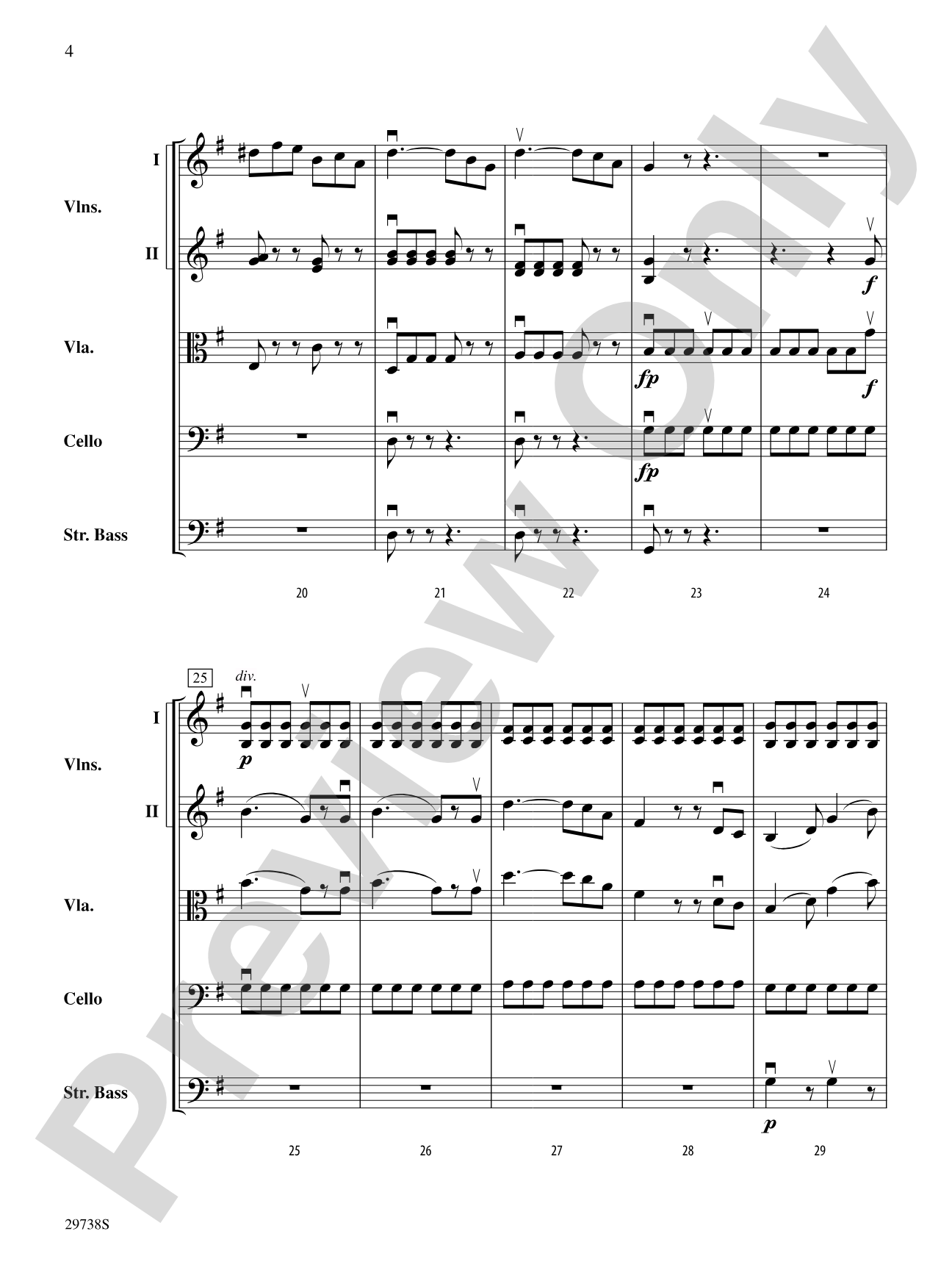
The bright, sunny disposition of Italy is evident in this arrangement of the first movement of Mendelssohn's Symphony No. 4, "Italian." Mendelssohn was a master of writing for string orchestra and this arrangement presents the major themes of the first movement in an edited version sure to keep the interest of you intermediate or advanced high school orchestra. (3:45) This title is available in MakeMusic Cloud.


Don't just read it, hear it, play along with it, and watch your students grow with it. In MakeMusic Cloud, Italian Symphony (First Movement): String Orchestra Conductor Score & Parts comes alive with professional accompaniment, adjustable tempo, and built-in practice tools that turn solo practice into real progress.
Open in the Player
Jump straight in and assign it today.
Start Your Free Trial
Open this title and explore the full library in minutes.
Sample Audio
1
Audio File
--:--
0:00
0:00
Sample Video
No sample videos found.
Additional Details
Series:
Highland/Etling String Orchestra
Publisher:
Alfred Music
Page Count:
124
SKU:
00-PK-0001599
More about this title
About the Composer: Felix Mendelssohn
Felix Mendelssohn (1809, 1847) was a German Romantic composer whose gift for orchestration shaped the sound of the nineteenth century. He had an instinctive understanding of how to write idiomatically for strings, balancing technical brilliance with lyrical warmth in ways that still feel effortless to performers.
Mendelssohn's travels through Italy in 1830, 1831 deeply influenced his creative output. The Symphony No. 4, "Italian," captures the spontaneity and color of that journey with remarkable clarity and charm. His ability to craft music that is both structurally sophisticated and immediately engaging made him a favorite among concert audiences and student musicians alike.
Why we love this
Rick England's editing keeps the architecture and melodic genius of Mendelssohn intact while making the first movement accessible to intermediate orchestras without sacrificing musical integrity. The arrangement respects what makes this movement special, those soaring themes and elegant orchestration, while removing the technical barriers that might otherwise prevent your ensemble from experiencing one of the Romantic era's most joyful works.
What to expect
Sunlight and motion. The first movement radiates the warmth and vitality that Mendelssohn experienced in Italy, with melodies that dance and skip rather than trudge. There is elegance in the orchestration and joy in the rhythm; even at a moderate tempo, the piece never feels static or heavy.
Who it's for
String orchestras at the intermediate-advanced high school level looking for a work that honors classical form while showcasing Romantic melodic invention. Students benefit from engaging with a genuine masterwork adapted to their technical range, building confidence and musicality without false shortcuts.
How to get the most out of it
- Maintain rhythmic precision in the recurring rhythmic motifs that drive the movement forward; these cells are the engine of the piece, and any wavering in the inner voices will soften the propulsive character Mendelssohn intended.
- Balance the dialogue between first and second violins carefully, especially where the melody passes between them. Mendelssohn relies on this antiphonal writing to create conversation, not competition.
- Shape longer string lines with a sense of line and breath rather than bumping individual notes; resist the urge to break the phrase into smaller units, even when the harmonic rhythm quickens.
- Bring out the bass line with clarity and warmth. The cello and bass provide the harmonic and rhythmic foundation; a strong, singing bass line lifts the entire ensemble's energy.
How to use it
This works as an elegant standalone concert opener or as the centerpiece of a Romantic-era program. At under four minutes, it pairs well with contrasting works, perhaps a contemporary piece or something from the Baroque, without requiring extended rehearsal time that overshadows other repertoire goals.
Skills your students will build
- Shaping Romantic-era melodic lines with phrase awareness and dynamic nuance
- Balancing dialogue between first and second violins in antiphonal writing
- Maintaining rhythmic precision in recurring motivic cells that drive harmonic momentum
- Reading and executing dynamic markings that shape architectural form across longer sections
- Coordinating bow direction and articulation across the string section to achieve unified ensemble sound