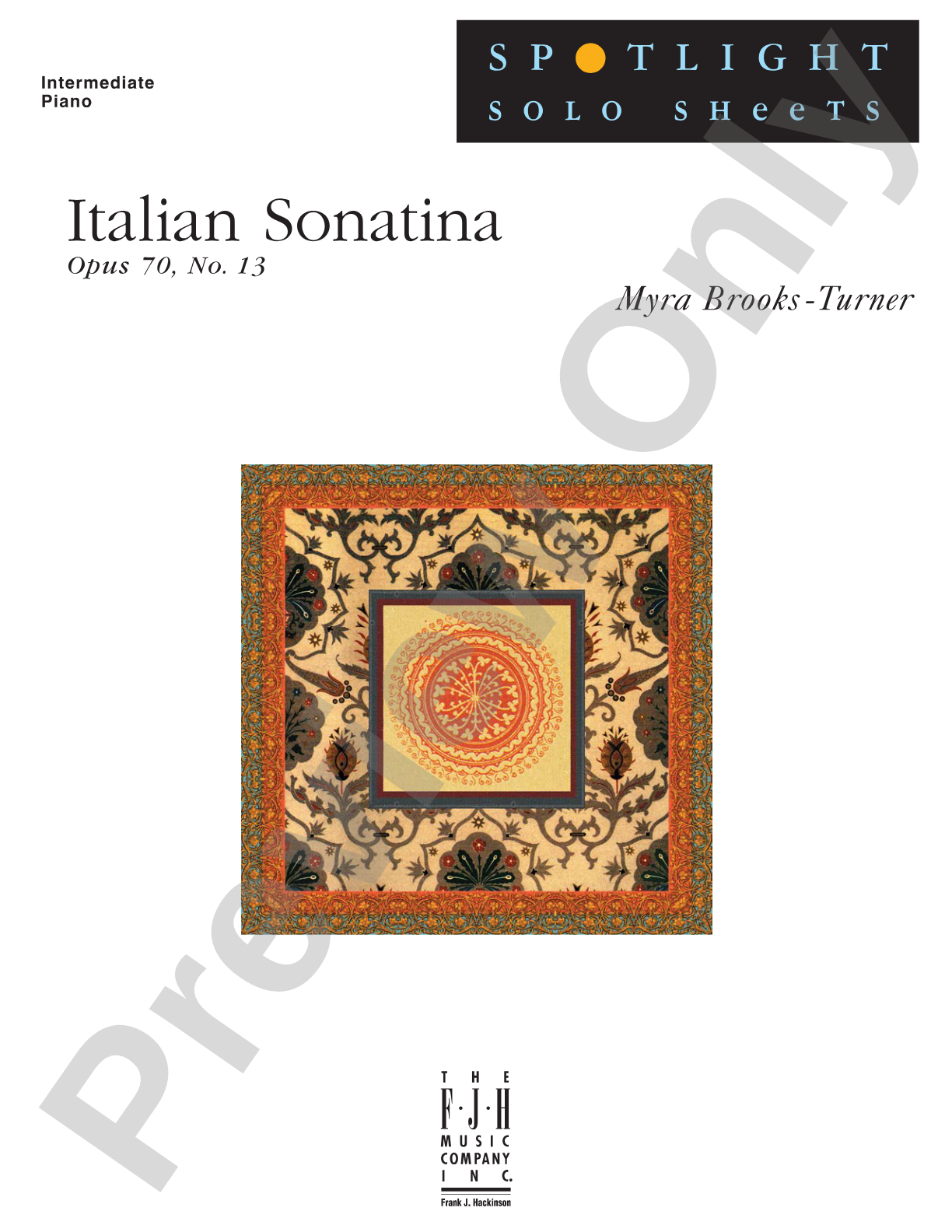
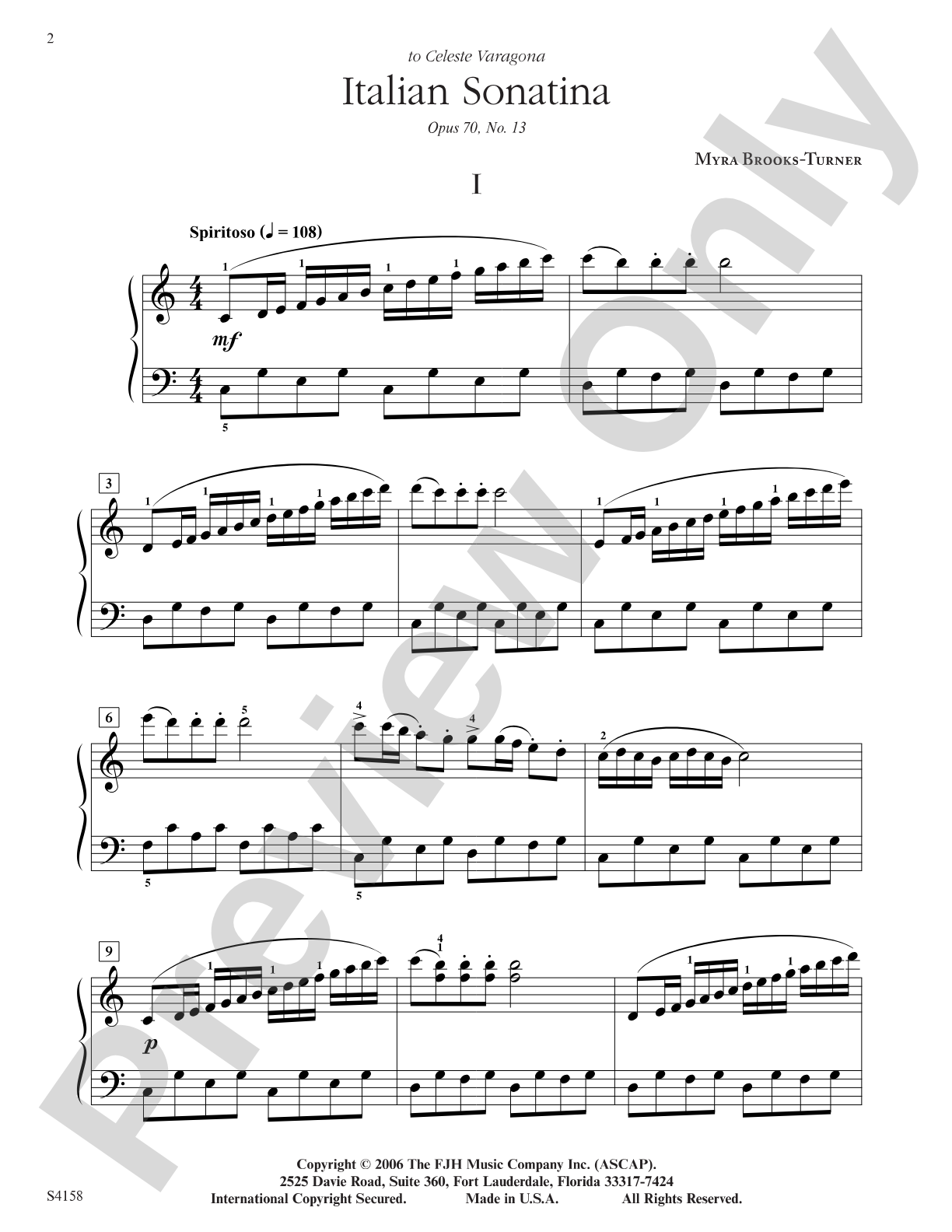
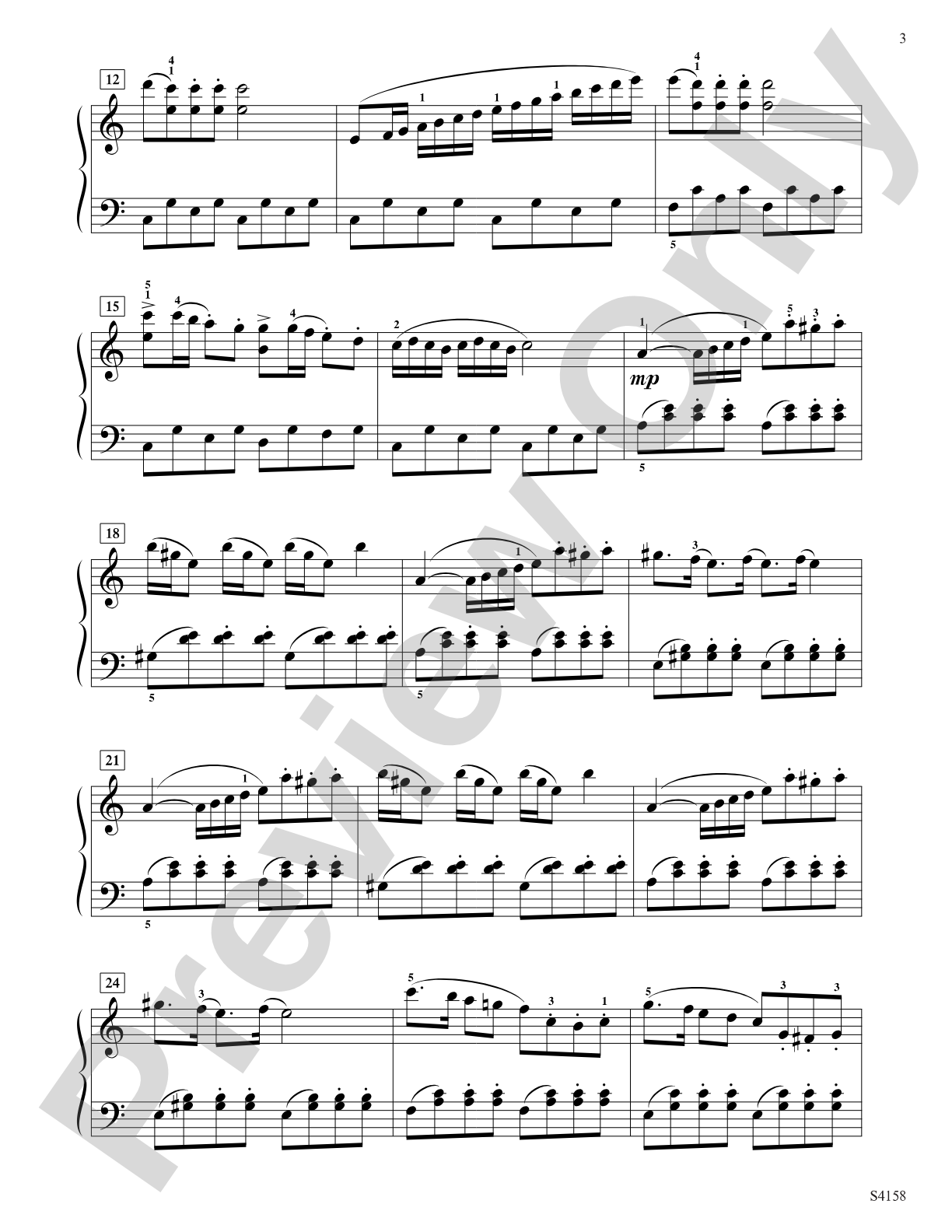
The intermediate level pianist can experience a fresh alternative to conventional works with this three-movement sonatina. Marked by contrasting movements-spirited, lyrical, and allegro-teachers will appreciate the consistency of the sonatina form with a new thematic structure.
Discover MakeMusic Cloud: thousands of interactive titles your students can play along with today.
Brooks-Turner writes with genuine understanding of intermediate pianists' needs. The three contrasting movements deliver real musical substance without the tired patterns students encounter in standard sonatina collections. Fresh thematic material keeps both player and listener engaged across the full arc.
What to expect
The opening movement sparkles with energy and purpose. A lyrical interlude follows, offering a contrasting emotional landscape before the closing allegro returns with renewed vitality and a sense of musical completion.
Who it's for
Intermediate pianists ready to move beyond workbook sonatinas into contemporary writing that respects the form while avoiding predictability. Teachers seeking repertoire that challenges students to think about structure and character without overwhelming technical demands.
How to get the most out of it
Shape each movement's character distinctly. The spirited opening needs rhythmic clarity and forward momentum; allow the lyrical second movement space to breathe through careful pedal work.
Balance the thematic material across both hands. Track where the main ideas pass between left and right to ensure the listener hears the structural continuity.
Attend to the transitions between movements. These moments reveal how Brooks-Turner connects her contrasting material; treat them as compositional statements, not mere pauses.
How to use it
Program this as a recital solo that stands confidently alongside both classical standards and modern works. Its three-movement arc makes it substantial enough for a formal performance context while remaining accessible for intermediate competition formats.
Skills your students will build
Sonata form structure and thematic development across three movements
Character differentiation through tempo, dynamics, and articulation
Pedal control and voice independence in lyrical passages
Rhythmic precision in spirited sections with consistent pulse
You May Also Like
Scan to Complete Your Purchase
Use your phone's camera to scan the code below
You'll log in on your phone and the order will be added to your account