It Takes Two Cover Image

It Takes Two: String Orchestra Conductor Score

$10.00 USD
Sale price  $10.00 USD Regular price 
Skip to product information
It Takes Two Cover Image

It Takes Two: String Orchestra Conductor Score

By Chris M. Bernotas

Grade: 3

Item: 00-43788S

$10.00
Shipped

One moment…

Description
This appealing tango is full of drama and passion, with an aggressive, dark theme and strong rhythm. Each member of the ensemble gets a moment in the spotlight and will surely enjoy achieving the challenges of their part. The melody, countermelody, and tango rhythm will have them dancing! (2:00)

It Takes Two: String Orchestra Conductor Score isn't in MakeMusic Cloud just yet...but it could be. Let us know you'd like to see it, and you'll help shape what comes next. In the meantime, start a free trial and dive into thousands of interactive titles your students can play along with today.

Sample Pages

Sample Audio
No sample audio found.
Sample Video
Additional Details
Series: Belwin Concert String Orchestra
Publisher: Alfred Music
Page Count: 8
UPC: 038081496627
SKU: 00-43788S

More about this title

About the Composer: Chris M. Bernotas
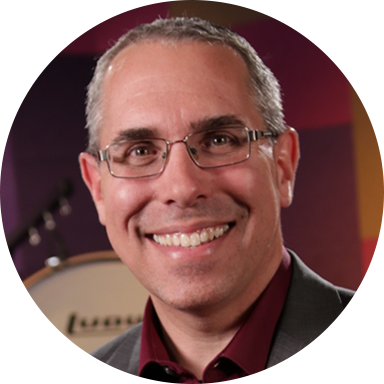
Chris M. Bernotas

Chris M. Bernotas brings over 25 years of classroom and compositional experience to his work as Director of Instrumental Publications for Alfred Music. His deep understanding of what string players need at each developmental level comes from years spent teaching students and collaborating with directors in rehearsal rooms across the country.

Bernotas has built a reputation for writing music that balances accessibility with genuine artistic substance. His compositions are performed by ensembles worldwide, and he regularly works as a guest conductor and clinician, sharing fresh approaches to repertoire selection and ensemble development. Through his publications and advocacy work, he continues shaping how music education happens in schools.

Why we love this

This tango grabs attention from the first measure and sustains it through strong rhythmic writing and dramatic contrasts. Bernotas crafts moments for every section to shine, which builds buy-in from your ensemble members and keeps rehearsals energized as each student discovers their own part matters to the whole sound.

What to expect

It Takes Two pulses with the sophisticated energy of a tango; the aggressive, dark theme creates immediate drama while the strong rhythm pulls listeners into motion. There is real elegance beneath the intensity, and players feel the satisfaction of bringing an ensemble work alive that sounds far more polished than the notation might suggest.

Who it's for

Grade 3 string orchestras ready to tackle multicultural repertoire with rhythmic and melodic sophistication. Players at this level have enough technical control to navigate the syncopation and can handle the expressive demands of the dark, passionate character.

How to get the most out of it

  • Establish the tango rhythm early in rehearsal separate from the melodic line. Work the characteristic syncopation in isolation so players internalize the pocket before layering it with melody and countermelody.
  • Shape the dynamics around the dark, aggressive theme rather than playing it loud throughout. Reserve the full dynamic range for moments when Bernotas writes it; this creates impact when it comes and keeps the ensemble engaged in phrasing.
  • Balance the spotlight moments carefully so soloists can be heard without pulling focus from ensemble cohesion. Mark who carries the melody and countermelody at each section so the group supports those players rather than competing with them.

How to use it

Program this as a concert opener to establish energy and sophistication early, or place it strategically in a festival set where the dramatic tango idiom creates welcome contrast with surrounding repertoire. At two minutes, it works well as a standalone performance or paired with other multicultural selections for a thematic concert.

Skills your students will build

  • Reading and executing syncopated rhythms characteristic of tango style
  • Balancing melody and countermelody within ensemble texture
  • Shaping phrasing in a minor key with dramatic dynamic contrasts
  • Responding to rhythmic precision and ensemble cohesion demands

You May Also Like