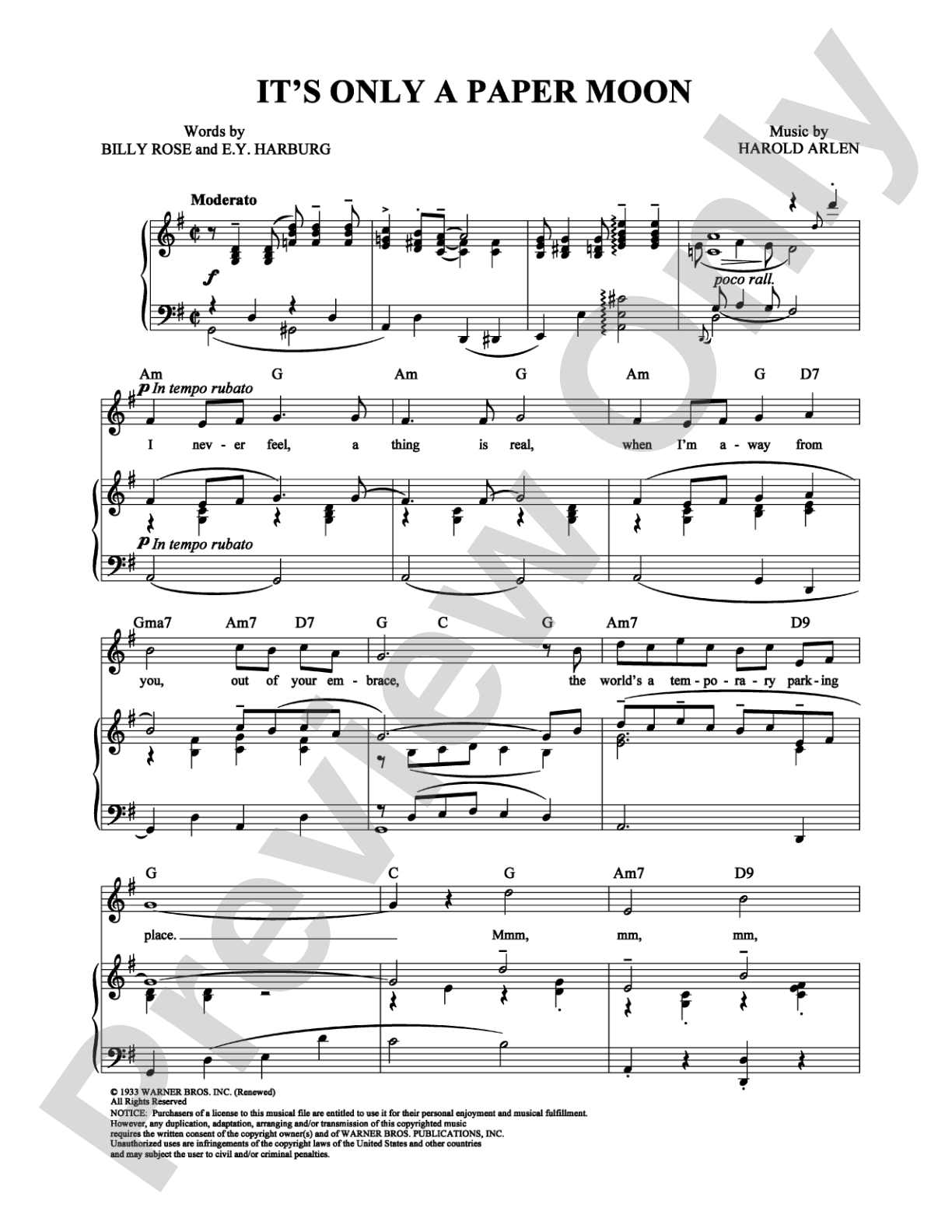
Frank Sinatra (1915-1998) shaped American popular music across seven decades, bringing jazz phrasing, emotional depth, and technical precision to the Great American Songbook. His interpretations of standards became the defining versions for generations of singers and pianists, demonstrating how vocal line, harmonic sophistication, and rhythmic flexibility could elevate a song from sheet music to art.
For music educators, Sinatra's recordings serve as masterclasses in interpretation. His approach to phrasing, use of rubato, and relationship with accompaniment offer singers and pianists concrete models for bringing intelligence and personality to familiar repertoire. Understanding how Sinatra shaped a melody reveals the difference between reading notes and performing music.