

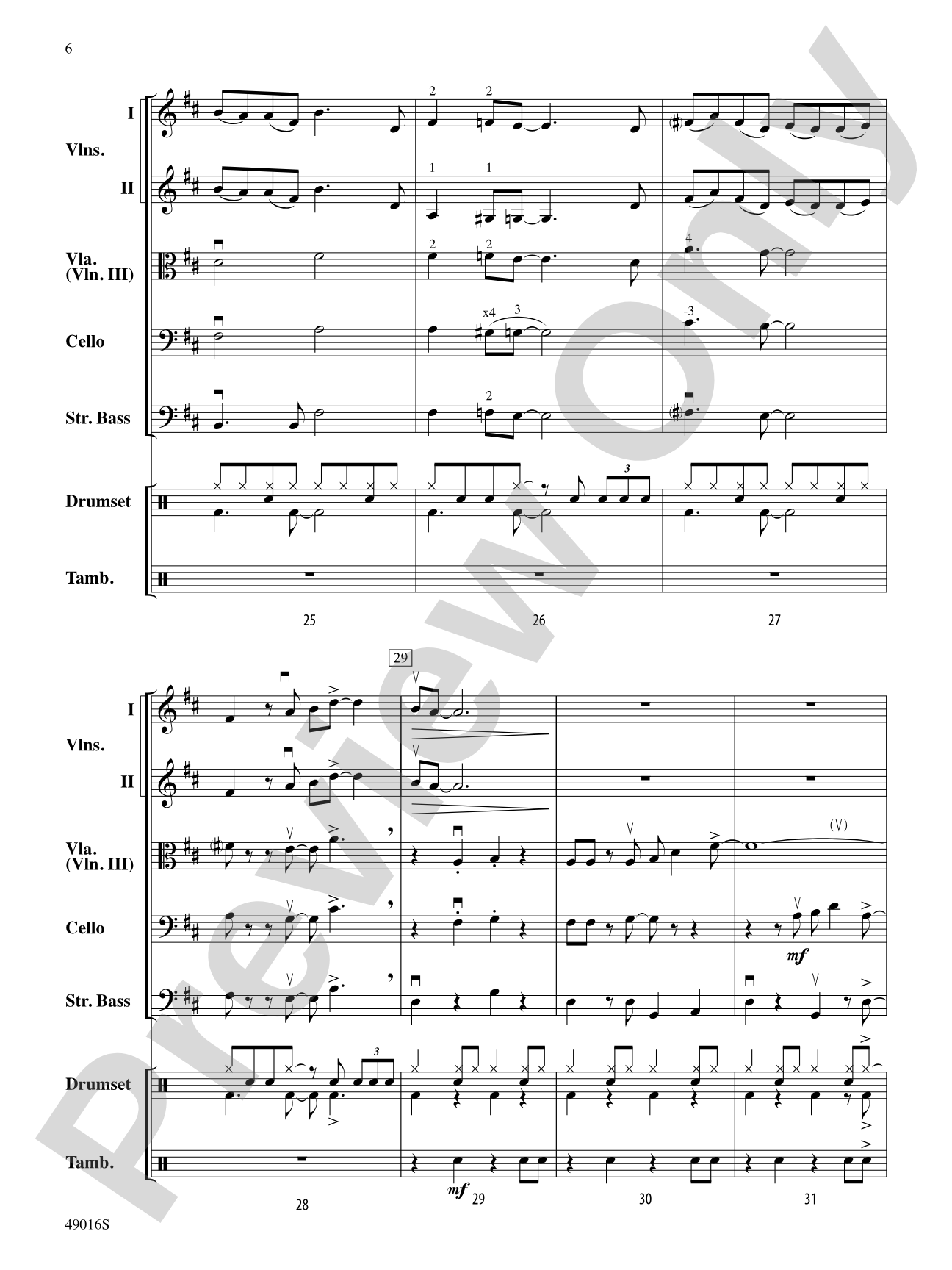
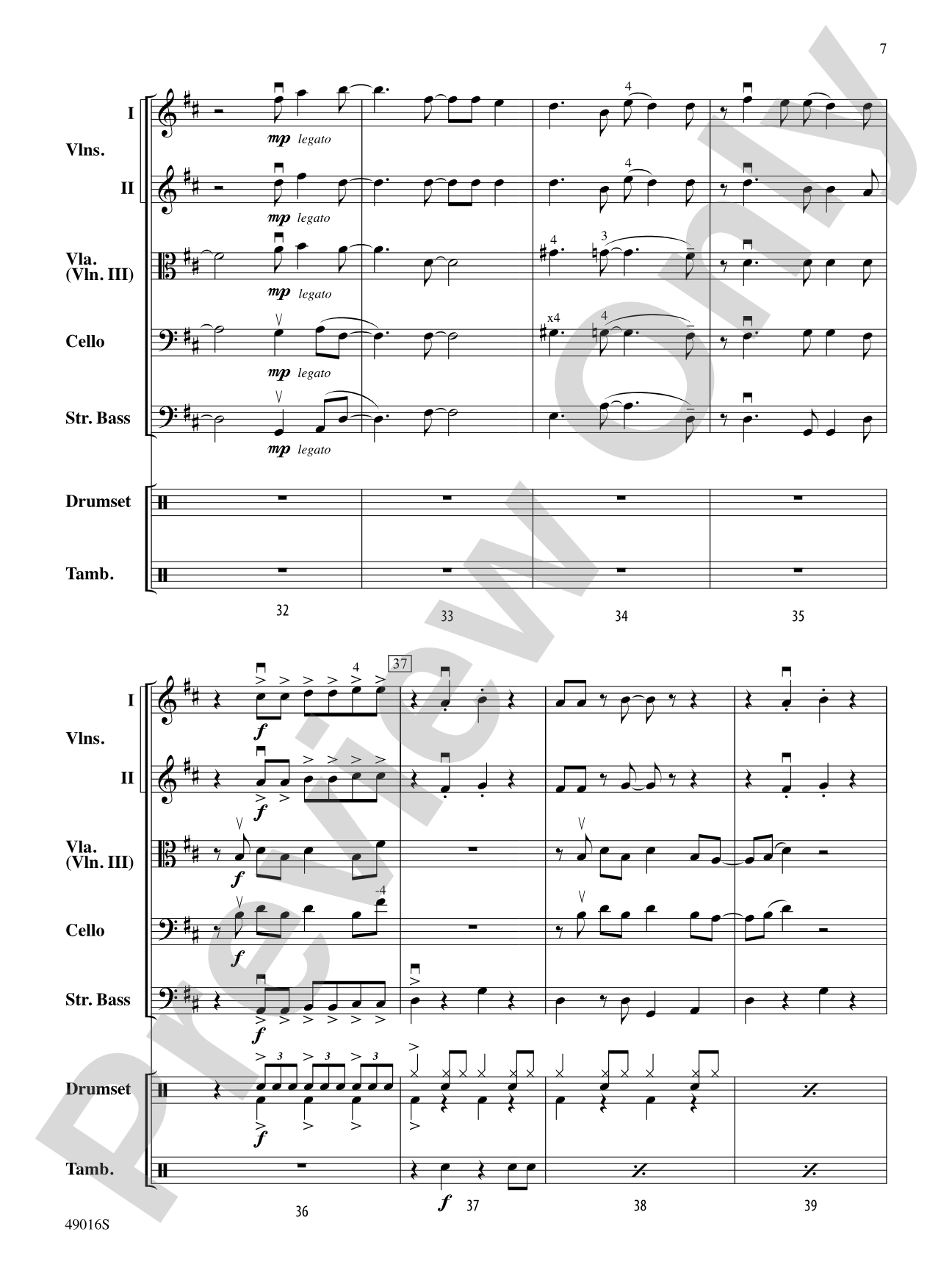
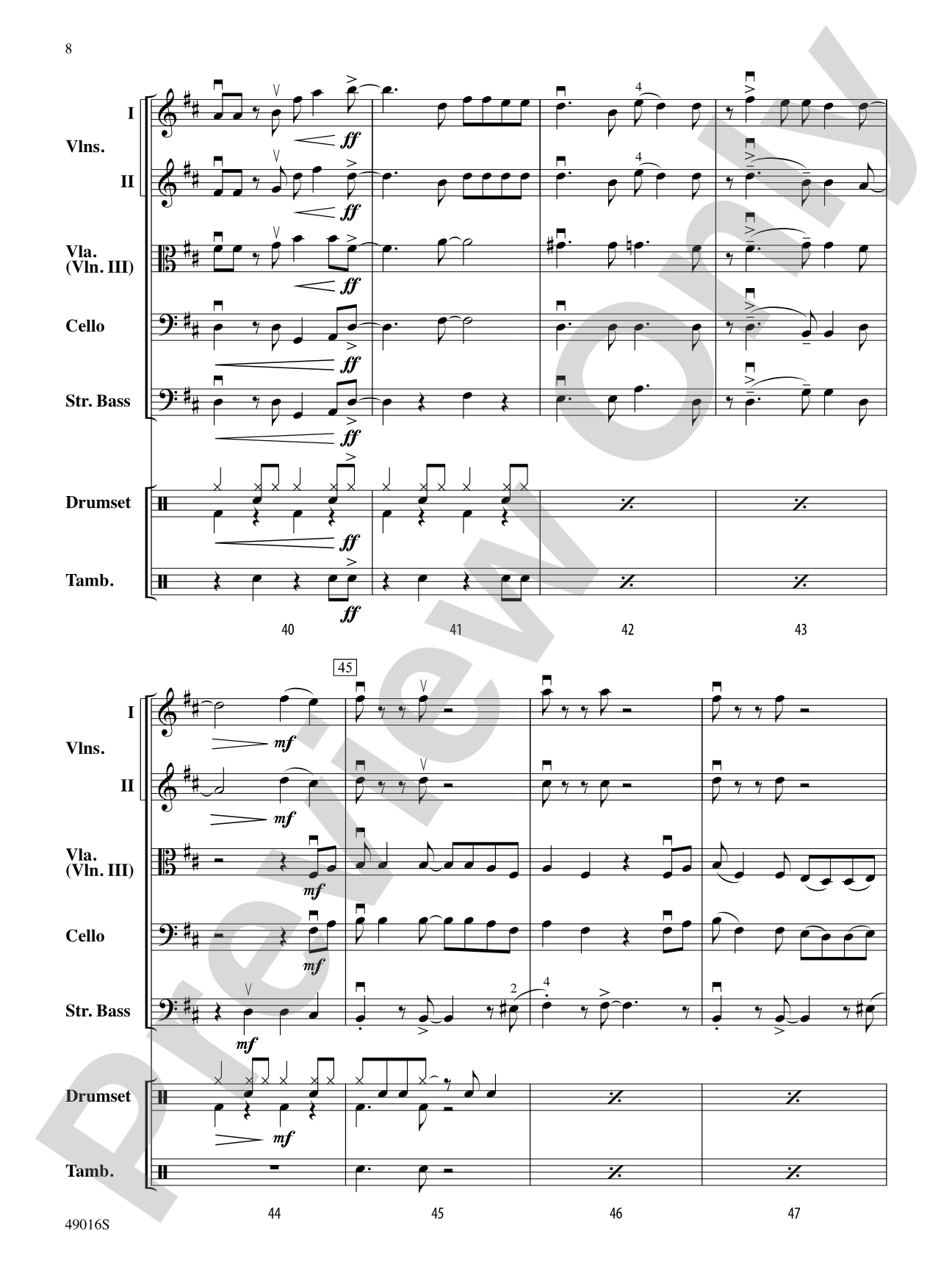
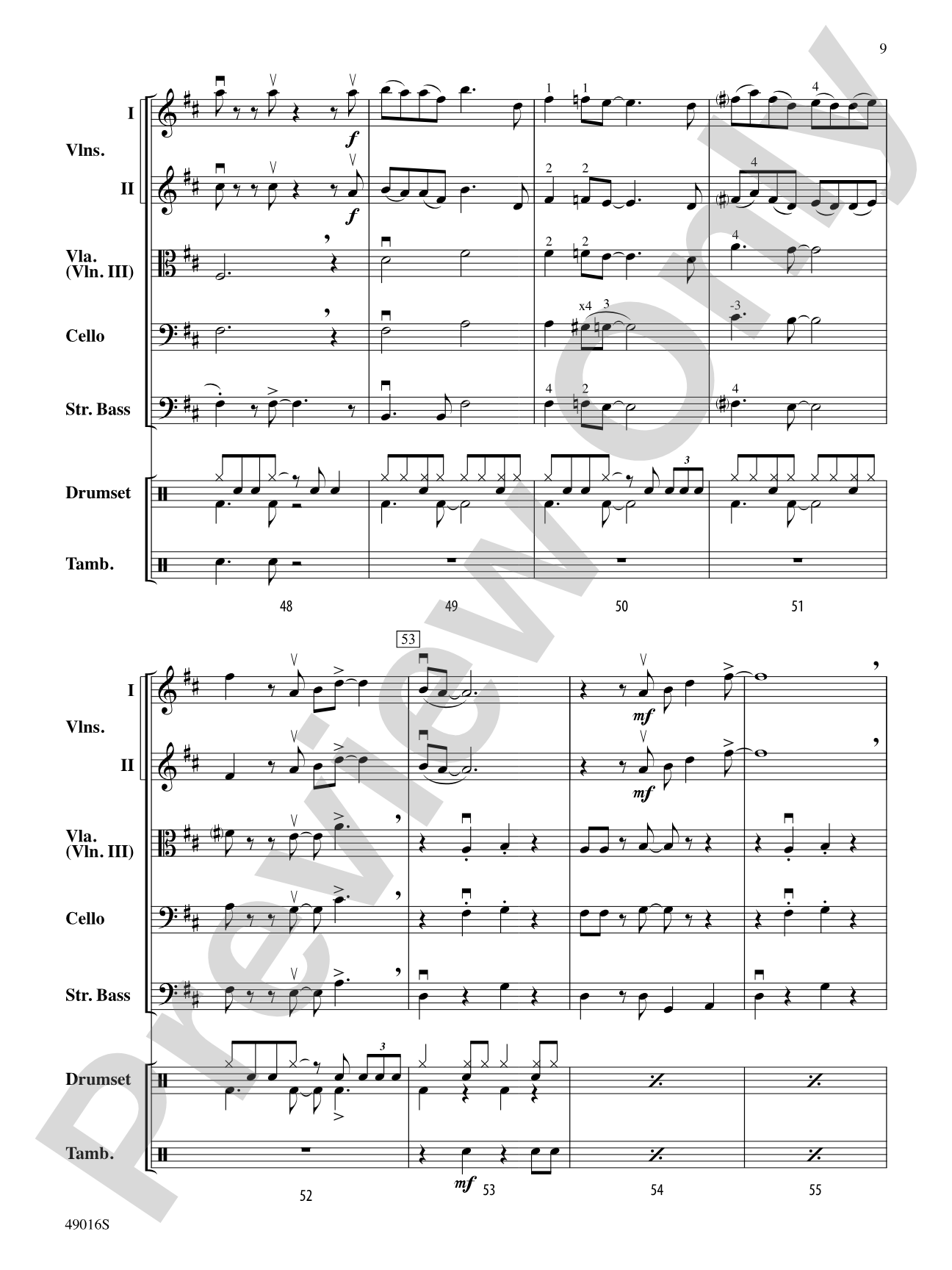
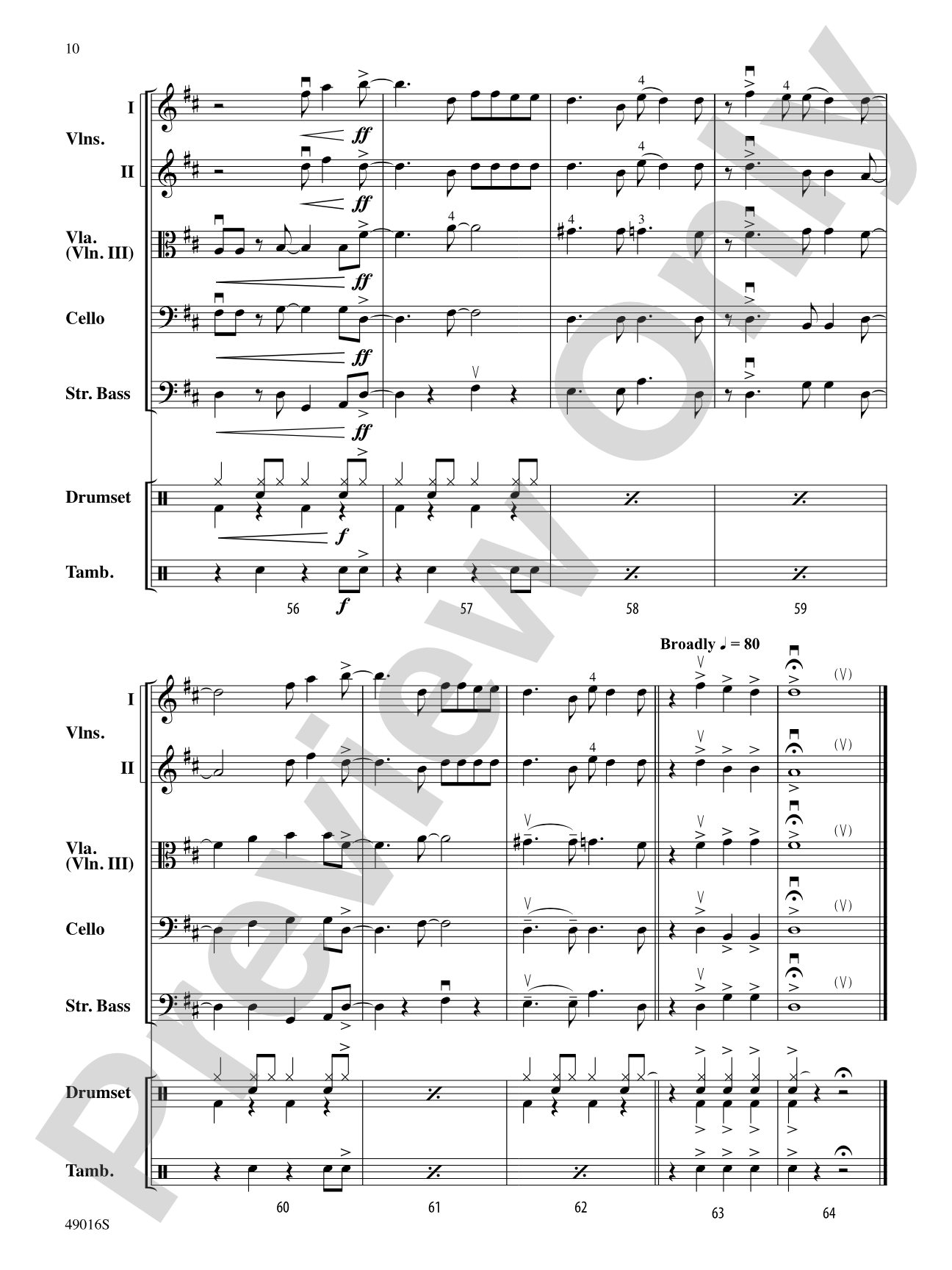

It's All Right: Flexible String Ensemble Conductor Score & Parts
Featured in the Disney/Pixar Movie Soul
Words and music by Curtis Mayfield / arr. Chris M. Bernotas
Grade: 2.5
Item: 00-PK-0008344

$55.00
One moment…
Related Items
It's All Right: Concert Band Conductor Score & Parts |
$63.00
|
View | |
It's All Right: Flexible String Ensemble Conductor Score & Parts |
$55.00
|
View | |
It's All Right: Flexible String Ensemble Conductor Score |
$10.00
|
View | |
It's All Right: Concert Band Conductor Score & Parts |
$63.00
|
View | |
It's All Right: Concert Band Conductor Score |
$10.00
|
View |
Description
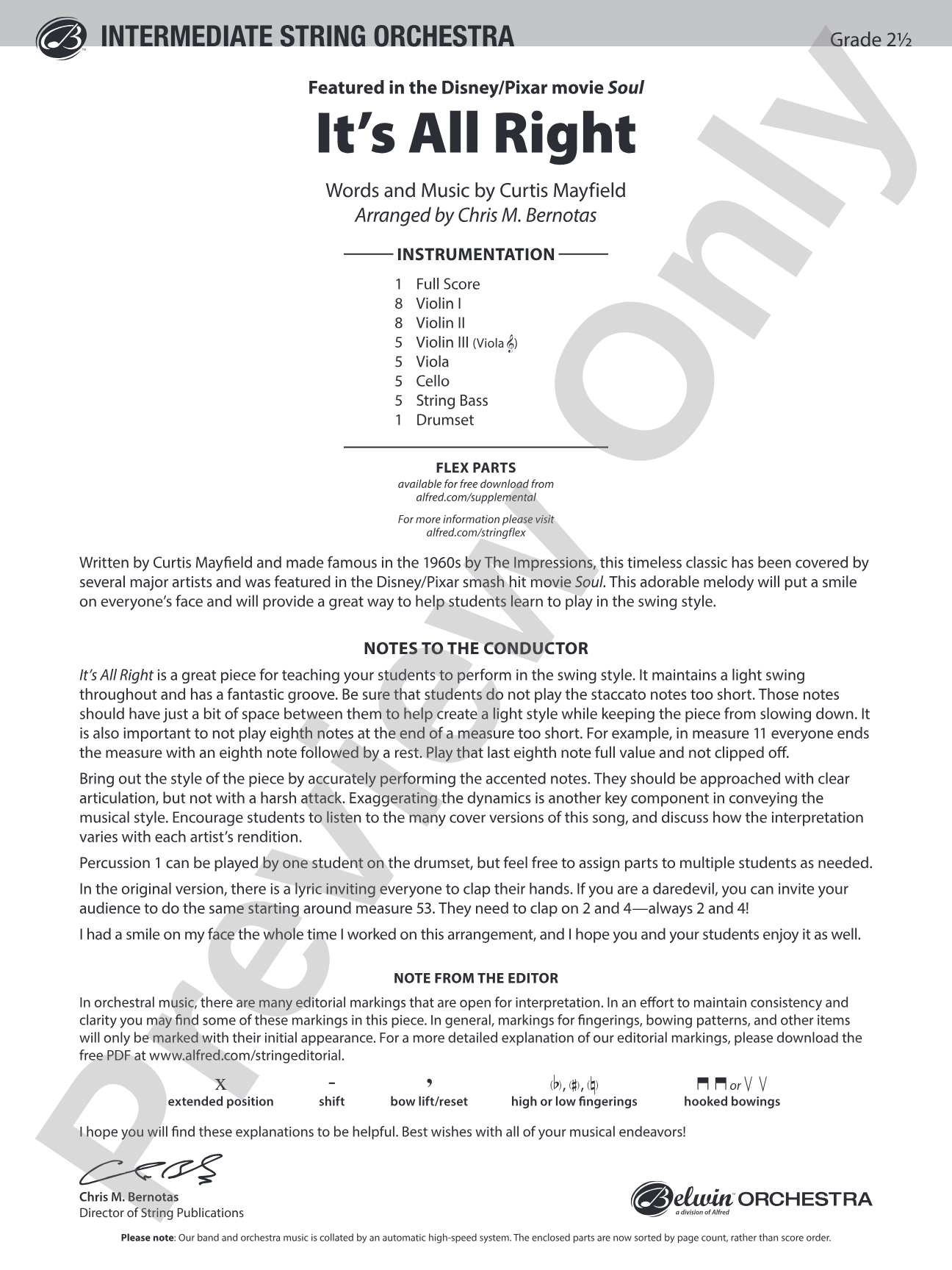
This title features Alfred Music's String Orchestra FLEX options. That means that every part in this set is now transposed into every other part, so you can play this title with any combination of like- or mixed-string ensemble. After purchasing this set, decide what additional parts you need to meet the unique needs of your ensemble, then download and print them for free at alfred.com/supplemental---free of charge.
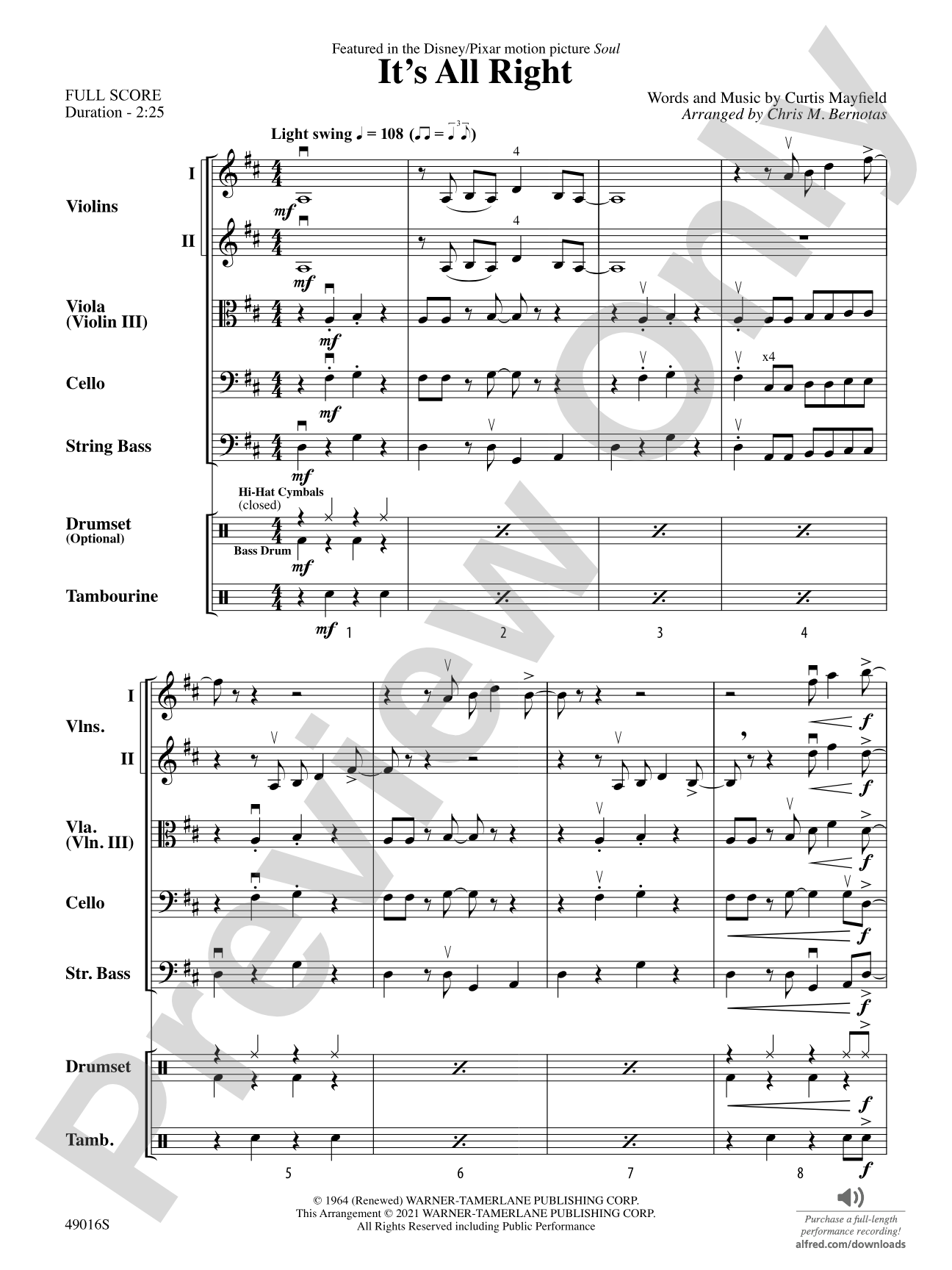
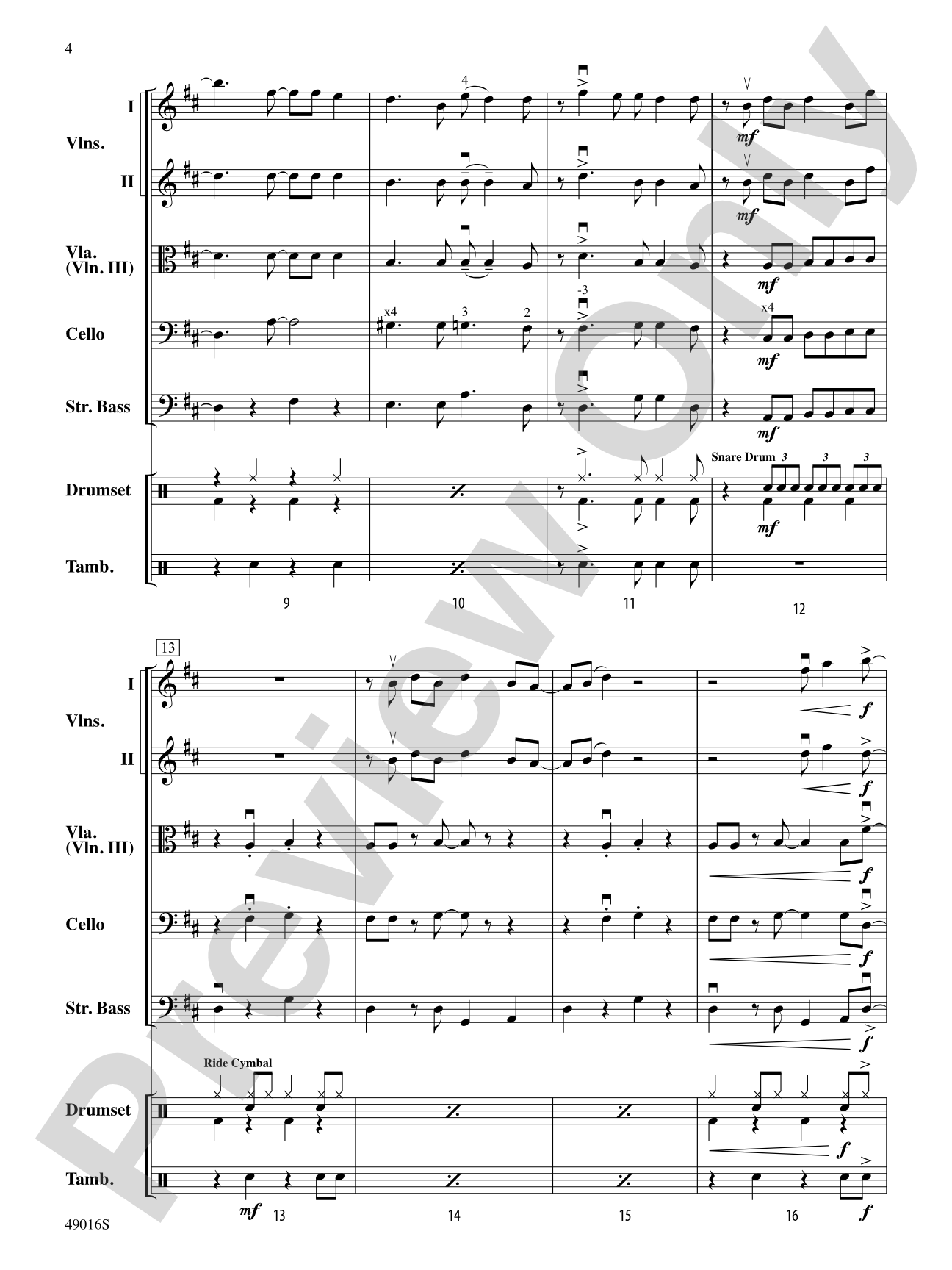
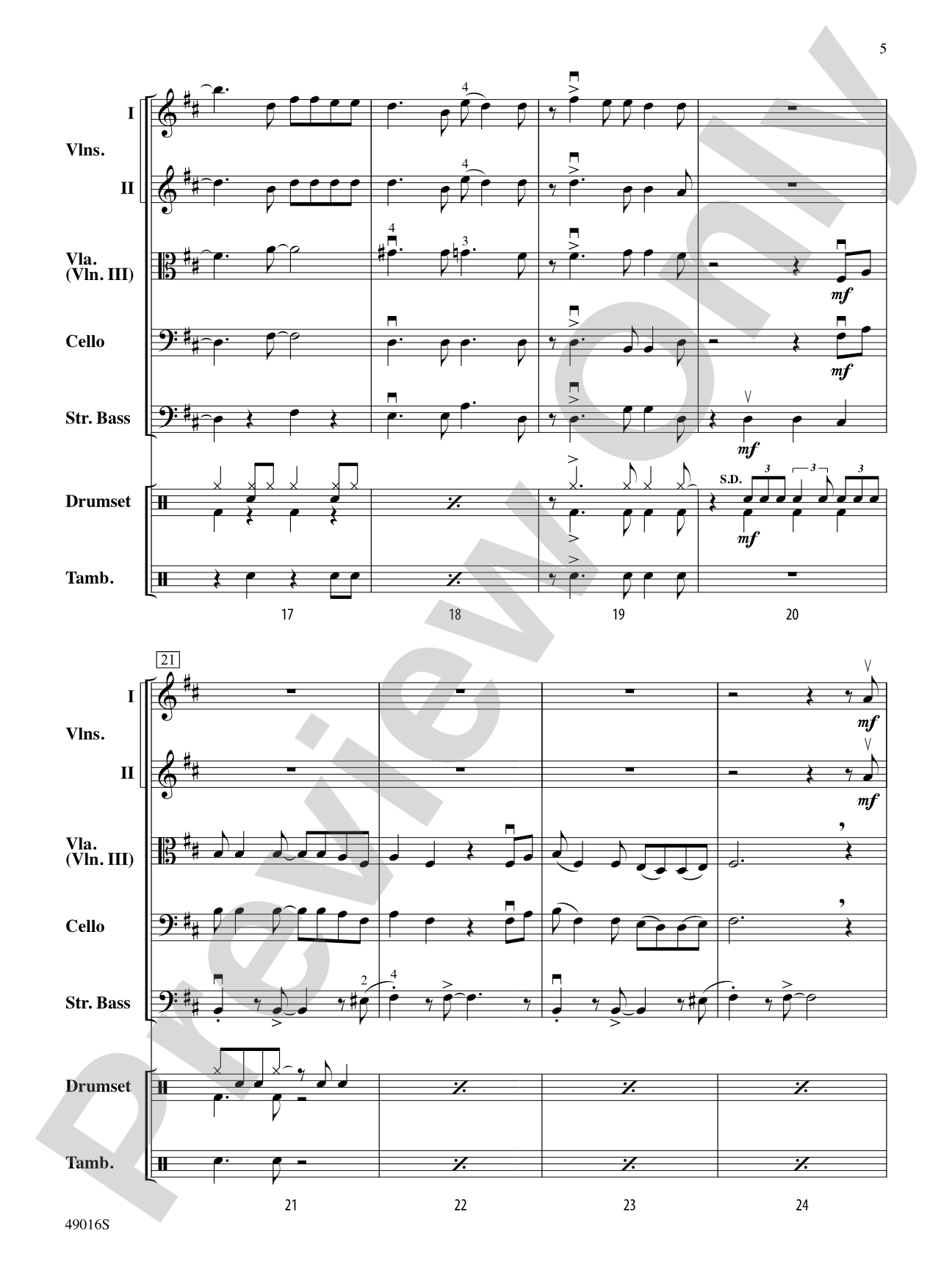
Written by Curtis Mayfield and made famous in the 1960s by The Impressions, this timeless classic has been covered by several major artists and was featured in the Disney/Pixar smash hit movie Soul. This arrangement by Chris M. Bernotas will put a smile on everyone's face and will be a great way to help students learn to play in the swing style. (2:30) This title is available in MakeMusic Cloud.


Written by Curtis Mayfield and made famous in the 1960s by The Impressions, this timeless classic has been covered by several major artists and was featured in the Disney/Pixar smash hit movie Soul. This arrangement by Chris M. Bernotas will put a smile on everyone's face and will be a great way to help students learn to play in the swing style. (2:30) This title is available in MakeMusic Cloud.
Don't just read it, hear it, play along with it, and watch your students grow with it. In MakeMusic Cloud, It's All Right: Flexible String Ensemble Conductor Score & Parts comes alive with professional accompaniment, adjustable tempo, and built-in practice tools that turn solo practice into real progress.
Open in the Player
Jump straight in and assign it today.
Start Your Free Trial
Open this title and explore the full library in minutes.
Sample Audio
1
Audio File
--:--
0:00
0:00
Sample Video
Additional Details
Series:
Pop Intermediate String Orchestra
Publisher:
Alfred Music
Page Count:
87
SKU:
00-PK-0008344
More about this title
About the Composer: Curtis Mayfield
Curtis Mayfield (1942-1999) was a guitarist, singer, and songwriter whose influence on soul, funk, and R&B remains foundational to American popular music. His work with The Impressions helped define the sound of 1960s soul music, blending social consciousness with infectious melodies and sophisticated arrangements. Mayfield's gift for writing songs that moved both the body and spirit made him one of the most recorded artists of his era, and his compositions continue to be reimagined across genres and generations.
Why we love this
This arrangement captures the infectious optimism of a genuine 1960s soul classic while remaining eminently playable for Grade 2.5 ensembles. The flexible instrumentation system means you can actually teach the music you want to teach, regardless of which strings show up on rehearsal day. Watching students discover they can swing and groove on string instruments opens up an entirely different view of what their instruments can do.
What to expect
Warm, soulful, and propulsive. The melody floats over a gentle swing accompaniment that makes listeners want to move. This is music built on joy and optimism, with the kind of infectious groove that reminds strings players why they fell in love with music in the first place.
Who it's for
Directors programming string orchestra at the Grade 2-3 level who want to expand beyond classical repertoire and give their students authentic exposure to American soul and swing styles. This works equally well in full orchestras, small chamber ensembles, or mixed instrumentation settings thanks to the flexible parts system. The straightforward arrangements make it accessible to developing players while the style and source material keep it genuinely musical and engaging.
How to get the most out of it
- Establish the swing feel by having the rhythm section lock into a relaxed triplet subdivision during the head; the recorded accompaniment can help anchor this pocket before the ensemble joins.
- Balance the melody against supporting voices by asking students to listen horizontally to their own line rather than vertically to the section; this helps maintain the lyrical quality of the melody without drowning it out.
- Shape dynamics across phrases rather than treating them as static; this is soul music, and it breathes and moves with intention.
- Encourage a warm, singing tone from all players, even in accompaniment figures. The difference between robotic rhythmic playing and genuine groove playing is often just how much care each player puts into tone production.
How to use it
This pairs beautifully in a concert that highlights different American musical traditions, or as a standalone pops concert closer when you want to send the audience out smiling. The modest length (2:30) makes it ideal for a spring or end-of-year concert where you want variety without overwhelming the program. It also serves as an excellent teaching tool early in the year when introducing style concepts like swing articulation and blues tonality.
Skills your students will build
- Playing with swing articulation and rhythmic feel
- Balancing melody and accompaniment in small ensembles
- Flexible instrumentation reading (playing transposed parts)
- Listening and responding to groove-based music
- Warm tone production in non-classical contexts