
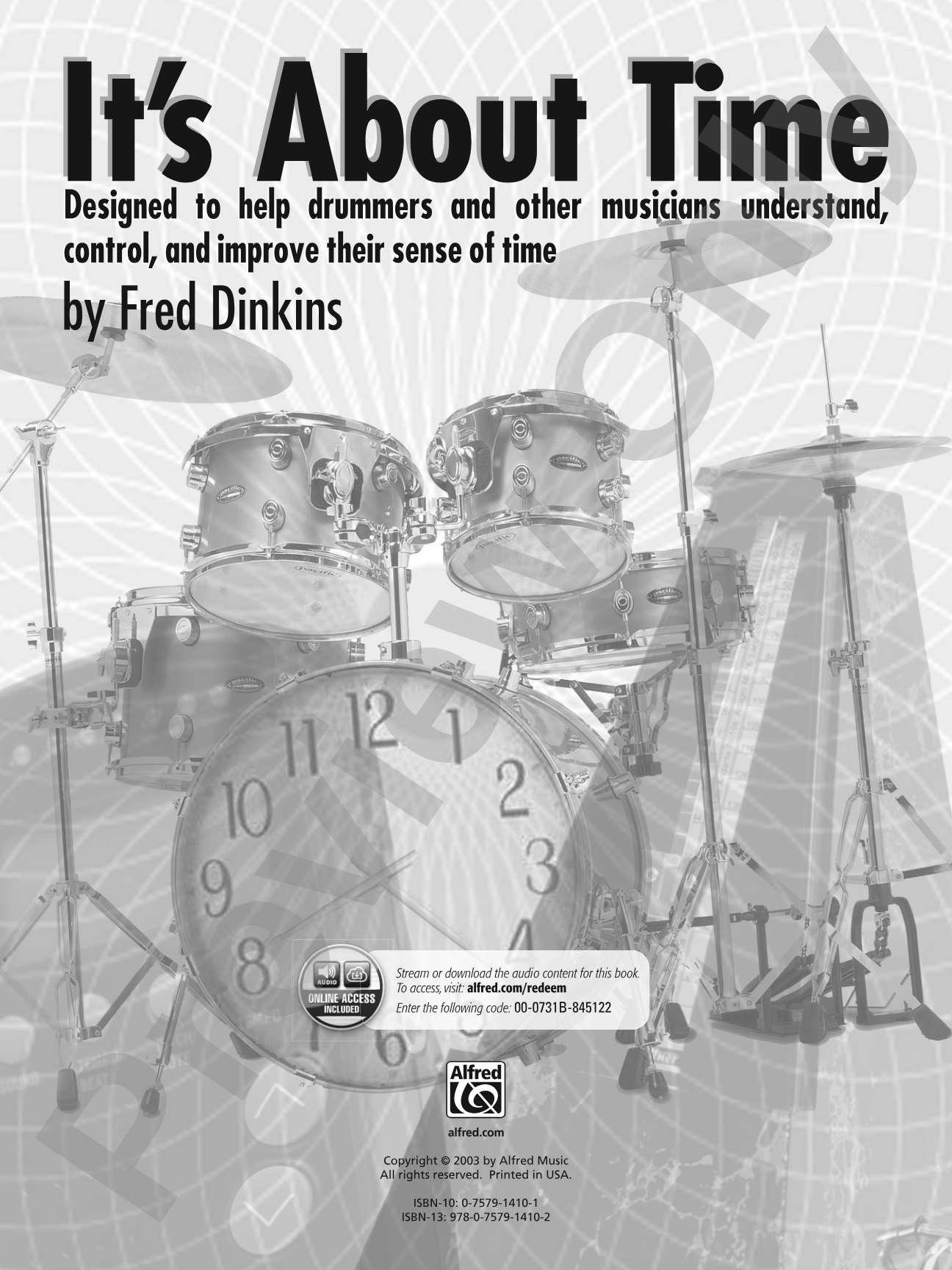

It's About Time: Designed to Help Drummers Understand, Control, and Improve Their Sense of Time
Designed to Help Drummers Understand, Control, and Improve Their Sense of Time
By Fred Dinkins
Item: 00-PB-0002268
$25.99
Pickup currently not available
Related Items
It's About Time: Drumset Book & Online Audio |
$25.99
|
View |
Description
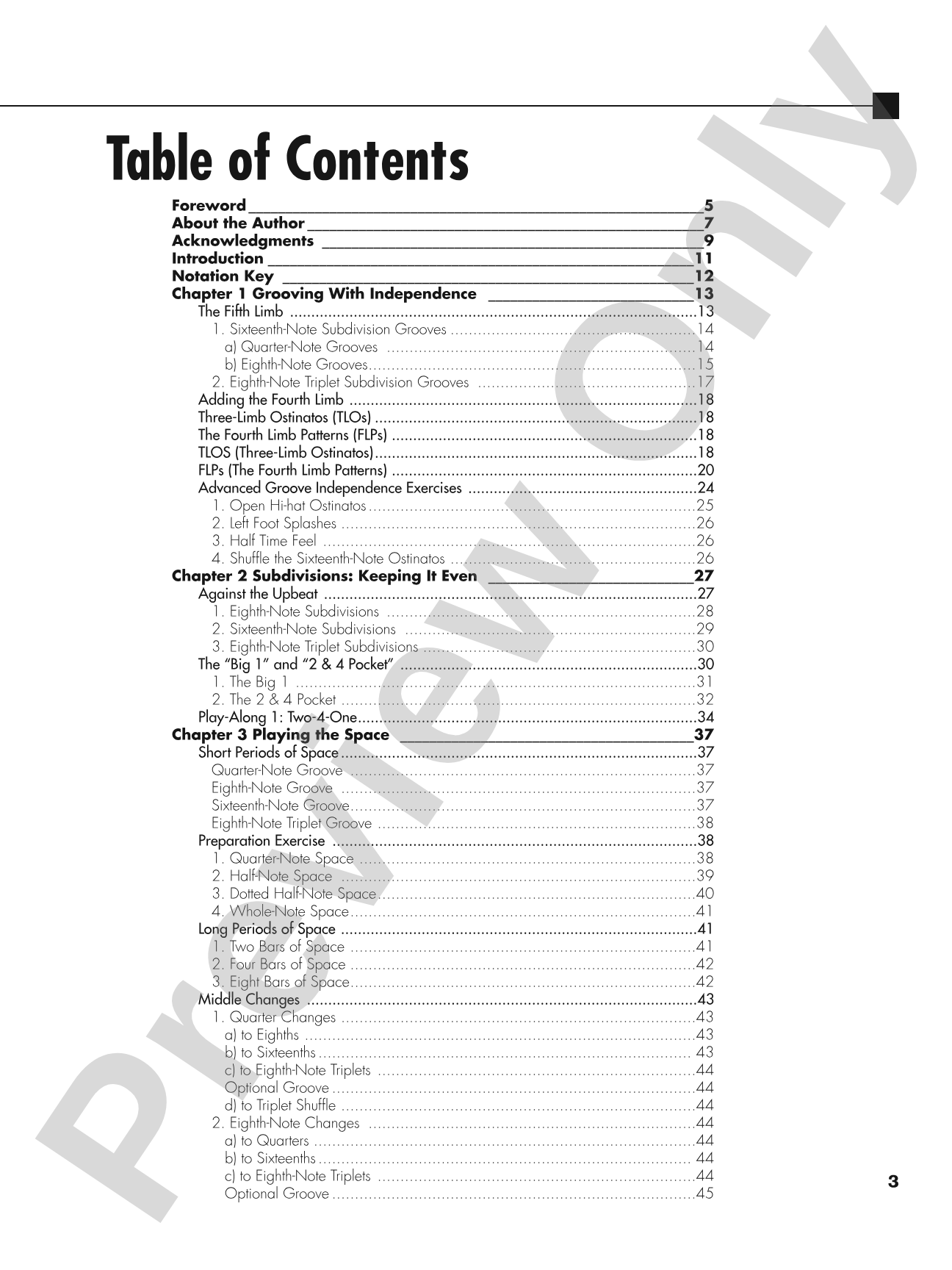
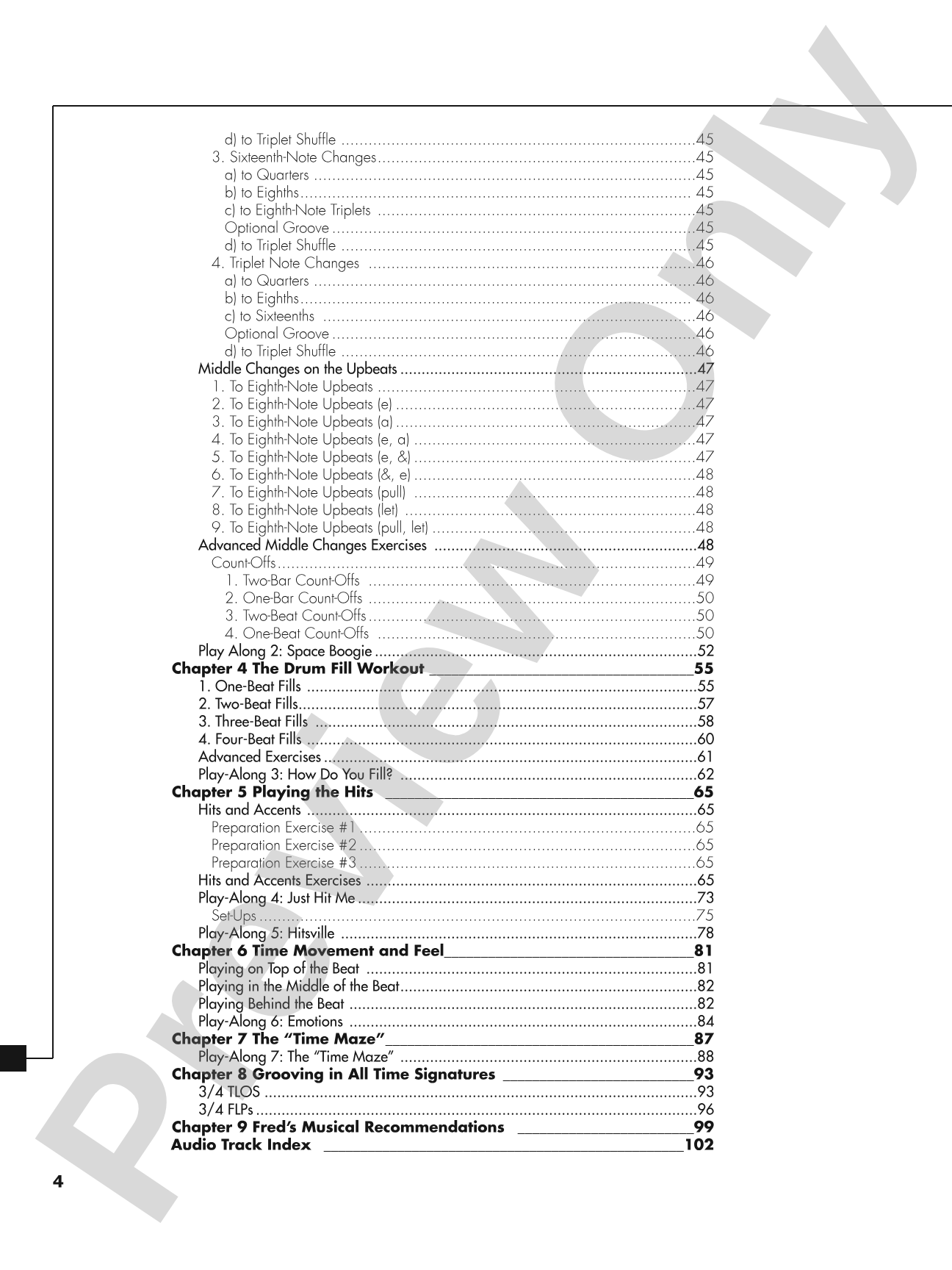
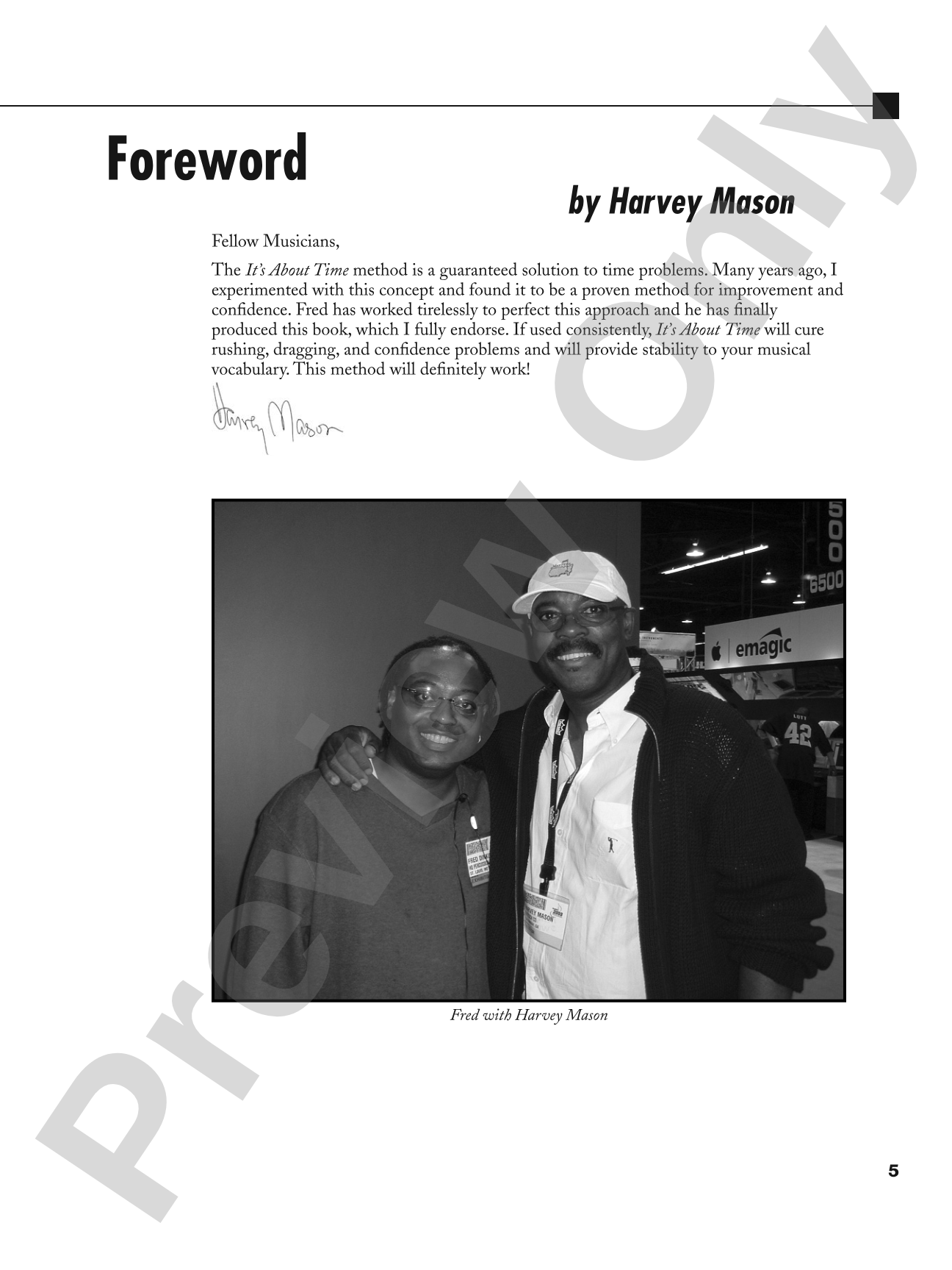
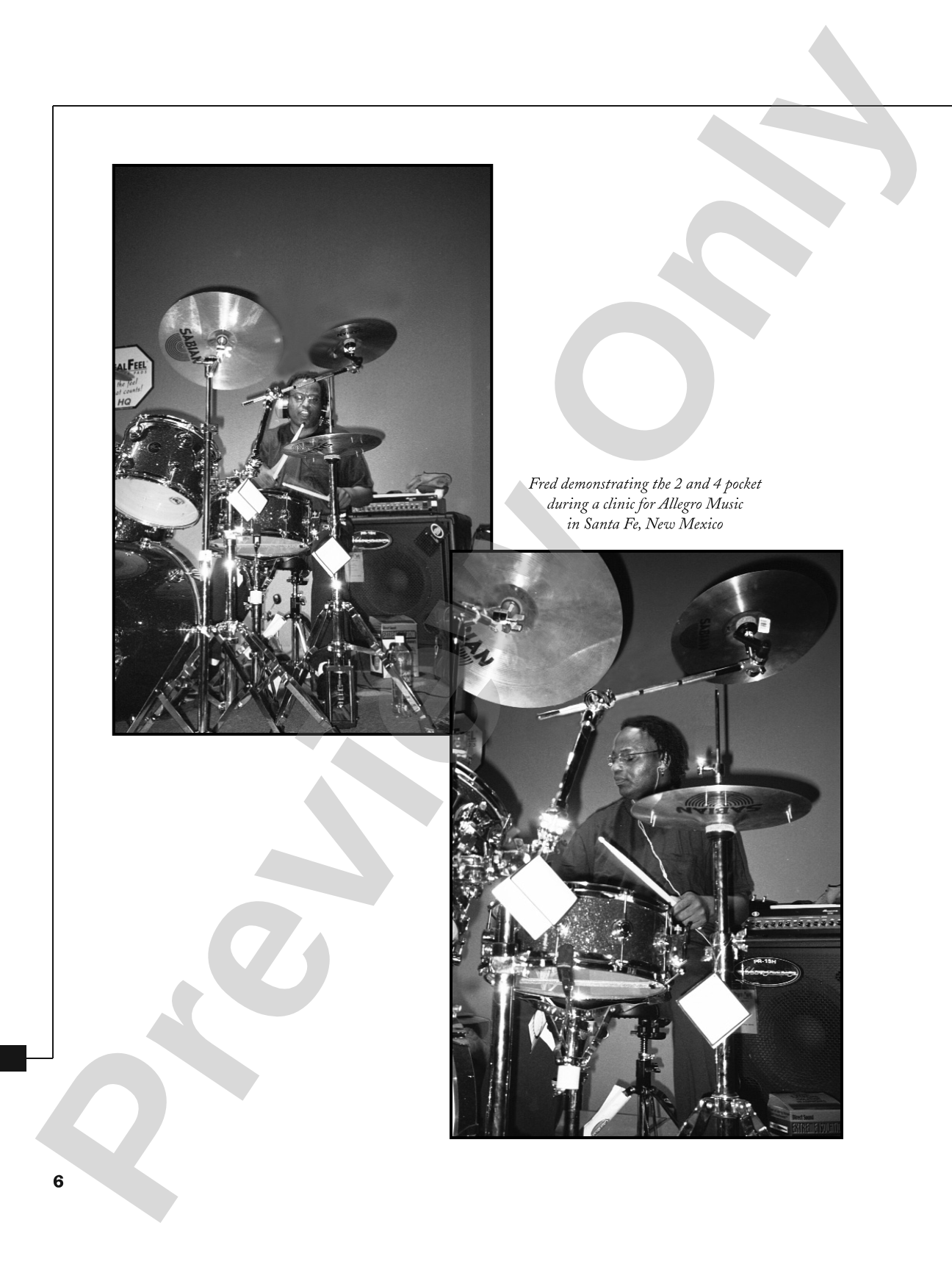
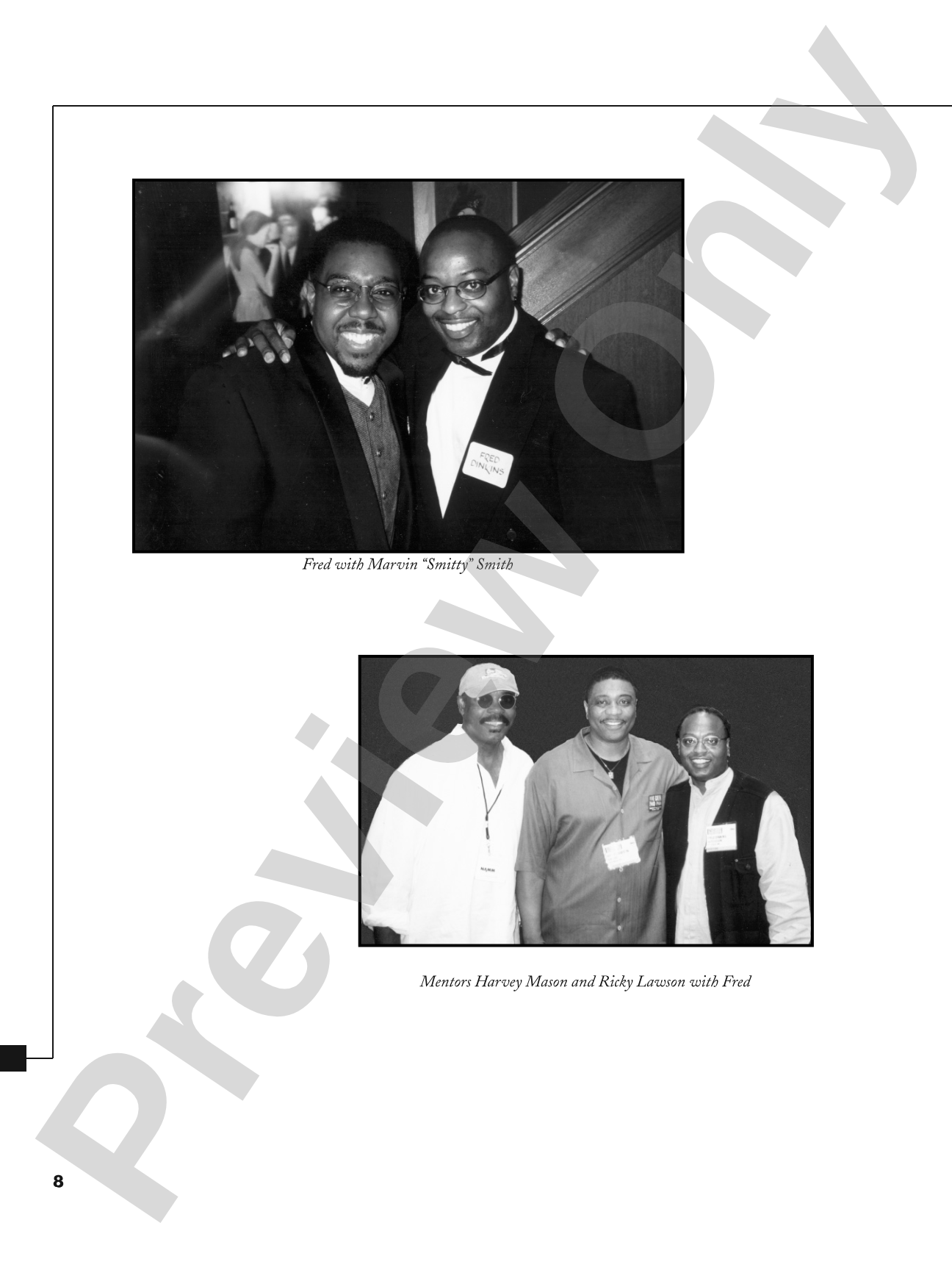
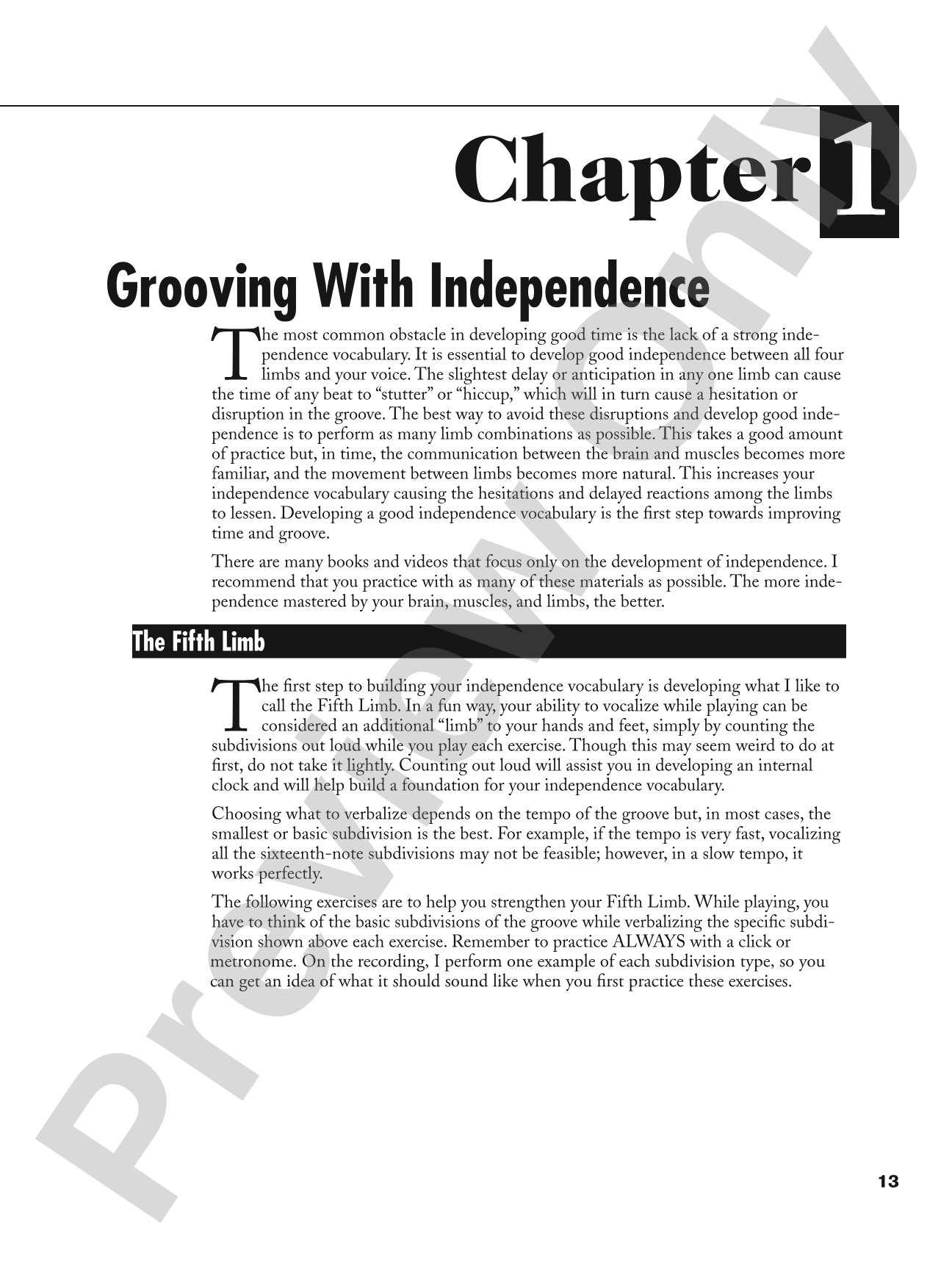
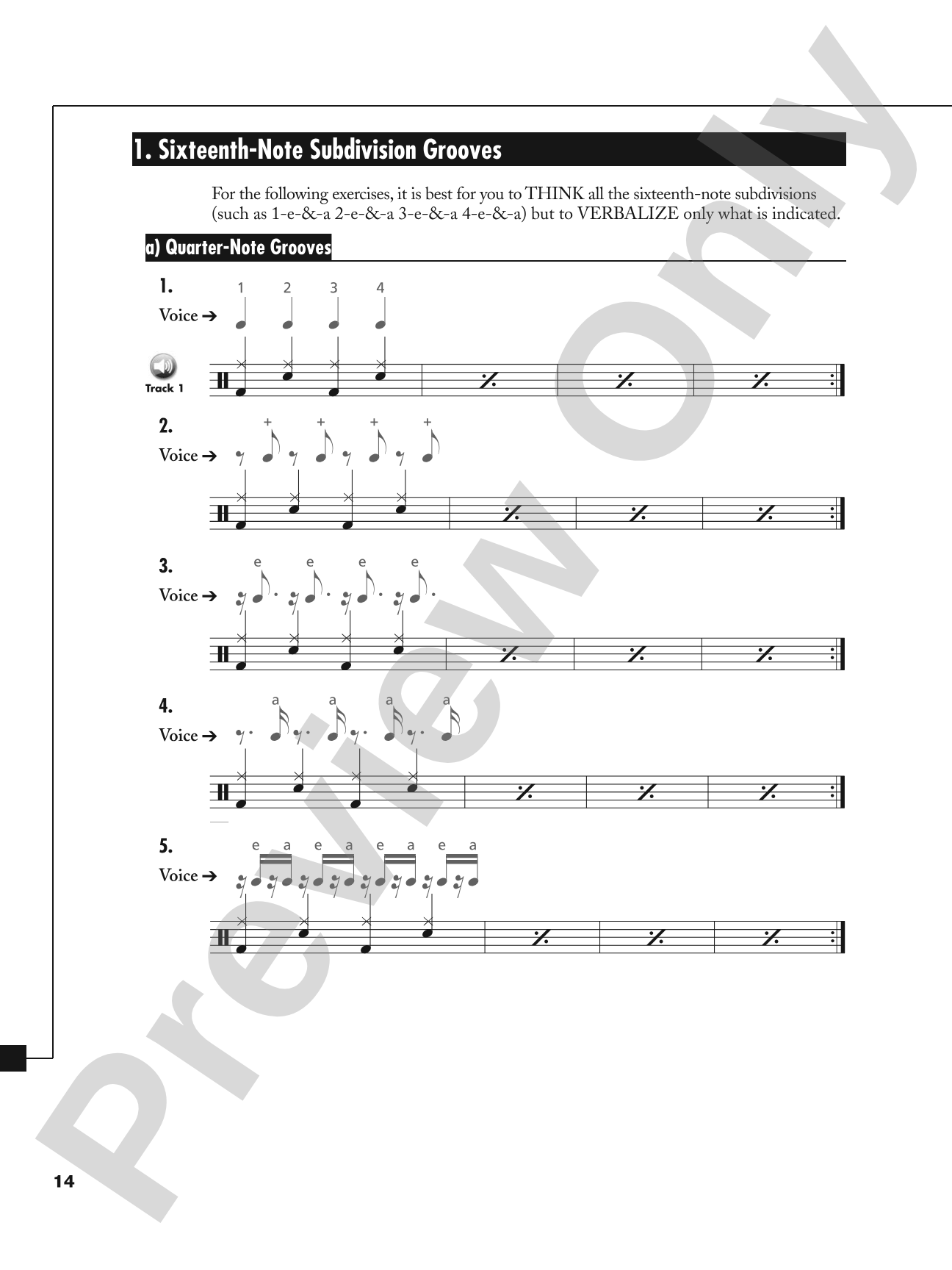
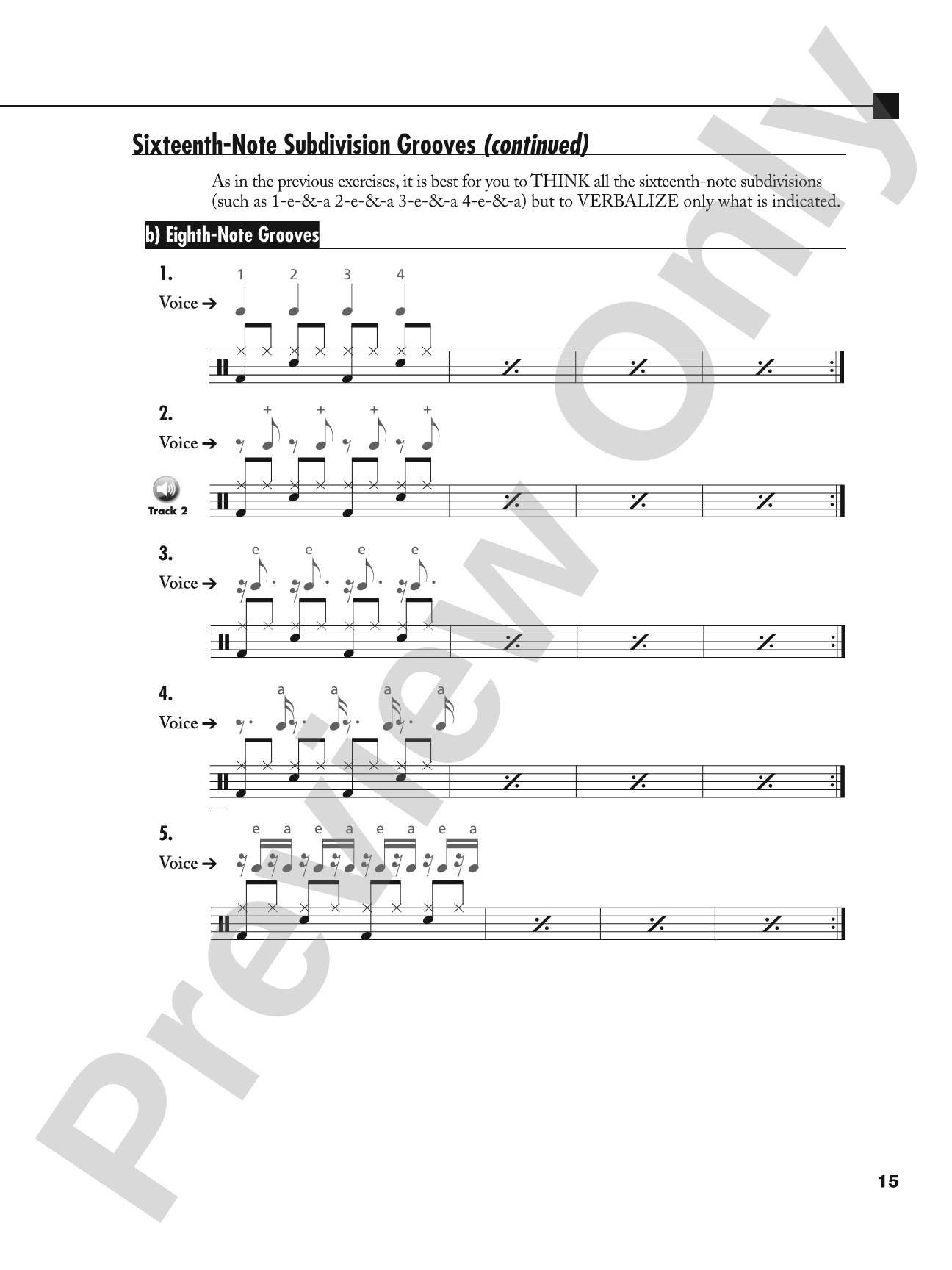
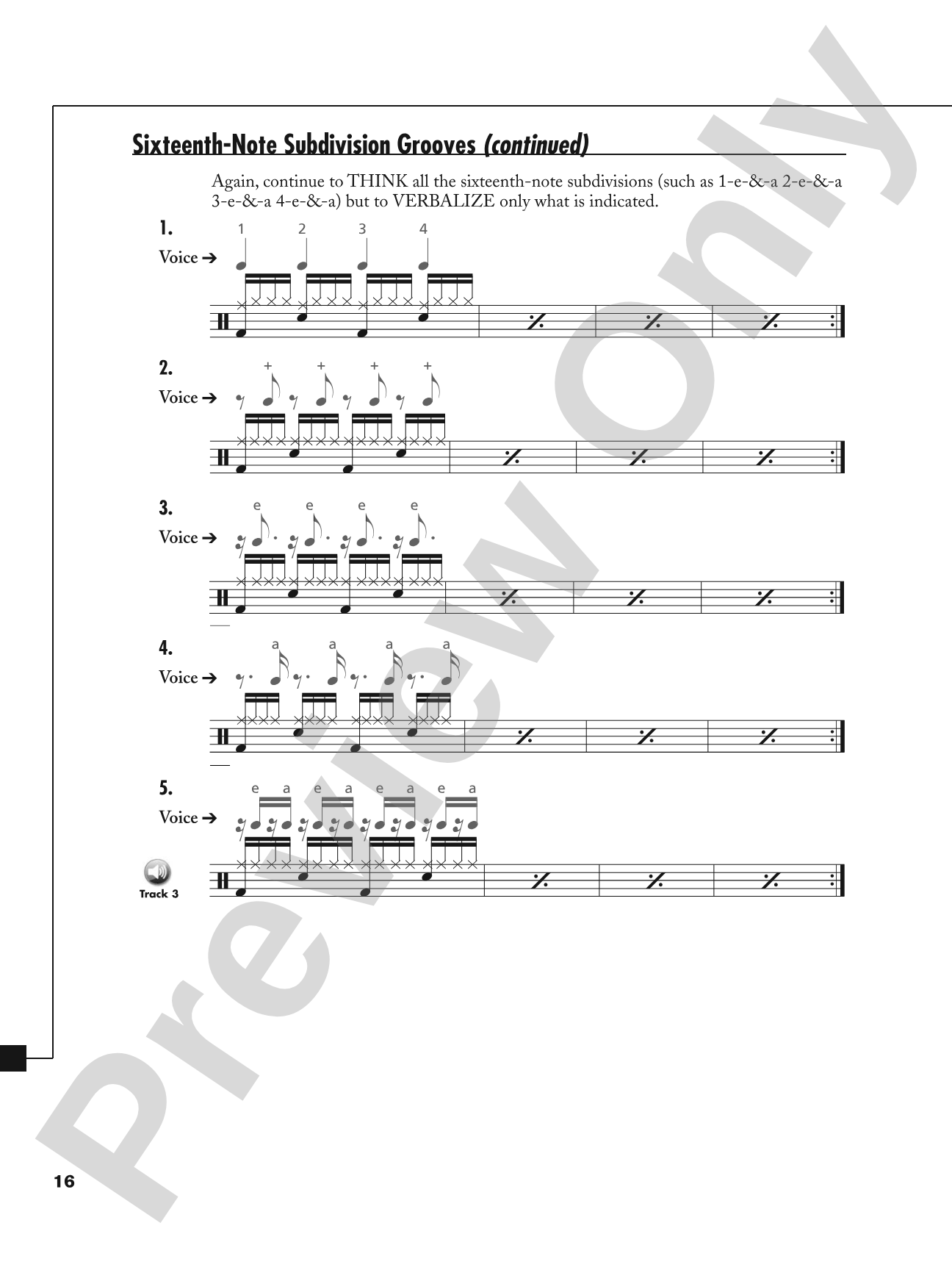
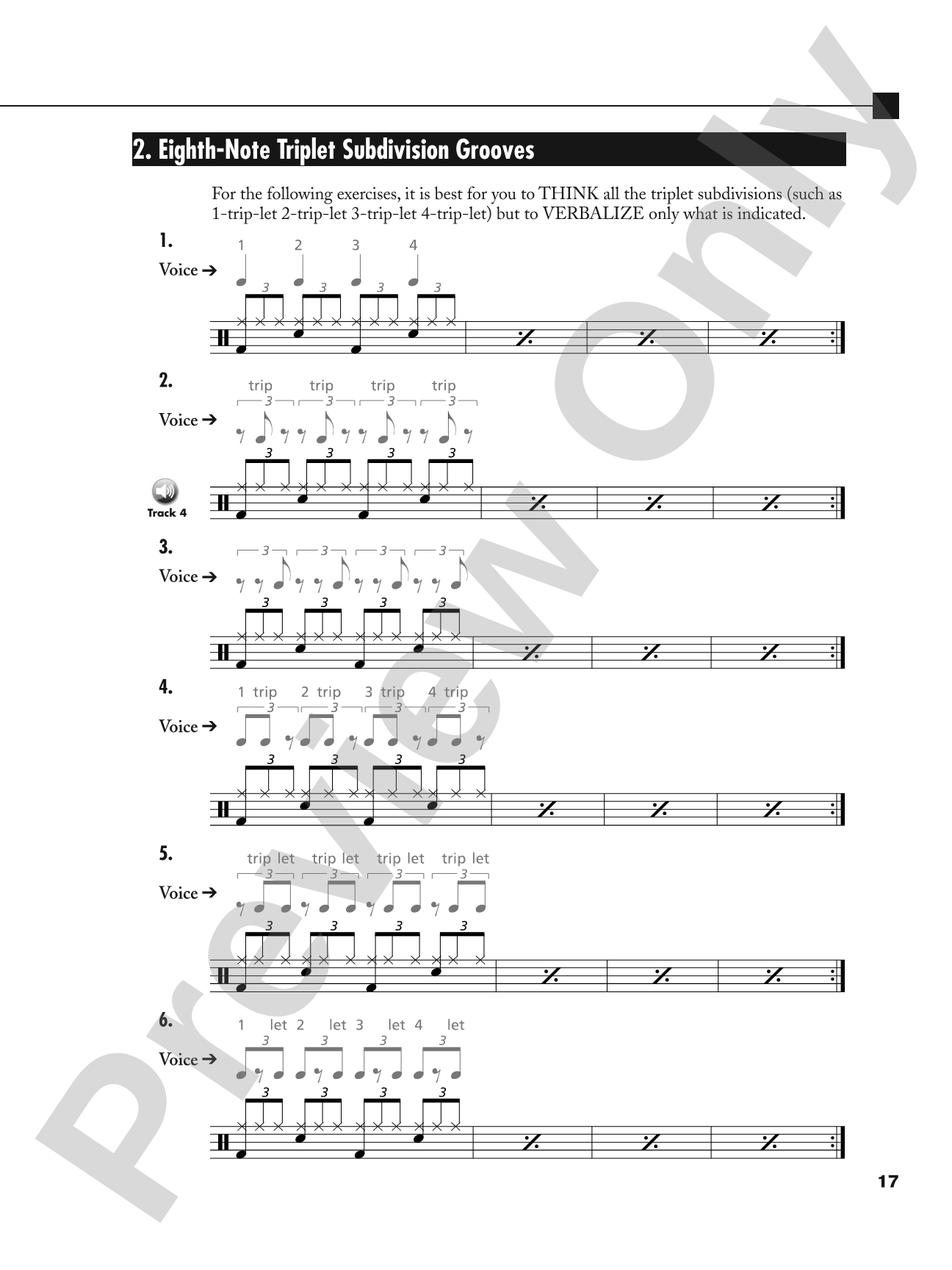
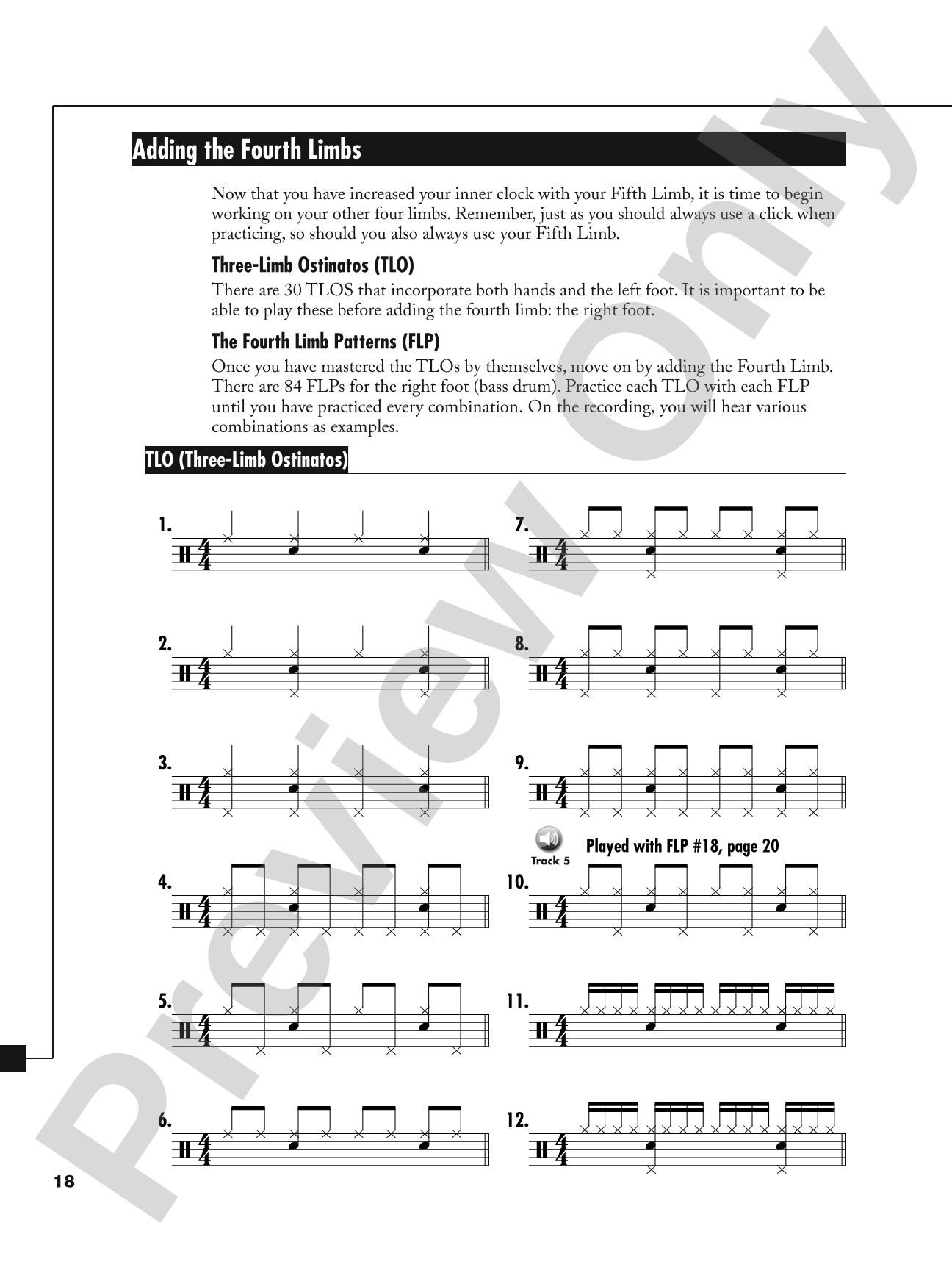
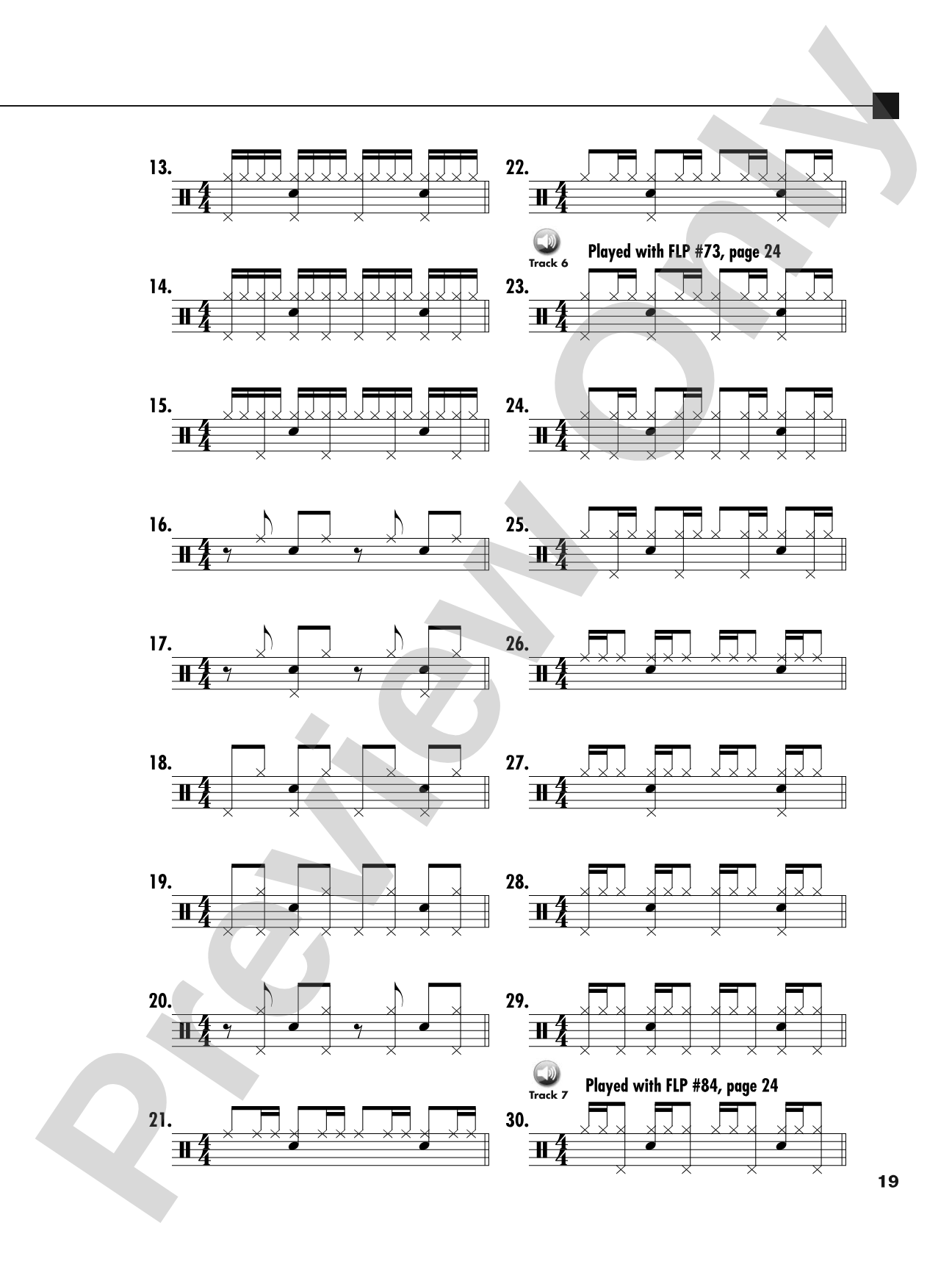
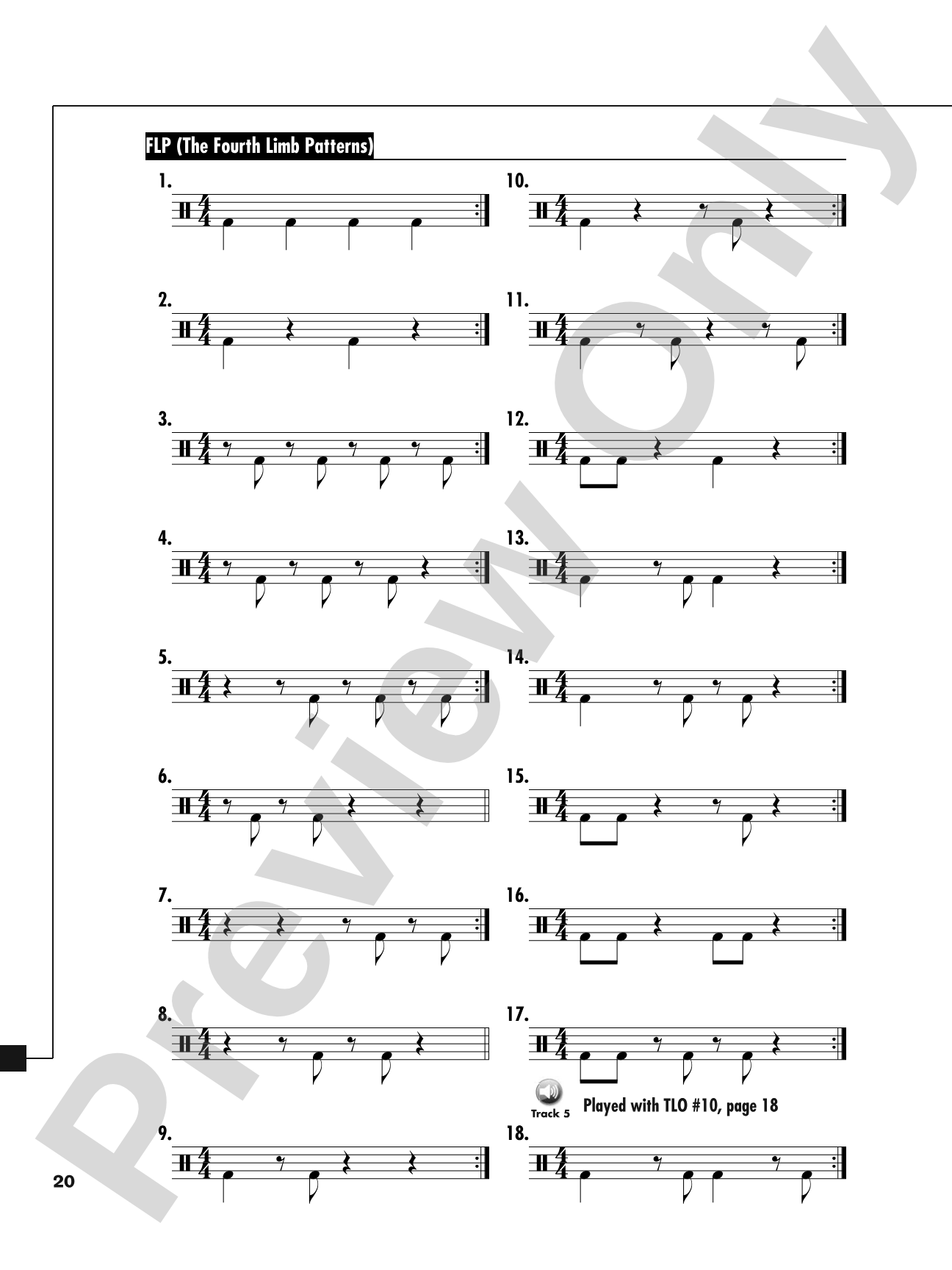
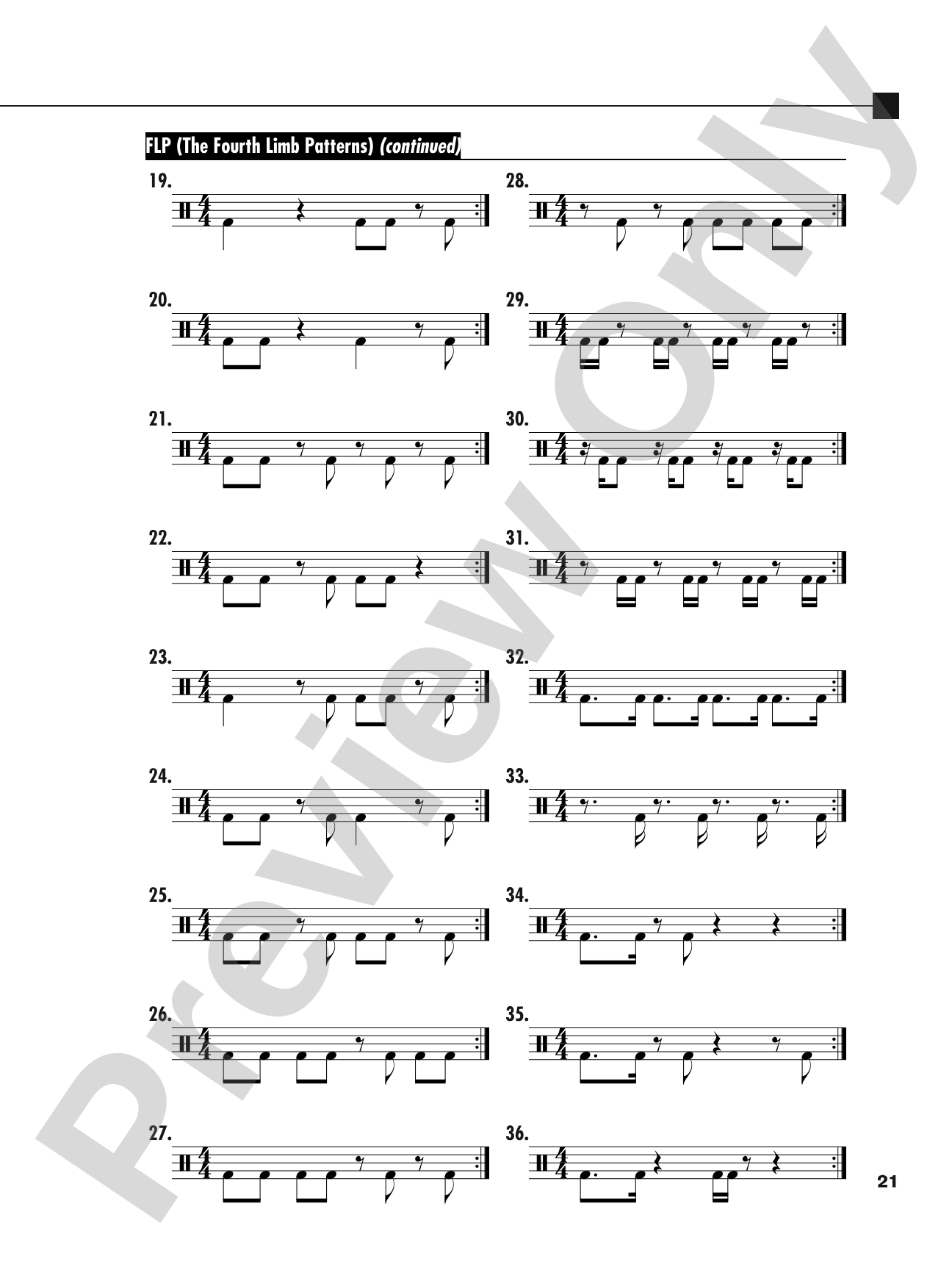
It's About Time is the answer to statements you hear such as "don't rush," "don't drag," and "play in the pocket." The most important element in playing the drums is your time and feel. The exercises and practice audio in this package will help identify good and bad time-keeping habits and will assist you in deciphering between playing notes and performing music. You will learn concepts such as playing behind the beat, in the middle of the beat, on top of the beat, playing "the space," placement of drum fills, and many exercises to help you develop your "inner-clock." Also featured are many play-along examples and demonstrations from Dennis Chambers, Ricky Lawson, Harvey Mason, and more, plus an all-star band performing all of the accompaniment tracks. Simply a "must-have" for all serious drummers and musicians!


It's About Time: Designed to Help Drummers Understand, Control, and Improve Their Sense of Time isn't in MakeMusic Cloud just yet...but it could be. Let us know you'd like to see it, and you'll help shape what comes next. In the meantime, start a free trial and dive into thousands of interactive titles your students can play along with today.
Request This Title
Tell us you want it.
Start Your Free Trial
Explore everything that's ready to play right now.
Sample Audio
1
49 Play-Along #4 Just Hit Me With Drums
--:--
2
53 Hitsville Play-Along #5 With Drums
--:--
3
96 Play-Along #2 Space Boogie With Drums
--:--
49 Play-Along #4 Just Hit Me With Drums
0:00
0:00
Sample Video
No sample videos found.
Additional Details
Publisher:
Alfred Music
Page Count:
104
SKU:
00-PB-0002268
More about this title
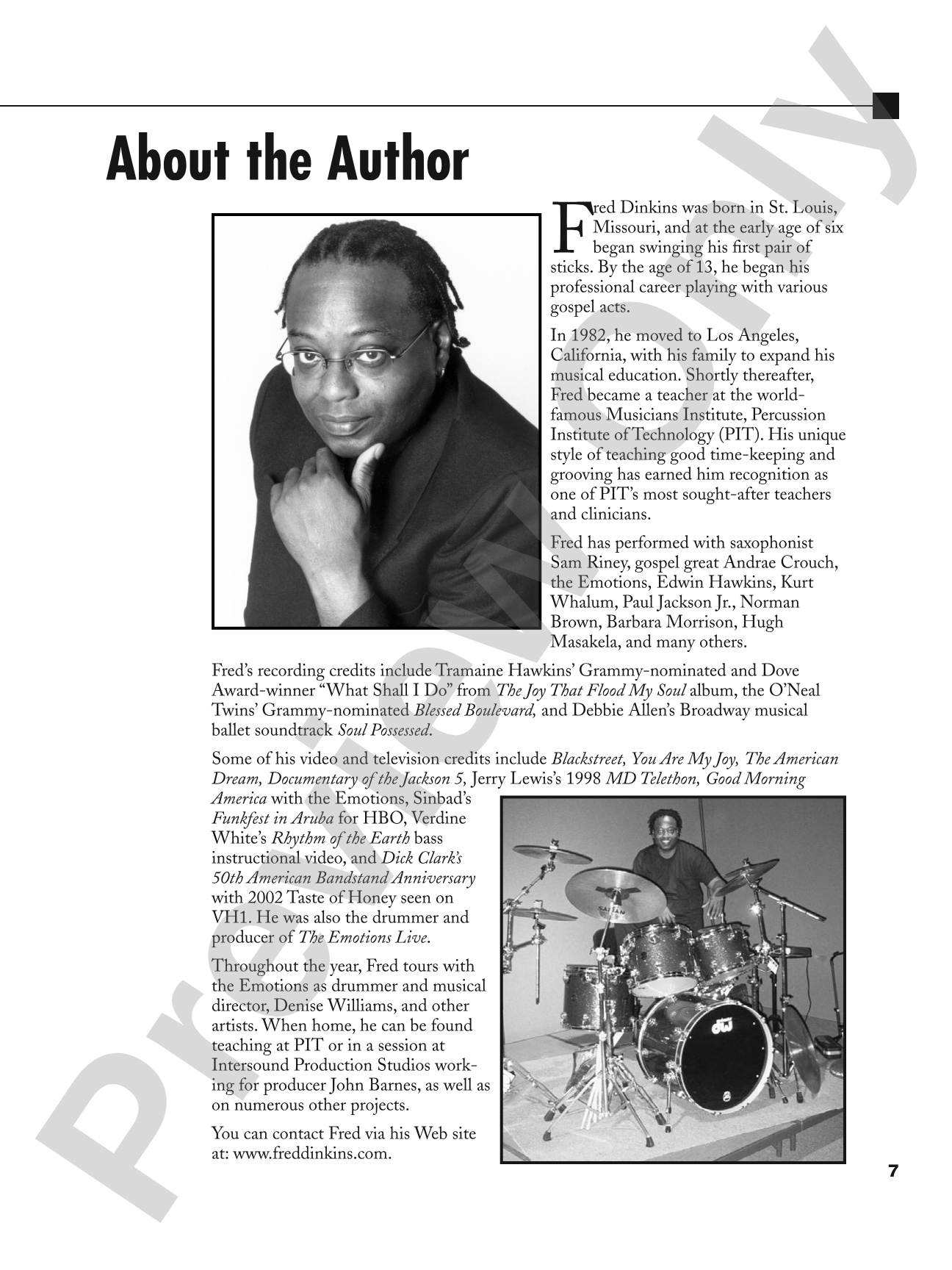
About the Composer: Fred Dinkins
Fred Dinkins brings deep expertise in percussion pedagogy and drum education to his writing. His work focuses on the fundamentals that separate competent timekeepers from musicians who truly command a groove, making him a trusted voice in drum instruction.
Why we love this
This book cuts through vague feedback. Instead of telling students to 'play in the pocket' without explanation, Dinkins breaks down exactly what that means through concrete exercises and audio demonstrations from world-class drummers like Dennis Chambers and Harvey Mason. Your drummers will finally understand the difference between playing the notes and playing the music.
What to expect
Methodical and clarifying. The book demystifies the language around time and feel that floats around music rooms, replacing it with specific, measurable concepts. Working through these exercises builds confidence because you can actually hear and feel your improvement.
Who it's for
Serious drummers who want to move beyond mechanical note-playing and develop the rhythmic sophistication that separates student players from working musicians. It's also valuable for band directors and percussion teachers who need concrete language and methods to address timing issues in ensemble rehearsals.
How to get the most out of it
- Work through the exercises sequentially rather than jumping around. Each section builds on concepts from the previous one, and the progression matters for developing reliable internal time.
- Use the recorded demonstrations as listening models first, then as play-along tracks. Hear what 'on top of the beat' actually sounds like before trying to execute it yourself.
- Practice with a metronome alongside the audio accompaniments. This dual reference point trains your ear to lock independently while also connecting to the band's pocket.
- Record yourself playing the exercises weekly and compare against the provided examples. Self-assessment of your time placement is a skill that improves with repeated listening.
How to use it
Assign this as individual study material for your section's drummers, particularly in preparation for jazz band or funk-inflected repertoire where pocket awareness directly impacts ensemble sound. The exercises also work well as part of a drum line or percussion studio curriculum focused on foundational timekeeping skills.
Skills your students will build
- Understanding beat placement (behind, on top of, and in the middle of the beat)
- Developing and strengthening internal pulse independent of external time references
- Playing with control in different pocket positions
- Identifying and correcting personal time-keeping habits
- Recognizing the difference between playing notes accurately and performing musically
- Refining drum fill placement and timing within ensemble contexts