


It's A Grand Night For Singing: Choral Instrumental Pak
As performed by Kirby Shaw
Item: 35-PK00026492
$30.00
Pickup currently not available
Buy Extra Parts (Digital PDF Download)
Parts Added to Cart!
Description
Arranged as a samba, the joy and rhythmic excitement in this classic never stop. Opportunities for solos and duets provide textural variety. Add the optional horns for even more excitement! Performance time approx. 2:40.


It's A Grand Night For Singing: Choral Instrumental Pak isn't in MakeMusic Cloud just yet...but it could be. Let us know you'd like to see it, and you'll help shape what comes next. In the meantime, start a free trial and dive into thousands of interactive titles your students can play along with today.
Request This Title
Tell us you want it.
Start Your Free Trial
Explore everything that's ready to play right now.
Sample Audio
No sample audio found.
Sample Video
No sample videos found.
Additional Details
Publisher:
Hal Leonard
SKU:
35-PK00026492
More about this title
About the Artist: Kirby Shaw
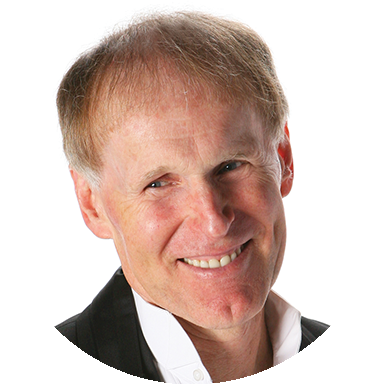
Kirby Shaw's influence extends across North America and Europe, with conducting residencies in 45 states plus Canada, Australia, the Bahamas, Sweden, The Netherlands, Italy, Spain, and Germany. Armed with degrees in Music Education and Choral Composition from San Jose State University and a DMA in Choral Conducting from the University of Washington, Shaw has built a career on infectious energy and substantive musical knowledge. He founded the celebrated COS Vocal Jazz Ensemble at College of the Siskiyous and directed similar programs at Colorado State University and the University of Missouri at Kansas City before establishing the Jefferson State Choral Coalition at Southern Oregon University.
Shaw's compositional prolificacy speaks for itself: over 2,500 published arrangements and original works, nearly 20 million copies sold worldwide, and multiple ASCAP awards. He has worked one-on-one with vocal legends including Bobby McFerrin, Al Jarreau, and Jon Hendricks, and overseen hundreds of educational recordings alongside college and solo albums. As a member of the a cappella group Just 4 Kicks and recent commissioned composer for the Mormon Tabernacle Choir, Shaw continues to shape choral music education through both performance and creation.
Why we love this
Shaw's samba treatment transforms a beloved standard into pure rhythmic propulsion without sacrificing the melody's sing ability. The built-in solo and duet moments give you natural staging opportunities while keeping ensemble voices engaged, and the optional horn section adds a legitimate reason to collaborate across your music program.
What to expect
Immediate warmth and movement from the first phrase. This arrangement captures the original's optimism while trading polish for pulsing vitality; you feel the samba's gentle insistence carrying the song forward, with plenty of space for individual voices to shine through the collective energy.
Who it's for
School and community choirs seeking accessible concert material with enough textural interest to hold both performers and audiences. Works equally well in variety shows, end-of-year celebrations, or any program where infectious, rhythmic joy fits the narrative.
How to get the most out of it
- Lock the rhythmic pulse early in rehearsal. This samba setting demands consistent groove, so establish the swing feel before layering solos.
- Highlight contrast between full ensemble sections and the featured passages. Let soloists own their moments while the choir provides supportive, not overpowering, accompaniment.
- Consider staging the optional horns visibly if you include them; their energy deserves to be part of the visual experience.
- Address the Latin rhythmic inflection specifically. Straight eighth notes will fight the style; coach singers toward that characteristic lilt.
How to use it
Perfect for closing a show or bridging between classical and contemporary work on a concert. The manageable length (2:40) and Latin styling make it an effective programming bridge in concerts mixing standards, pop, and world music. Place it after something more introspective to shift the room's energy entirely.
Skills your students will build
- Singing with Latin rhythmic feel and swing phrasing
- Balancing solo passages with ensemble texture
- Sustaining steady rhythmic pulse while executing choreography or movement
- Interpreting stylistic inflections beyond straight notation