
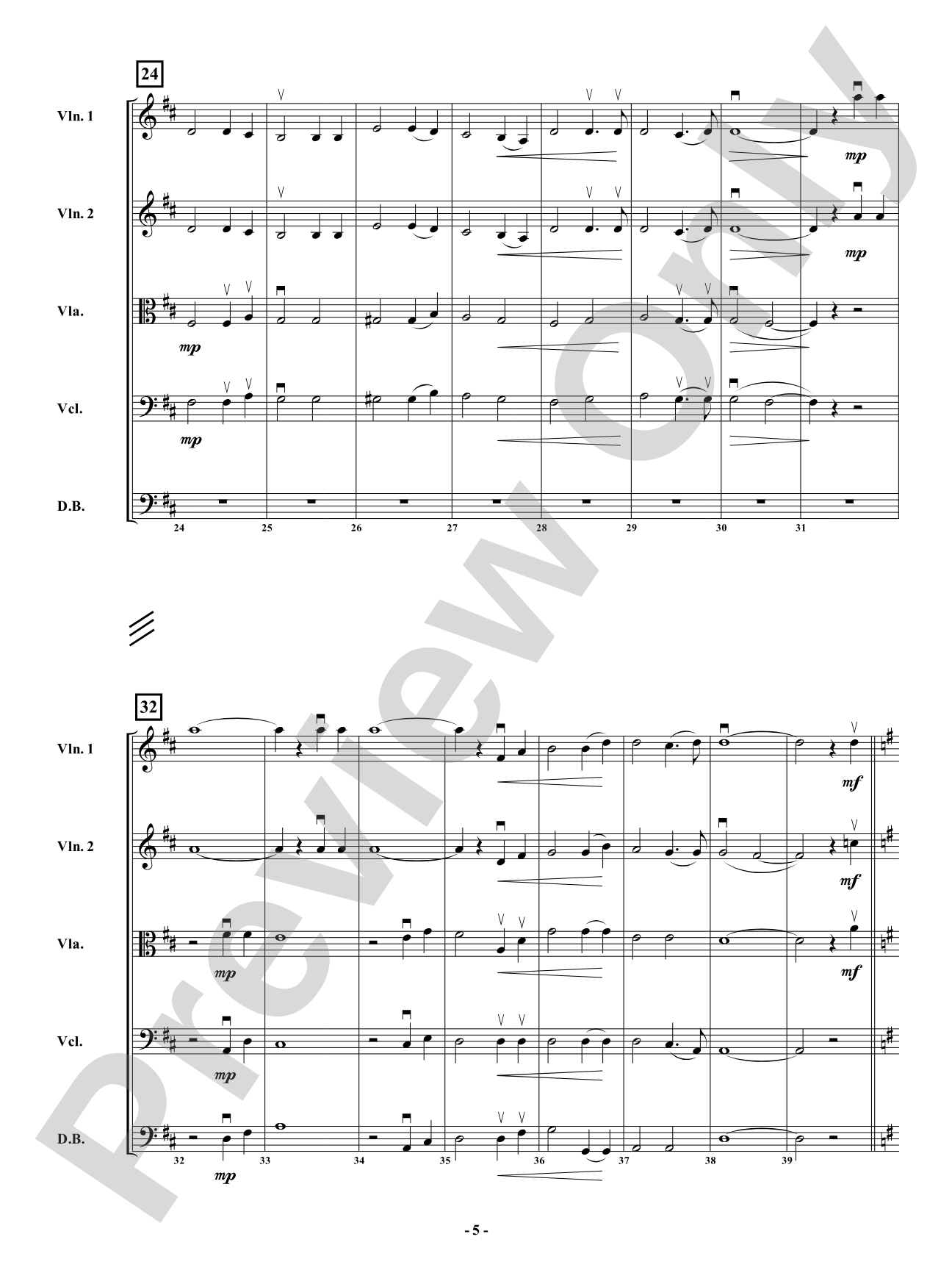
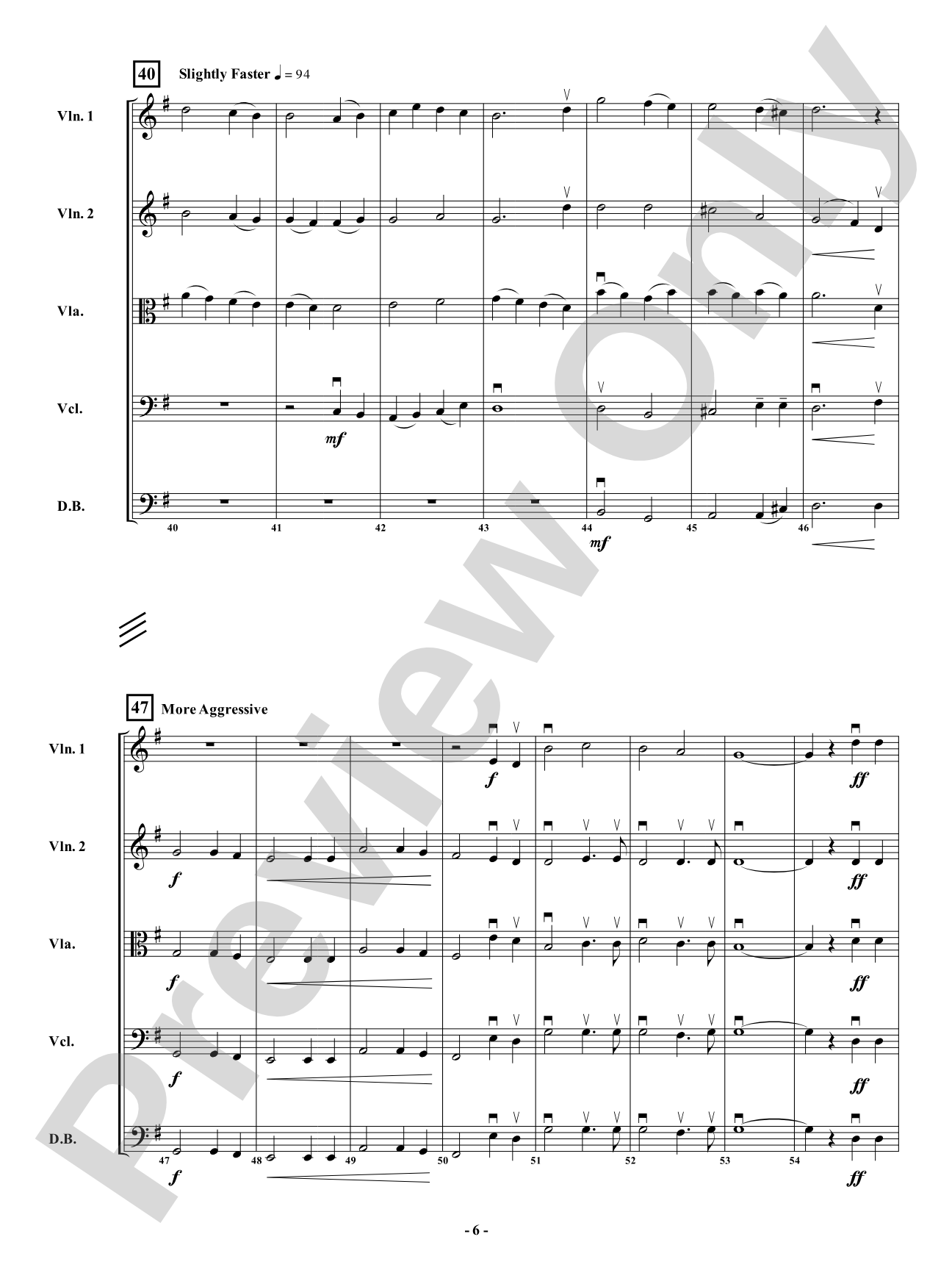
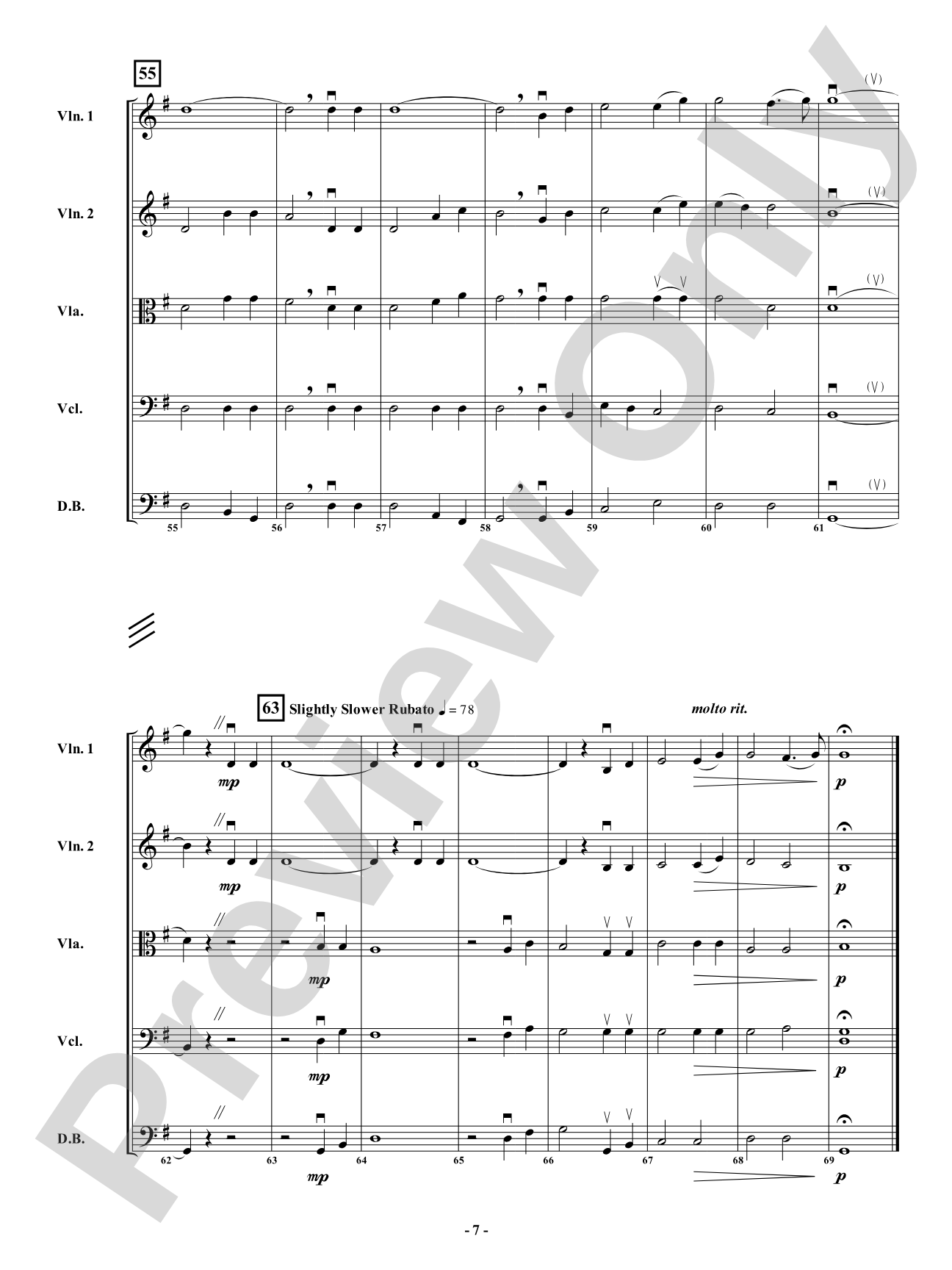


It Is Well: Score
Arranged by Kurt Heinecke
Grade: 3
Item: 98-PR-RWS2270
$8.00
Pickup currently not available
Description
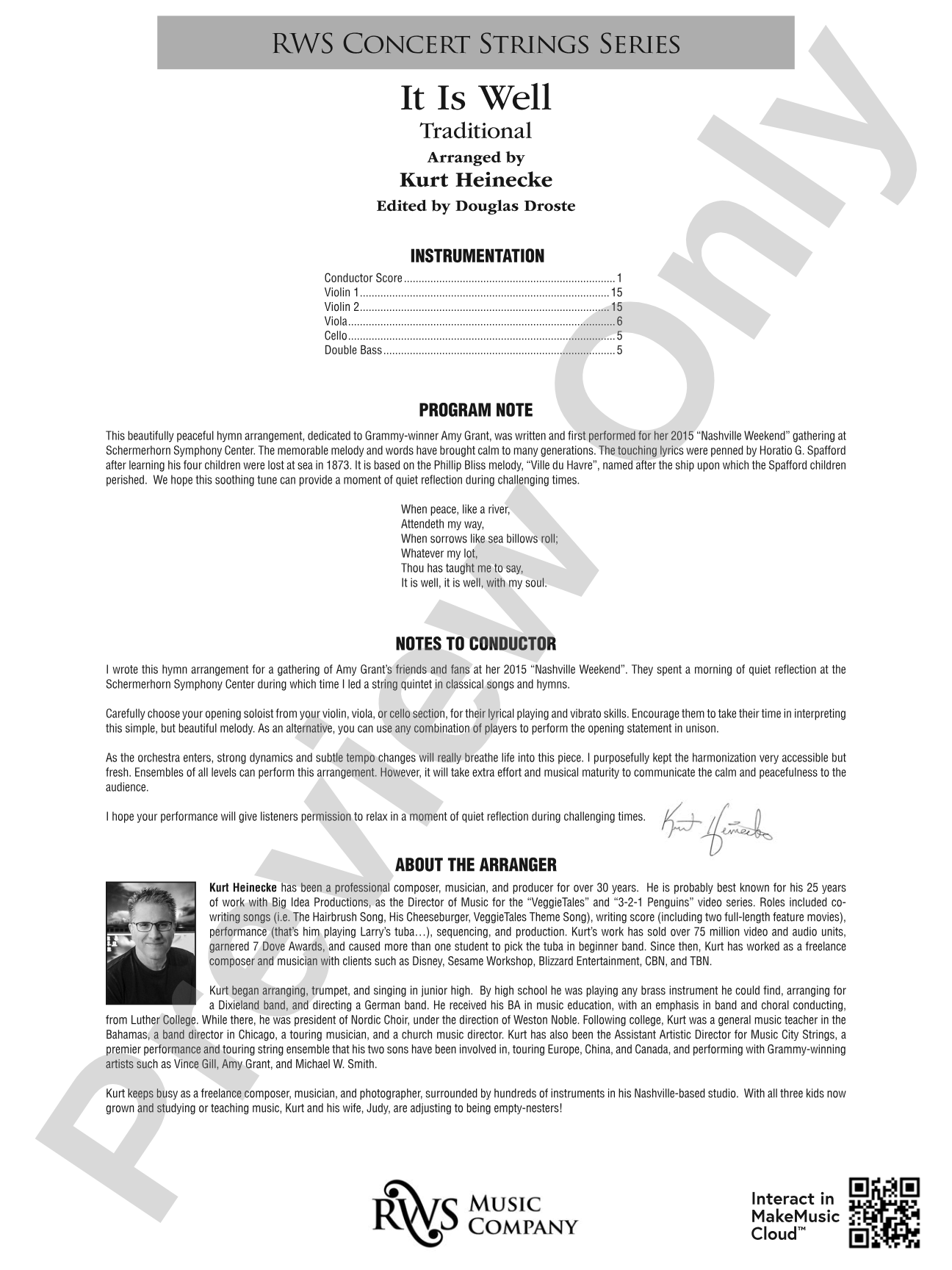
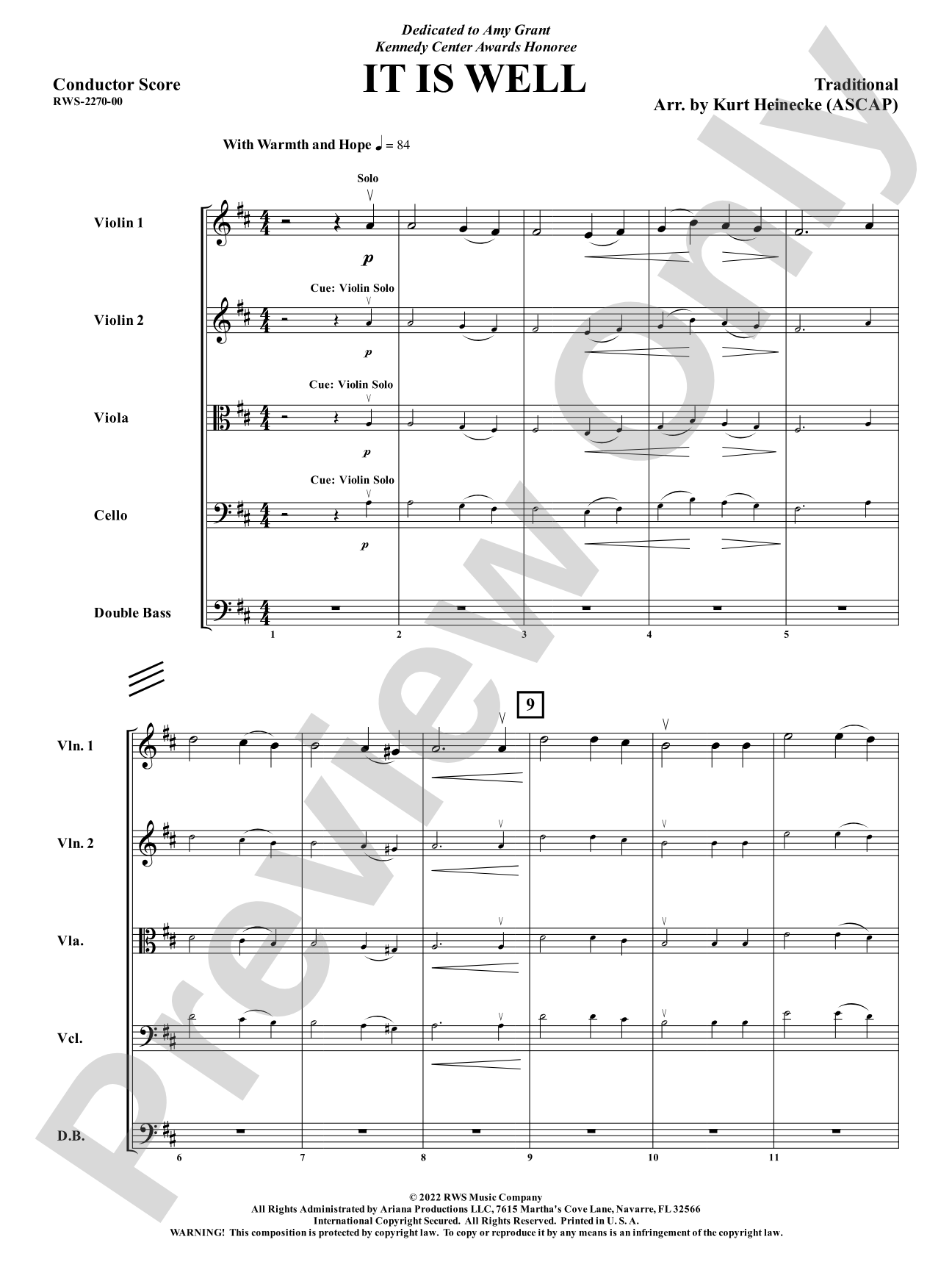
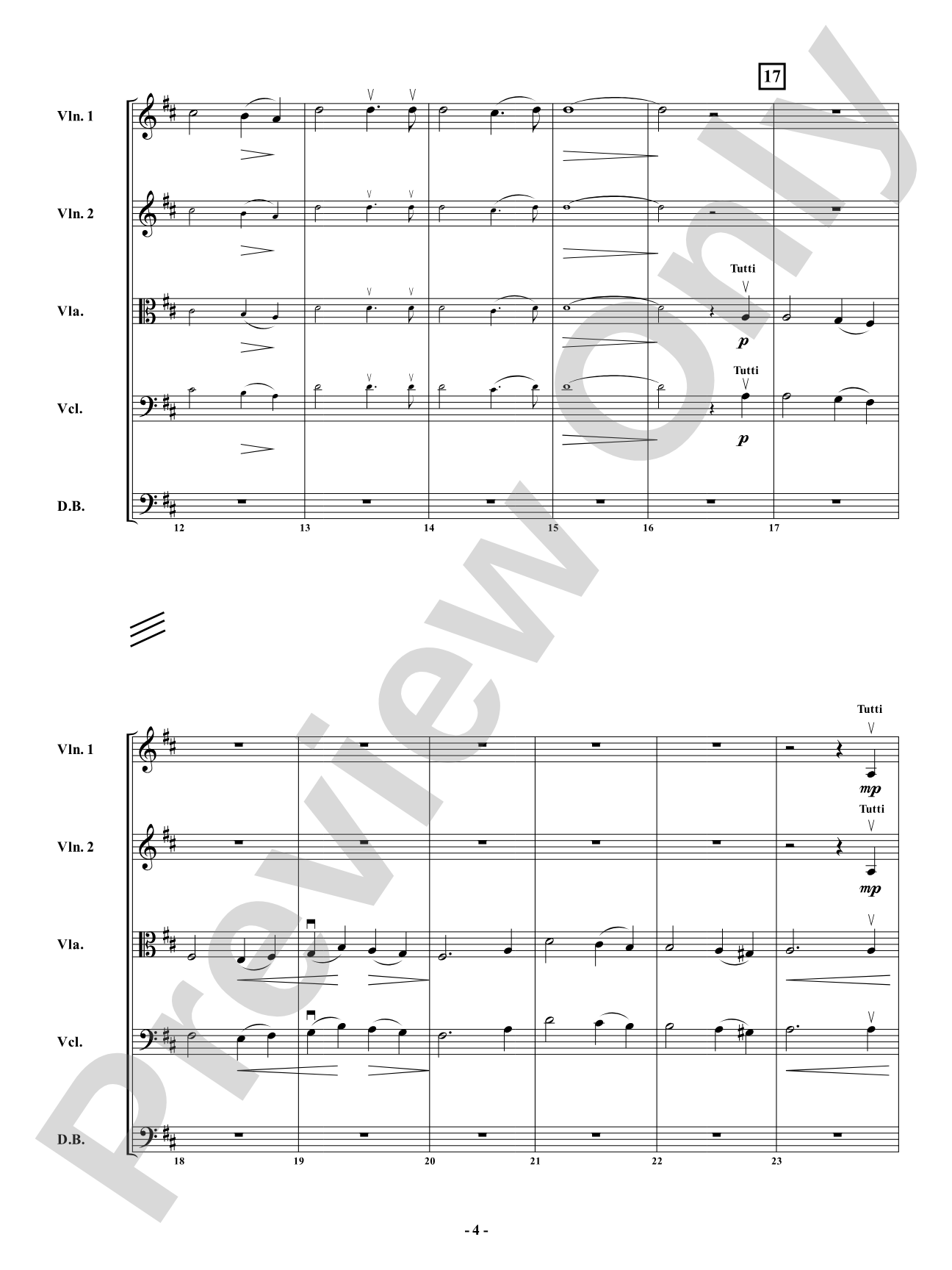
This beautifully peaceful hymn arrangement, dedicated to Grammy-winner Amy Grant, was written and first performed for her "Nashville Weekend" gathering in 2015. Beginning with a string soloist of your choice (violin, viola, or cello), this piece then incorporates very accessible yet fresh harmonizations that ebb and flow with powerful dynamics. This performance will give listeners permission to relax in a moment of quiet reflection during challenging times.
Original Item#: RWS-2270-00


Original Item#: RWS-2270-00
It Is Well: Score isn't in MakeMusic Cloud just yet...but it could be. Let us know you'd like to see it, and you'll help shape what comes next. In the meantime, start a free trial and dive into thousands of interactive titles your students can play along with today.
Request This Title
Tell us you want it.
Start Your Free Trial
Explore everything that's ready to play right now.
Sample Audio
1
Audio File
--:--
0:00
0:00
Sample Video
No sample videos found.
Additional Details
Series:
RWS - Concert Strings
Publisher:
RWS Music Company
SKU:
98-PR-RWS2270
More about this title
About the Arranger: Kurt Heinecke
Kurt Heinecke has established himself as a thoughtful arranger for school string orchestras, with a gift for honoring familiar material while giving it fresh harmonic color. His work balances accessibility with musicianship, creating arrangements that engage both younger players and audiences seeking genuine emotional depth.
Why we love this
Heinecke's arrangement respects the hymn's contemplative soul while giving it orchestral texture that feels earned rather than embellished. The choice to begin with a solo string voice immediately signals intimacy and vulnerability, creating space for meaningful reflection before the ensemble joins. At Grade 3, it's accessible enough for developing orchestras yet sophisticated enough to reward careful ensemble listening and dynamic control.
What to expect
The arrangement unfolds like a private moment of stillness, beginning with a single voice's gentle testimony before gradually inviting others to join in quiet agreement. Harmonies shift and settle with the subtlety of light moving through a room, never forcing emotion but allowing it to surface naturally. The piece creates permission for reflection, transforming a familiar hymn into something both anchored in tradition and newly intimate.
Who it's for
String orchestras at the middle school through early high school level seeking a concert piece that touches listeners emotionally without demanding virtuosity. This works equally well for ensembles building their core repertoire and for experienced groups looking to refresh a program with something genuinely peaceful and introspective.
How to get the most out of it
- Choose your opening soloist strategically. A violinist with a warm, sustained tone works well, but don't overlook the distinctive color a cello or viola soloist brings. Rehearse that first statement thoroughly so it has confidence and expressiveness before the ensemble enters.
- Shape the dynamics with intention rather than sudden shifts. The piece's ebb and flow work best when transitions feel organic, almost like breathing. Mark your score clearly so the ensemble understands which director cues signal a building phrase versus a subsiding one.
- Balance the string sections so the harmonies bloom without muddying. Since the arrangement keeps things accessible, clarity matters. Lower voices especially need to sustain with support; encourage violas and cellos to listen vertically to their neighbors.
- Allow silence its own weight. In a piece this contemplative, the moments of quiet are as important as the music itself. Resist the urge to fill every gap; let listeners settle into reflection.
How to use it
Schedule this piece as an intermission work or concert closer, where its reflective quality gives audiences a moment to settle and breathe. It pairs beautifully with more energetic repertoire earlier in the program, providing a musical exhale after intensity. Consider performing it during times when your community might especially need its message of peace and rest.
Skills your students will build
- Sustaining long, supported tones across phrases
- Listening to and blending with changing harmonies
- Dynamic control and shaping without exaggeration
- Ensemble balance and vertical tuning
- Solo performance confidence within a group setting
- Interpretation of text-inspired musical expression