
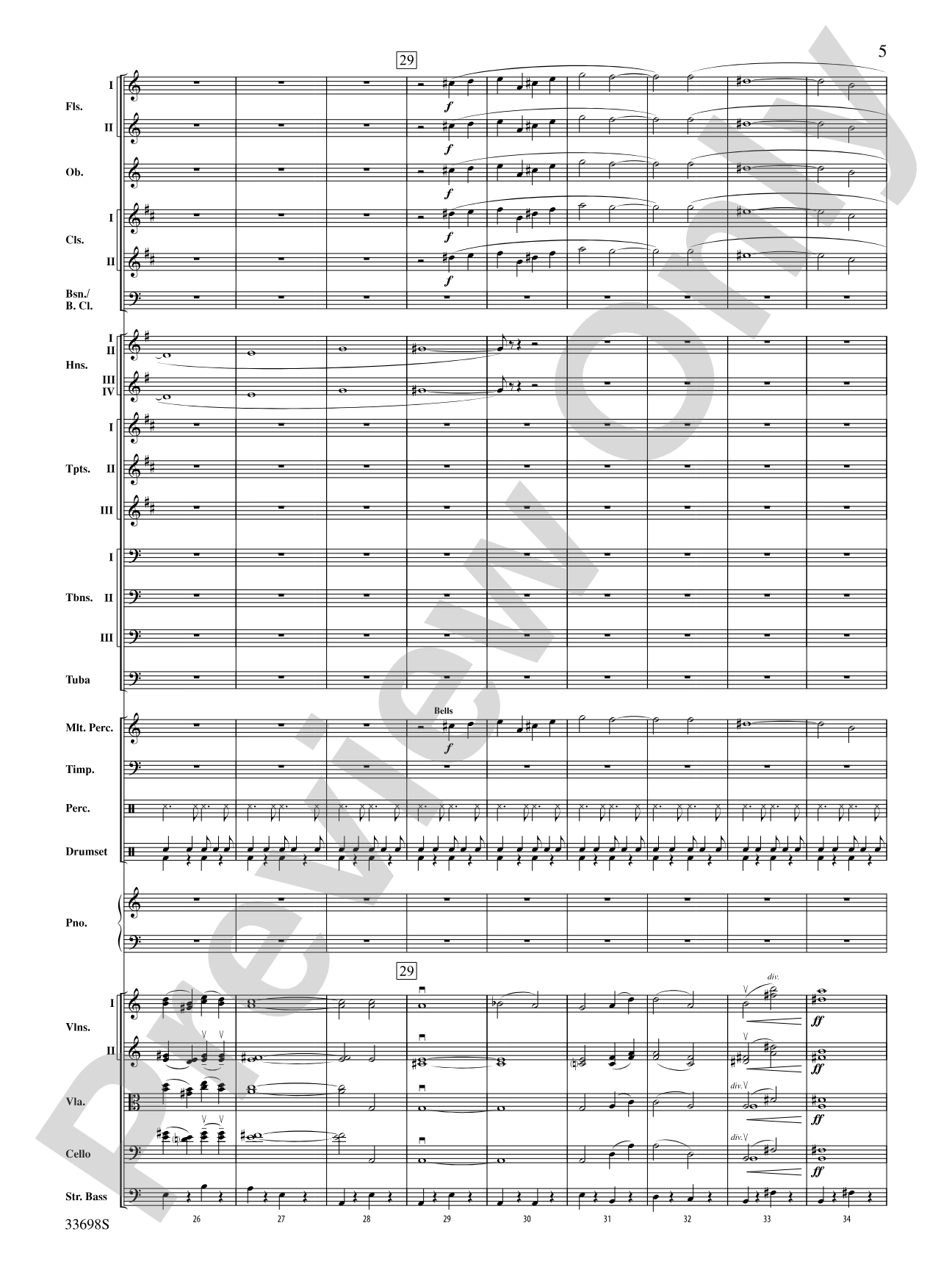
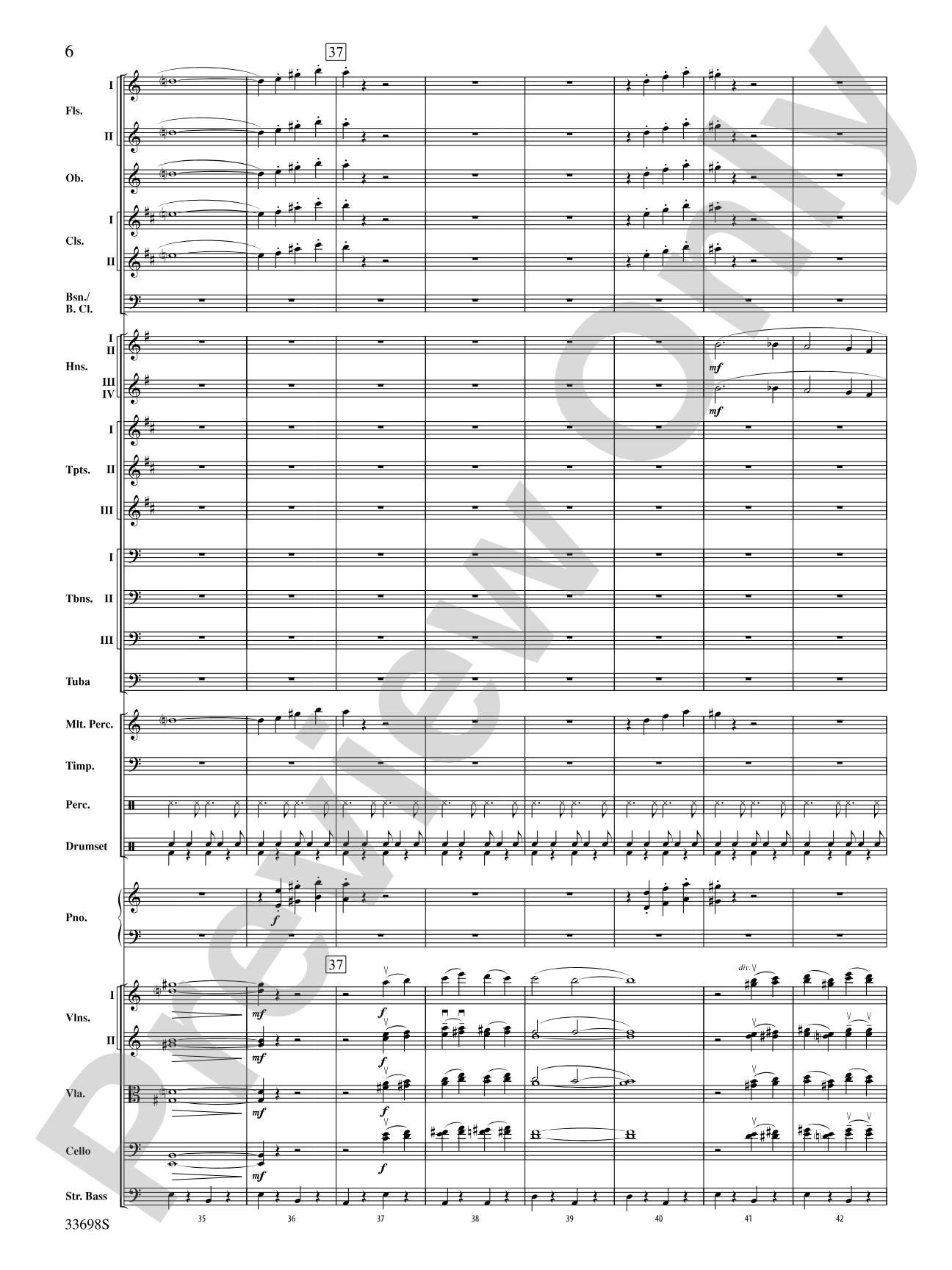
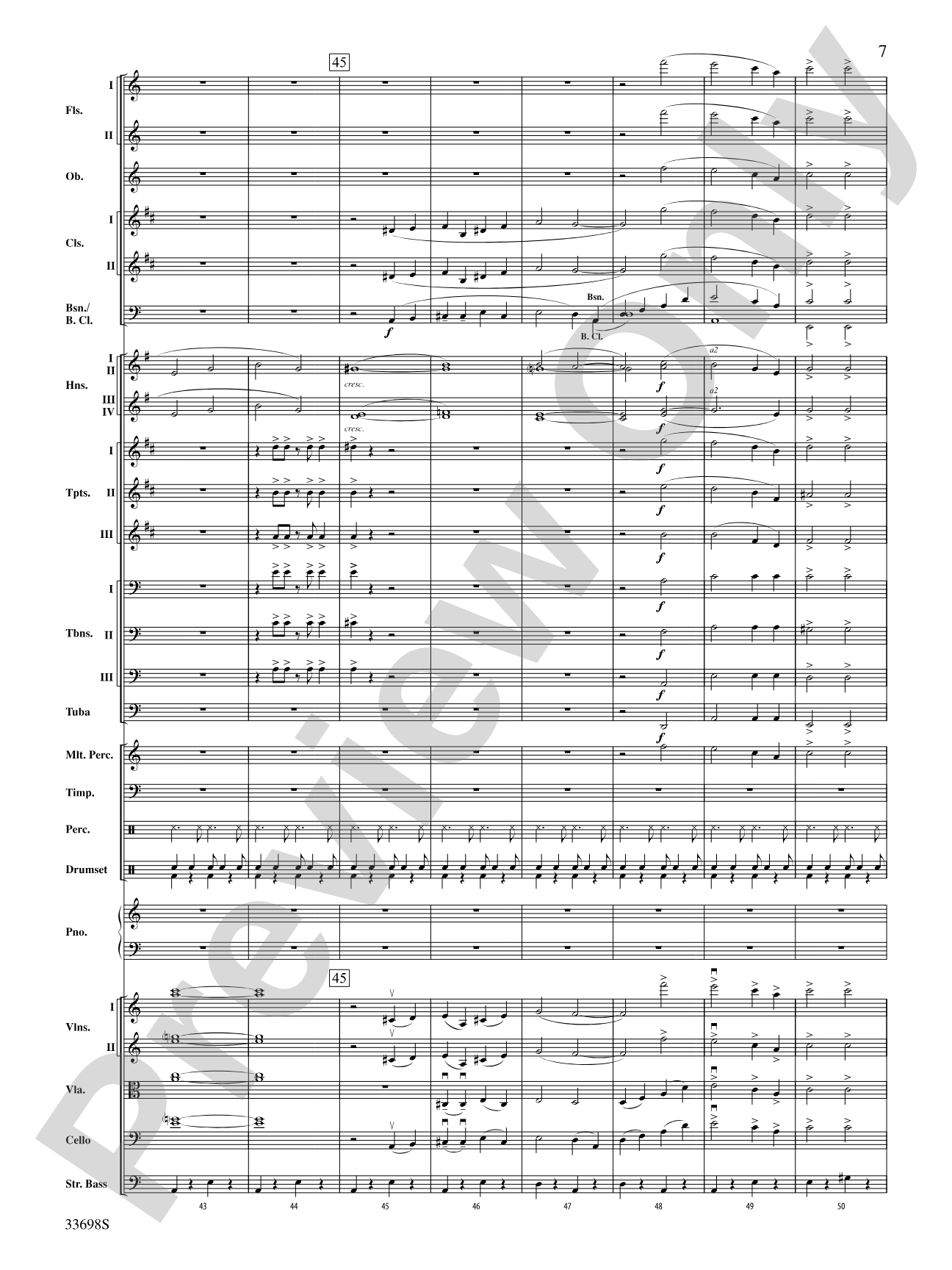
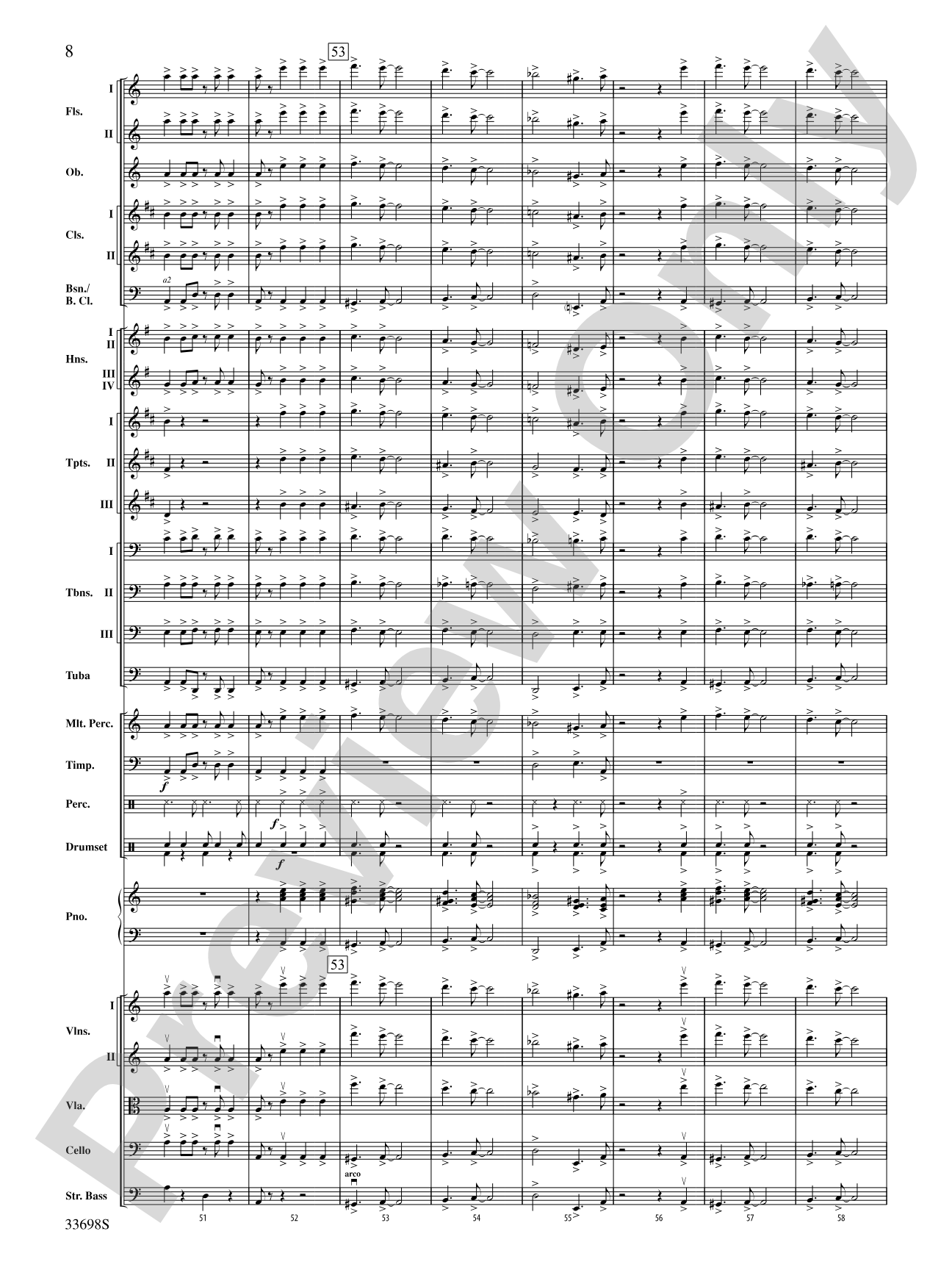
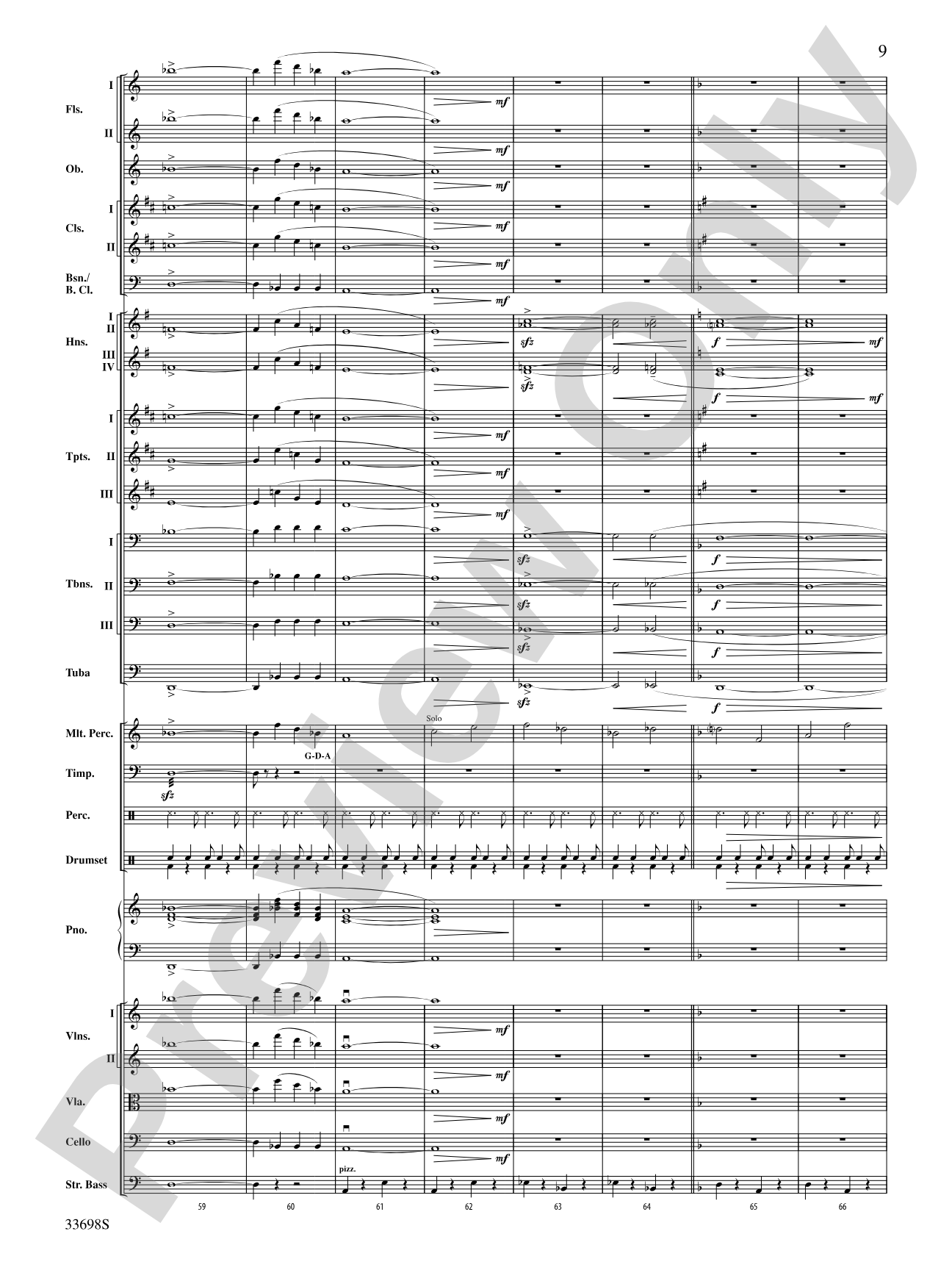
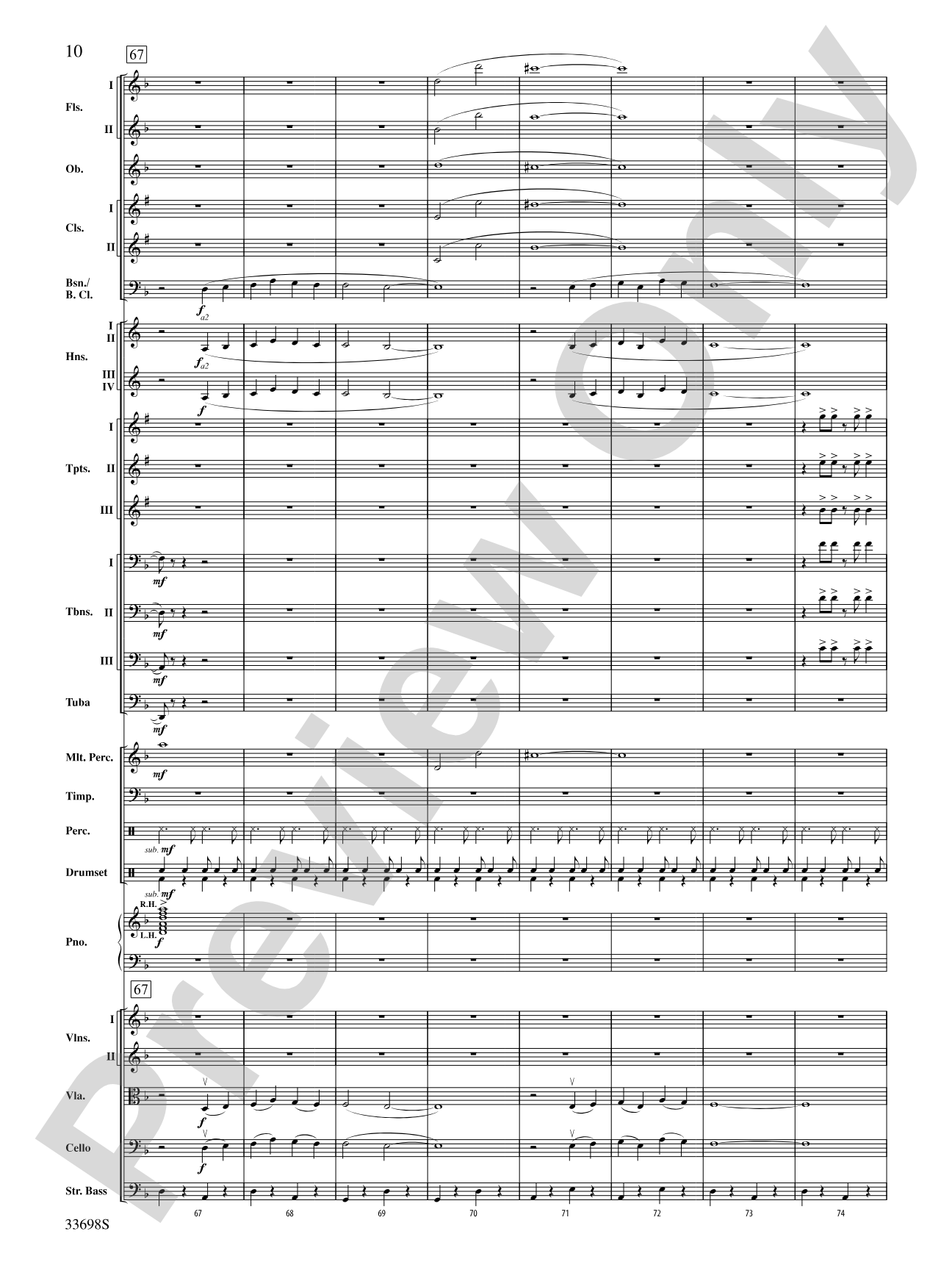
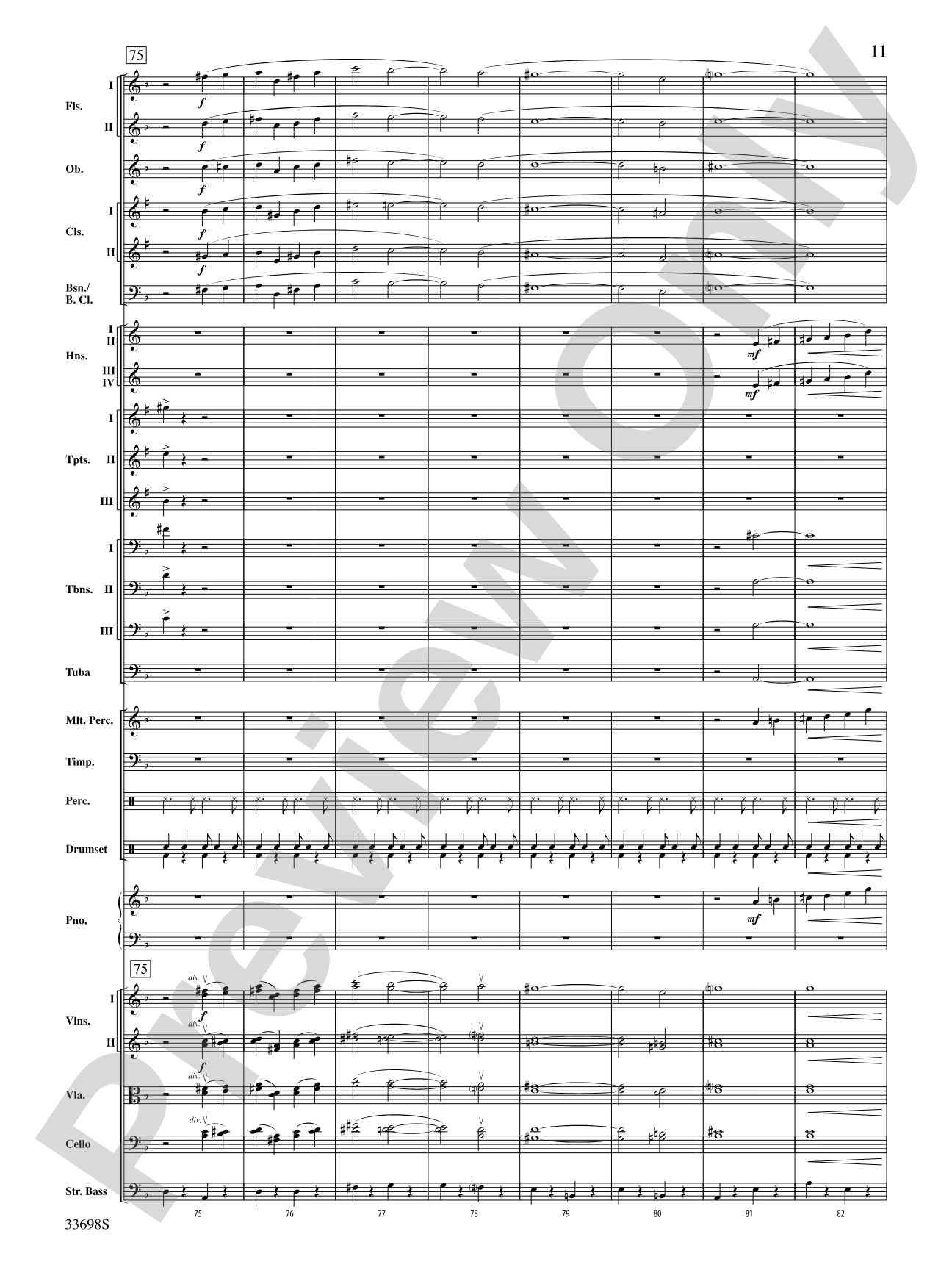
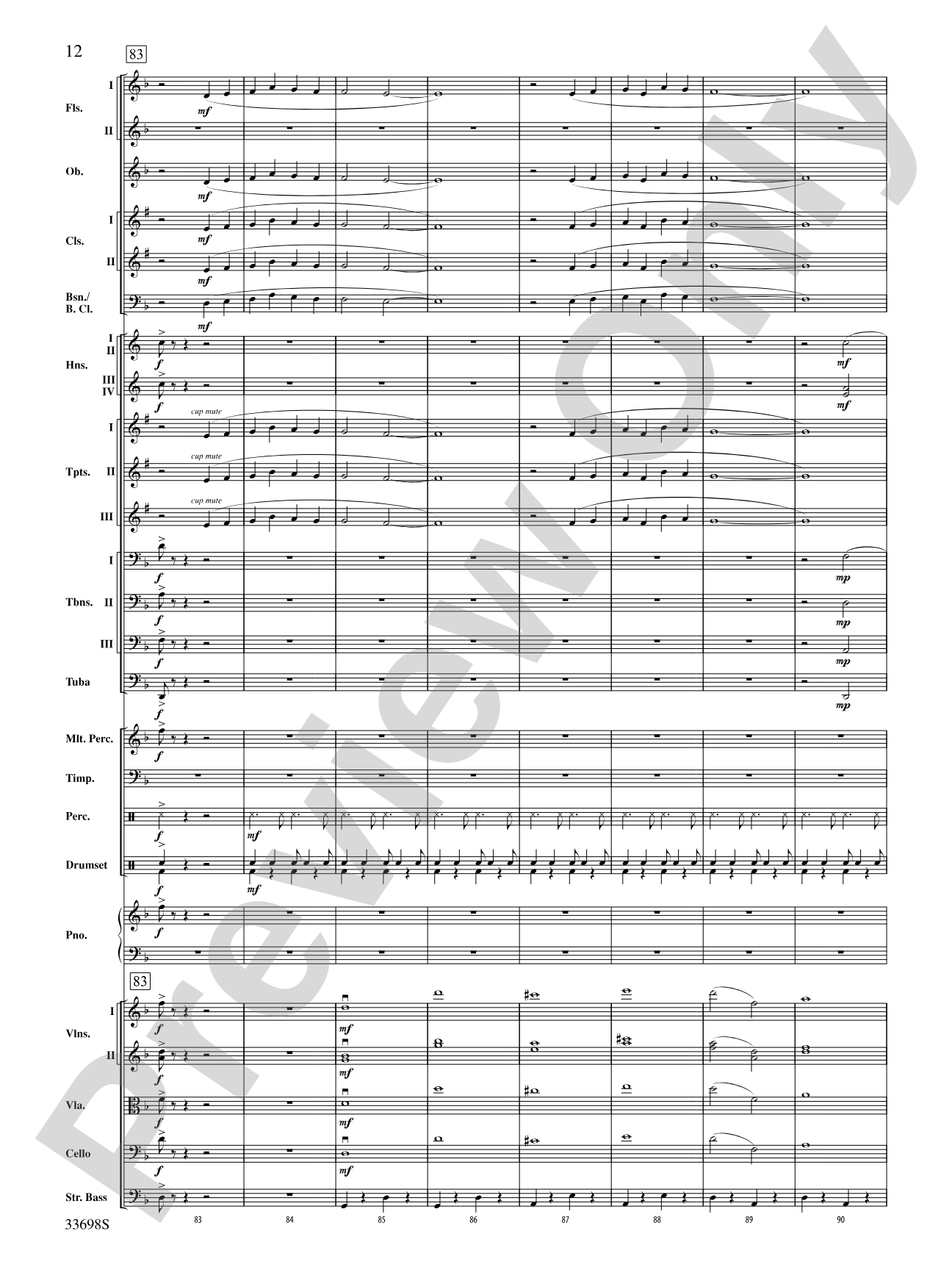
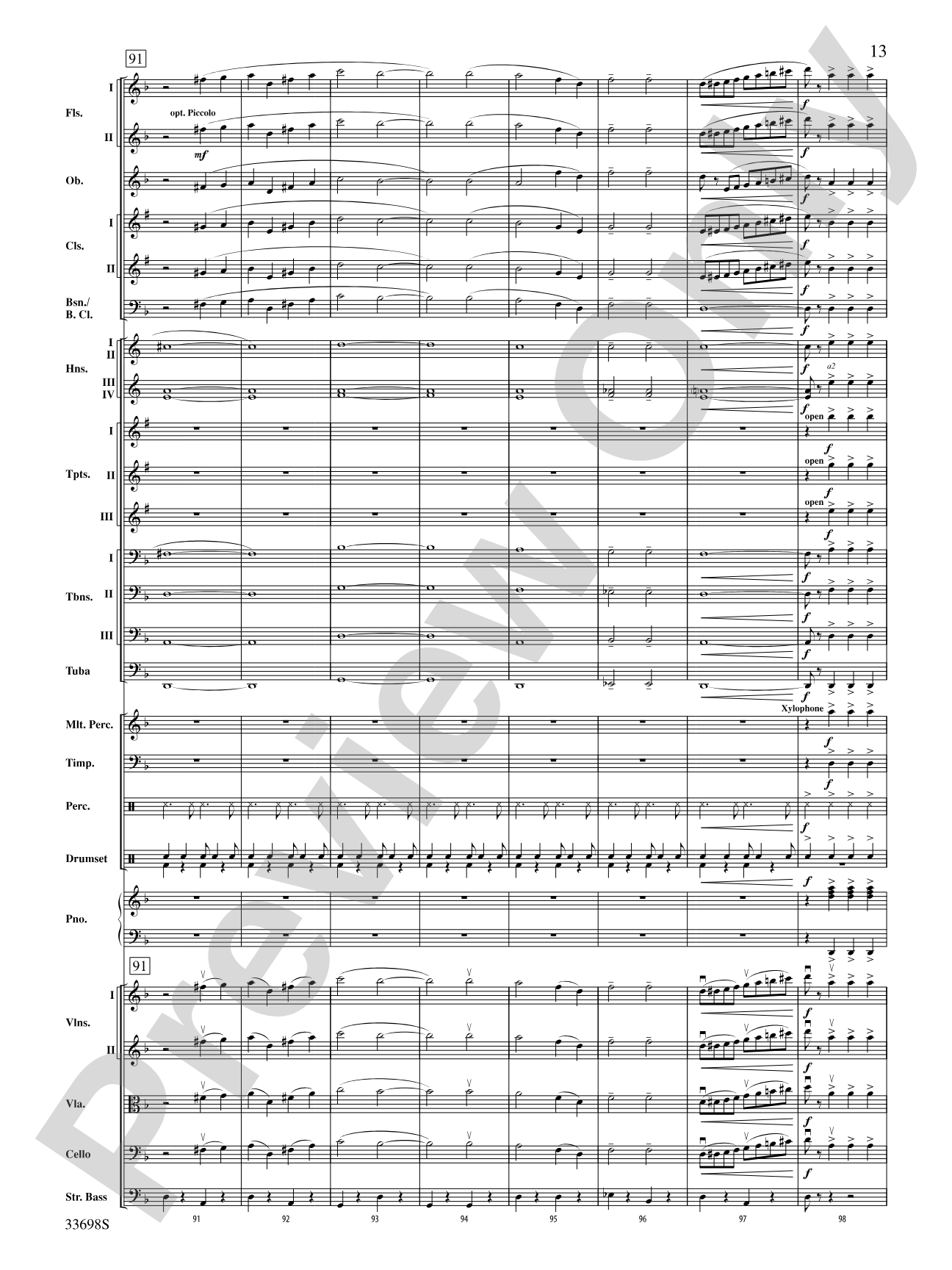
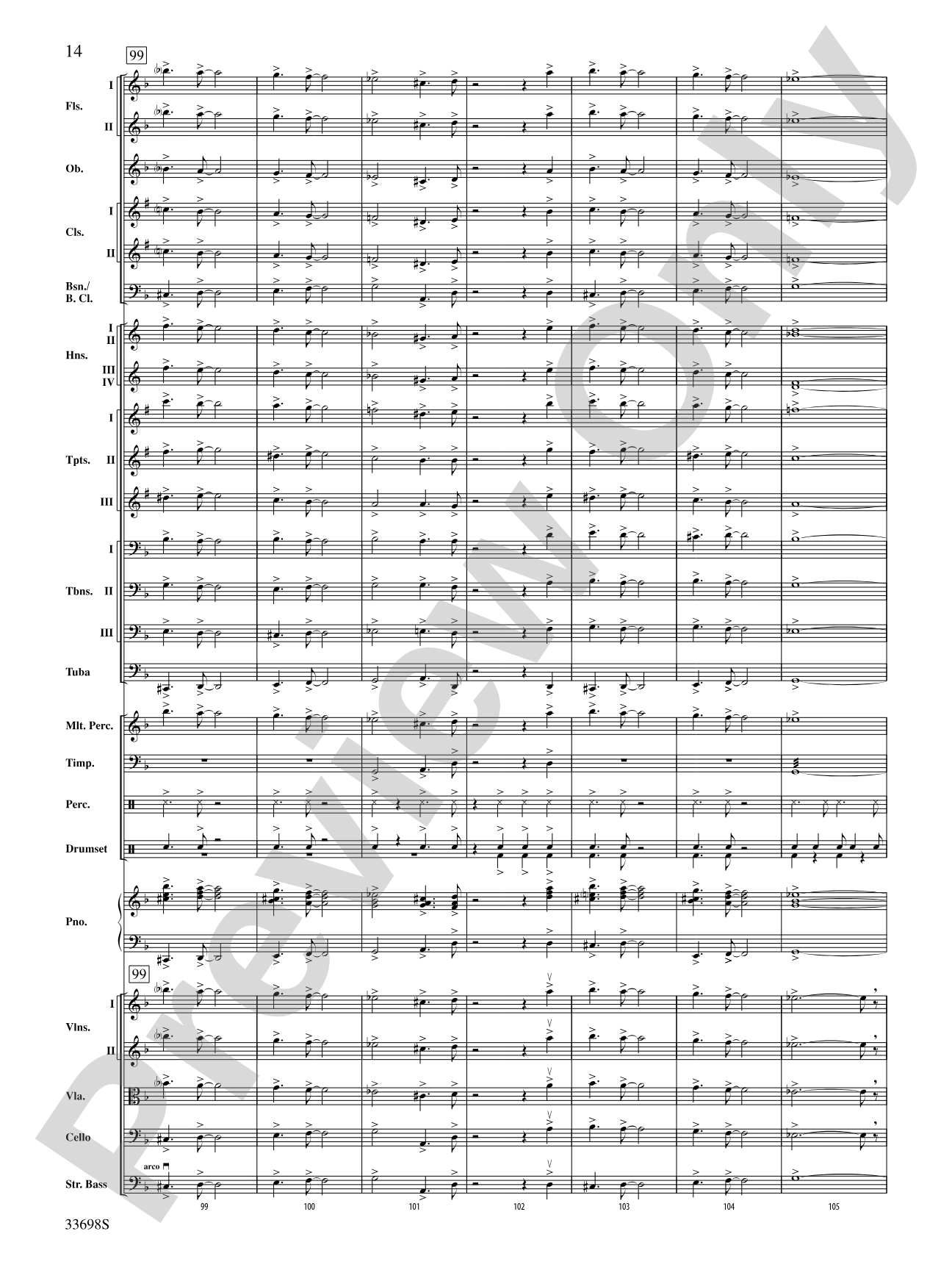
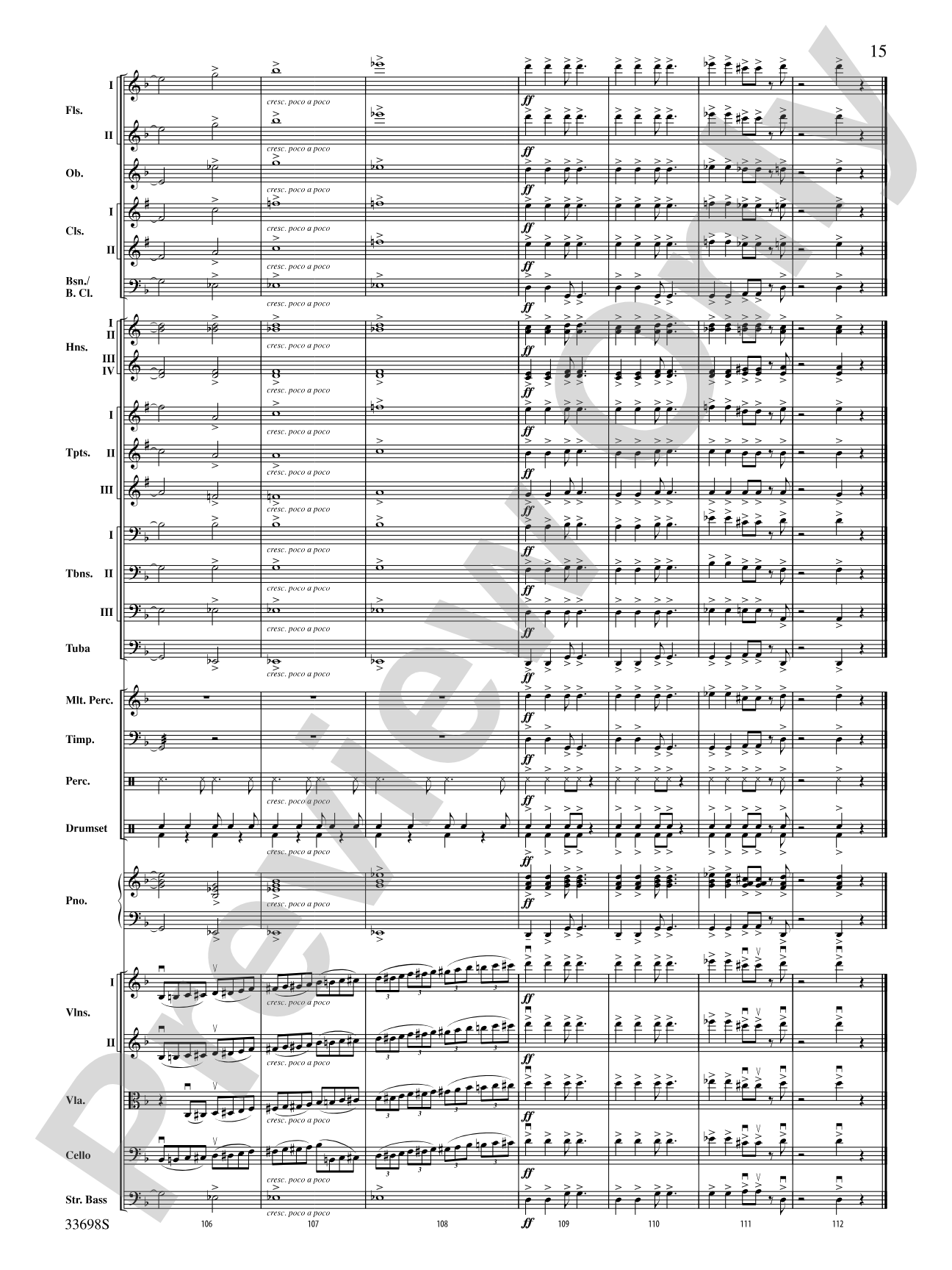


It Had Better Be Tonight (from The Pink Panther): Full Orchestra Conductor Score & Parts
As performed by Michael Bublé
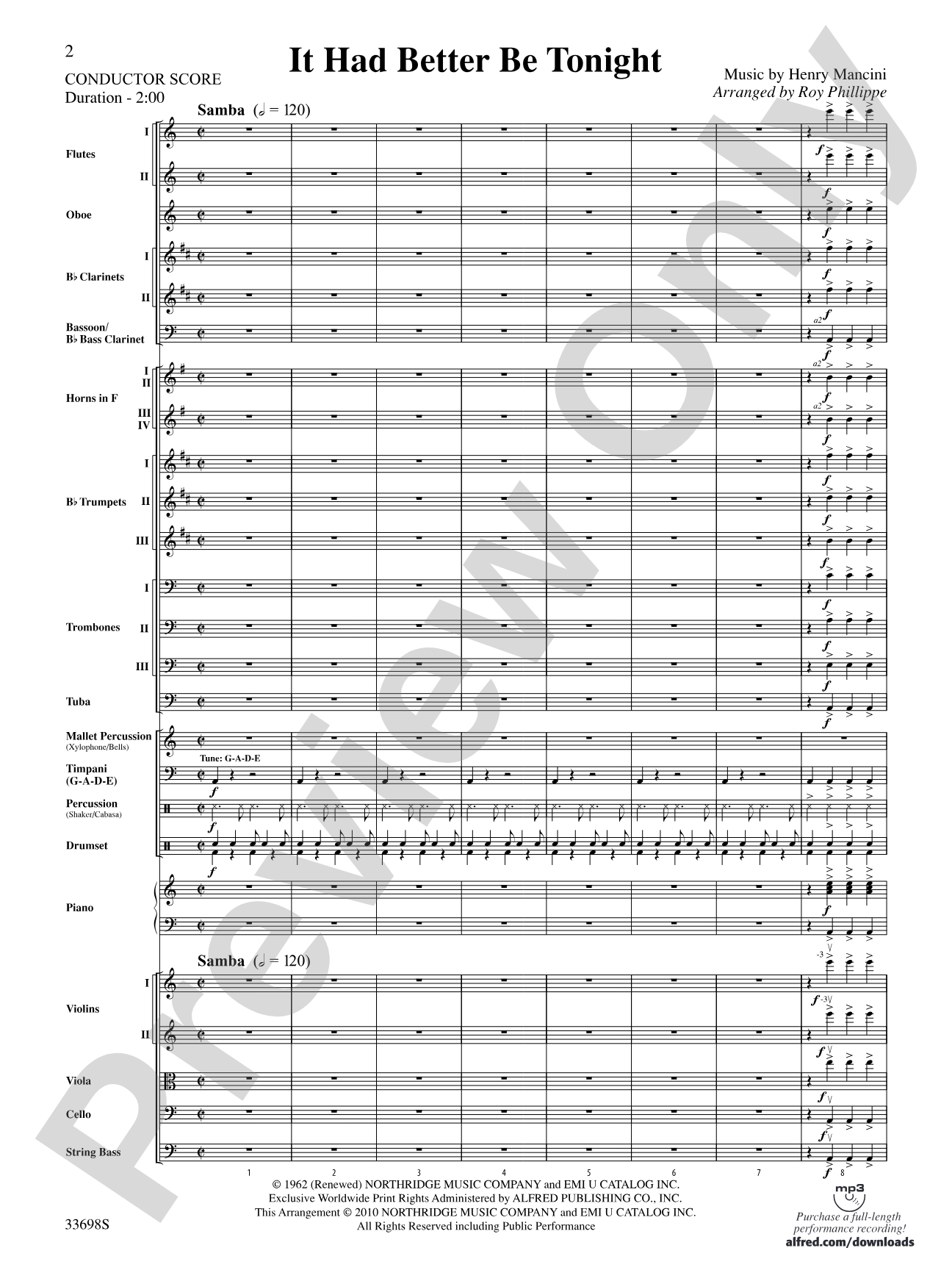
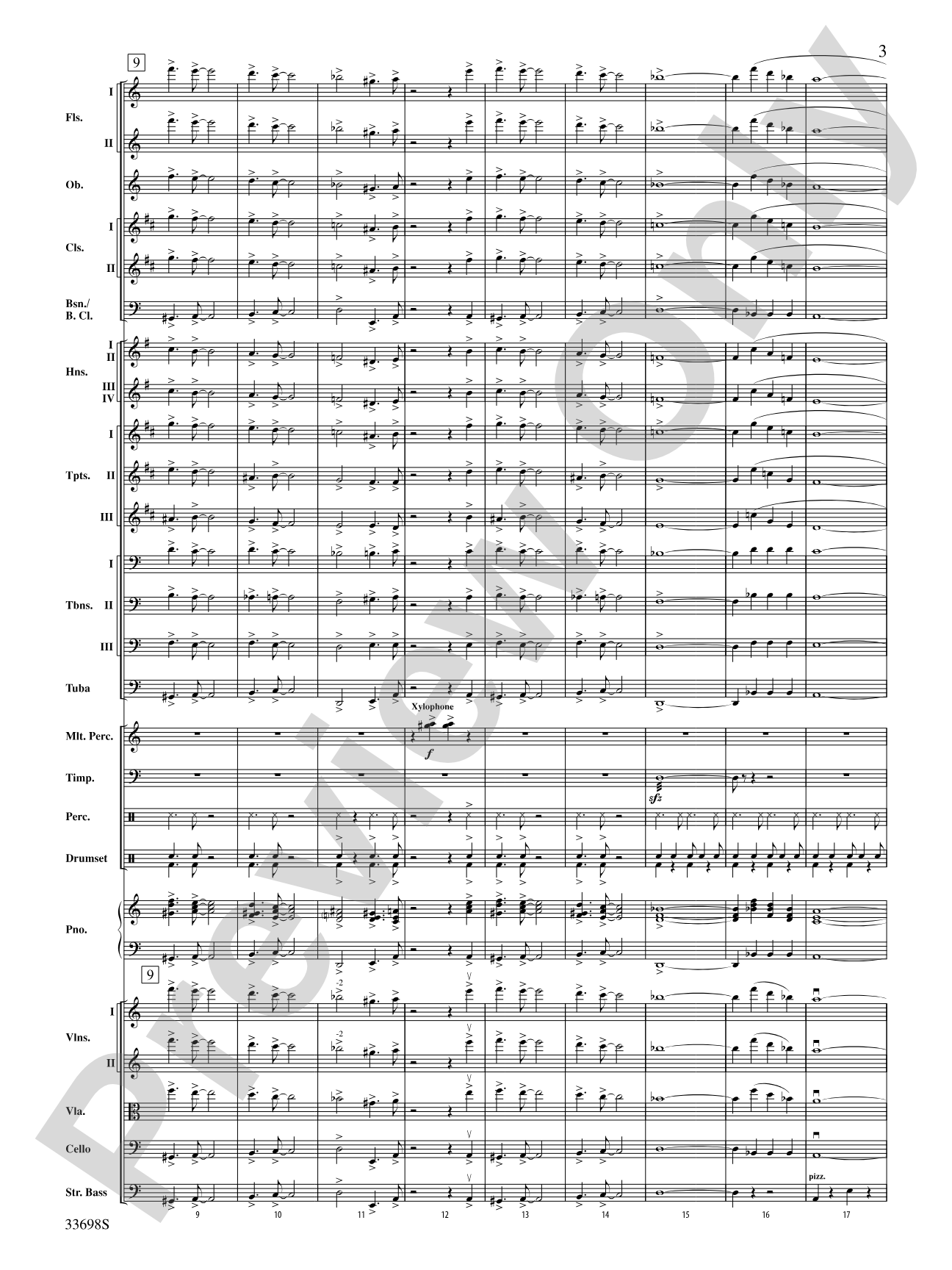
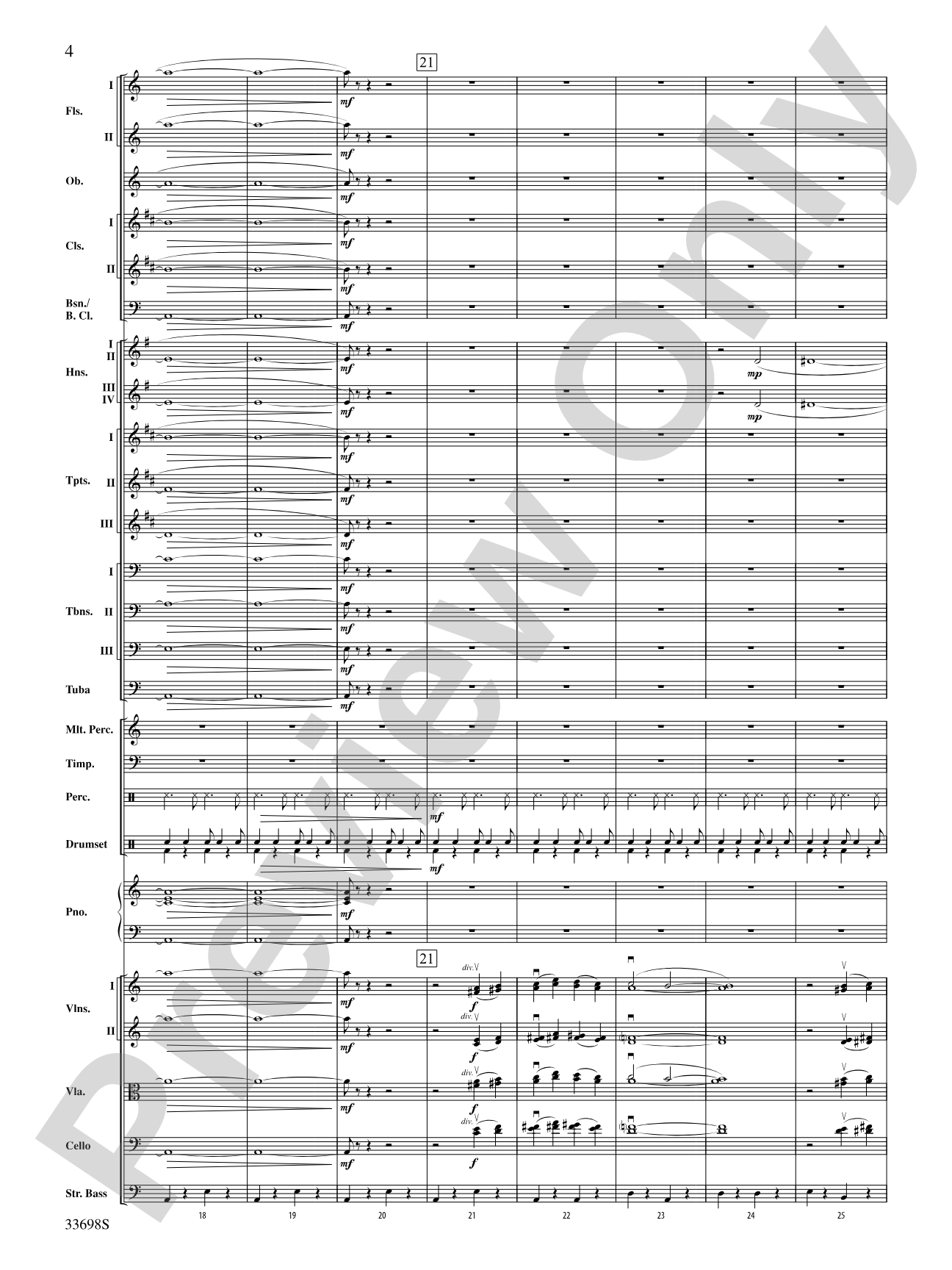
Music by Henry Mancini / arr. Roy Phillippe
Grade: 3.5
Item: 00-PK-0004190

$72.00
One moment…
Description
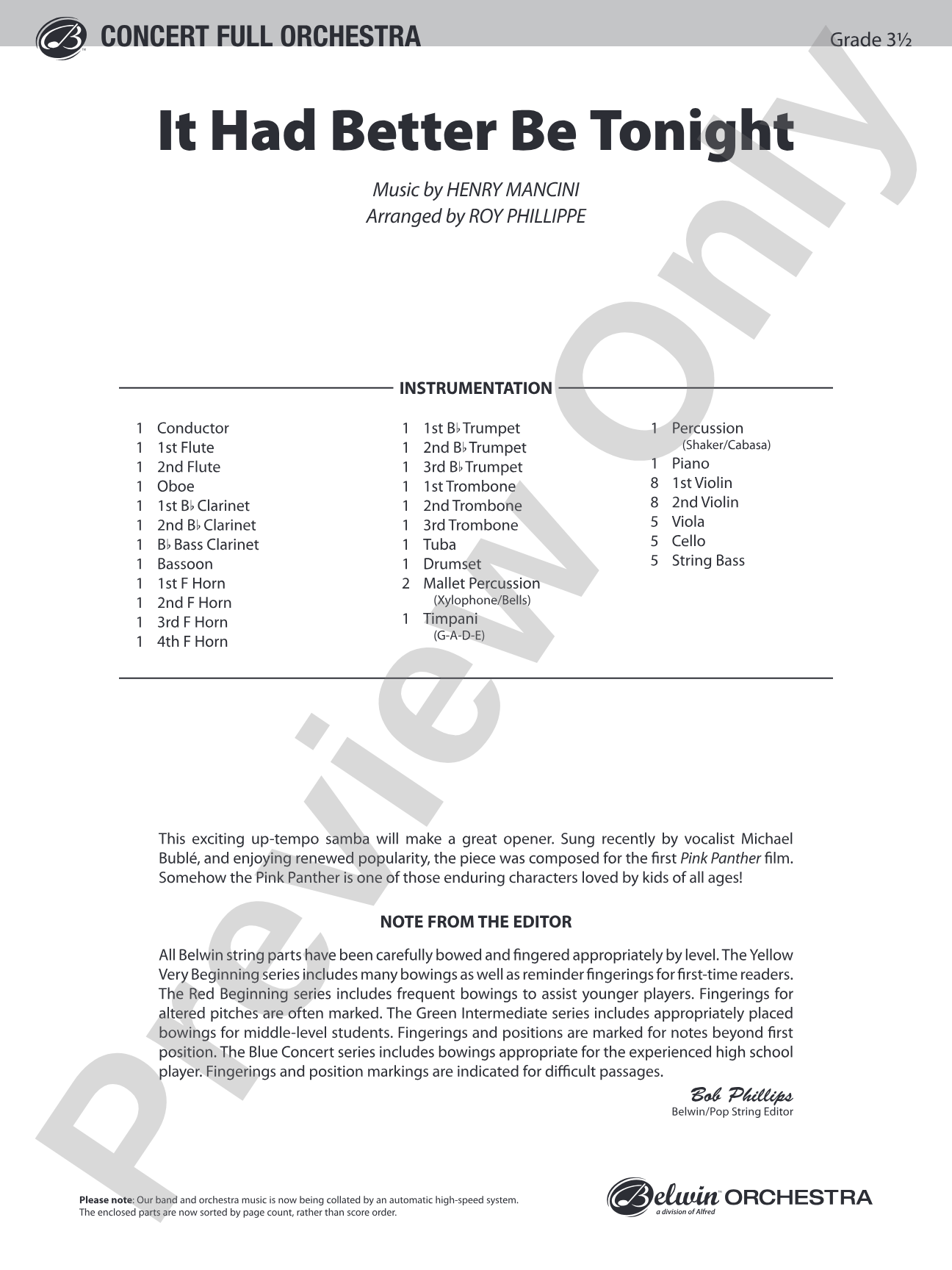
This exciting up-tempo samba will make a great opener. Sung recently by vocalist Michael Bublé, and enjoying renewed popularity, the piece was composed for the first Pink Panther film. Somehow the Pink Panther is one of those enduring characters loved by kids of all ages!


Don't just read it, hear it, play along with it, and watch your students grow with it. In MakeMusic Cloud, It Had Better Be Tonight (from The Pink Panther): Full Orchestra Conductor Score & Parts comes alive with professional accompaniment, adjustable tempo, and built-in practice tools that turn solo practice into real progress.
Open in the Player
Jump straight in and assign it today.
Start Your Free Trial
Open this title and explore the full library in minutes.
Sample Audio
1
Audio File
--:--
0:00
0:00
Sample Video
No sample videos found.
Additional Details
Series:
Pop Concert Full Orchestra
Publisher:
Alfred Music
Page Count:
182
SKU:
00-PK-0004190
More about this title
About the Composer: Henry Mancini
Henry Mancini (1924-1994) shaped the sound of American popular music and film for half a century. His gift for melody and orchestration made him one of the most recorded composers in history, with an output that ranged from elegant jazz-influenced scores to infectious popular songs. His work in film and television demonstrated how sophisticated arranging could serve a broad audience without sacrificing musical integrity.
Mancini won four Academy Awards and 20 Grammy Awards, but his true legacy lies in proving that popular music and serious craftsmanship are not mutually exclusive. For music educators, his scores offer students exposure to professional orchestration, memorable melodic writing, and the kind of rhythmic sophistication that makes arranging exciting to study.
Why we love this
This arrangement captures the infectious energy that made the original so memorable, and at Grade 3.5, it remains playable without sacrificing the sophisticated samba rhythm and jazzy harmonic touch that define Mancini's style. The piece works brilliantly as an opener because it grabs attention immediately, builds excitement across the ensemble, and leaves audiences in a good mood before the concert even settles in.
What to expect
Smooth, sophisticated, and surprisingly swinging. The samba pulse pushes forward with effortless charm while the melody floats above in that unmistakable Mancini style, blending jazz sensibility with popular appeal. There's a buoyancy to the whole thing that makes it nearly impossible not to smile while playing it.
Who it's for
Orchestra directors seeking an energetic, accessible opener that appeals to mixed-age audiences and works on concert programs ranging from family concerts to community pops events. Students at the intermediate level gain exposure to samba rhythm, jazz harmony, and the kind of orchestration that brings pop music to life on stage.
How to get the most out of it
- Establish the samba pulse clearly in the rhythm section before adding the melodic layers; the groove is the foundation that everything else depends on.
- Balance the trumpet and saxophone sections when they trade the main theme; each should feel equally prominent without either overshadowing the other.
- Let the syncopated figures in the woodwinds and strings sit slightly behind the beat to create the laid-back samba feel rather than pushing ahead.
- Pay attention to dynamic contrast between the full-ensemble hits and the groove sections; this alternation is what keeps the energy fresh across the piece.
How to use it
Open a pops concert or family event with this piece to establish an upbeat, sophisticated tone that signals fun without sacrificing musical quality. It pairs well with other Henry Mancini selections or sits comfortably alongside other classic pop orchestrations in a light concert setting.
Skills your students will build
- Reading and performing samba rhythms with proper swing feel
- Balancing melody and accompaniment in a jazz-influenced harmonic context
- Coordinating syncopated figures across multiple instrumental sections
- Responding to conductor gestures for dynamic shaping and rhythmic ensemble precision
- Understanding the orchestration techniques that bring popular melodies to concert life