It Can Happen in a Show Cover Image

It Can Happen in a Show: 2-Part Choral Octavo

$1.60 USD
Sale price  $1.60 USD Regular price 
Skip to product information
It Can Happen in a Show Cover Image

It Can Happen in a Show: 2-Part Choral Octavo

Words and music by Greg Gilpin

Level: Moderate

Item: 00-SVM03094

$1.60
Shipped

One moment…

Description
An upbeat driving show-style opener that tells us that if you can imagine it . . . it might just happen in a show. A clever light programming selection from Greg Gilpin.

It Can Happen in a Show: 2-Part Choral Octavo isn't in MakeMusic Cloud just yet...but it could be. Let us know you'd like to see it, and you'll help shape what comes next. In the meantime, start a free trial and dive into thousands of interactive titles your students can play along with today.

Sample Pages

No sample pages found.

Sample Audio
No sample audio found.
Sample Video
Additional Details
Publisher: Alfred Music
UPC: 654979061601
SKU: 00-SVM03094

More about this title

About the Composer: Greg Gilpin
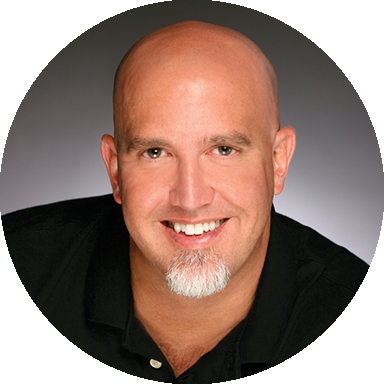
Greg Gilpin

Greg Gilpin brings decades of experience as both a composer and conductor to choral music education. His work has been heard at major venues including Carnegie Hall, Lincoln Center, the Sydney Opera House, and Royal Festival Hall, and he serves as Director of Educational Choral Publications for Shawnee Press. Gilpin is an ASCAP award-winning composer whose arrangements span classical to contemporary styles, and he remains active in the recording industry as a producer and musician.

Beyond the concert hall, Gilpin has expanded his creative reach into film composition, scoring the award-winning short "Rosie's Rescue," and collaborating with opera singer Angela Brown on arrangements for symphonic choir. A member of ACDA, NAfME, and Phi Mu Alpha Sinfonia, Gilpin continues to compose, conduct, and teach while maintaining deep connections to the choral music community.

Why we love this

Gilpin crafts openings that do their job without pretense. This piece combines the accessibility that middle school choirs need with genuine theatrical flair—it's the kind of upbeat, confident selection that sets a concert's tone immediately and gets audiences invested in what's coming next. The 2-part writing allows you to program confidently regardless of your soprano-alto balance on any given rehearsal day.

What to expect

Bright, forward-moving, and genuinely theatrical. The piece radiates the optimism of musical theater while maintaining the directness that makes it work in educational settings. There's a spark of imagination at its core—a tangible sense that something exciting is about to unfold.

Who it's for

Grade 3 choirs with solid fundamentals and the confidence to tackle contemporary programming. This piece works well for ensembles comfortable with 2-part writing who want to program something accessible yet theatrically engaging, and it's ideal for middle school singers developing independence between soprano and alto lines.

How to get the most out of it

  • Treat the rhythm as conversation rather than machinery. Gilpin's show-style writing thrives when the parts play off each other with clarity and rhythmic independence, not lockstep uniformity.
  • Let the text drive the energy. The central conceit—if you imagine it, it might happen—needs genuine optimism in the singers' tone and phrasing to land.
  • Balance the parts so both lines remain audible. Even as the piece builds momentum, preserve the counterpoint that makes the arrangement musical rather than just loud.
  • Use recorded accompaniment to establish groove consistency during early rehearsals. It frees you to focus on diction and character while the rhythm section anchors the ensemble.

How to use it

Open a spring concert or musical theater showcase with this. Its upbeat drive and thematic connection to theatrical possibility makes it a natural choice for setting energy early in a program, and the moderate difficulty means it won't overtax your ensemble before they've settled into performance mode.

Skills your students will build

  • Part independence in 2-part texture
  • Rhythmic precision in show-style accompaniment patterns
  • Theatrical diction and character work
  • Sustaining energy and momentum through a driving arrangement
  • Balance between soprano and alto lines in contemporary idiom

You May Also Like